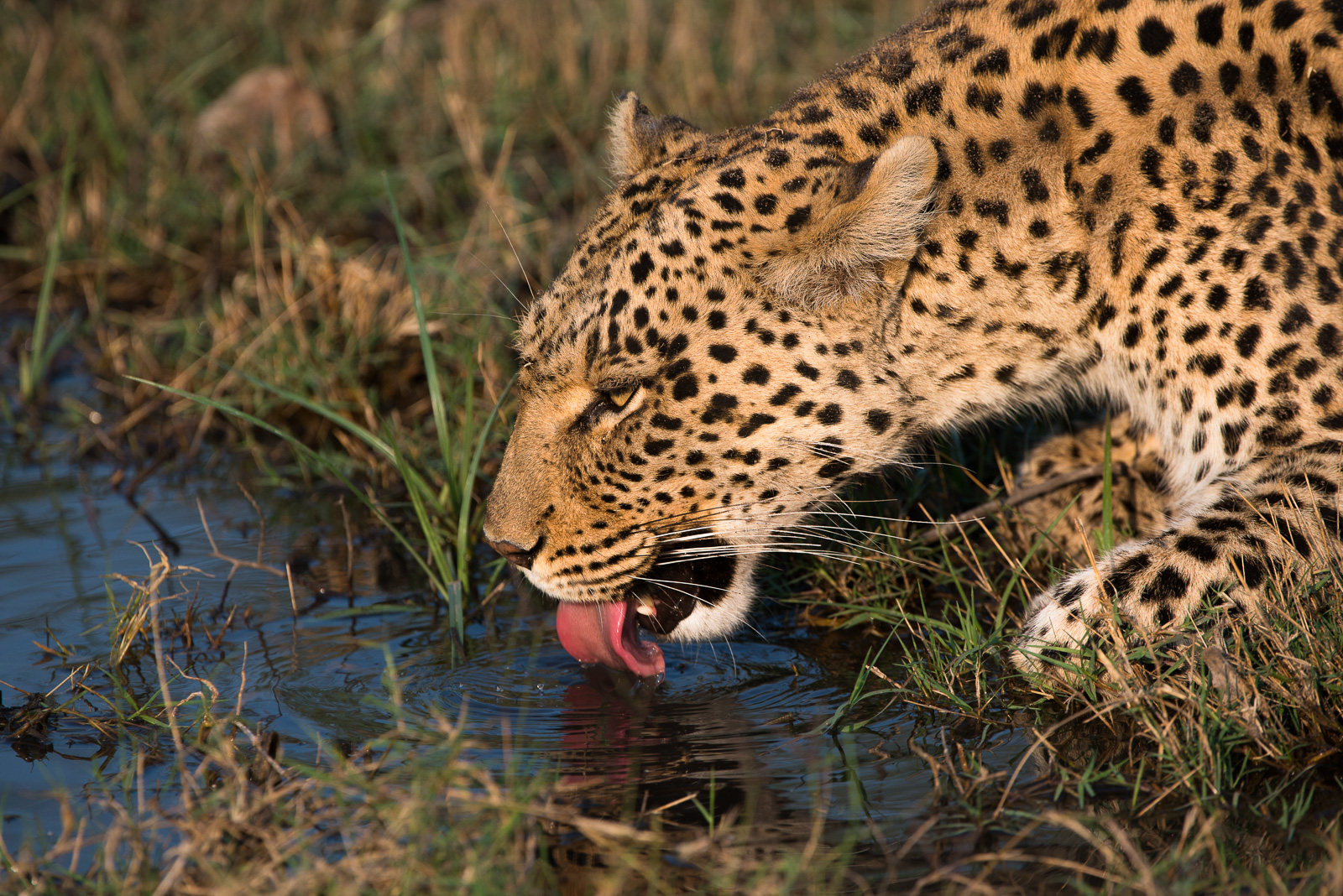
It’s always exciting to see a leopard. This mother of a one year old cub kept finding her way in front of my camera. Over a two day period, we saw her lounging in a tree, stalking prey from a termite mound, prowling through the tall grass of the Botswanan savanna, and filling up at a water hole. Nikon D800 with Nikkor 200-400mm lens (at 400mm) ISO 400, f/5.6 at 1/1000th of a second
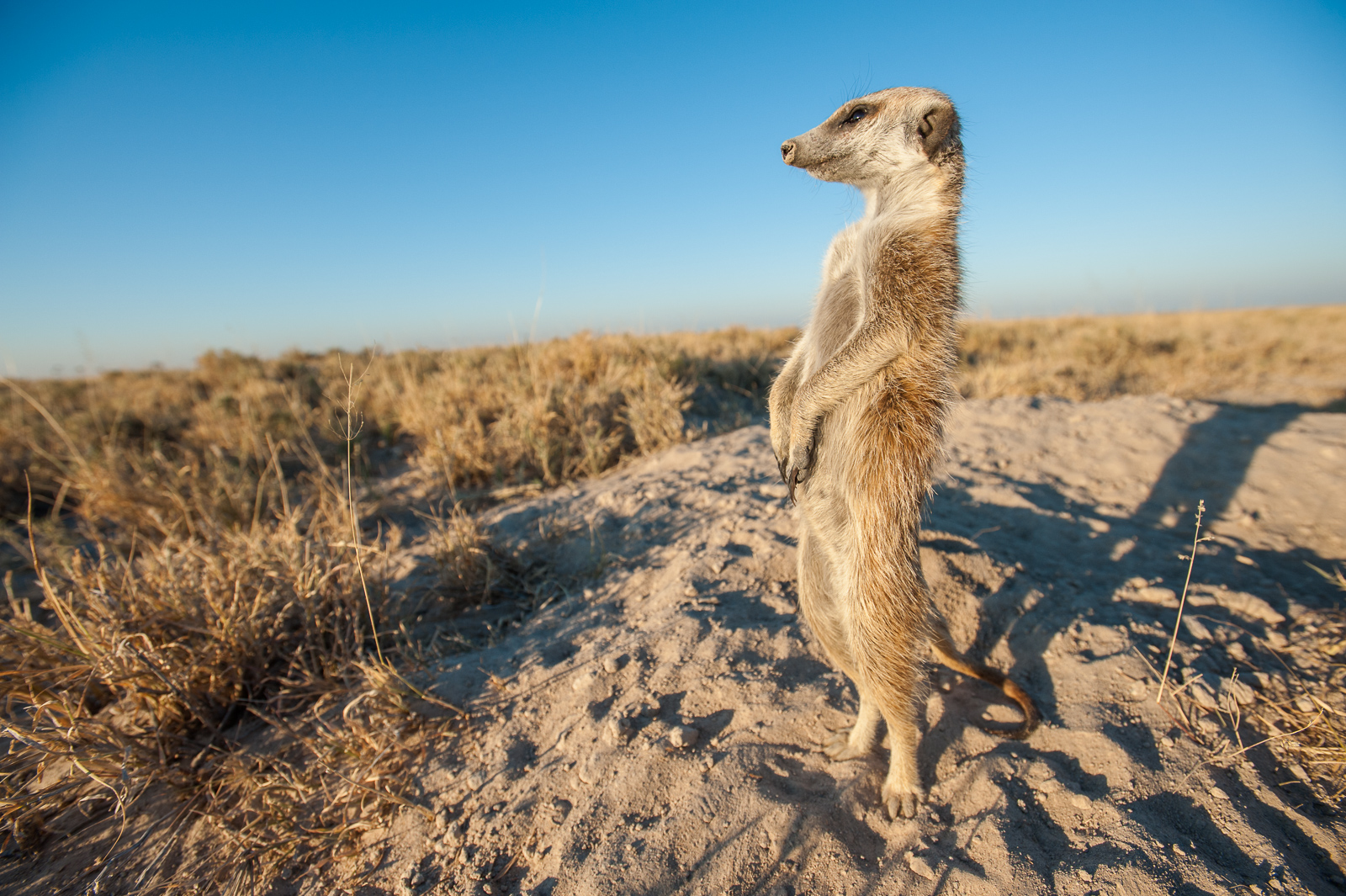
Meerkats are always on high alert, guarding against any would-be danger. They take turns at guard duty, so while most of the clan is foraging, fighting and playing, there are always a few on their tip toes, surveying the mean streets of Botswana’s grasslands plains. Nikon D700 with Nikkor 17-35mm lens (at 17mm) ISO 400, f/5.6 at 1/1000th of a second
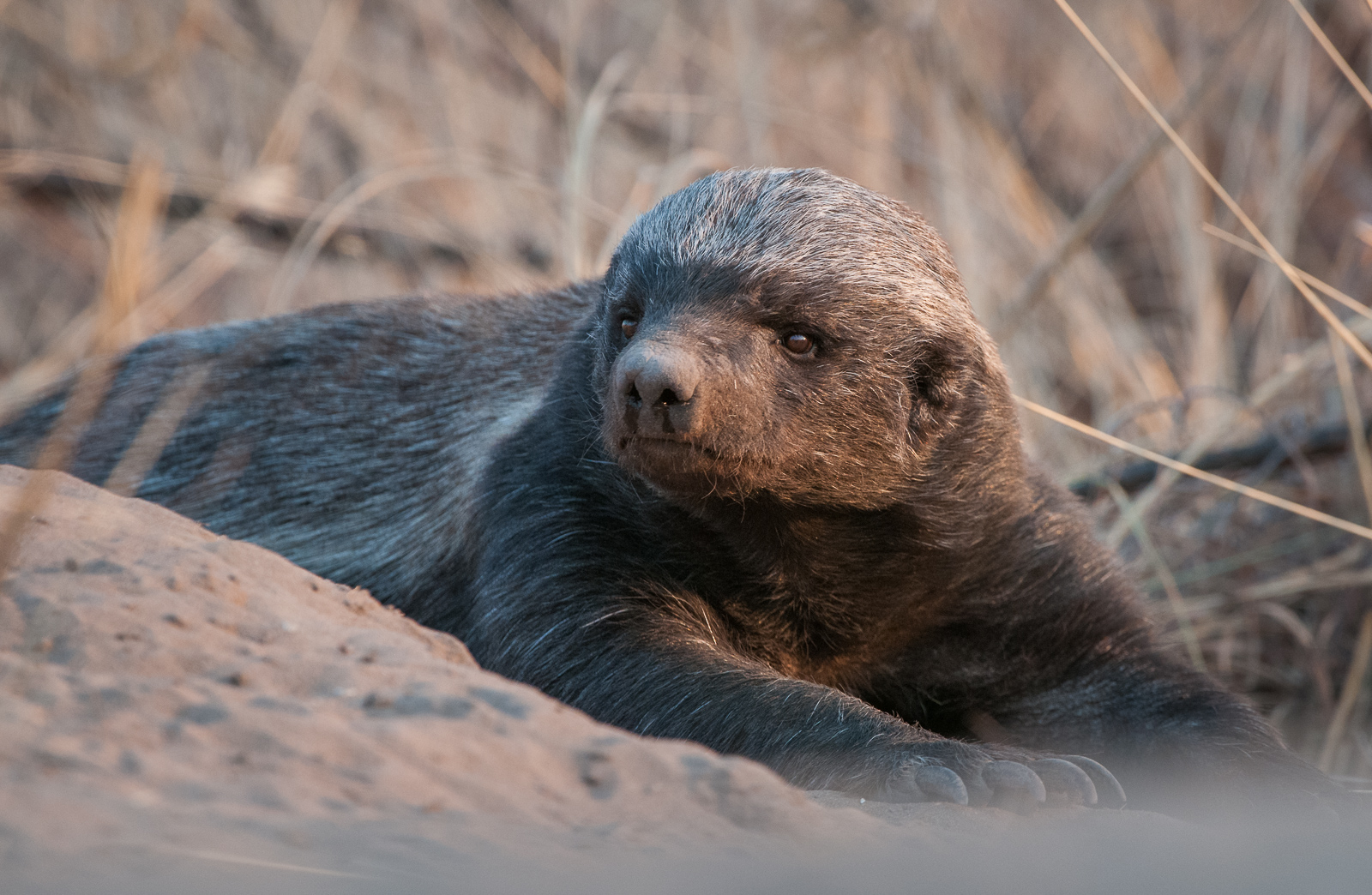
For those of you on my subscribers list, I apologize, but for some reason last night’s post never sent. I’m not sure why, but hopefully this one will go through. If you missed last night, you should check it out — a sweet shot of a white wallaby with her joey you can see here. And this, of course, is a honey badger. I was in the Central Kalahari Game Reserve on my first trip to Botswana. Honey badgers have a fierce reputation for being able to stand up to larger predators such as lions. Their skin is very thick and also very loose. If a lion gets ahold of one, the honey badger can turn around in its own skin and fight back. Nikon D300 with Nikkor 200-400mm lens (at 400mm) ISO 800, f/5.6 at 1/250th of a second
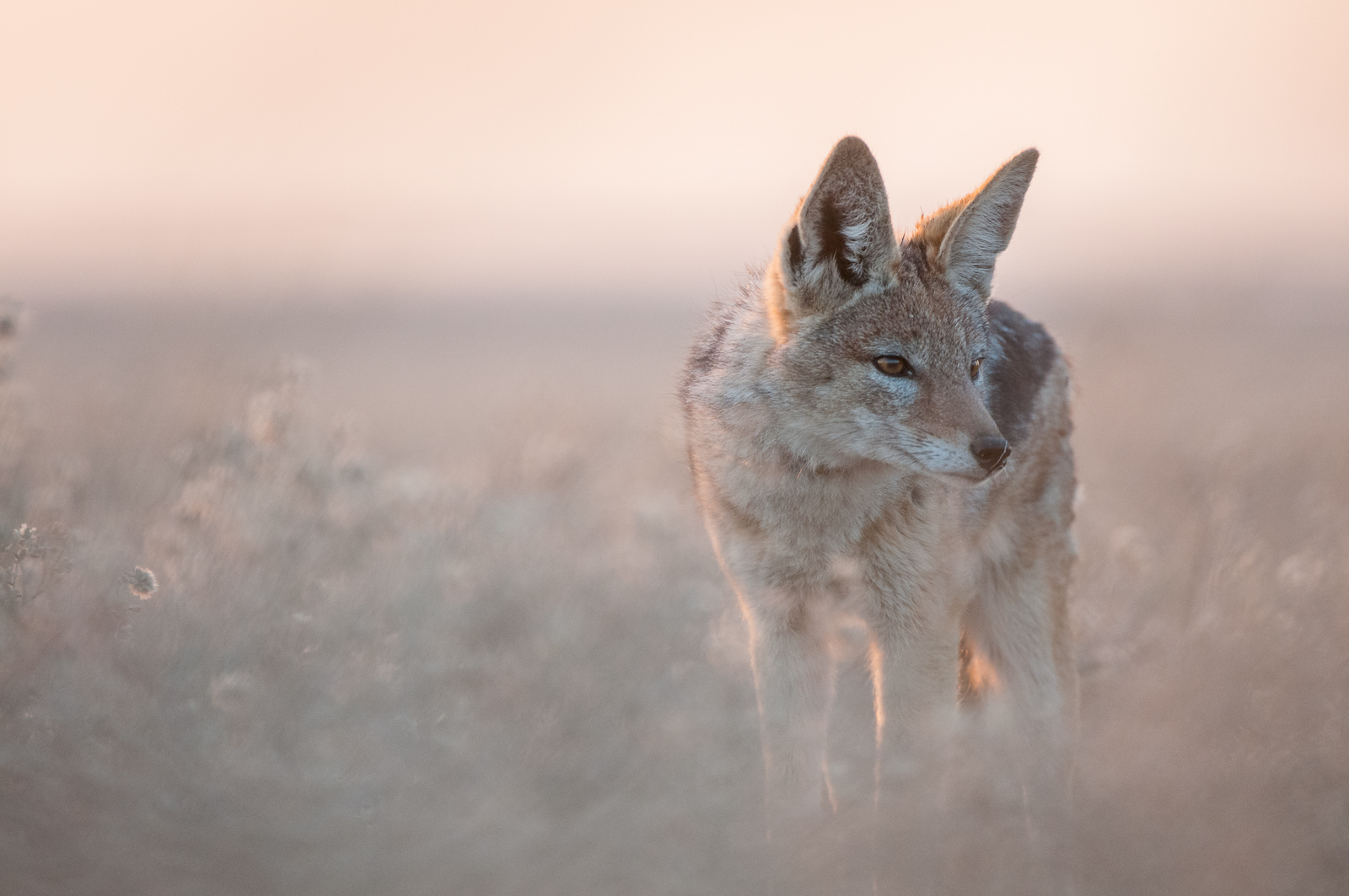
I like the way that this one is almost devoid of all color (even though it’s fully saturated). It was sunset in the Central Kalahari Game Reserve in Botswana when I came across this agreeable black backed jackal. The jackal was very accepting of my approach and I was able to get out of the safari vehicle and down on the ground for an eye level portrait. The low angle also enabled me to blur out most of the background, adding to the monochromatic effect. Nikon D300 with Nikkor 200-400mm lens (at 360mm) ISO 800, f/4 at 1/125th of a second
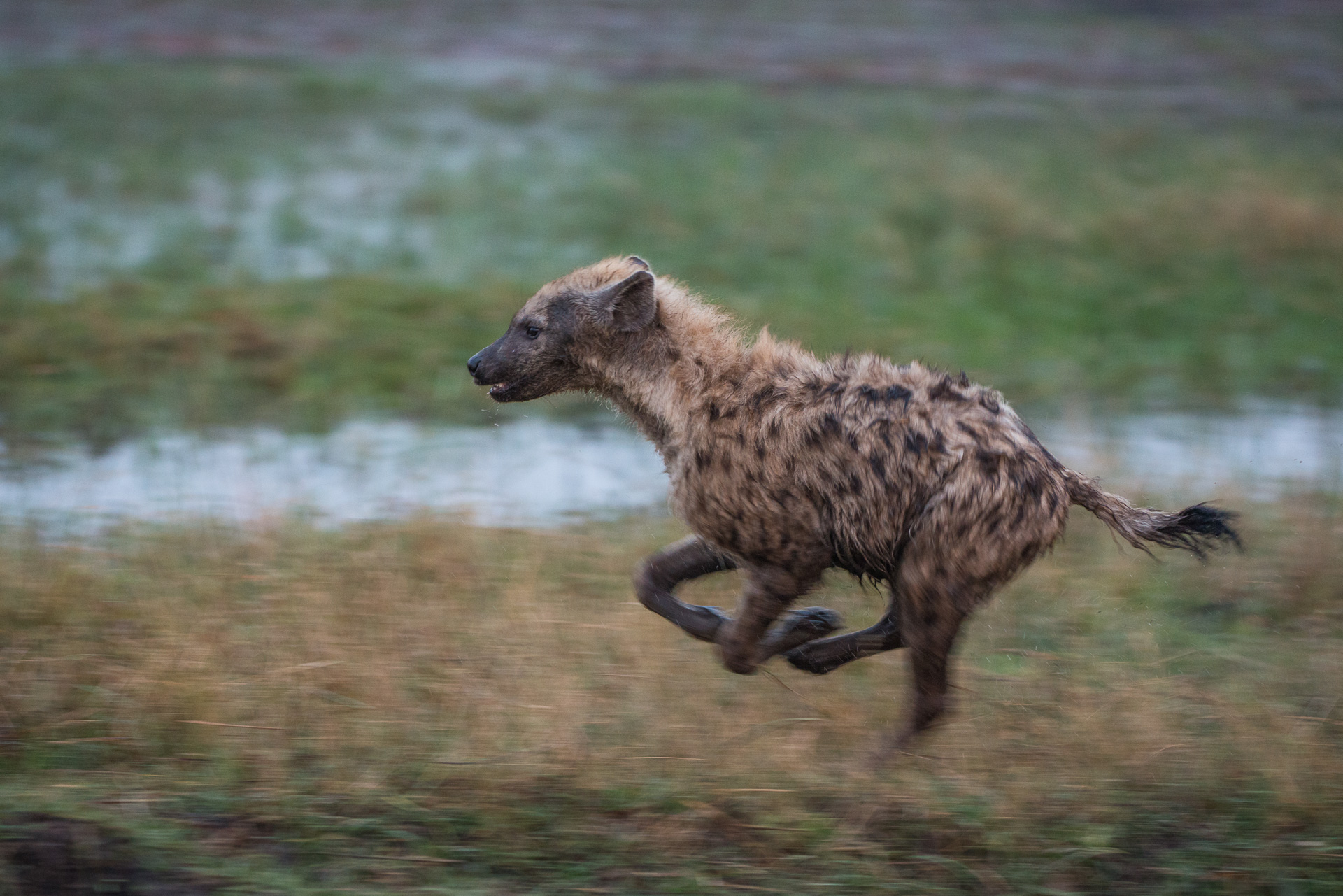
This one was taken early in the morning in northern Botswana. Several spotted hyena were romping around in a flooded plain chasing after each other and apparently having a good old time — unusual behavior for the ordinarily laid back hyena. There wasn’t much light so most of my pictures from this session were motion-blurred panning shots. For this one I had enough light (but still had to pan with the hyena) to freeze the head and torso. Nikon D800 with Nikkor 200-400mm lens (at 240mm) ISO 1600, f/4 at 1/160th of a second
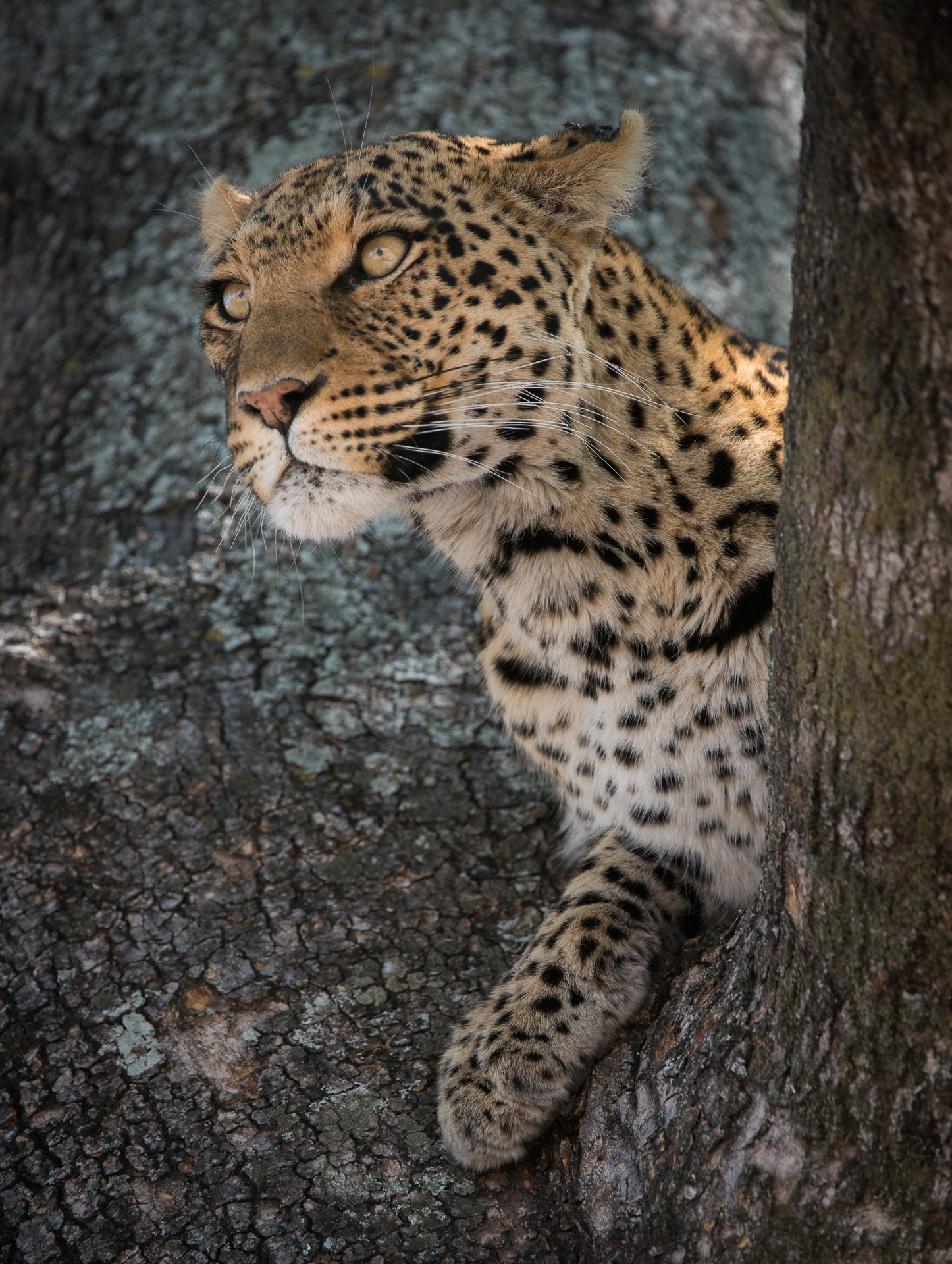
Many consider the leopard the most attractive of all the big cats. Hard to argue with this young female. We saw her a few times in our six days in northern Botswana on our honeymoon trip two years ago. This shot was taken about twenty minutes before she dropped from the tree onto a grazing impala below. Nikon D800 with Nikkor 200-400mm lens (at 360mm) ISO 800, f/5.6 at 1/500th of a second
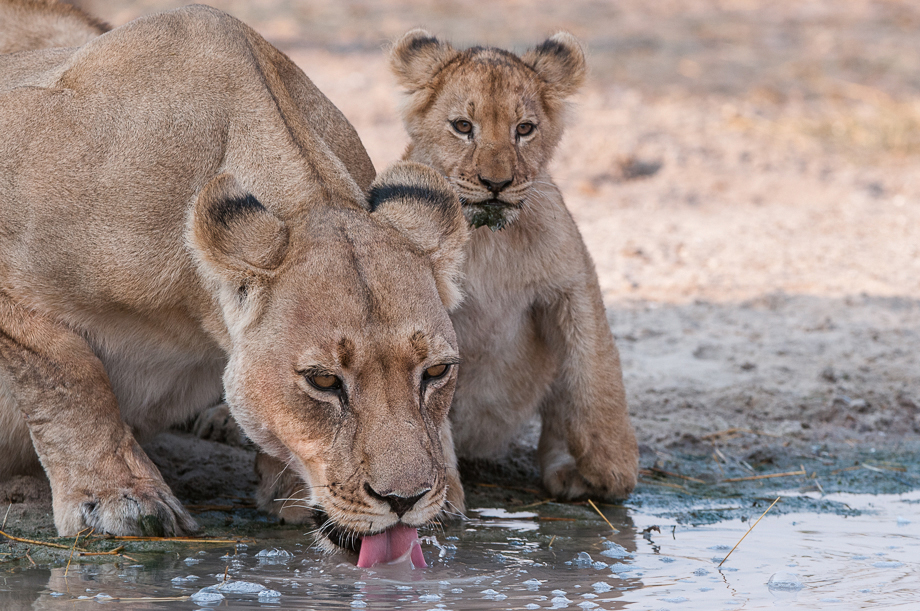
This lion mother and cub were part of a pride that I photographed in the Kalahari Desert of Botswana. They had just come from an oryx kill and were filling up at a water hole near our camp. I like that you can clearly see the black stripes on the mother’s ears in this photo. Nikon D300 with Nikkor 200-400mm lens (at 270mm) ISO 400, f/5.6 at 1/250th of a second
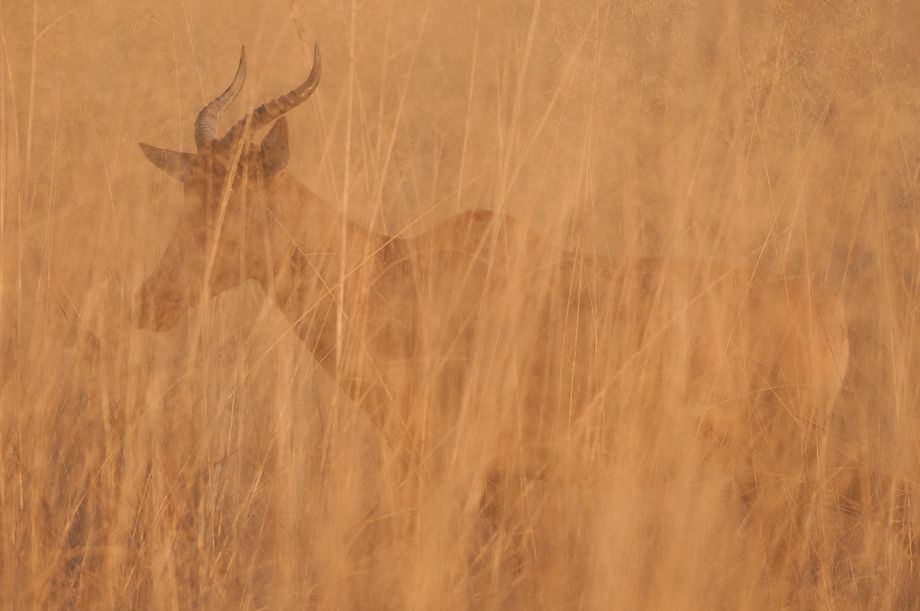
The tsessebe is a large antelope found in certain African countries, including Botswana where I photographed this one. It was early morning and a group of tsessebe were mixed in amongst zebra, foraging (and perhaps hiding) in the very long grass of the Okavango Delta. Nikon D300 with Nikkor 200-400mm lens (at 220mm) ISO 800, f/4 at 1/1600th of a second
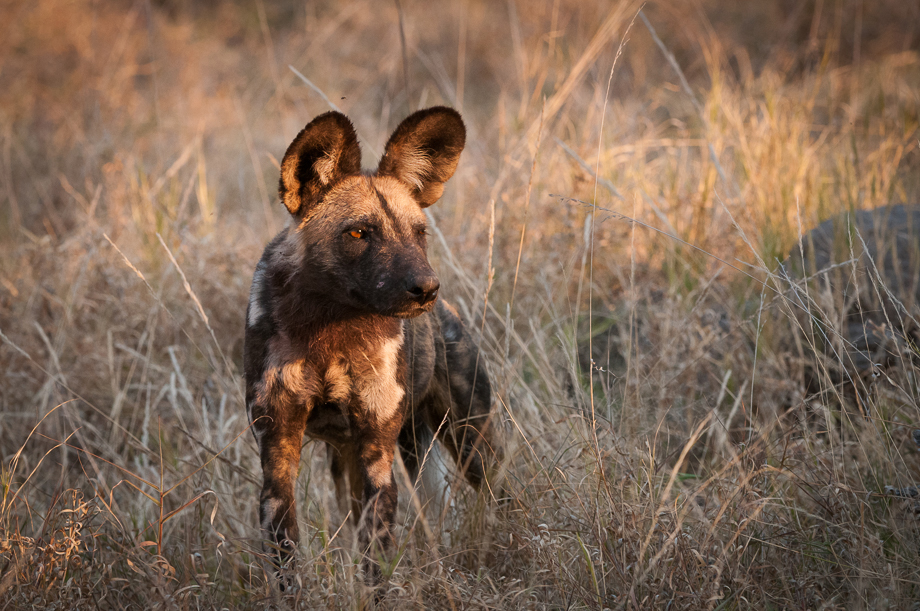
I photographed this African wild dog a few years back in the Linyanti swamp area of northern Botswana. Wild dogs are one of the most sought after species by seasoned safari goers, and Linyanti is one of the most reliable places to see them. Even so, they are far from a guarantee. I was lucky enough to see a pack of about 12 one afternoon as they were winding down a day of hunting. Unfortunately, they are an endangered species due to habitat loss, human overpopulation, and other factors. Nikon D300 with Nikkor 200-400mm lens (at 260mm) ISO 800, f/5.6 at 1/400th of a second
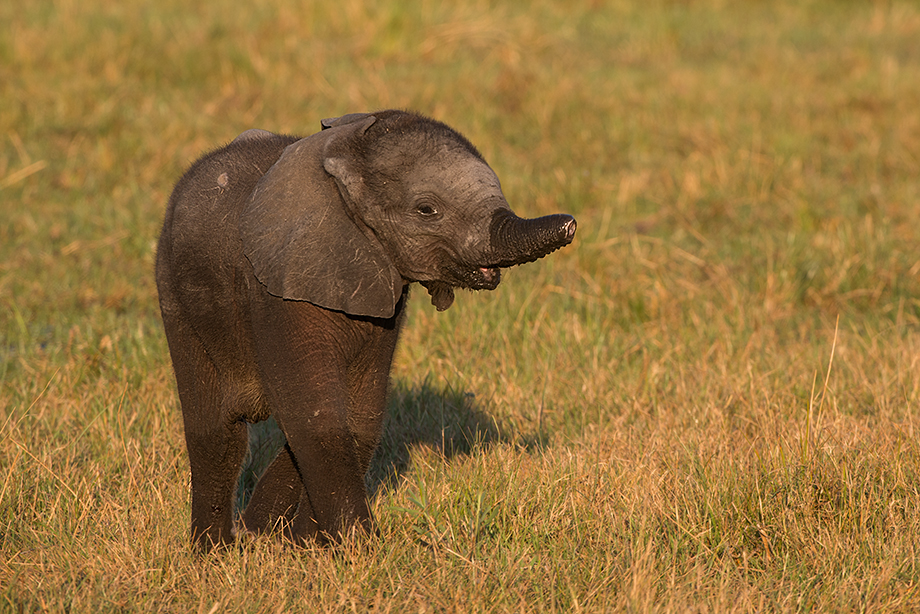
I mentioned earlier in the week that you won’t find anything on the African plains much cuter than a baby giraffe. I left the door open a bit because there are a few legitimate contenders. Baby elephants being one of them. I met this little guy in Botswana on my last trip to Africa. The poor little thing had a foreshortened trunk, perhaps a birth defect, but more likely the result of an encounter with a predator. Nikon D800 with Nikkor 200-400mm lens (at 400mm) ISO 400, f/8 at 1/250th of a second
We use cookies to enhance your experience while using our website. If you are using our Services via a browser you can restrict, block or remove cookies through your web browser settings. We also use content and scripts from third parties that may use tracking technologies. You can selectively provide your consent below to allow such third party embeds. For complete information about the cookies we use, data we collect and how we process them, please check our Privacy Policy