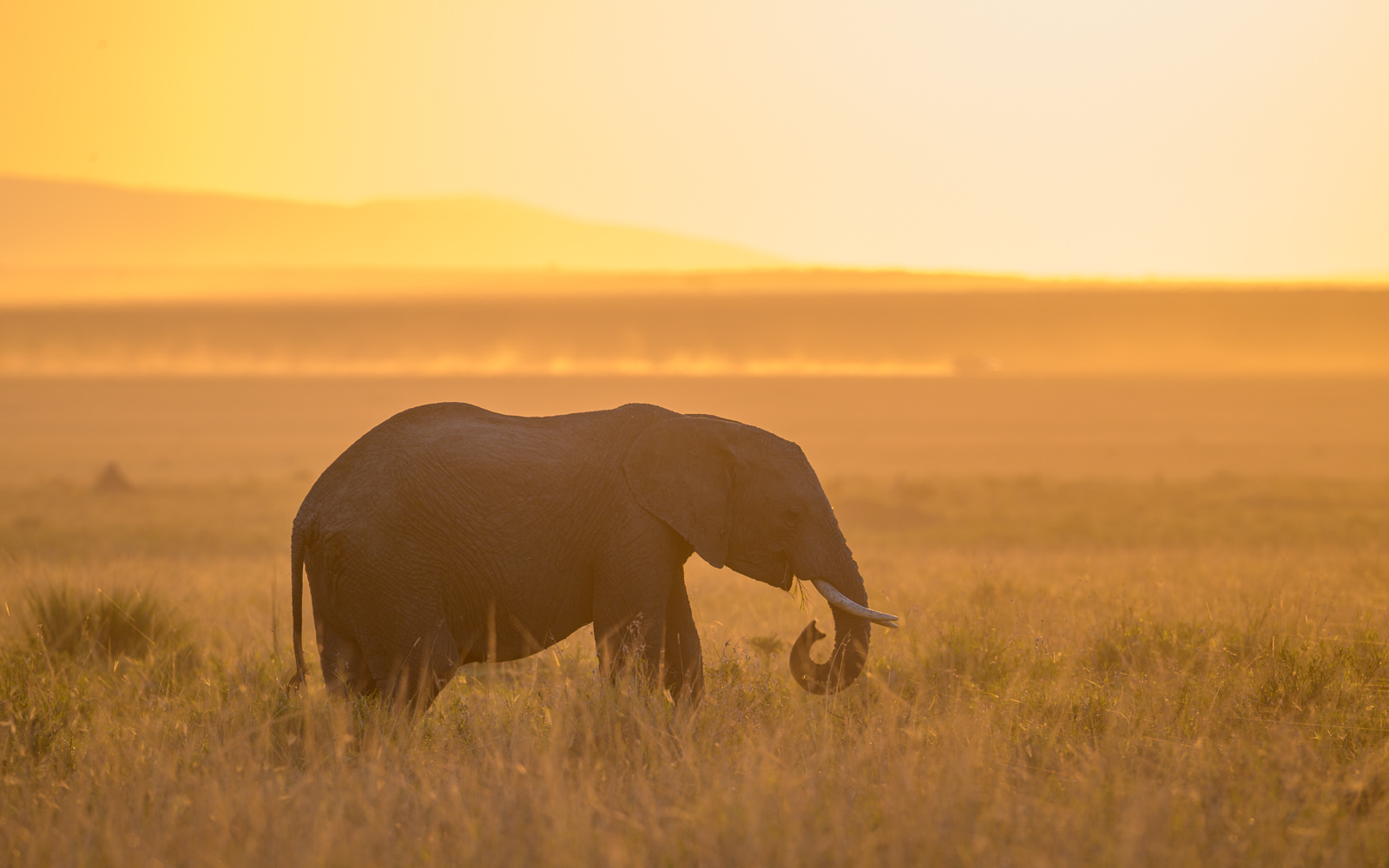
Few animals have a more recognizable silhouette on the African savanna than the elephant. As they forage, elephants use their trunks to pull up grasses, strip leaves from branches, and even dig for roots. An adult can consume more than 300 pounds of vegetation in a day, and their feeding habits help shape the landscape by opening up dense vegetation and creating space for other species. Nikon Z8 with Nikkor 180-600mm lens (at 450mm) ISO 200, f/6 at 1/250th of a second.
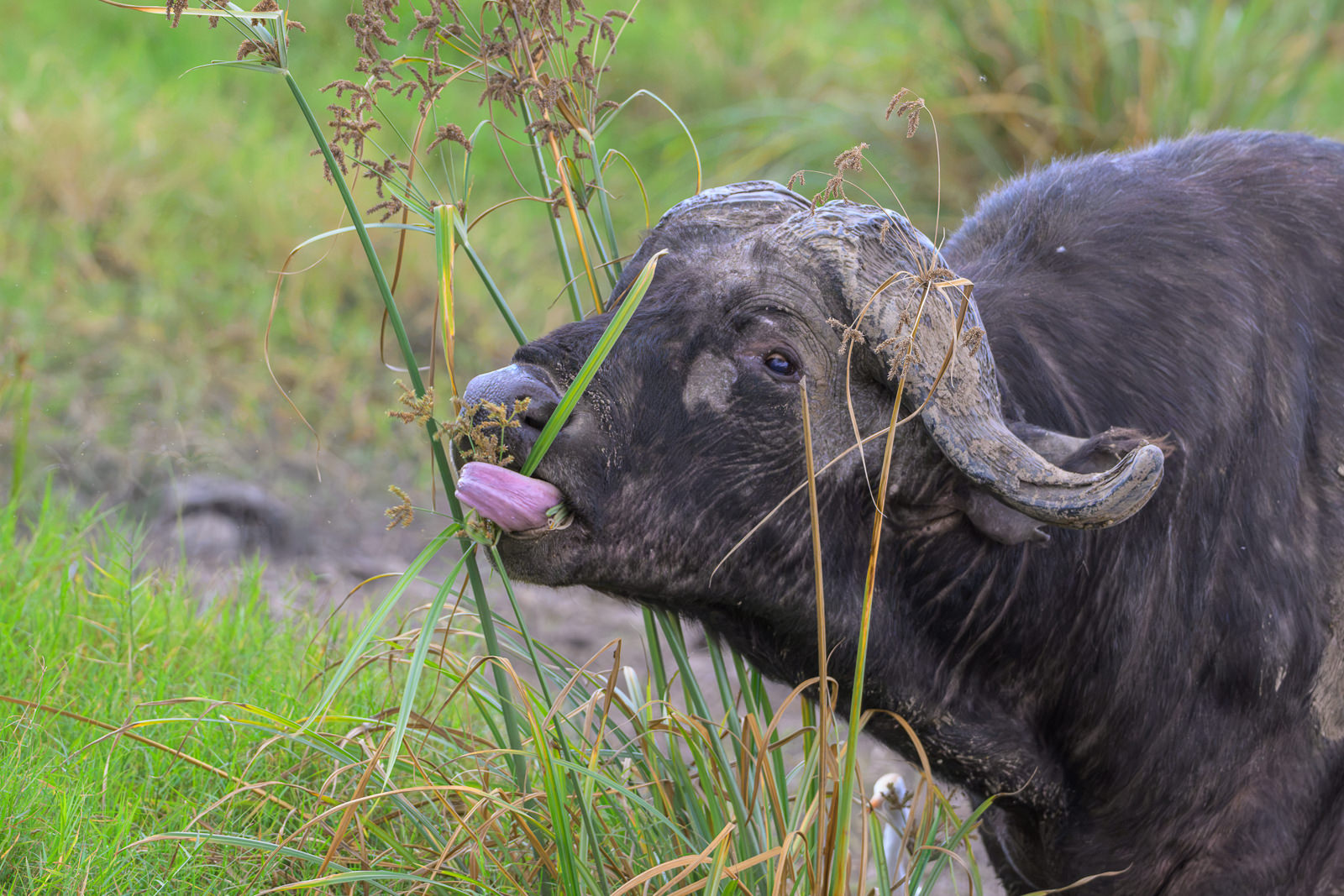
The Cape buffalo is arguably the least exciting of Africa’s Big Five, looking more like domestic cattle with a fancy set of horns than one of the continent’s most formidable animals. But the Big Five designation originally referred to the five most dangerous animals to hunt on foot, not necessarily the most impressive to see. Cape buffalo earned their place thanks to their size, strength, unpredictable temperament, and willingness to defend themselves when threatened. Nikon Z8 with Nikkor 180-600mm lens (at 270mm) ISO 8000, f/5.6 at 1/500th of a second.
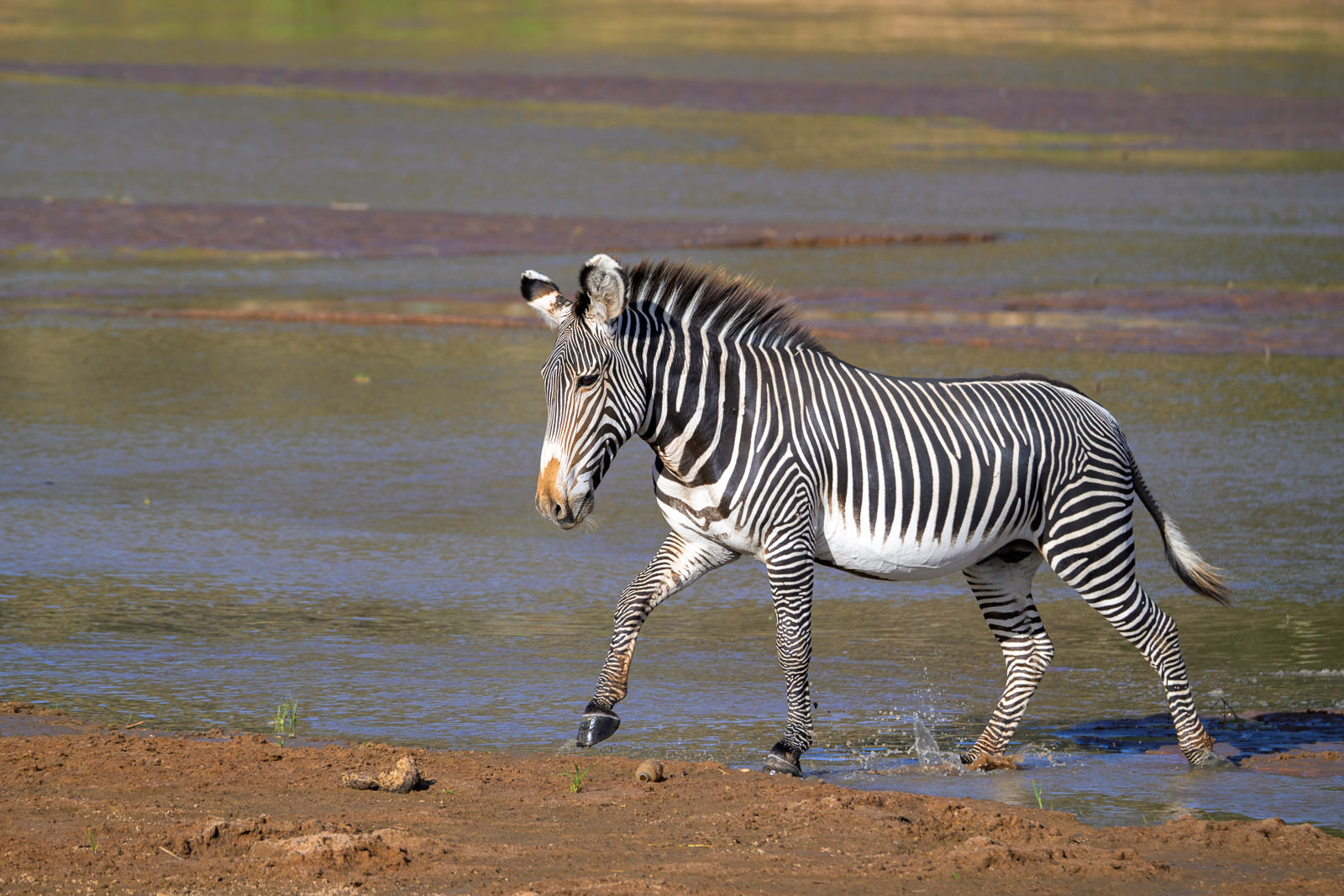
Grevy’s zebra is the largest and most endangered of the three zebra species, with fewer than 3,000 remaining in the wild. Found primarily in northern Kenya, they are distinguished by their narrow stripes, large rounded ears, and white bellies. Unlike plains zebras, which live in stable family groups, Grevy’s zebras have a much looser social structure, with individuals frequently moving between temporary herds. We always see a few Grevy’s zebra when visiting Samburu National Reserve — this year we saw a lot. Nikon Z8 with Nikkor 180-600mm lens (at 450mm) ISO 500, f/6 at 1/2000th of a second.
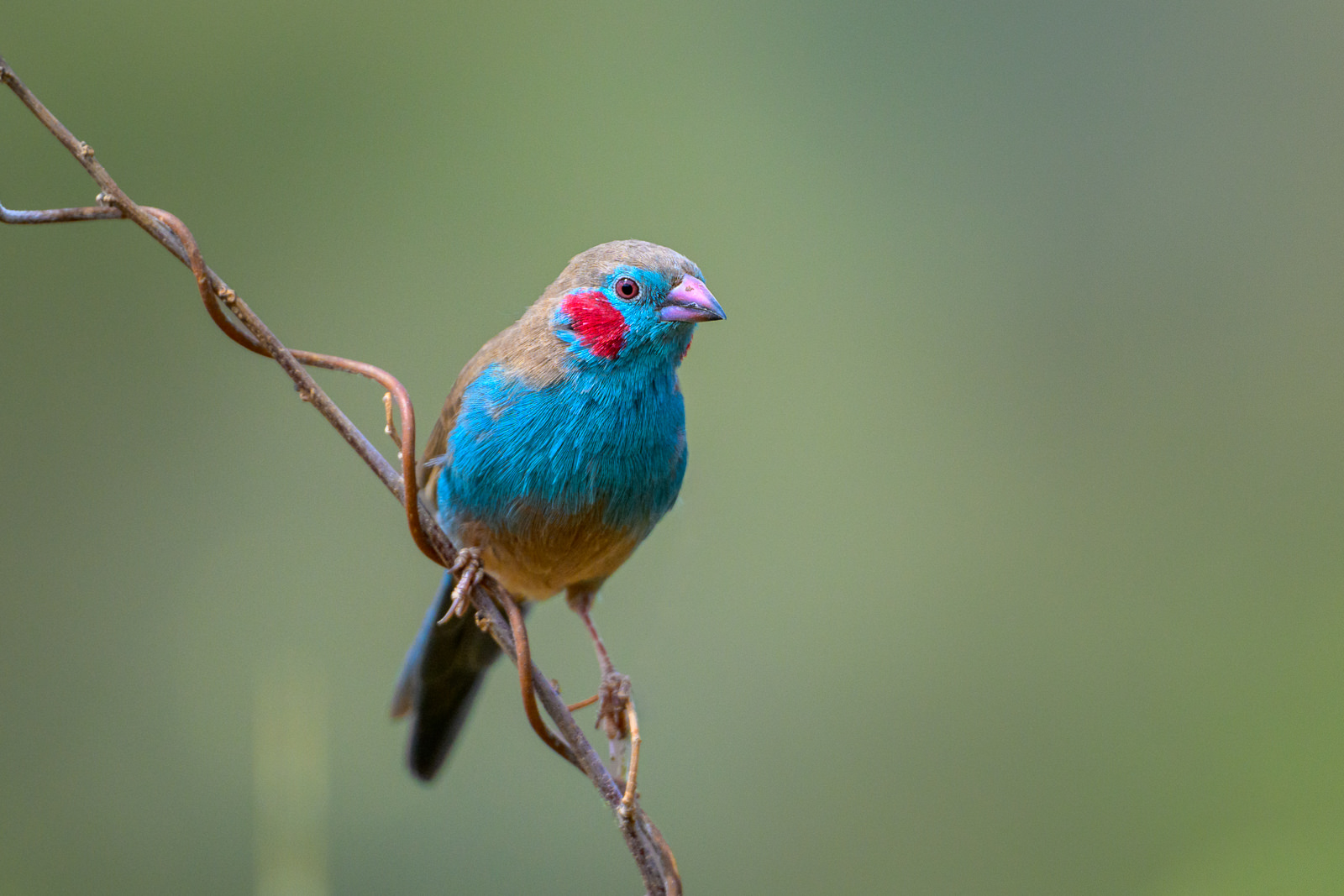
I saw quite a few new bird species on our recent tours to Africa. Among my favorites (especially the name) is the red-cheeked cordon bleu. These birds typically forage on the ground for grass seeds, often in pairs or small flocks. During courtship, males perform an unusual display, hopping up and down while holding a piece of grass in their beaks and singing to attract a mate. My observation was restricted to them flying into and out of a birdbath — spectacular nonetheless. Nikon Z8 with Nikkor 180-600mm lens (at 600mm) ISO 1100, f/6.3 at 1/2000th of a second.
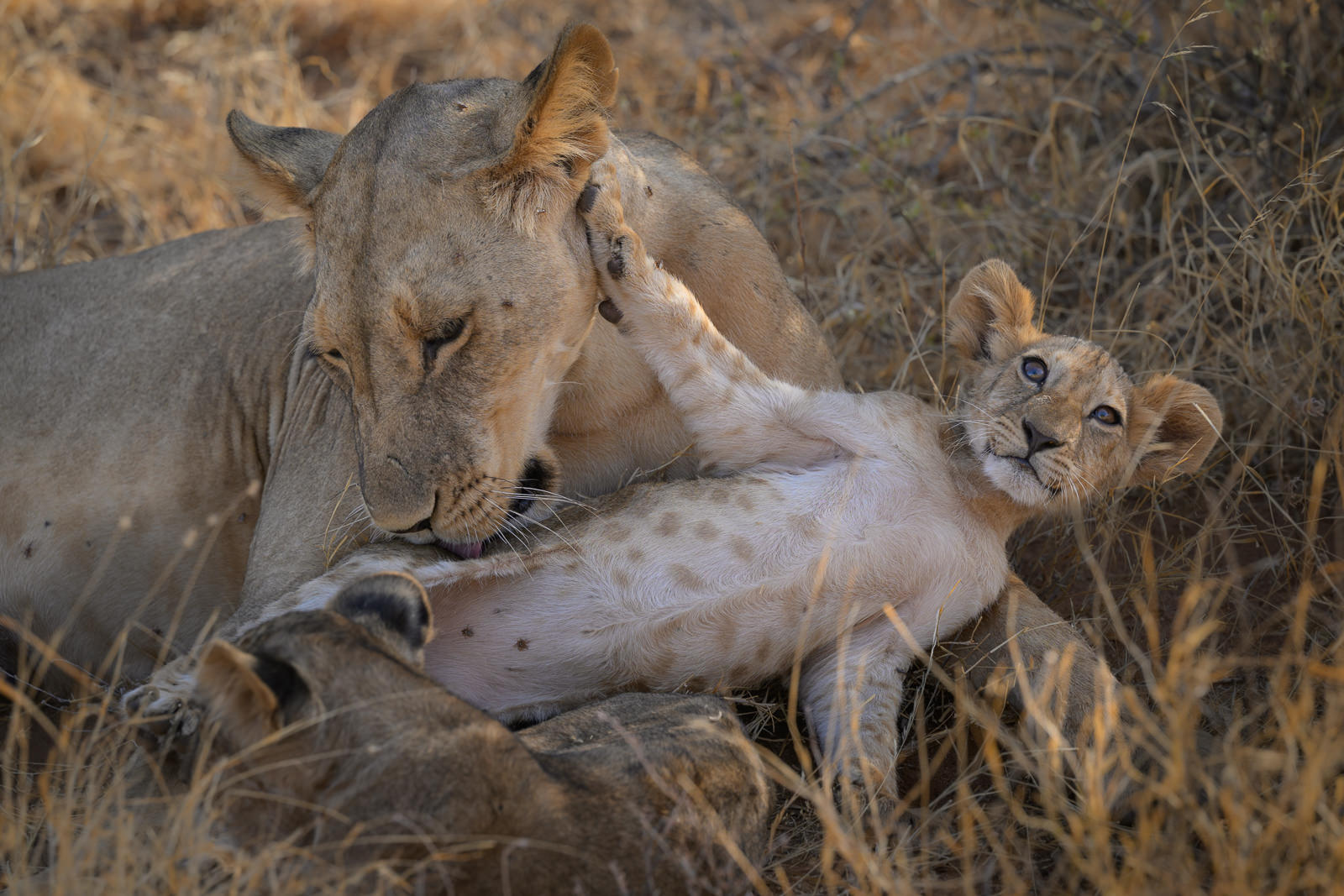
It was getting late in the day when we encountered this lioness with her two cubs. The cub featured here was putting on quite a show and definitely stealing all the attention. Nikon Z8 with Nikkor 70-200mm lens (at 150mm) ISO 250, f/4 at 1/800th of a second.
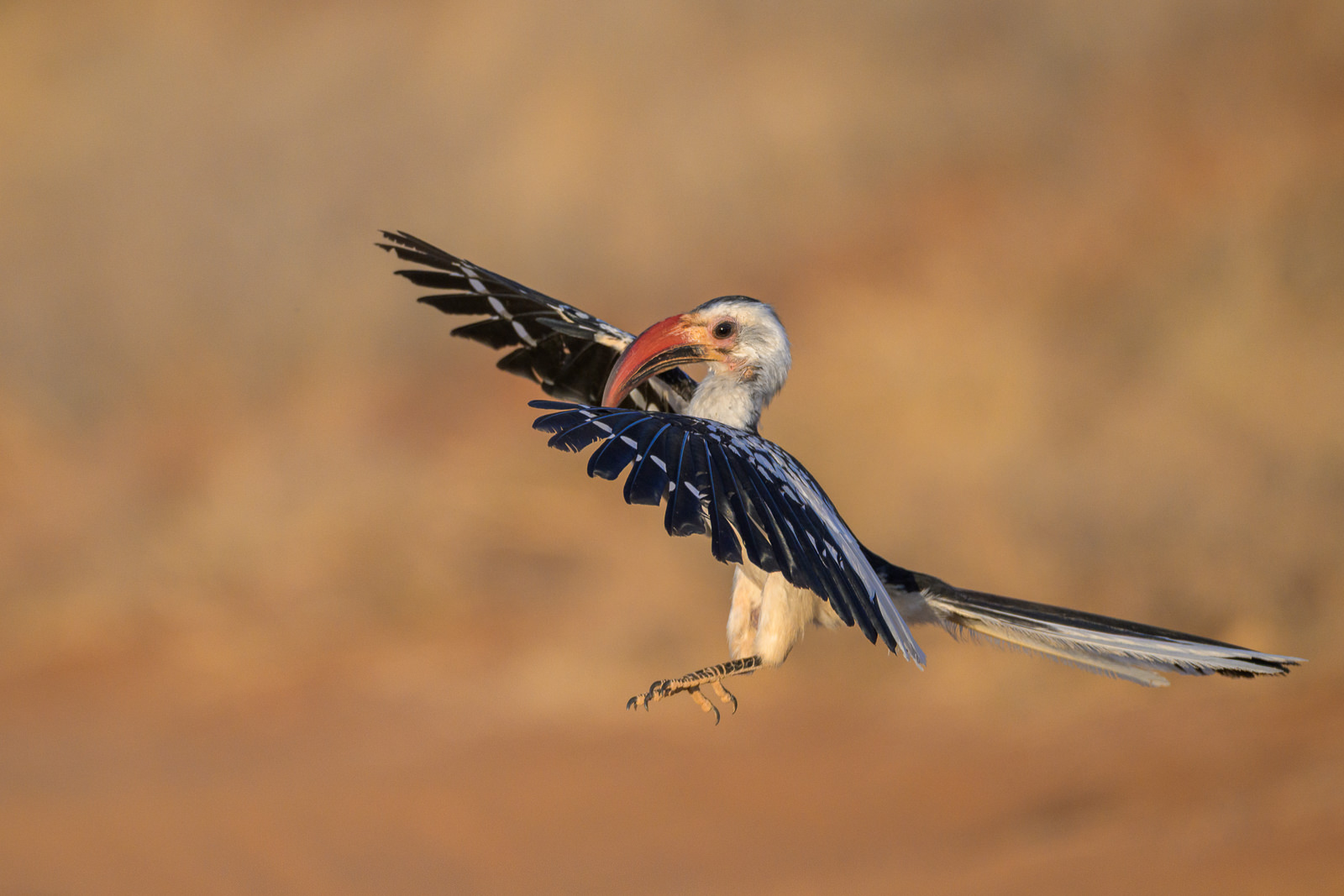
Northern red-billed hornbills spend most of their time on the ground, searching for insects, spiders, and other small prey. Despite their large bills, they are agile in the air, using a series of rapid wingbeats interspersed with short glides. I caught this one coming in for a landing in Samburu National Reserve in Kenya. Nikon Z8 with Nikkor 180-600mm lens (at 600mm) ISO 800, f/6.3 at 1/2500th of a second.
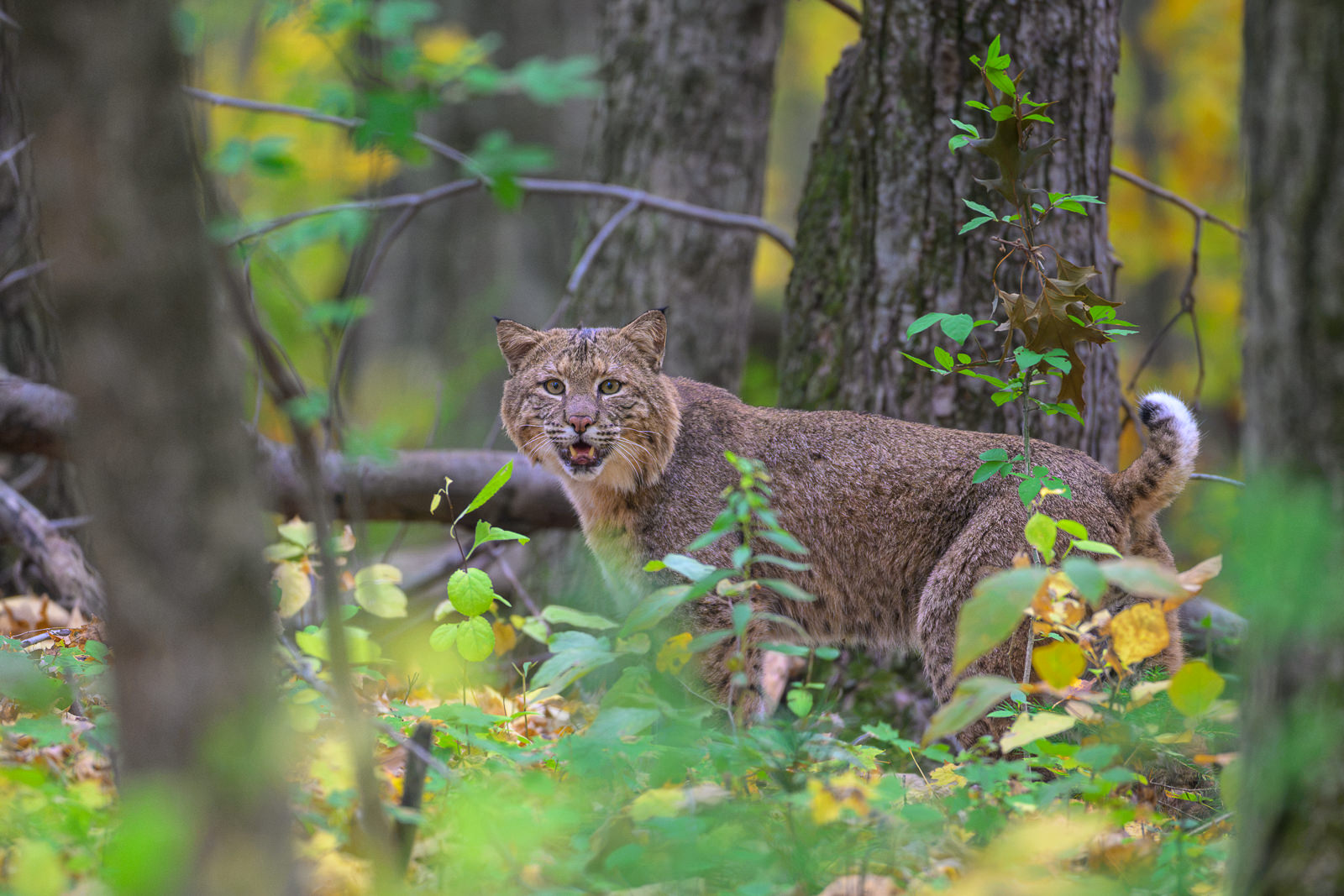
A quick interruption in the Africa postings to bring you this bobcat that walked past my office window today and through my backyard. My wife first spotted a bobcat kitten coming up the front side of our house. I quickly grabbed my camera and quietly got into position on the other side of the property. What emerged wasn’t the kitten, but the mother. I tracked her through the back woods, grabbing multiple shots before she disappeared. I never did see the kitten again but suspect she wasn’t far behind mom, hidden by the still-mostly-green foliage. Nikon Z8 with Nikkor 180-600mm lens (at 600mm) ISO 5000, f/6.3 at 1/640th of a second.
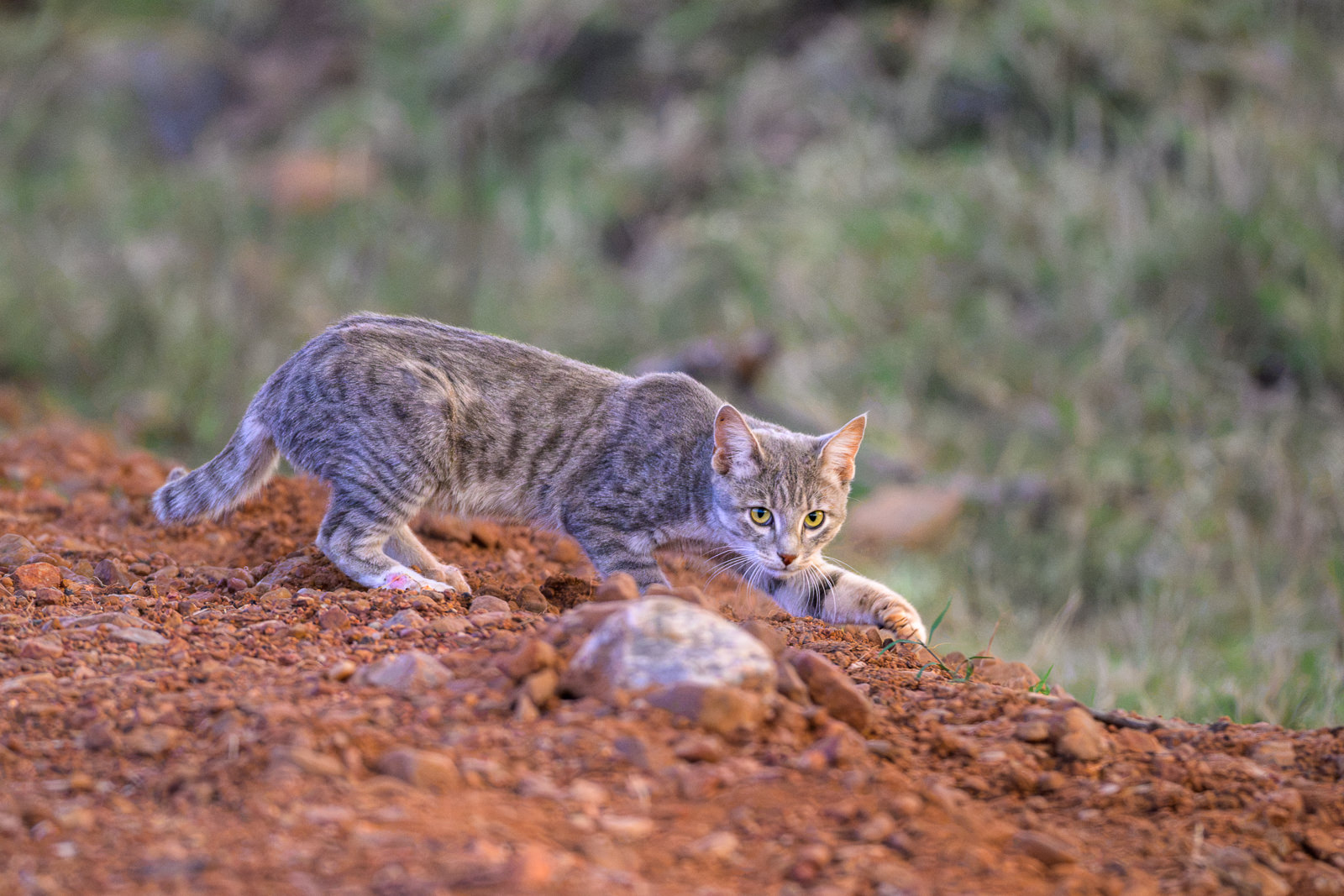
The African wildcat is the ancestor of our domestic house cats, and many of its behaviors remain virtually unchanged after thousands of years of domestication. Like house cats, African wildcats often dig shallow holes in loose soil or gravel to bury their waste. This behavior is thought to help conceal their scent from predators and other cats, although they sometimes leave droppings exposed to mark territory. We came across this wildcat looking very much like my own house cat, albeit burying his waste in a much larger litter box out on the Kenyan savanna. Nikon Z8 with Nikkor 180-600mm lens (at 600mm) ISO 6400, f/6.3 at 1/400th of a second.
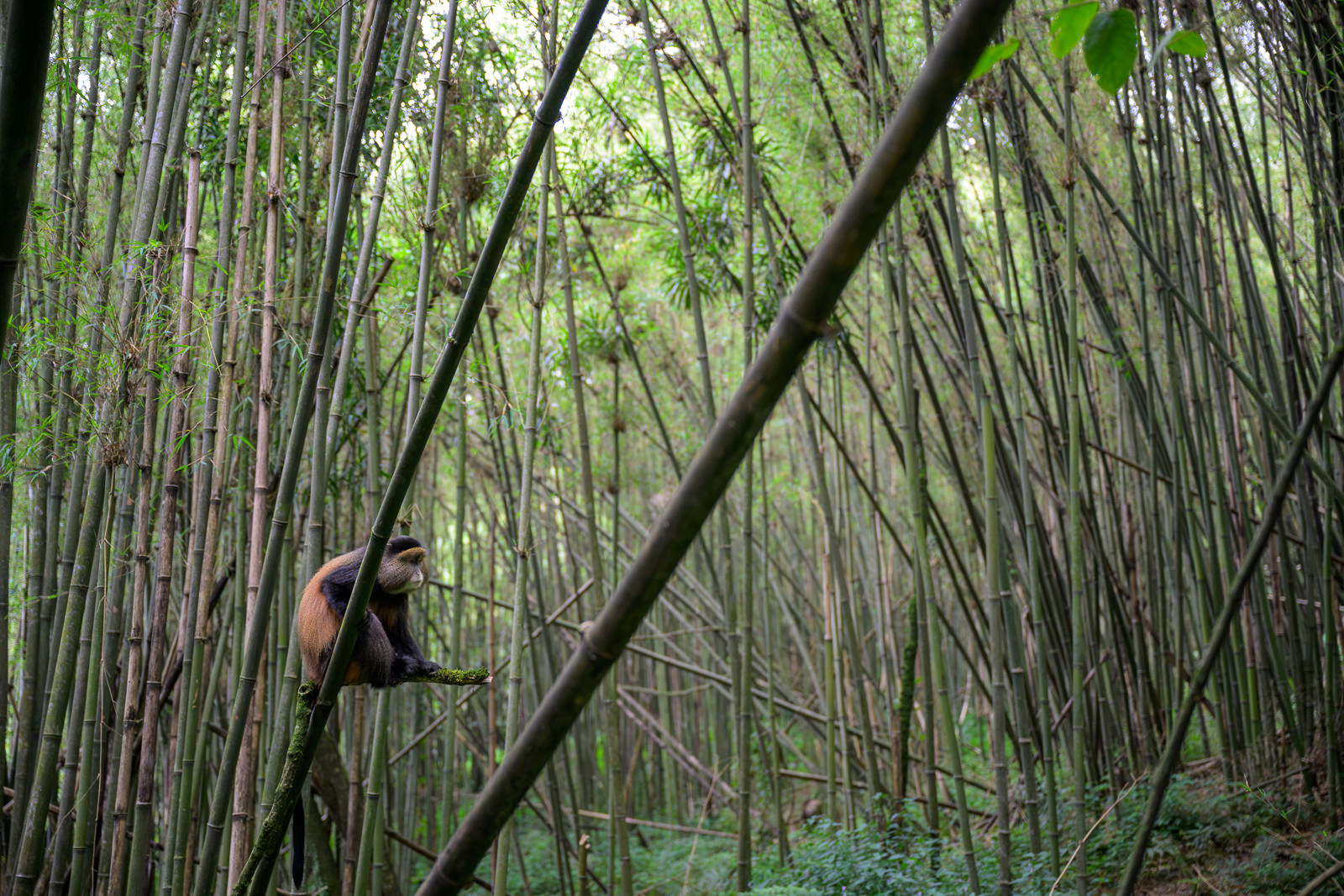
I love when I’m able to capture a wildlife image that highlights the environment the animal lives in. Seven years ago in Uganda we found the golden monkeys in a bamboo forest. I’ve gone back nearly every year since and finally found them in the bamboo again this summer. Their favorite food is the fresh shoots they dig from the ground. This guy had taken one of those shoots up to that mossy perch to enjoy a mid-day snack. Nikon Z8 with Nikkor 24-70mm lens (at 46mm) ISO 2200, f/2.8 at 1/400th of a second.
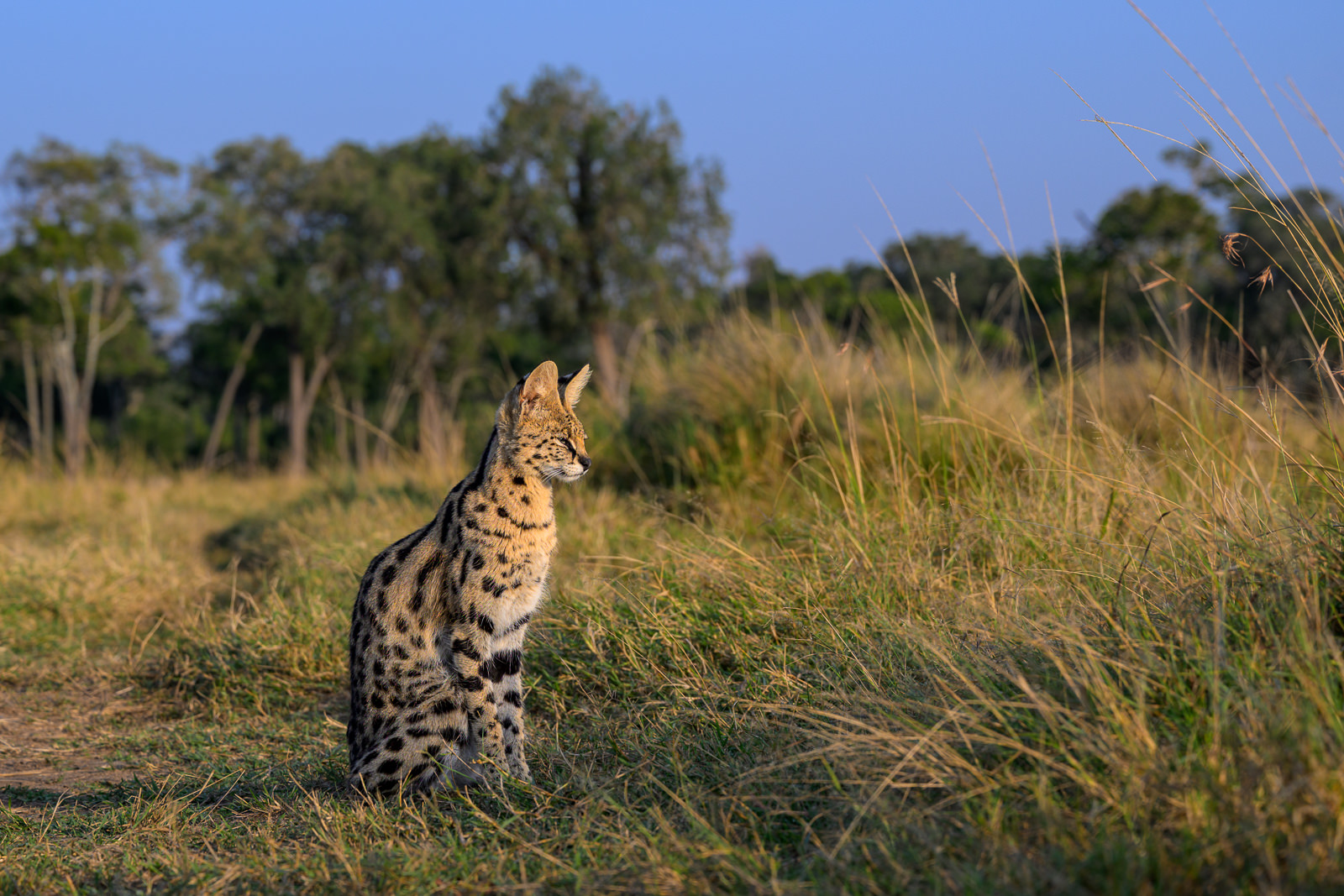
Here’s another look at the very cooperative serval that we saw in Kenya this August. This time with my wider lens, lowered to the ground while the serval was just about to go on a hunt. Nikon Z8 with Nikkor 24-70mm lens (at 70mm) ISO 80, f/4 at 1/500th of a second.
We use cookies to enhance your experience while using our website. If you are using our Services via a browser you can restrict, block or remove cookies through your web browser settings. We also use content and scripts from third parties that may use tracking technologies. You can selectively provide your consent below to allow such third party embeds. For complete information about the cookies we use, data we collect and how we process them, please check our Privacy Policy


 Few animals have a more recognizable silhouette on the African savanna than the elephant. As they forage, elephants use their trunks to pull up grasses, strip leaves from branches, and even dig for roots. An adult can consume more than 300 pounds of vegetation in a day, and their feeding habits help shape the landscape by opening up dense vegetation and creating space for other species. Nikon Z8 with Nikkor 180-600mm lens (at 450mm) ISO 200, f/6 at 1/250th of a second.