Two guanacos traverse a hill beneath the massive face of a mountain in Torres Del Paine National Park in Chilean Patagonia. Torres Del Paine is the land of the puma. Guanacos are their favorite prey and the park is filled with them. Nikon D500 with Nikkor 200-400mm lens (at 220mm) ISO 400, f/4 at 1/1600th of a second.
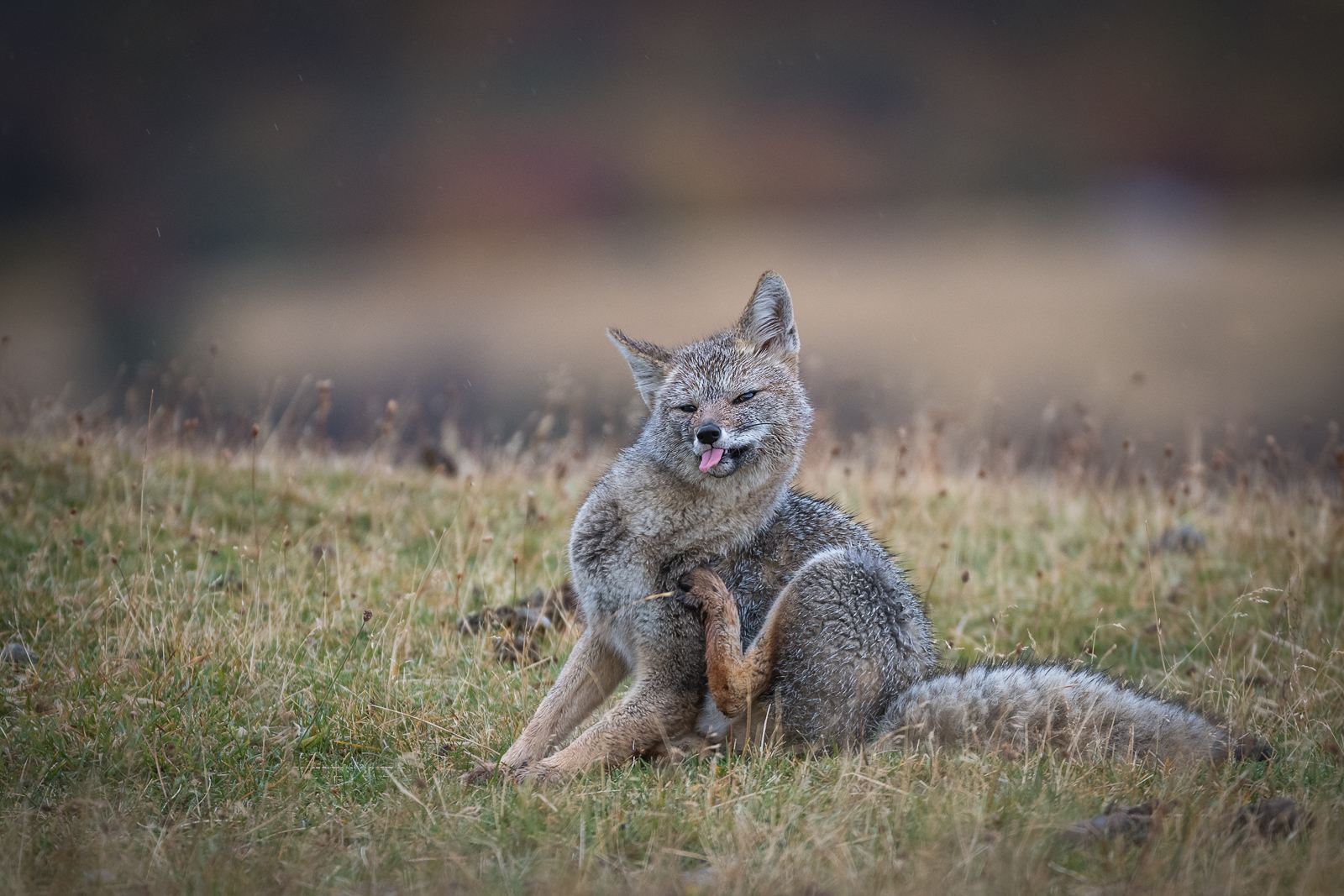
Also known as the South American gray fox, the chilla and the gray zorro, the Patagonian fox lives throughout southern South America. I came across this one in extreme southern Chile in Torres Del Paine National Park. He seemed particularly pleased with his scratching technique. Nikon D500 with Nikkor 200-400mm lens (at 400mm) ISO 800, f/4 at 1/500th of a second.
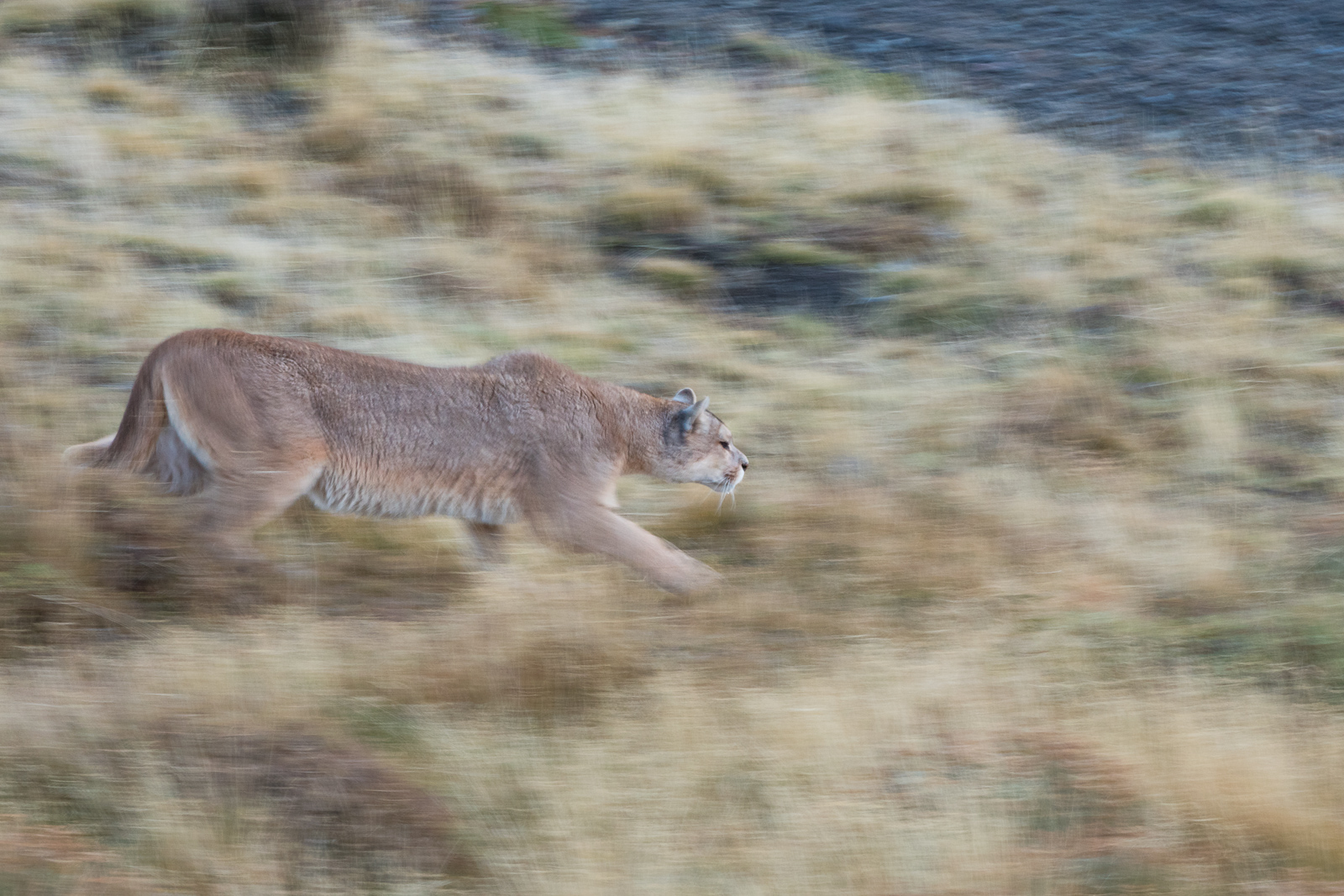
This puma was stalking a small herd of guanacos in Chilean Patagonia. I used a slow shutter speed to pan with the puma as she made her move (which would prove to be unsuccessful on this particular attempt). Nikon D500 with Nikkor 200-400mm lens (at 360mm) ISO 800, f/22 at 1/13th of a second.
These birds are fairly common throughout much of South America. I photographed this one way down toward the southern tip of the continent in Puerto Natales, Chile. Nikon D500 with Nikkor 200-400mm lens (at 400mm) ISO 800, f/5 at 1/1000th of a second.
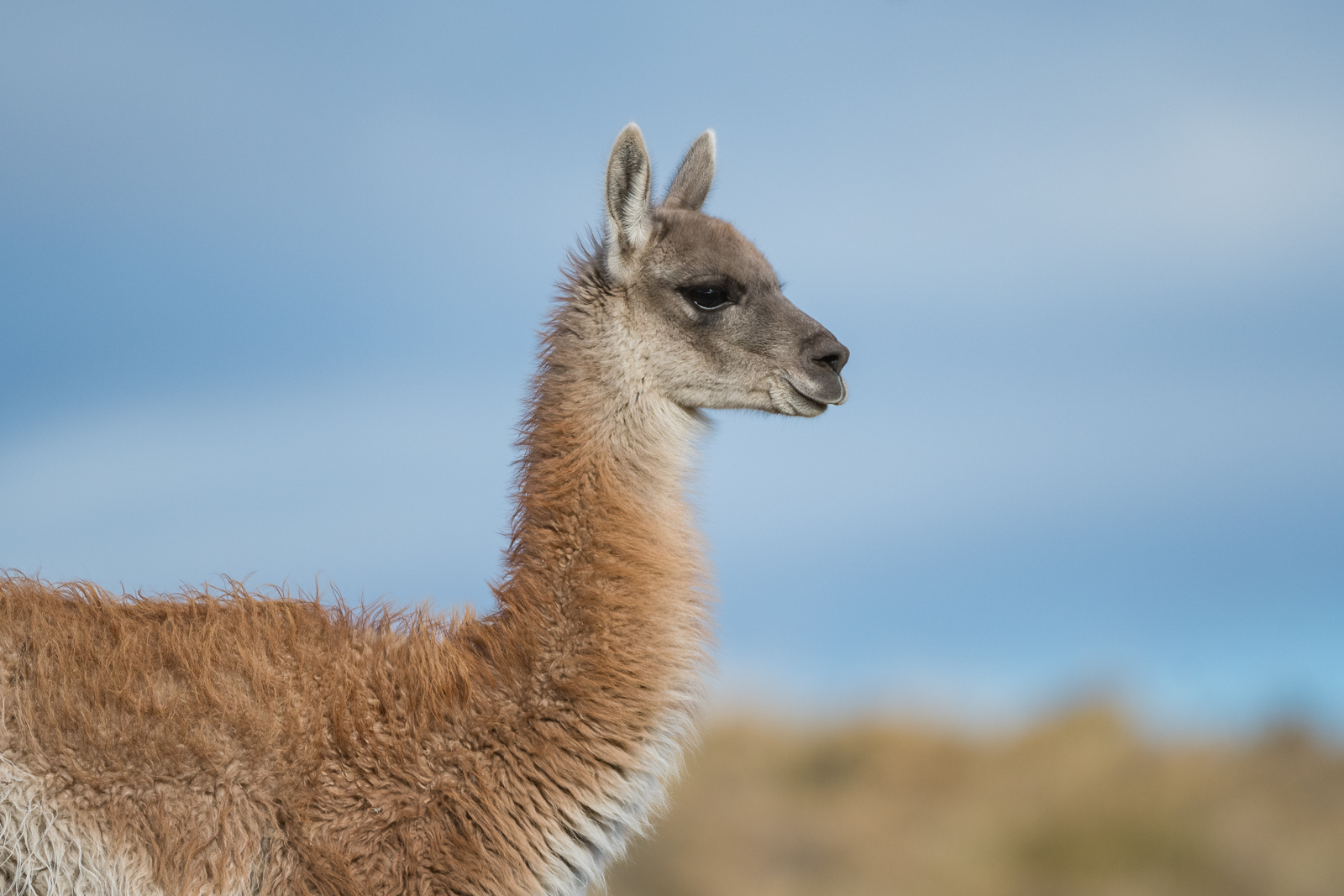
Guanacos are to llamas as horses are to donkeys. In other words they are the wild ancestors of their domesticated cousins. This is a young guanaco, photographed in the Patagonian wilds of Torres Del Paine National Park in southern Chile. Nikon D500 with Nikkor 200-400mm lens (at 400mm) ISO 500, f/4 at 1/4000th of a second.
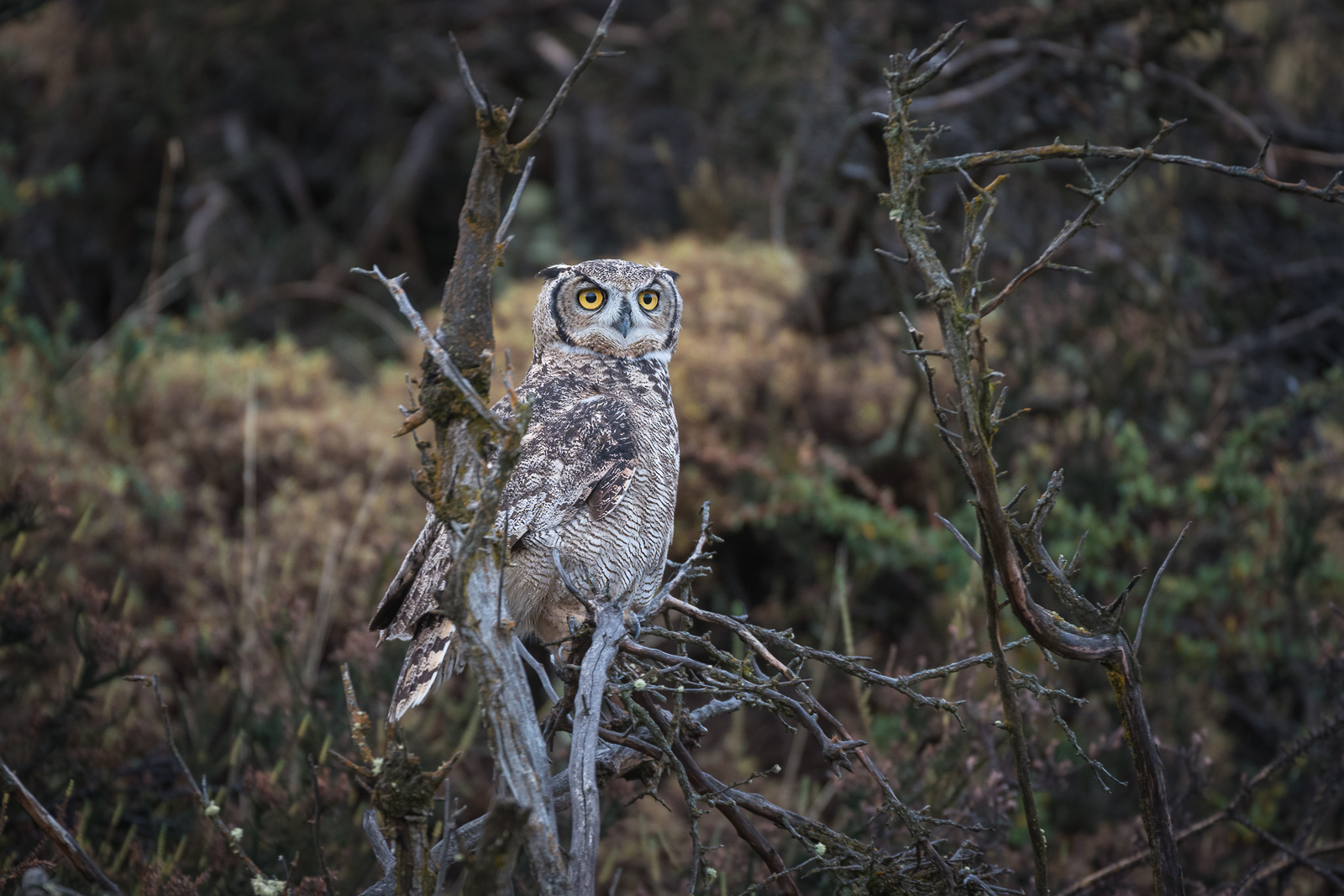
This was the only owl I saw on my trip to Patagonia — a Magellanic horned owl. It may look like our great horned owls, but is a separate species. Also known as the lesser horned owl, they range from the southern tip of South America up to the central Andes. Nikon D500 with Nikkor 200-400mm lens (at 400mm) ISO 800, f/4 at 1/200th of a second.
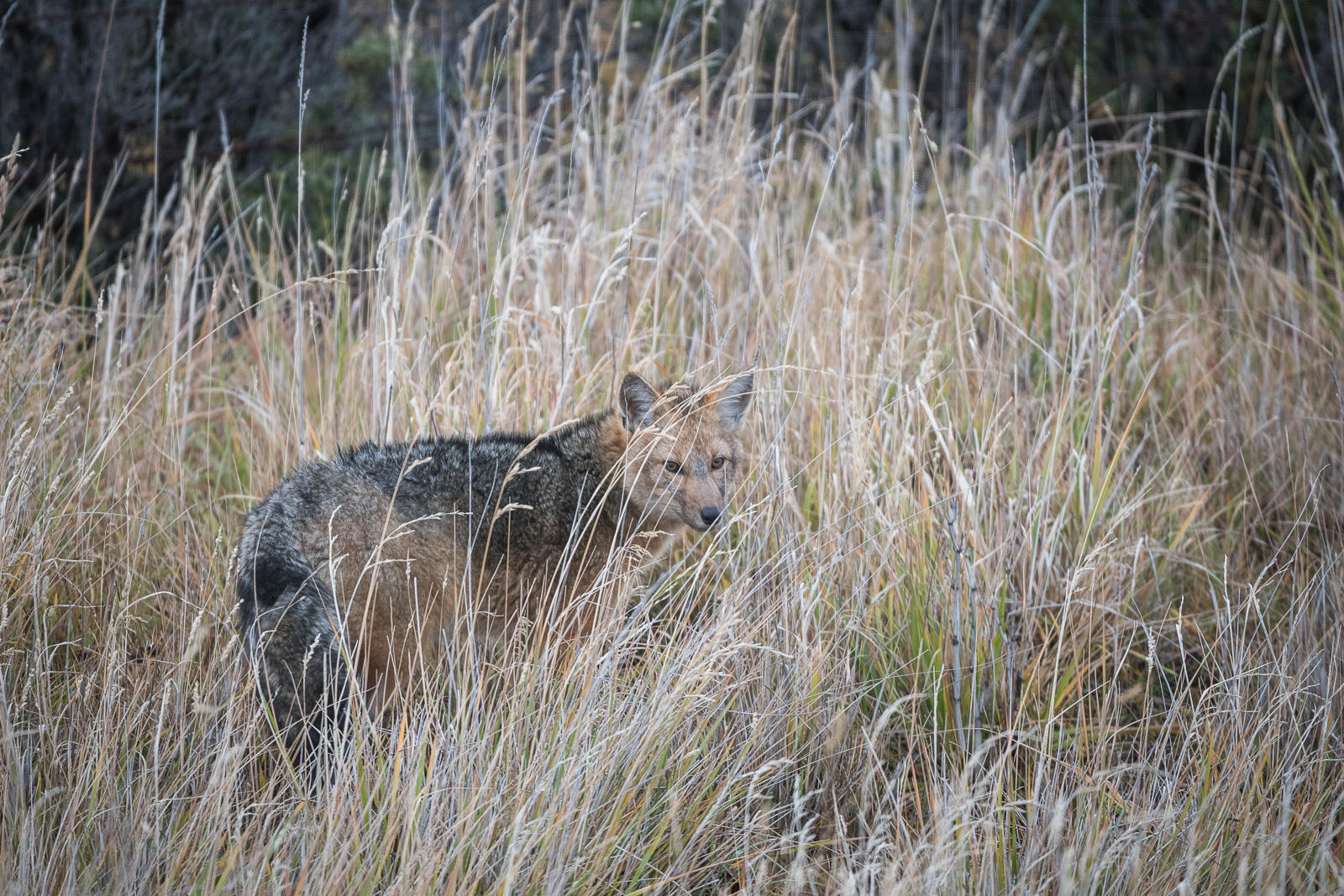
This is one of those shots that I haven’t shared yet because it’s pretty mediocre photographically. But it is a species of note. Known locally as the culpeo. Or zorro culpeo. Or Andean zorro, Andean fox, Paramo wolf, or Andean wolf. Mostly, however, they call it the culpeo fox. But it isn’t a true fox. It’s more closely related to wolves and jackals. And it isn’t particularly rare. Or endangered. That said, the culpeo, for the most part, stays out of sight. We caught this one walking through the tall grass while we were driving from the southern tip of South America, up into Torres Del Paine National Park in Chile. It’s the second largest canid species in South America, behind the maned wolf.Nikon D500 with Nikkor 200-400mm lens (at 400mm) ISO 800, f/4 at 1/500th of a second.
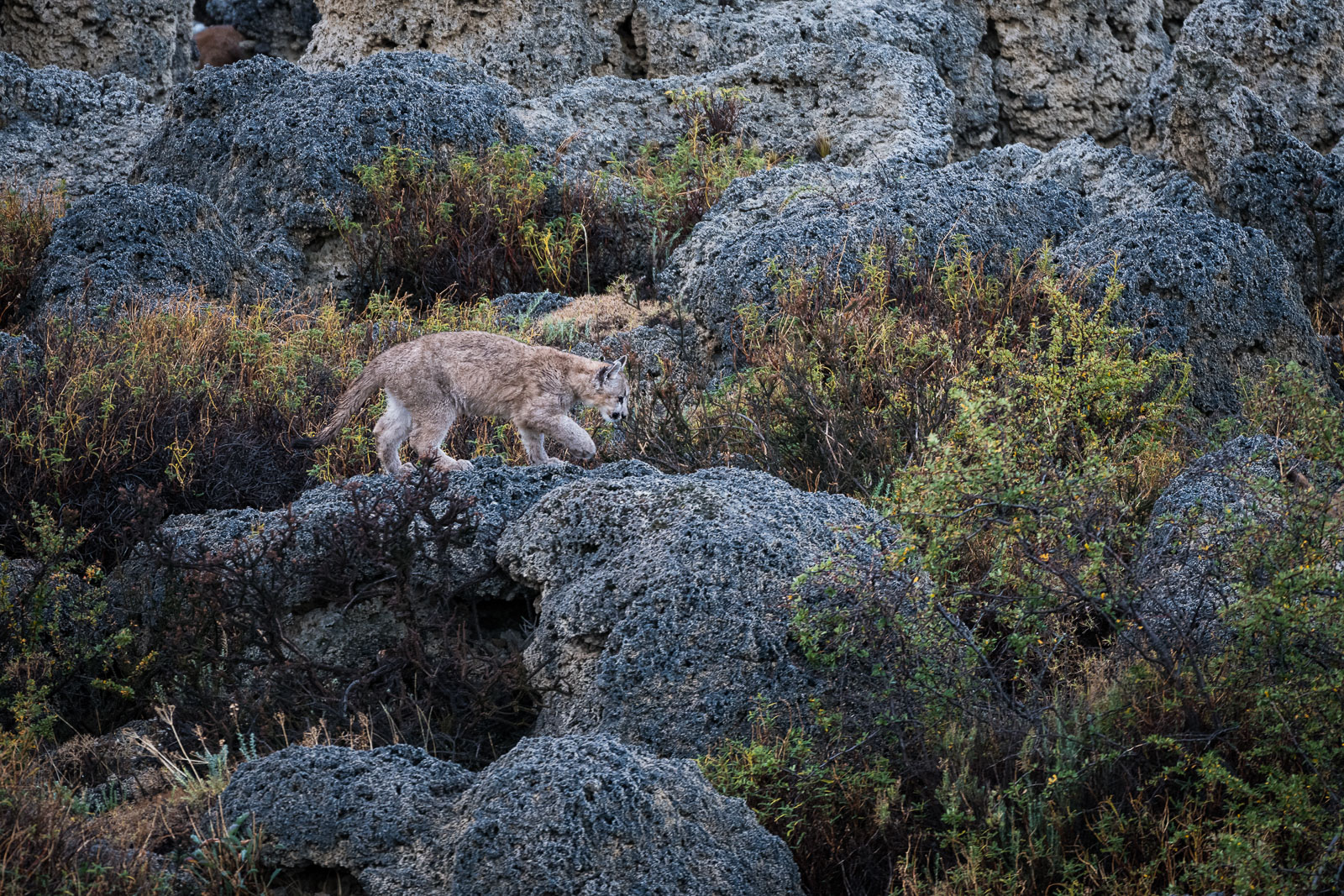
This was one of three puma cubs we observed from a small cliff. The mother led the siblings out of the thick brush before strolling along a lake and disappearing into the distance. Photographed in Torres Del Paine National Park in Chile. Nikon D500 with Nikkor 200-400mm lens (at 400mm) ISO 800, f/4 at 1/500th of a second.
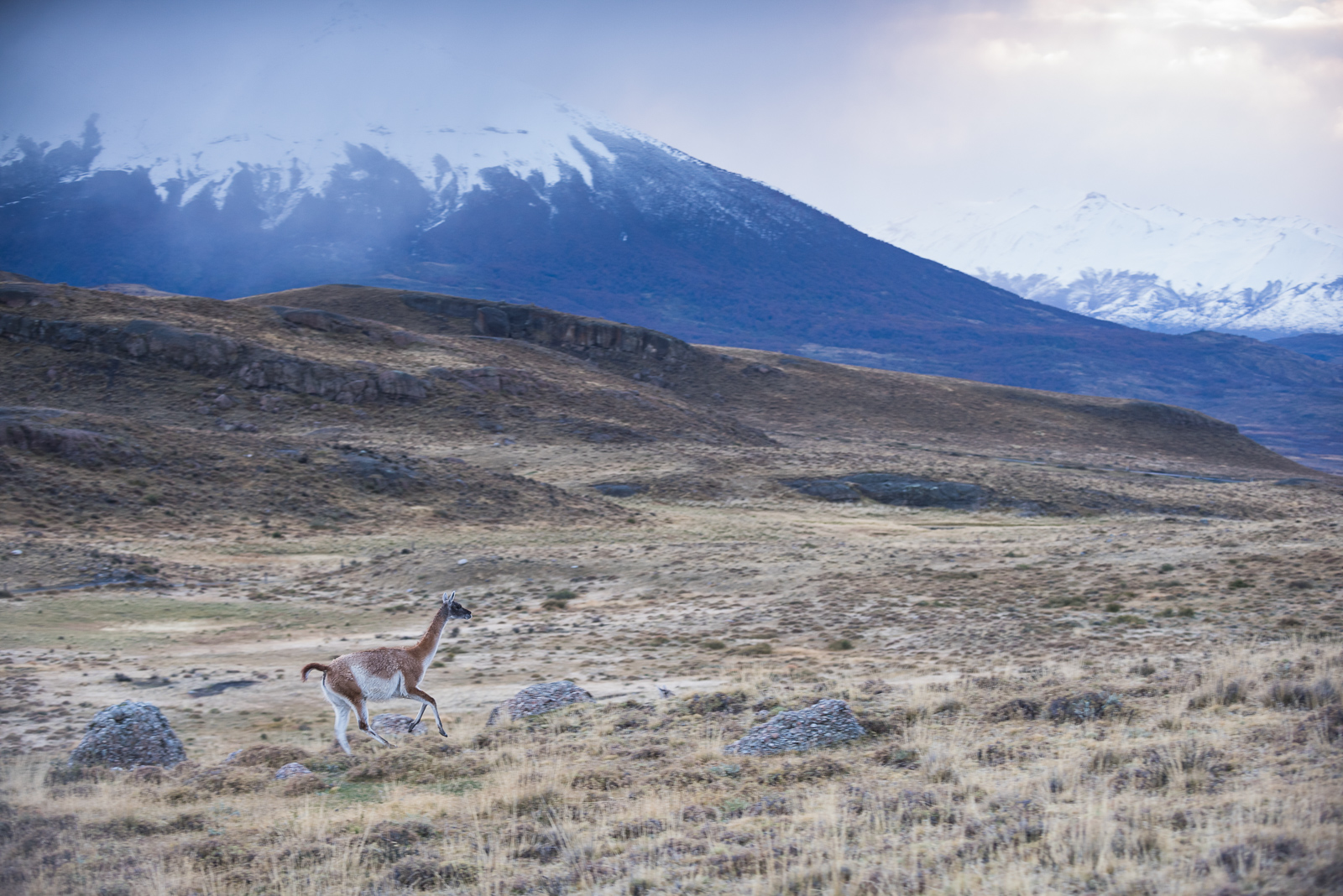
Patagonia is all about the majestic landscapes. And there’s quite often a guanaco somewhere in that landscape. This guanaco caught wind of a nearby puma and was heading for safer territory. I had just scrambled up a hill in search of the aforementioned puma. We found her and got a few shots before heading back down and realizing the great backdrop that had been behind us. Nikon D810 with Nikkor 70-200mm lens (at 78mm) ISO 800, f/4 at 1/200th of a second.
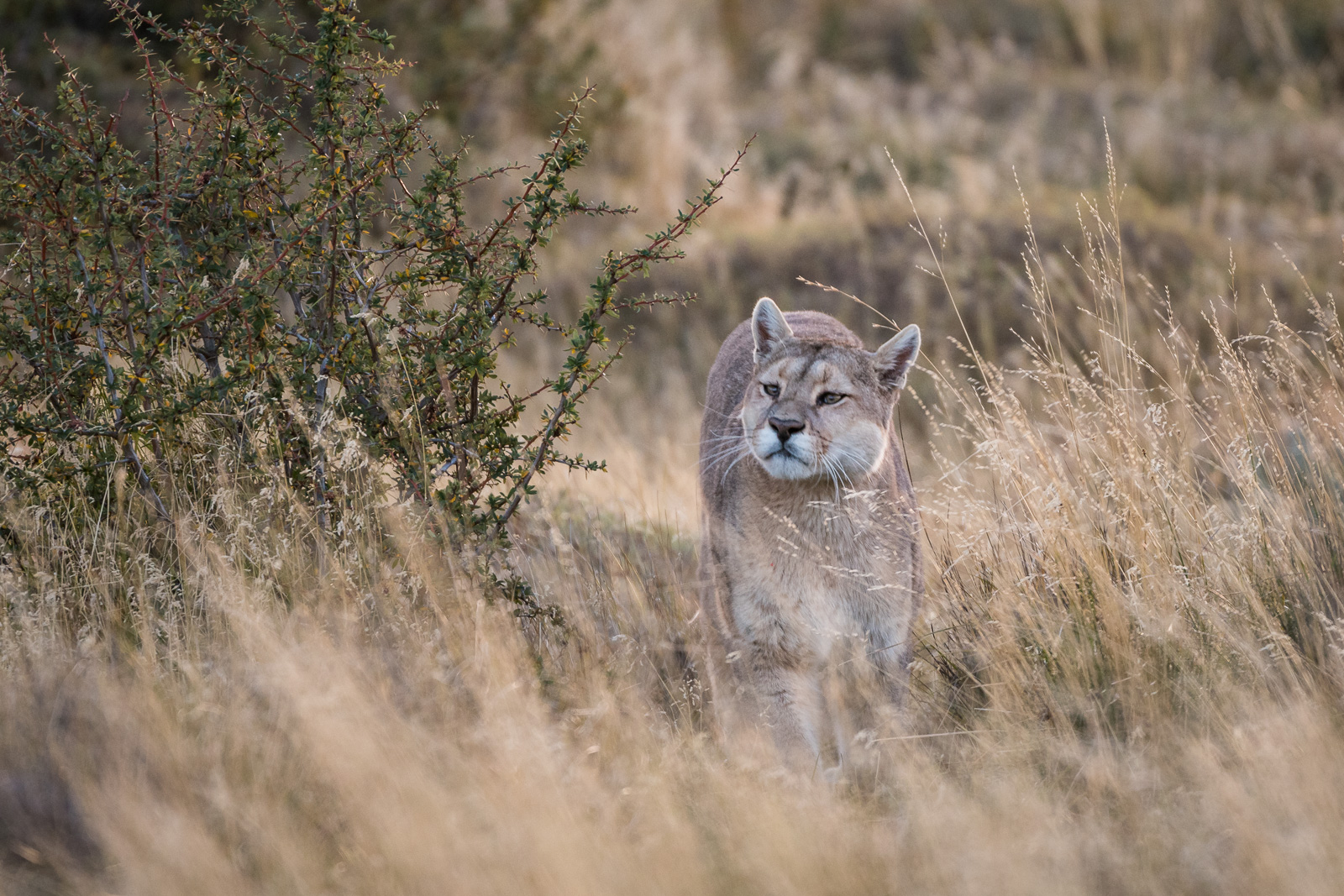
We watched this puma as she slowly worked her way through the grasslands of Torres Del Paine National Park in Chile, back to a kill that she had hidden earlier in the day. She would disappear into the landscape, occasionally entering a clearing such as this before vanishing again. Nikon D500 with Nikkor 200-400mm lens (at 400mm) ISO 800, f/4 at 1/500th of a second.
We use cookies to enhance your experience while using our website. If you are using our Services via a browser you can restrict, block or remove cookies through your web browser settings. We also use content and scripts from third parties that may use tracking technologies. You can selectively provide your consent below to allow such third party embeds. For complete information about the cookies we use, data we collect and how we process them, please check our Privacy Policy


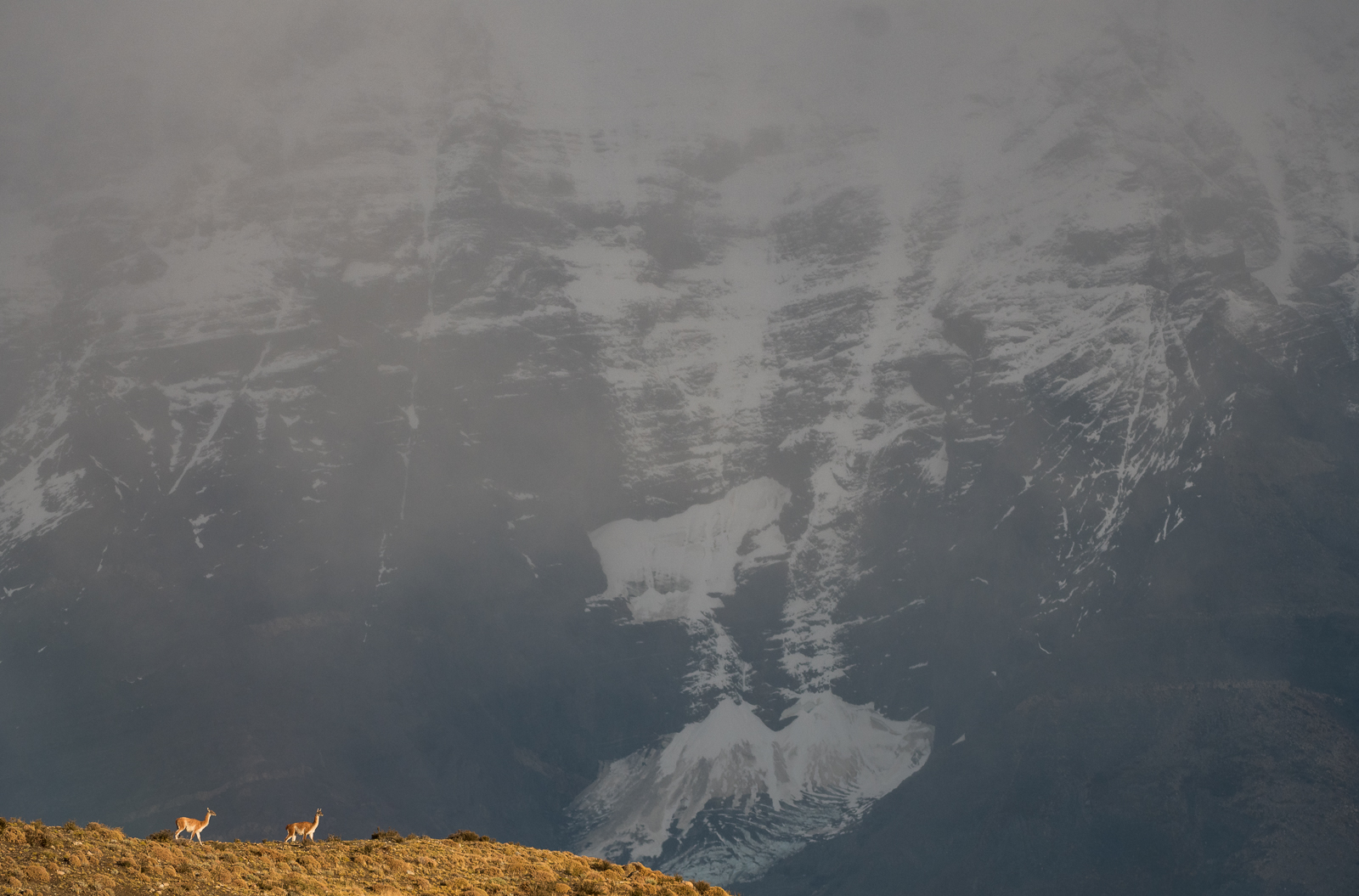
 Two guanacos traverse a hill beneath the massive face of a mountain in Torres Del Paine National Park in Chilean Patagonia. Torres Del Paine is the land of the puma. Guanacos are their favorite prey and the park is filled with them. Nikon D500 with Nikkor 200-400mm lens (at 220mm) ISO 400, f/4 at 1/1600th of a second.