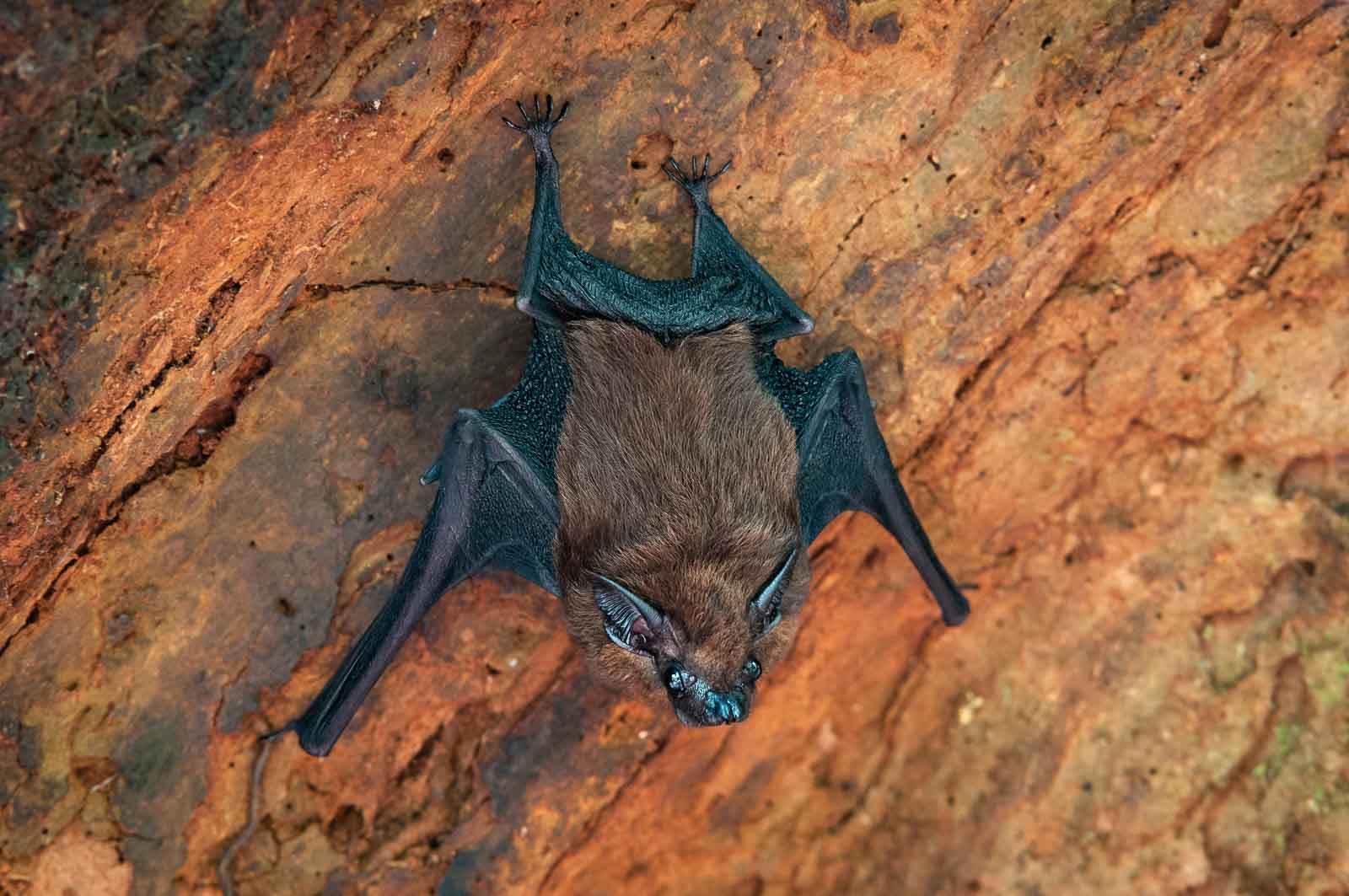
There are so many bat species out in the world that they can be hard to identify. I think this is a species of leaf-nosed bat. Photographed in a cave in Tanjung Puting National Park in Indonesian Borneo. Nikon D300 with Nikkor 200-400mm lens (at 290mm) ISO
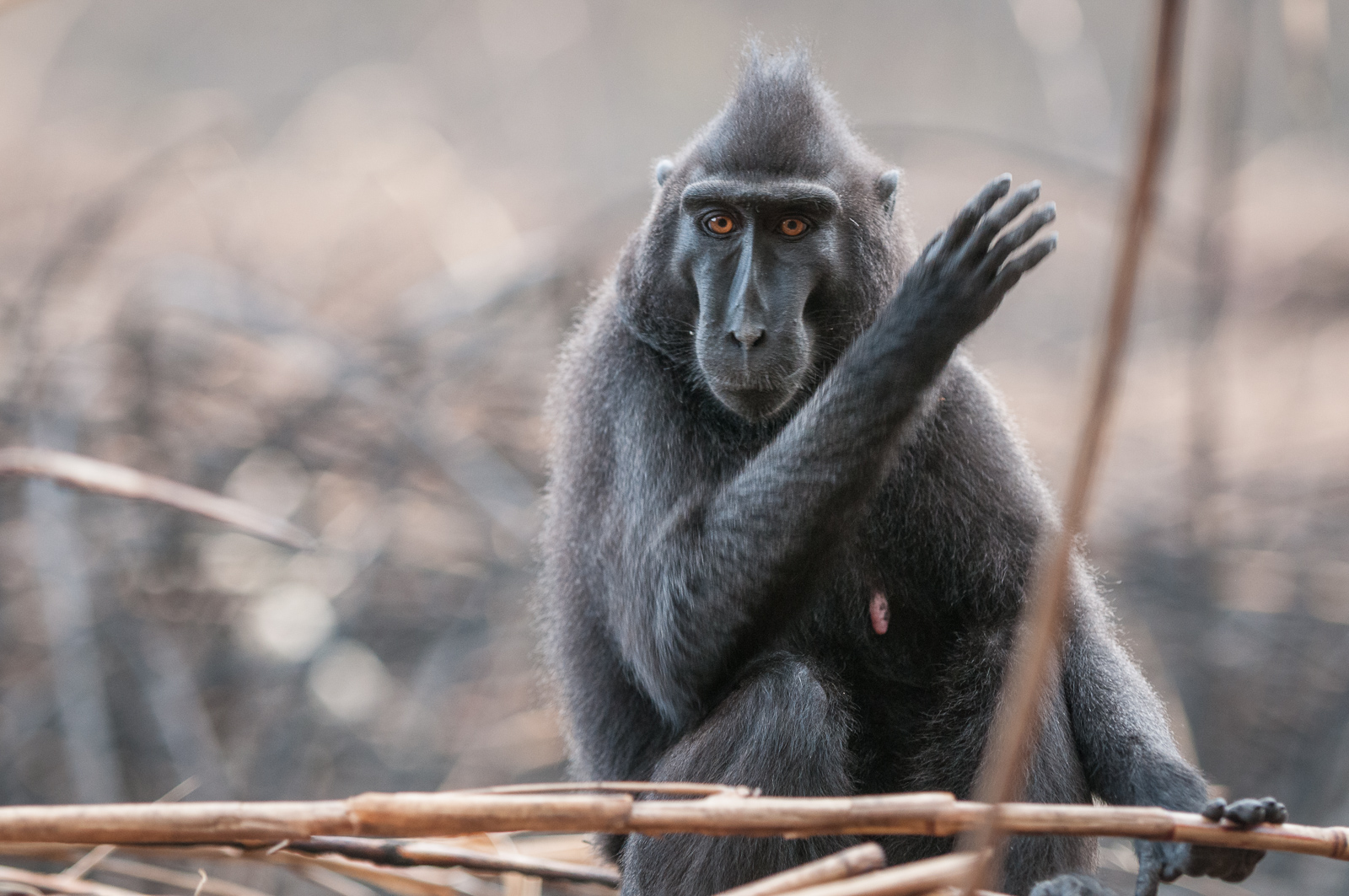
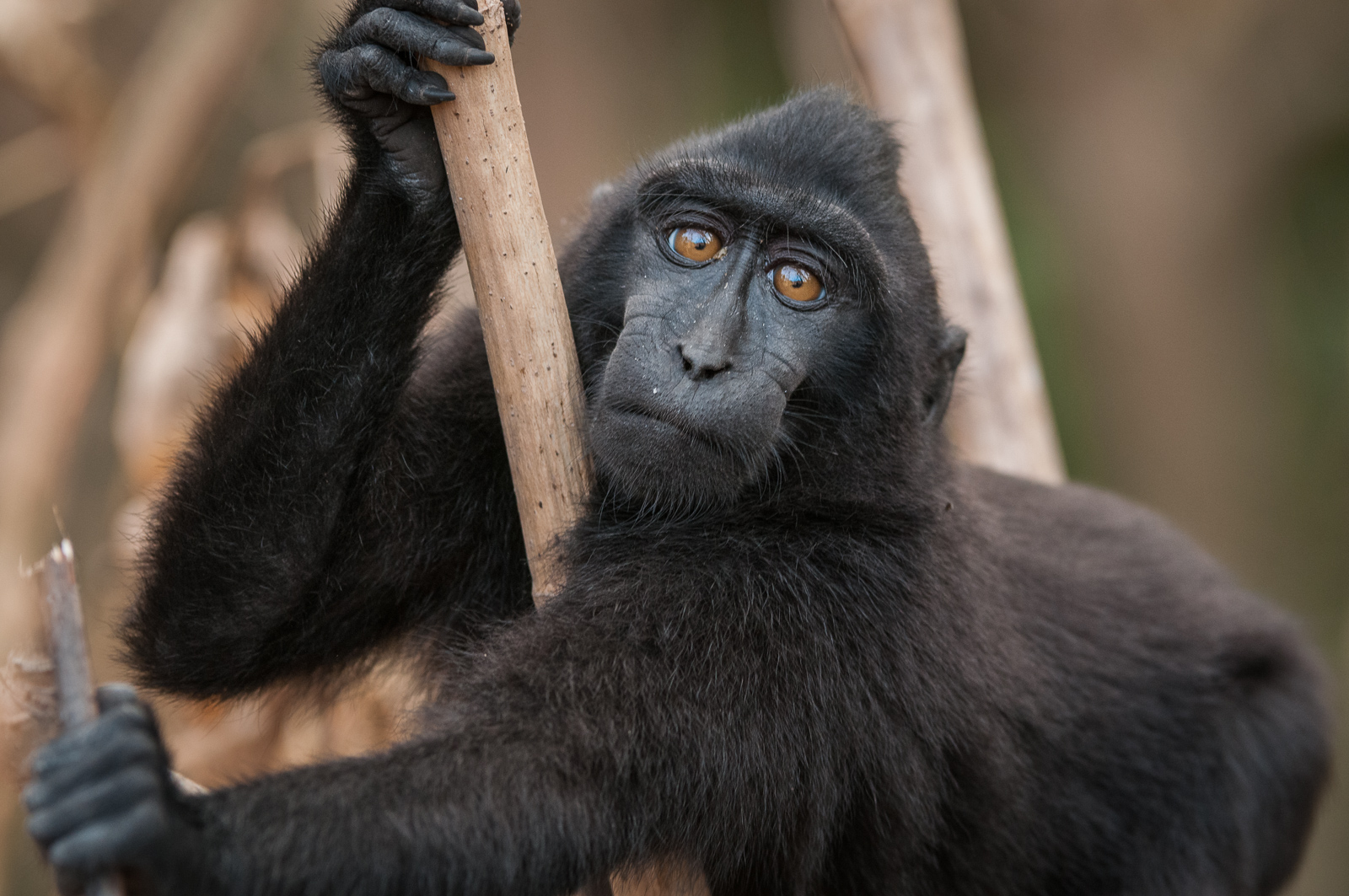
This black-crested macaque (also known as the Celebes crested macaque) seemed to be telling me what she thought of me taking her picture. Actually, these monkeys were one of my favorite primate encounters in the wild and they were quite accepting of my presence. Photographed in Tangkoko National Park in Sulawesi, Indonesia, where one of the only populations still remains. They are considered critically endangered and without drastic measures their future is very uncertain. Nikon D300 with Nikkor 70-200mm lens (at 135mm) ISO 800, f/2.8 at 1/160th of a second.
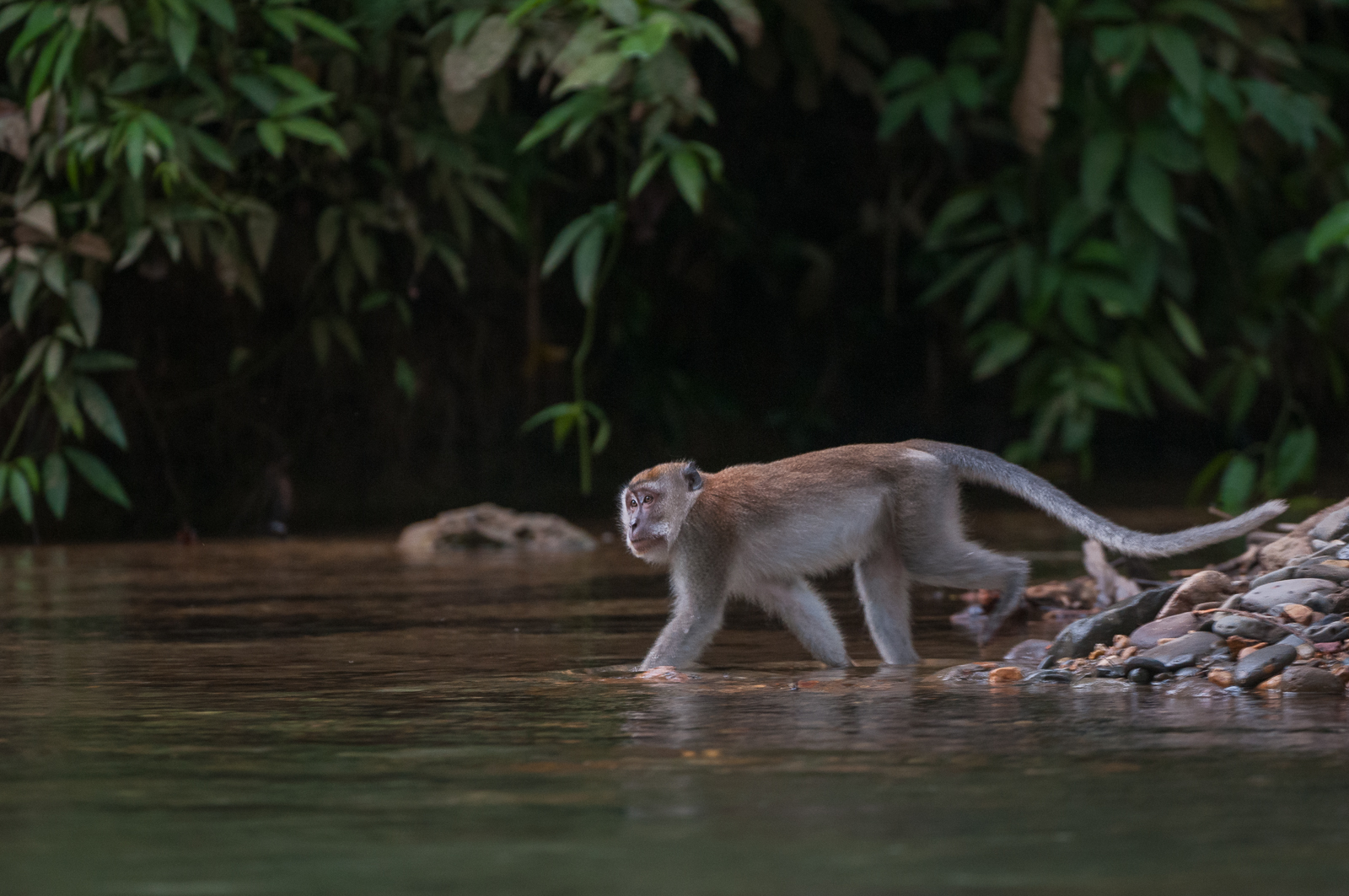
Also known as the long-tailed macaque, the crab-eating macaque is a fairly common monkey throughout much of southeast Asia. This one looked like he was heading out for some of those aforementioned crabs. Photographed in Sumatra, Indonesia. Nikon D300 with Nikkor 200-400mm lens (at 340mm) ISO 800, f/4 at 1/80th of a second.
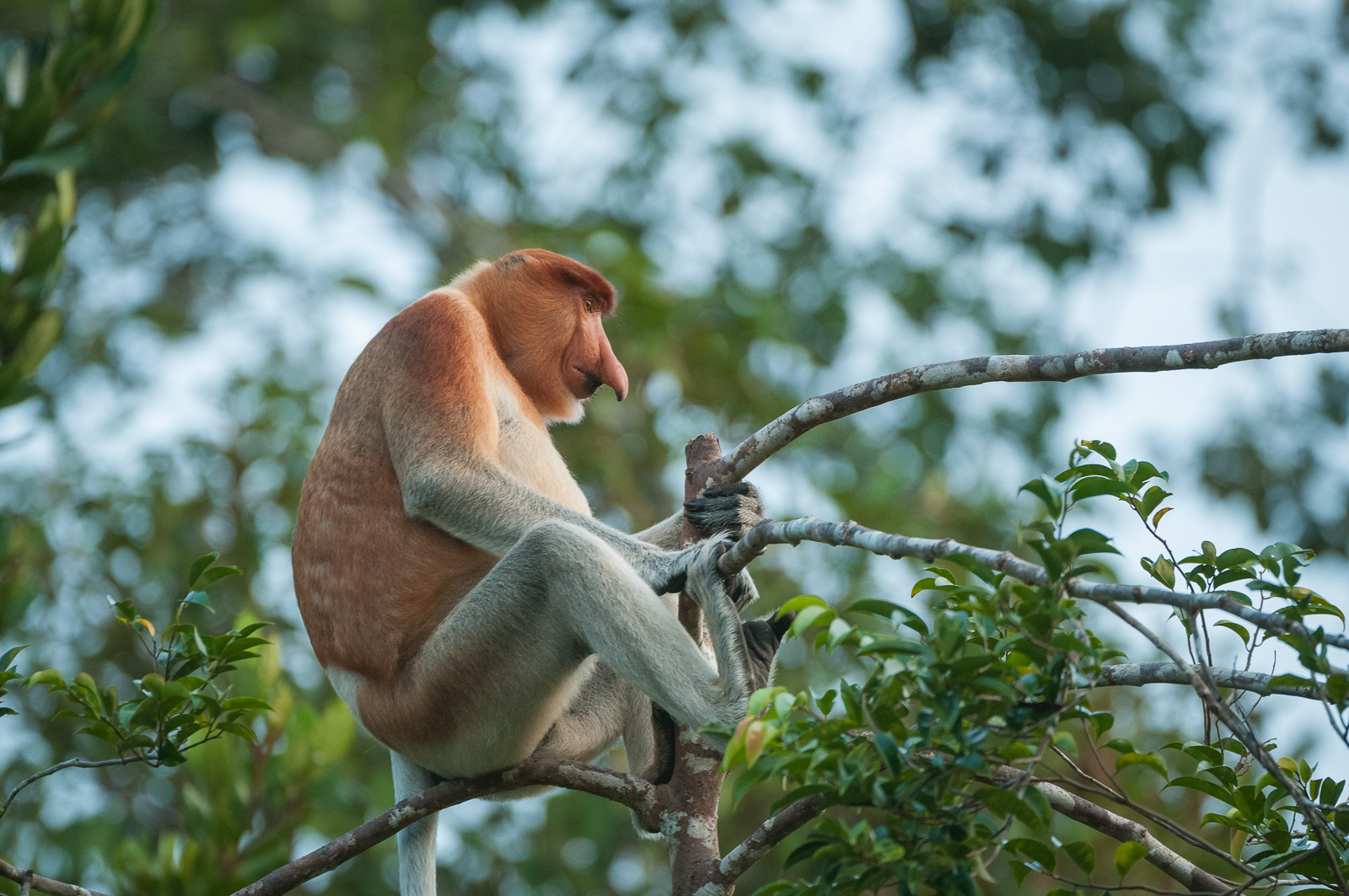
A proboscis monkey showing us a profile of his namesake proboscis. These guys truly are one of the more interesting looking creatures I’ve had the pleasure of photographing. The locals called them Dutchmen monkeys in reference to their potbellies, and swollen red noses which reminded them of the sunburnt Dutch colonialists. Nikon D300 with Nikkor 200-400mm lens (at 400mm) ISO 800, f/4 at 1/60th of a second.
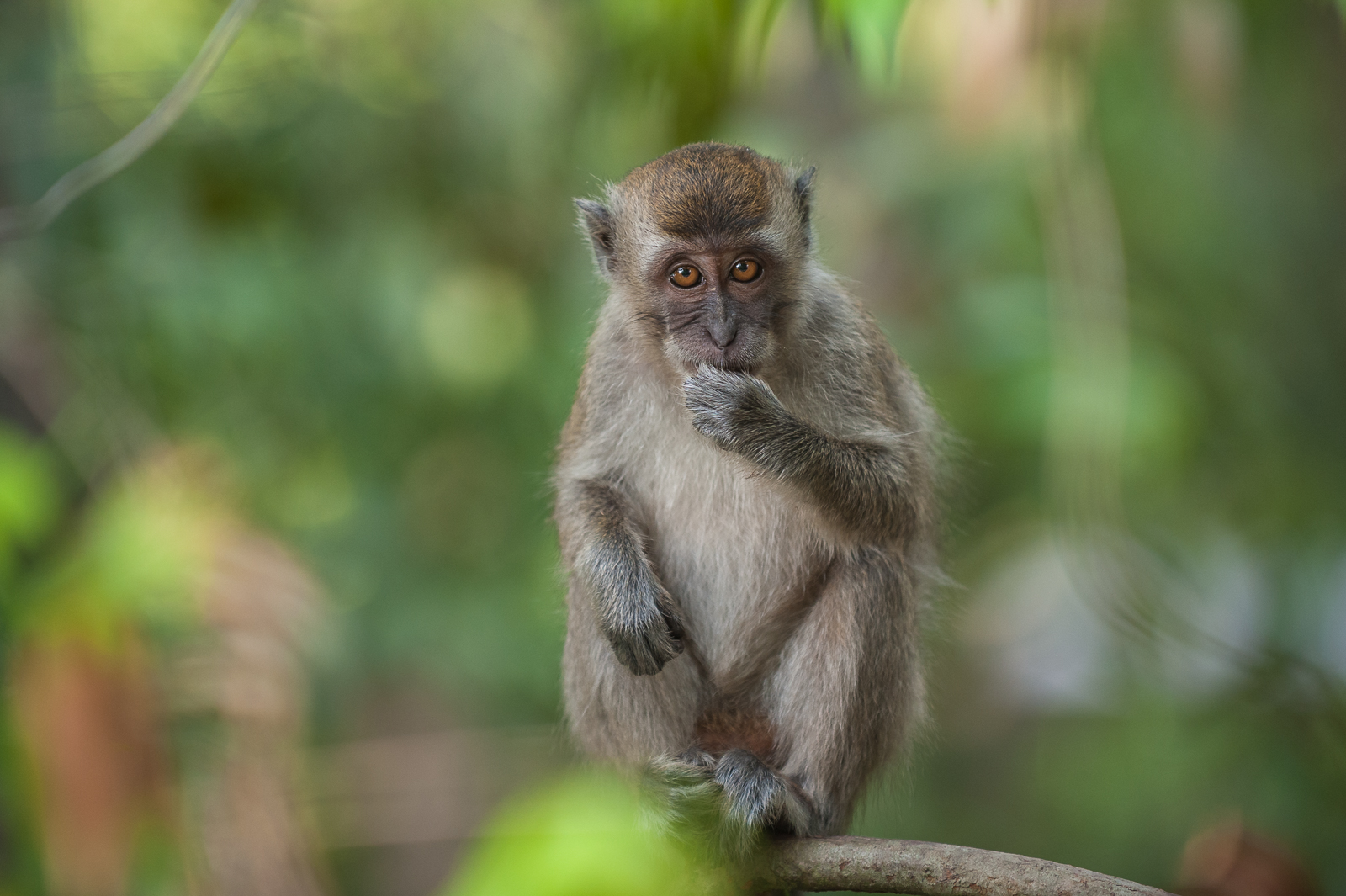
Been in a bit of a primate mood lately. Here’s another of the many monkeys I’ve had the pleasure of meeting over the years. This is a long-tailed macaque, also known as a crab-eating macaque. Photographed right outside the front door of my cabin in Tanjung Puting National Park in Indonesian Borneo. Nikon D700 with Nikkor 70-200mm lens (at 200mm) ISO 800, f/2.8 at 1/250th of a second.
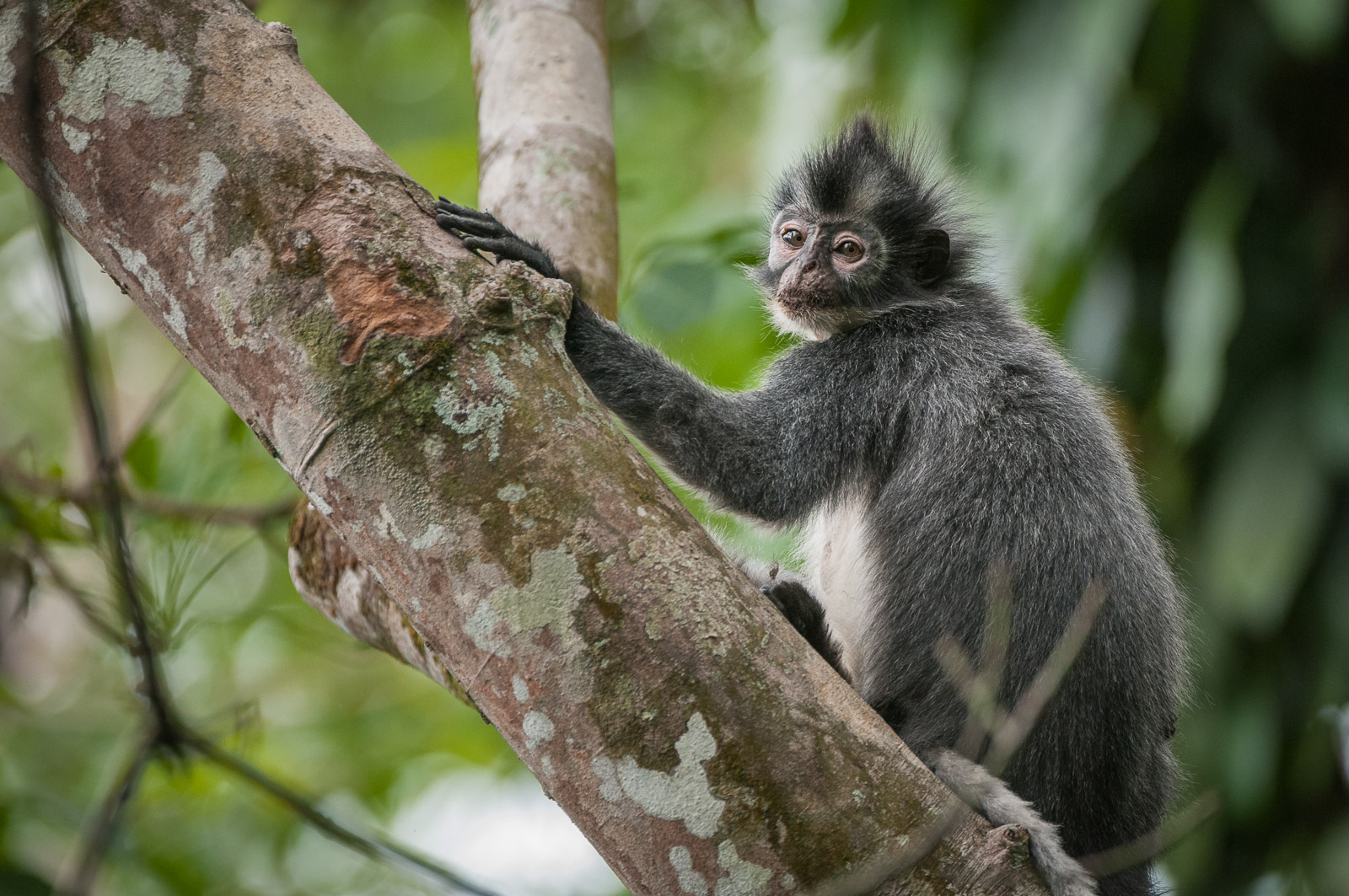
The Thomas’s leaf monkey, also known as the Thomas’s langur, is one of the world’s least studied primates. They live only in Sumatra and their habitat has been getting smaller and smaller due mainly to deforestation for logging, pulp and paper and palm oil cultivation. They are also hunted by locals, so they were understandably skittish every time they saw me raise my camera to take a photo. This monkey pictured above was one of the more relaxed ones I saw, thanks to the protection of a nearby national park. Nikon D300 with Nikkor 200-400mm lens (at 400mm) ISO 800, f/4 at 1/250th of a second.
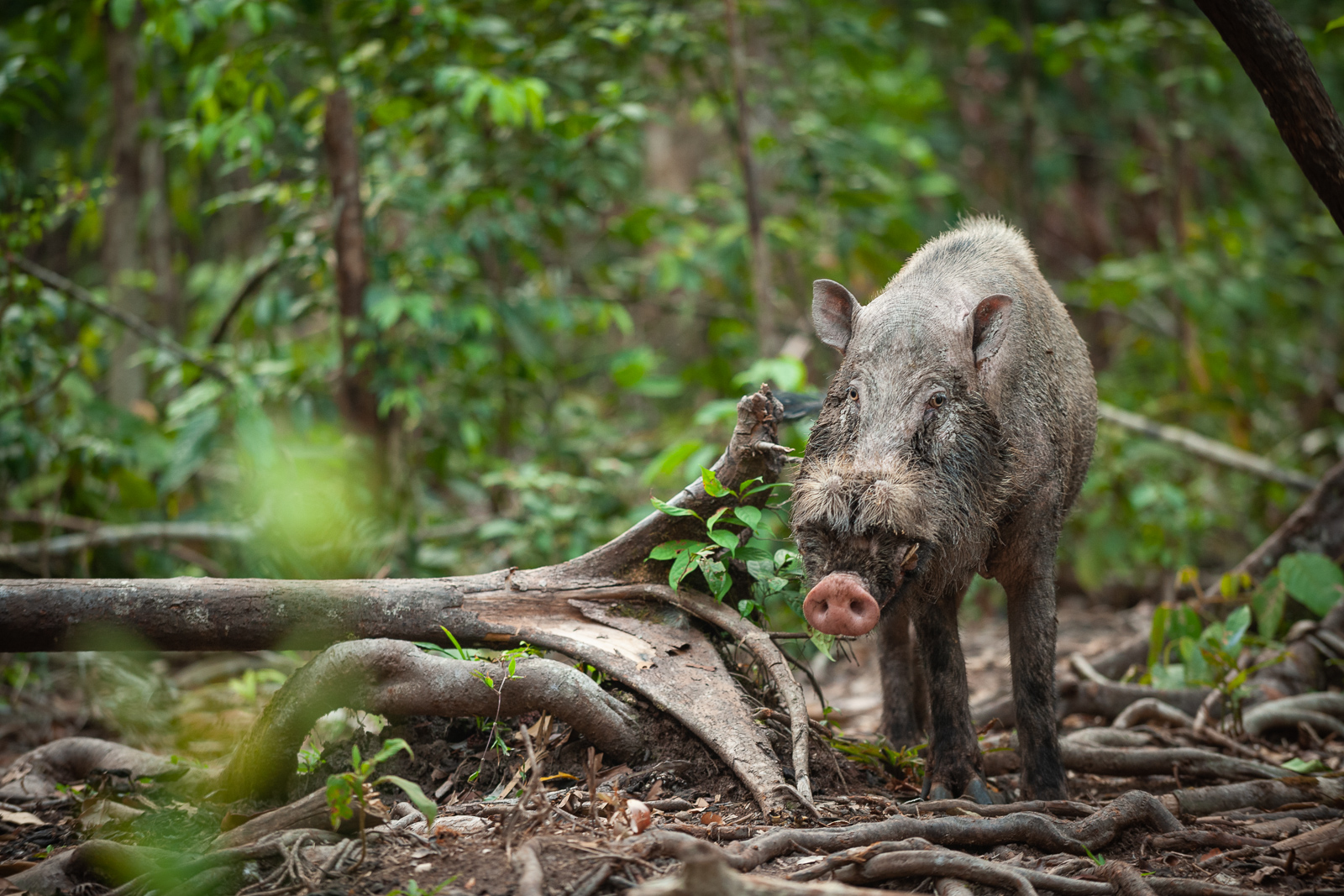
Gracing the forests of Tanjung Puting National Park in Indonesian Borneo is the bearded pig. These guys are sort of the clean up crew of the jungle, following around orangutans and gobbling up whatever food scraps they leave behind. Nikon D700 with Nikkor 70-200mm lens (at 170mm) ISO 800, f/2.8 at 1/200th of a second.
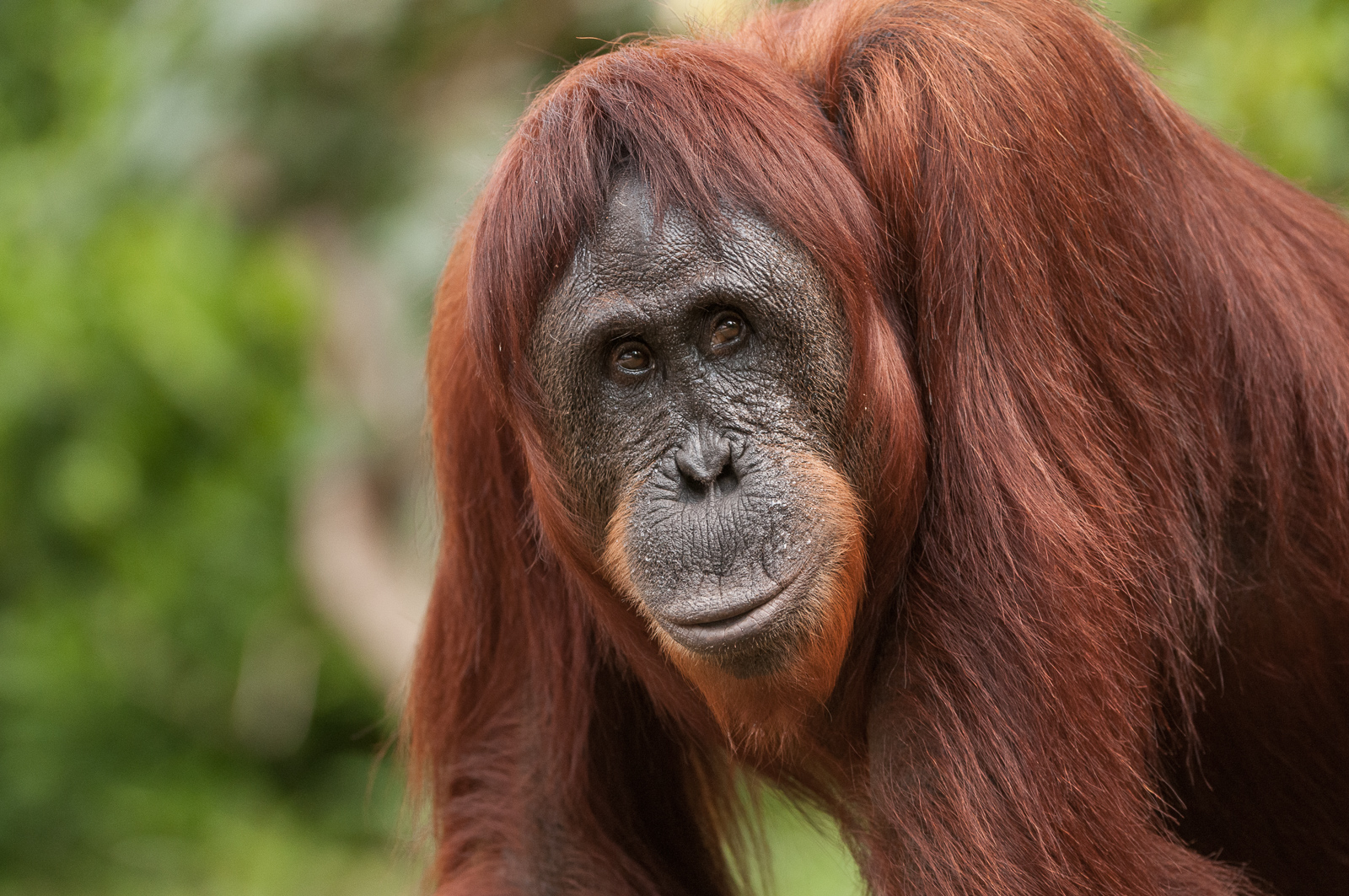
It’s amazing how different the faces of each orangutan I met in Borneo were. And the hairstyles. This young lady almost looked like she was wearing a wig. Photographed in Tanjung Puting National Park in Indonesian Borneo. Nikon D300 with Nikkor 200-400mm lens (at 200mm) ISO 800, f/4 at 1/200th of a second.
I had the pleasure of hanging out with quite a few Celebes crested macaques on my visit to Sulawesi, Indonesia back in 2009. They have very little fear of humans, which in part contributes to their conservation status as critically endangered. I saw them in Tangkoko National Park, the only place they are protected. And even within the park, that protection isn’t always guaranteed. In addition to the continued loss of their habitat, they are easily caught due to their trusting nature and unfortunately locals consider their meat a delicacy. Here’s hoping they’ll still be around if I’m ever to make a return trip. Nikon D300 with Nikkor 200-400mm lens (at 200mm) ISO 800, f/4.5 at 1/160th of a second.
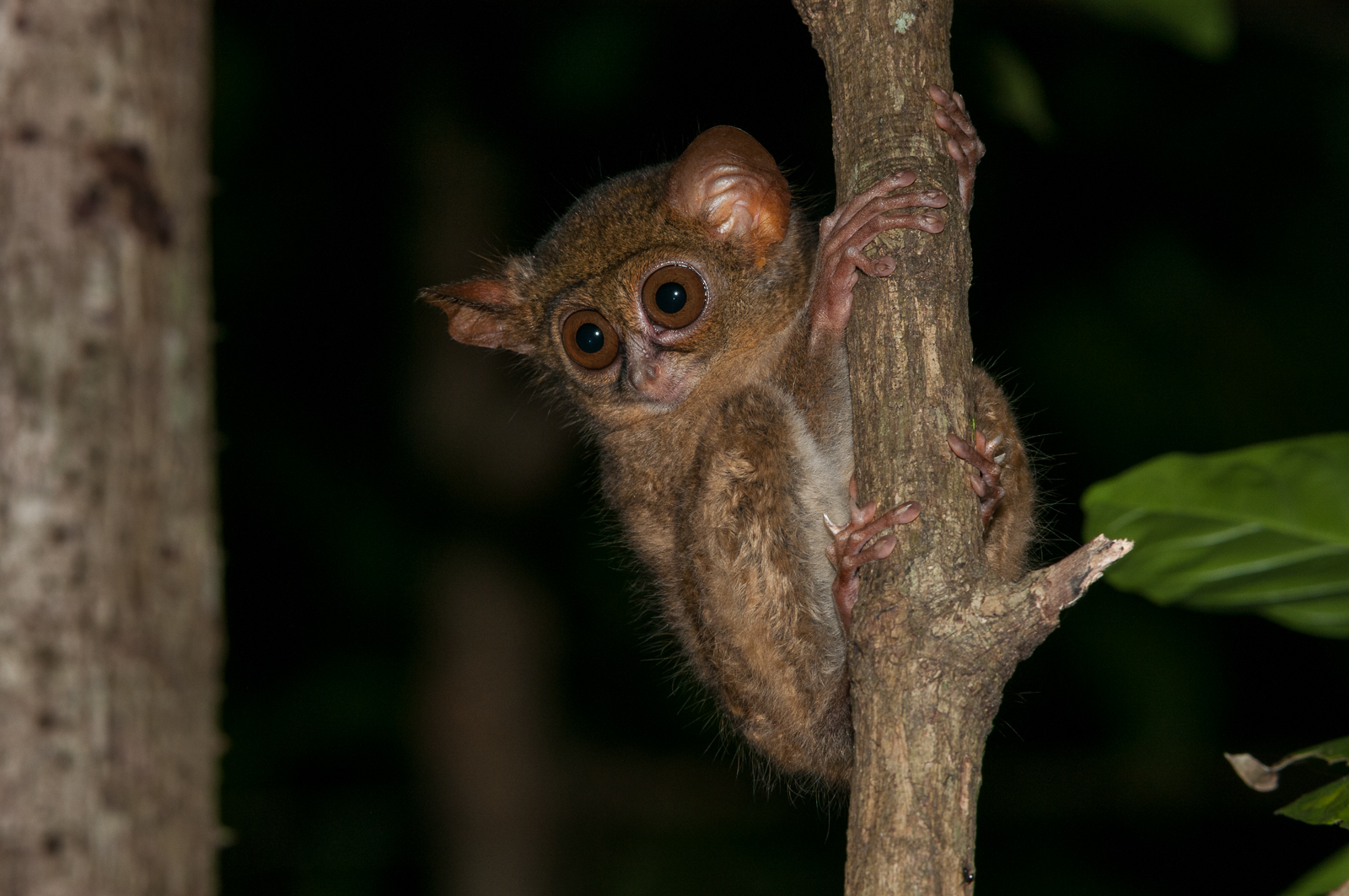
Just a simple portrait of a spectral tarsier going out to a friend who can use a simple portrait of a spectral tarsier right about now. This image gives a good look at the spurs, or toilet claws, on the feet. They are used for grooming and digging for insects. Tarsiers are one of the smallest primates in the world and they have the largest eyes to body ratio of any mammal. Their eyes are even larger than their brains. Nikon D300 with Nikkor 200-400mm lens (at 220mm) ISO 200, f/10 at 1/60th of a second, two Nikon SB-800 flash units.
We use cookies to enhance your experience while using our website. If you are using our Services via a browser you can restrict, block or remove cookies through your web browser settings. We also use content and scripts from third parties that may use tracking technologies. You can selectively provide your consent below to allow such third party embeds. For complete information about the cookies we use, data we collect and how we process them, please check our Privacy Policy