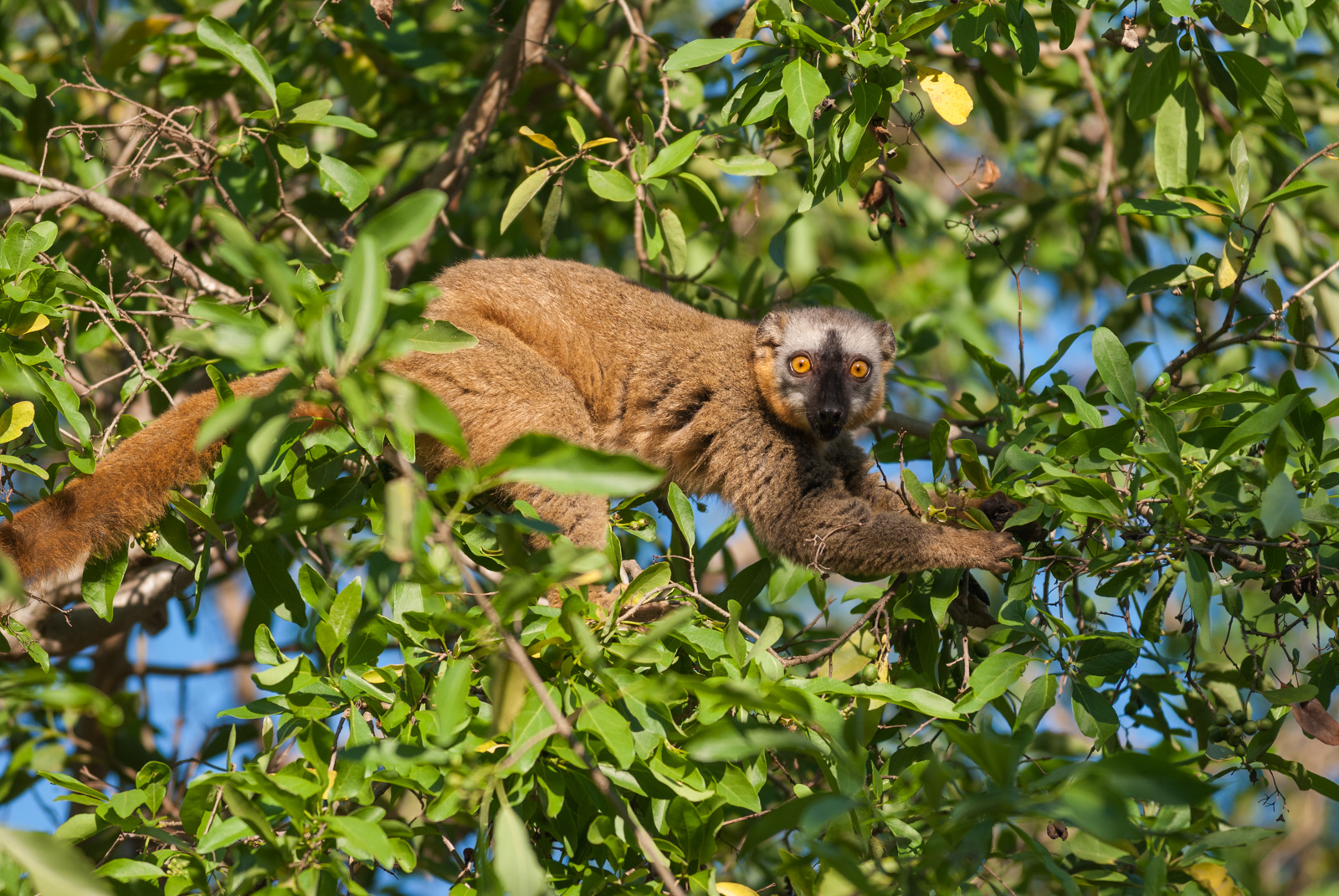
This was one of the very first lemurs I saw when I got to Madagascar. Been thinking more and more about this magical place and wanting to get back before what I remembered from back in 2007 is gone. Most lemur species are critically endangered due to habitat loss. Eco-tourism is vital to preserve the remaining forest but like most everywhere else, travel has been restricted by Covid. Unlike some other parts of the globe that have been re-wilding as a result of the pandemic — from what I hear — that hasn’t been the case in the land of the lemurs. Nikon D200 with Nikkor 80-200mm lens (at 200mm) ISO 200, f/3.5 at 1/500th of a second.
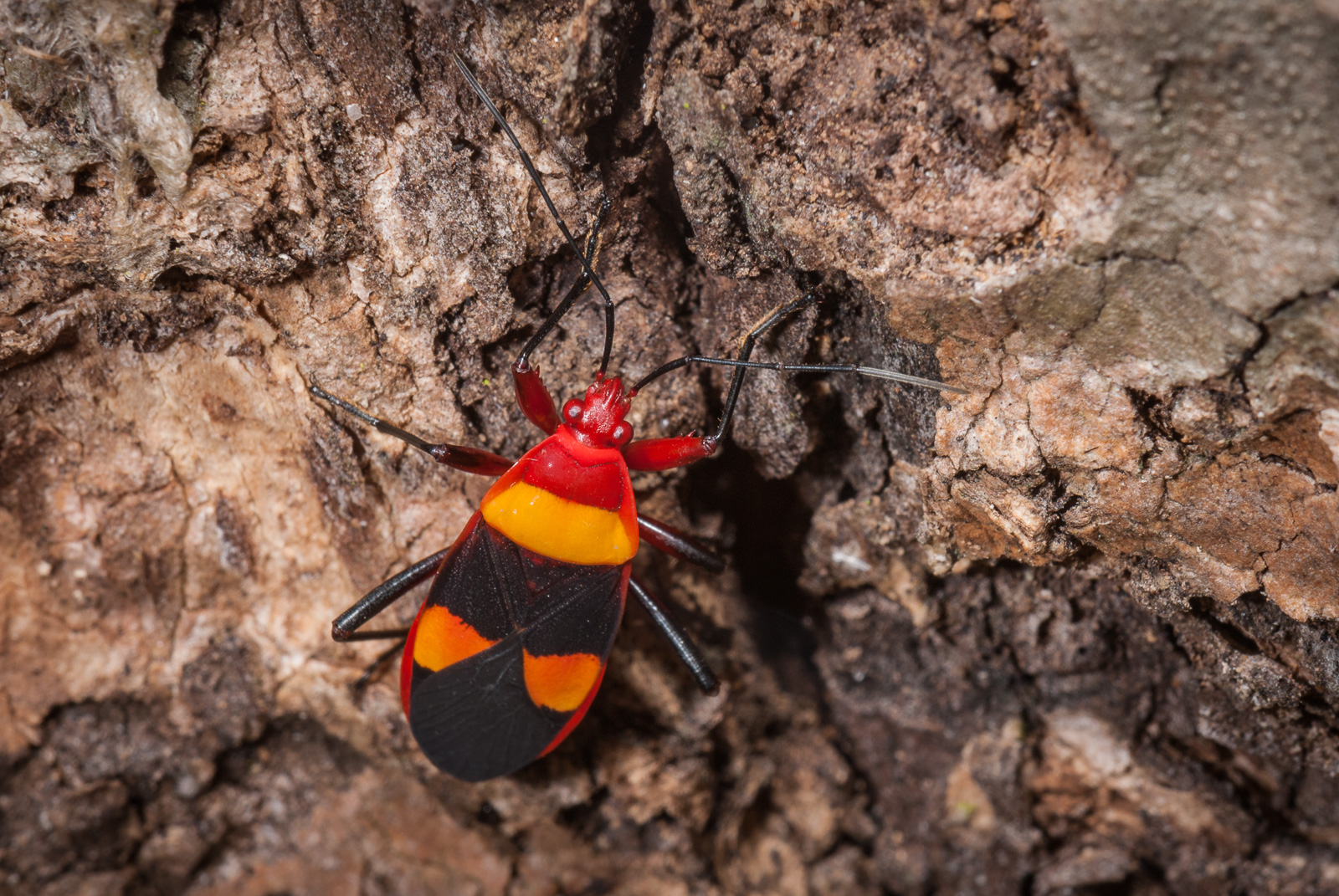
This is a species of milkweed bug. I think. Let me know if you have a better guess. Photographed in Ankarafantsika National Park in Madagascar. Just one of many interesting insects I saw while in the country. Nikon D200 with Nikkor 80-200mm lens (at 200mm with Canon 500D close up filter) ISO 100, f/22 at 1/60th of a second, two Nikon SB-600 flash units.
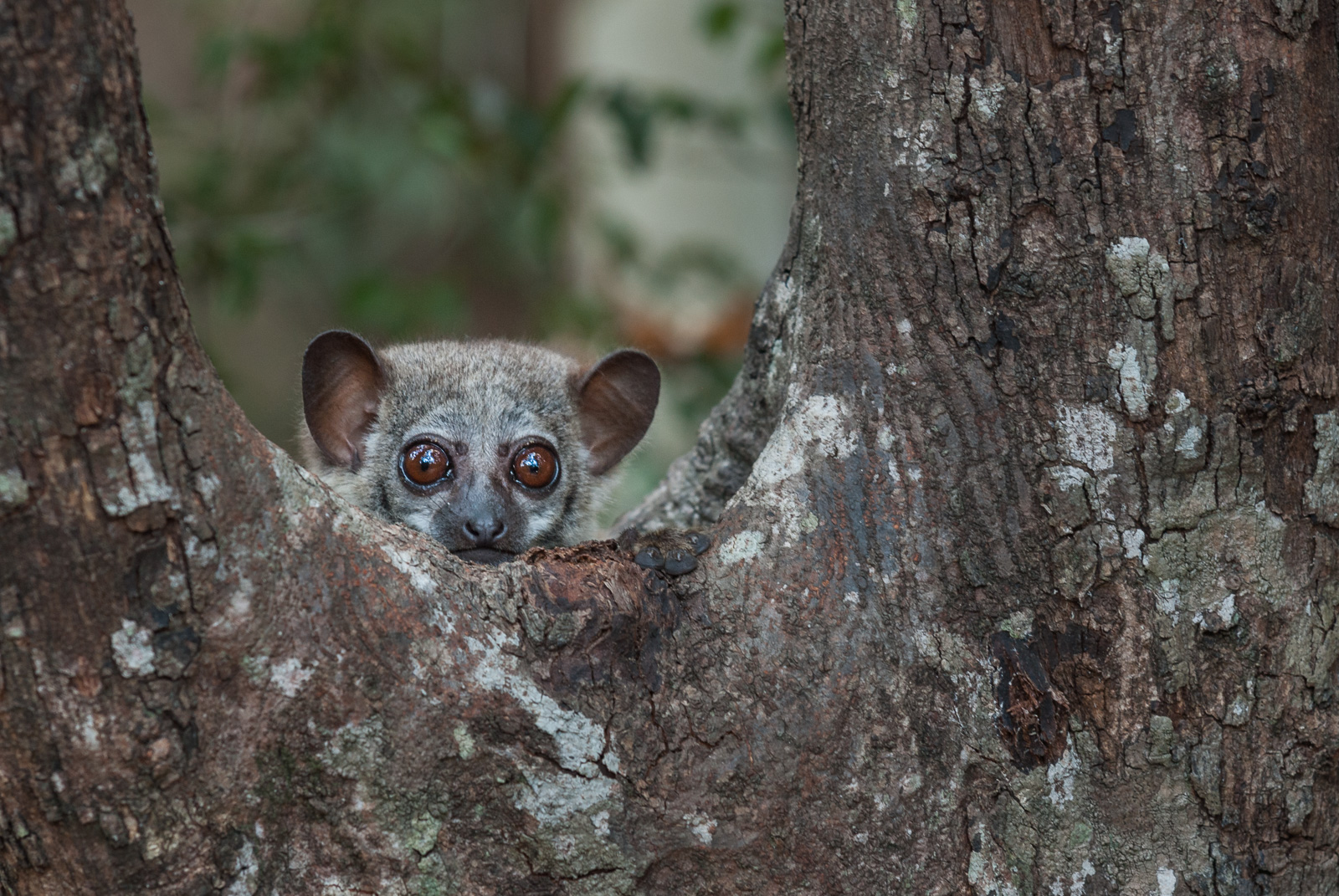
I’ve been enjoying the wildlife in my own back yard as of late, but longing for a return to more exotic locales, like Ankarafantsika National Park in western Madagascar. It was there in the dry forests that I met this Milne Edwards’ sportive lemur. Usually nocturnal, this one was hiding in the cavity of a tree along a trail I was hiking and woke up to see what was passing by. I took a couple of quick shots before moving on. Nikon D200 with Nikkor 80-200mm lens (at 200mm) ISO 200, f/5.6 at 1/4th of a second.
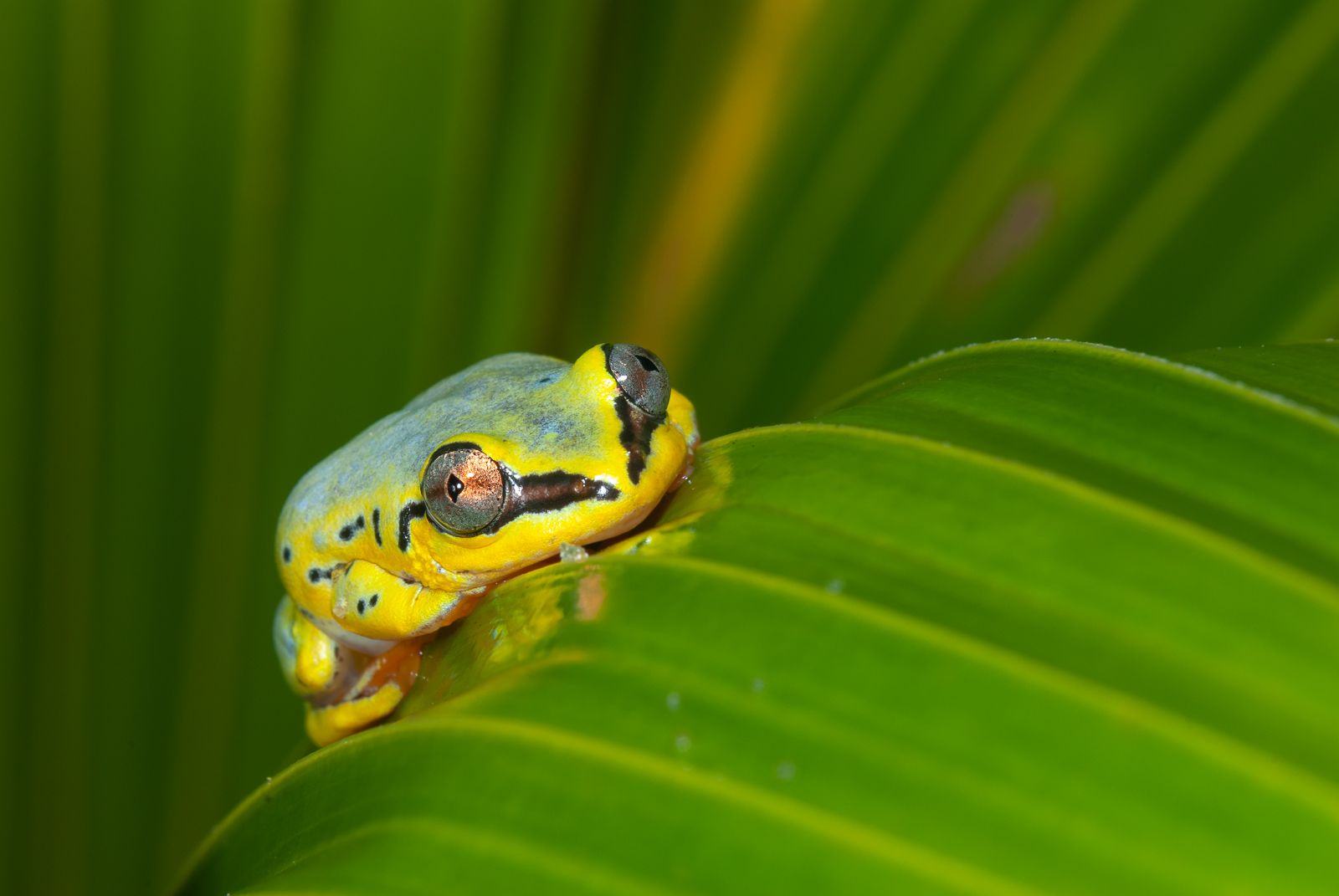
Also known as the Madagascar reed frog, the sky blue reed frog has a nice pale blue back with yellow sides and orange underparts and fingers. I photographed this one not far from the hotel I was staying at in Maroantsetra, Madagascar. Nikon D200 with Nikkor 80-200mm lens (135mm with Canon 500D close up filter) ISO 100, f/22 at 1/60th of a second, two Nikon SB-600 flash units.
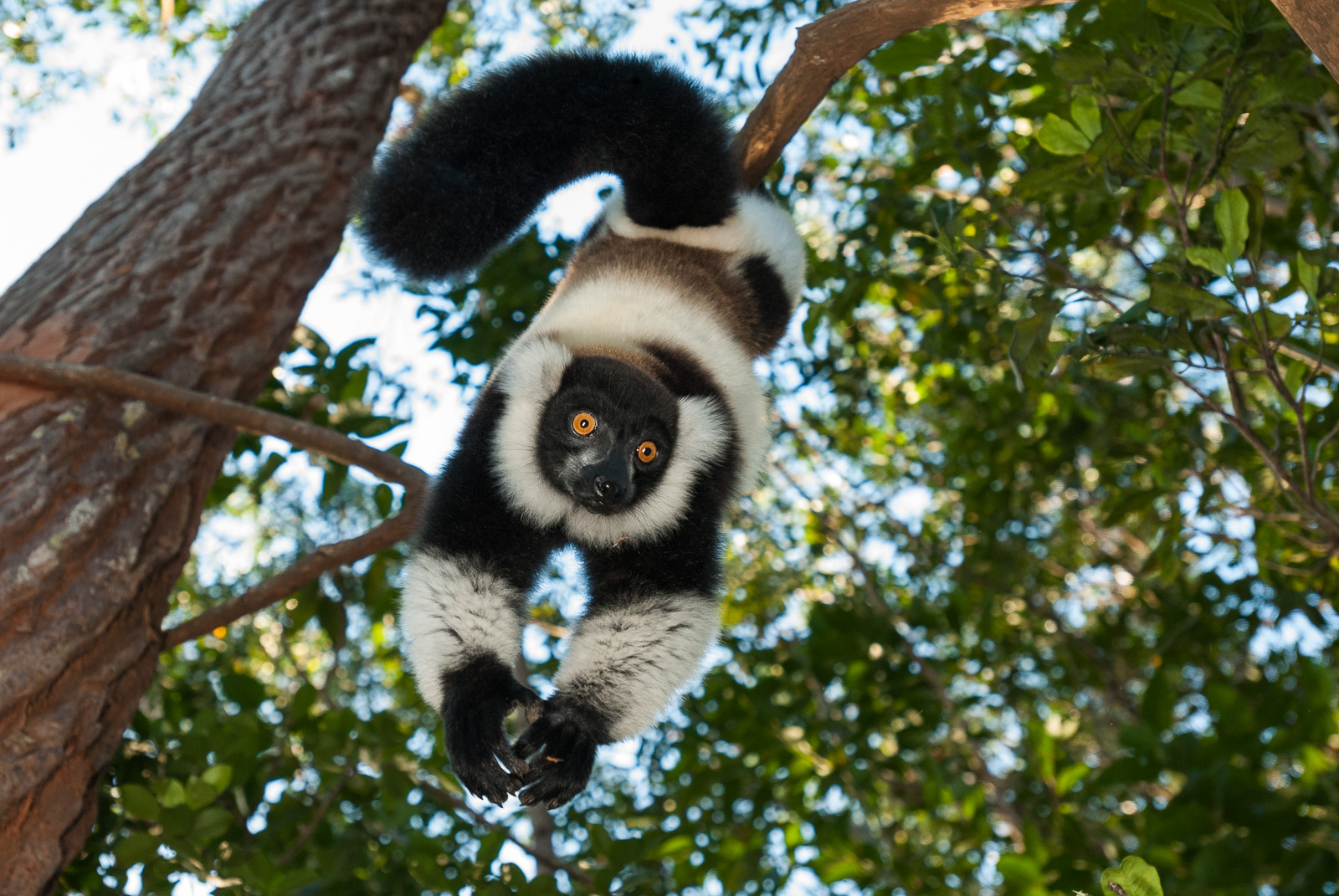
Here’s another of the many different lemur species I was able to photograph while in Madagascar back in May of 2007. My total count was 23 different species — this being the black and white ruffed lemur. Nikon D200 with Nikkor 17-35mm lens (at 35mm) ISO 400, f/4.5 at 1/100th of a second, two Nikon SB-600 flash units.
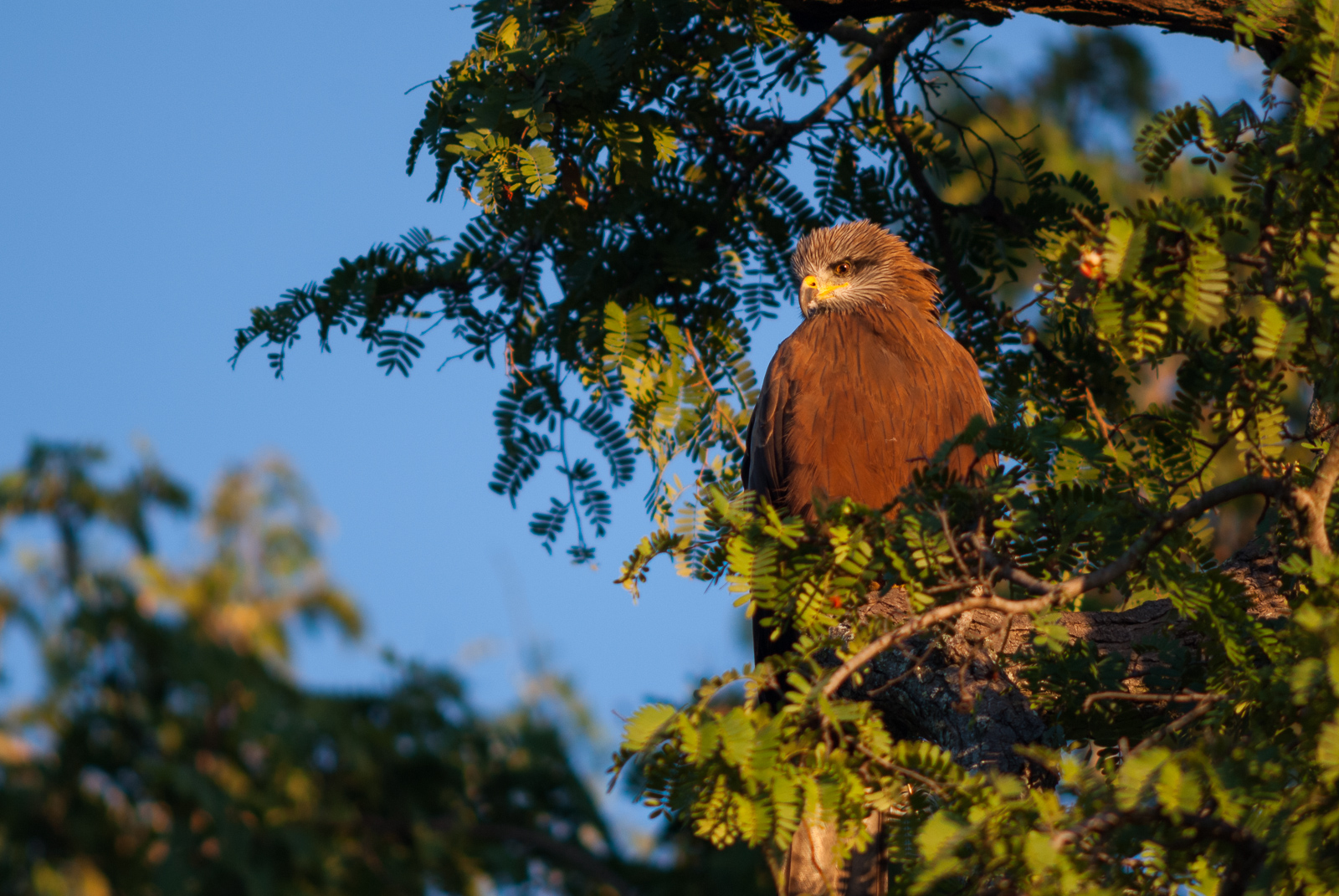
This yellow-billed kite is one of the first creatures that I met upon my arrival in Madagascar. I would make the acquaintance of many more strange and wonderful feathered and furred beings over the ensuing three weeks. Photographed in Berenty Private Reserve in the southern tip of Madagascar. Nikon D200 with Nikkor 600mm f/5.6 manual focus lens, ISO 200, f/5.6 at 1/160th of a second.
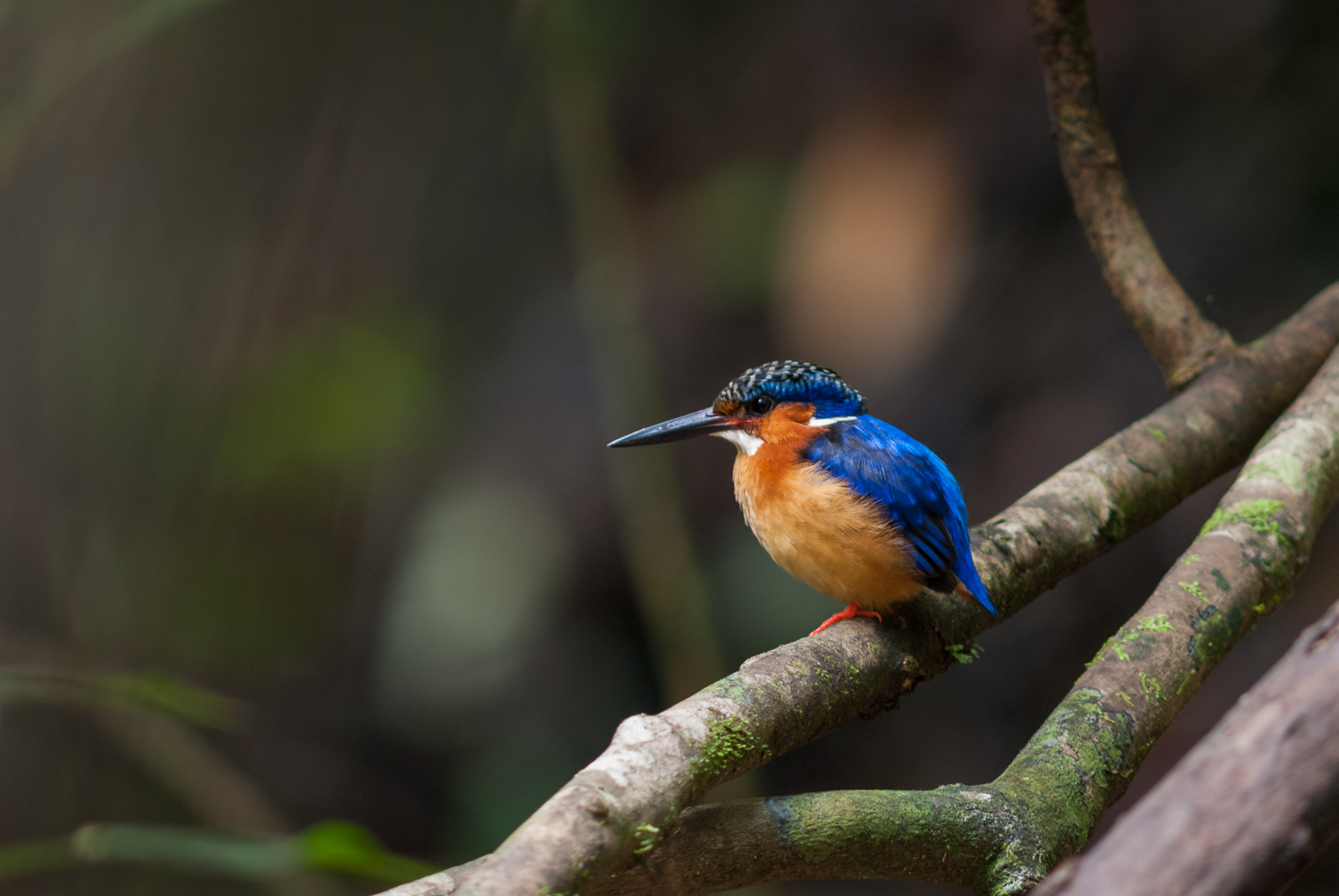
The Malagasy kingfisher is a colorful little bird that I saw in a few different locations on my Madagascar trip years ago. They are relatively small as far as kingfishers go. This one was spotted on the island of Nosy Mangabe which is off the east coast of Madagascar. Nikon D200 with Nikkor 600mm f/5.6 manual focus lens, ISO 400, f/5.6 at 1/4th of a second.
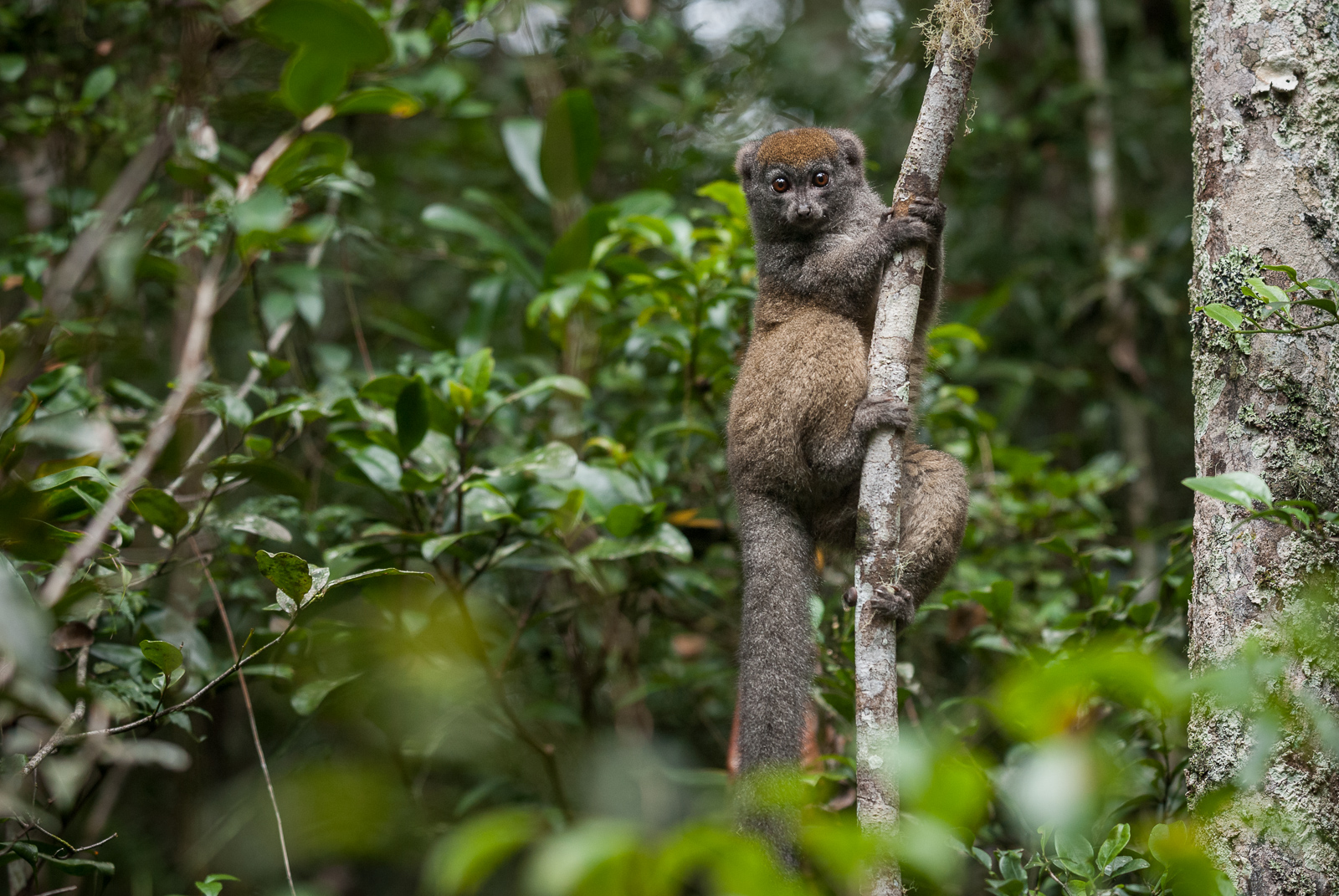
As the name suggests, these guys eat a lot of bamboo. They are a smallish and highly athletic lemur. I photographed this one in Andasibe-Mantadia National Park in Madagascar. Nikon D200 with Nikkor 80-200mm lens (at 120mm) ISO 400, f/2.8 at 1/125th of a second.
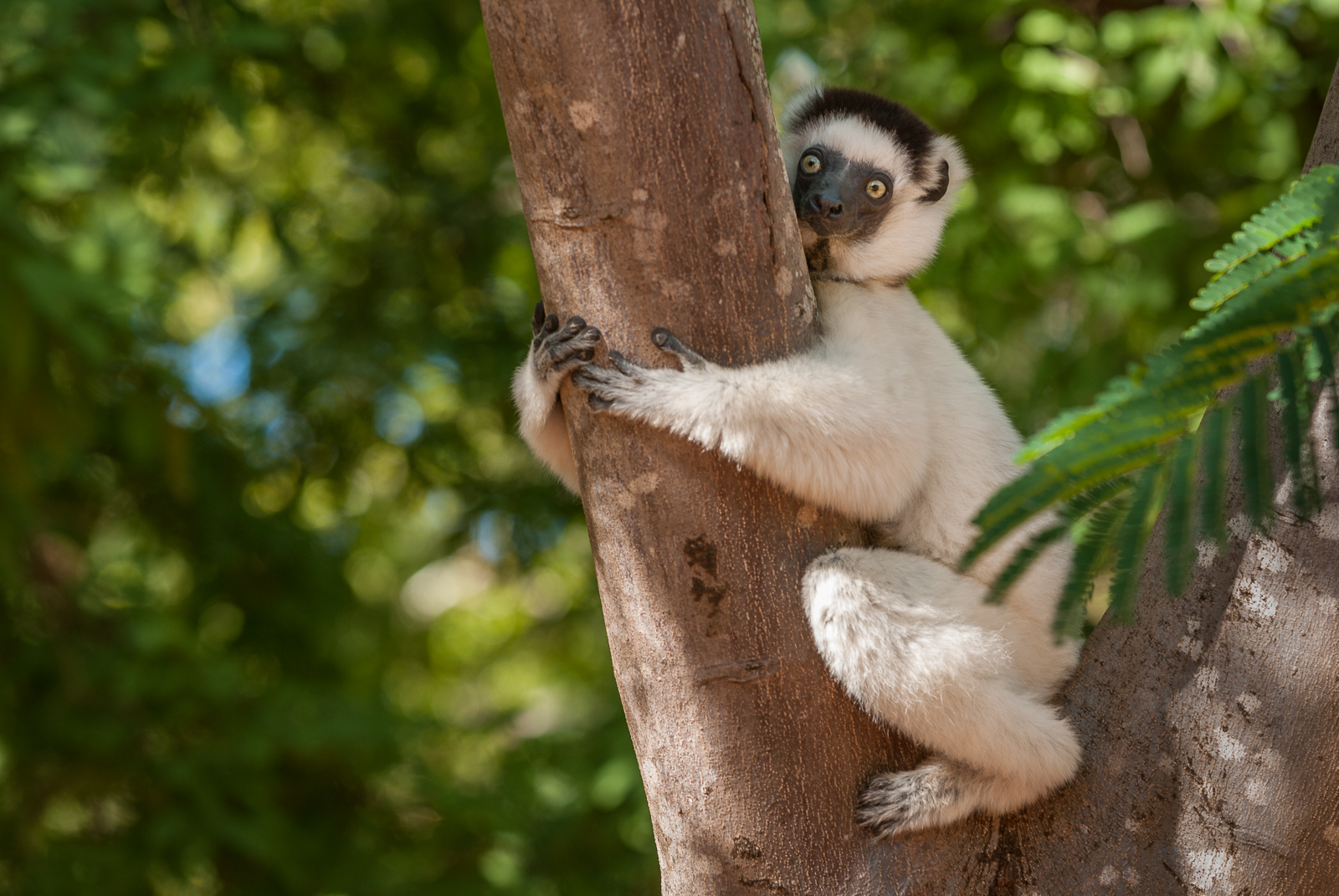
Sifakas are a type of lemur named for their alarm call which sounds something like shi-fak. They spend the majority of their time in trees and are quite acrobatic as they leap through the forest. As with all lemurs, they are only found on Madagascar and a few surrounding islands. This one was photographed in southern Madagascar at Berenty Reserve. Nikon D200 with Nikkor 80-200mm lens (at 135mm) ISO 100, f/3.5 at 1/125th of a second.
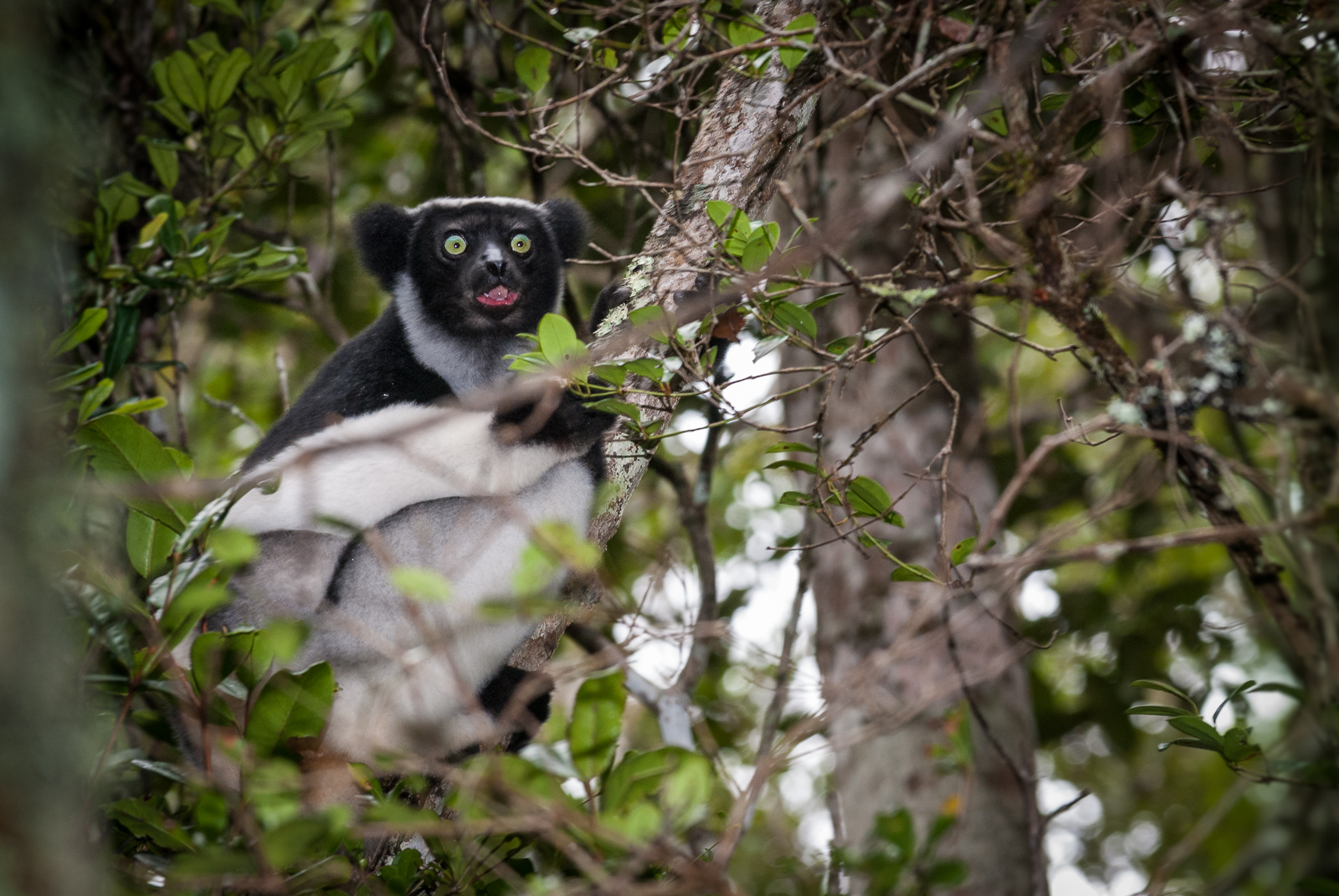
The indri, also known as the babakoto, is the largest of all the lemurs in Madagascar — it can reach nearly four feet with legs fully extended. By contrast, the smallest lemur, the pygmy dwarf lemur, isn’t much bigger than a mouse. The indri is also known for its mournful call which you can hear echoing through the rainforest. I photographed this Indri years ago in Andasibe-Mantadia National Park in Madagascar. Nikon D200 with Nikkor 80-200mm lens (at 200mm) ISO 400, f/5.6 at 1/60th of a second, Nikon SB-600 flash.
We use cookies to enhance your experience while using our website. If you are using our Services via a browser you can restrict, block or remove cookies through your web browser settings. We also use content and scripts from third parties that may use tracking technologies. You can selectively provide your consent below to allow such third party embeds. For complete information about the cookies we use, data we collect and how we process them, please check our Privacy Policy