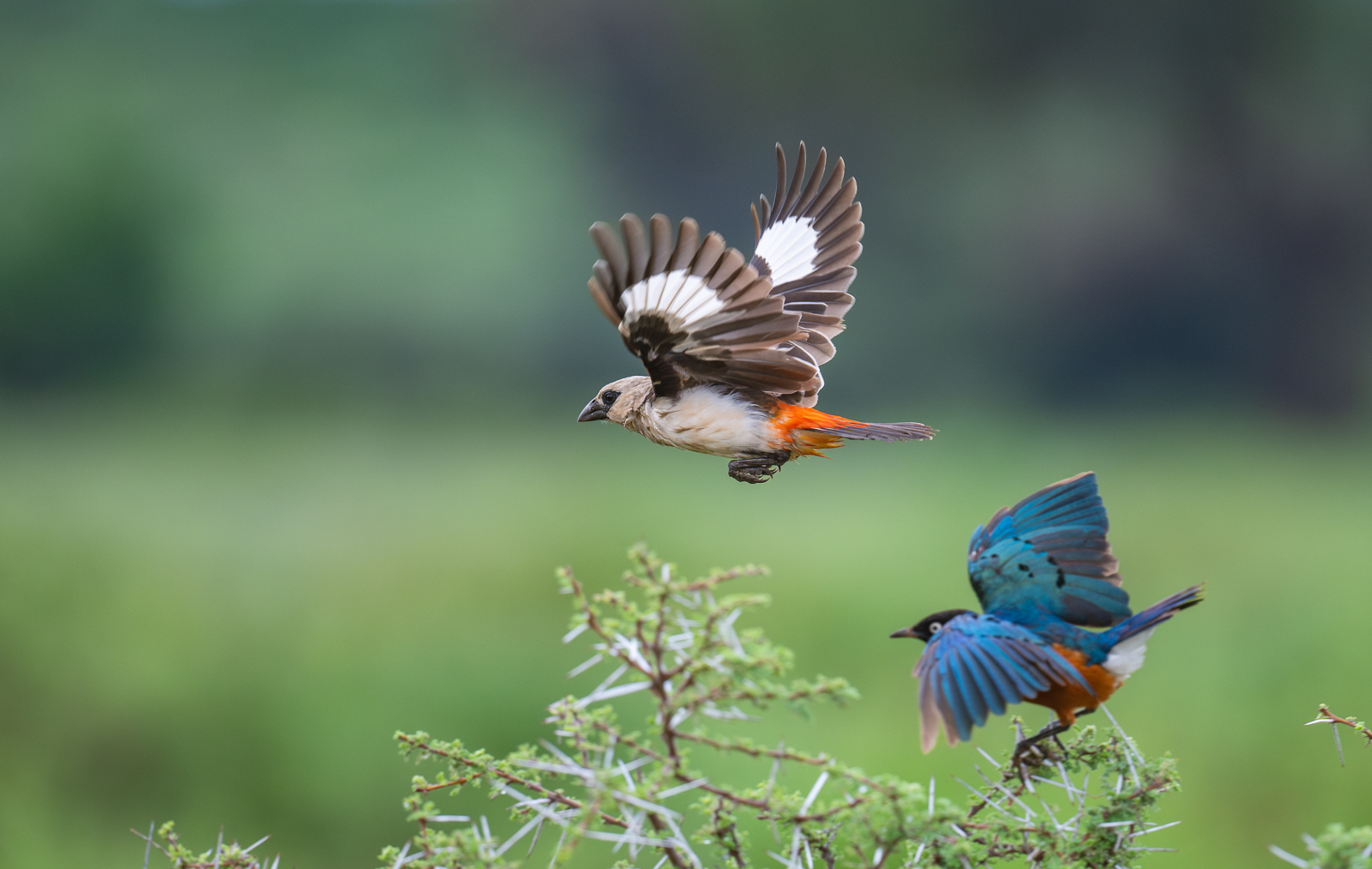
The bird in flight is the buffalo weaver and perched is a superb starling. These are two of the iconic birds of Samburu National Reserve in Kenya. Buffalo weavers are part of Africa’s Little Five — the buffalo weaver, lion ant, leopard tortoise, elephant shrew and rhinoceros beetle. Nikon Z8 with Nikkor 500mm PF lens, ISO 1250, f/5.6 at 1/2000th of a second.
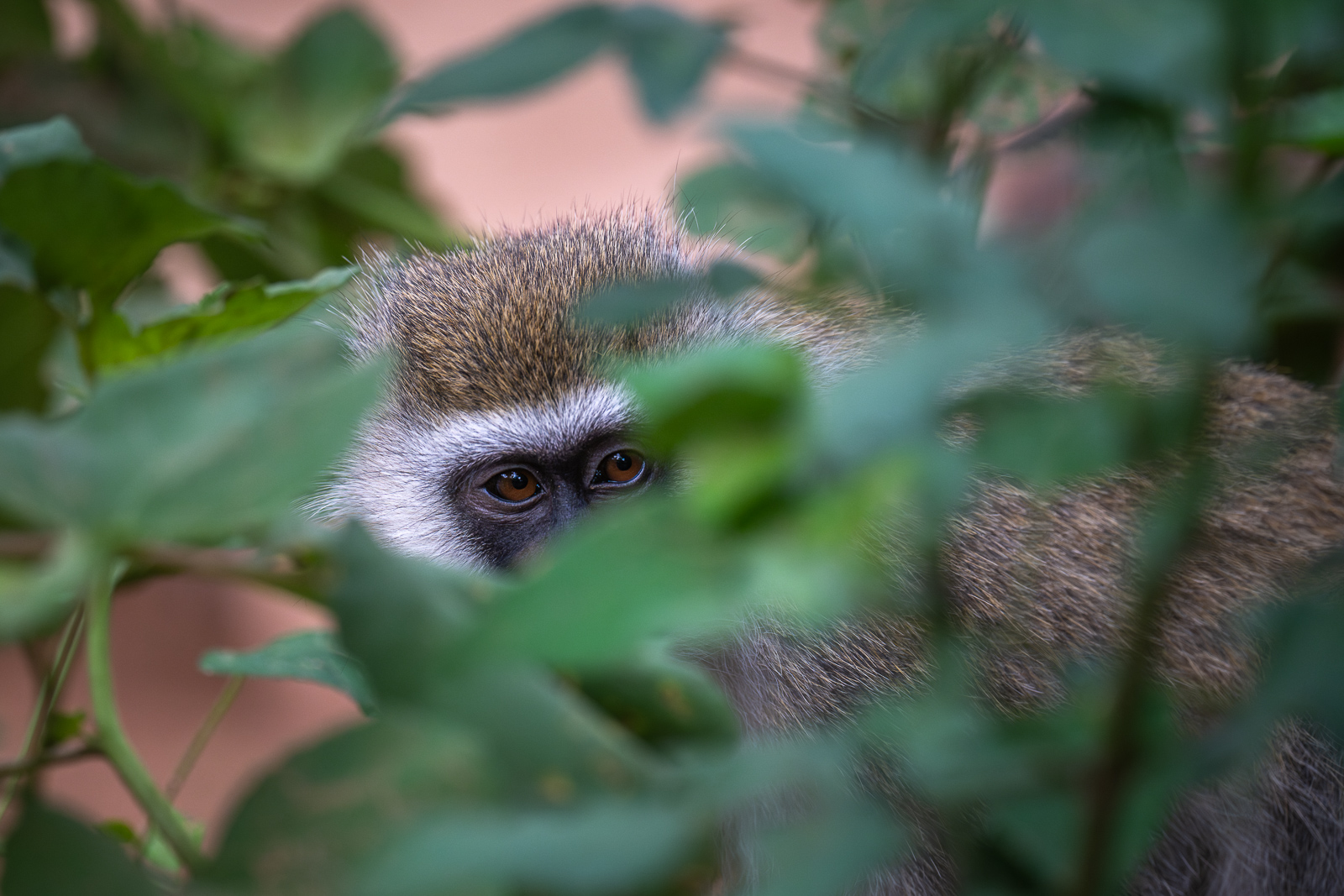
Olive baboons and vervet monkeys are the two main species of primate that we see on our Kenya safaris. Both are usually hanging around our camp in Samburu National Reserve. I spotted this guy on my way to lunch, foraging in the bushes besides one of the tents. A few years back, the management of the camp had to put locks on the zippers of the tents to keep the vervet monkeys from unzipping and ransacking your room, looking for food. They can be a nuisance, but I’m always glad to see them sharing the space with us. Nikon Z8 with Nikkor 500mm PF lens, ISO 1400, f/5.6 at 1/1600th of a second.
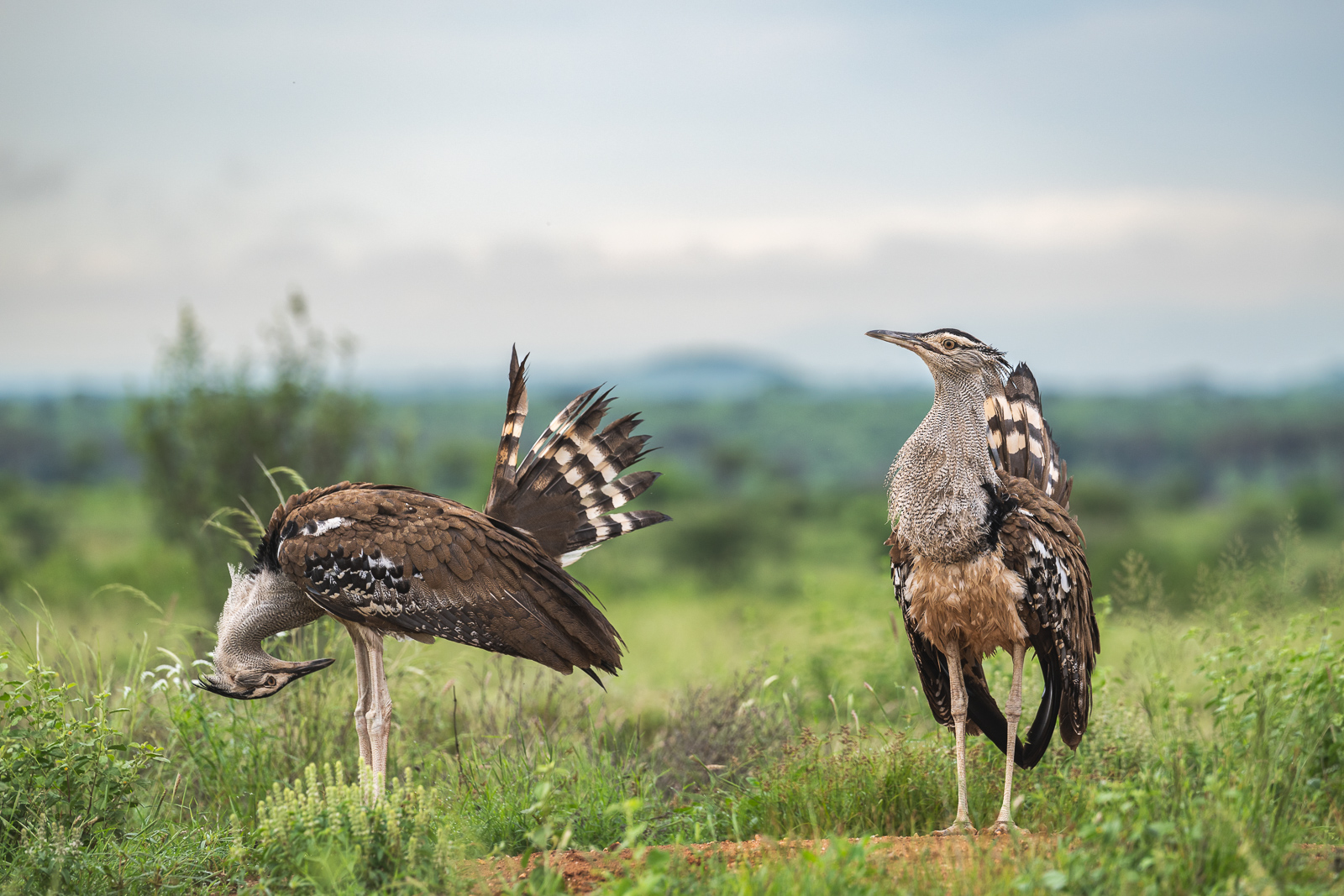
Kori bustards are the world’s heaviest flying birds. That said, they are almost always on the ground. This Kenyan pair was doing a bit of a low-key mating dance as they preened themselves and circled each other. Nikon Z8 with Nikkor Z 70-200mm lens (at 200mm) ISO 320, f/4 at 1/1250th of a second.
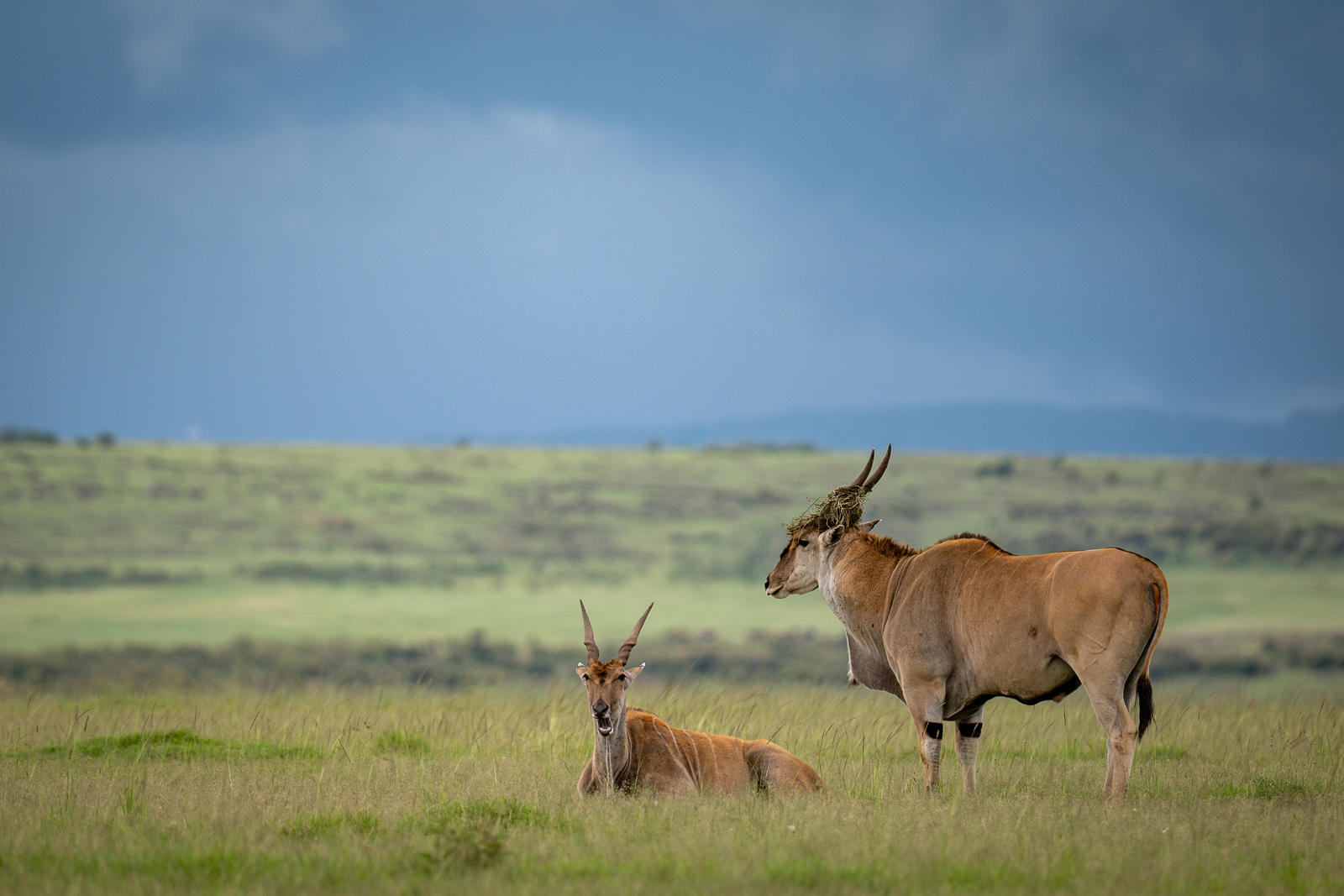
The eland is the largest species of antelope in Kenya. It’s also the most cattle-ish looking. As to why the guy on the right is wearing grass on his head I’m not quite sure. Nikon Z8 with Nikkor 500mm PF lens, ISO 220, f/5.6 at 1/800th of a second.
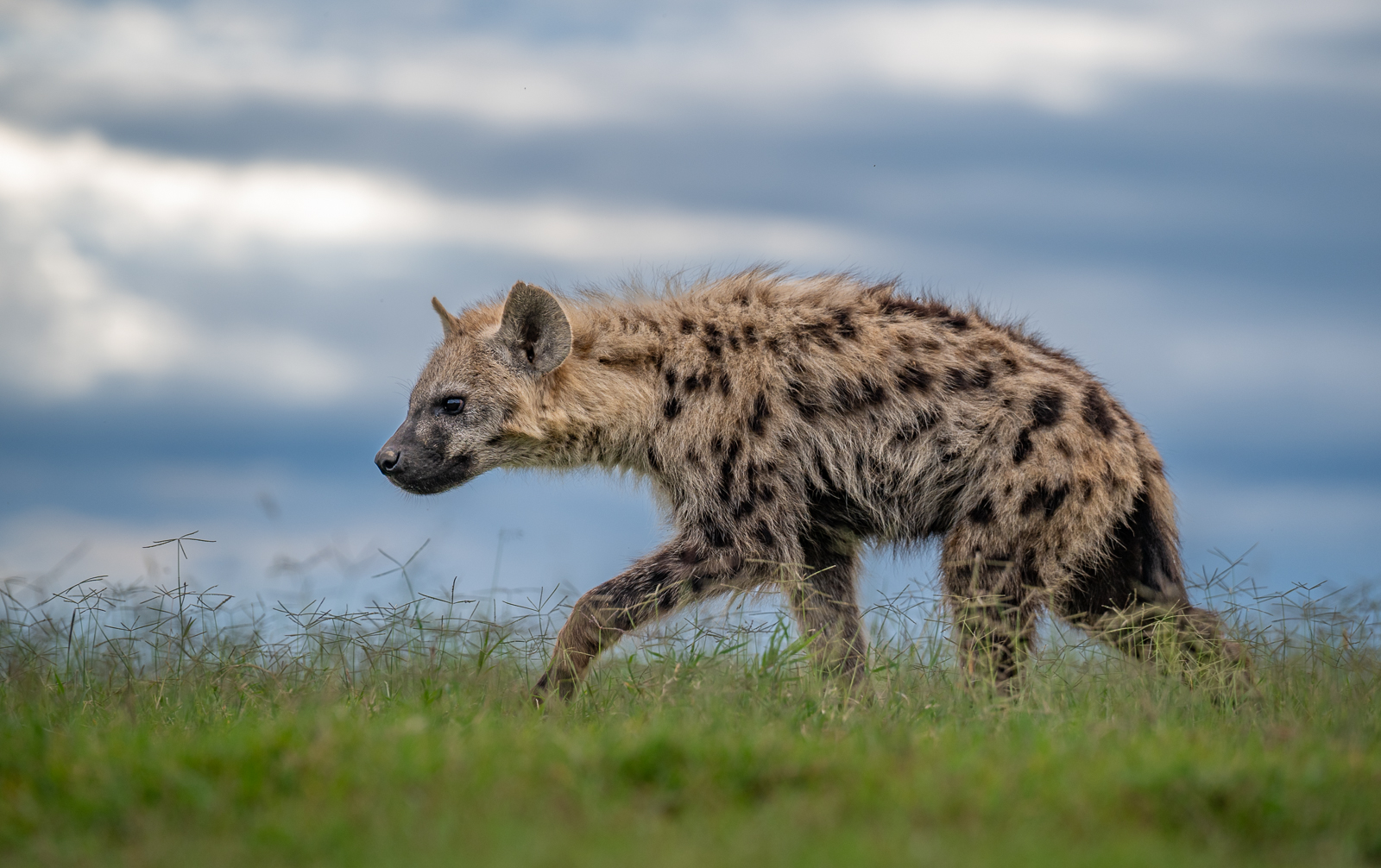
A spotted hyena on the prowl across the grasslands of Ol Pajeta in Laikipia, Kenya. This is another one where I used the inverted monopod technique to get a ground-level perspective. Spotted hyenas are the most common large carnivore in Africa. Their adaptability and opportunism is largely what has made them so successful. Primarily a hunter, they are also well-known scavengers and will pretty much eat anything thanks to their ability to chew and digest skin, bone and other animal waste. Nikon Z8 with Nikkor Z 70-200mm lens (at 200mm) ISO 280, f/4 at 1/1600th of a second.
I recently posted a video of a pride of young male lions playing on a fallen tree at twilight. This is the second part of that video. It was very dark and we were about to go home when all of a sudden we saw that the lions had moved off to surround a lone hippo. Ultimately, the inexperienced lions realized they were overmatched and wisely retreated. It appears to be lighter out than it actually was and the video quality is therefore not the greatest. Focus started to hunt a few times, but eventually I captured enough to tell the story. Nikon Z8 with Nikkor 500mm PF lens, 4K video at 120 fps.
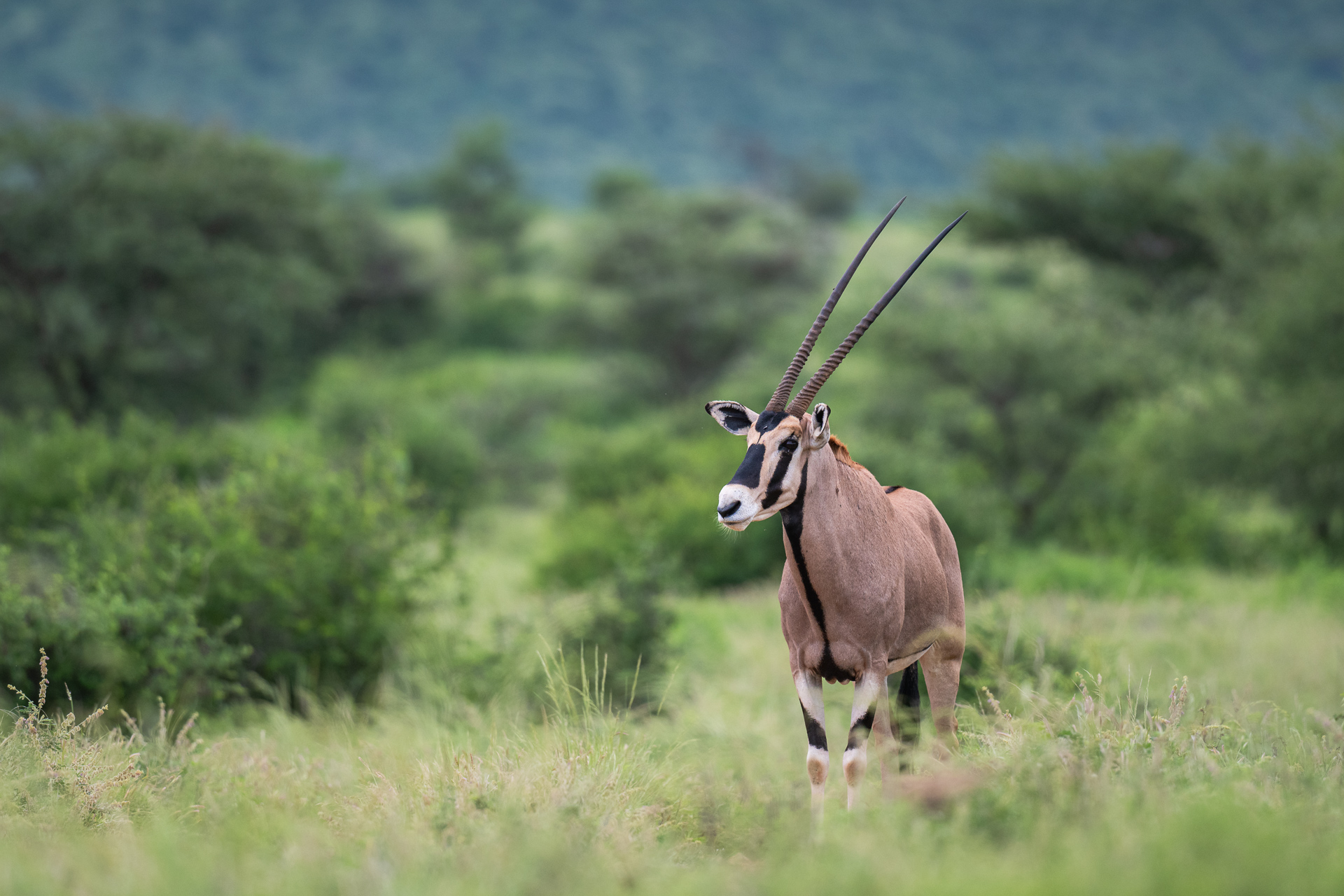
Beisa oryx are another of the specialty species found in Kenya’s Samburu National Reserve. They are a medium-sized antelope listed as endangered due to a reduction in numbers and range. It was the middle of the long rains when we visited Samburu in April and the oryx really stood out against all the green foliage. Nikon Z8 with Nikkor 500mm PF lens, ISO 500, f/5.6 at 1/800th of a second.
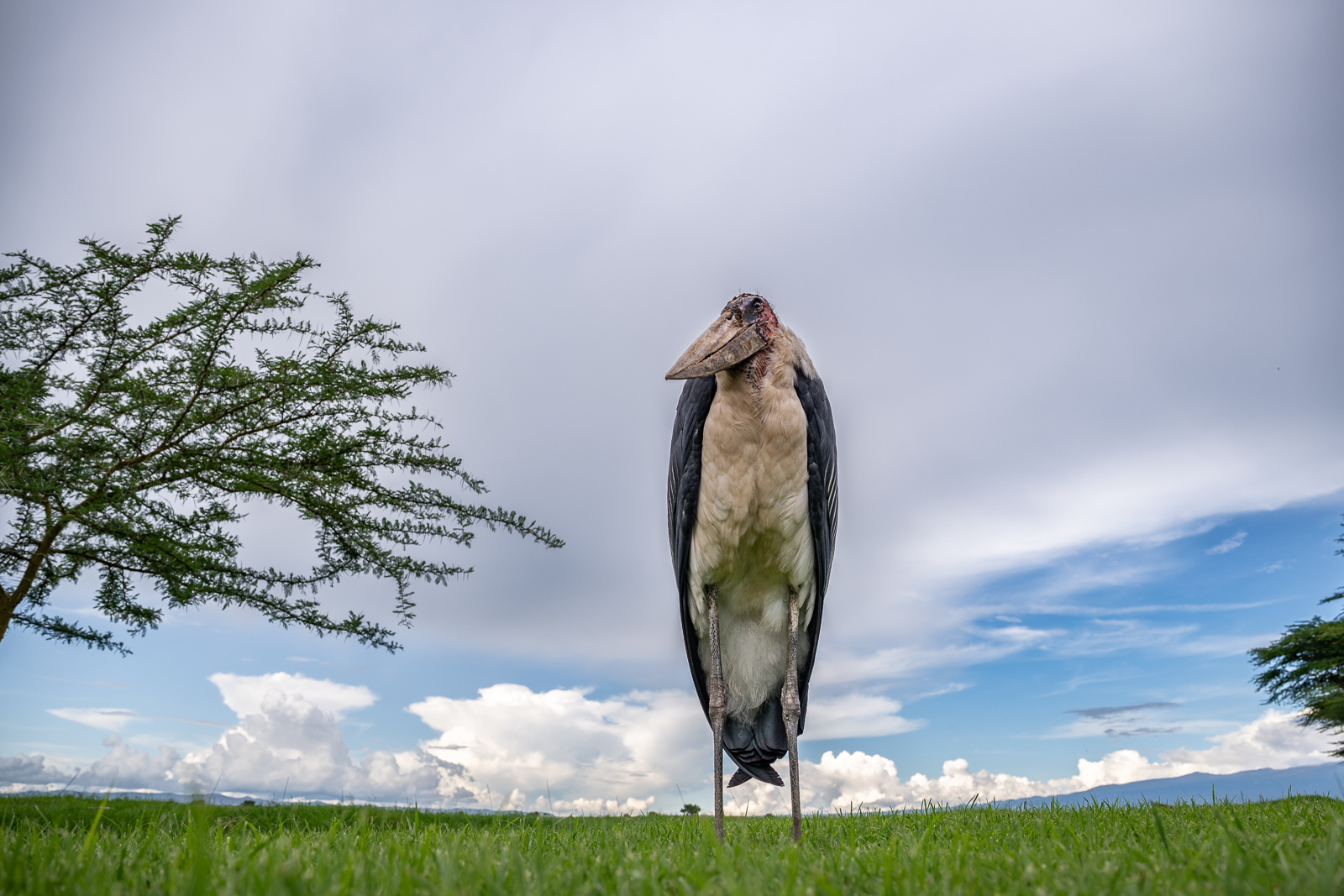
Marabou storks can often be seen hanging around campsites and other areas of human habitation. This one was a regular at our second camp in the Ol Pajeta Conservancy of Kenya. I was able to slowly move very close, while on the ground with my wide angle lens. The stork didn’t seem to mind, likely more interested in whether I had any food in my camera bag. Marabou storks are nicknamed the undertaker, with those back feathers that resemble a long cloak. These are very large birds and have been known to reach nearly five feet in height with a 12 foot wingspan. Nikon Z8 with Nikkor Z 24-70mm lens (at 24mm) ISO 125, f/5 at 1/500th of a second.
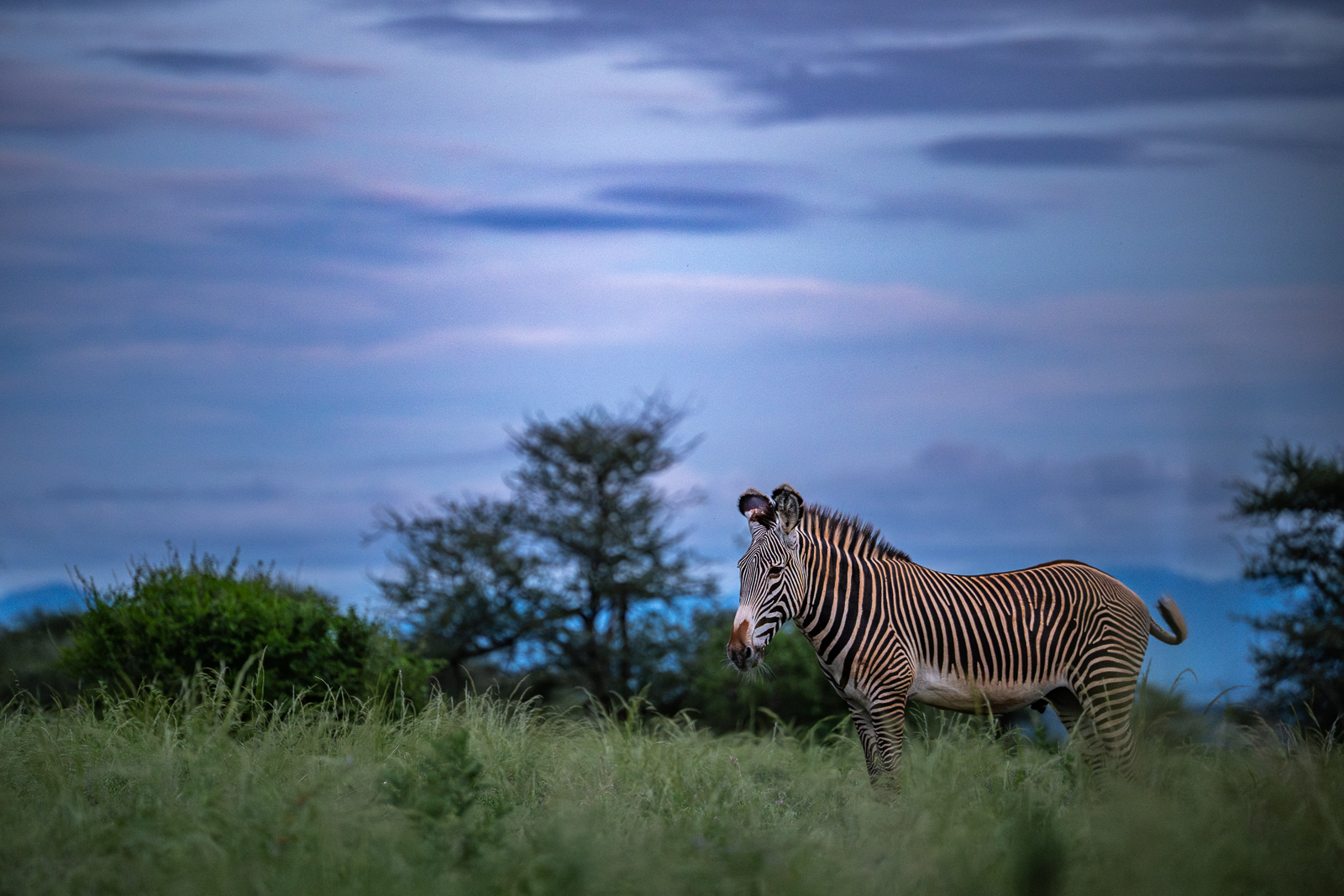
At first, this looks like an ordinary shot of a zebra under a late day sky. But this is no ordinary zebra, it’s an endangered grevy’s zebra. As of 2016 there were only 2000 left in the wild. Hunting was the original problem (their coats were in high demand) but more recently habitat loss and competition with livestock have been the two main issues. Unlike the much, much, much more common plains zebras, grevy’s zebras are distinguished by their floppy ears and white belly — resembling more of a striped donkey. Nikon Z8 with Nikkor Z 70-200mm lens (at 200mm) ISO 2200, f/2.8 at 1/320th of a second.
We use cookies to enhance your experience while using our website. If you are using our Services via a browser you can restrict, block or remove cookies through your web browser settings. We also use content and scripts from third parties that may use tracking technologies. You can selectively provide your consent below to allow such third party embeds. For complete information about the cookies we use, data we collect and how we process them, please check our Privacy Policy