Boyd’s water dragons are unusual among Australian reptiles in that they frequently freeze when threatened rather than fleeing. In the rainforests of northeastern Queensland, these dragons are often found clinging motionless to tree trunks, relying on camouflage to avoid detection by predators (and photographers). Nikon D200 with Nikkor 80-200mm lens (at 105mm) ISO 100, f/5 at 1 second.
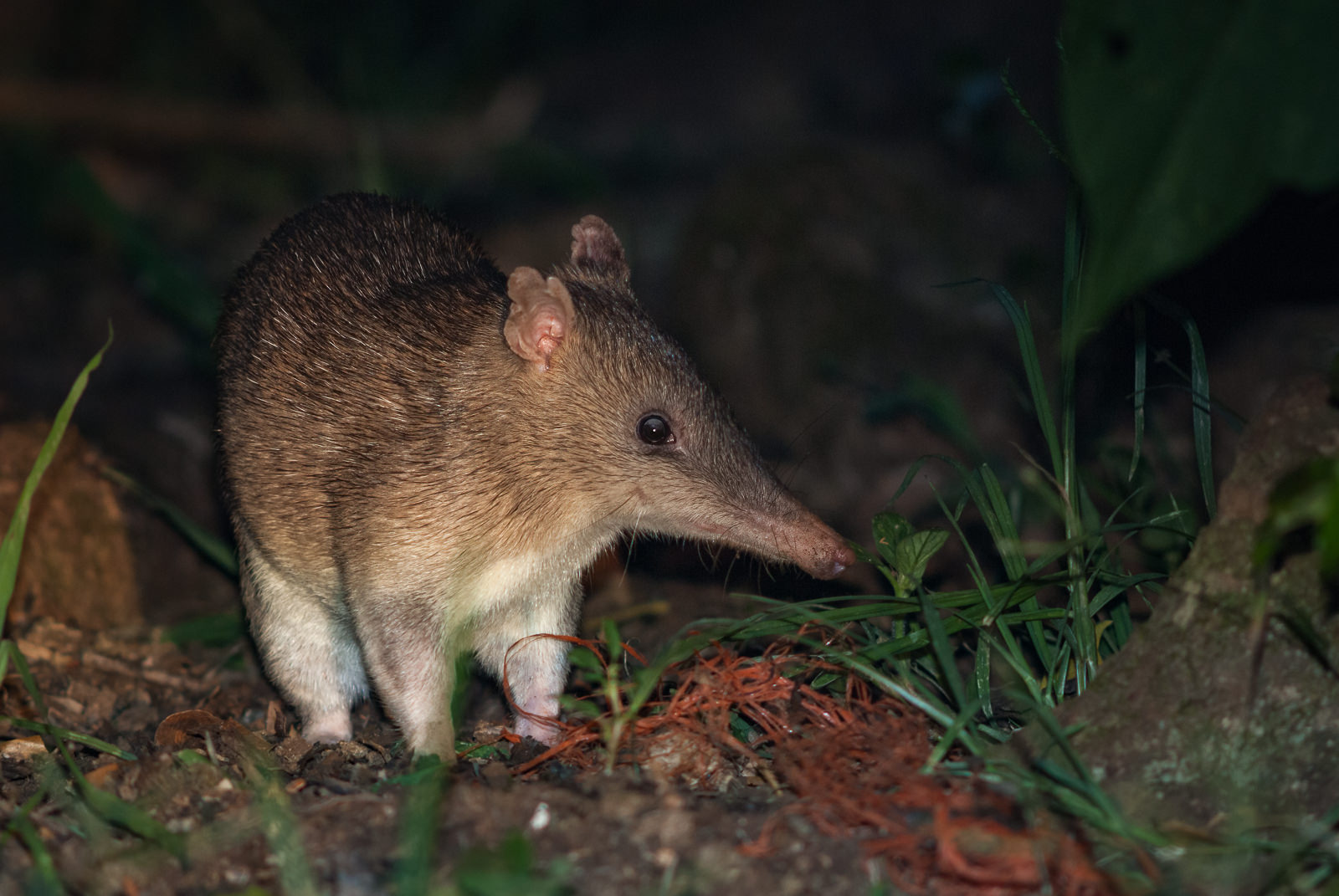
My first and only bandicoot sighting, the long-nosed bandicoot is a nocturnal marsupial that spends much of the night probing the ground with its sensitive snout in search of insects, worms, and other invertebrates. In the forests of the Atherton Tablelands of eastern Australia, these solitary foragers play an important ecological role, turning over soil and leaf litter as they feed, helping to aerate the forest floor and disperse nutrients. Nikon D200 with Nikkor 600mm f/5.6 manual focus lens, ISO 200, f/5.6 at 1/60th of a second, Nikon SB-600 flash.
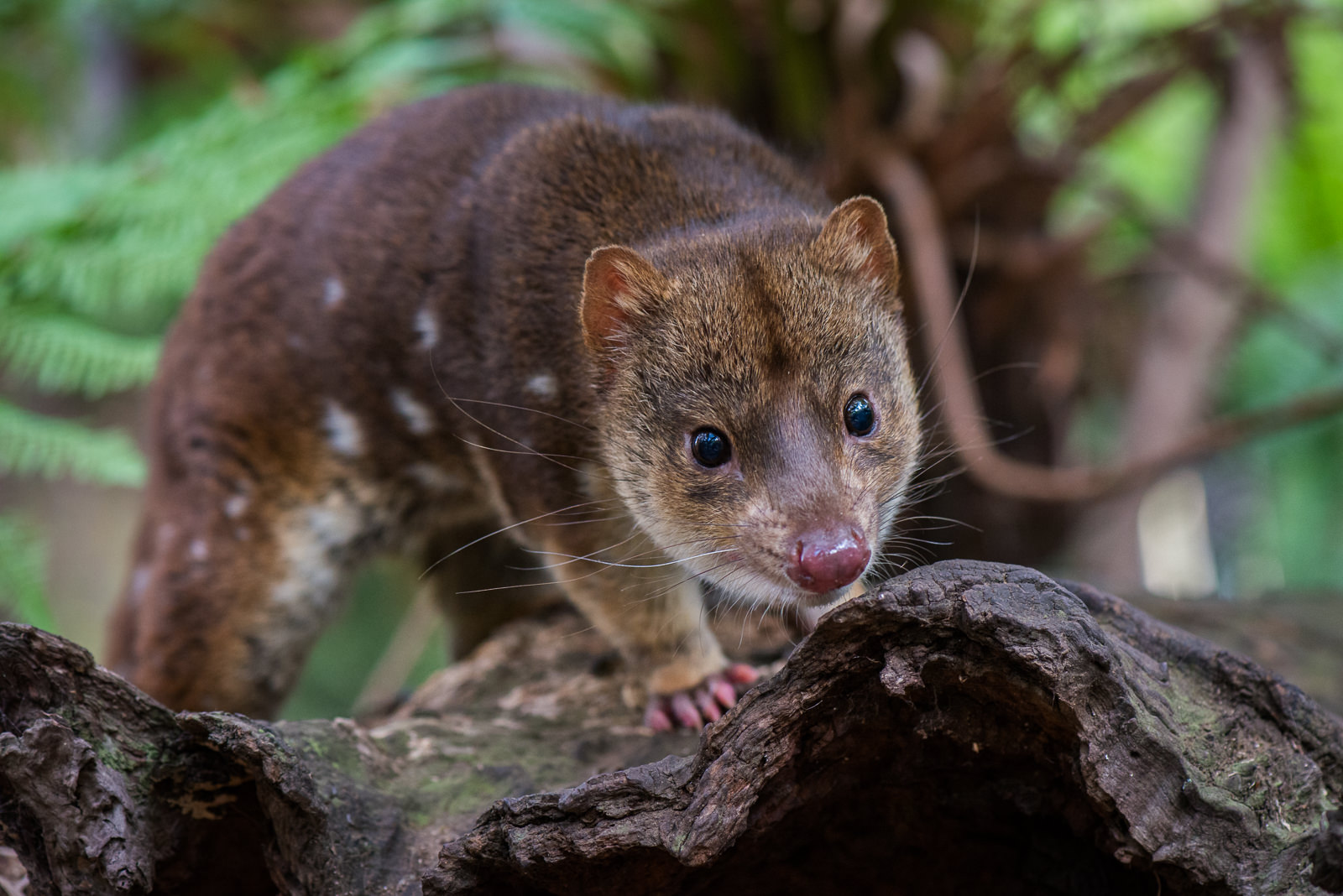
The spotted quoll is Australia’s largest remaining carnivorous marsupial. A powerful nocturnal hunter, it preys on birds, small mammals, and reptiles, often climbing trees in pursuit of food. Despite its strength and agility, the species is threatened by habitat loss and competition from introduced predators, making it an increasingly rare sight in the wild. I photographed this one at a wildlife sanctuary for injured mammals in Tasmania. Nikon D800 with Nikkor 105mm macro lens, ISO 3200, f/4.5 at 1/250th of a second.
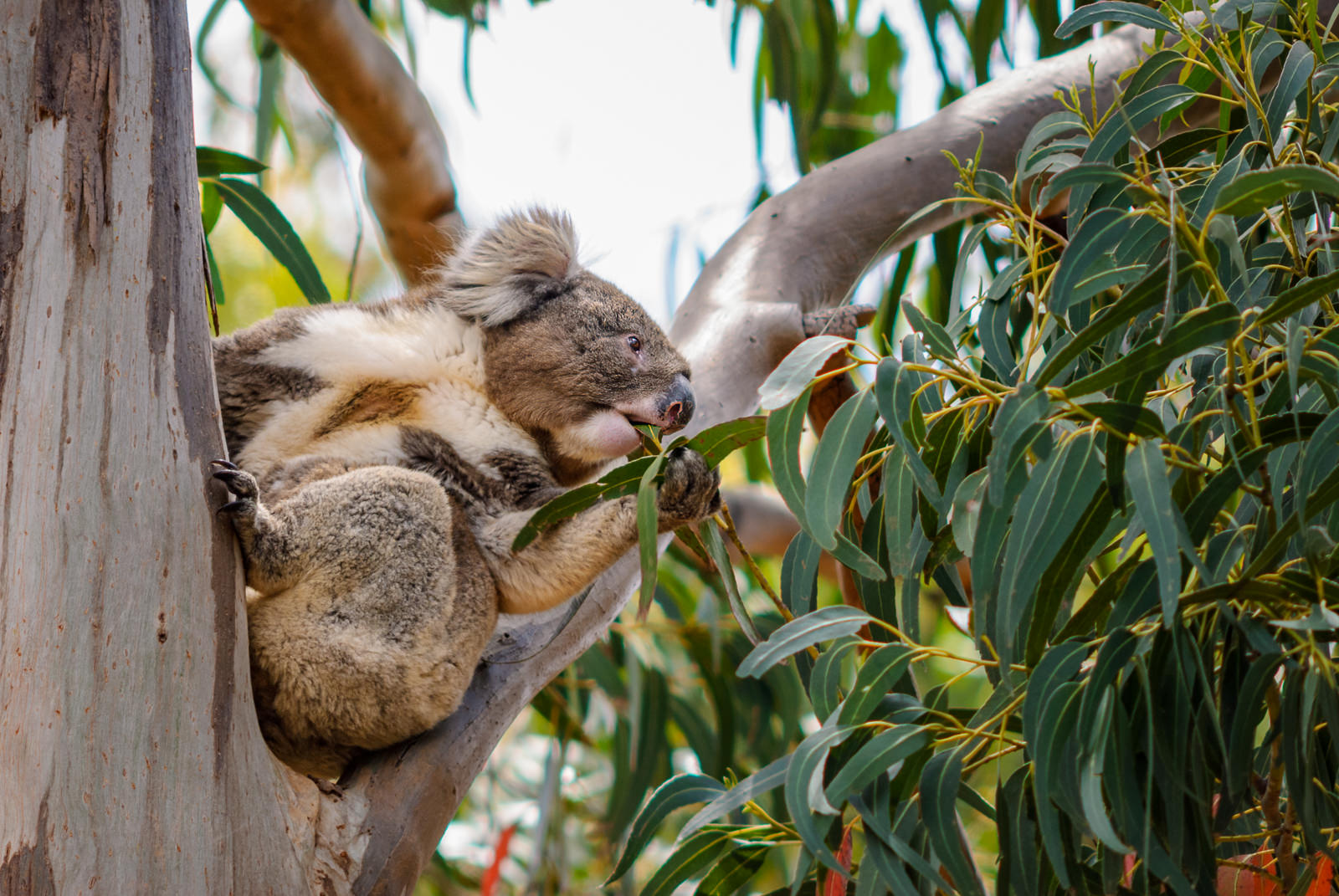
Koalas are highly specialized feeders, relying almost entirely on eucalyptus leaves, food that’s tough, low in nutrients, and toxic to most animals. They have a unique digestive system with specialized gut bacteria that break down the toxins and extract what little energy the leaves provide. Because of this low-energy diet, koalas spend up to 18–20 hours a day resting or sleeping, conserving energy when not feeding. Nikon D200 with Nikkor 600mm f/5.6 manual focus lens, ISO 200, f/5.6 at 1/160th of a second.
Heading to Florida for a few days, so this will be last post until later in the week.
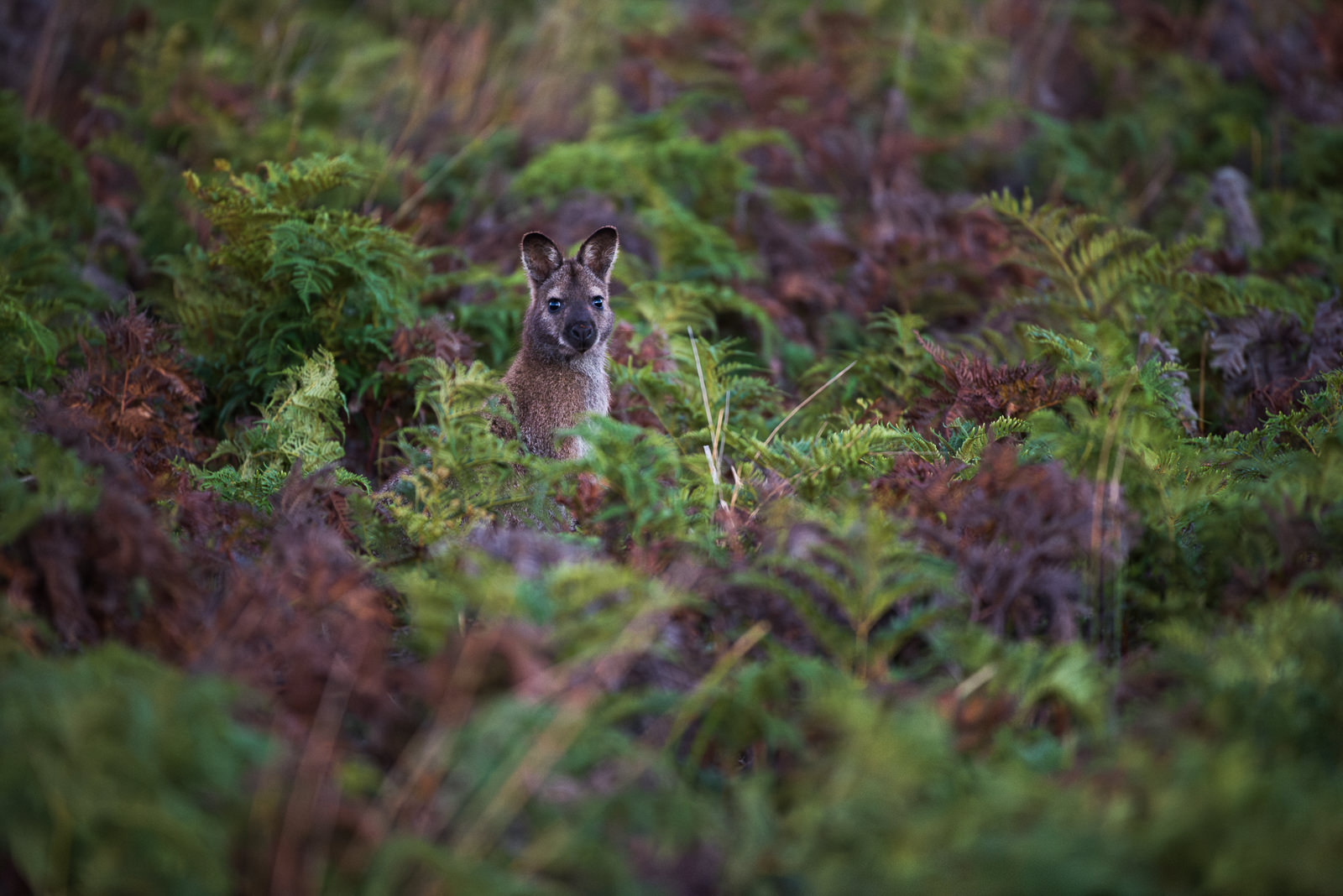
A group of wallabies is sometimes called a court. The term draws from the image of social gathering and display, especially during breeding season, when males gather around a receptive female. That dynamic can resemble a royal “court,” with suitors assembling and posturing. Wallabies aren’t highly social like kangaroos, but when they do cluster, the name captures a sense of quiet ceremony in the bush. And per usual, this Bennett’s wallaby was alone, perhaps looking for that elusive court. For more animal group names, visit my store, Species Limited. Nikon D810 with Nikkor 200-400mm lens (at 400mm) ISO 3200, f/4 at 1/250th of a second.
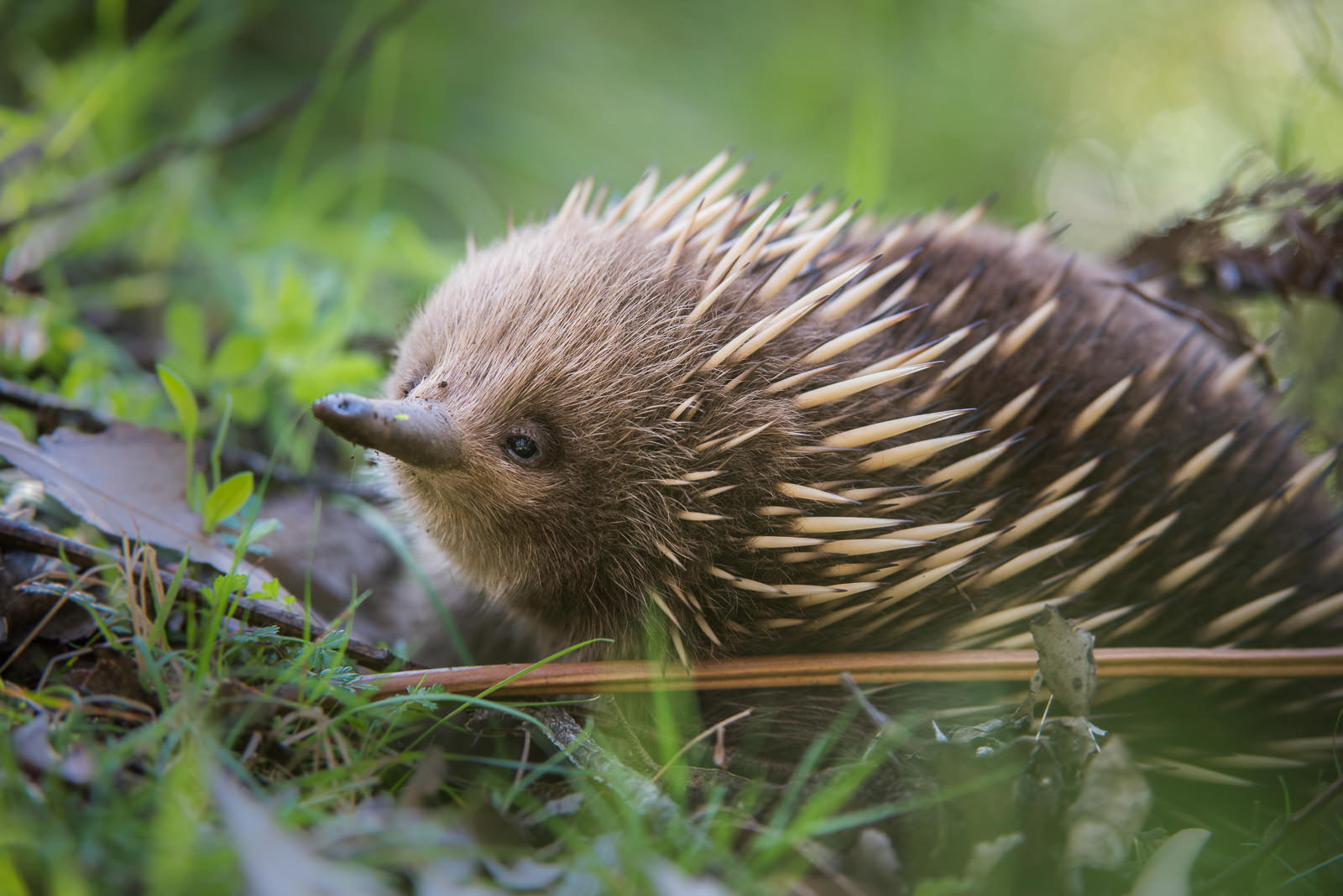
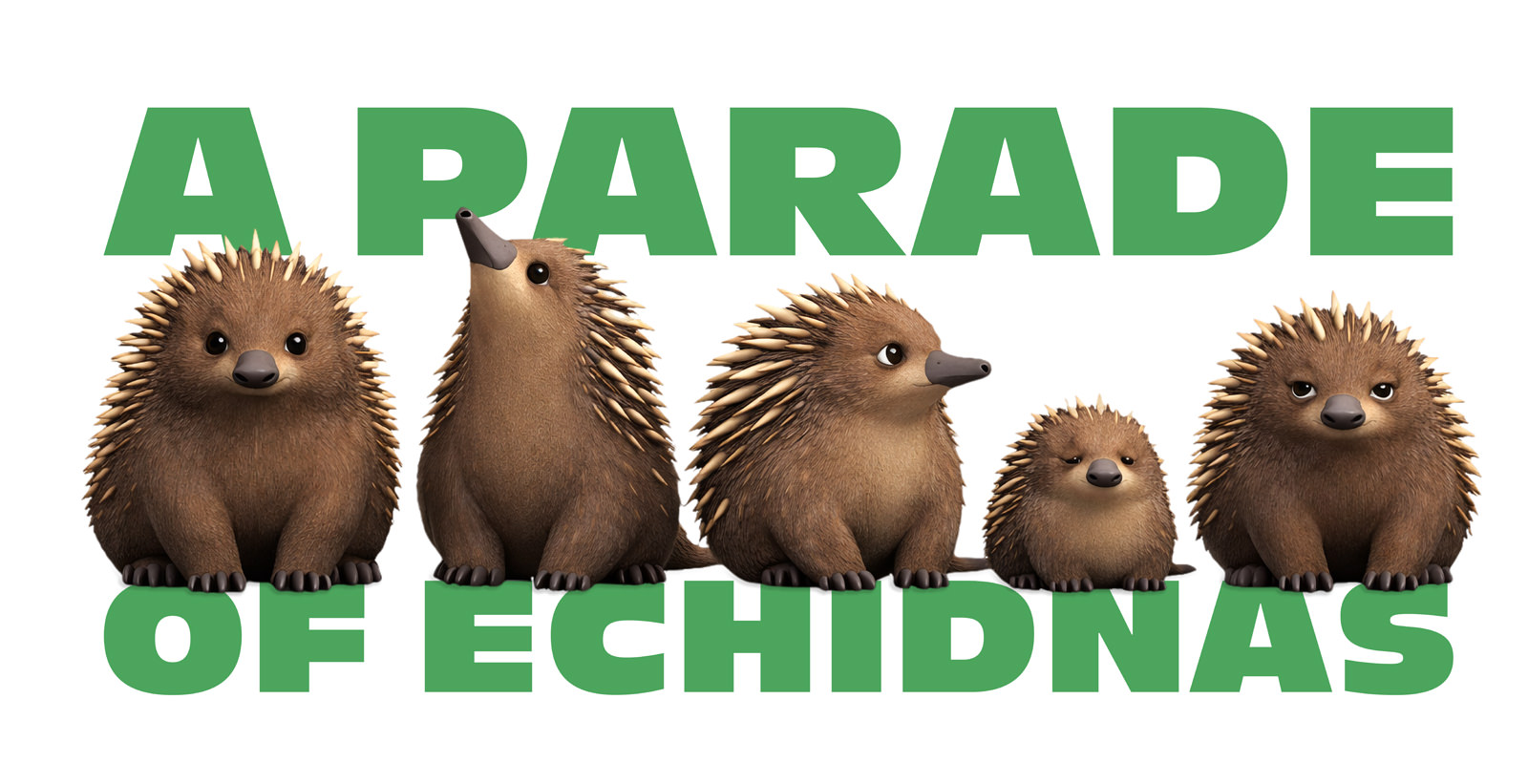
The name “Parade” of echidnas comes from the unusual sight of multiple echidnas waddling along in a slow, purposeful line, especially during the breeding season when males may follow a single female in what’s called an “echidna train.” There was no evident parade when I photographed this guy. Just a single echidna along the side of the road in Tasmania. Nikon D810 with Nikkor 200-400mm lens (at 200mm) ISO 800, f/4 at 1/125th of a second.
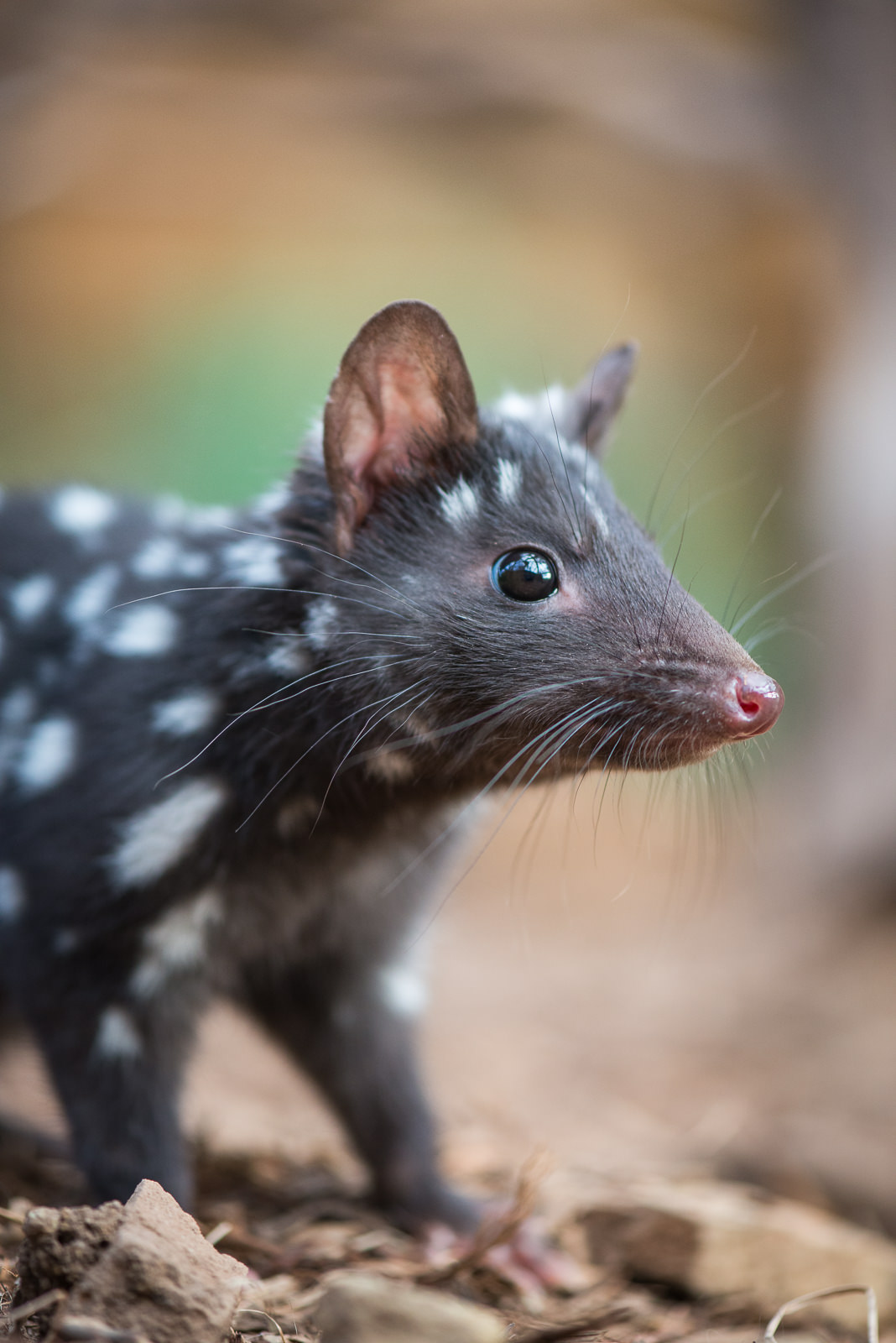
Interesting fact about the endangered eastern quoll — they glow under UV light, revealing hidden blue-green patterns. It’s thought that this is for communication or camouflage in nocturnal environments, but the exact purpose is still being researched. Quolls are night hunters, crucial to controlling pests like mice and insects, and they are known as risky scavengers, sometimes even stealing scraps from Tasmanian devils. Nikon D800 with Nikkor 105mm lens, ISO 160, f/3 at 1/320th of a second.
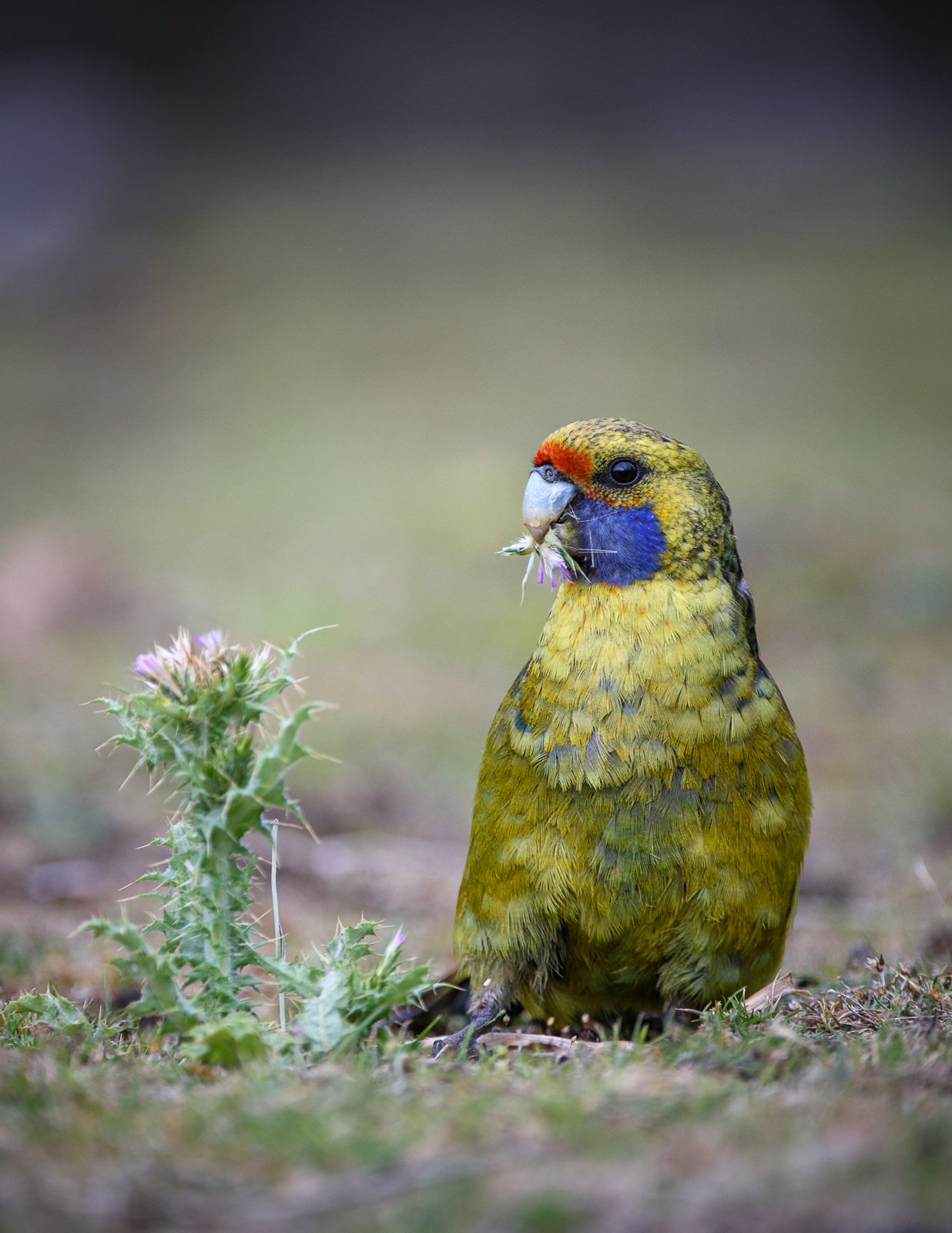
The green rosella is Tasmania’s largest parrot. It is often seen foraging on the ground for seeds, berries, and flowers, including the prickly blooms of thistles and other spiny plants. I photographed this guy on Maria Island, off the east coast of Tasmania. Nikon D810 with Nikkor 200-400mm lens (at 400mm) ISO 400, f/4 at 1/1600th of a second.
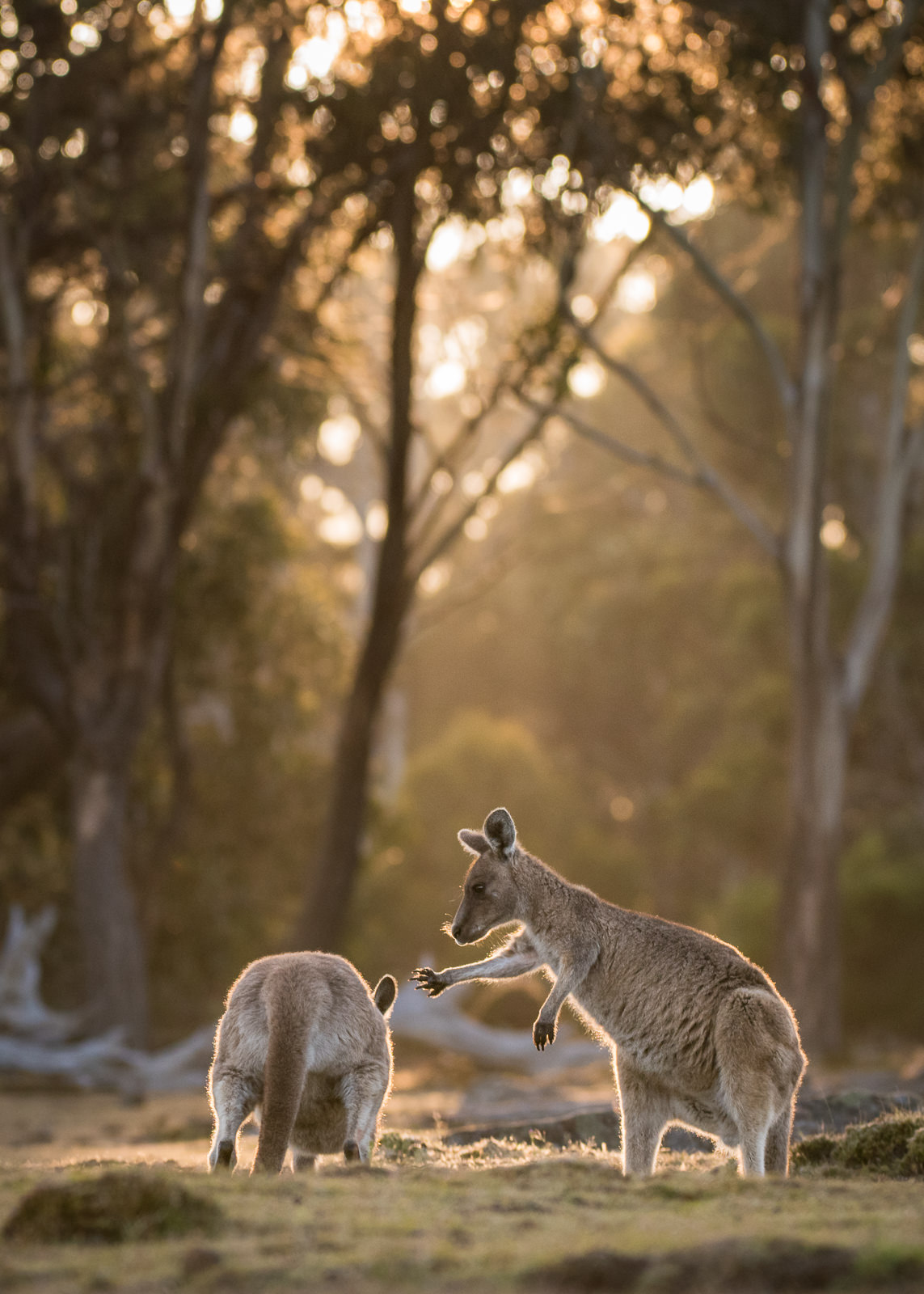
One forester kangaroo reaches out to another on Maria Island in Tasmania, Australia. The proper common name for these guys (if that’s a thing) is eastern grey kangaroo — but locally they are known as foresters. Nikon D810 with Nikkor 200-400mm lens (at 220mm) ISO 800 f/5 at 1/1000th of a second.
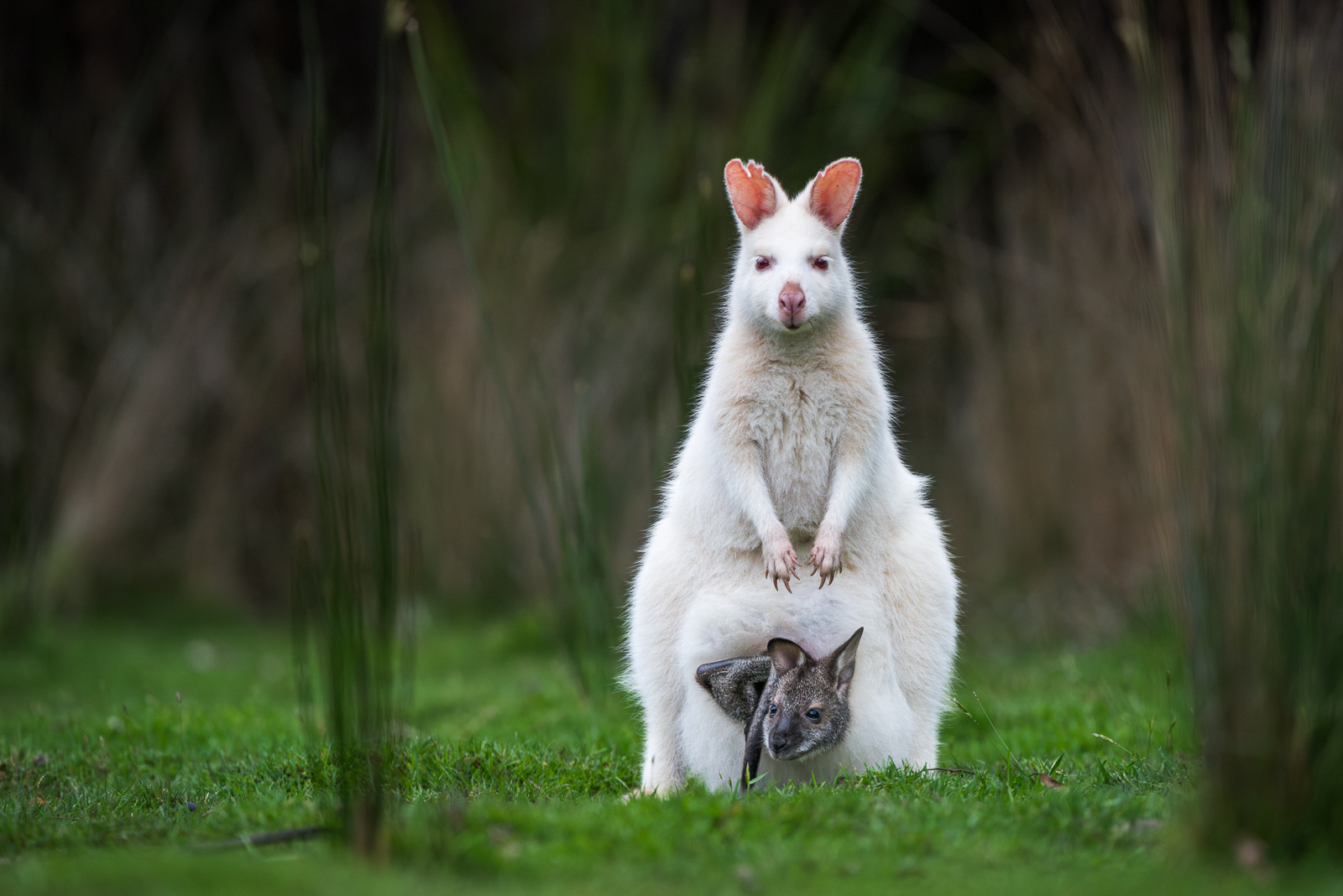
Keeping the mothers theme going, here’s a Bennett’s wallaby with her joey. This is a rare white morph of the Bennett’s wallaby found on Bruny Island in Tasmania, Australia. Another white wallaby with joey did make my 2026 wall calendar. Head on over the www.specieslimted.com to see which one. And to buy a calendar (or shirt), of course. Nikon D810 with Nikkor 200-400mm lens (at 350mm) ISO 1600, f/5.6 at 1/250th of a second.
We use cookies to enhance your experience while using our website. If you are using our Services via a browser you can restrict, block or remove cookies through your web browser settings. We also use content and scripts from third parties that may use tracking technologies. You can selectively provide your consent below to allow such third party embeds. For complete information about the cookies we use, data we collect and how we process them, please check our Privacy Policy


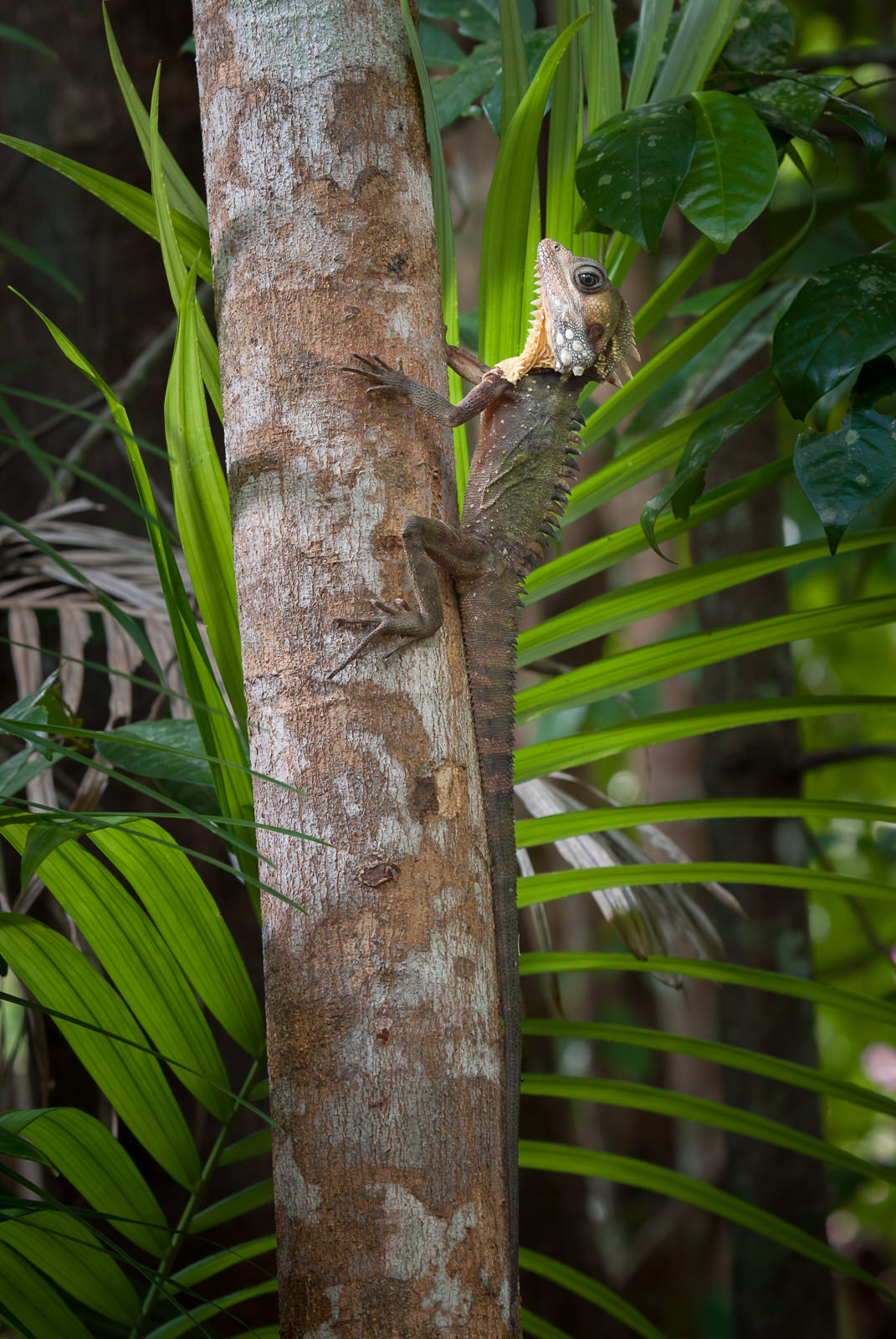 Boyd’s water dragons are unusual among Australian reptiles in that they frequently freeze when threatened rather than fleeing. In the rainforests of northeastern Queensland, these dragons are often found clinging motionless to tree trunks, relying on camouflage to avoid detection by predators (and photographers). Nikon D200 with Nikkor 80-200mm lens (at 105mm) ISO 100, f/5 at 1 second.