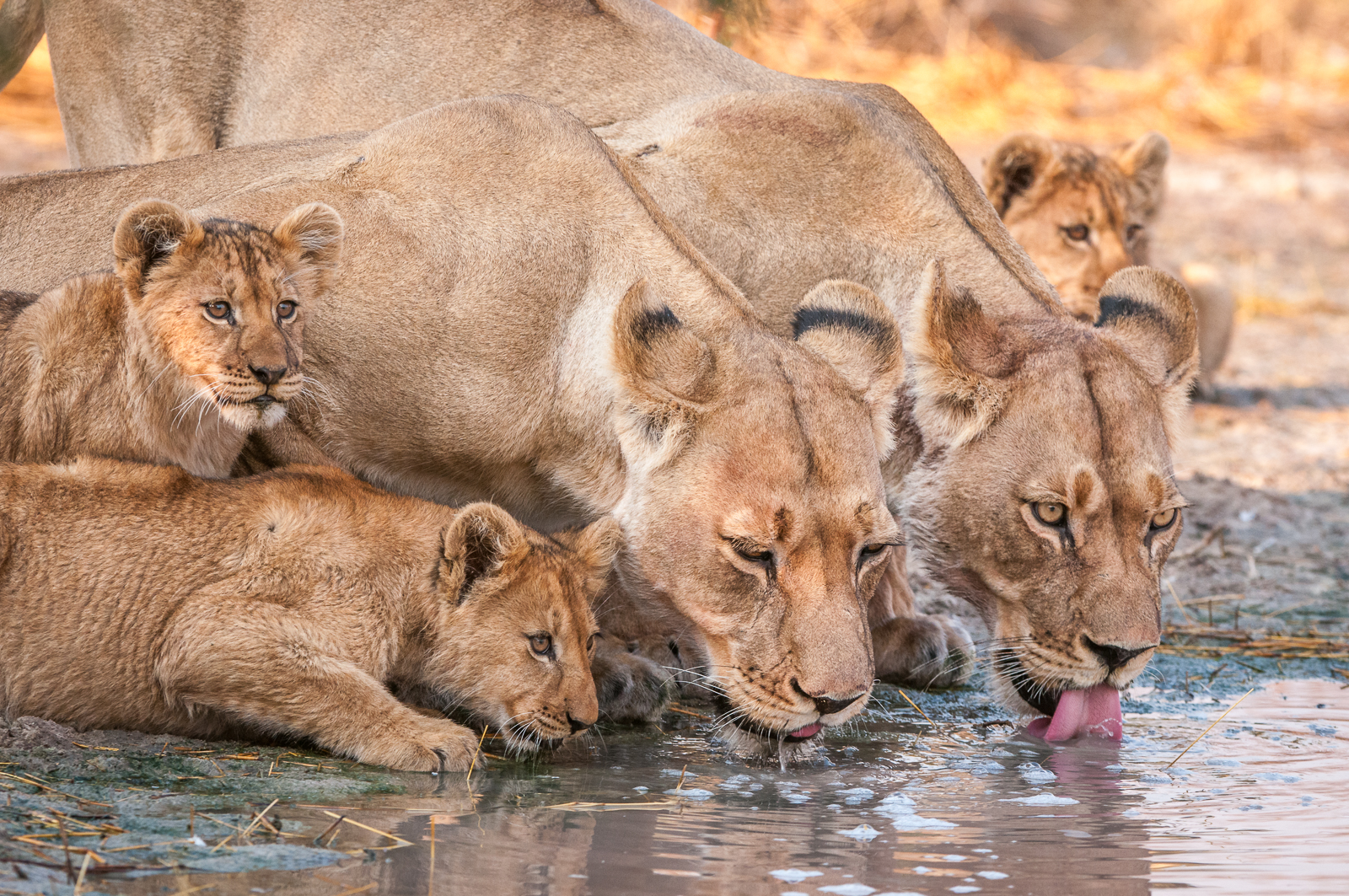
I’m going to keep promo-ing my wildlife calendar for the rest of the week. Here’s another one that didn’t make the cut — several lionesses and their cubs at a water hole in the Kalahari Game Reserve in Botswana. For the images that did make the cut, head to www.specieslimted.com and get your 2026 Mother’s Nature wall calendar. Nikon D300 with Nikkor 200-400mm lens (at 270mm) ISO 400, f/5.6 at 1/400th of a second.
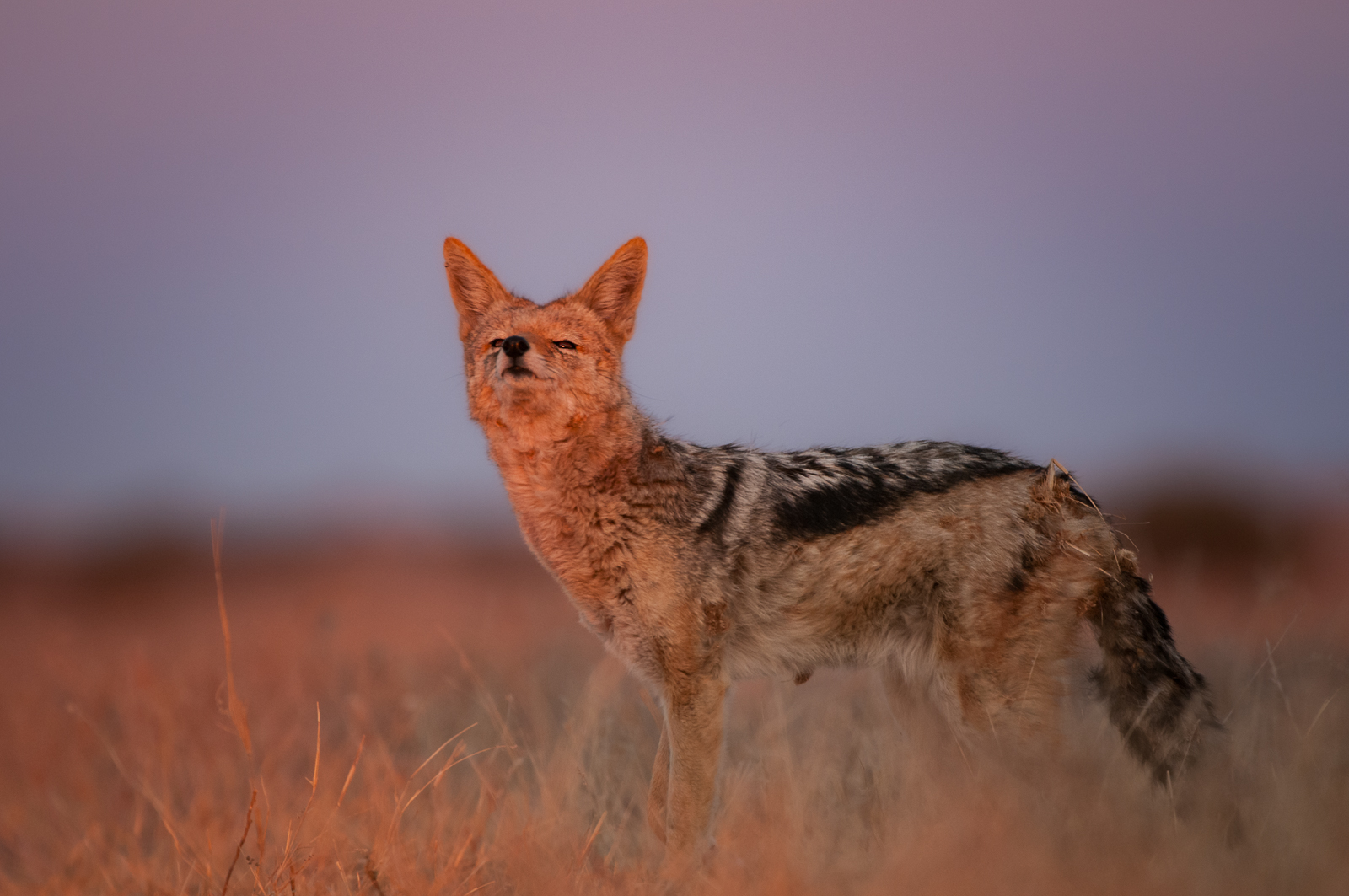
The black-backed jackal is found across eastern and southern Africa, recognizable by the dark saddle of fur running down its back. Though slight in build, it’s a skilled hunter and opportunistic scavenger, just as likely to take down rodents or birds as it is to sneak a bite from a lion kill. These jackals are often seen in mated pairs, working together with surprising coordination to hunt or defend their territory. They’re also highly vocal, communicating with yips, howls, and wails that carry across the savanna. I was alone with a guide in Botswana’s Kalahari Game Reserve, so able to get out of the vehicle to crouch in the tall grass to photograph this jackal at sunset. After a few quick sniffs of the air, the jackal moved on, searching for an early evening snack. Nikon D300 with Nikkor 200-400mm lens (at 400mm) ISO 800, f/4 at 1/400th of a second.
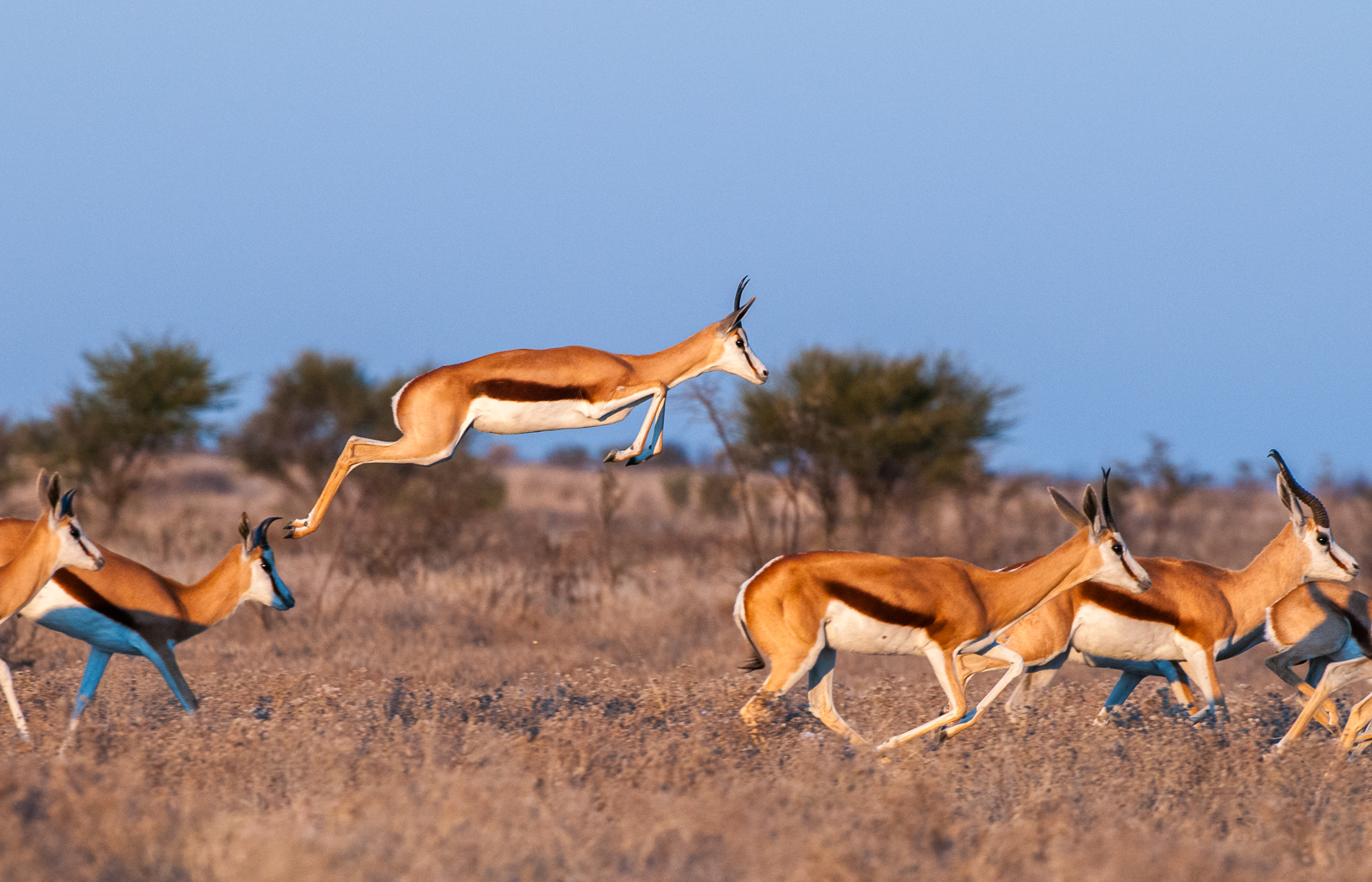
Pronking is the springbok’s signature move, a high, stiff-legged leap into the air. This dramatic display, where the animal can jump up to 13 feet, is thought to signal strength and agility to predators, discouraging pursuit. It may also serve as a form of play or social communication within the herd. With a flash of white from the flap of skin along its back and bursts of athletic energy, a pronking springbok is one of the most iconic sights on the African savanna. I photographed this one in the Kalahari Game Reserve of Botswana on my first trip to southern Africa in 2011. Nikon D300 with Nikkor 200-400mm lens (at 400mm) ISO 800, f/6.3 at 1/800th of a second.
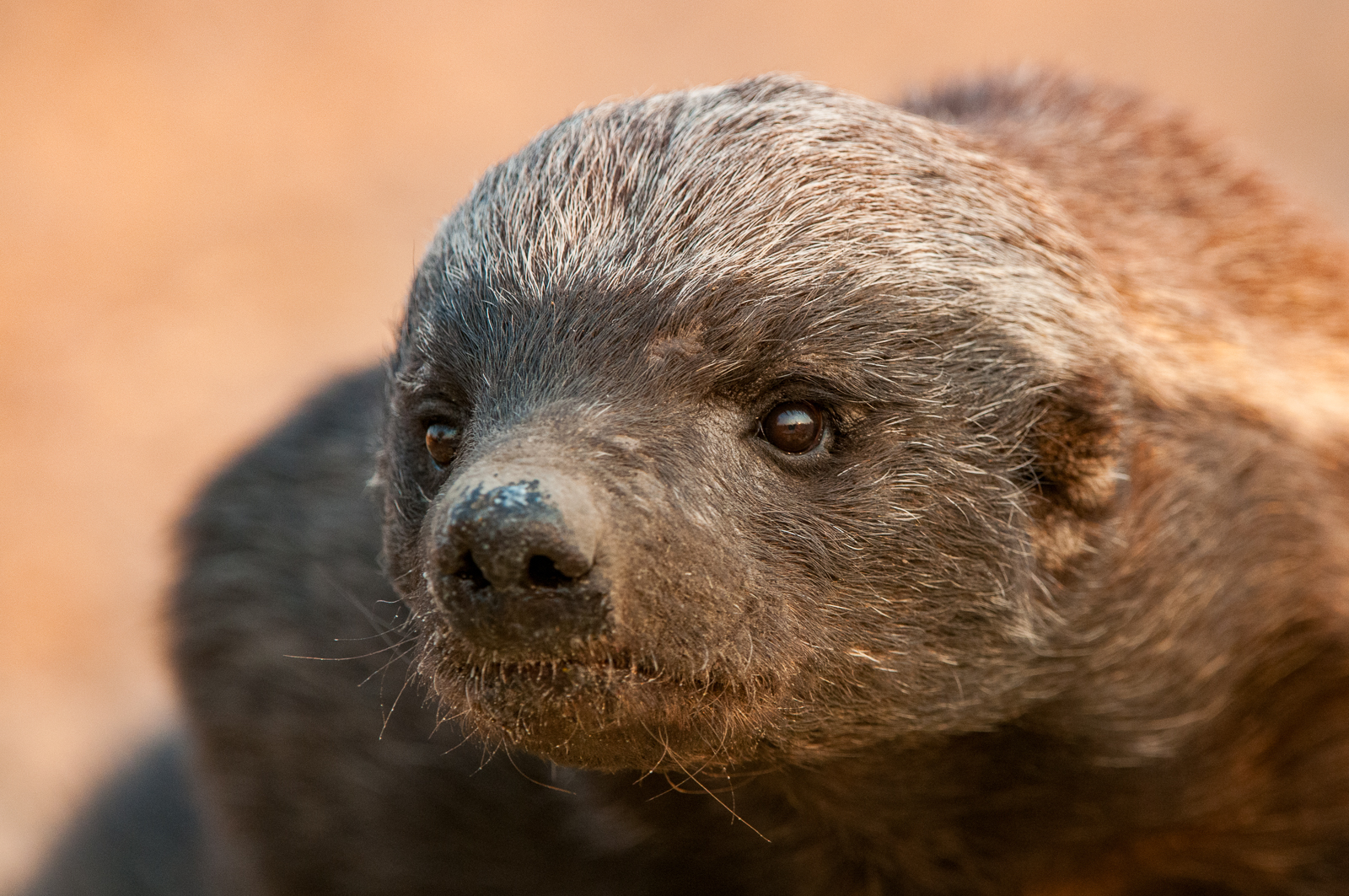
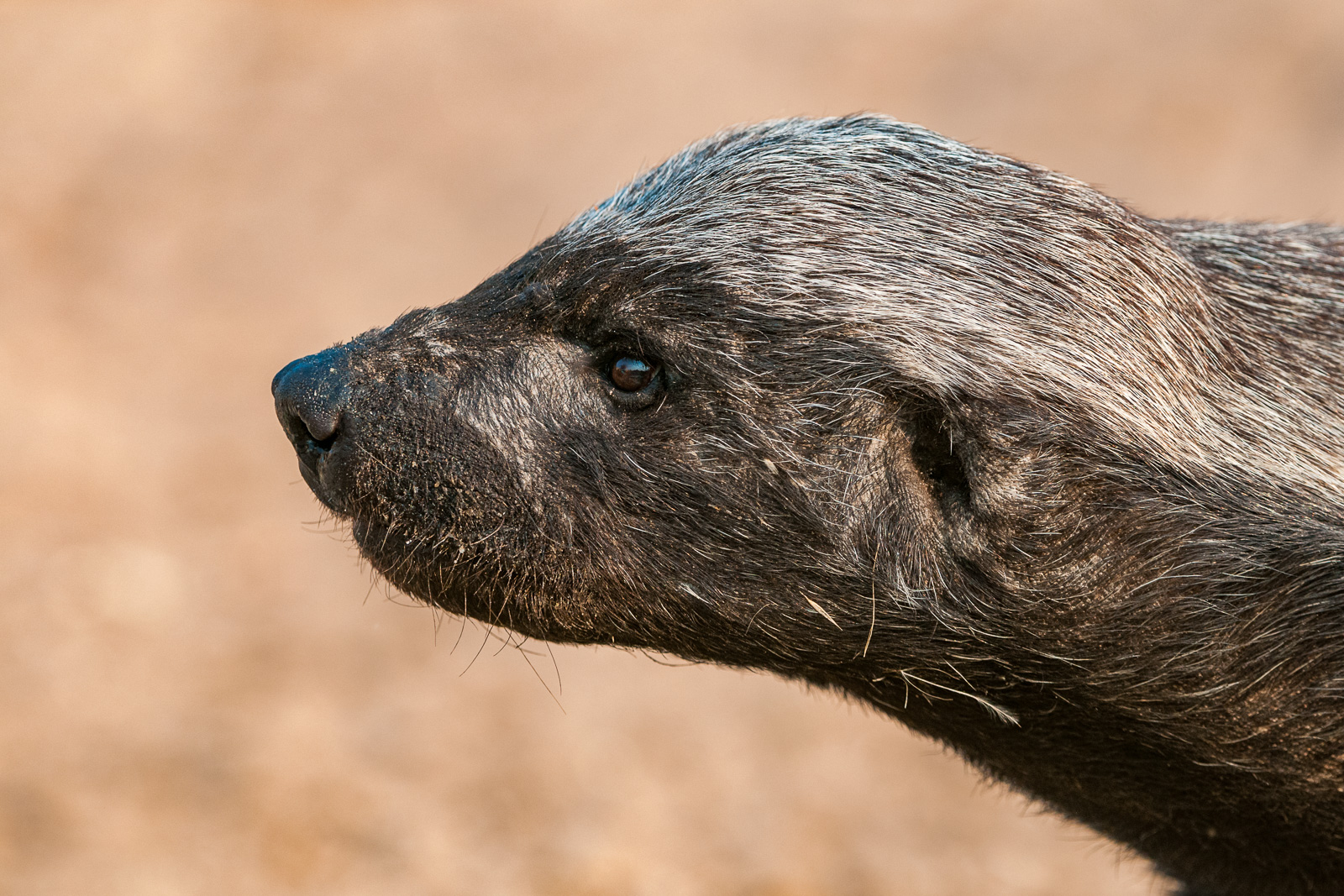
The honey badger (Mellivora capensis) is famously fearless and tough, often taking on animals much larger than itself—including lions, if provoked. It has incredibly thick, loose skin that allows it to twist and bite even when a predator has it pinned. Known for raiding beehives despite painful stings, honey badgers love honey and larvae, but their diet is wildly varied. They’ll eat everything from snakes to fruit. I came face to face with this one years ago on my first trip to Botswana, in the Kalahari desert. Nikon D300 with Nikkor 200-400mm lens (at 360mm) ISO 800, f/5.6 at 1/200th of a second.
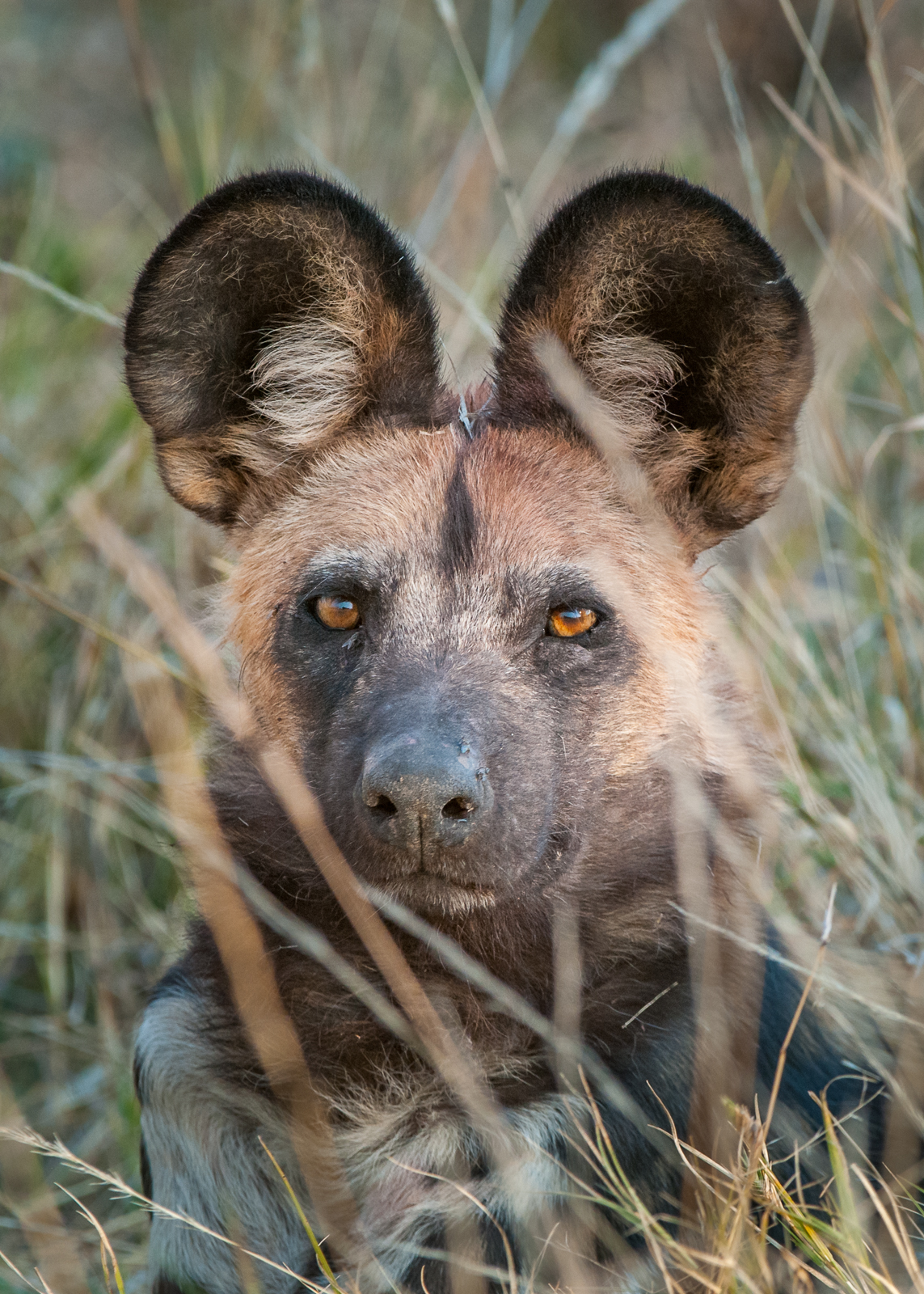
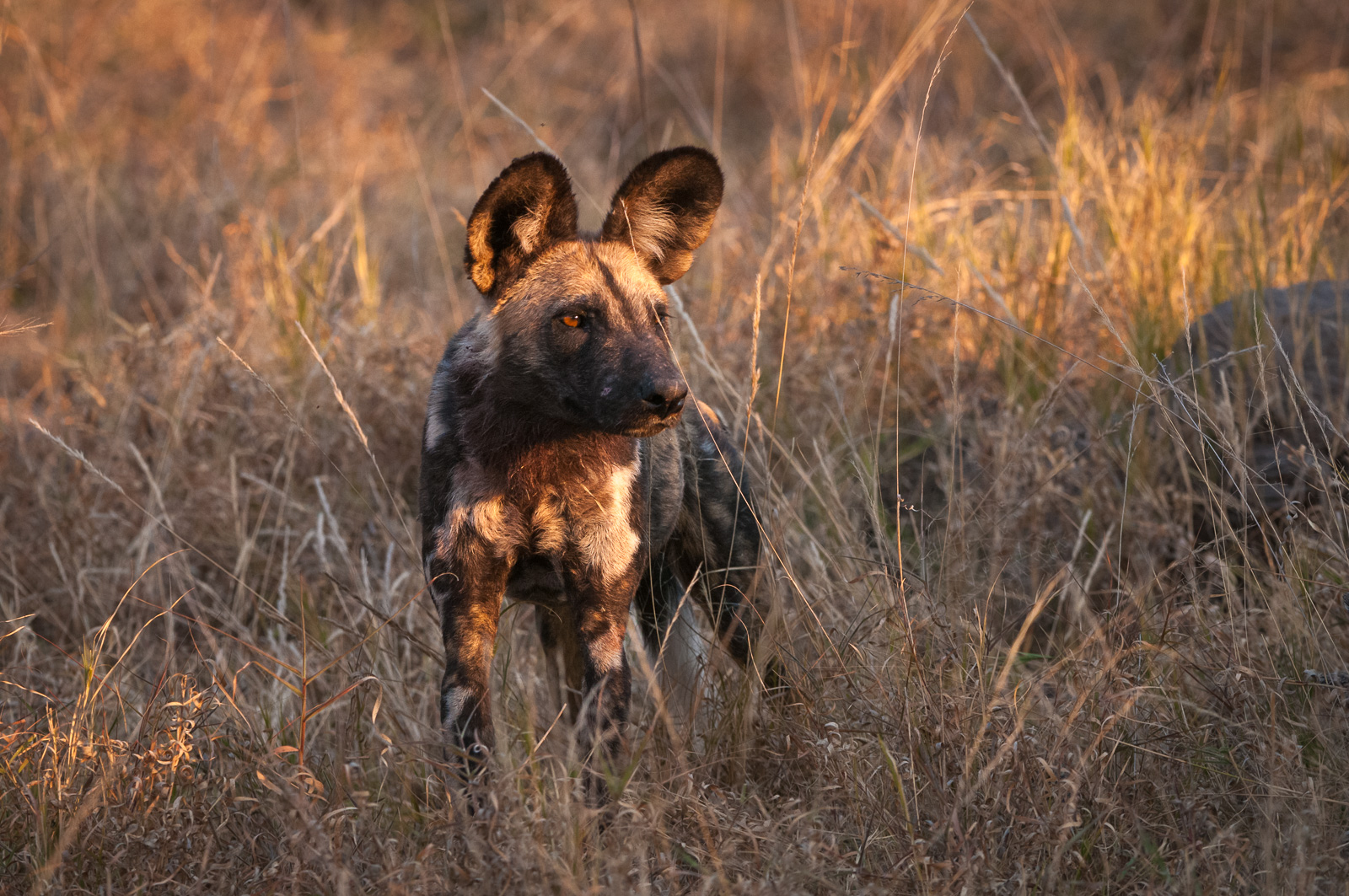
Karen and I are currently planning a trip for a private group to visit Botswana in December of 2026. One of the species that’s always possible is the African wild dog. I’ve had luck with at least one sighting on each of my previous trips to Botswana. Here’s hoping the streak continues. Nikon D300 with Nikkor 200-400mm lens (at 340mm) ISO 400, f/5 at 1/500th of a second.
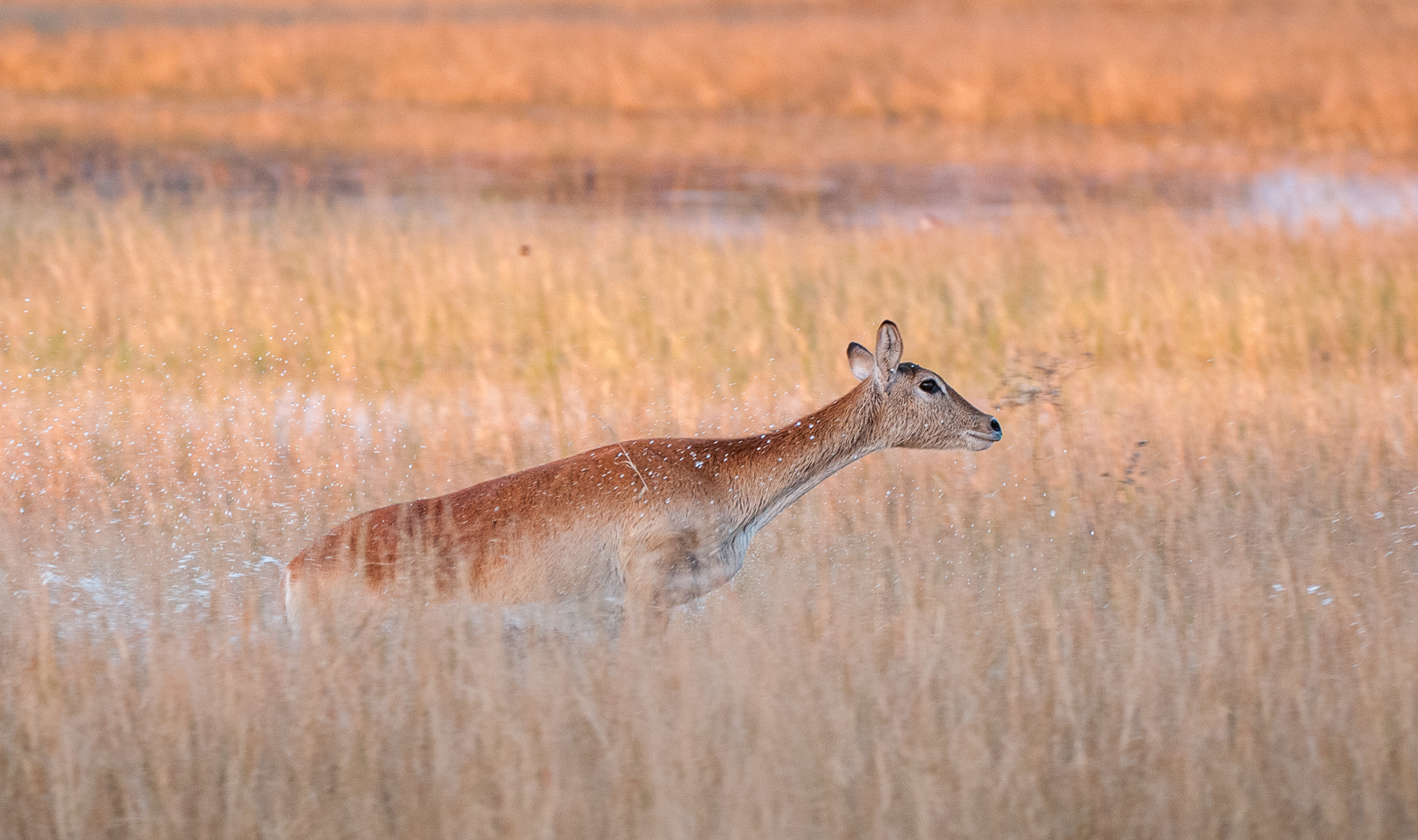
Red lechwe are specialists of flooded, marshy areas, making them well-adapted to the flooded savannas of the Okavango Delta in Botswana. This is a female. The males have long, spiral horns. Living in knee-deep water is a defense mechanism against predators. They even have a water-repellant substance that covers their legs allowing them to run faster in the shallow water. Nikon D300 with Nikkor 200-400mm lens (at 220mm) ISO 800, f/4 at 1/400th of a second.
African wild dogs are a specialty of our trips to Botswana. We don’t always see them, but chances are much higher than on our East African trips. On this particular afternoon in northern Botswana, we caught up to a pack of twenty or so wild dogs as they were winding down for the day. Nikon D300 with Nikkor 200-400mm lens (at 260mm) ISO 800, f/5.6 at 1/400th of a second.
While in Botswana years ago, my guide predicted the daily rounds of a particular honey badger near a local village. We quickly created a makeshift blind out of cardboard boxes and I crawled inside. It didn’t take long for the honey badger (also known as a ratel) to show up and start sniffing around. Here’s one of the many portraits I captured that day. Nikon D300 with Nikkor 200-400mm lens (at 300mm) ISO 400, f/5.6 at 1/320th of a second.
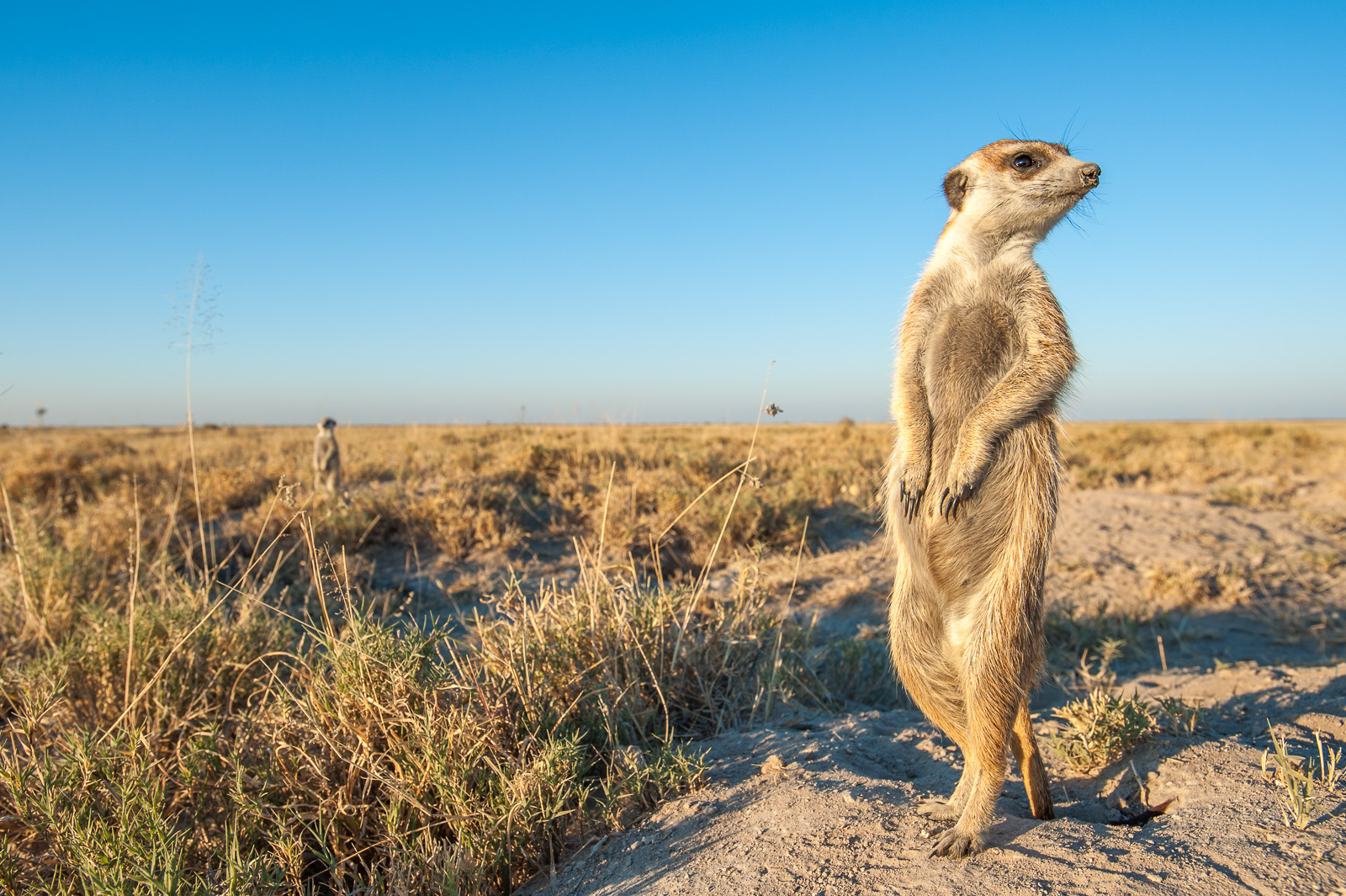
One species we definitely won’t be seeing next week in Kenya is the meerkat. Their range is in the southern part of Africa. I took this photo on my first trip to Botswana back in 2011. Nikon D700 with Nikkor 17-35mm lens (at 25mm) ISO 400, f/8 at 1/640th of a second.
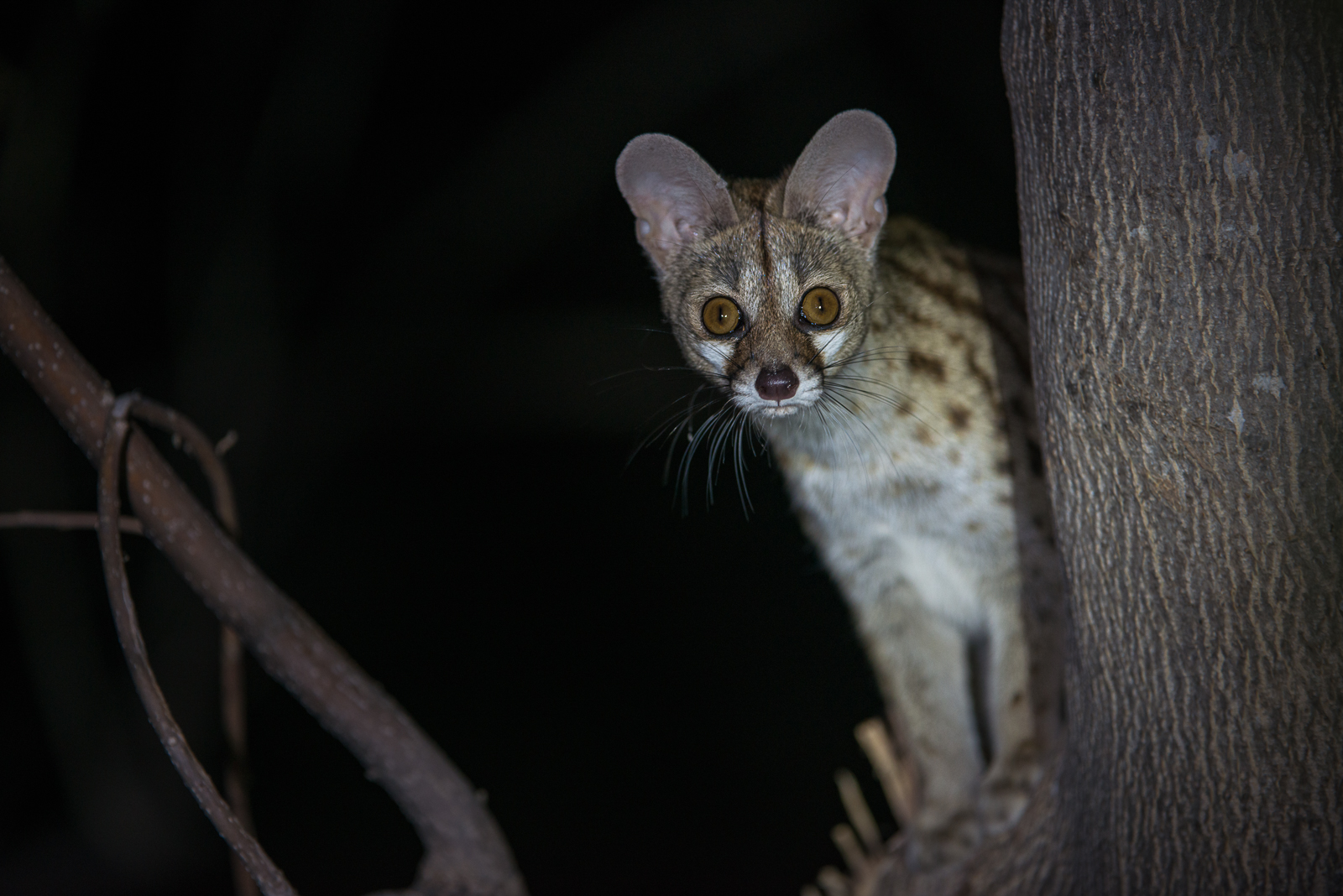
There are seventeen recognized species of genet. This is the extravagantly named common genet. I’ve only seen these guys a few times while in Africa. They are nocturnal and crepuscular (which if you’re a close follower of this blog, you know means active at dawn and dusk). This one came creeping around at dinner time, attracted no doubt by the smell of food at the camp we were staying at in Botswana. Nikon D800 with Nikkor 200-400mm lens (at 270mm) ISO 640, f/4 at 1/60th of a second, Nikon SB-900 flash units.
We use cookies to enhance your experience while using our website. If you are using our Services via a browser you can restrict, block or remove cookies through your web browser settings. We also use content and scripts from third parties that may use tracking technologies. You can selectively provide your consent below to allow such third party embeds. For complete information about the cookies we use, data we collect and how we process them, please check our Privacy Policy