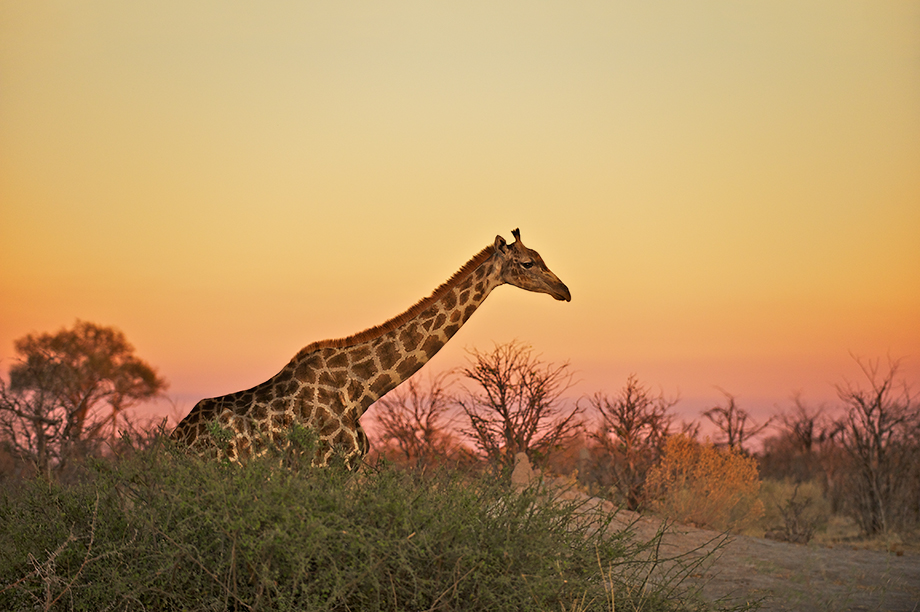
Each morning in Botswana I got up and out before the sunrise. That way I was in position for the incredible light that often comes at dawn. Giraffes and elephants are always good subjects for this time of day. Nikon D700 with Nikkor 70-200mm lens (at 140mm) ISO 800, f/2.8 at 1/1250th of a second
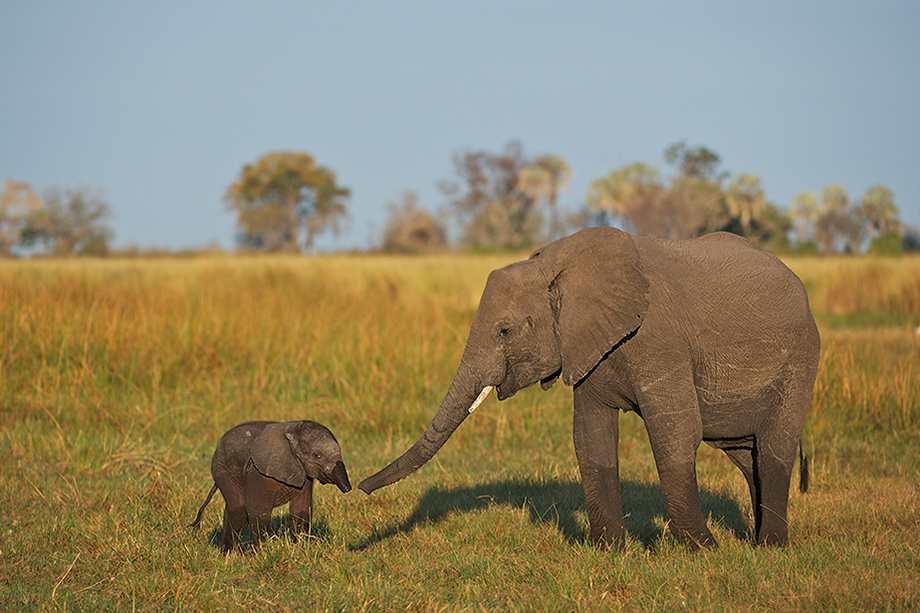
Not much in the wild is cuter than a baby elephant. This little guy was only a few months old according to our guide. They believe that its shortened trunk is either from a predator, or some sort of birth defect. The elephant to the right was actually one of the smaller members of the herd, so you can get an idea of just how tiny the baby is. The little trunk is dark because it was wet from drinking water. Nikon D800 with Nikkor 200-400mm lens (at 260mm) ISO 400, f/4 at 1/2000th of a second
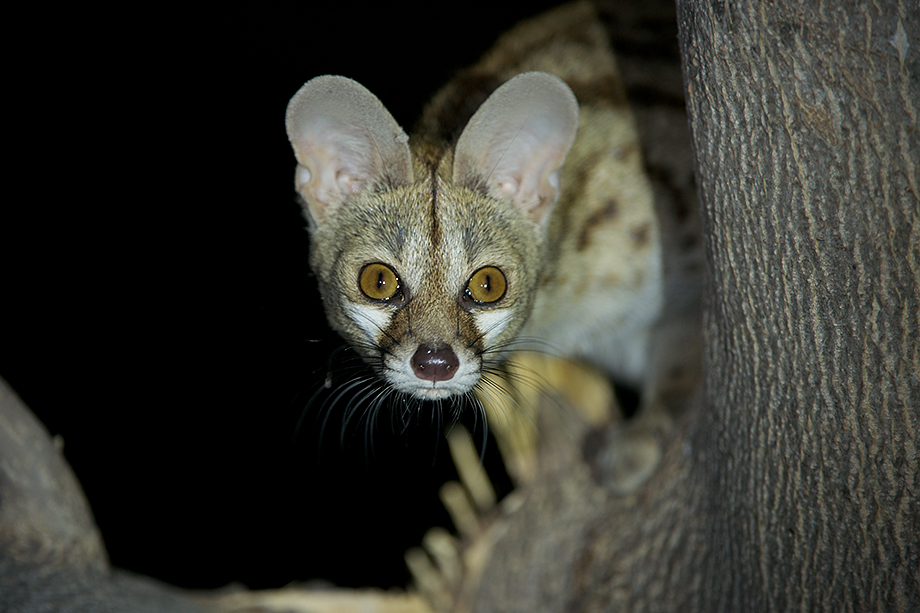
Another new species for me (at least to get a photograph of) was the genet. I’ve seen them before, but usually just a quick glimpse before running away. They are strictly nocturnal and I was lucky to have my camera with me one night at dinner when I saw this guy creeping around. They are commonly called genet cats, although they aren’t technically cats. They are related to cats, but more closely to mongooses and civets. Nikon D800 with Nikkor 200-400mm lens (at 400mm) ISO 1250, f/4 at 1/60th of a second, Nikon SB-900 strobe
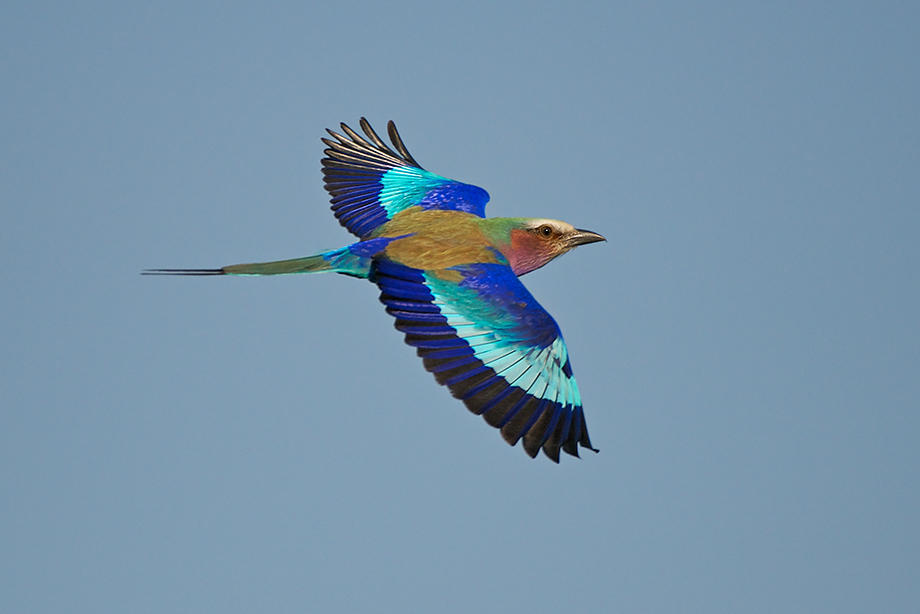
The lilac breasted roller is a common bird while on safari, and it also happens to be one of the most beautiful birds — especially while in flight. Nikon D800 with Nikkor 200-400mm lens (at 400mm) ISO 400, f/4 at 1/6400th of a second
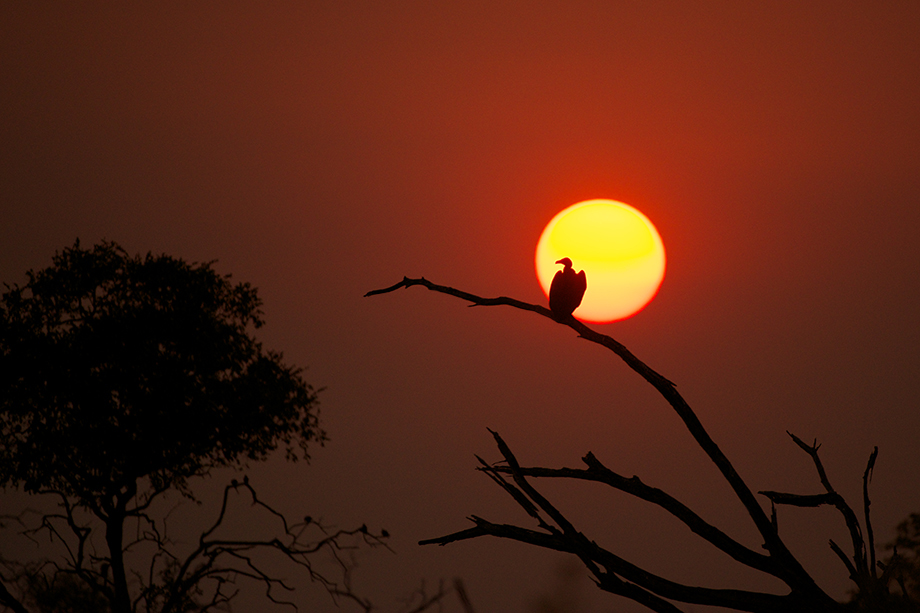
This vulture was just hanging out waiting for something to die. I had to get down on the ground in order to position the sun behind the subject. Nikon D800 with Nikkor 200-400mm lens (at 400mm) ISO 800, f/4 at 1/8000th of a second
Nikon D800 with Nikkor 200-400mm lens (at 400) ISO 400, f/5 at 1/400th of a second
Nikon D700 with Nikkor 70-200mm lens (at 80mm) ISO 800, f/7.1 at 1/60th of a second
Nikon D700 with Nikkor 70-200mm lens (at 190mm) ISO 400, f/5.6 at 1/400th of a second
Nikon D700 with Nikkor 70-200mm lens (at 180mm) ISO 800, f/5 at 1/320th of a second
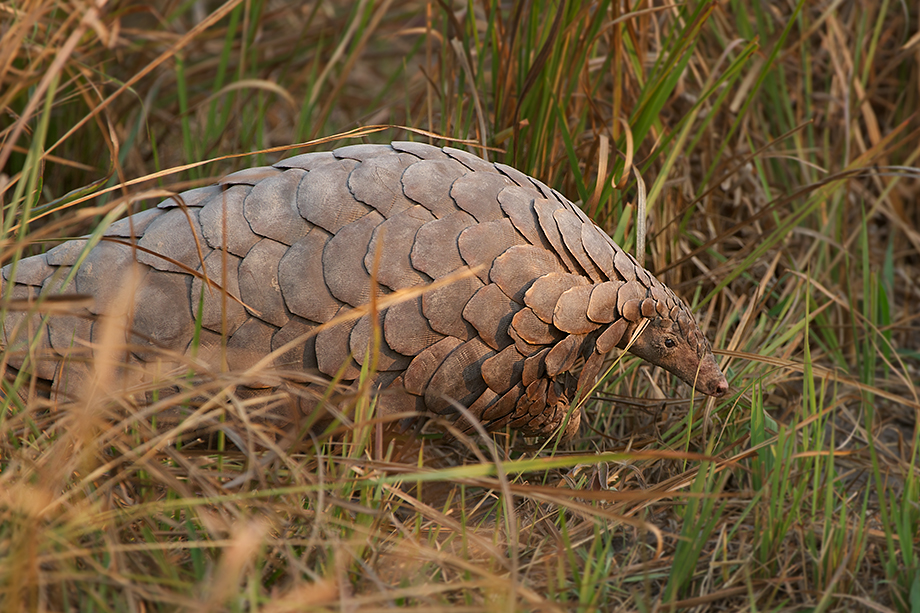
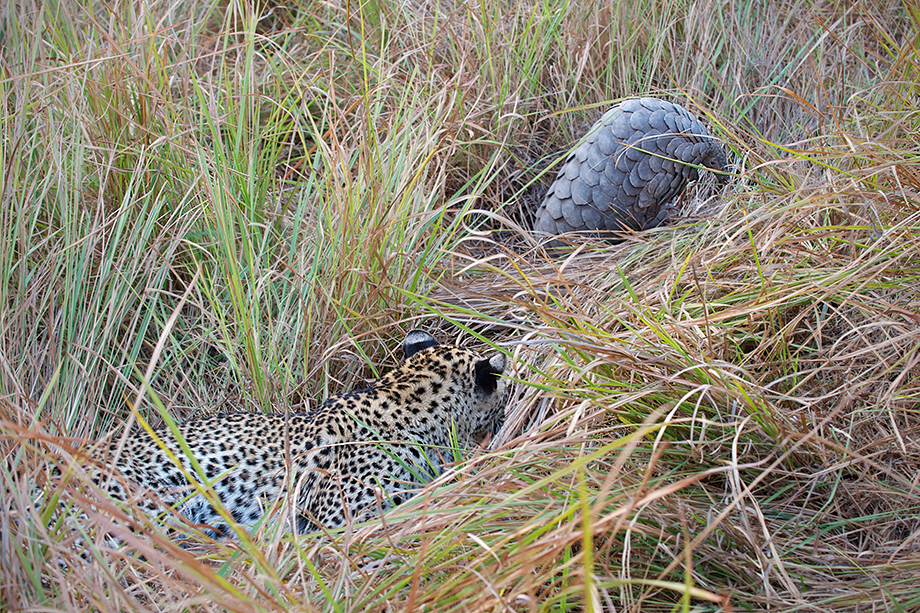
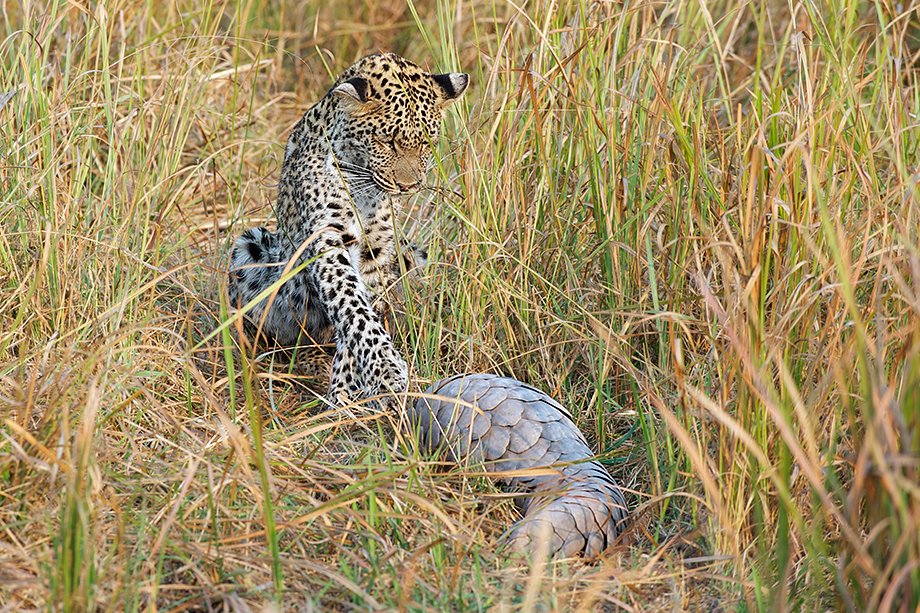
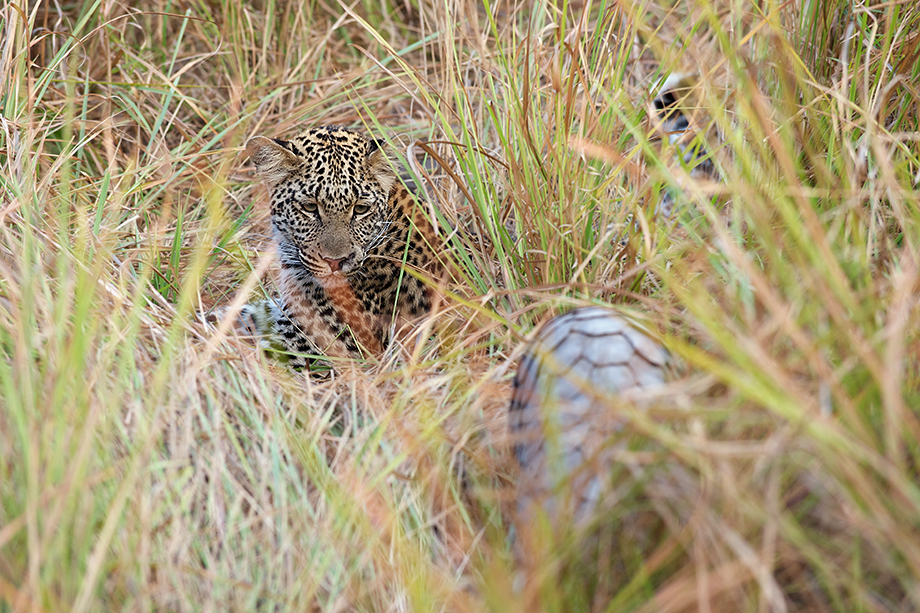
A pangolin is one of the most prized sightings on an African safari. It was at the top of my list as I headed back to Botswana (the caracal and the aardvark remain at large). Pangolins, also known as scaly anteaters, are very rare and might only be spotted every few years by a tracker and guide who are in the bush every day (incidentally, it is not an anteater at all, but does kind of look like one covered in armour). Rarer still than a pangolin, is a pangolin being stalked by a leopard. Our guide told us that it had been twenty years since he had witnessed such a thing. In this case, the stalker was a one year old cub (the leopard I posted yesterday was her mother). The cub didn’t quite know what to do with the strange animal. She was probably seeing one for the first time herself. As for pangolins, they defend themselves by rolling up into a tight ball. Predators can’t really do anything thanks to the hard exterior scales. We watched for several hours as the leopard would stalk the pangolin, paw at it cautiously as it rolled into a ball, then sit down beside it and rest. As soon as the pangolin thought the leopard was asleep, it would unroll itself and try to get away. That’s when the leopard would start stalking again. It was as if the pangolin was a toy that the leopard wasn’t about to give up. We stayed until it was quite dark before leaving the two animals to do their thing.
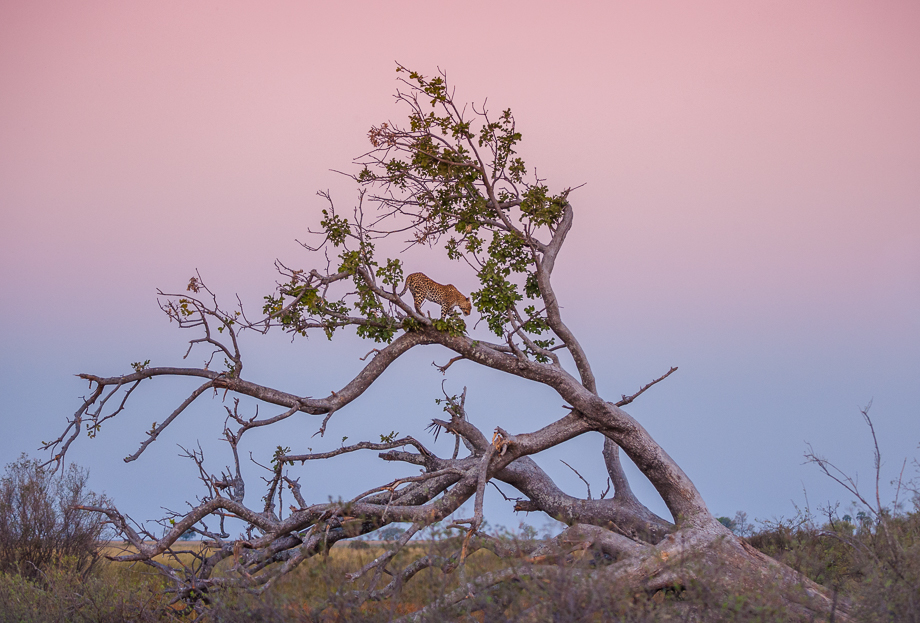
We came across this leopard on our first game drive last week. She had been resting in a fallen tree all afternoon before getting up to go on a night hunt. More on this leopard, her one-year old cub, and her cub’s pet pangolin coming up. Nikon D700 with Nikkor 70-200mm lens (at 75mm) ISO 1600, f/2.8 at 1/200th of a second
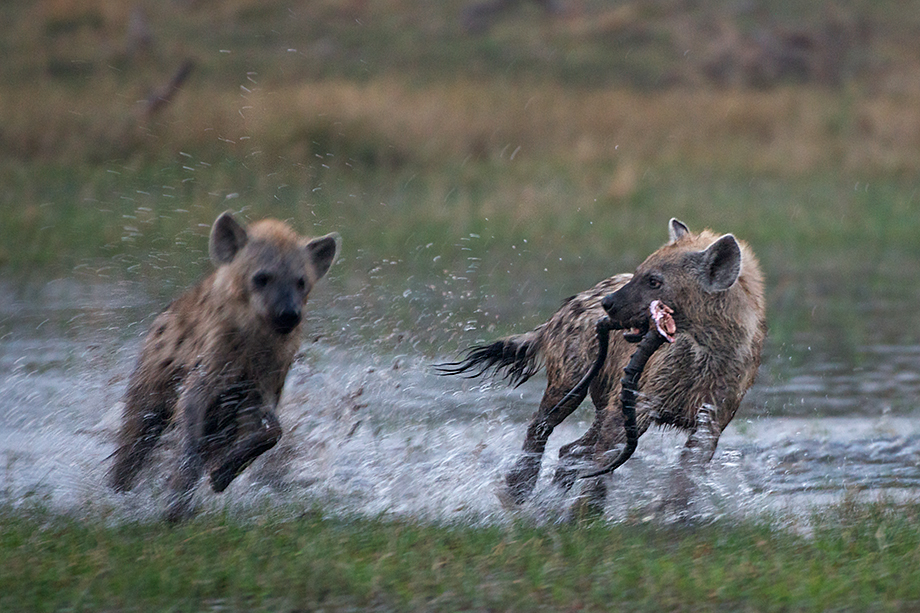
Got back from my honeymoon tonight and just started to download all the pictures. It’ll be a while before I have everything organized and processed but here’s one that I liked from the Botswana portion of the trip. It was early in the morning so I wasn’t working with much light. Eight spotted hyenas were romping through a wetland area of the Linyanti Concession in the northern part of the country. The night before, they had stolen an impala kill from a leopard and the hyena on the right was playing keep away with the horns. Many more pics from Botswana to come, including a first for me — a pangolin. Also, many pics from Greece on the way. Nikon D800 with Nikkor 200-400mm lens (at 400mm) ISO 1600, f/4 at 1/100th of a second
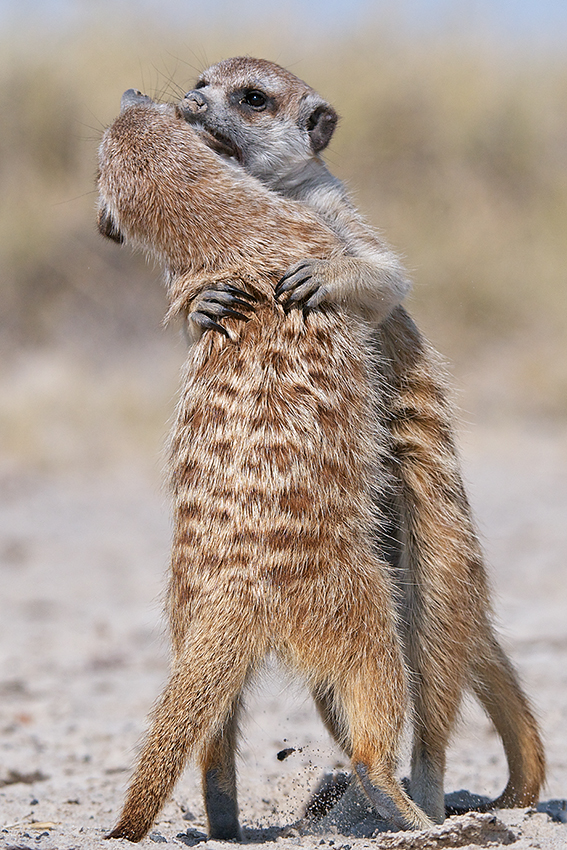
As soon as the sun starts to rise on the Makgadikgadi Pan in Botswana, meerkats start to come out of their burrows. They spend quite a bit of time just hanging around, warming up, and play fighting. Eventually they head out for the day to forage for scorpions and other small prey. I caught these two in that mid morning routine of play fighting. Nikon D300 with Nikkor 200-400mm lens (at 200mm) ISO 400, f/8 at 1/1000th of a second
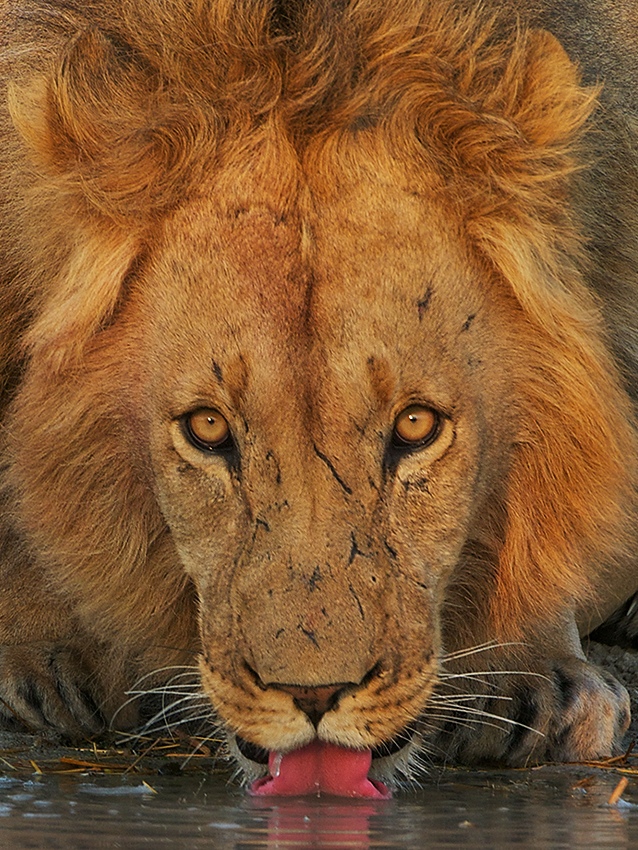
Just a simple close up of a male lion, but I like that you can see the detail of his battle-scarred face. He was filling up at a water hole in Botswana’s Central Kalahari Game Reserve. Nikon D300 with Nikkor 200-400mm lens (at 400mm) ISO 400, f/6.3 at 1/320th of a second
We use cookies to enhance your experience while using our website. If you are using our Services via a browser you can restrict, block or remove cookies through your web browser settings. We also use content and scripts from third parties that may use tracking technologies. You can selectively provide your consent below to allow such third party embeds. For complete information about the cookies we use, data we collect and how we process them, please check our Privacy Policy