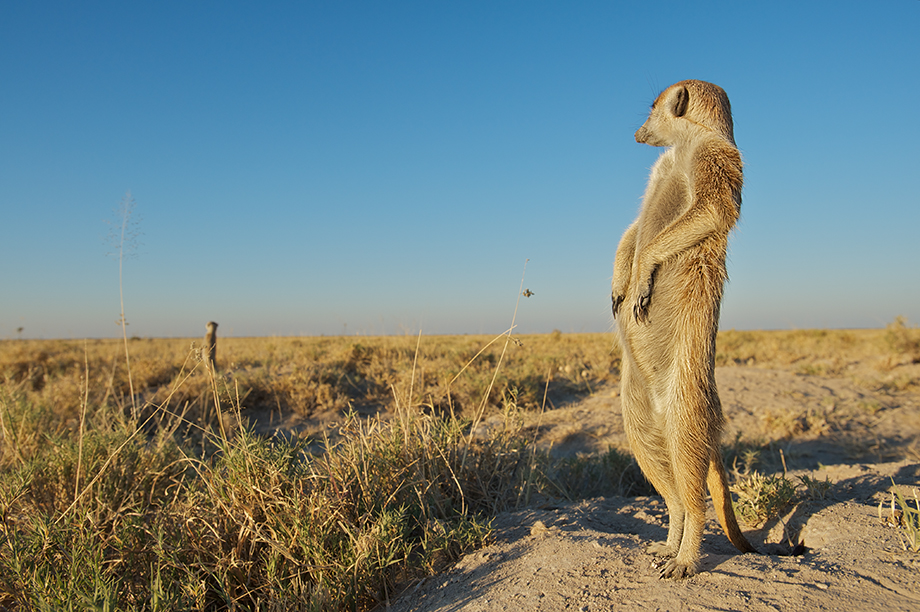
I figured it was about time for another look at the meerkats. This go round it’s one guard communicating with another guard. They have quite the system, each meerkat taking a shift as a lookout while the rest of the troop forages.
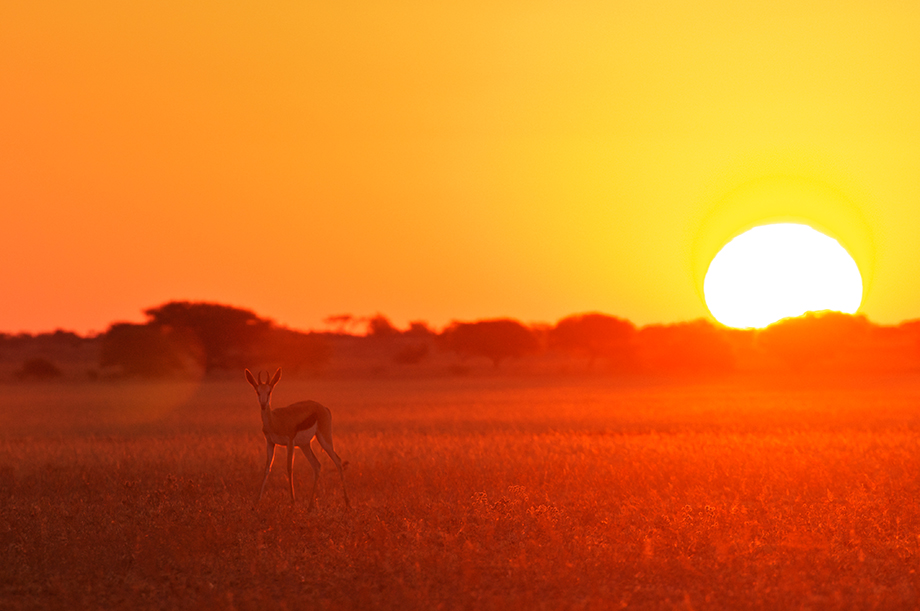
I previously posted another shot like this from Botswana. I just found this one and think I like it better. The antelope is a springbok, which are very common in the Central Kalahari Desert. It was nice each night to capture the huge sun on the horizon with my telephoto lens (which compresses space, making it look even bigger than it actually is).
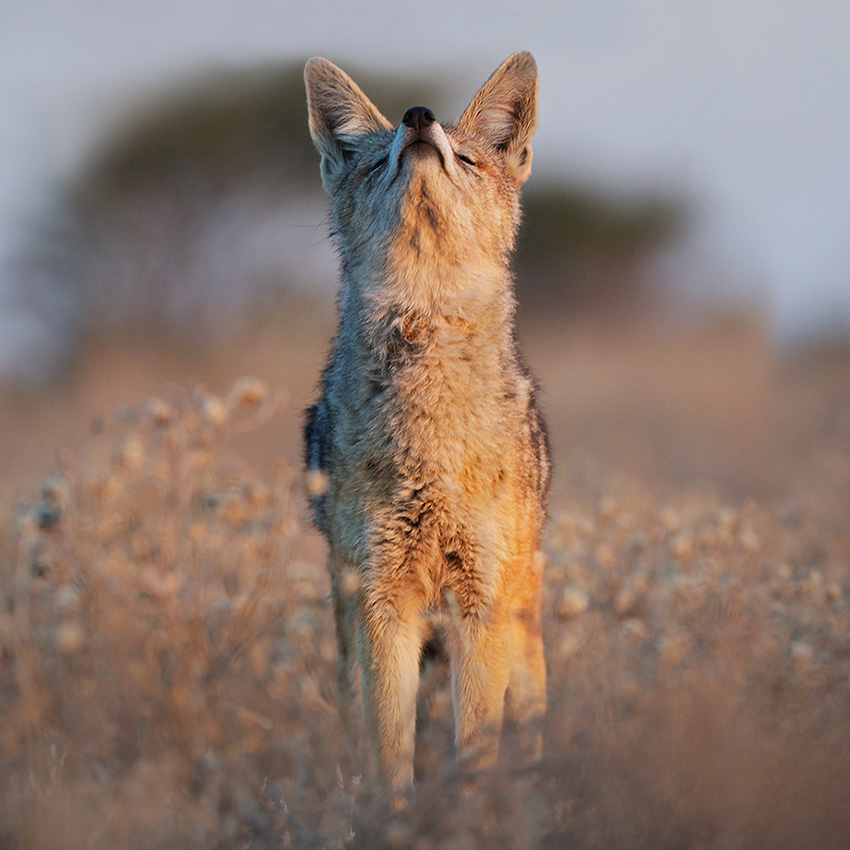
Usually jackals run away if you approach them too closely, but this guy seemed as curious about me as I was about him. I was even able to get out of the safari vehicle and down on the ground for some low angle shooting. He kept on moving closer and closer, sniffing the air every five steps or so. Eventually he passed by me about twenty feet away and headed on his way.
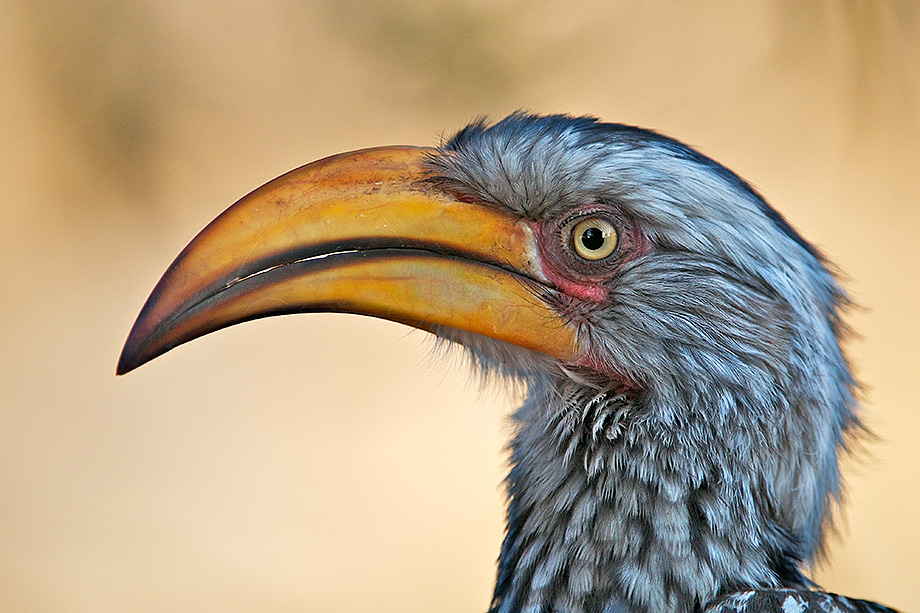
While I was sitting inside a makeshift blind waiting for honey badgers to arrive, several birds stopped by, allowing me very tight portraits. This one is a southern yellow hornbill. I previously posted a shot of this guy looking directly at camera. Here’s one that gives a good look at the beak and facial feathers.
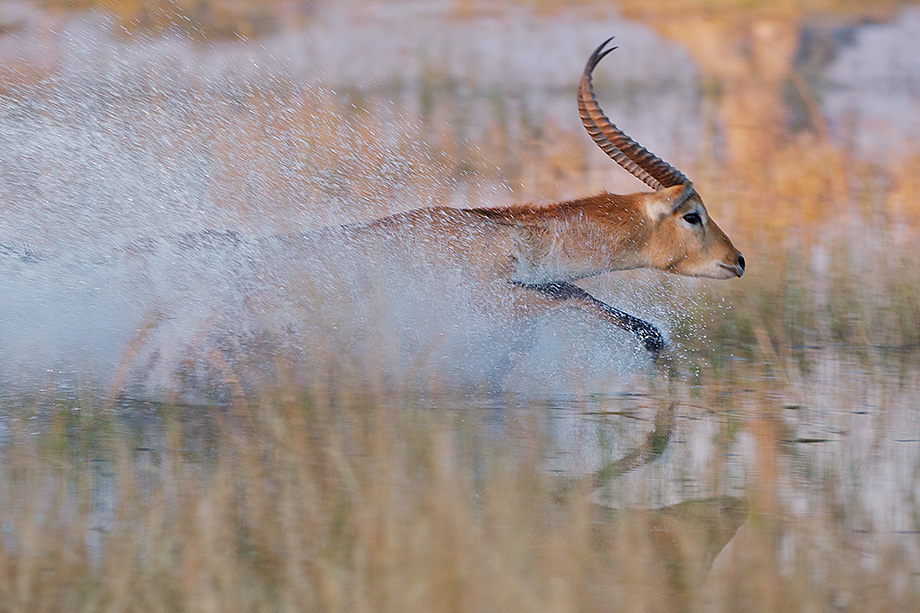
I already posted one shot of this red lechwe dashing through the flooded savanna of the Okavango Delta. Here’s another. Red lechwes spend most of their time in the water eating aquatic plants. Their legs are covered in a water repelling substance allowing them to run quite fast in knee deep water. The water and tall grass also provide protection from predators.
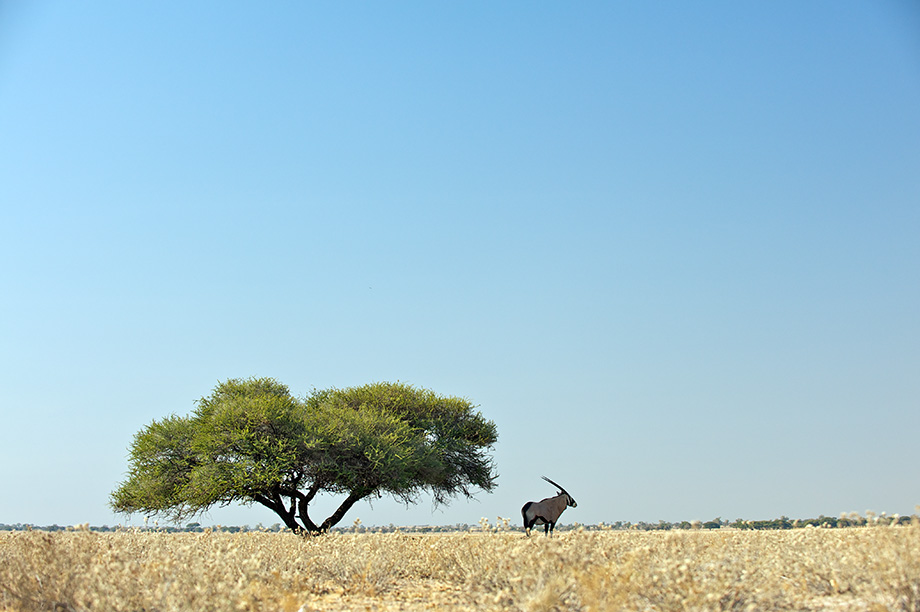
It gets very hot in the Kalahari desert in the middle of the day. This is when every creature seems to be looking for a place to cool off. In this particular photo, an oryx finds relief in the shade of an acacia tree.
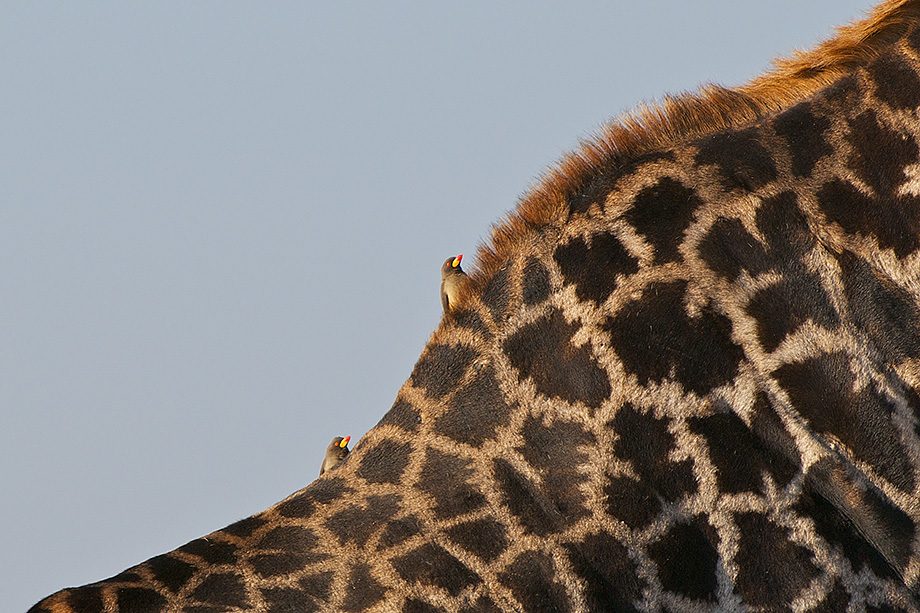
Last week I posted a photo of an oxpecker pecking in a zebra’s ear. This week it’s two oxpeckers climbing up the mountainous back of a giraffe. There were actually quite a few more of these small birds on the giraffe, and at one point I saw a flock of about 30 of them on another giraffe. The giraffes don’t seem to mind much (after all, they are getting rid of all their ticks) but a couple of times I saw a giraffe clearly annoyed by the parasitic birds.
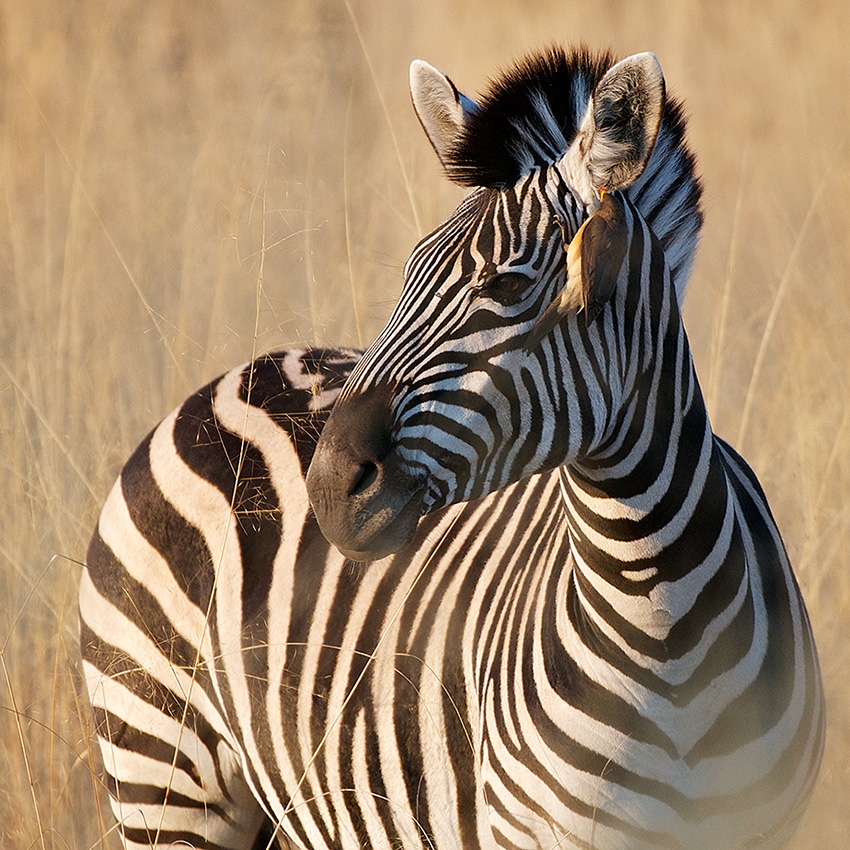
Oxpeckers can be found on most of the large mammals of sub-Sahara Africa including elephants, rhinos, giraffes, buffalo, and in this case, zebras. They mostly eat ticks off the backs of their hosts, but sometimes they move in for a delicious bite of earwax. This zebra/oxpecker combo were photographed early one morning in the Okavango Delta of Botswana.
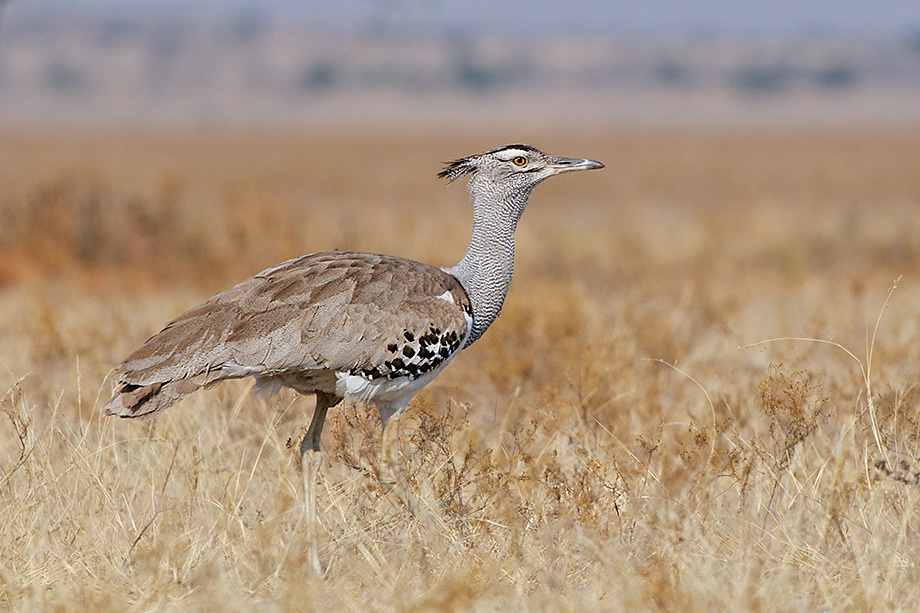
Although the kori bustard avoids flying if possible, it is the heaviest bird capable of flight in the world. Large males can weigh up to 45 pounds and have a wingspan of almost 10 feet. Most often they are spotted foraging for seeds and lizards on the flat grasslands of the African savanna. This one was photographed in the Central Kalahari desert of Botswana.
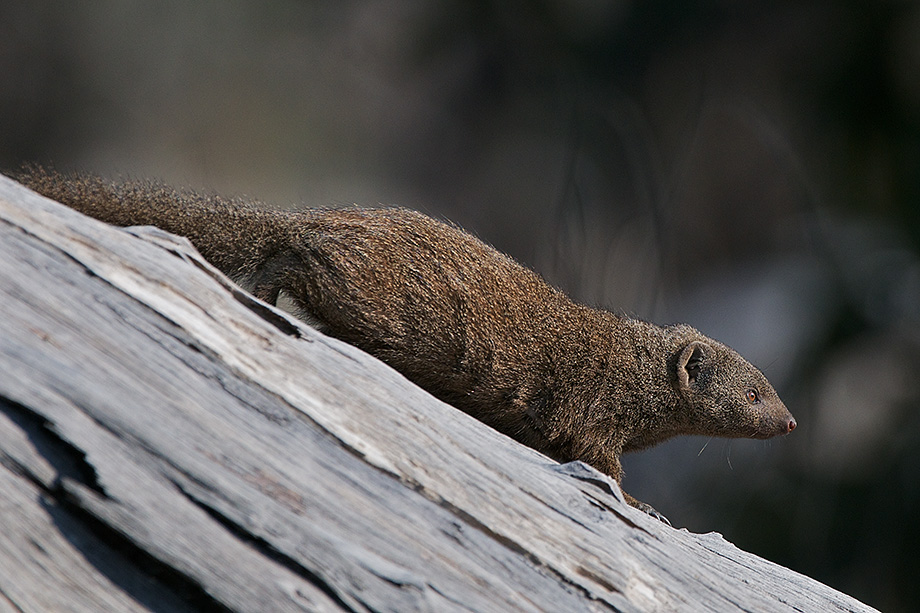
The dwarf mongoose has the distinction of being the smallest carnivore in Africa. They mostly eat insects like grasshoppers, beetles and spiders, but will occasionally grab a smaller bird or lizard. The light wasn’t great when I came across this one in the Okavango Delta of Botswana, but I was able to get a few shots in in even — if not ideal — light.
We use cookies to enhance your experience while using our website. If you are using our Services via a browser you can restrict, block or remove cookies through your web browser settings. We also use content and scripts from third parties that may use tracking technologies. You can selectively provide your consent below to allow such third party embeds. For complete information about the cookies we use, data we collect and how we process them, please check our Privacy Policy