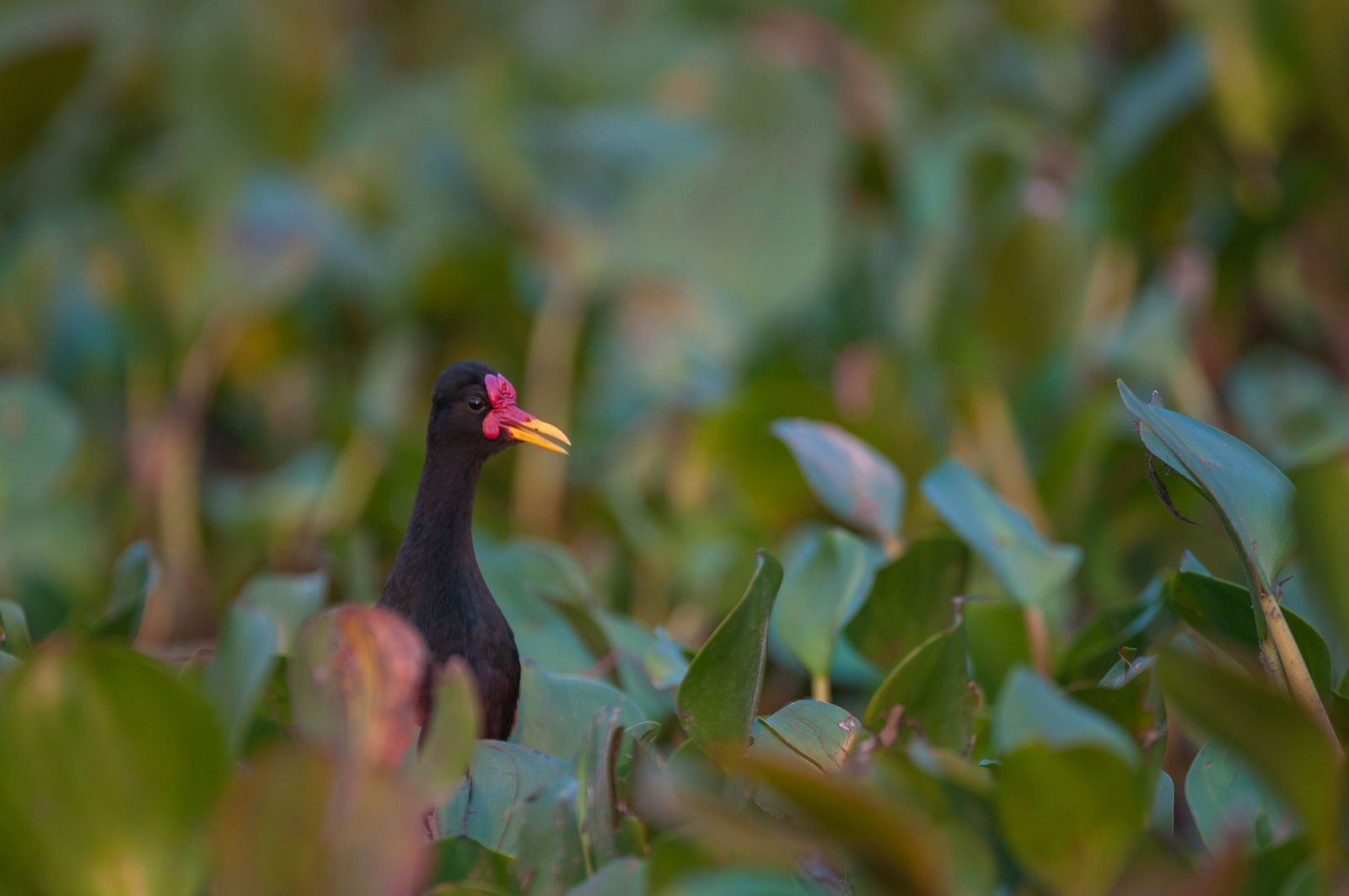
A wattled jacana appears amidst the floating water hyacinths in the Pantanal of Brazil. The Pantanal is the world’s largest tropical wetland and home to a great variety of birdlife. Nikon D300 with Nikkor 200-400mm lens (at 400mm) ISO 400, f/4 at 1/250th of a second.
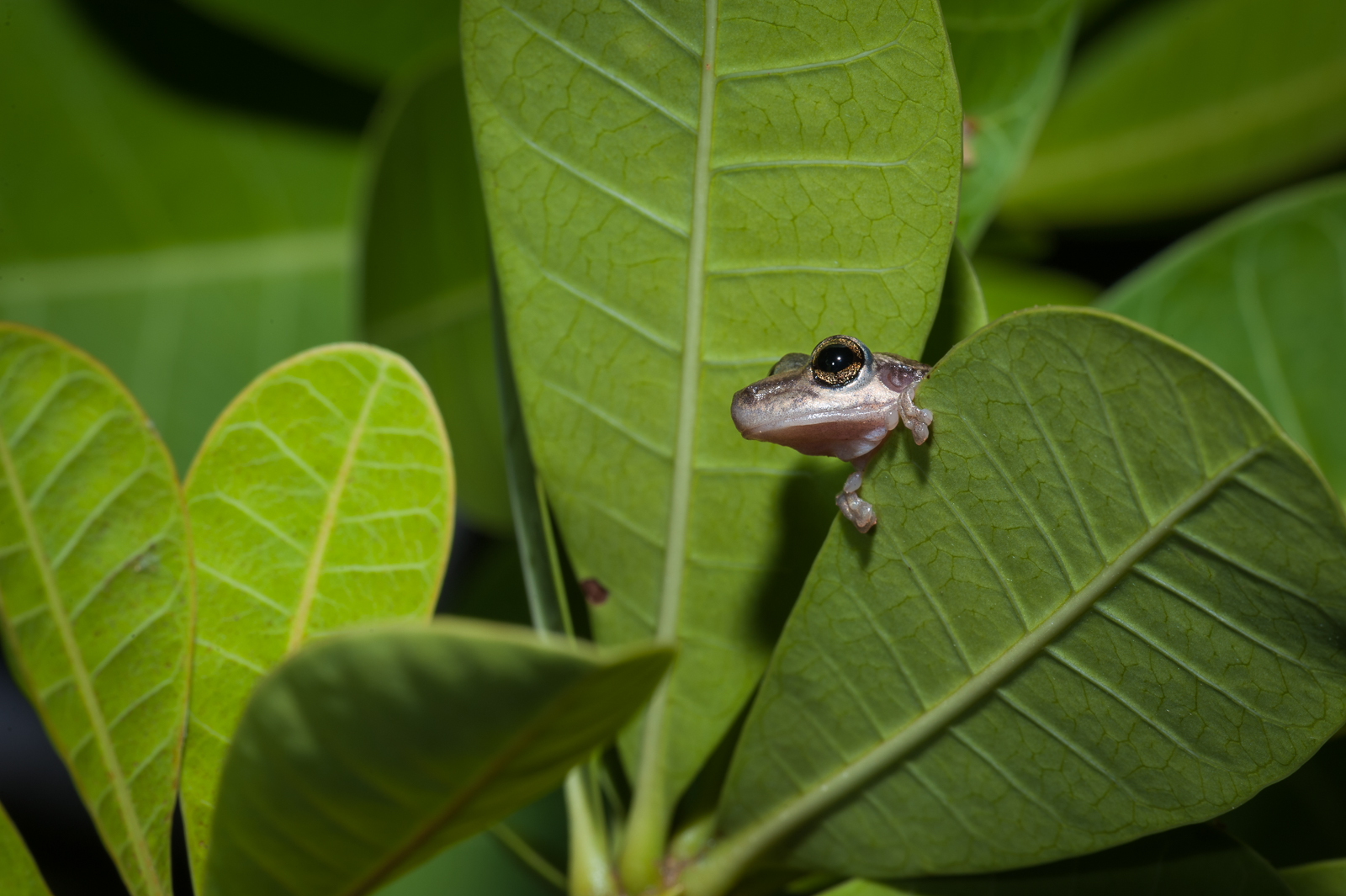
I believe this to be a giant broad-headed frog. It was photographed in north central Brazil. I don’t know much more other than that. And even that might not be correct. Frogs, birds and bugs can sometimes be a challenge to identify. Any herpetologists out there agree or disagree (of course, I realize not much to go on with the hidden body)? Nikon D700 with Nikkor 70-200mm lens (at 180mm with Canon 500D close up filter attached) ISO 125, f/22 at 1/60th of a second.
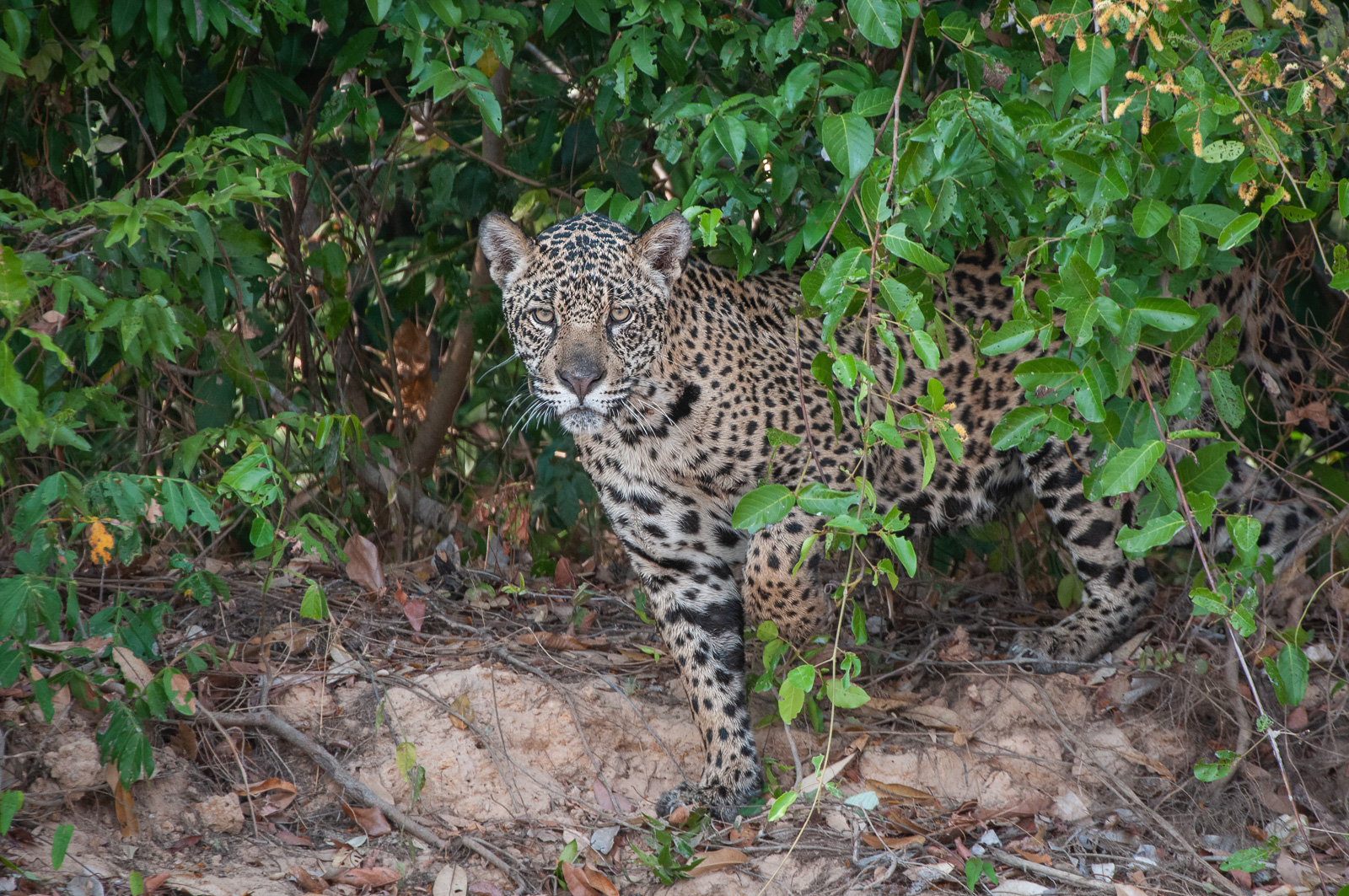
Yesterday I posted a small cat, today a big one. This time a jaguar, the largest cat in the Americas and third largest in the world behind the tiger and lion. I didn’t get too many sightings while in the Pantanal of Brazil, but I did have a few. On this occasion, I was shooting from a boat and tracking the jaguar as it moved along the top of a river bank, mostly obscured by foliage. Finally it stepped into a clearing and I was able to get a sequence of shots before it headed down the hill, into a thick mass of foliage and disappeared. Nikon D300 with Nikkor 200-400mm lens (at 550mm with 1.4 TC attached) ISO 800, f/7.1 at 1/200th of a second.
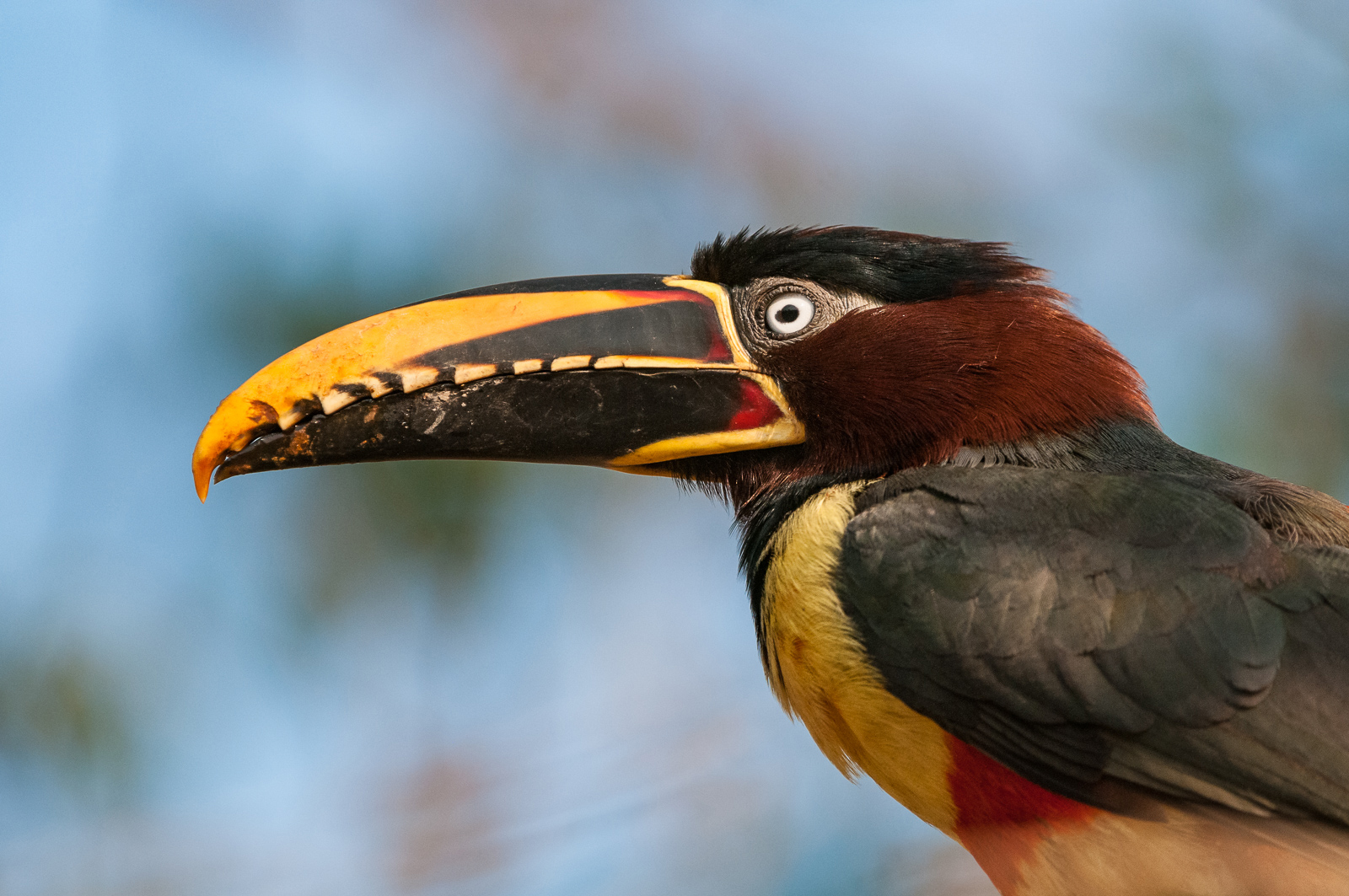
Aracaris are in the toucan family. Not quite as impressive of beak, but almost. This chestnut-eared aracari landed on a branch just outside the lodge I was staying at in Brazil’s Pantanal, allowing me to capture a close up portrait. Nikon D300 with Nikkor 200-400mm lens (at 400mm) ISO 800, f/5 at 1/1600th of a second.
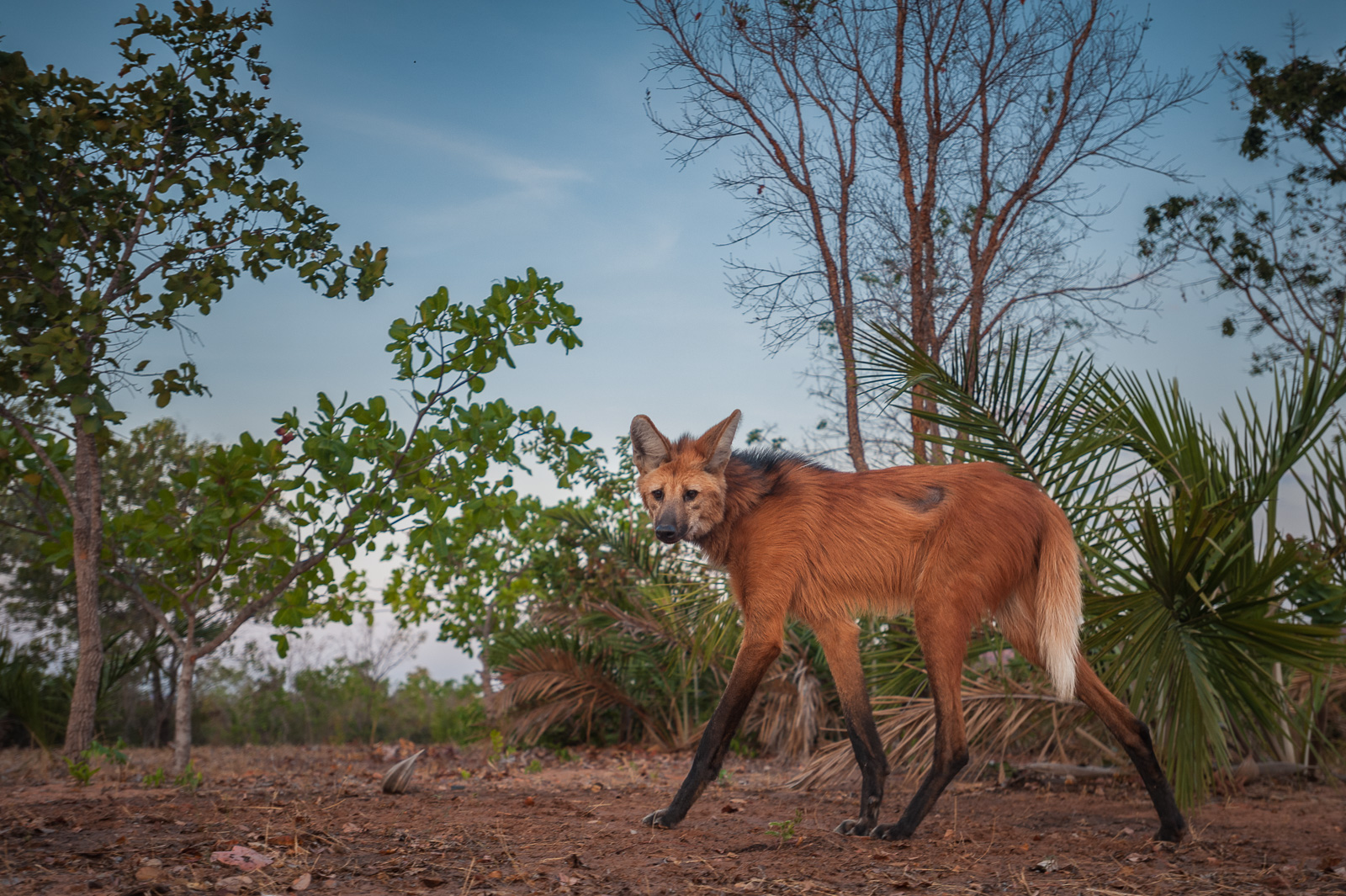
Cycling through my archives today I found a few images from my trip to Brazil back in 2010 that I had yet to process. We were just about to sit down for dinner when this maned wolf came strolling through camp on those long legs, presumably to see what smelled so good. Nikon D700 with Nikkor 17-35mm lens (at 35mm) ISO 800, f/2.8 at 1/200th of a second.
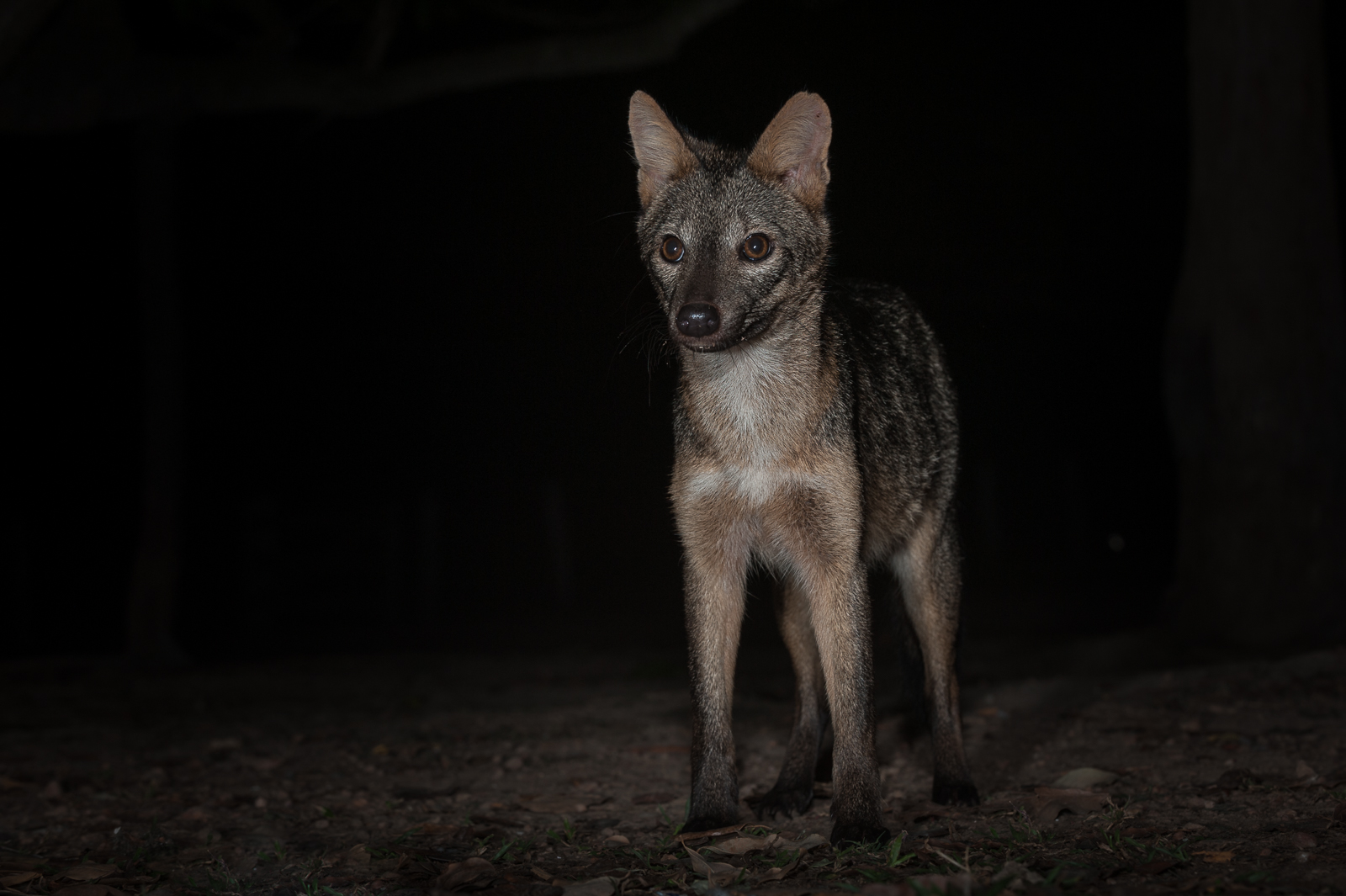
It’s pretty self-explanatory as to why this fox is called the crab-eating fox. What’s less evident, is why it’s also called the forest fox, wood fox, bushdog or maikong. They do have a fondness for crabs, but they’ll eat just about anything they can scavenge. This one was creeping around our lodge in the Pantanal of Brazil in search of easy scraps from our dinner. Nikon D700 with Nikkor 70-200mm lens (at 86mm) ISO 200, f/9 at 1/60th of a second, two Nikon SB-800 flash units.
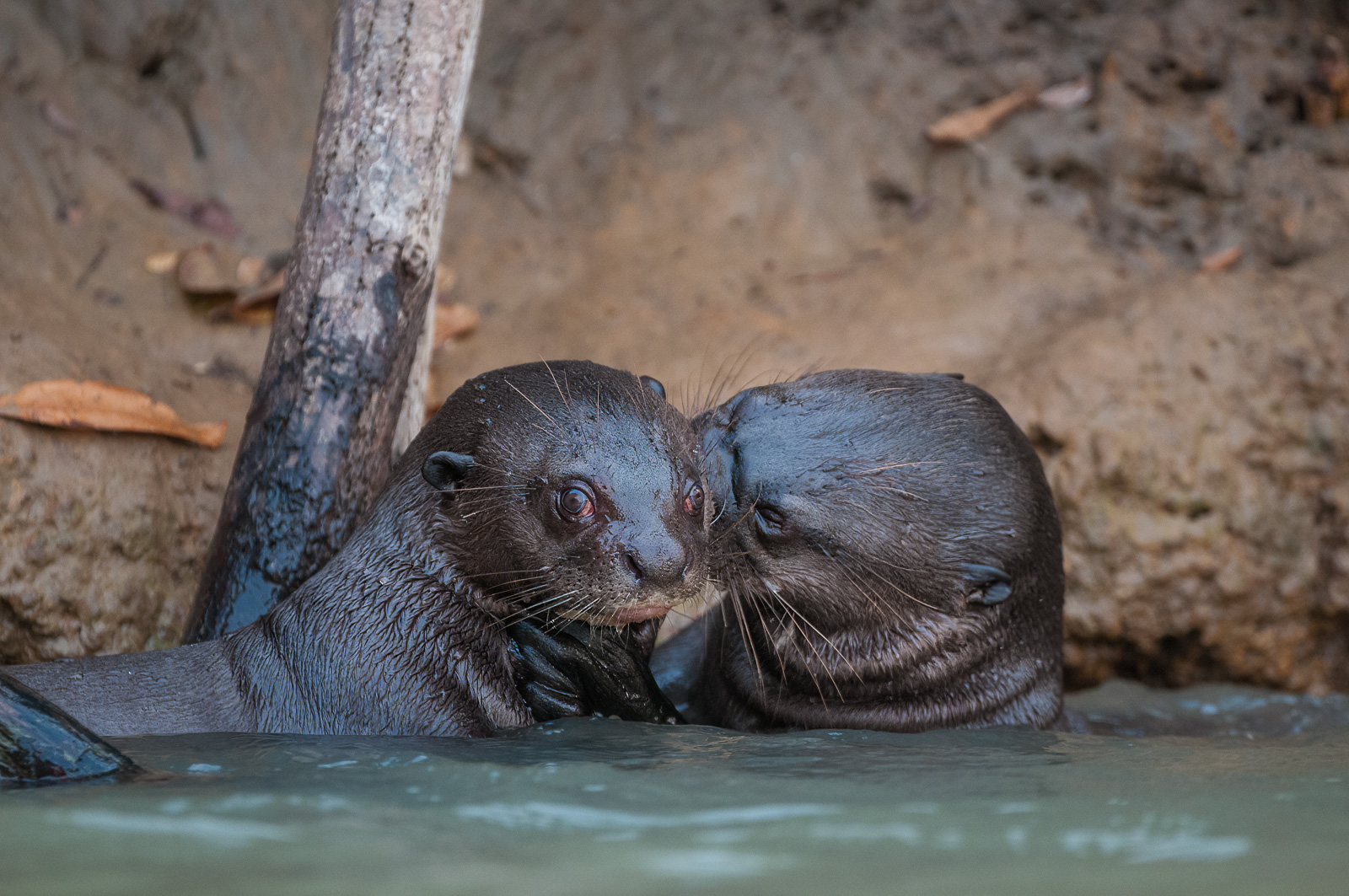
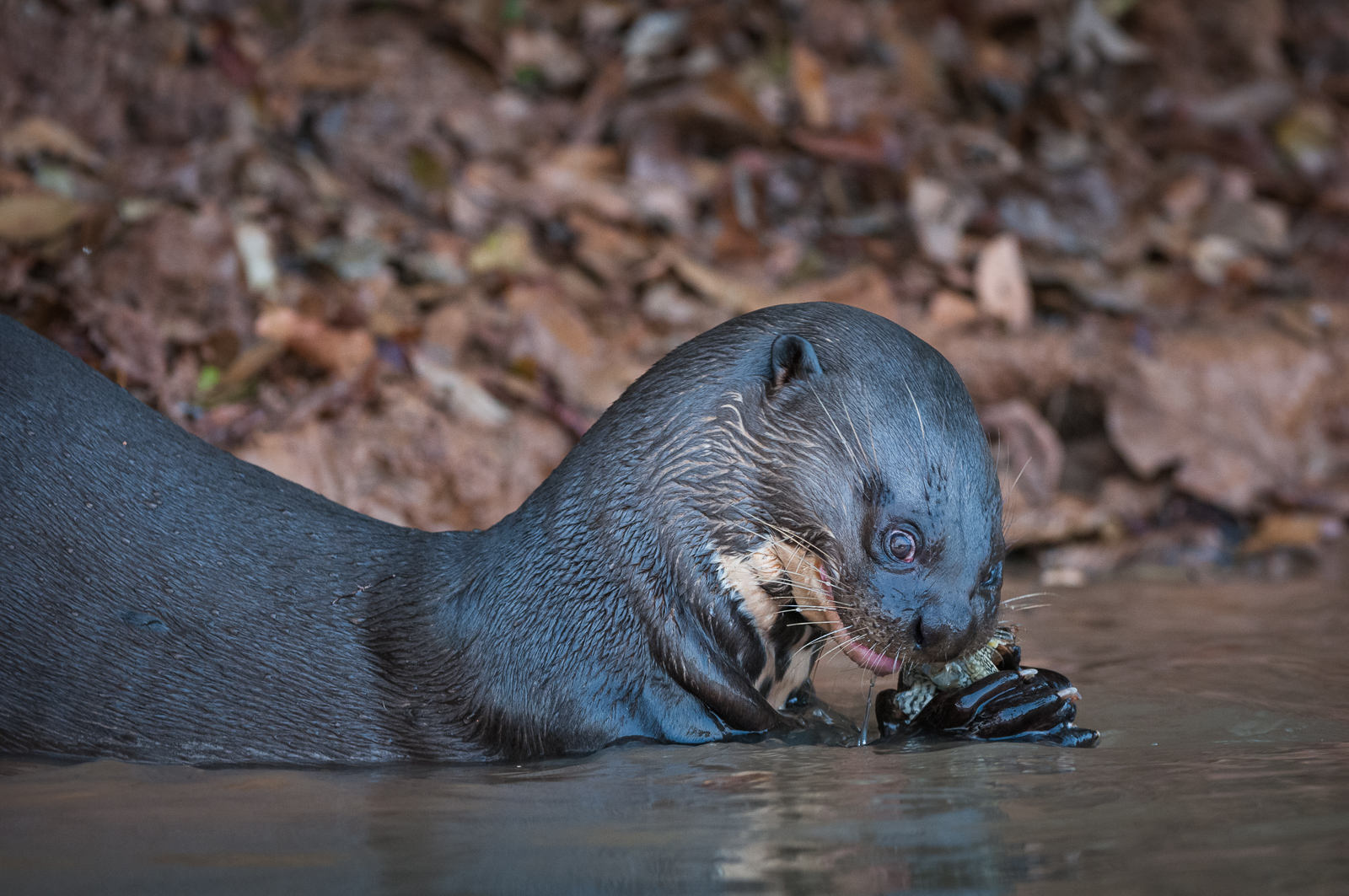
Looks like I caught these two giant river otters in the middle of some sort of illicit activity. In reality, they were simply grooming each other while stopping for a moment to watch our boat float past. Photographed along the banks of one of the many rivers of the Pantanal in Brazil. Nikon D300 with Nikkor 200-400mm lens (at 360mm) ISO 800, f/4 at 1/200th of a second.
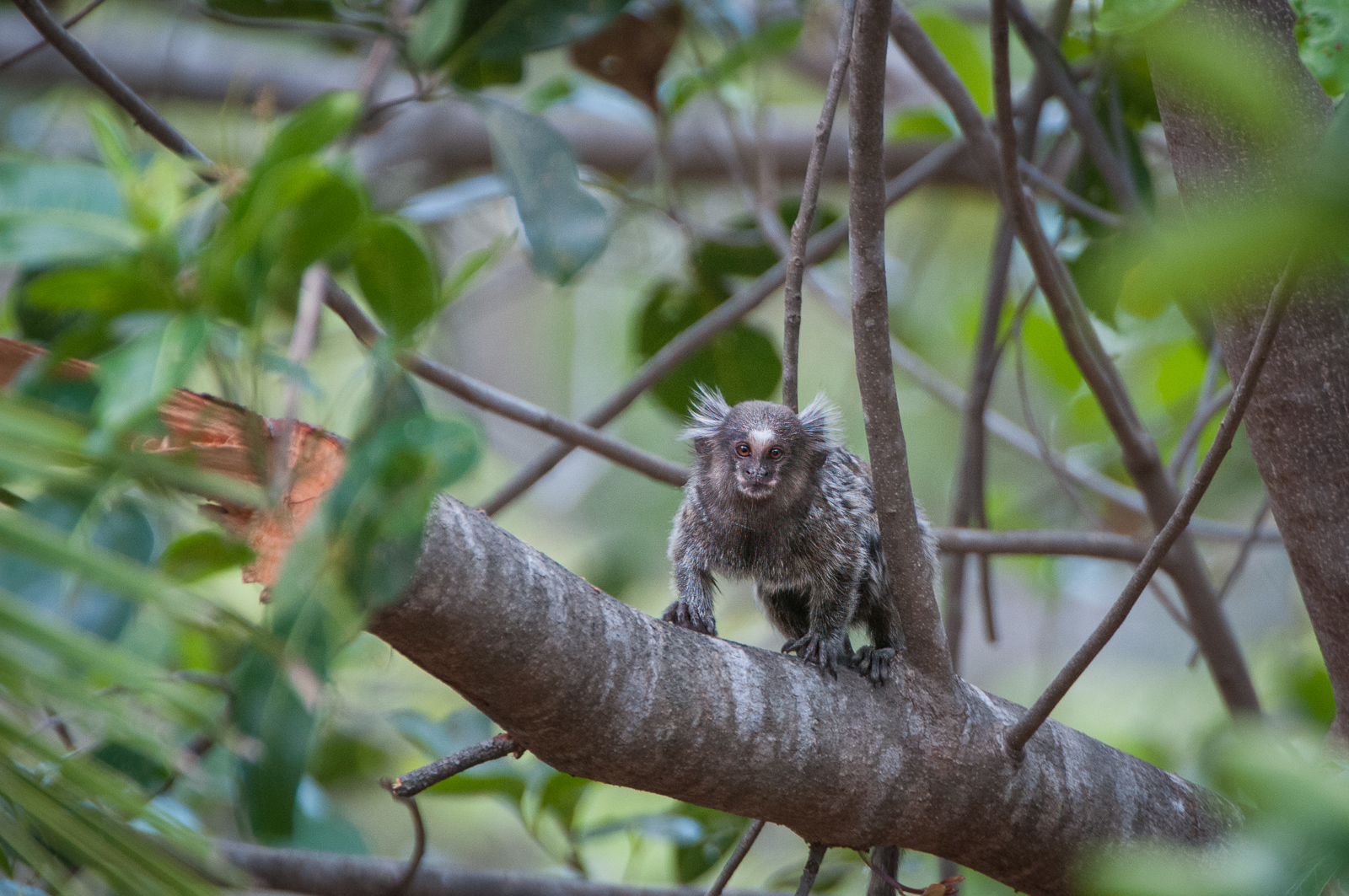
These little primates are about the size of a common gray squirrel. That is to say, very small. A troop of them came through our camp one afternoon, hung around for a minute or two and then moved deeper into the forest. Like yesterday’s post, this one was photographed in the Hyacinth Valley of central Brazil. Nikon D300 with Nikkor 200-400mm lens (with 1.4 teleconverter for 550mm) ISO 800, f/5.6 at 1/160th of a second.
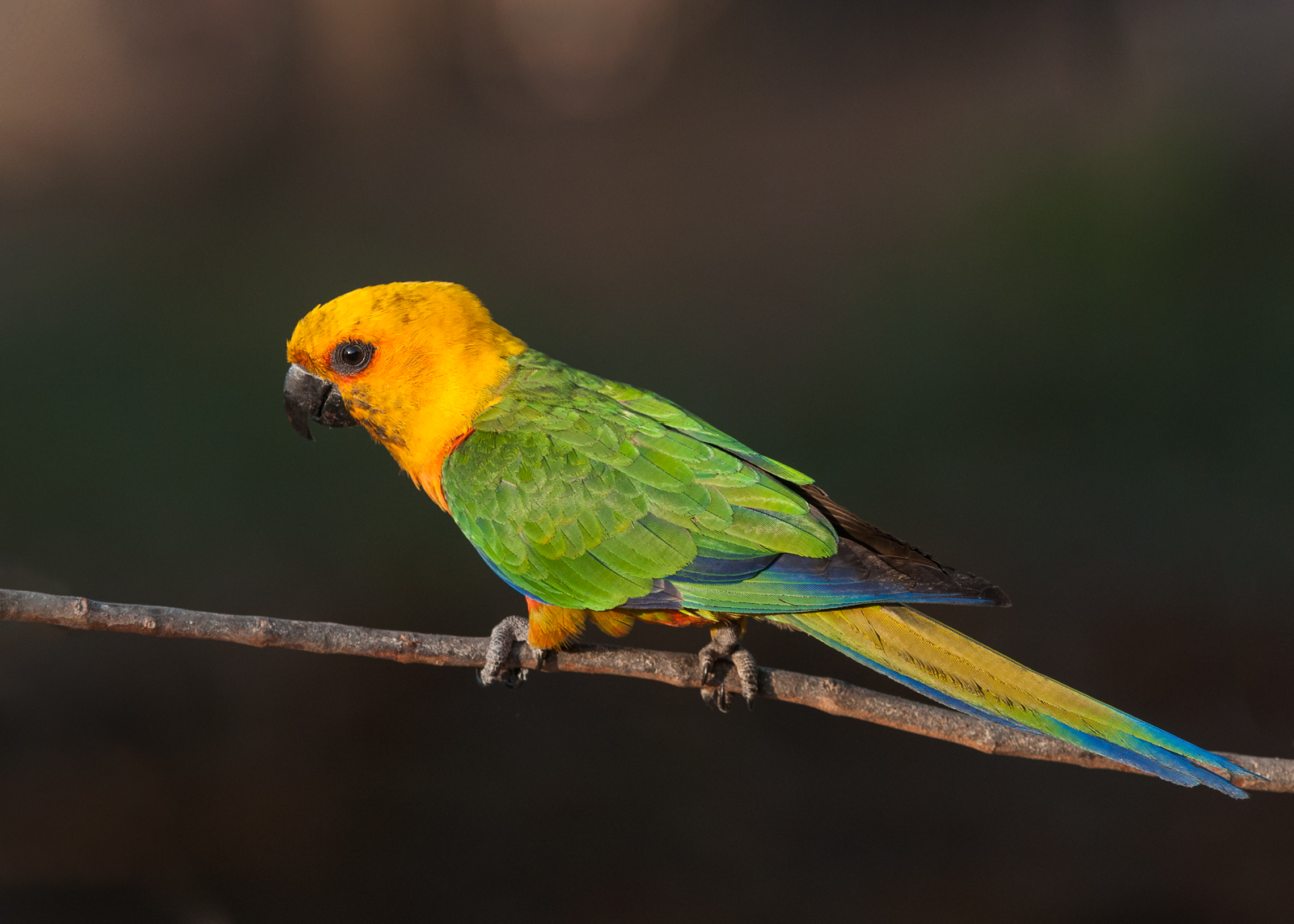
The jandaya parakeet, also known as the jenday conure, is one of the more brilliantly plumed birds that I saw in Brazil — and I saw a lot of brilliantly plumed birds in Brazil. Not surprisingly, these parakeets are commonly sold as pets and they can be trained to mimic words and sounds. In the wild they are widespread but rare. I photographed this one in the wild in central Brazil. Nikon D300 with Nikkor 200-400mm lens (at 280mm) ISO 800, f/6.3 at 1/250th of a second
The Pantanal of Brazil — the world’s largest flooded grassland and tropical wetland — has seen devastating fires over the last few years, almost all of which can be attributed to slash and burn farming and the weakening of environmental protections under the Bolsonaro administration. The Pantanal is one of the most wildlife-rich places on earth, compounding the disaster caused by the fires. I was there in better days back in 2010 when the jaguars, capybaras, caiman, monkeys and river otters had 30% more unburned land to roam around in. Nikon D300 with Nikkor 200-400mm lens (at 240mm) ISO 800, f/4 at 1/200th of a second.
We use cookies to enhance your experience while using our website. If you are using our Services via a browser you can restrict, block or remove cookies through your web browser settings. We also use content and scripts from third parties that may use tracking technologies. You can selectively provide your consent below to allow such third party embeds. For complete information about the cookies we use, data we collect and how we process them, please check our Privacy Policy