A group of polar bears is sometimes called a celebration. They are famously solitary animals, so seeing more than one together — outside of a mother and cubs — is unusual. When they do gather, it’s often around a large food source like a whale carcass or when waiting for the ice to freeze so that they can go hunt, and the sight of several massive white bears on the sea ice can feel rare and almost momentous. The word celebration captures that sense of spectacle and rarity — a remarkable gathering in an otherwise vast, empty Arctic landscape. To get your Celebration of Polar Bear merchandise, visit Species Limited.Nikon D300 with Nikkor 70-200mm lens (at 135mm) ISO 400, f/6.3 at 1/1600th of a second.
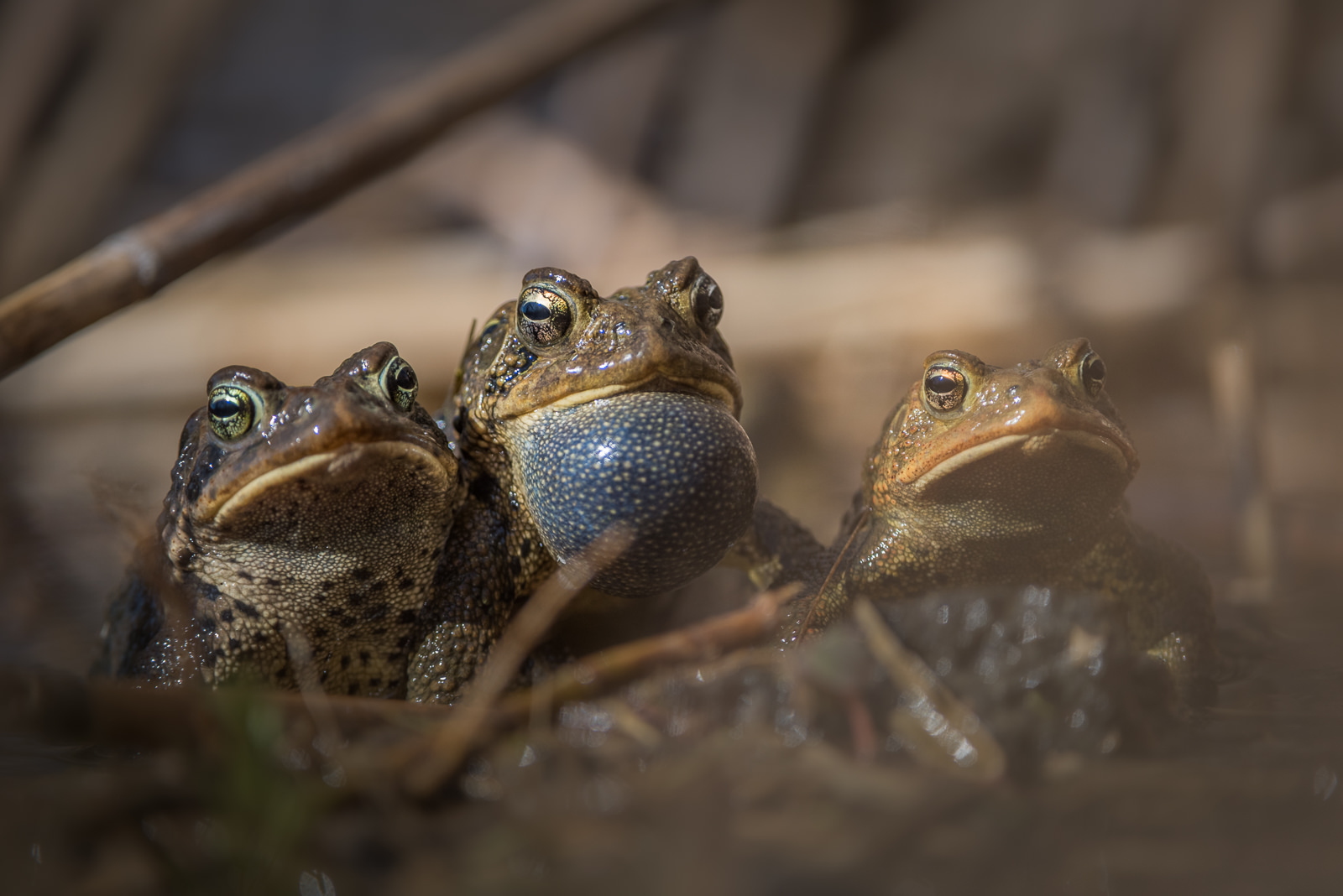
A group of toads is called a knot because of the way they cluster together, especially during breeding season, when multiple males gather around a single female in what looks like a tangled pile of bodies. From a distance, the mass can resemble a knotted bundle of warty backs and intertwined limbs. To get your Knot to Toads merchandise, head over to specieslimited.com. Nikon D810 with Nikkor 200-400mm lens (at 400mm) ISO 400, f/5 at 1/2500th of a second.
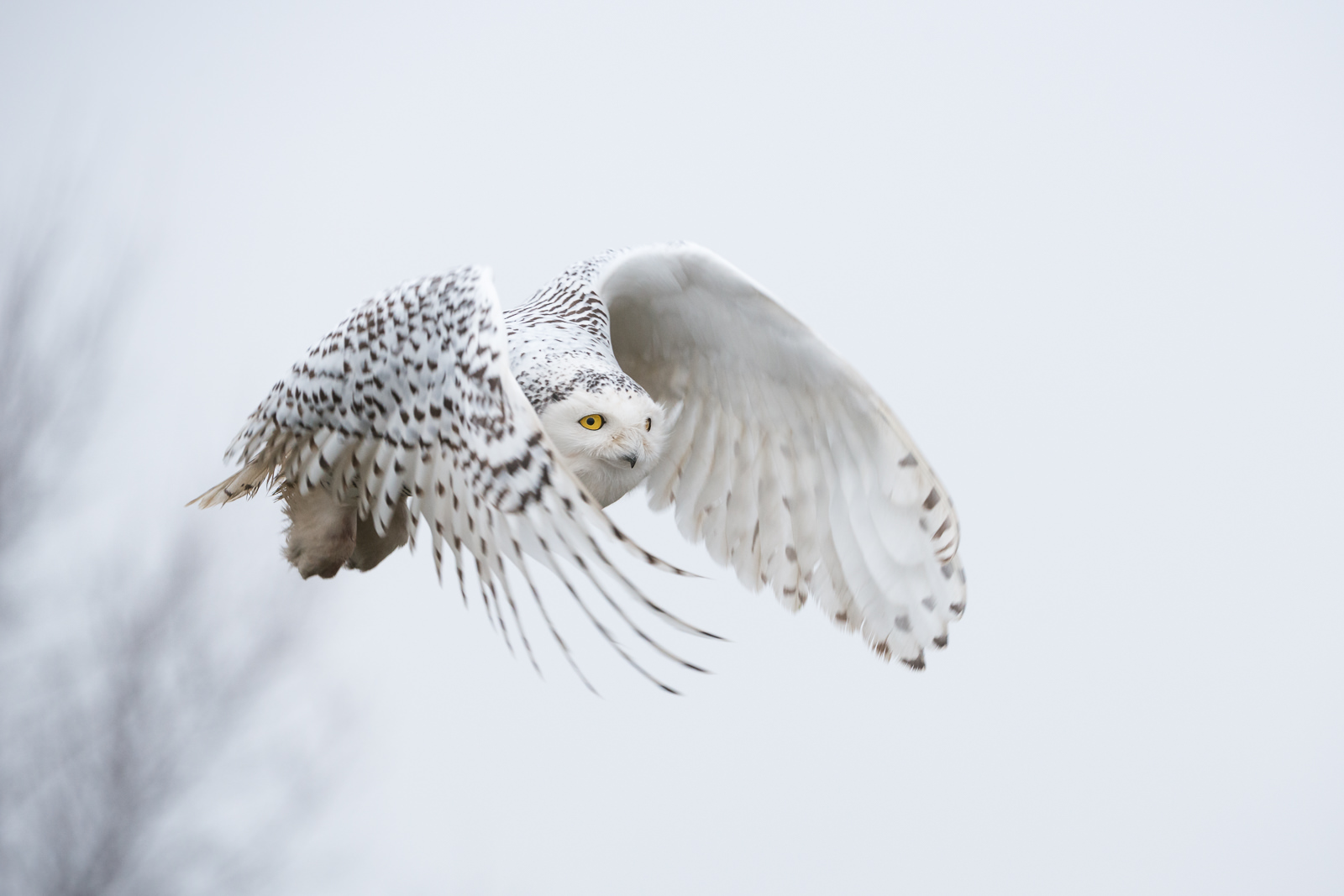
This is an old one that goes out to a longtime subscriber to my daily photo blog. I learned just before Christmas that Rachel Bellenoit (rachelbellenoit.com) had passed away. She was a big fan of owls and birds in general, spending a lot of time chasing the elusive snowy owls when they made irregular visits to Parker River National Wildlife Refuge in Newbury, Massachusetts. Here’s hoping there are plenty of them up there in the sky. This particular snowy owl was captured on the other coast, about halfway between Seattle and Vancouver back in January of 2013. Nikon D800 with Nikkor 200-400mm lens (at 340mm) ISO 800, f/5.6 at 1/1000th of a second.
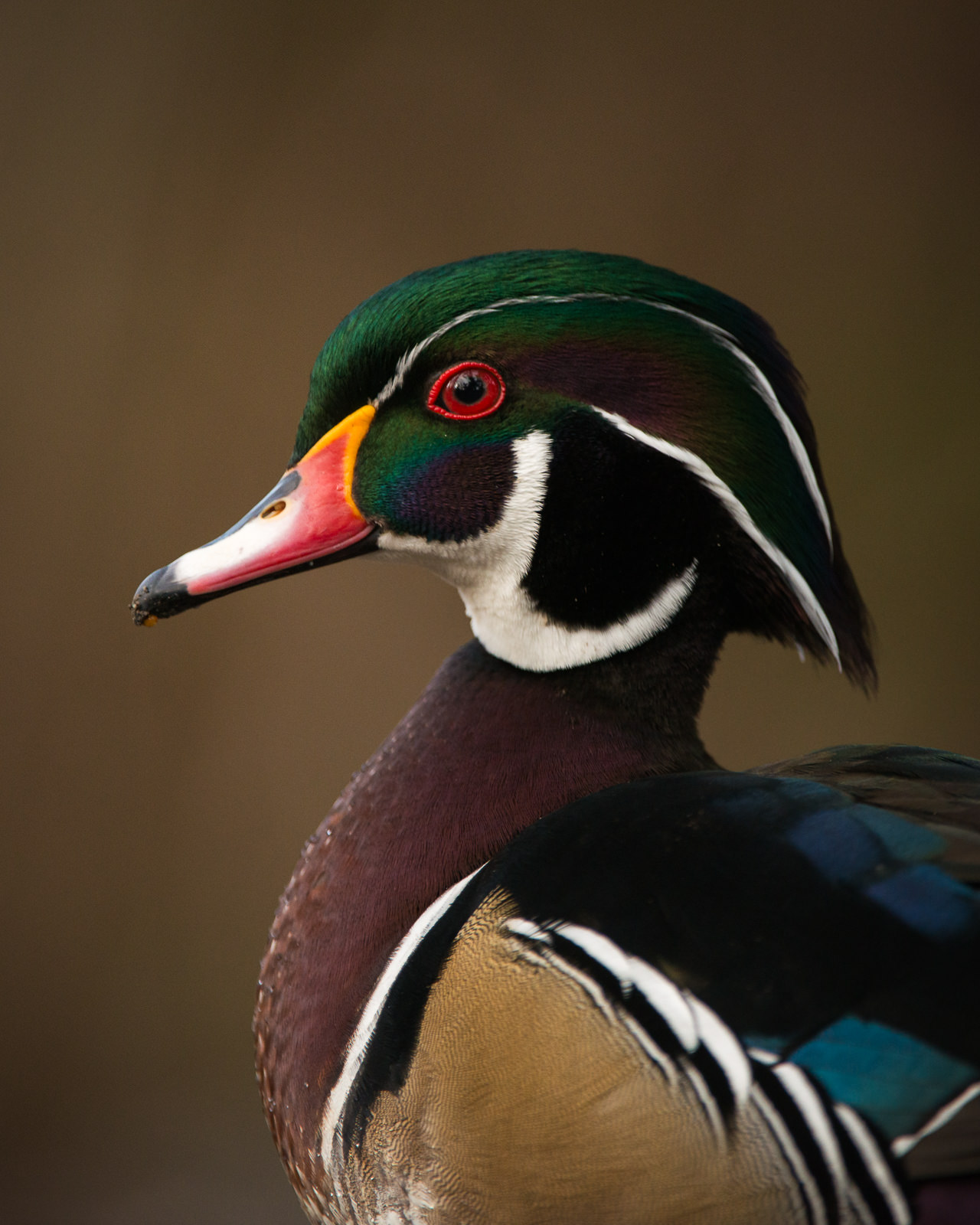
The plumage of a male wood duck is among the finest in North America. Iridescent greens, purples, and blues across the head and crest, with bold white stripes and red eyes. During breeding season, this helps attract a mate, although the coloring remains the same throughout the year. This guy was photographed just outside of Vancouver. Nikon D800 with Nikkor 200-400mm lens (at 400mm) ISO 640, f/4 at 1/1000th of a second.
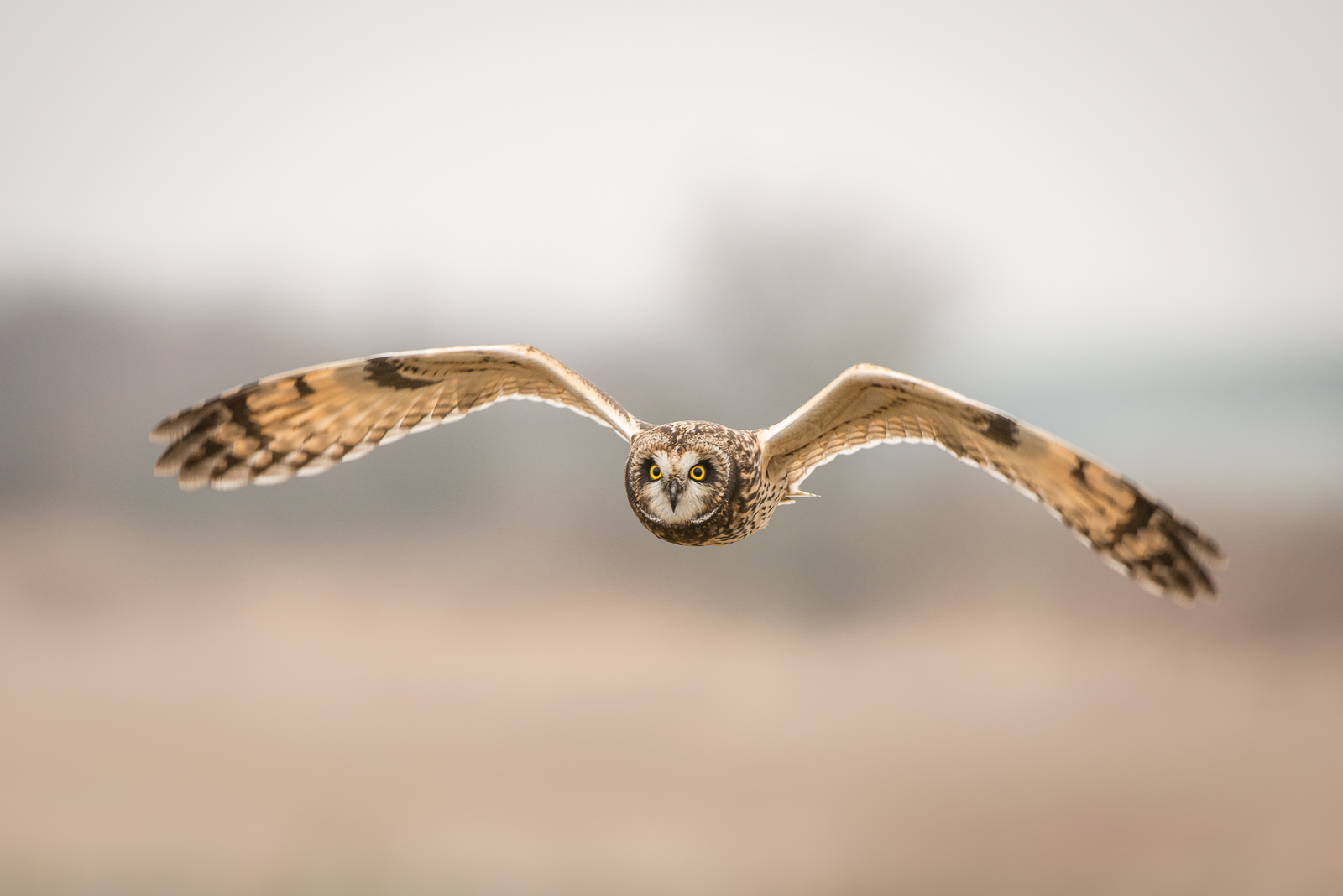
Short-eared owls are nomadic hunters, often seen gliding low over open fields and marshes like this guy in Boundary Bay, Canada. They hunt during daylight hours, making them one of the few truly diurnal owls. Nikon D800 with Nikkor 200-400mm lens (at 400mm) ISO 1250, f/5 at 1/1000th of a second.
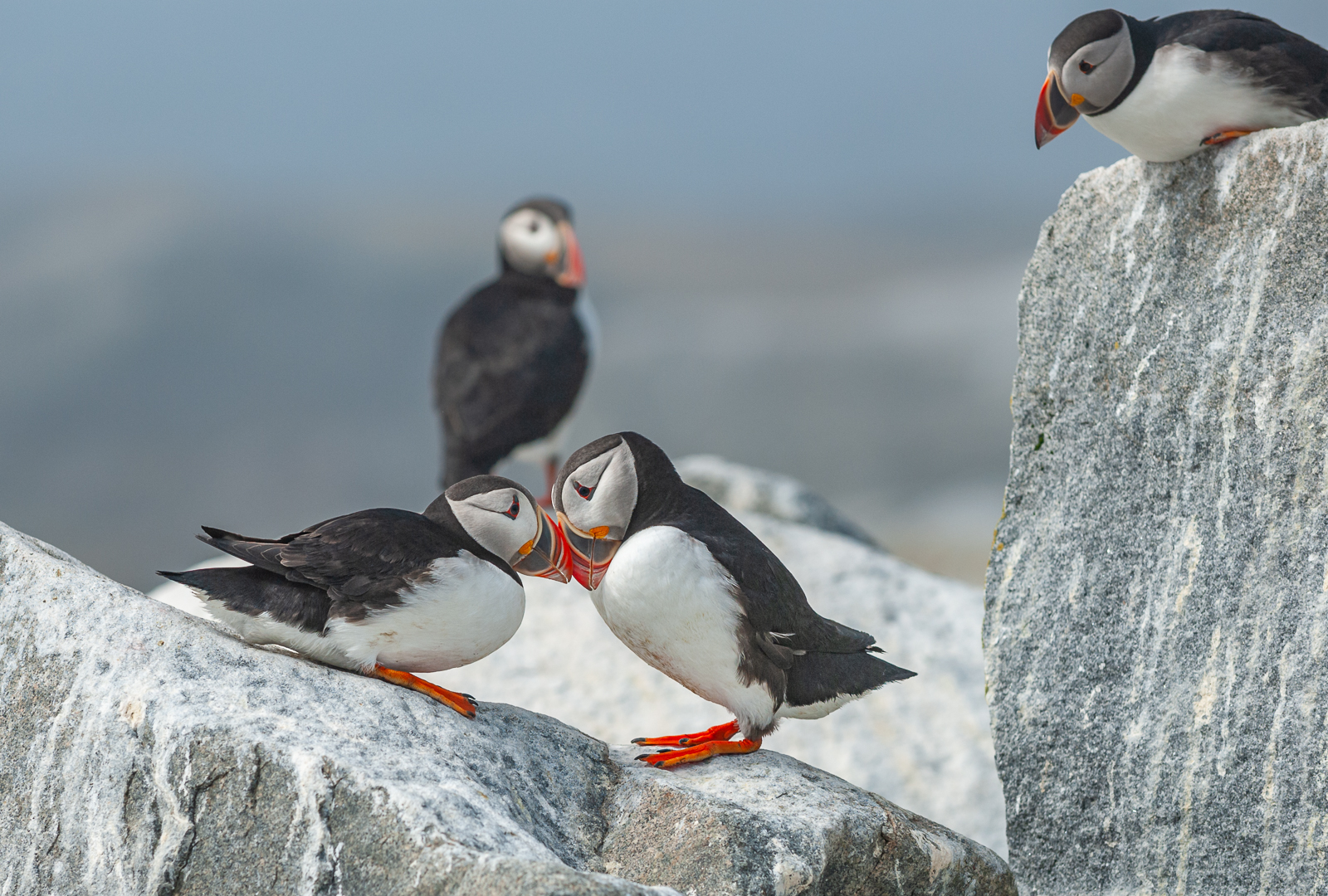
Another one from back in the day. I captured this image of Atlantic puffins on my first visit to Machias Seal Island off the coast of Maine. It’s an interesting place, and a disputed territory between the United States and Canada. We say it’s part of Maine. They say it’s part of New Brunswick. Canada owns the lighthouse on the island. Maine runs birdwatching tours and maintains a series of hides that allow for close encounters with nesting puffins, razorbills and other sea birds. Nikon D200 with Nikkor 70-200mm lens (at 160mm) ISO 100, f/4 at 1/2000th of a second.
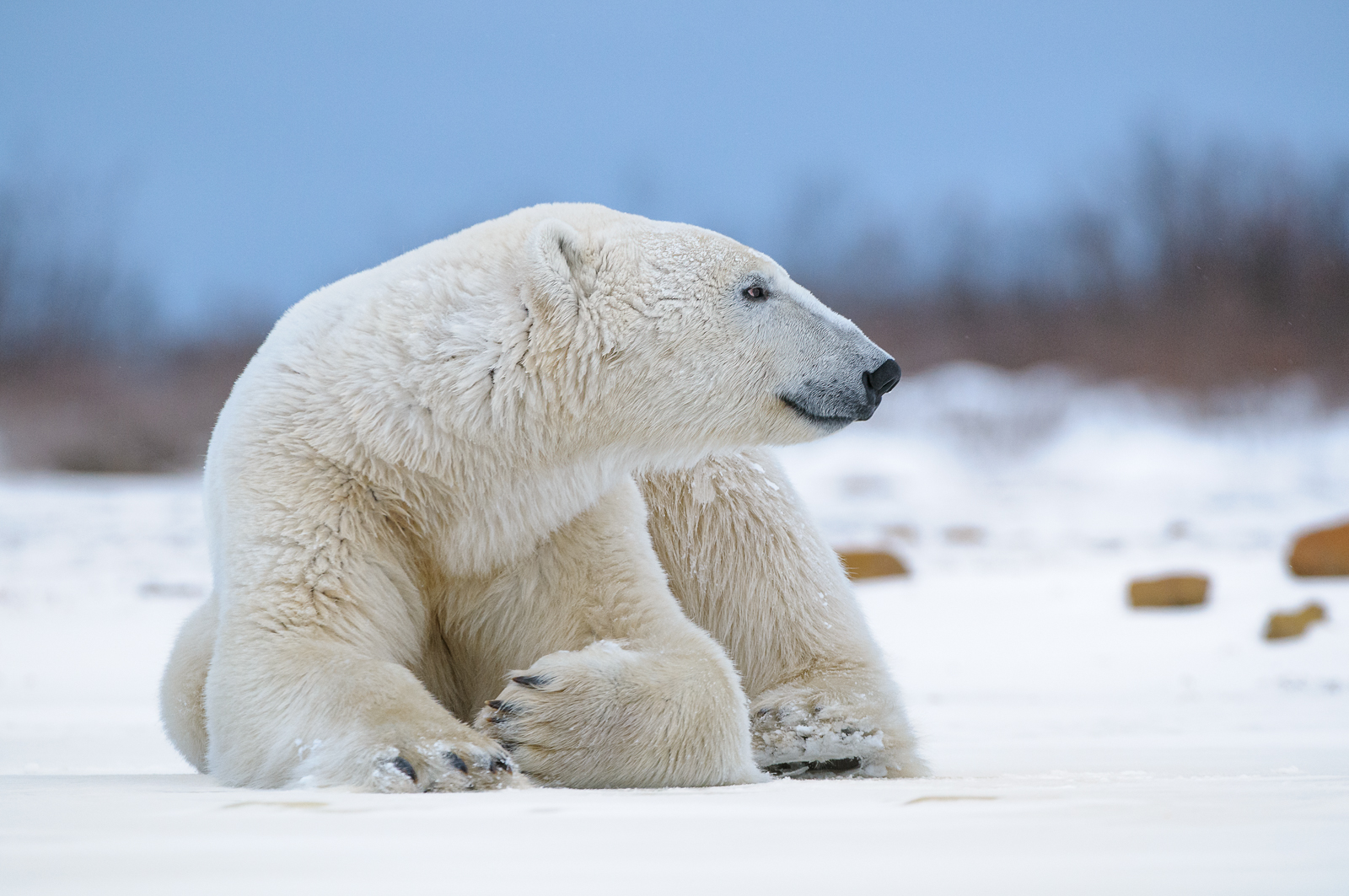
Here’s one from my trip to Seal River in northern Manitoba, Canada back in 2010. The great thing about seeing polar bears at Seal River Lodge is that you get to be on ground level with them. This guy was lying down on the ice. So was I. Take a look at the size of those paws. Nikon D300 with 200-400mm lens (at 340mm) ISO 800, f/4.5 at 1/500th of a second.
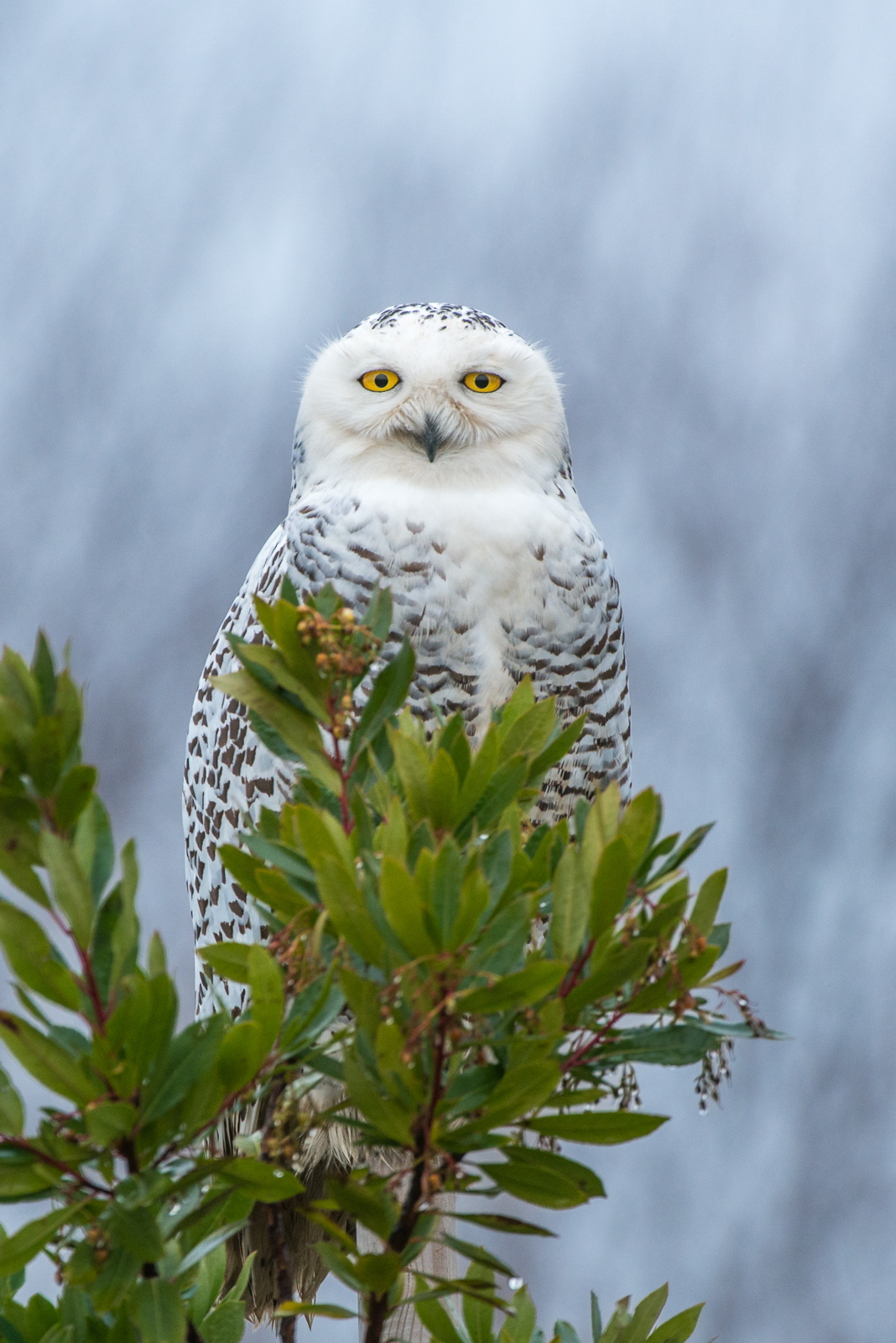
Years ago I made a trip to southern British Columbia in search of snowy owls. I’ve already posted a lot of the flight shots from that trip. Here’s a simple portrait of one of the owls perched on a post at the end of the day. Nikon D800 with Nikkor 200-400mm lens (at 400mm) ISO 500, f/5 at 1/1000th of a second.
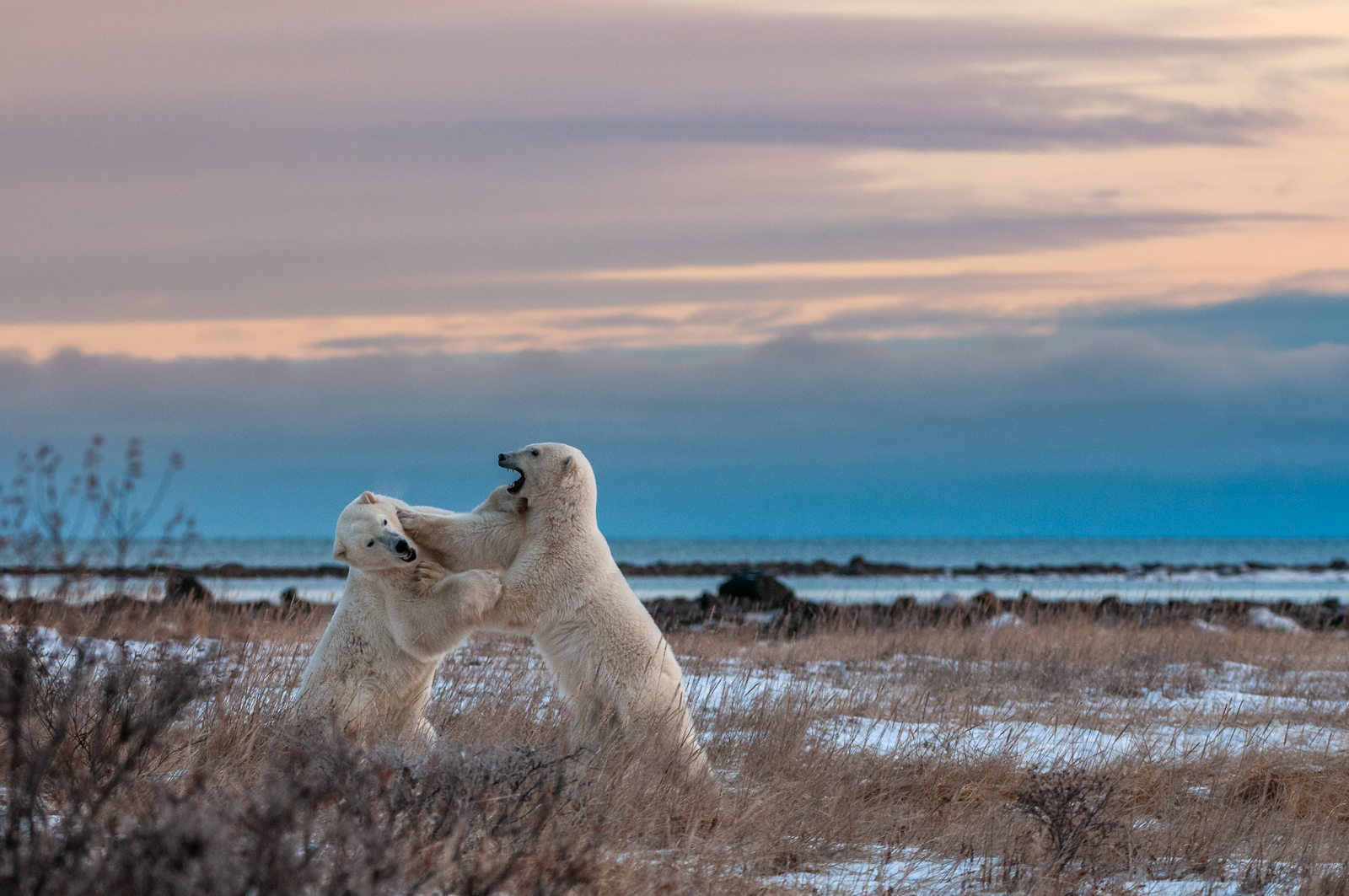
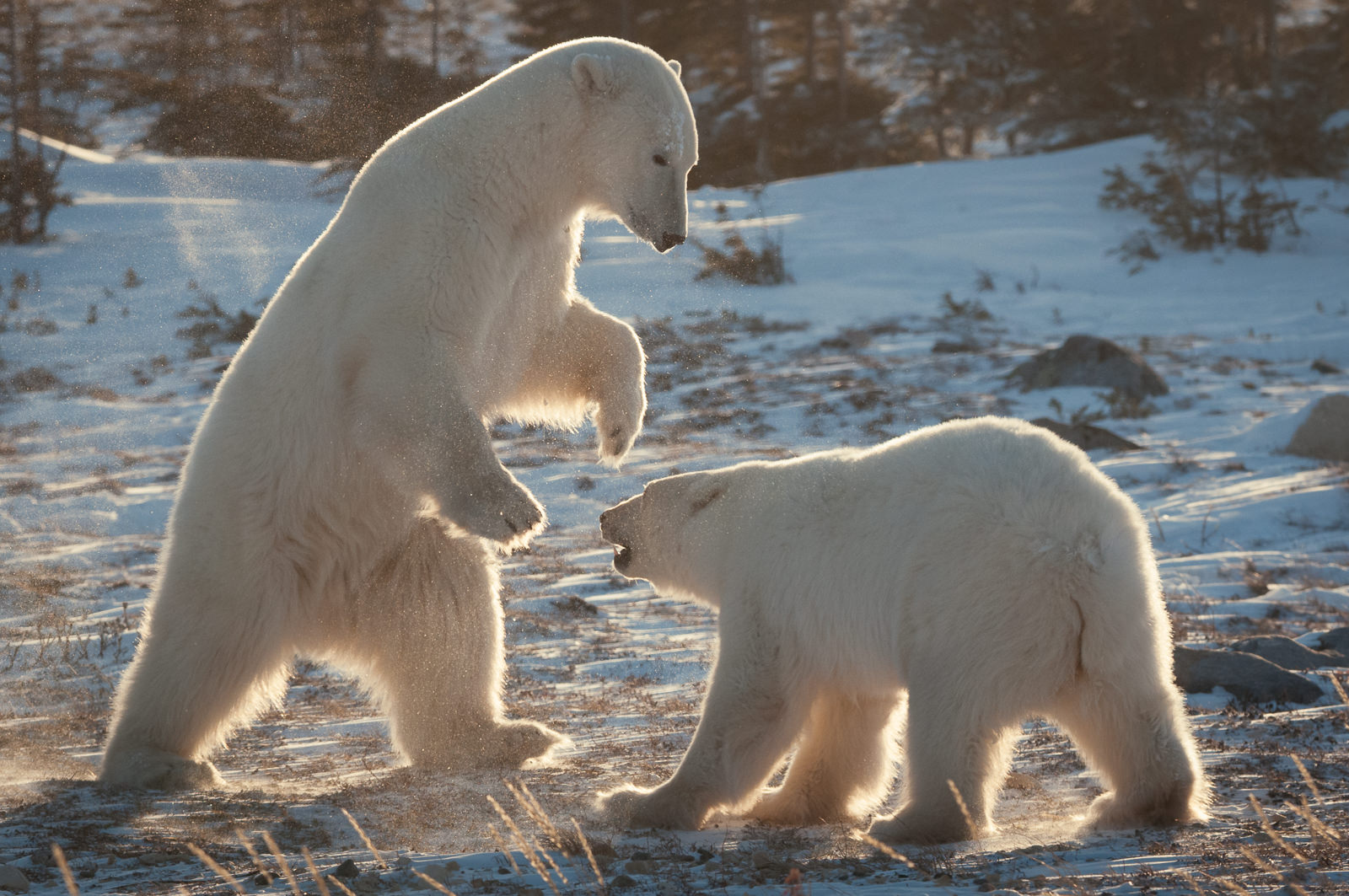
When polar bears are waiting for the ice to freeze over so they can go out and hunt, they get bored. And when they get bored, they fight, play, dance, whatever it takes to pass the time until it’s time to eat. Photographed at Seal River in upper Manitoba, Canada. Nikon D300 with Nikkor 200-400mm lens (at 220mm) ISO 800, f/5.6 at 1/500th of a second.
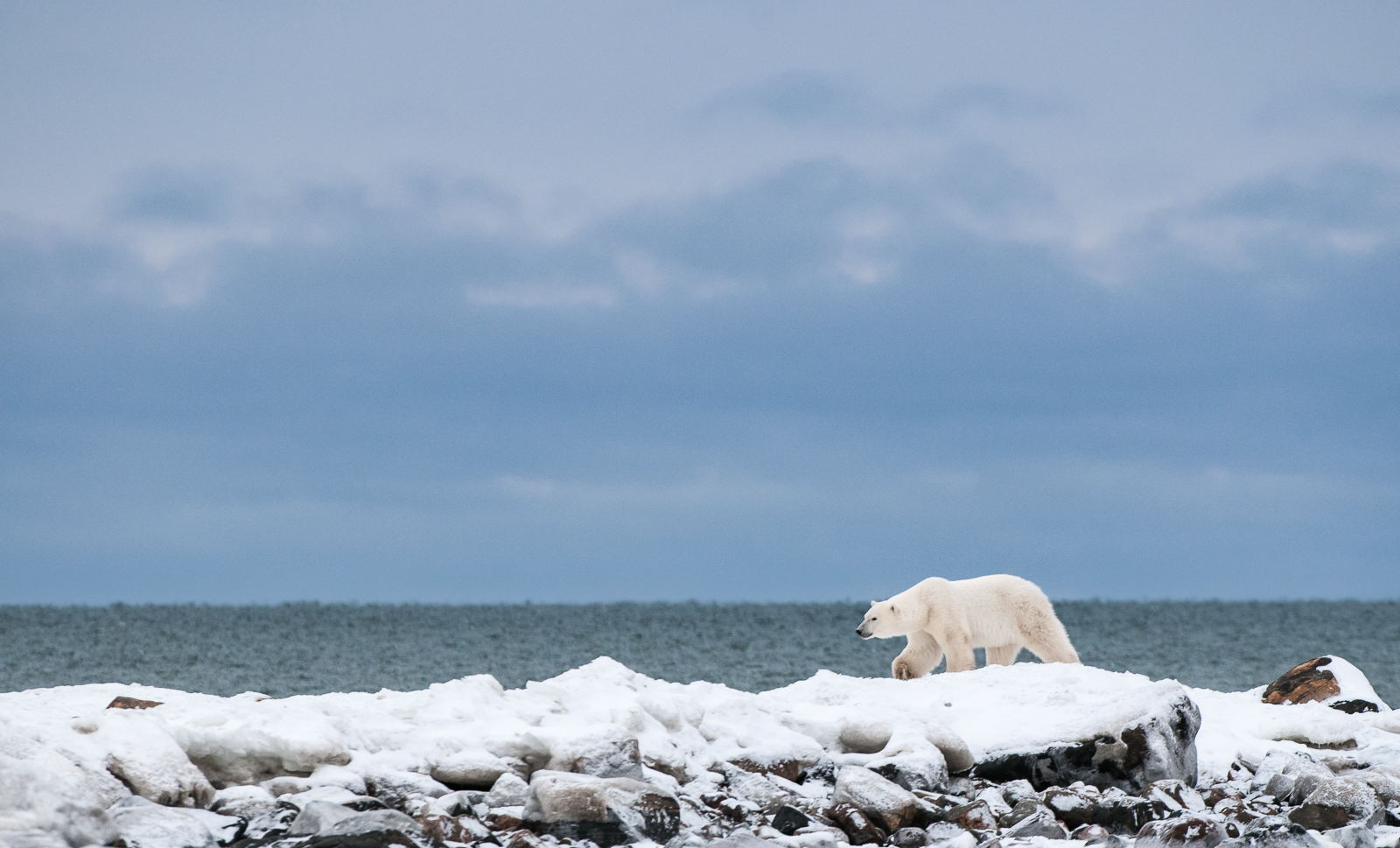
A polar bear walks along the shoreline of the Hudson Bay, waiting for the water to freeze so that he can go out and hunt seals. Nikon D300 with Nikkor 200-400mm lens (at 400mm) ISO 800, f/5.6 at 1/1000th of a second.
We use cookies to enhance your experience while using our website. If you are using our Services via a browser you can restrict, block or remove cookies through your web browser settings. We also use content and scripts from third parties that may use tracking technologies. You can selectively provide your consent below to allow such third party embeds. For complete information about the cookies we use, data we collect and how we process them, please check our Privacy Policy


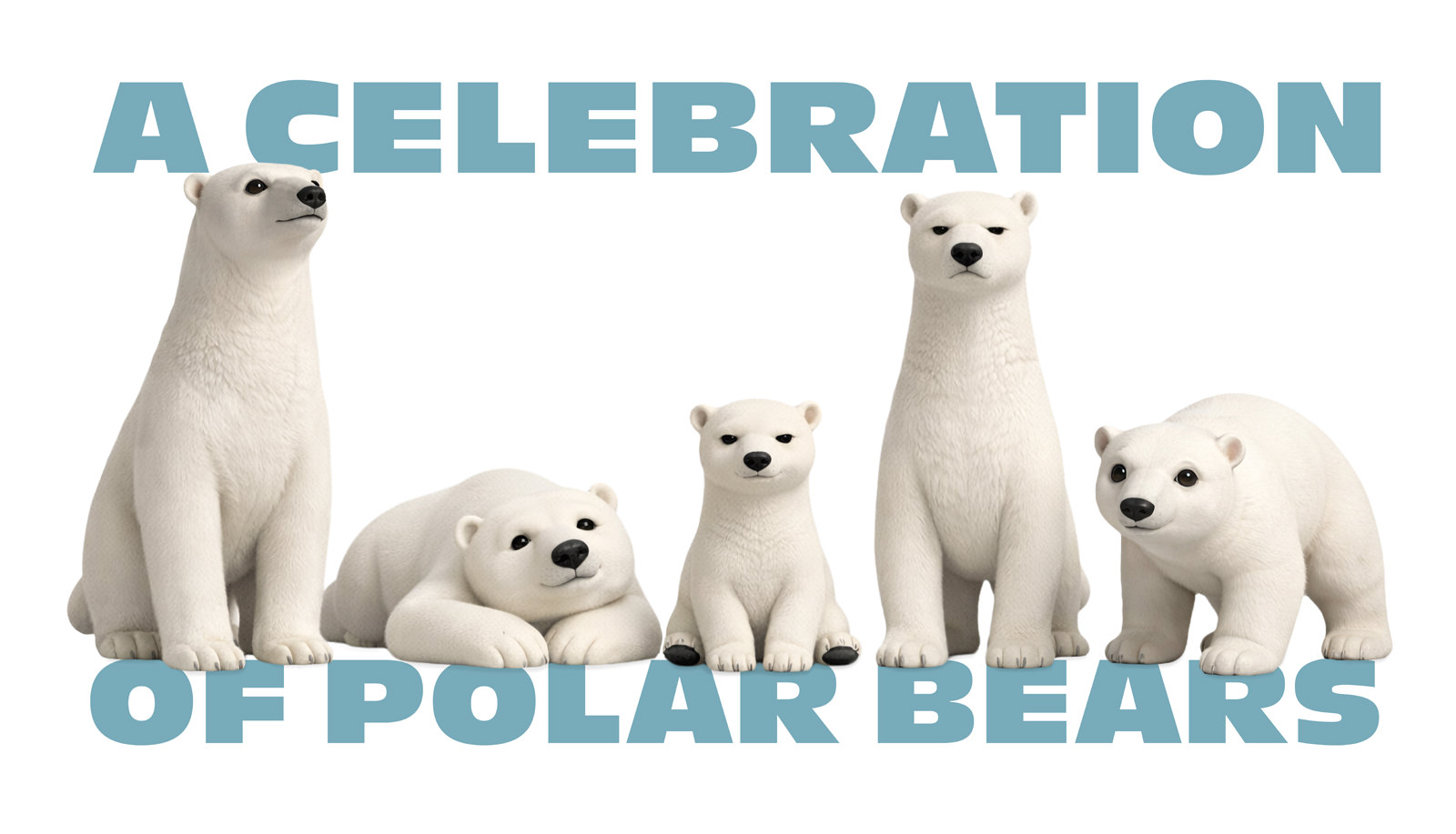 A group of polar bears is sometimes called a celebration. They are famously solitary animals, so seeing more than one together — outside of a mother and cubs — is unusual. When they do gather, it’s often around a large food source like a whale carcass or when waiting for the ice to freeze so that they can go hunt, and the sight of several massive white bears on the sea ice can feel rare and almost momentous. The word celebration captures that sense of spectacle and rarity — a remarkable gathering in an otherwise vast, empty Arctic landscape. To get your Celebration of Polar Bear merchandise, visit Species Limited.Nikon D300 with Nikkor 70-200mm lens (at 135mm) ISO 400, f/6.3 at 1/1600th of a second.