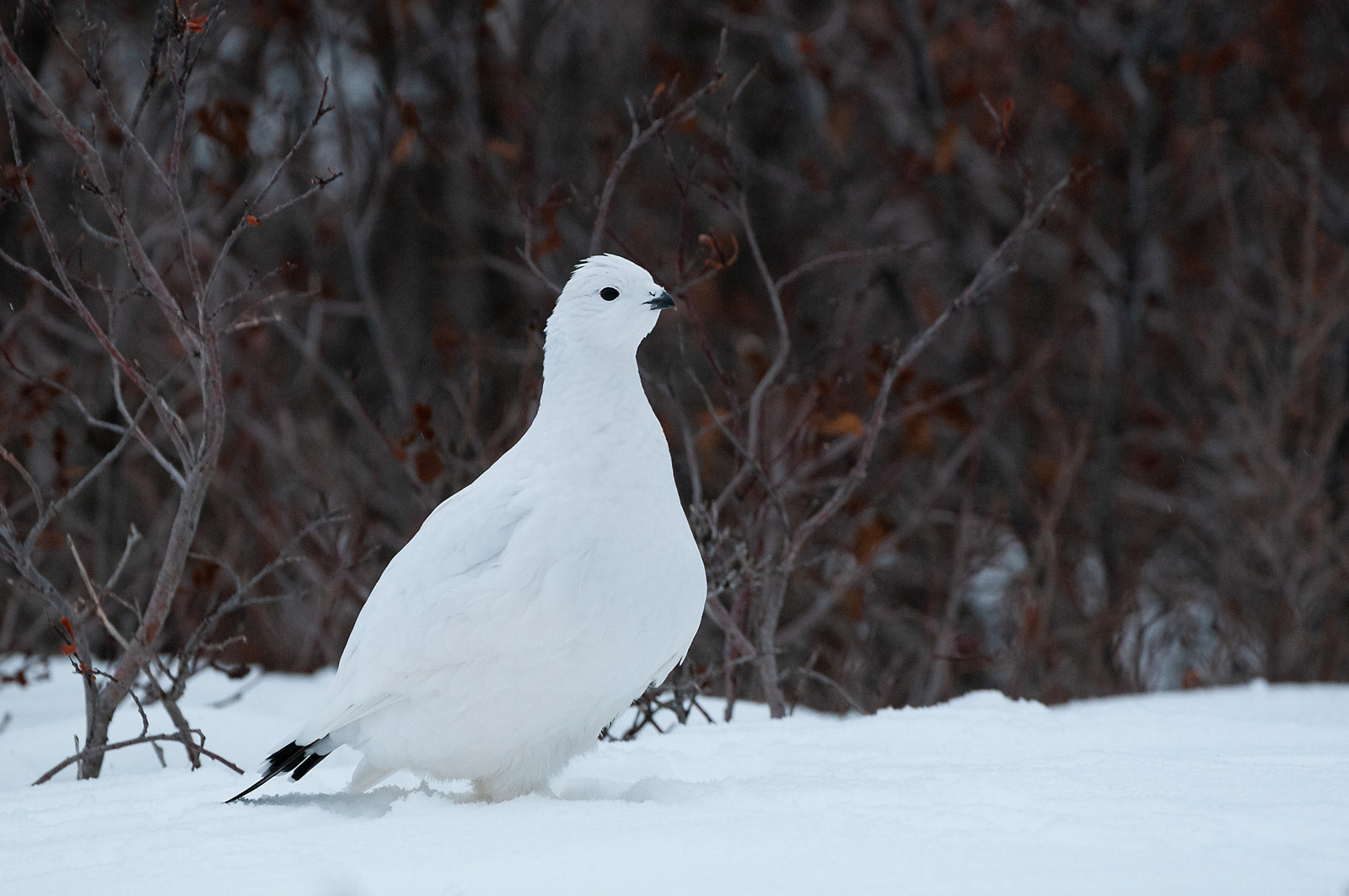
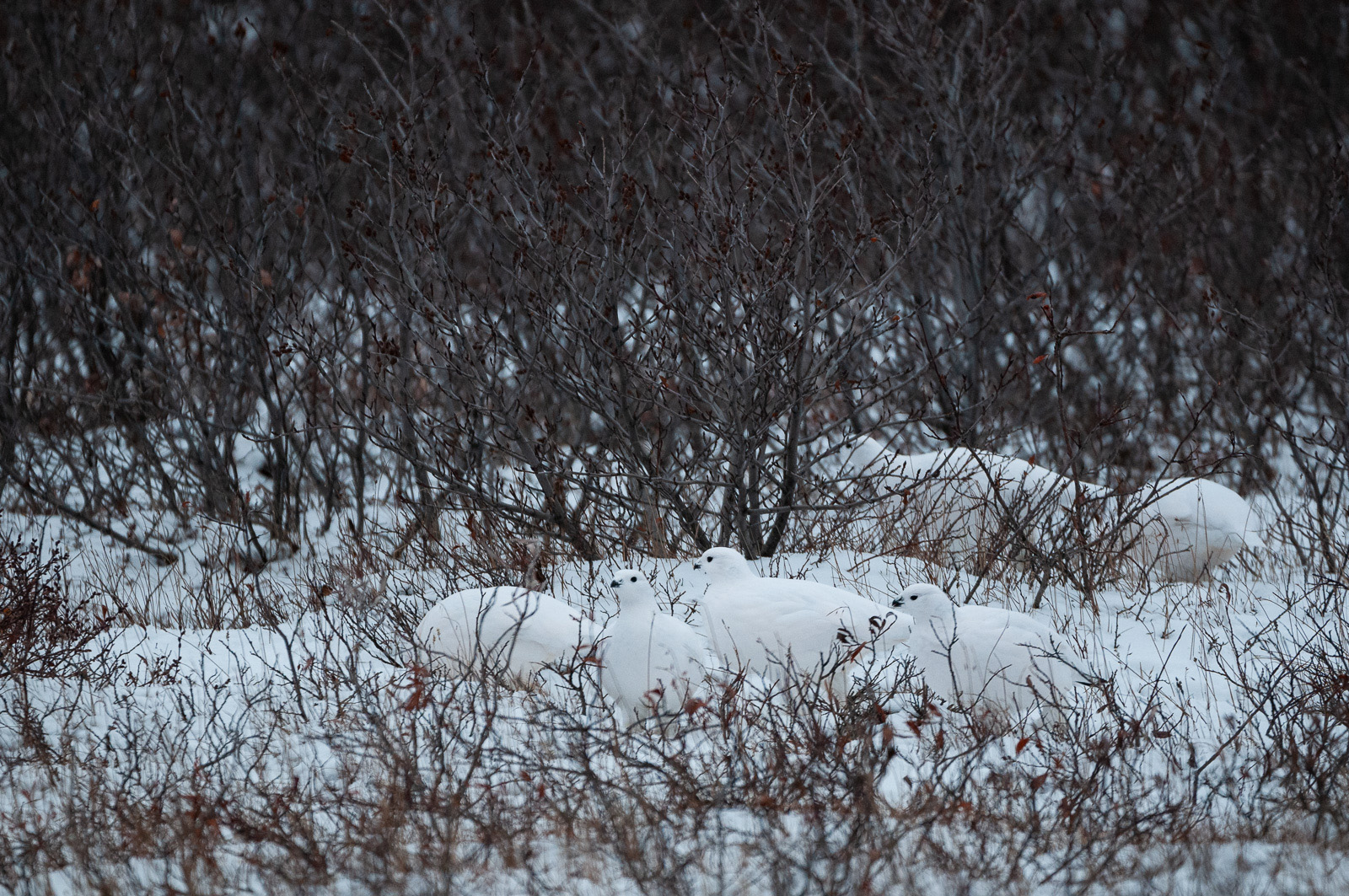
Willow ptarmigan are ground-dwelling birds that range throughout the world’s northern regions. Like snowshoe hares and arctic fox, they adapt to their snowy environment by turning completely white in the winter months. As you can see from the bottom photo, this provides them great camouflage amidst the snow and willows where they spend the majority of their time. I photographed these ptarmigan in northern Manitoba, Canada while out searching for polar bears. Top photo: Nikon D300 with Nikkor 200-400mm lens (at 400mm) ISO 800, f/5 at 1/200th of a second. Bottom photo: Nikon D300 with Nikkor 200-400mm lens (at 400mm) ISO 800, f/4 at 1/500th of a second.
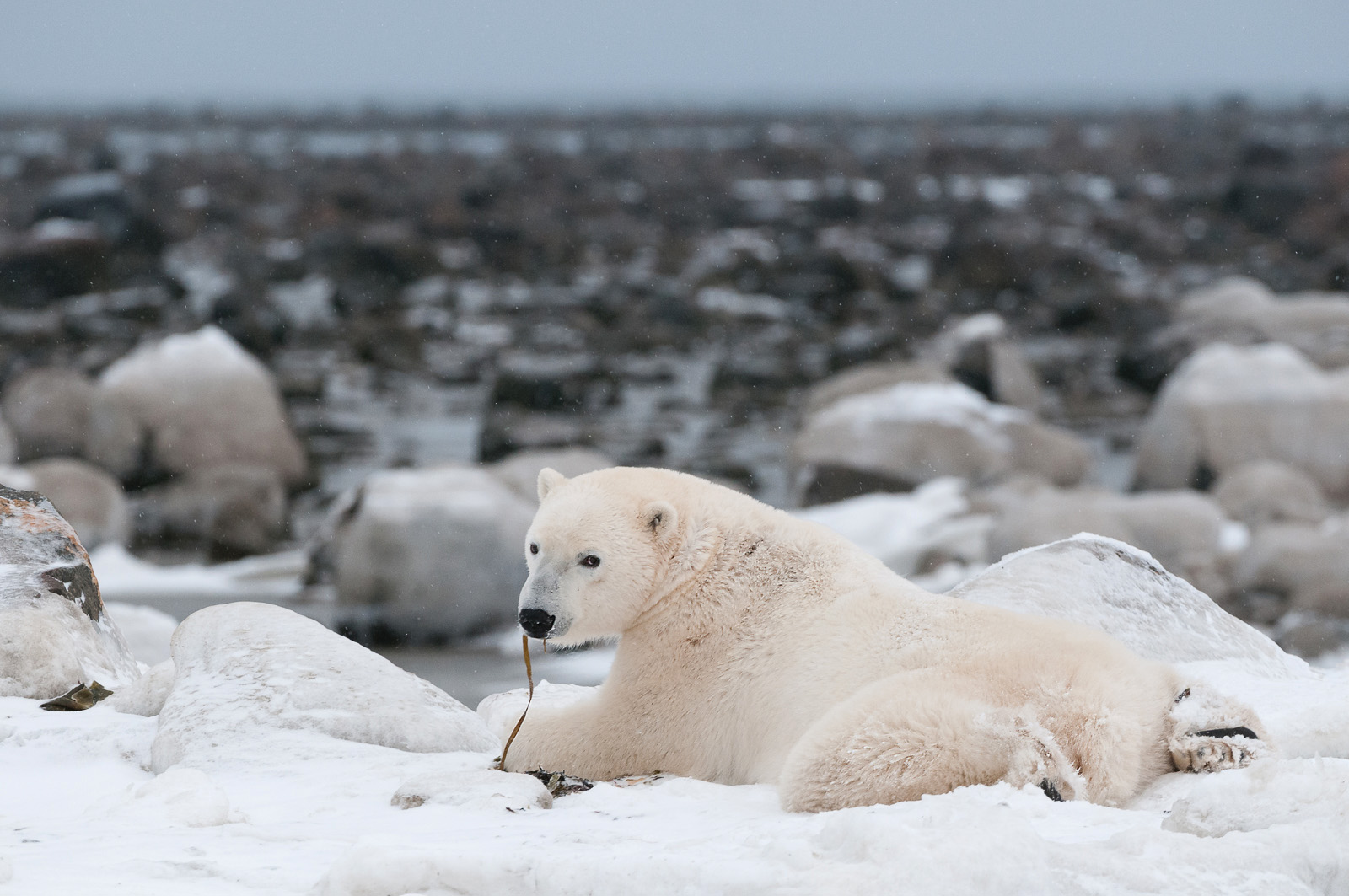
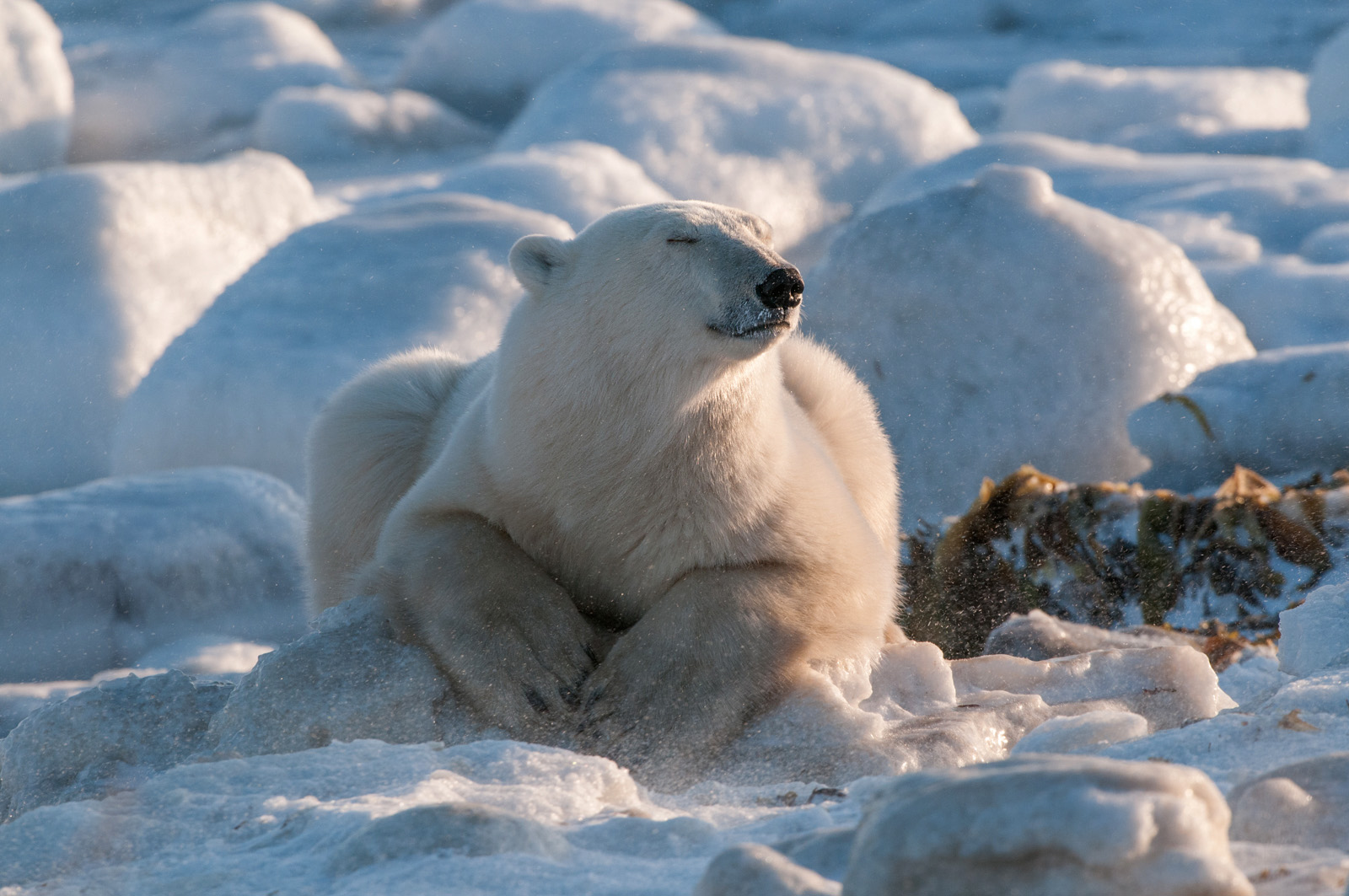
My mother’s dog Rogan (RIP Rogan) used to sit like this and we would call it the frogger position. We like to anthropomorphize animals like that (attribute human characteristics). But since being a dog owner myself, I can’t help also seeing canine features in other animals — be it the face of a seal, the muzzle of a lion, or the resting position of a polar bear. Nikon D300 with Nikkor 200-400mm lens (at 360mm) ISO 800, f/5.6 at 1/320th of a second.
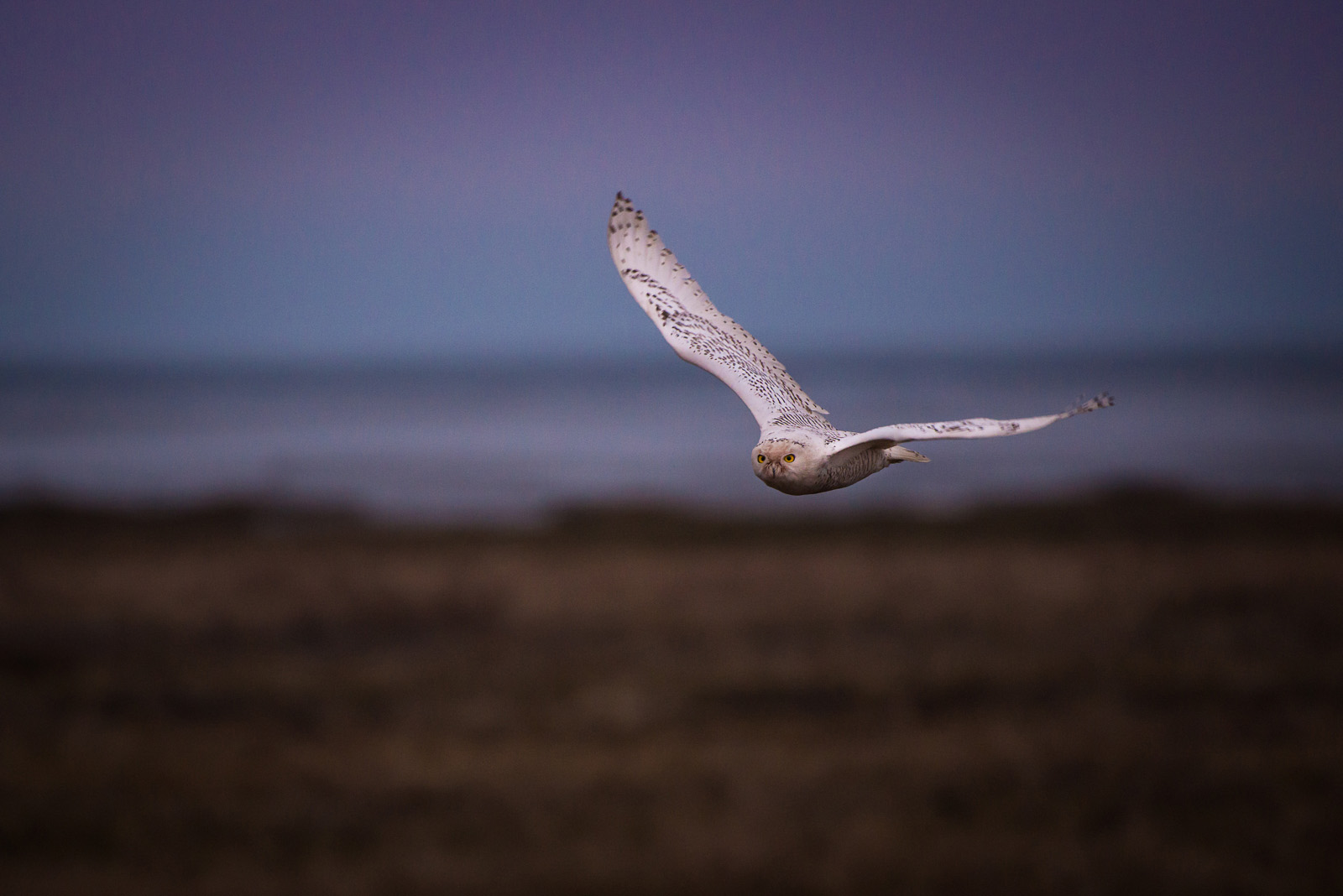
I took a trip to Boundary Bay, just south of Vancouver, a few years back in search of snowy owls. I had just enough light left when this one took flight above the marsh, in search of an evening snack. Nikon D800 with Nikkor 200-400mm lens (at 400mm), ISO 1600, f/4 at 1/400th of a second.
This polar bear seemed to be enjoying the arctic breeze on a beautifully freezing day in northern Manitoba, Canada. Nikon D300 with Nikkor 200-400mm lens (at 380mm) ISO 400, f/8 at 1/500th of a second
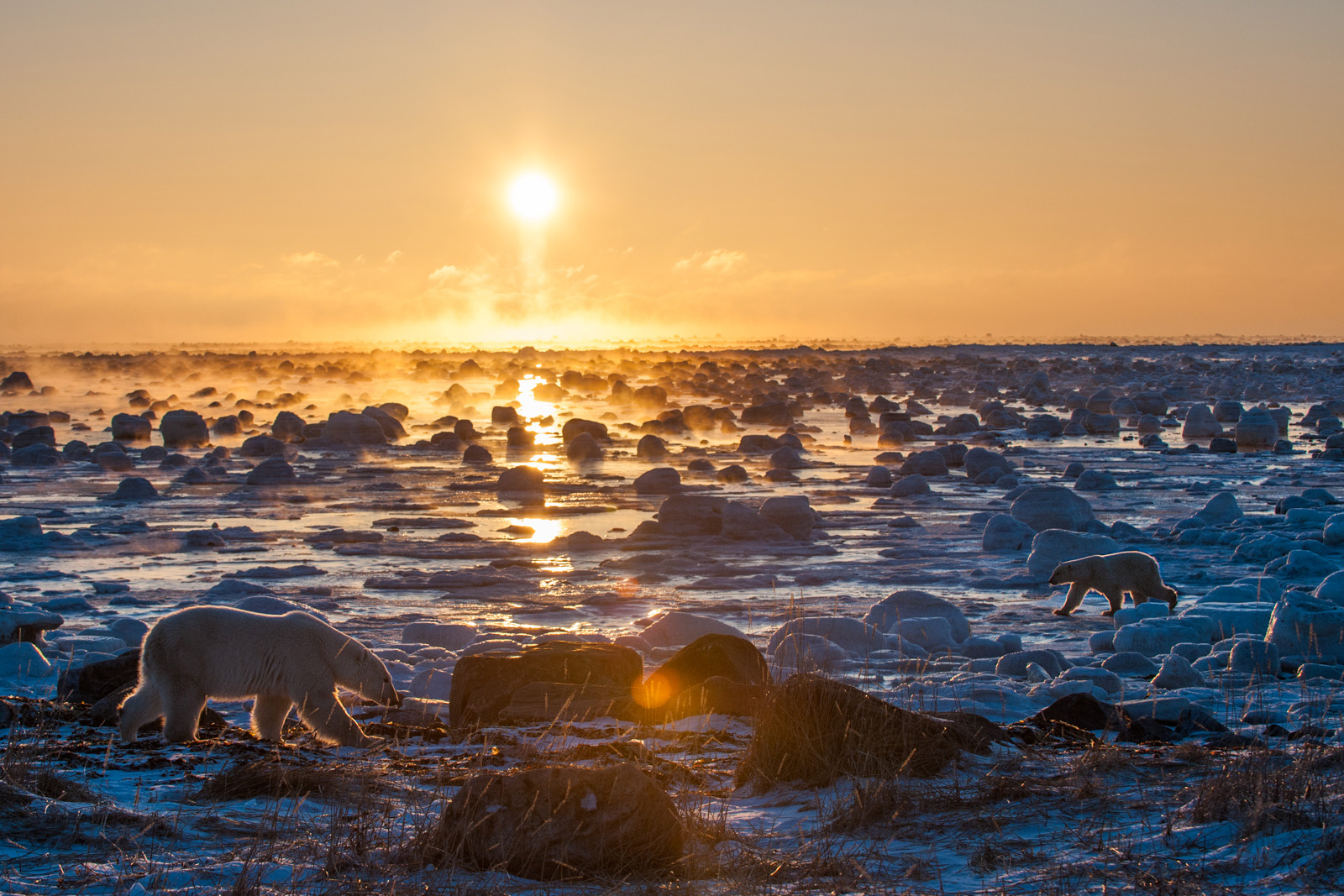
A couple of polar bears crossing paths early in the morning at Seal River in northern Alberta, Canada. The bears congregate on the shoreline in October, passing the time however they can while waiting for Hudson Bay to freeze over so that they can go out and hunt for seals. It might look warm, but the wind chill was -27 degrees Fahrenheit that day. Nikon D700 with Nikkor 70-200mm lens (at 78mm) ISO 400, f/8 at 1/2000th of a second
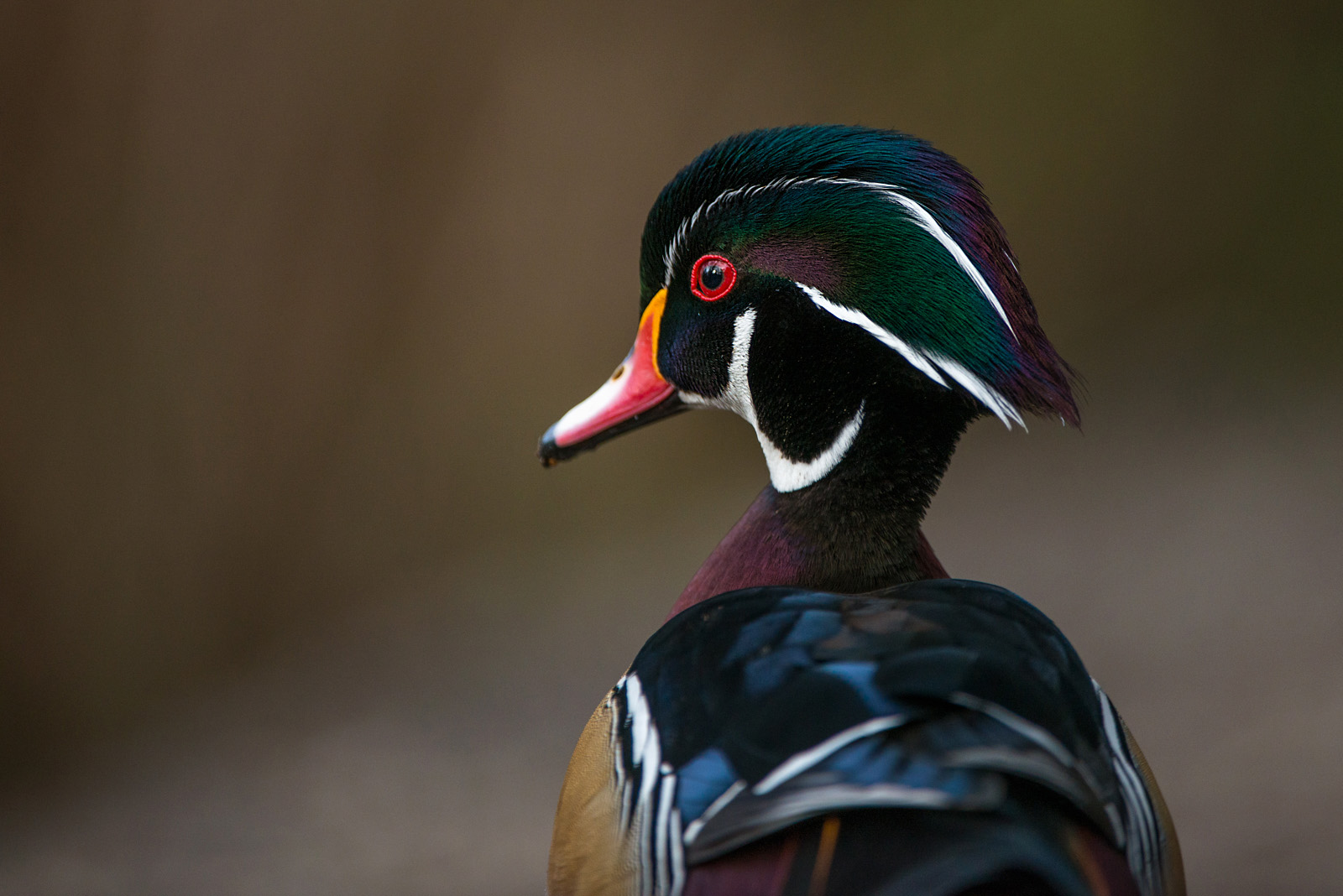
This lovely wood duck goes out to my lovely wife on this, our 5-year (wood) anniversary. Nikon D800 with Nikkor 200-400mm lens (at 400mm) ISO 640, f/4 at 1/1000th of a second
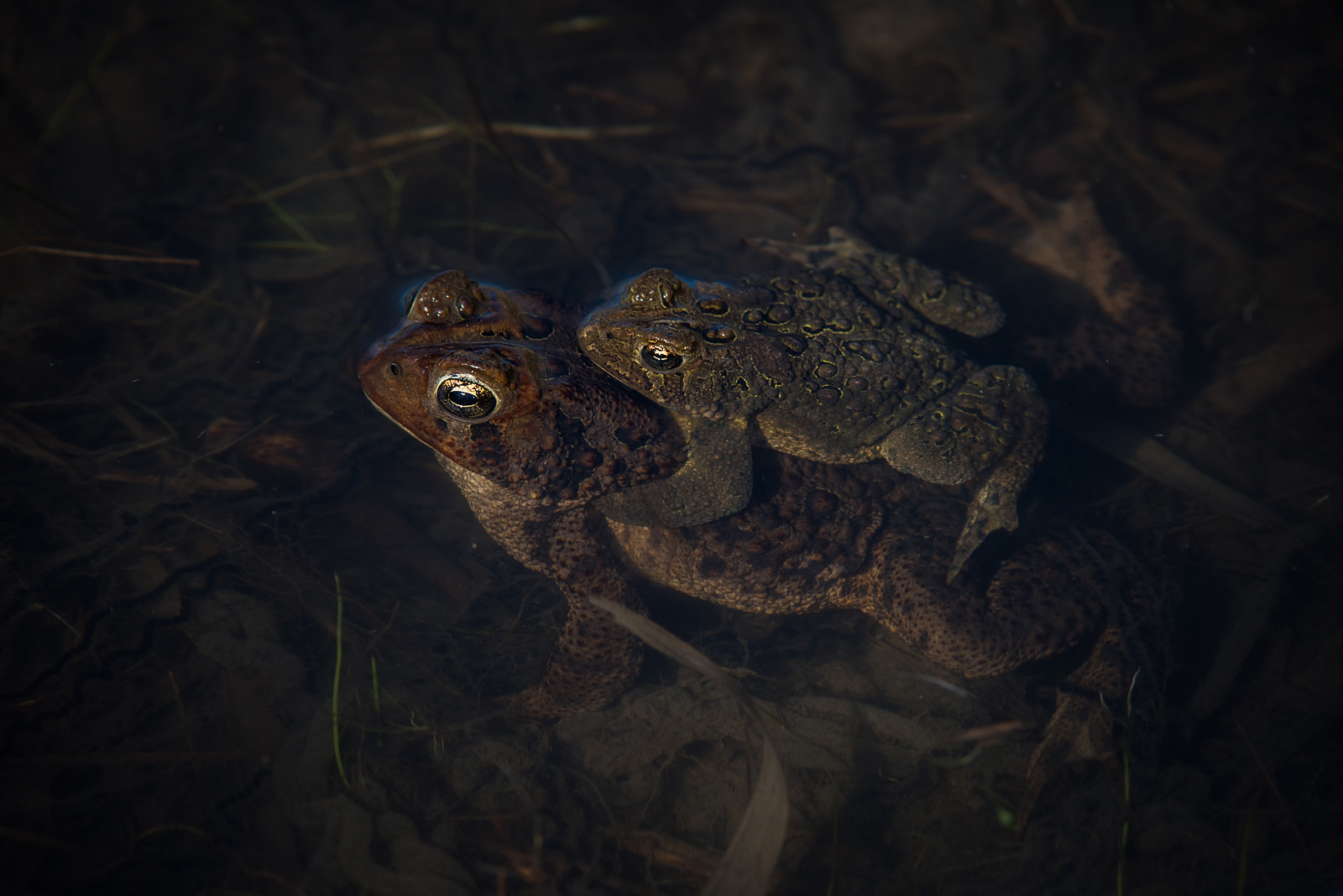
These two American toads were doing what they do to make more American toads. The little guy on top is the male — as with many amphibians, considerably smaller than the female. We were in Tommy Thompson Park in Toronto. Nikon D810 with Nikkor 200-400mm lens (at 350mm) ISO 400, f/10 at 1/500th of a second
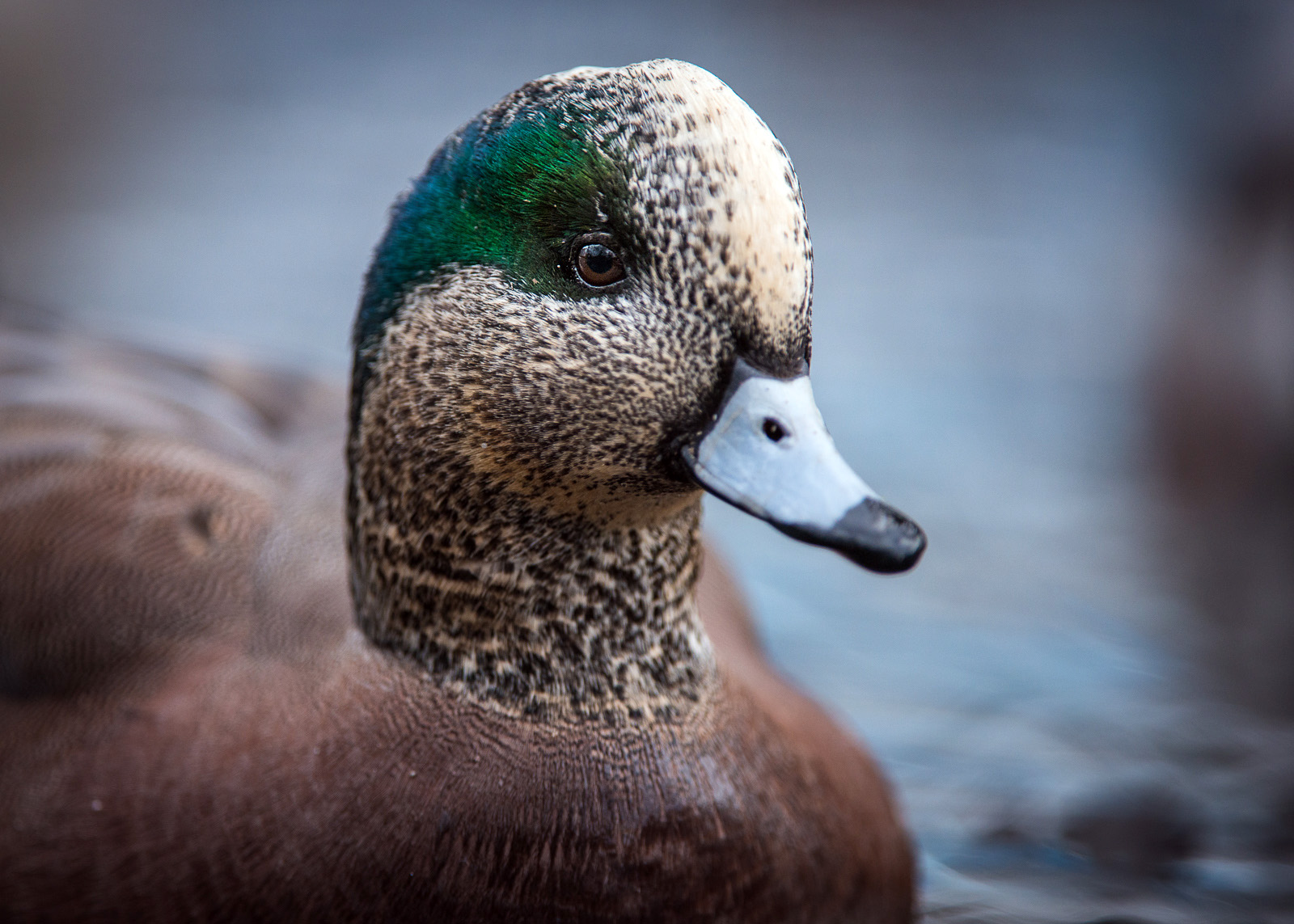
The American wigeon is a fine looking duck, especially the males with the green patch around the eye. They are also known by a few nicknames — one being the baldpate due to the white patch of feathers on the head, and the other being the poacher, due to their tendency to grab and steal vegetation brought to the surface by other diving water birds. Nikon D800 with Nikkor 200-400mm lens (at 400mm) ISO 800, f/4 at 1/1000th of a second
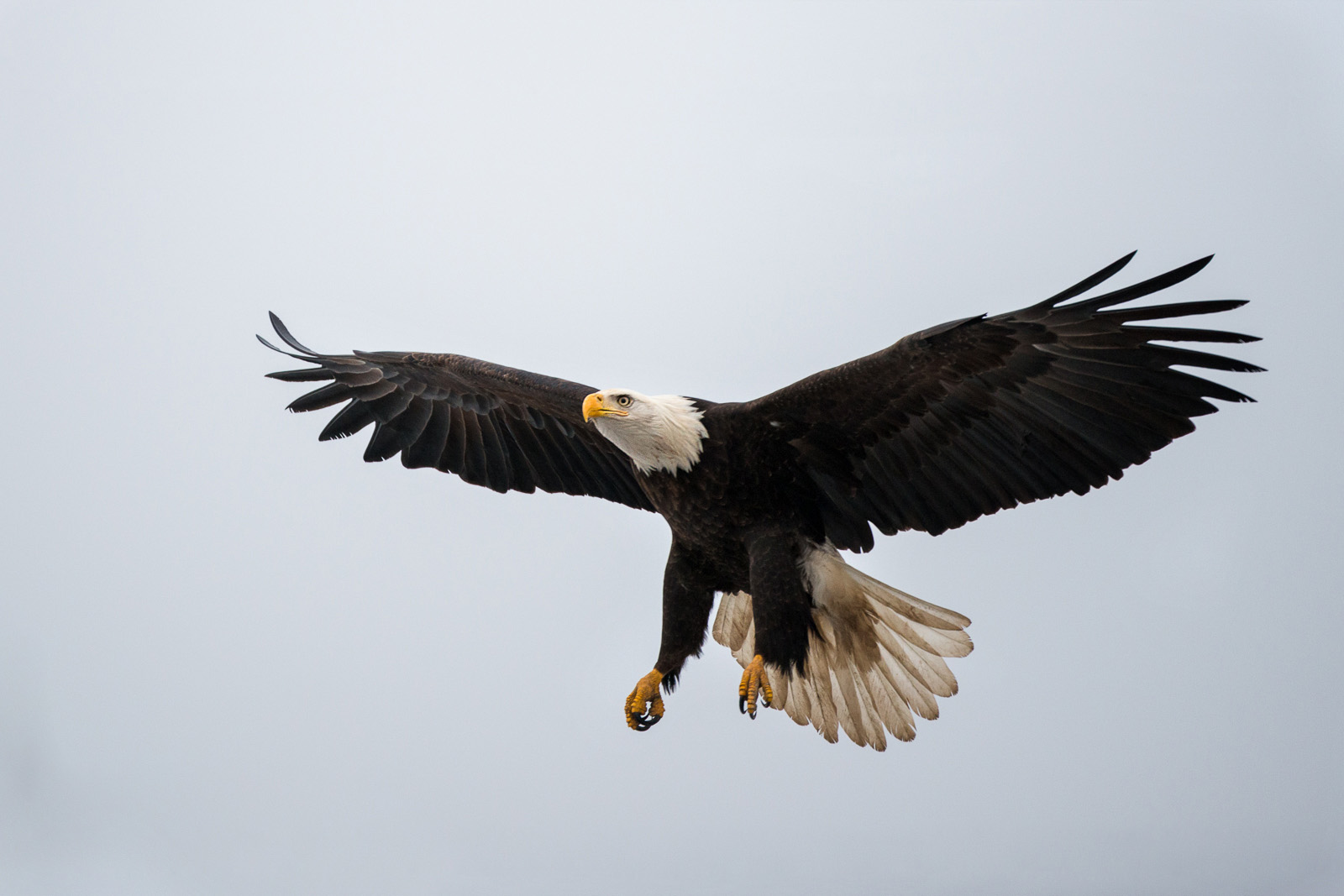
This one is kind of self explanatory. I mean, I’m a Broncos fan, but that was one heck of a game tonight. Congrats Philly. I photographed this bald eagle just north of the US/Washington state border in Boundary Bay, British Columbia, Canada. I was there for the snowy owls, but the eagles were also well represented and posing for the camera. Nikon D800 with Nikkor 200-400mm lens (at 400mm) ISO 800, f/4 at 1/1250th of a second
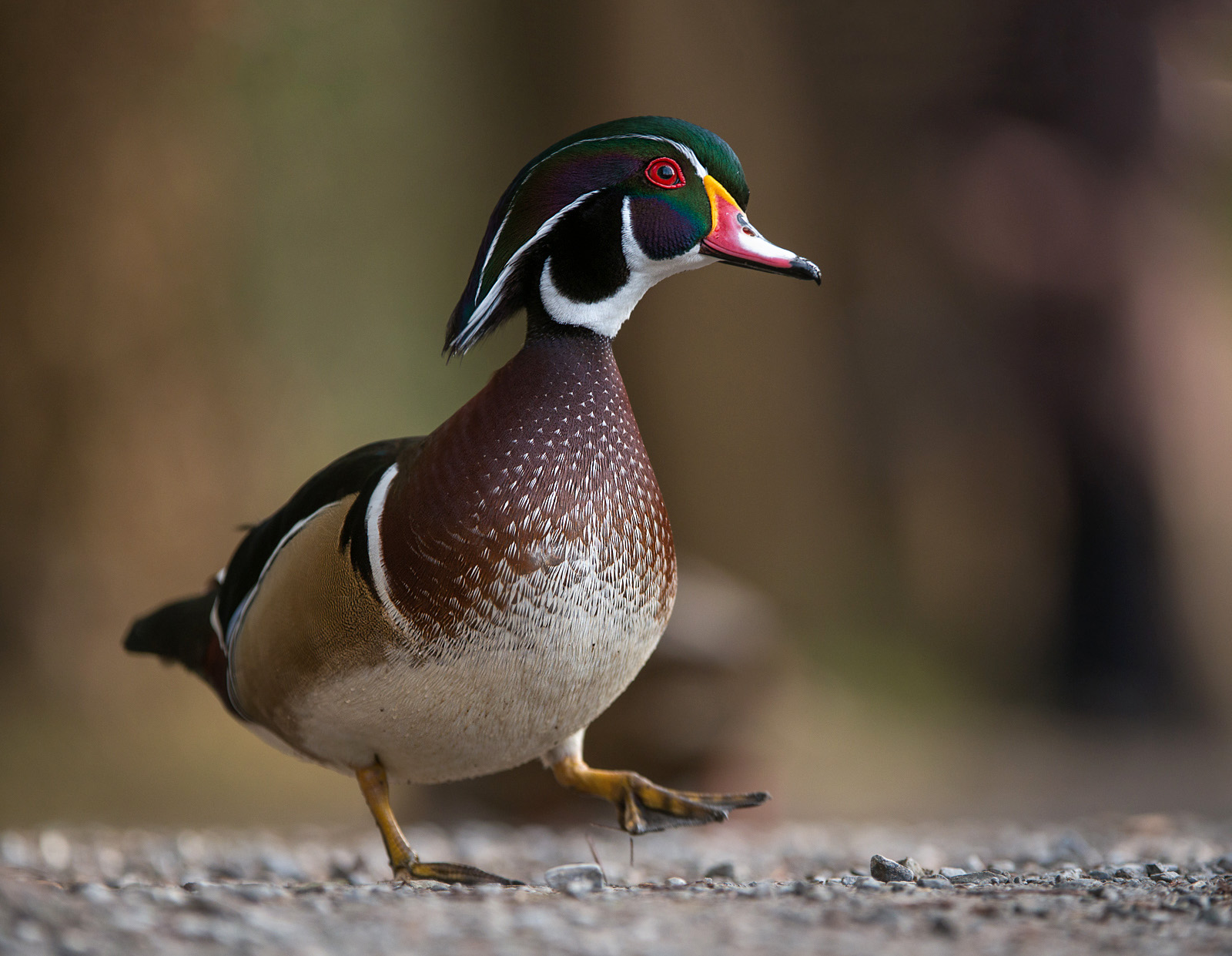
A wood duck drake struts along from one pond to another in Reifel Bird Sanctuary just outside of Vancouver, British Columbia. Nikon D800 with Nikkor 200-400mm lens (at 280mm) ISO 800, f/4 at 1/400th of a second
We use cookies to enhance your experience while using our website. If you are using our Services via a browser you can restrict, block or remove cookies through your web browser settings. We also use content and scripts from third parties that may use tracking technologies. You can selectively provide your consent below to allow such third party embeds. For complete information about the cookies we use, data we collect and how we process them, please check our Privacy Policy