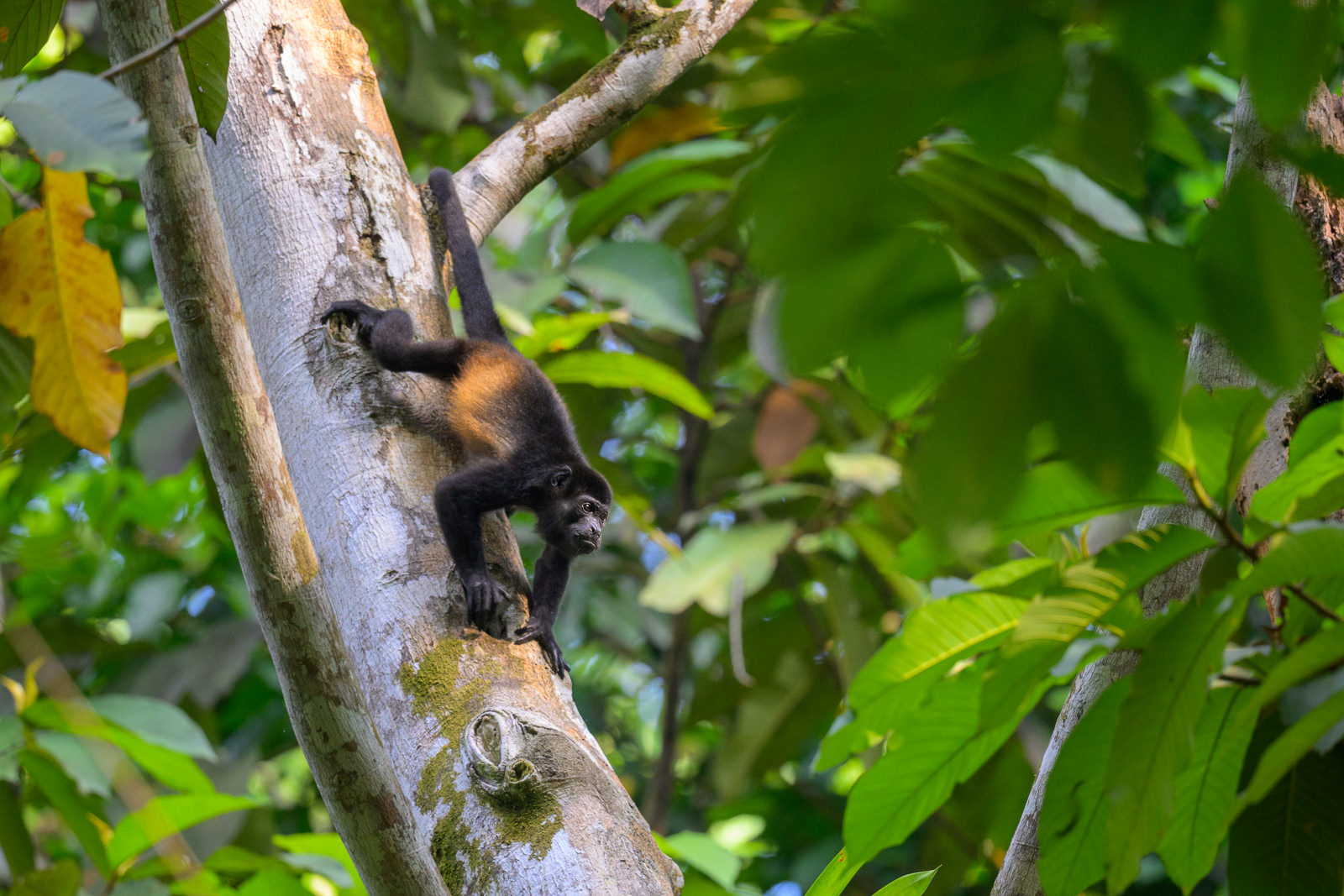
Mantled howler monkeys are best known for their deep, booming calls, which can carry for several miles through the rainforest and help neighboring groups avoid unnecessary conflicts. Despite their large size and powerful voices, they spend much of the day resting and feeding on leaves, conserving energy from their relatively low-calorie diet. Nikon Z8 with Nikkor 500mm PF lens, ISO 1400, f/5.6 at 1/320th of a second.
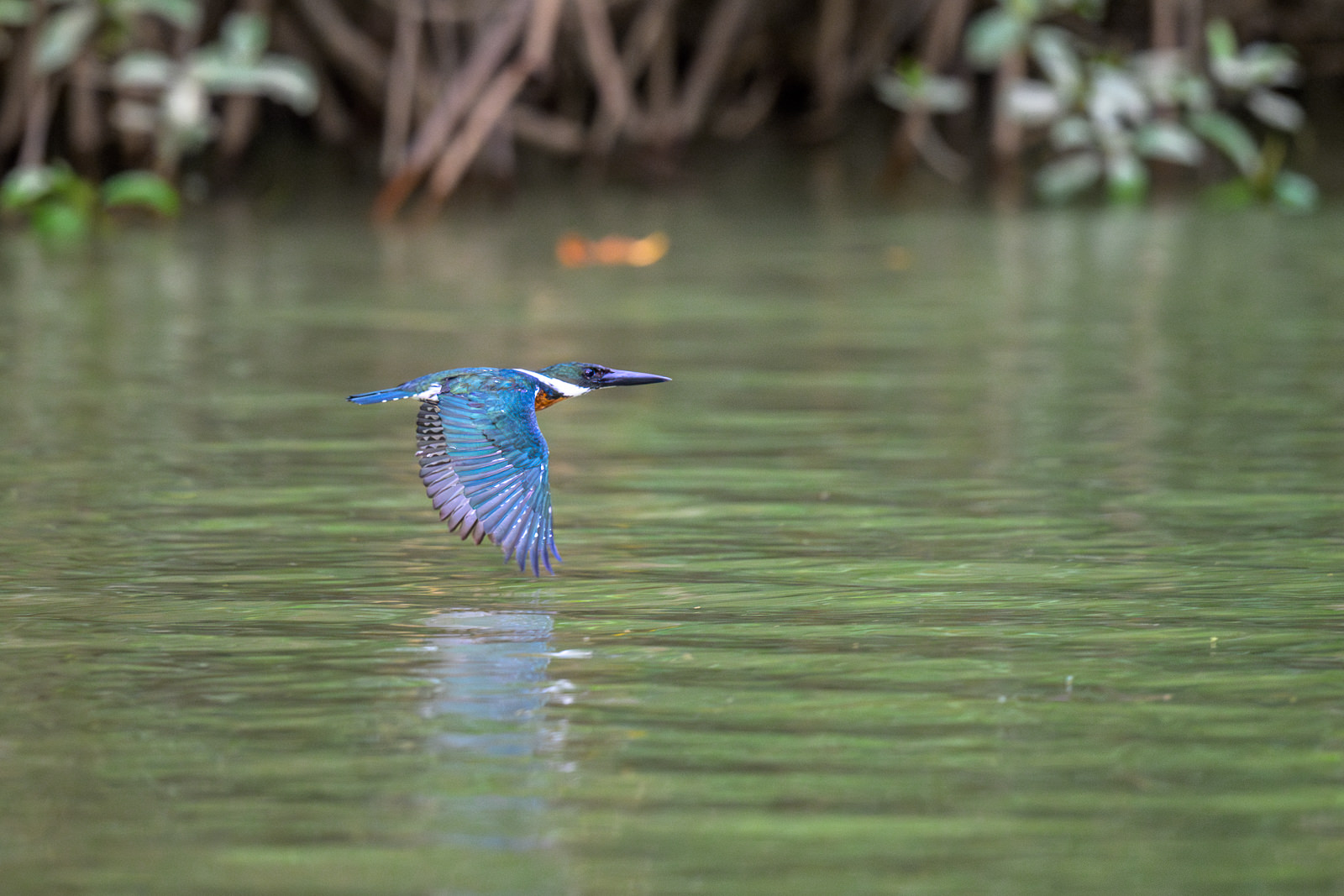
The ringed kingfisher is the largest kingfisher in the Americas, often seen patrolling rivers and wetlands from a high perch or in direct flight just above the water. It hunts primarily fish, plunging headfirst into the water before returning to a perch to swallow its catch. Nikon Z8 with Nikkor 500mm PF lens, ISO 5000, f/5.6 at 1/2500th of a second.
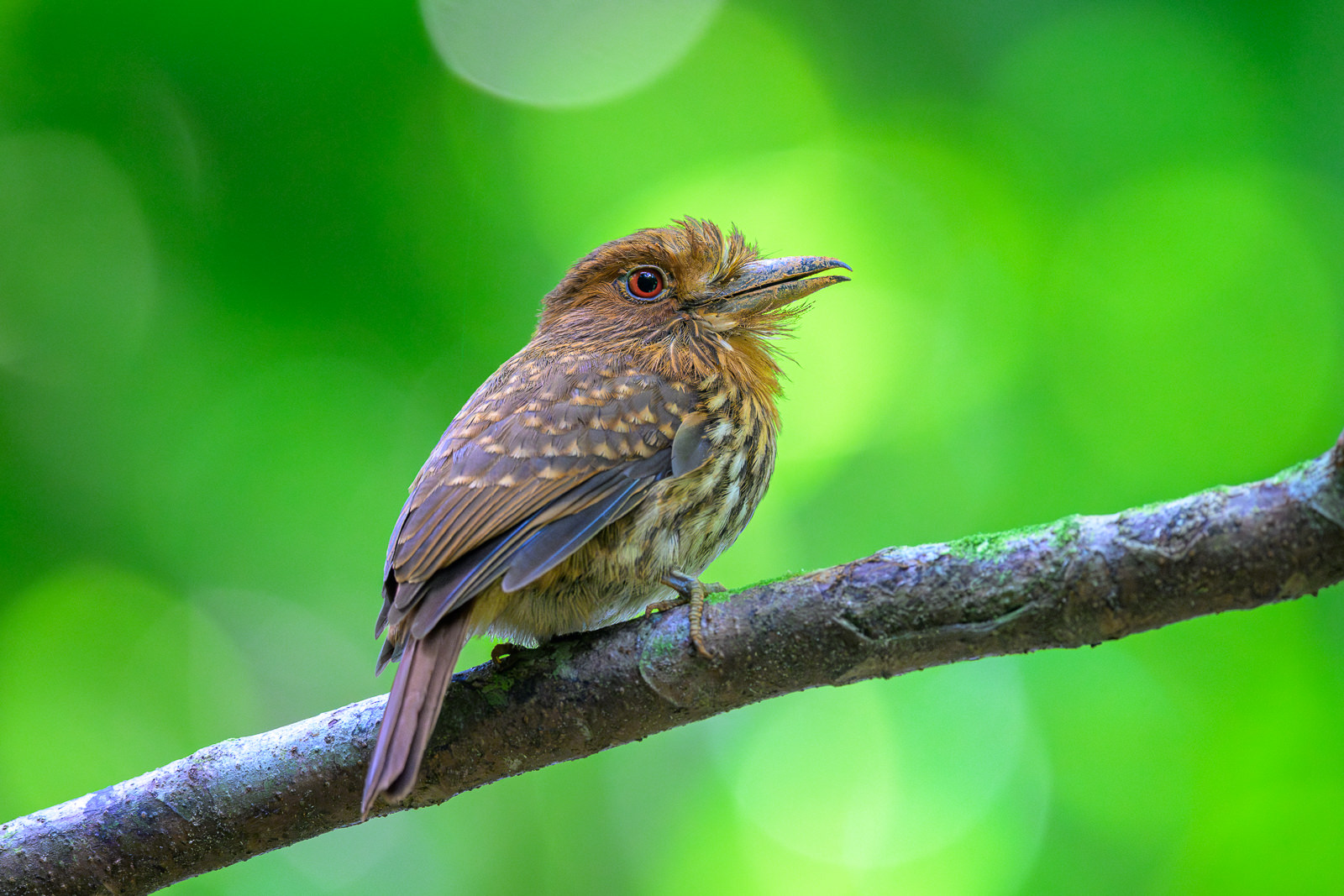
The white-whiskered puffbird is a chunky, sit-and-wait hunter found in the lowland forests of Central and South America. Its shaggy plumage and long white facial bristles give it a perpetually disheveled look, perfectly suited to life in the shaded understory. Rather than actively searching for prey, it often perches motionless for long periods before darting out to snatch insects from the air or forest floor. Nikon Z8 with Nikkor 500mm PF lens, ISO 4500, f/5.6 at 1/400th of a second.
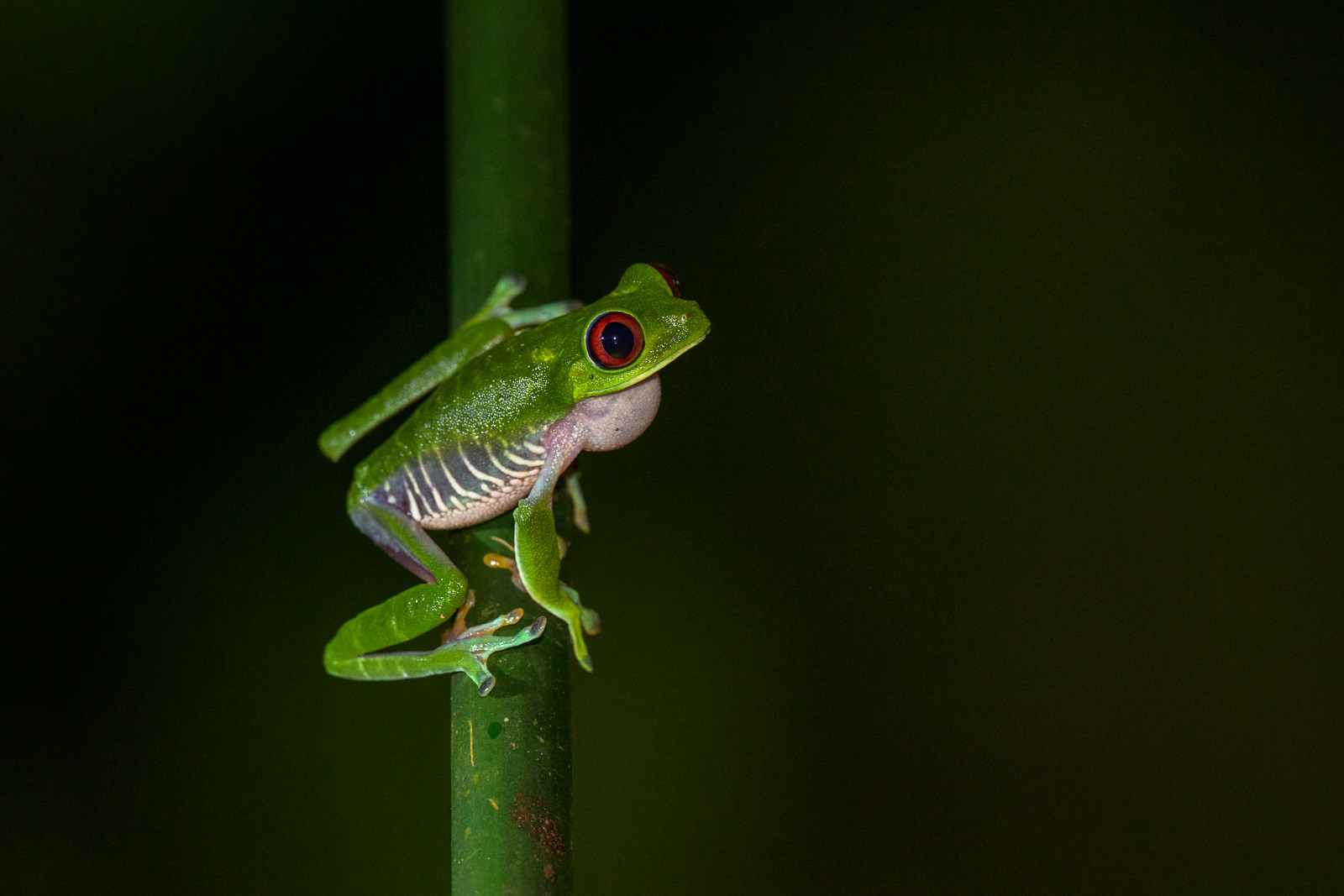
Red-eyed tree frogs in the Piedras Blancas region of Costa Rica often show subtle differences from their Caribbean-side counterparts, including deeper body coloration and variations in the blue-and-yellow flank striping. These regional differences reflect geographic isolation and local habitat conditions across Costa Rica’s distinct ecosystems. Even within a single species, populations can vary in appearance depending on where they live. Nikon Z8 with Nikkor 500mm PF lens, ISO 1000, f/8 at 1/160th of a second, Godox V860III flash.
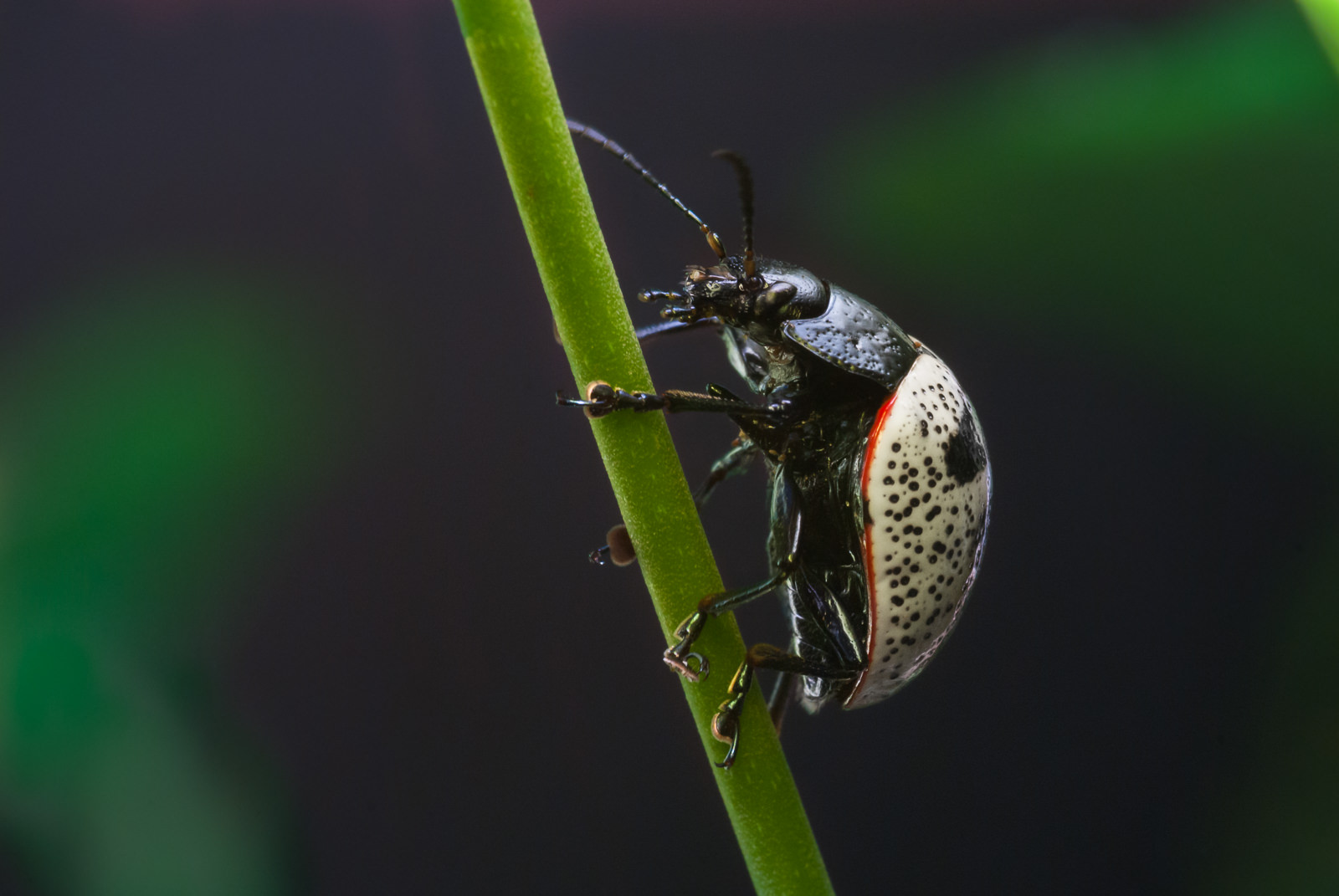
I took this photo in southeastern Costa Rica back in 2007 and have been trying to identify the species ever since. I went back and forth with a few AI programs and the best they came up with was that it was probably a leaf beetle of the genus Calligrapha (family Chrysomelidae, subfamily Chrysomelinae). Who knows, maybe I unknowingly discovered a new species. Nikon D200 with Nikkor 70-200mm lens (at 200mm with Canon 500D close up filter), ISO 400, f/20 at 1/60th of a second, Nikon SB-600 flash units.
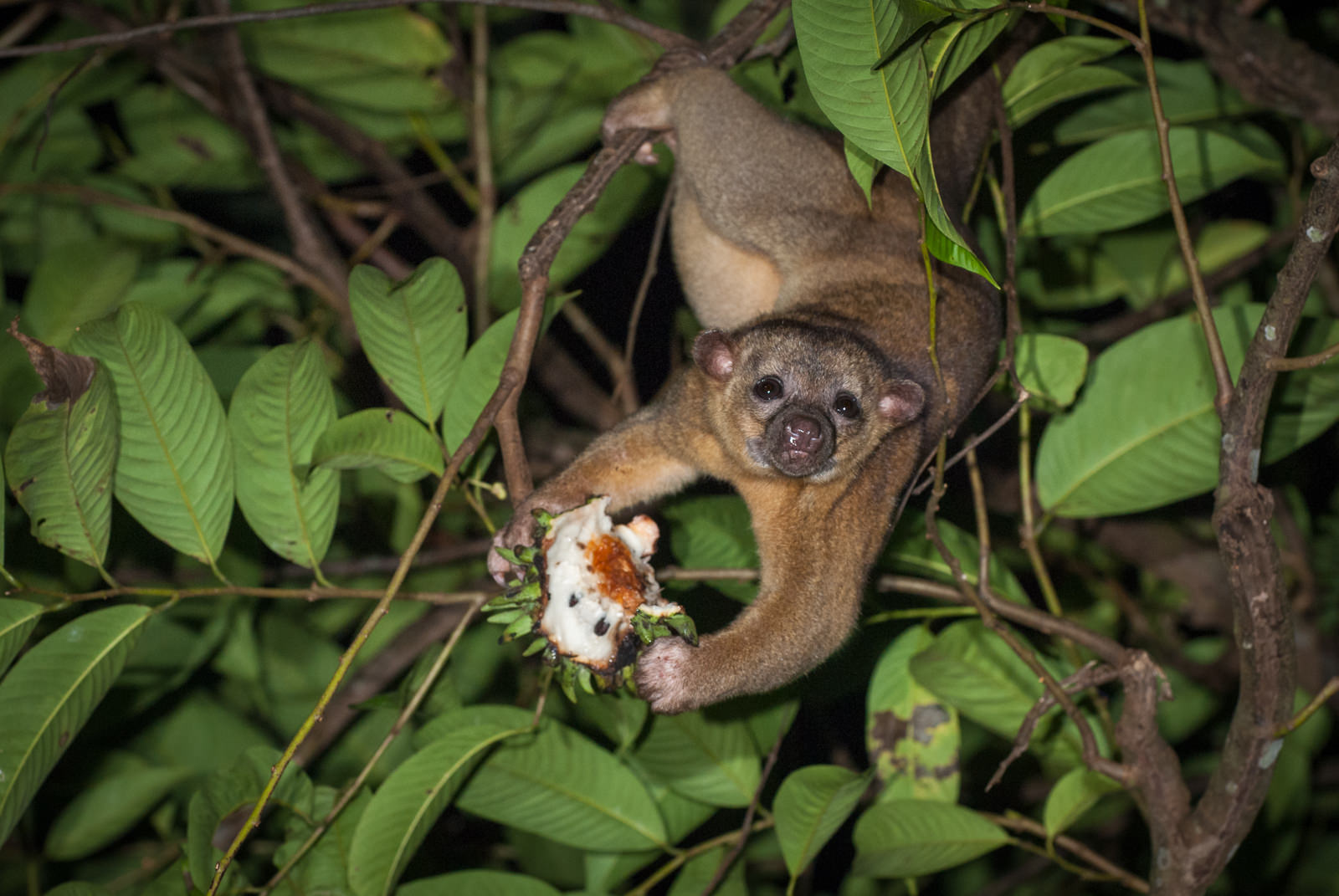
I’ve seen kinkajous a few times but this occasion in 2007 was the only time I was able to get any photos. They are strictly nocturnal and I was hiking at night in southern Costa Rica. He/she was very distracted by that large fruit and wasn’t about to give it up. At the time I had no idea what kind of fruit it was but can now identify it as biribá, also known as rollinia or lemon meringue pie fruit. Here’s hoping I’m back in the rainforest soon and on the hunt for more great nocturnal wildlife. Nikon D200 with Nikkor 70-200mm lens (at 150mm) ISO 400, f/5.6 at 1/60th of a second, two Nikon SB-600 flash units.
This granular poison frog, also known as the green jeans frog, seemed like an appropriate pick for the holiday season. Taken many years ago in southern Costa Rica using a close up filter on the end of my mid-range zoom lens.Nikon D200 with Nikkor 70-200mm lens (at 300mm with Canon 500D close up filter) ISO 100, f/6.3 at 3 seconds.
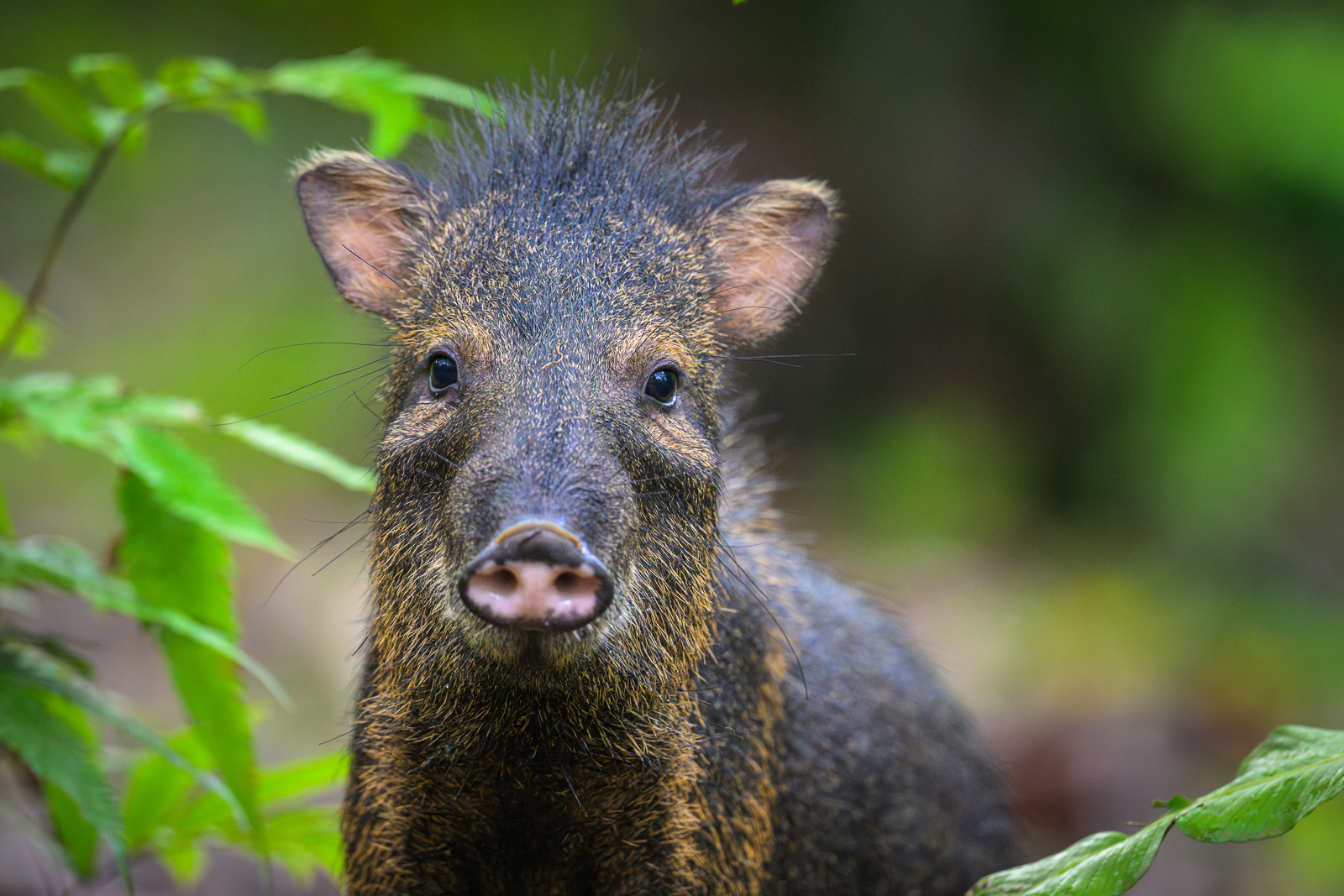
The collared peccary is a pig-like mammal found throughout the southwestern U.S., Central America, and parts of South America. It gets its name from the pale collar of fur that wraps around its shoulders. They live in social groups called “squadrons” and communicate with grunts, squeals, and scent glands that leave a strong musky odor. Tough and adaptable, collared peccaries thrive in deserts, forests, and even urban edges. This one was photographed earlier this year in Costa Rica. Nikon Z8 with Nikkor 500mm PF lens, ISO 9000, f/5.6 at 1/400th of a second.
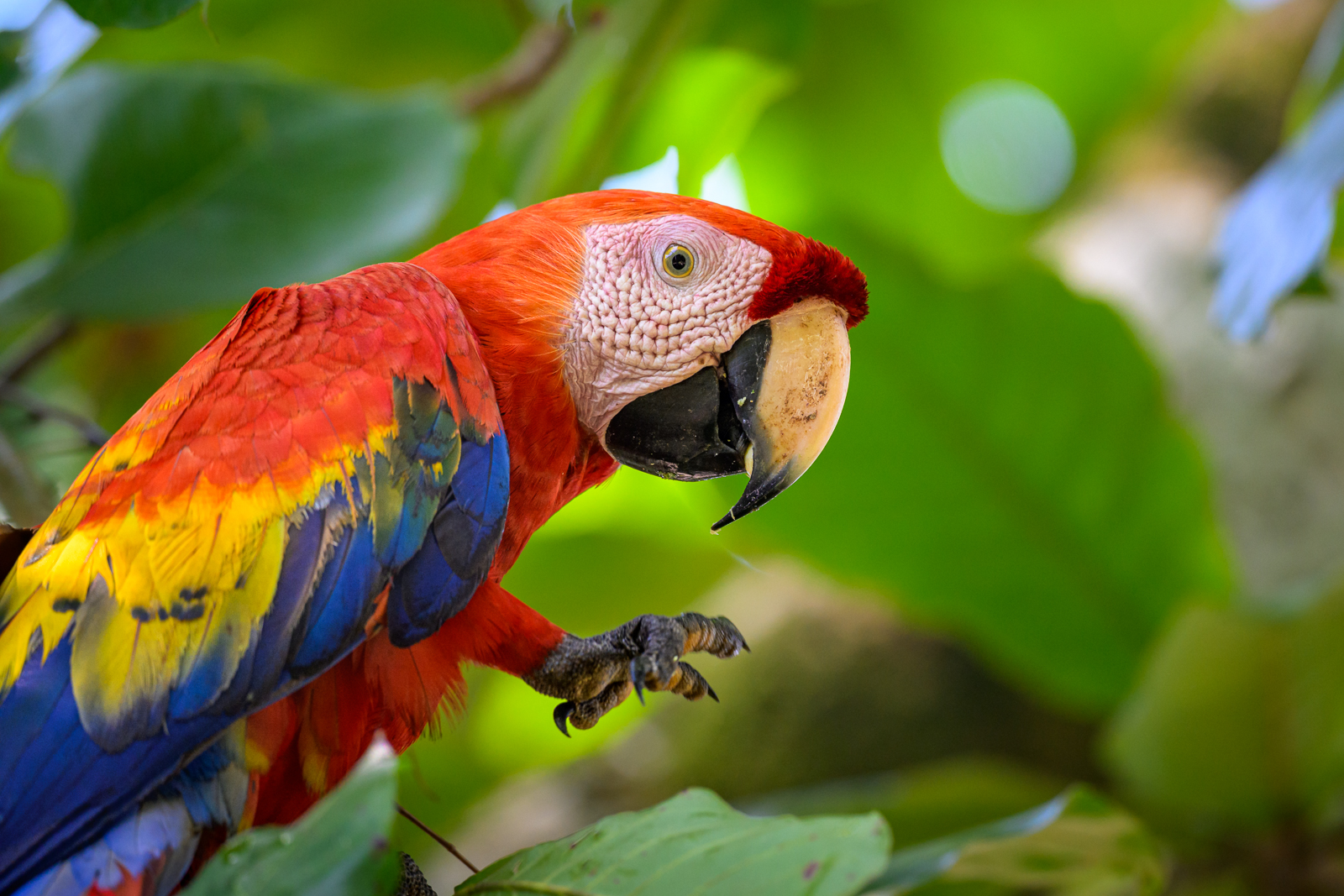
The scarlet macaw is truly one of the most brilliantly colored birds in the world. They are also highly intelligent and form strong lifelong bonds. They can either be seen flying in synchronized pairs or in noisy flocks. Known for their powerful beaks, they can crack open the toughest nuts and seeds with ease. Scarlet macaws also play a crucial role in their ecosystem by dispersing seeds across the forest. Sadly, habitat loss and the illegal pet trade have made them locally endangered in parts of their range. Nikon Z8 with Nikkor 500mm PF lens, ISO 1250, f/5.6 at 1/400th of a second.
Karen and I visited the excellent Playa Cativo Lodge in southern Costa Rica back in March. The lodge is fortuitously situated in the middle of Piedras Blancas National Park, on the Golfo Dulce, isolated from any other habitation via miles of rainforest. I put together a short(ish) video for the owner of the lodge highlighting all the great wildlife that can be seen around the property — six days of hiking, boating, swimming and even sitting on the front porch of our “casita” as the animals came to us. Creating similar video/photo packages for other eco/wildlife lodges is something I hope to do more of in the future and I’m currently working on a pricing structure that I’ll start marketing.
We use cookies to enhance your experience while using our website. If you are using our Services via a browser you can restrict, block or remove cookies through your web browser settings. We also use content and scripts from third parties that may use tracking technologies. You can selectively provide your consent below to allow such third party embeds. For complete information about the cookies we use, data we collect and how we process them, please check our Privacy Policy