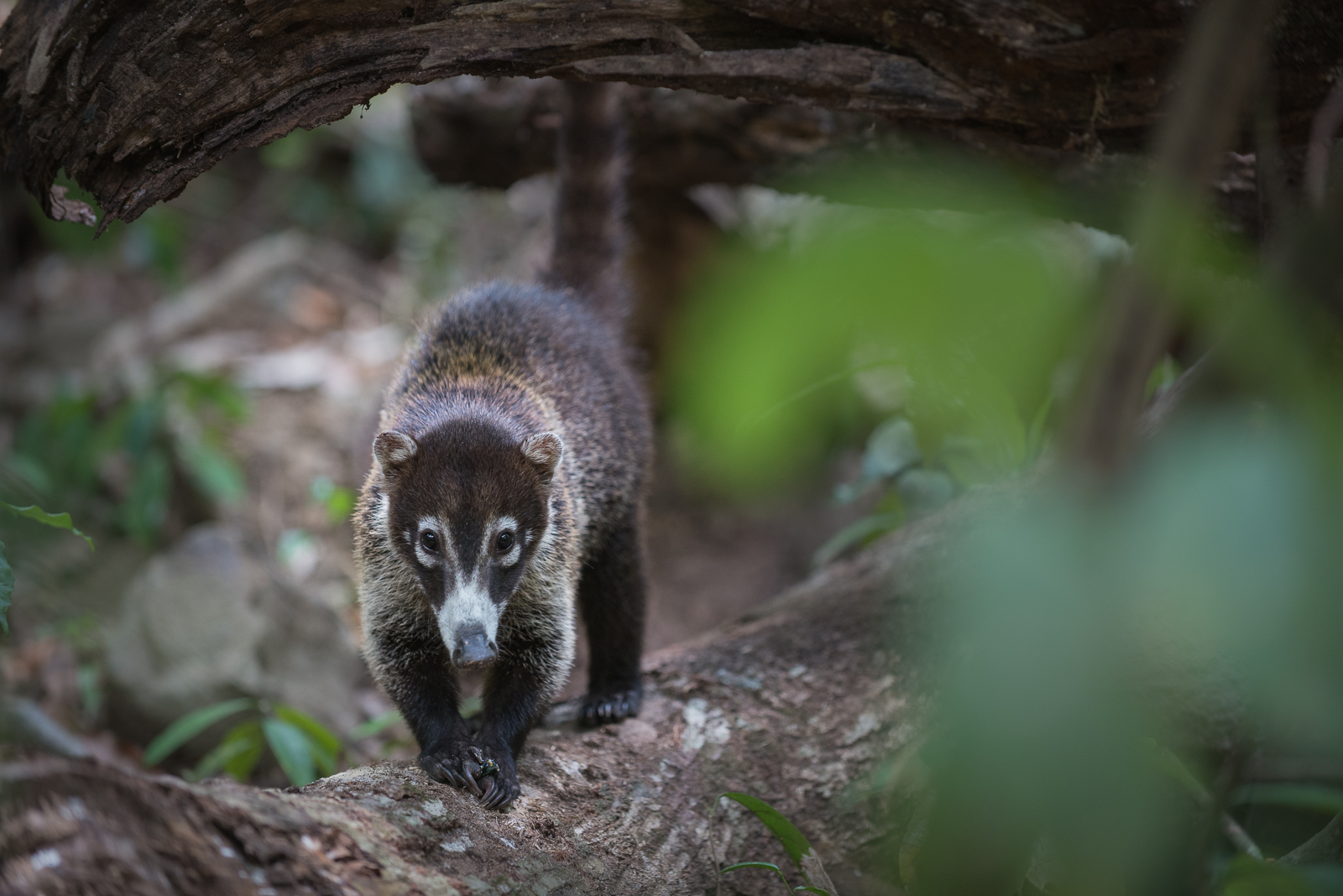
A coati emerges from an opening between a few fallen trees in Corcovado National Park in Costa Rica. I spent a good deal of time with a large group of these guys and was able to observe their behavior. Lighting and visibility in the forest was a challenge but I was able to get several good looks before they moved deeper into the park. Nikon D800 with Nikkor 70-200mm lens (at 160mm) ISO 1600, f/3.2 at 1/1000th of a second.
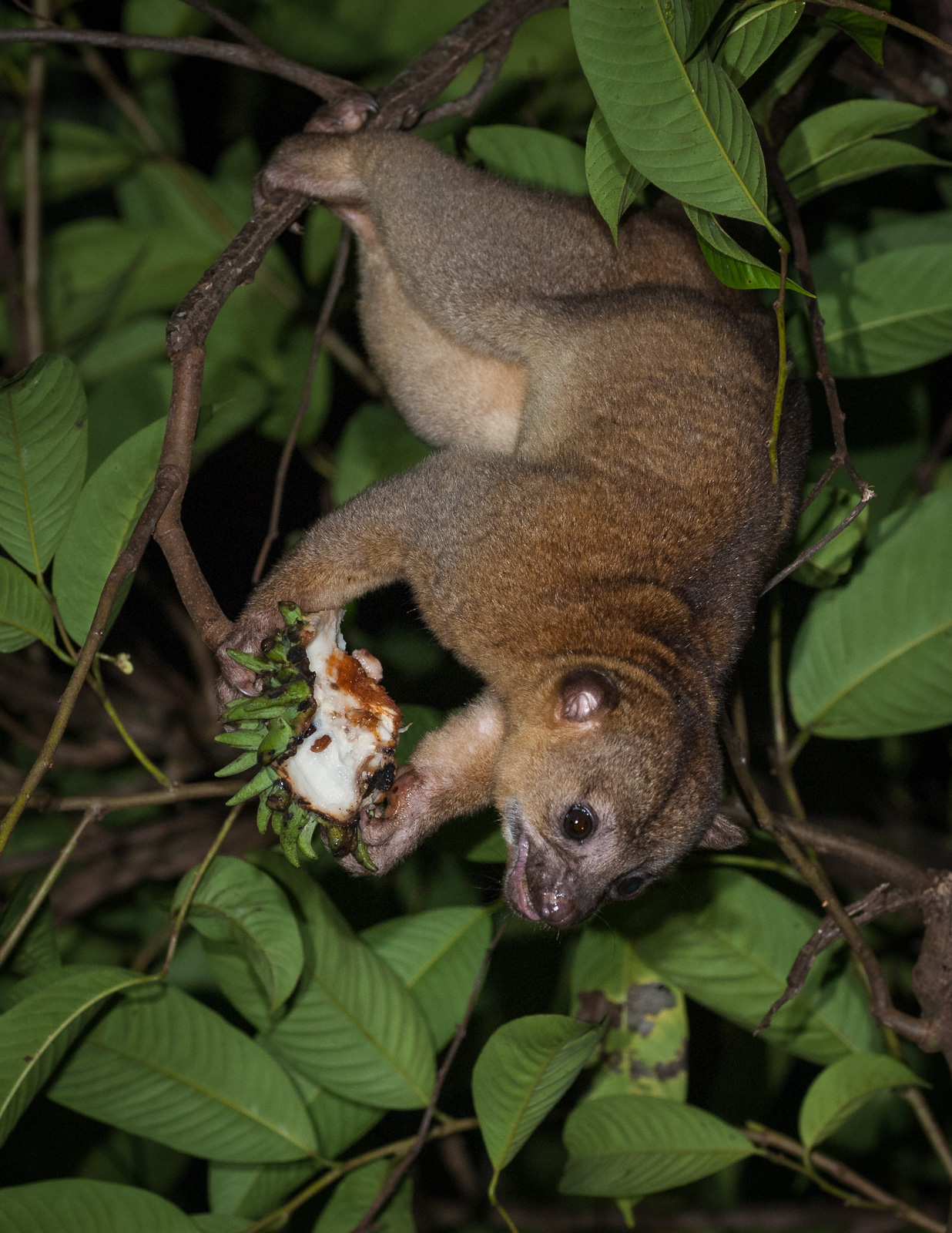
I photographed this kinkajou down on the Osa Peninsula of Costa Rica. I was hiking at night by myself when I spotted him munching away on what I believe to be a rollinia fruit. I’ve never tried rollinia myself but according to the fruit’s description of tasting like “caramel and lemon merengue pie” I don’t blame the kinkajou for not immediately taking off and giving me the opportunity to aim my flashlight, gain focus, set my flashes and release the shutter. Nikon D200 with Nikkor 70-200mm lens (at 150mm) ISO 400, f/5.6 at 1/60th of a second, two Nikon SB-600 flash units.
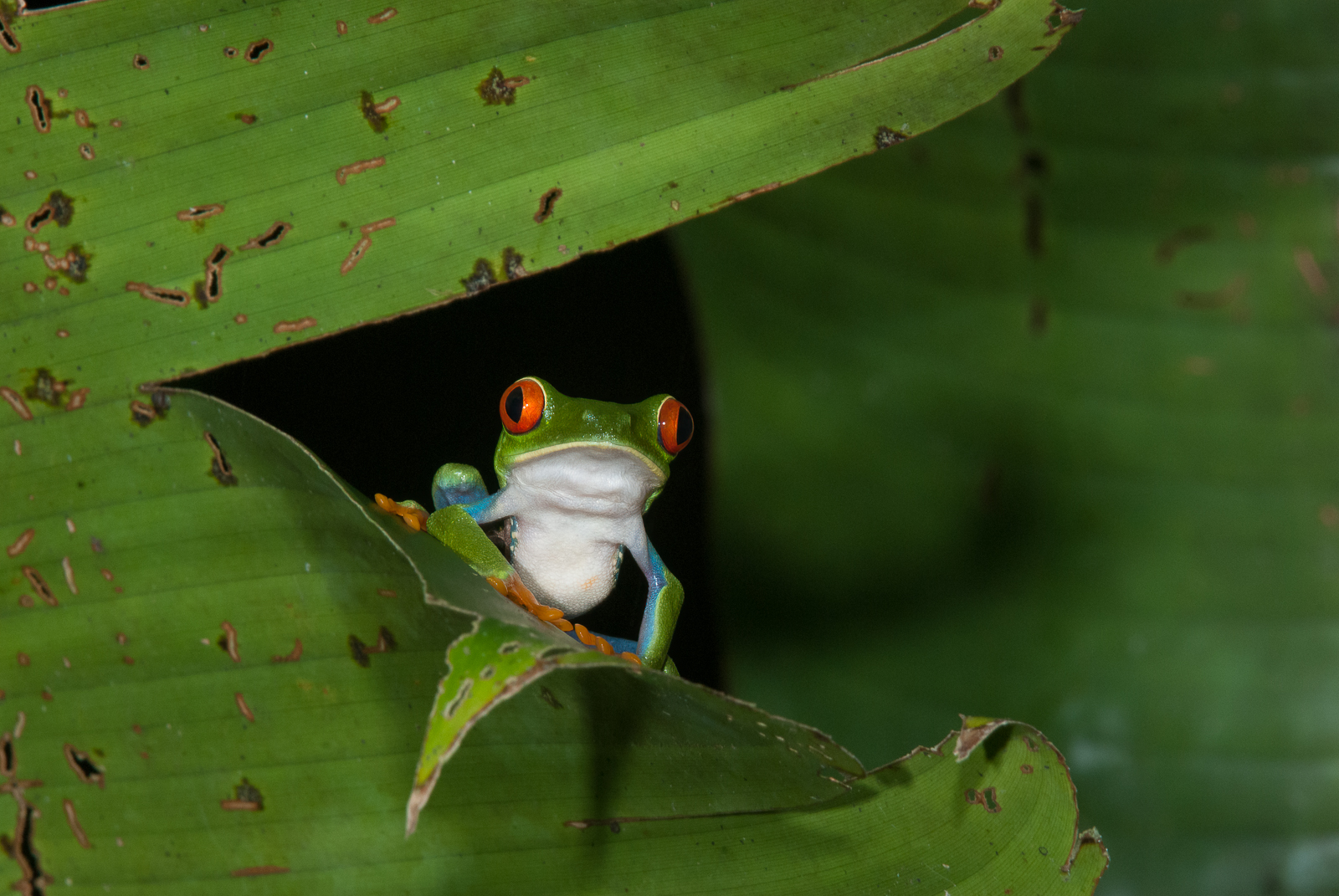
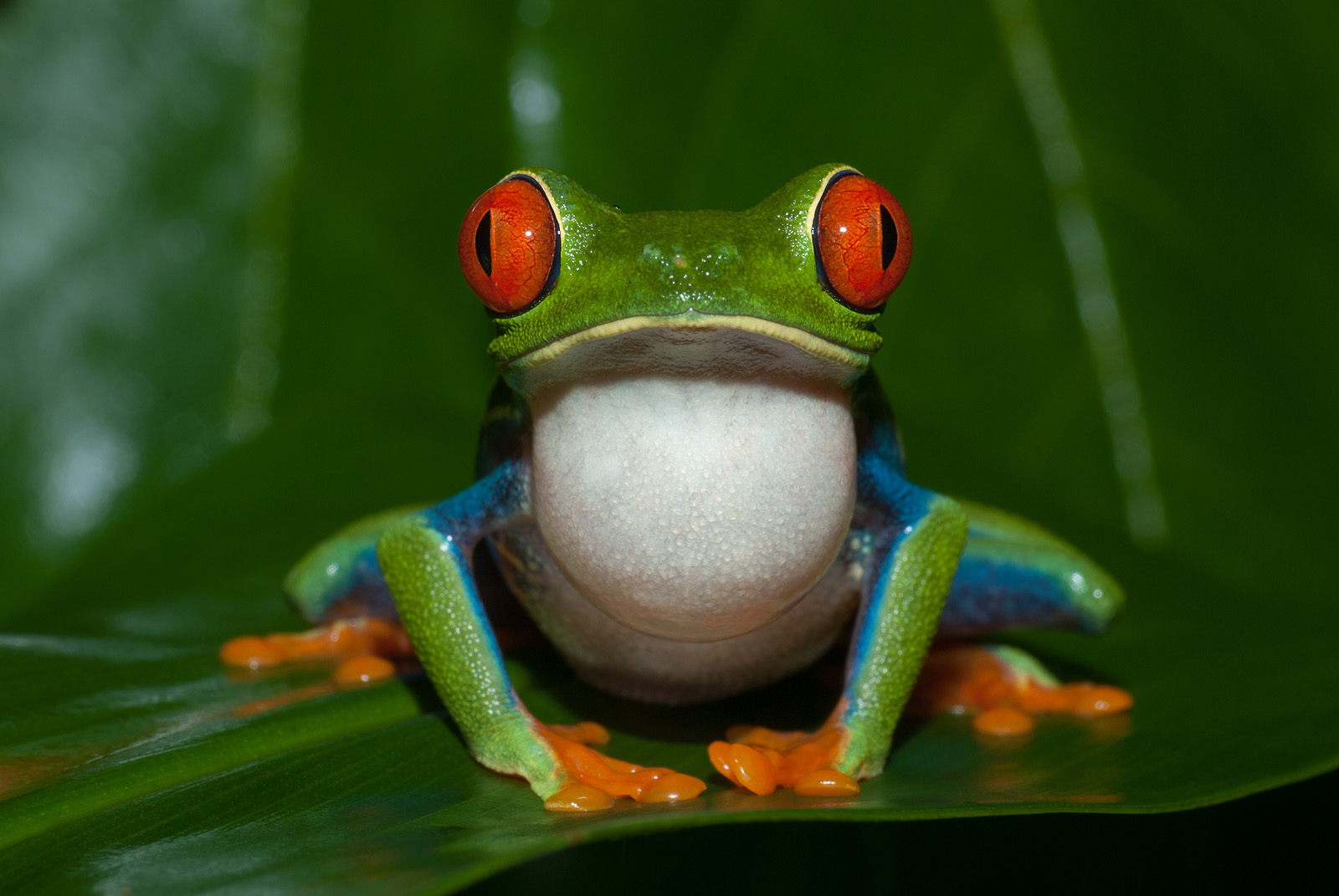
A red-eyed tree frog gets ready for a night of croaking in Tortuguero National Park in Costa Rica. Nikon D200 with Nikkor 70-200mm lens (at 200mm with Canon 500D close up filter) ISO 400,f/20 at 1/60th of a second, two Nikon SB-600 flash units.
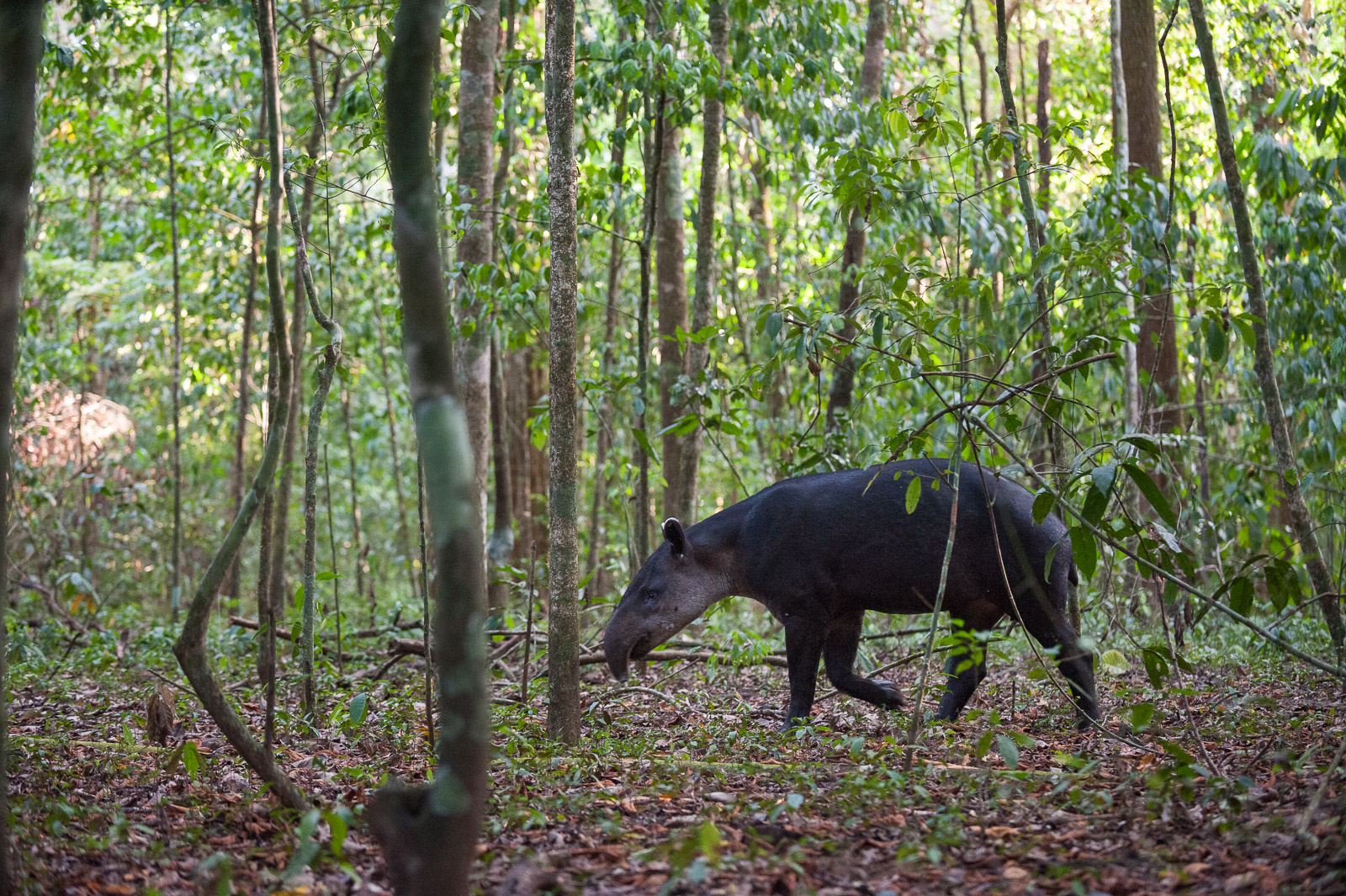
A Baird’s tapir moves through the rainforest of Corcovado National Park in Costa Rica. Tapirs are the largest land mammals in Central and South America. Nikon D700 with Nikkor 70-200mm lens (at 78mm) ISO 3200, f/2.8 at 1/160th of a second.
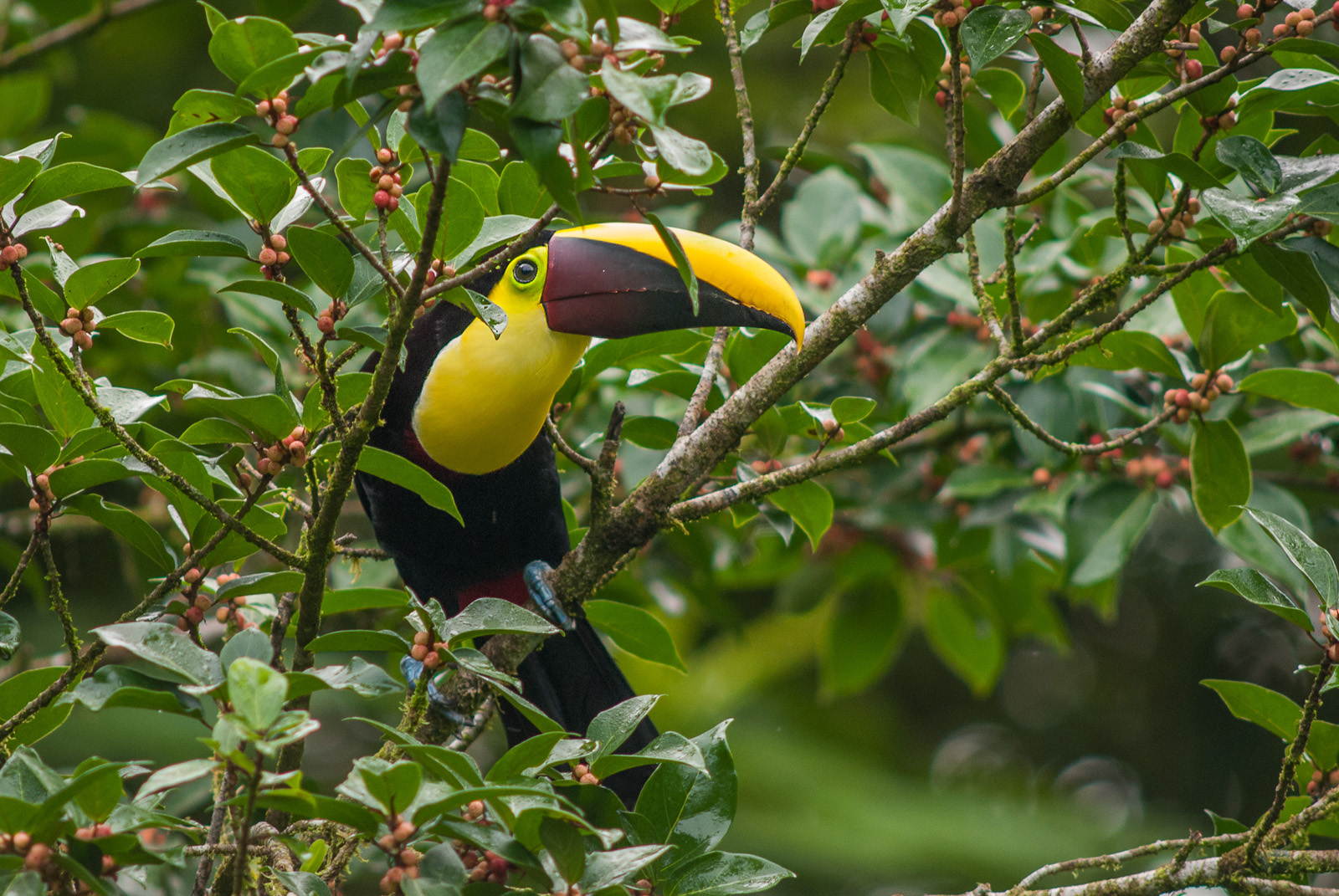
I spotted this guy along the side of the road while driving to Corcovado National Park in southwestern Costa Rica. These toucans primarily eat tree fruits, but will also add lizards, insects and frogs to their diet. They can be opportunistic diners too, following keel-billed toucans around to discover their food sources. Nikon D200 with Nikkor 70-200mm lens (at 140mm) ISO 400, f/5.6 at 1/80th of a second.
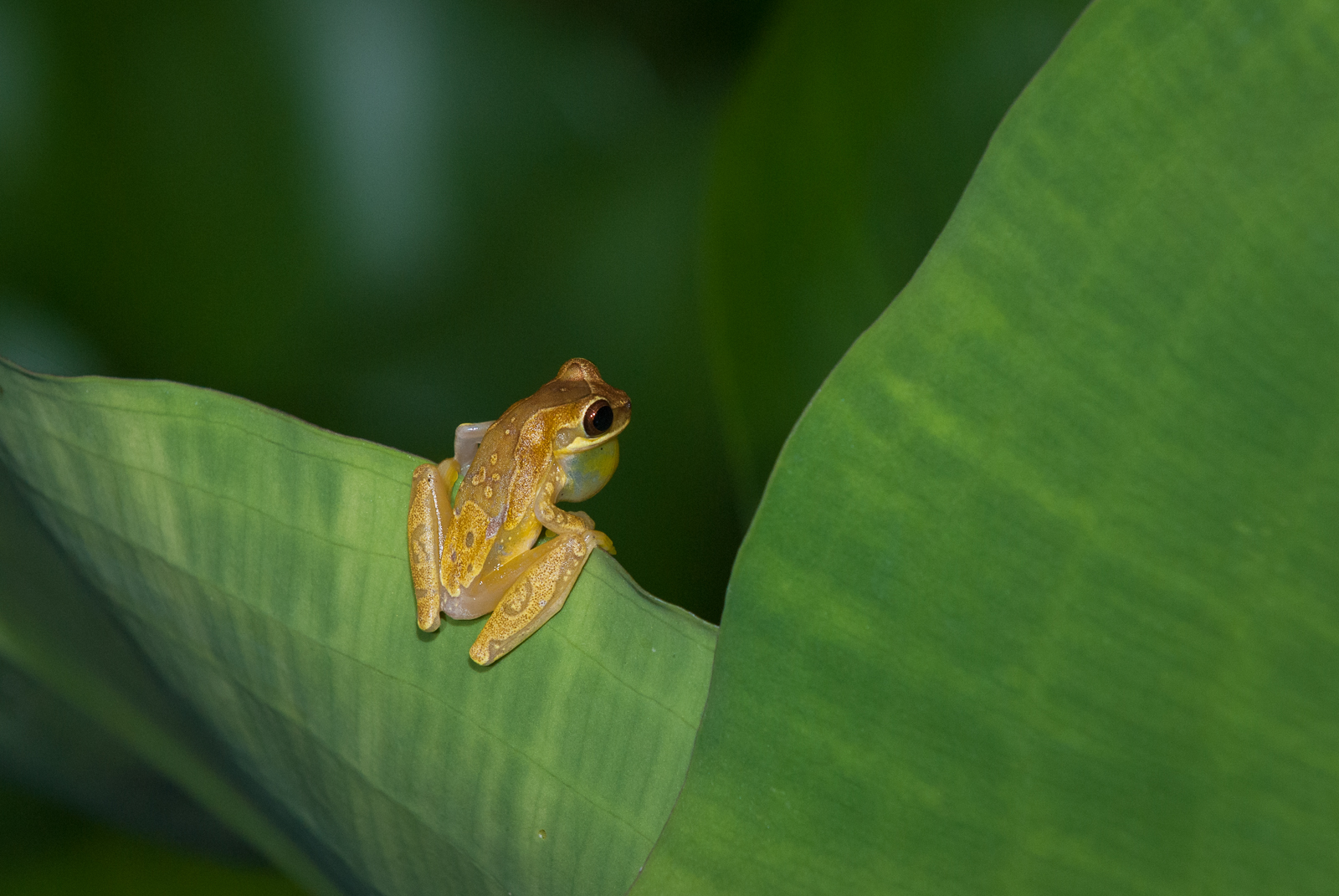
Here’s another one from Pavones, Costa Rica. I’ve posted images of this species of frog before. Usually called the hour glass tree frog. But also known as the pantless tree frog, which I kind of like better. Nikon D200 with Nikkor 70-200mm lens (at 200mm) ISO 400, f/8 at 1/60th of a second.
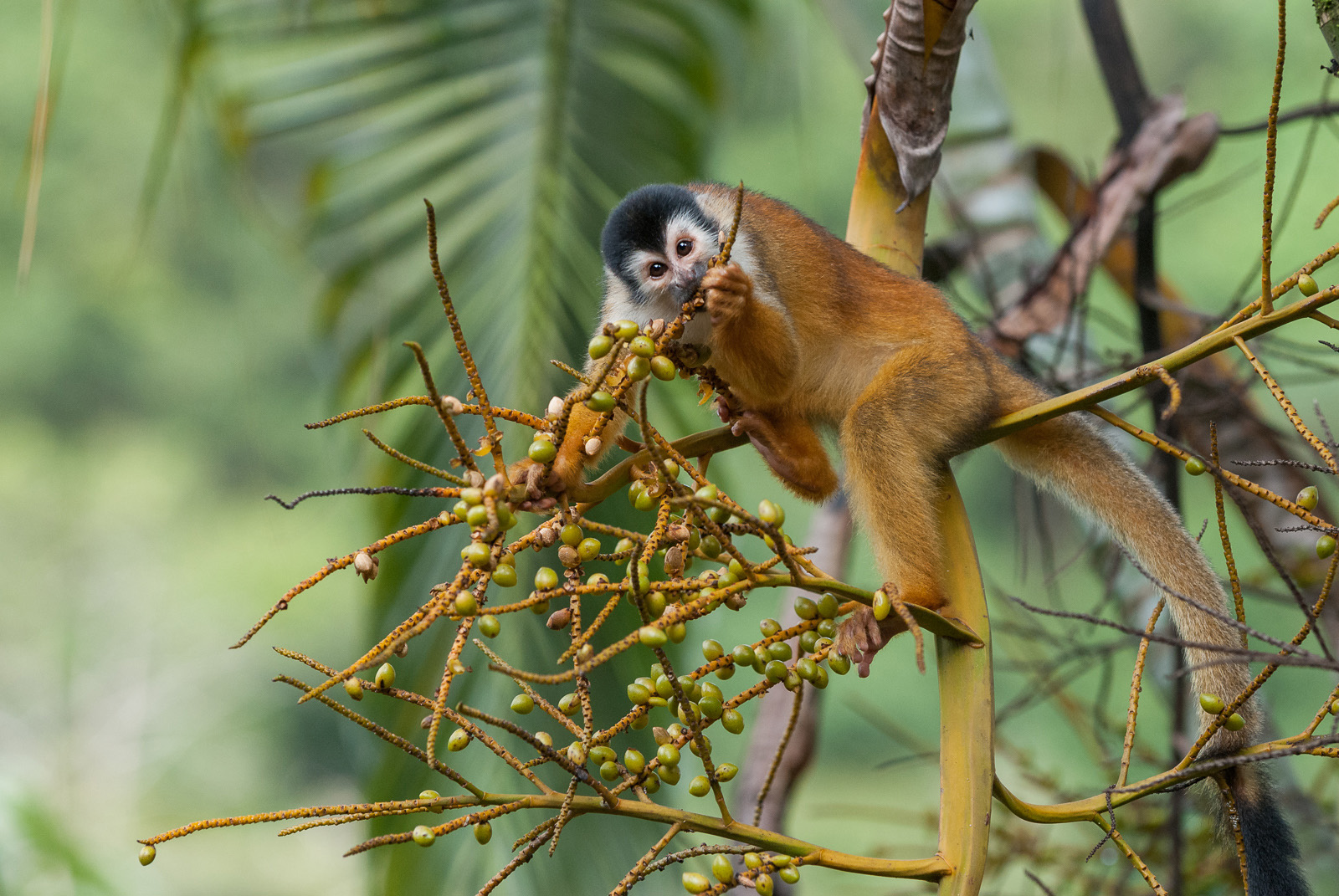
A troop of Central American squirrel monkeys visited this fig tree near my bungalow every afternoon I was at Tiskita Lodge in Costa Rica. Always nice when the wildlife comes to you (without having to bait them to do so). Also known as the red-backed squirrel monkey, these guys are unfortunately listed as a Vulnerable species by the International Union for the Conservation of Nature. This is due to their small, fragmented range that continues to experience habitat loss. Nikon D200 with Nikkor 70-200mm lens (at 155mm) ISO 400, f/4 at 1/200th of a second.
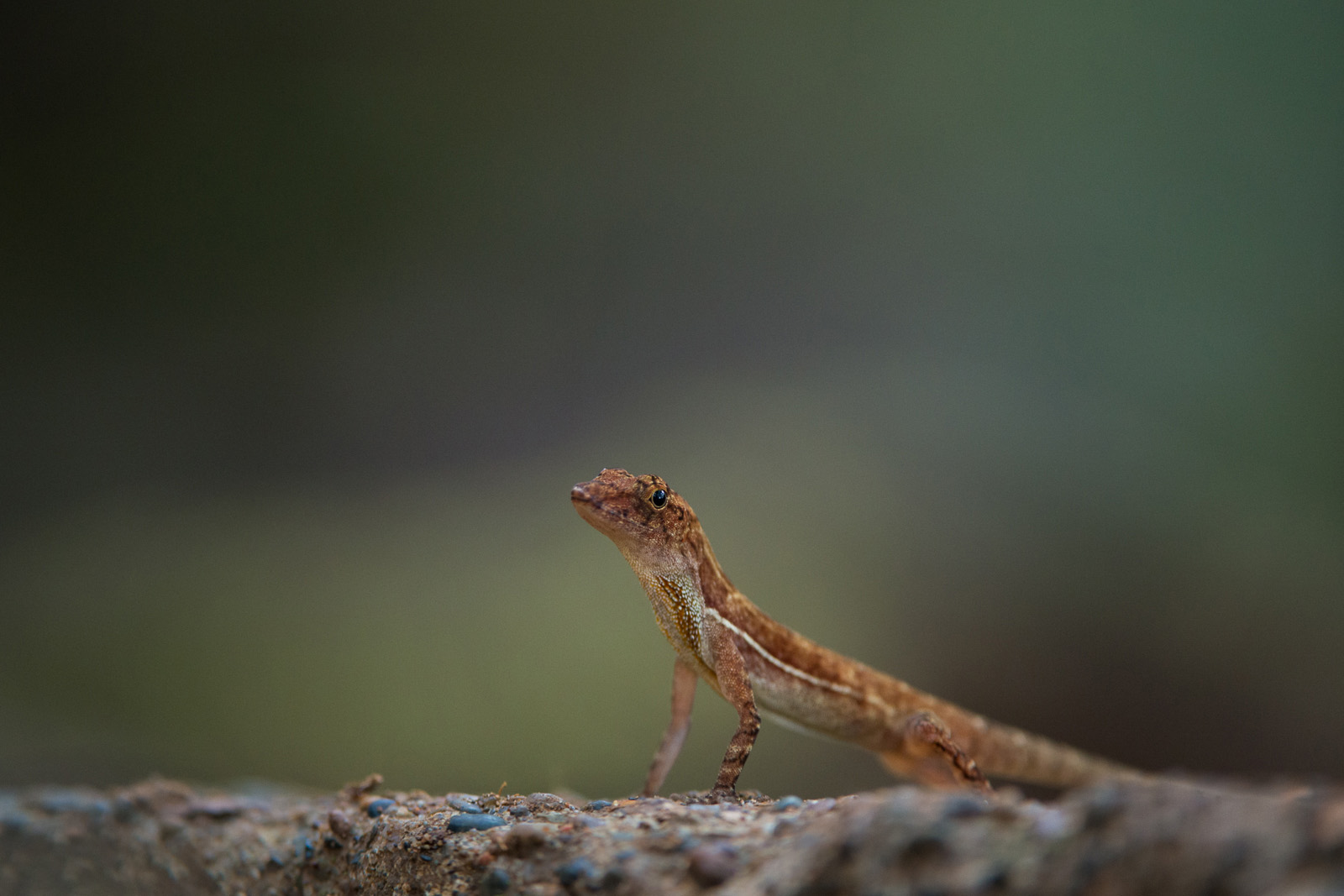
There are many species of anole lizard that live in the southern US on down through South America. This is the many-scaled anole. I can’t be certain, but perhaps there a not-too-many-scaled anole out there somewhere too. Photographed in Drake Bay on the southwest coast of Costa Rica. Nikon D800 with Nikkor 200-400mm lens (at 400mm) ISO 1600, f/4 at 1/20th of a second.
When I was in Tortuguero National Park in Costa Rica quite a few years back, I discovered an army of red-eyed tree frogs behind the lodge that I was staying at (I’m told that’s what you call a group of frogs — an army). The males would start their mating calls every night just before I headed in for dinner. Needless to say, I was always the last one to eat at that particular lodge. Nikon D200 with Nikkor 70-200mm lens (at 270mm with Canon 500D close up filter attached) ISO 100, f/20 at 1/60th of a second, two Nikon SB-600 flash units.
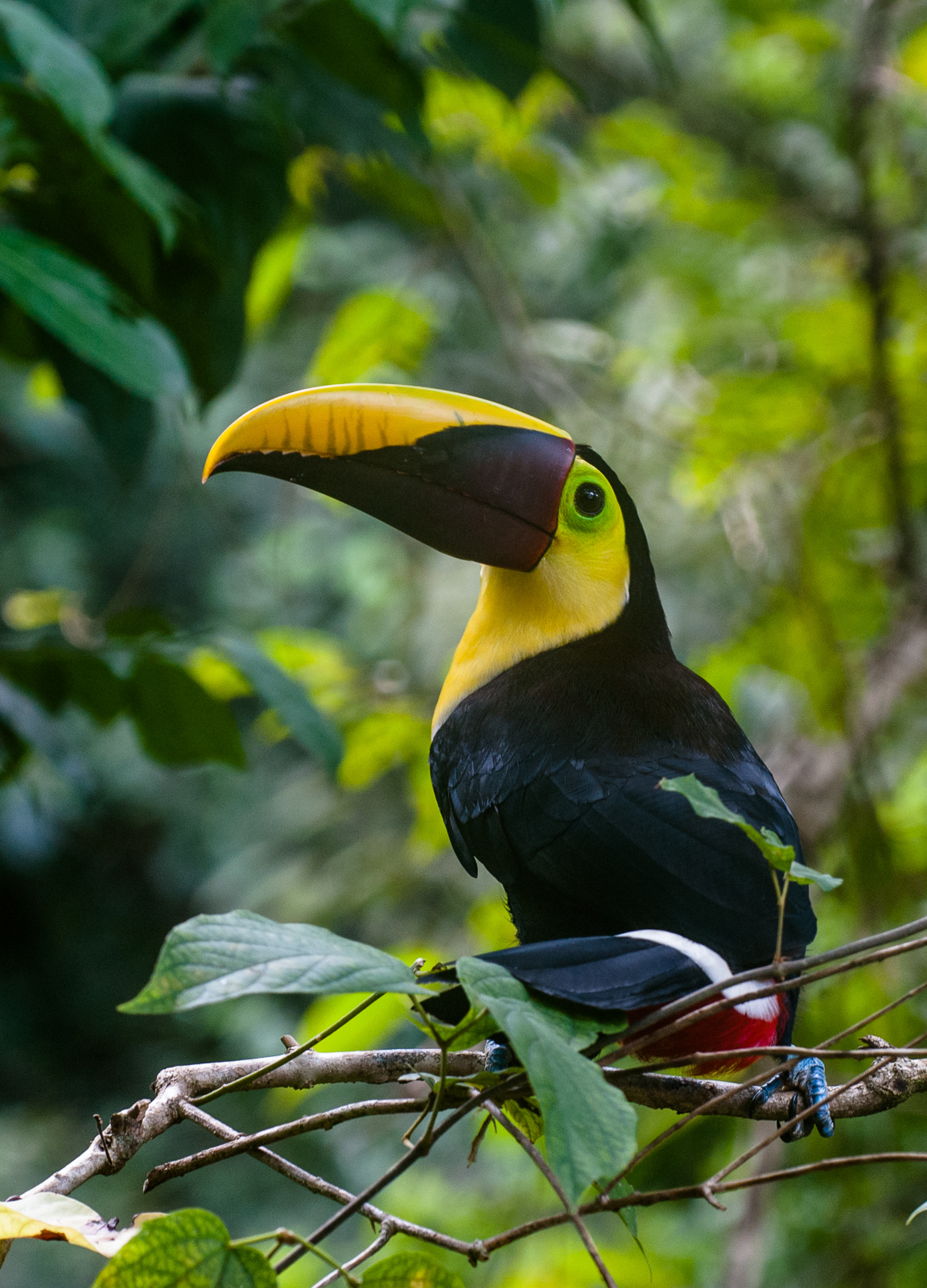
I do love the toucans. This guy is a bit less flashy of beak than the keel-billed toucan, but impressive nonetheless. And these guys are more commonly seen in Costa Rica, where I photographed this one years ago at the La Selva Biological Station in the north central part of the country. Nikon D200 with Nikkor 600mm manual focus f/5.6 lens, ISO 400, f/5.6 at 1/40th of a second.
We use cookies to enhance your experience while using our website. If you are using our Services via a browser you can restrict, block or remove cookies through your web browser settings. We also use content and scripts from third parties that may use tracking technologies. You can selectively provide your consent below to allow such third party embeds. For complete information about the cookies we use, data we collect and how we process them, please check our Privacy Policy