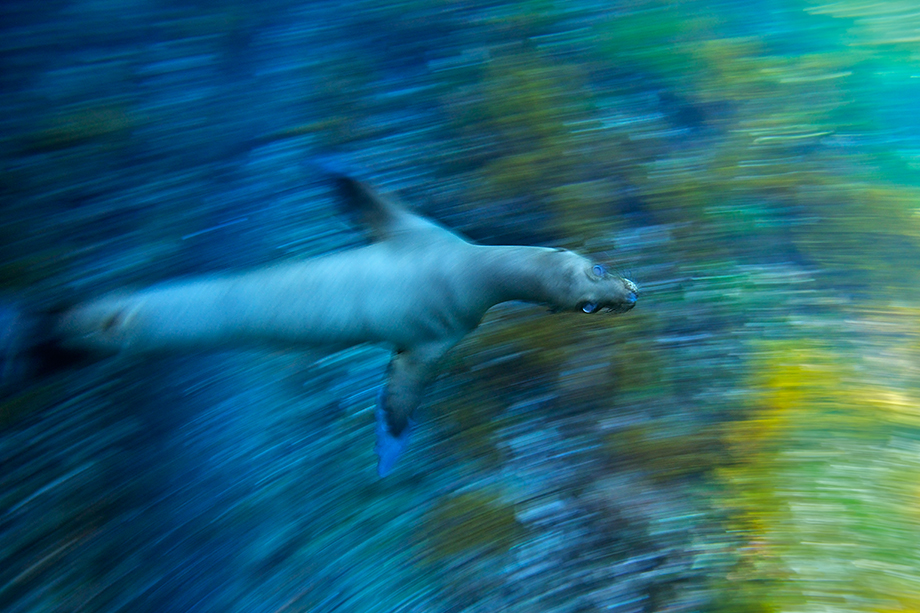
Nikon D800 with Nikkor 17-35mm lens (at 17mm) ISO 800, f/11 at 1/15th of a second
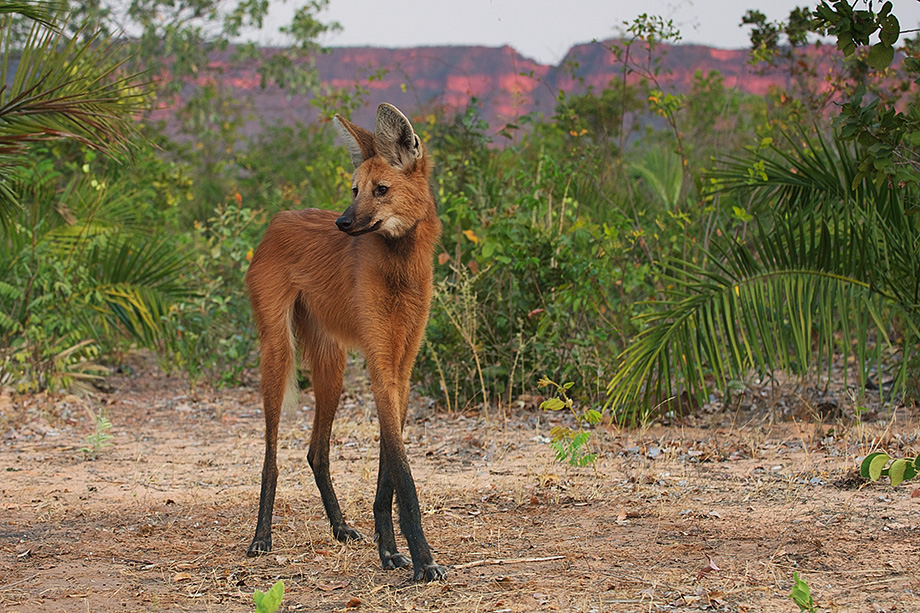
Nikon D800 with Nikkor 200-400mm lens (at 400mm) ISO 800, f/4 at 1/320th of a second
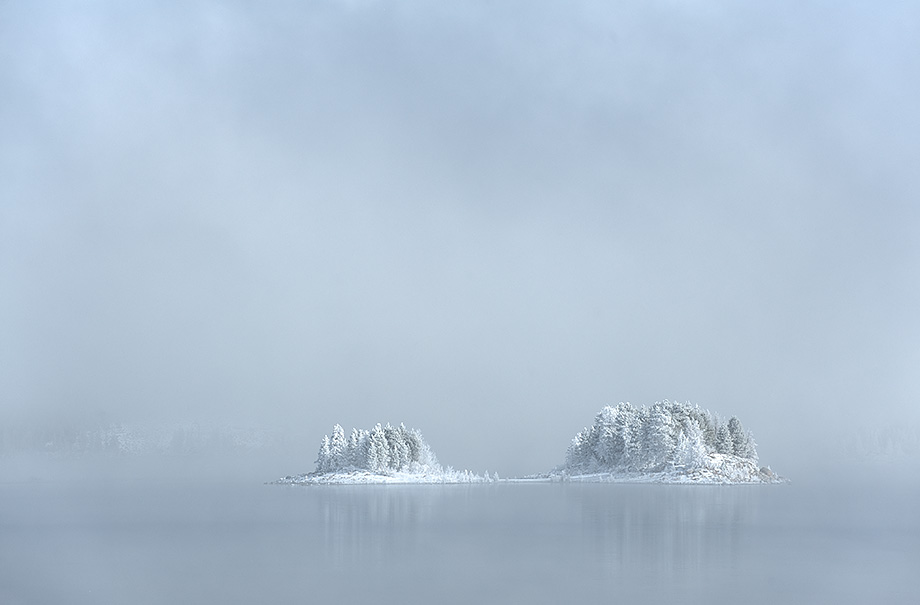
Nikon D700 with Nikkor 70-200mm lens (at 175mm) !SO 400, f/8 at 1/500th of a second
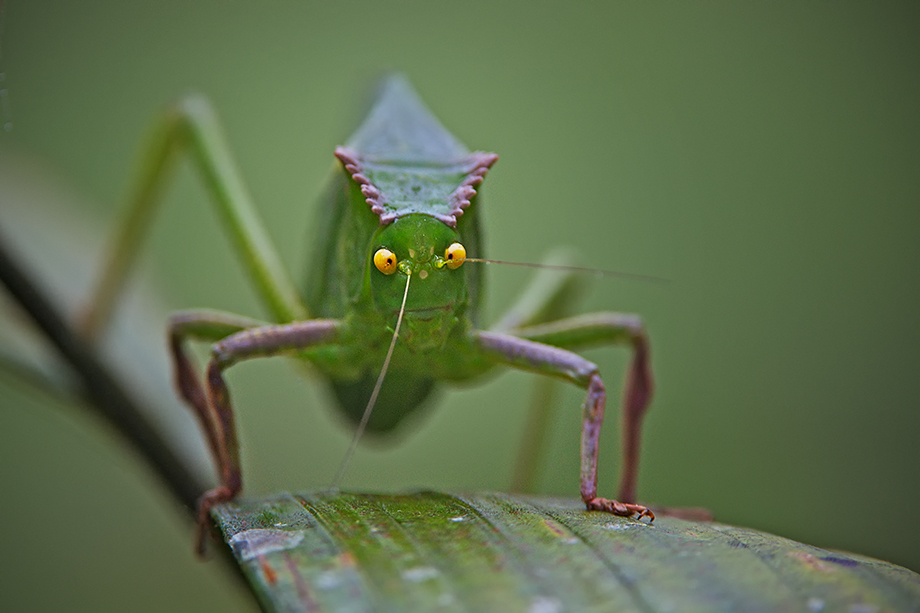
Nikon D700 with Nikkor 70-200mm lens (at 82mm) ISO 800, f/5.6 at 1/80th of a second
These four photos have all been posted before, but I thought I’d share them again as they were all finalists this year in the BBC Wildlife Photography of the Year competition. Unfortunately, none of them made the final cut, but still a nice honor to have four make it as far as they did in what is generally considered the world’s most prestigious photography competition for wildlife. The sea lion was a finalist in the “Art in Nature” category. The Lake Granby shot was in the “Wild Spaces” category. The maned wolf was in the “Endangered Species” category. And the leaf insect was in the “Animal Portraits” category.
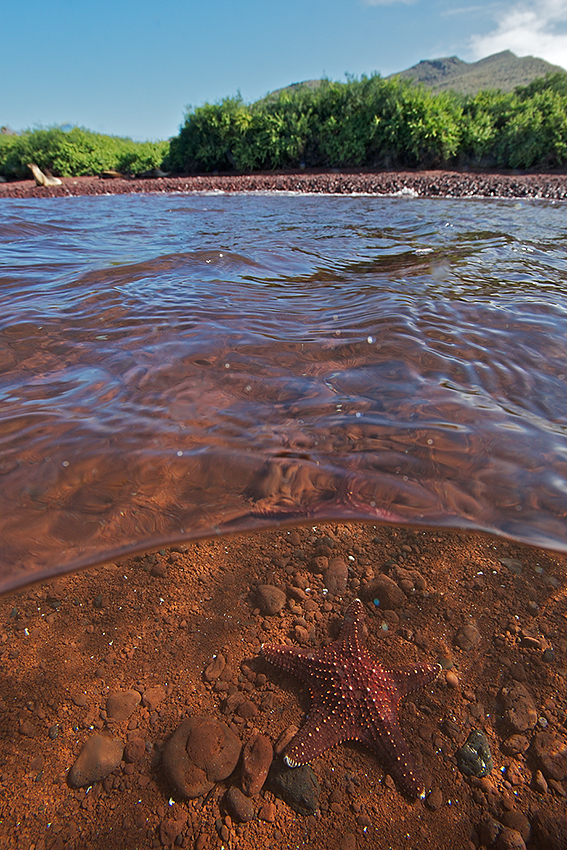
I had a request for an underwater shot today. Hope this fits the bill — it’s at least a third under water. The subject is a starfish that was photographed on Rabida Island in the Galapagos Islands. Rabida is known for its characteristic red sandy beach, quite different from most of the rest of the Galapagos Islands. There were also quite a few sea lions at this location and you can see one up to the left there on the beach. Nikon D800 with Nikkor 17-35mm lens (at 17mm) ISO 800, f/18 at 1/200th of a second
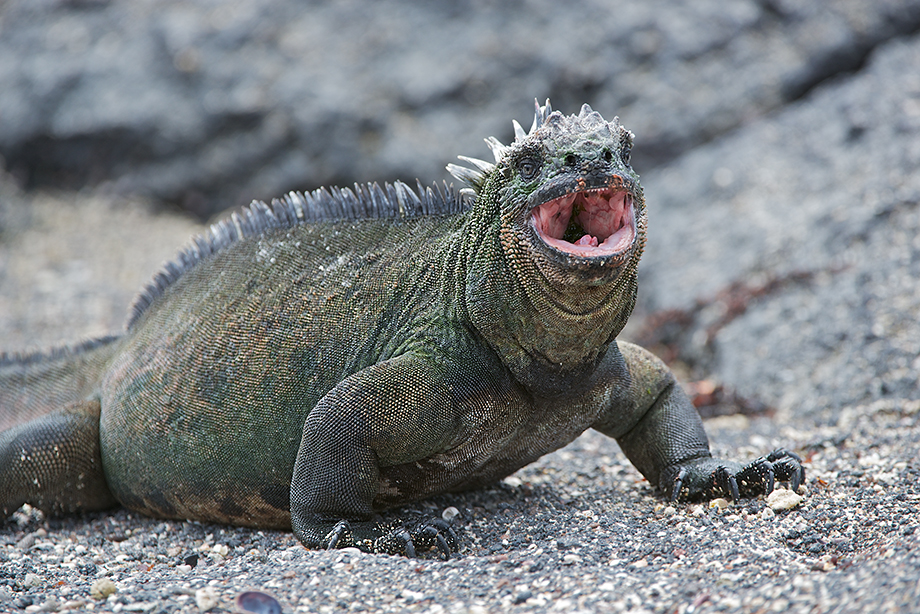
Marine iguanas really do look like Godzilla, and perhaps none more so than this guy that we encountered on Fernandina Island. They are very prehistoric looking creatures and were my favorite of all the fascinating animals across the Galapagos Archipelago. Nikon D800 with Nikkor 200-400mm lens (at 400mm) ISO 400, f/5.6 at 1/400th of a second
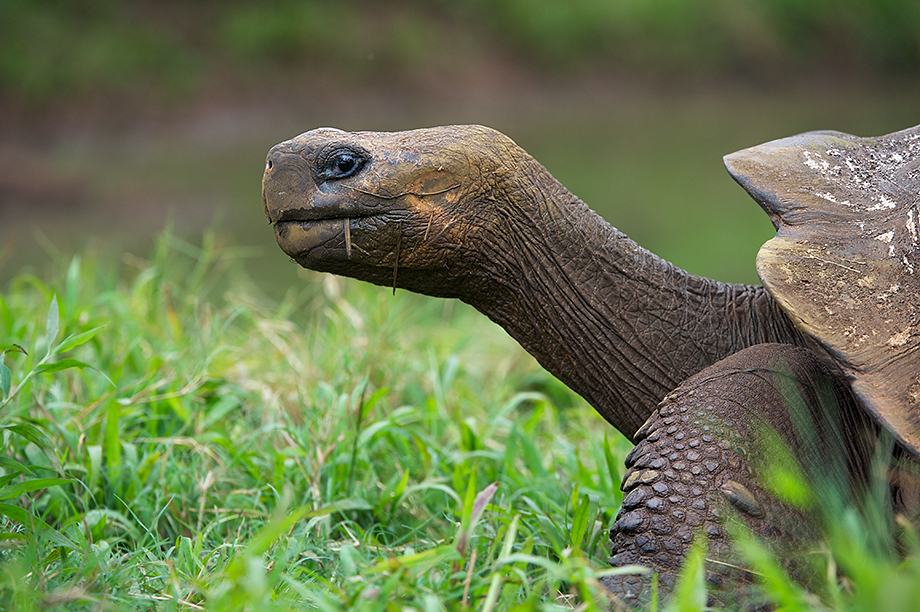
While creating his title character for the movie E.T. it is said that Steven Spielberg got the inspiration from a Galapagos giant tortoise. You can definitely see the resemblance. This handsome fellow was photographed in the Santa Cruz highlands on our trip to Ecuador in November. Nikon D700 with Nikkor 200-400mm lens (at 270mm) ISO 800, f/5.6 at 1/1000th of a second
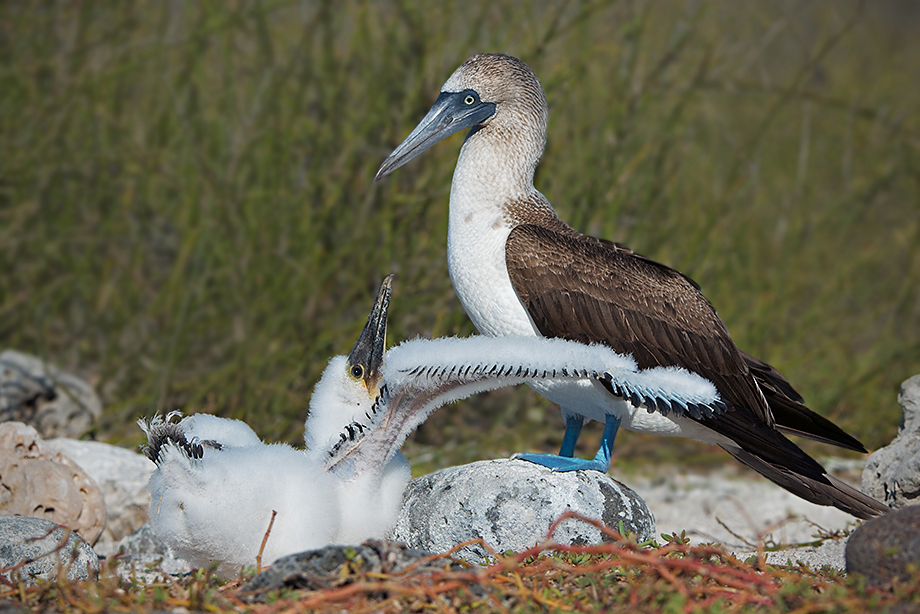
This blue footed booby chick kept trying to get its mother to regurgitate dinner. The chick was relentless, constantly pecking at the mother’s throat. The mom kept trying to walk away, but the chick would just follow wherever she went. Nikon D800 with Nikkor 200-400mm lens (at 200mm) ISO 400, f/8 at 1/2000th of a second
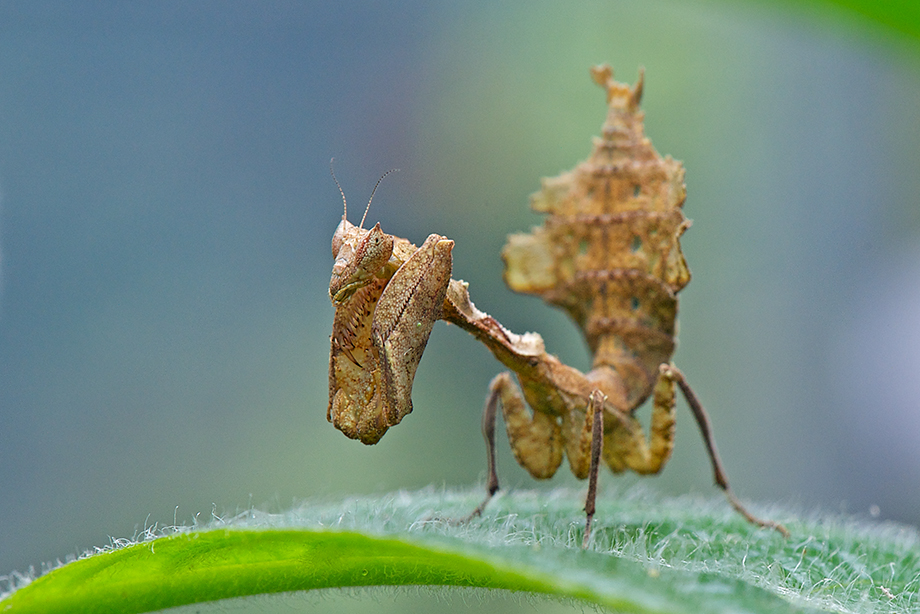
Nikon D700 with Nikkor 105 macro lens, ISO 1600, f/13 at 1/125th of a second
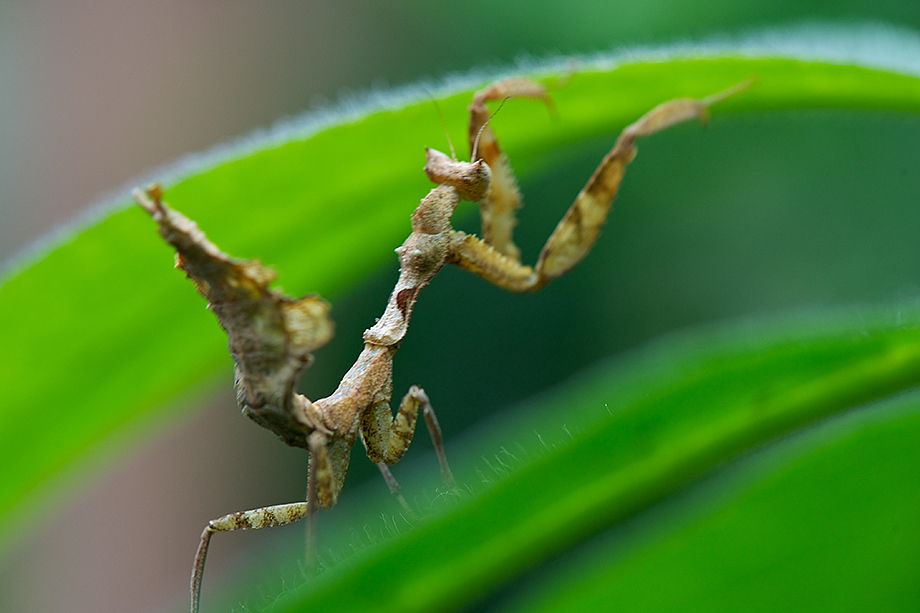
Nikon D700 with Nikkor 105mm macro lens, ISO 800, f/8 at 1/160th of a second (- 1/3 stop ev)
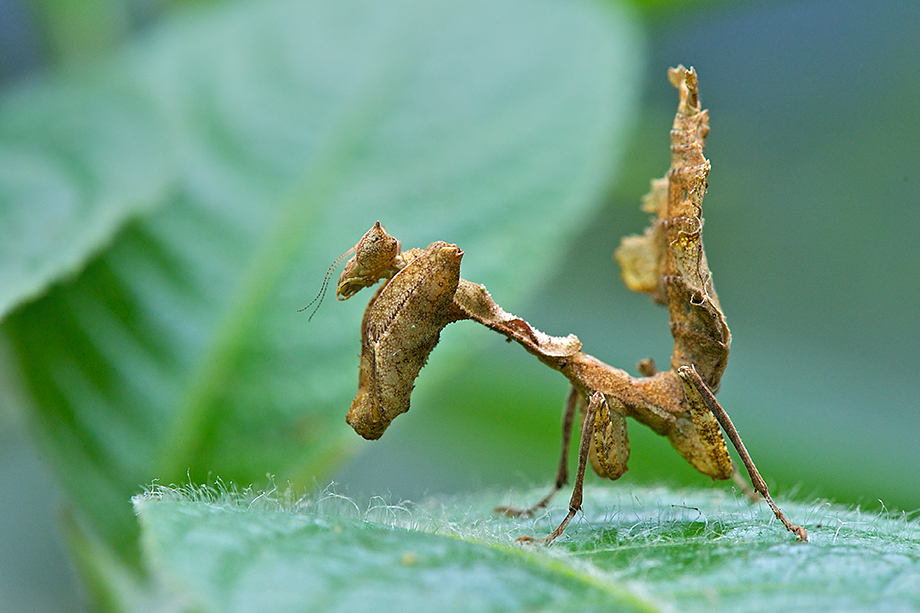
Nikon D700 with Nikkor 105mm macro lens, ISO 1600, f/13 at 1/200th of a second
I thought that this rather interesting insect warranted three angles. It’s called a dead leaf mantis. There are many species of dead leaf mantises and as the name suggests, they mimic dead leaves. Like yesterday’s bird, this guy was also photographed in the cloud forest of Ecuador. Unlike the bird, I don’t have a dead leaf mantis call to share.
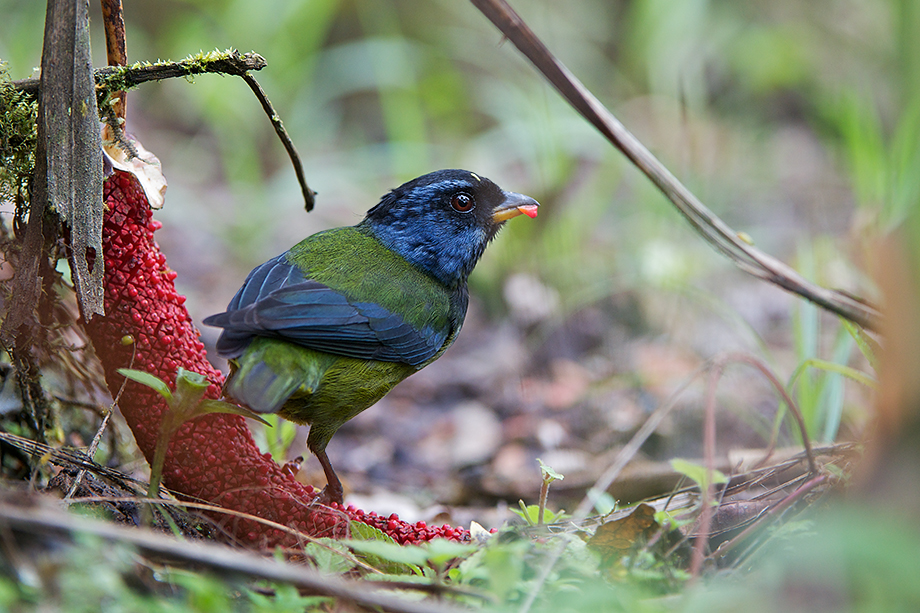
This colorful little tanager, the moss-beaked tanager, was just one of the many beautiful birds that we saw in the cloud forest of Ecuador. Click below to hear its call. Moss-beaked Tanager
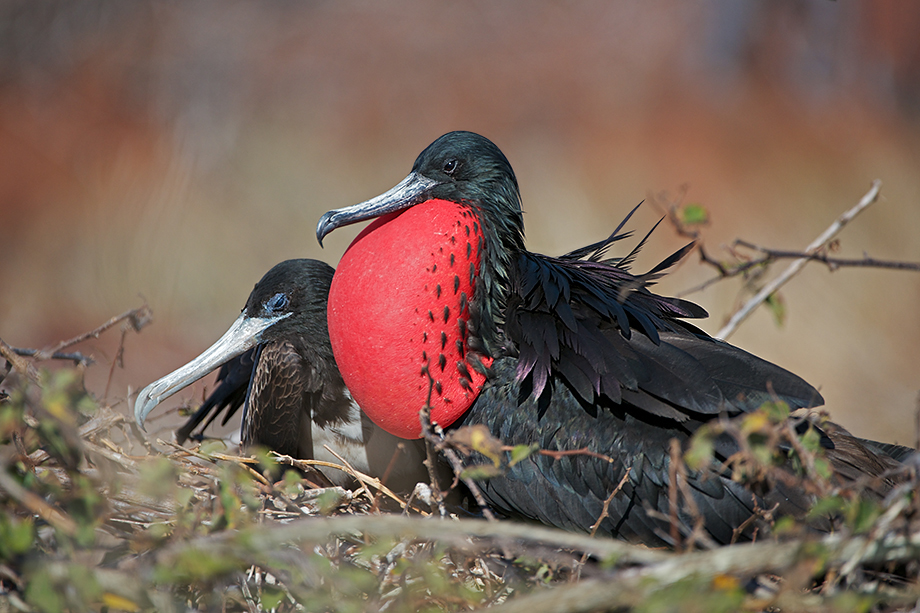
The male magnificent frigatebird and its balloon-like red throat pouch is one of the iconic images of the Galapagos Islands. The males will inflate their pouches during the mating season to attract females. This guy seems to have been successful in his mission. Nikon D800 with Nikkor 200-400mm lens (at 400mm) ISO 400, f/4 at 1/3200th of a second (-1/3 stop ev)
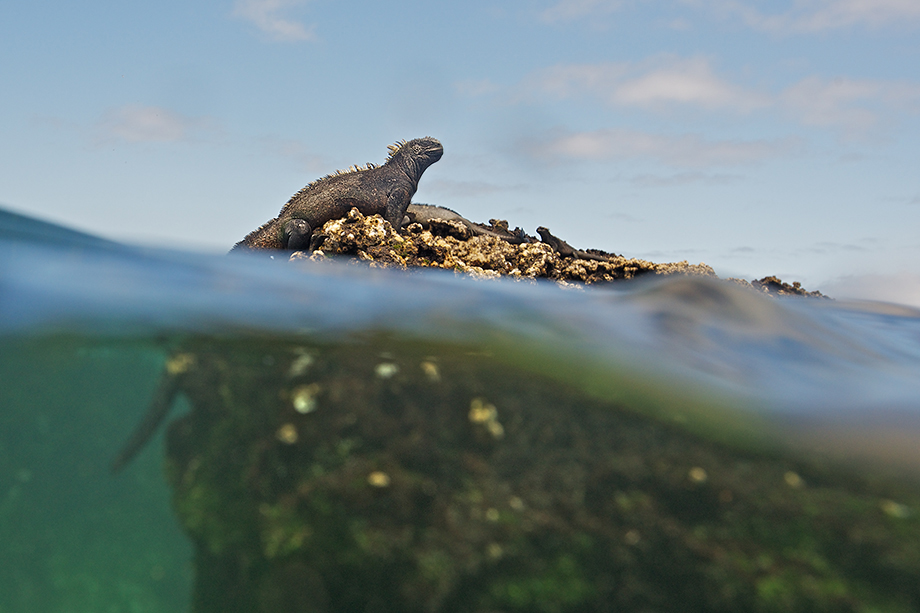
Marine iguanas seem to be everywhere in the Galapagos Islands. While snorkeling one day, I came across these guys, sunning themselves while their tails dangled in the water. Marine iguanas have longer tails than their land counterparts, allowing them to easily move through the water. Nikon D800 with Nikkor 17-35mm lens (at 35mm) ISO 400, f/10 at 1/500th of a second, Ikelite housing with 8 inch dome port
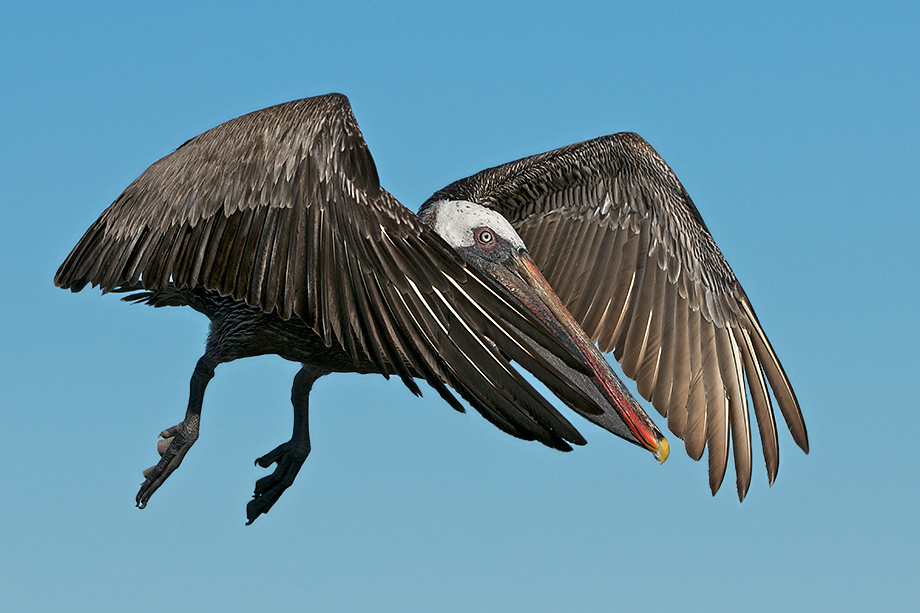
Brown pelicans are fairly common throughout a large part of the Americas. This one was patrolling the coastline of Santa Cruz in the Galapagos Islands, searching for fish. They dive at high speeds, submerging themselves completely in the water before surfacing, spilling the excess water from their throat pouches and swallowing their prey. Nikon D800 with Nikkor 200-400mm lens (at 200mm) ISO 400, f/5.6 at 1/5000th of a second (-1/3 stop ev)
We use cookies to enhance your experience while using our website. If you are using our Services via a browser you can restrict, block or remove cookies through your web browser settings. We also use content and scripts from third parties that may use tracking technologies. You can selectively provide your consent below to allow such third party embeds. For complete information about the cookies we use, data we collect and how we process them, please check our Privacy Policy