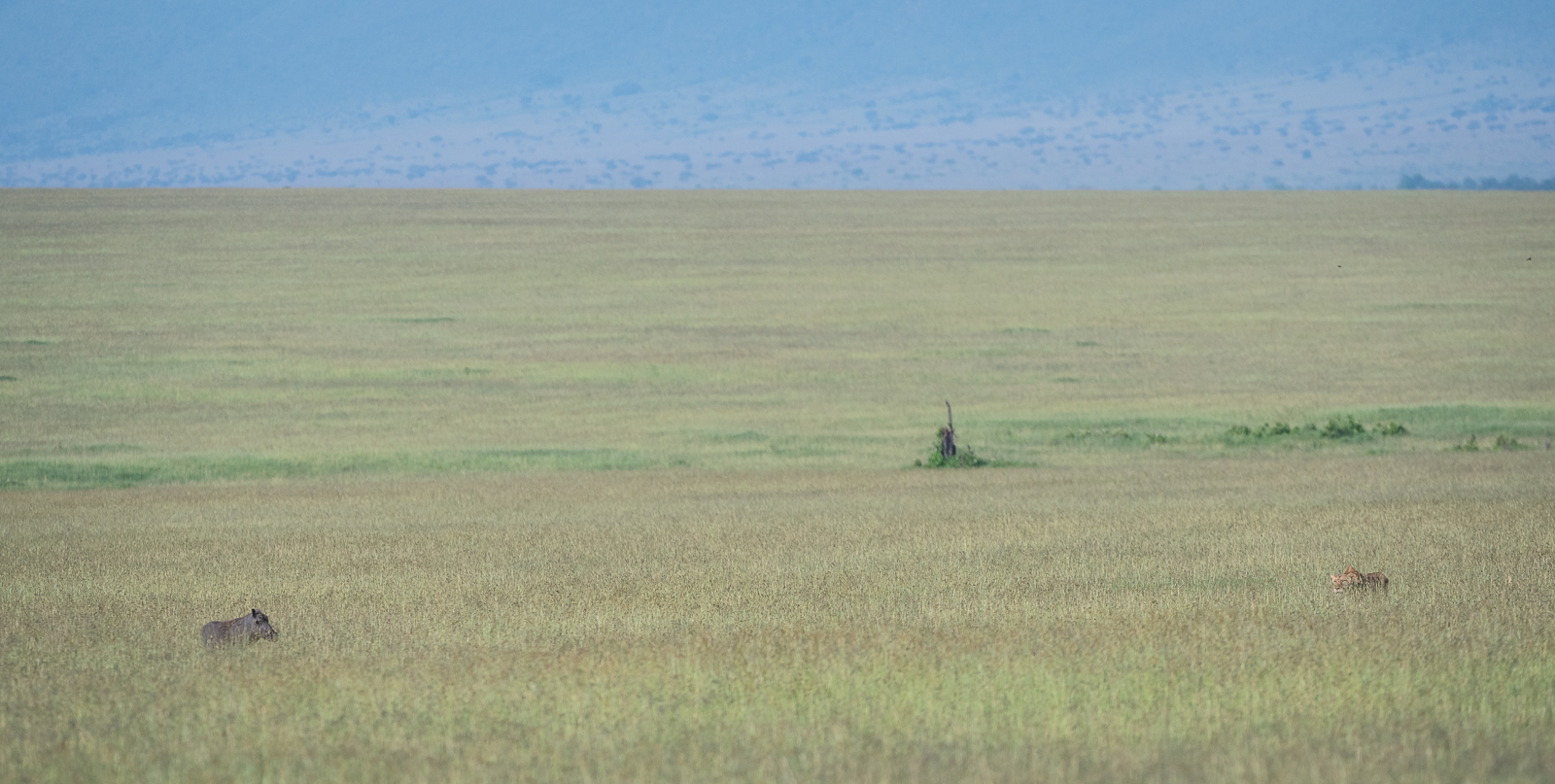
This one takes a bit of work to see what’s happening. We saw a pride of about five lionesses take off in different directions, clearly a strategic maneuver to capture prey. We weren’t sure what they saw. Eventually we realized there was an unsuspecting warthog coming their way. It got closer and closer and the chase was on. The warthog, realizing his predicament, took off on a surprisingly fast sprint. Perhaps out of instinct, but more likely blind luck, he made a quick cut to the right — the only spot that one of the lionesses was not hidden in the grass waiting to ambush. He narrowly escaped to live another day, and the lions were left to try again. Nikon D500 with Nikkor 200-400mm lens (at 330mm) ISO 400, f/5 at 1/3200th of a second.
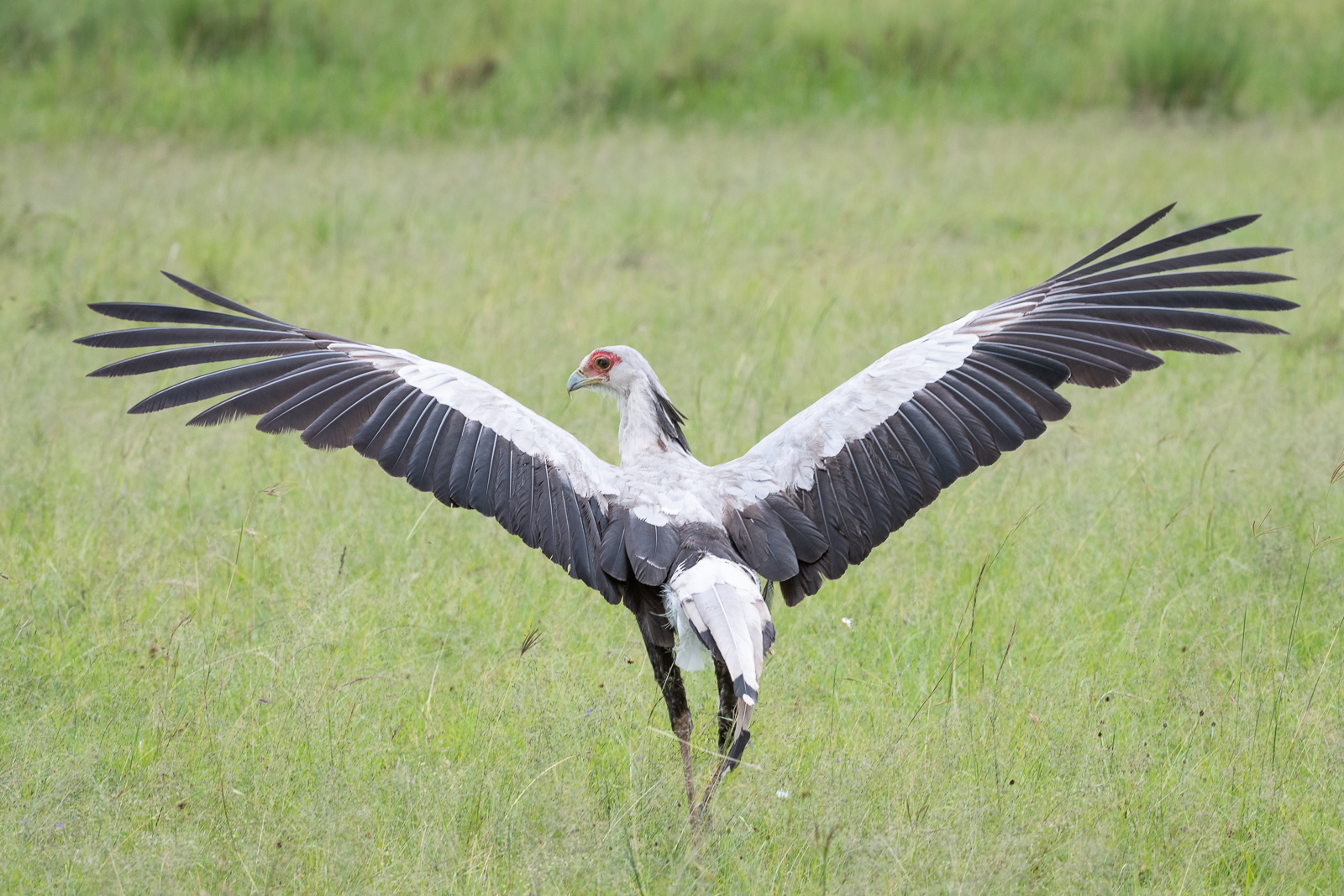
A secretary bird displays its wings as it prepares to take off. Secretary birds are one of the taller flying birds encountered on east African safaris. They spend lots of time on the ground, but also enjoy perching on top of acacia trees. Nikon D500 with Nikkor 200-400mm lens (at 220mm) ISO 400, f/8 at 1/800th of a second.
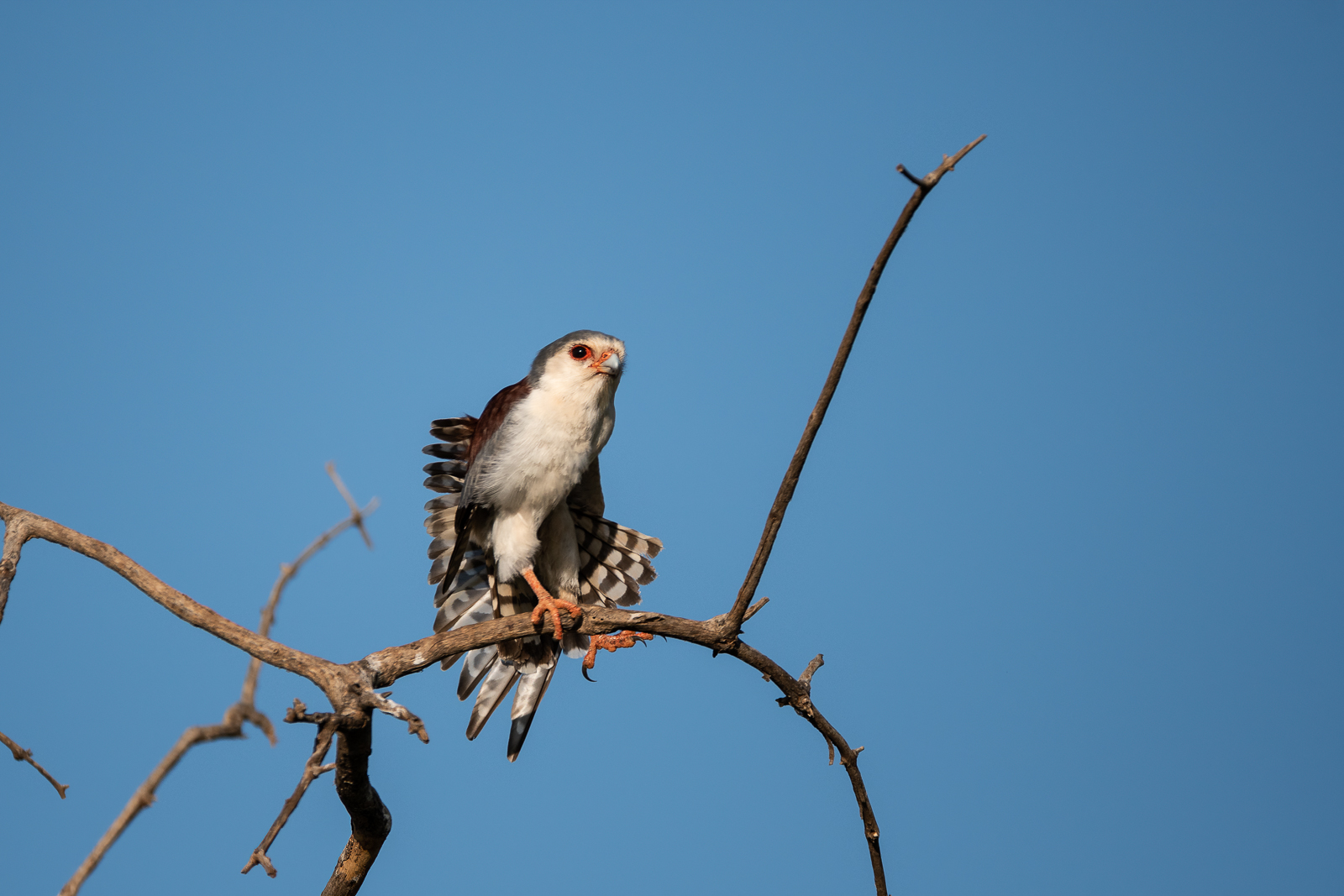
The pygmy falcon is the smallest bird of prey in Africa. It’s only about seven and a half inches long and preys upon insects and small reptiles and mammals. Photographed in Samburu National Reserve in Kenya. Nikon D500 with Nikkor 200-400mm lens (at 400mm) ISO 200, f/4 at 1/3200th of a second.
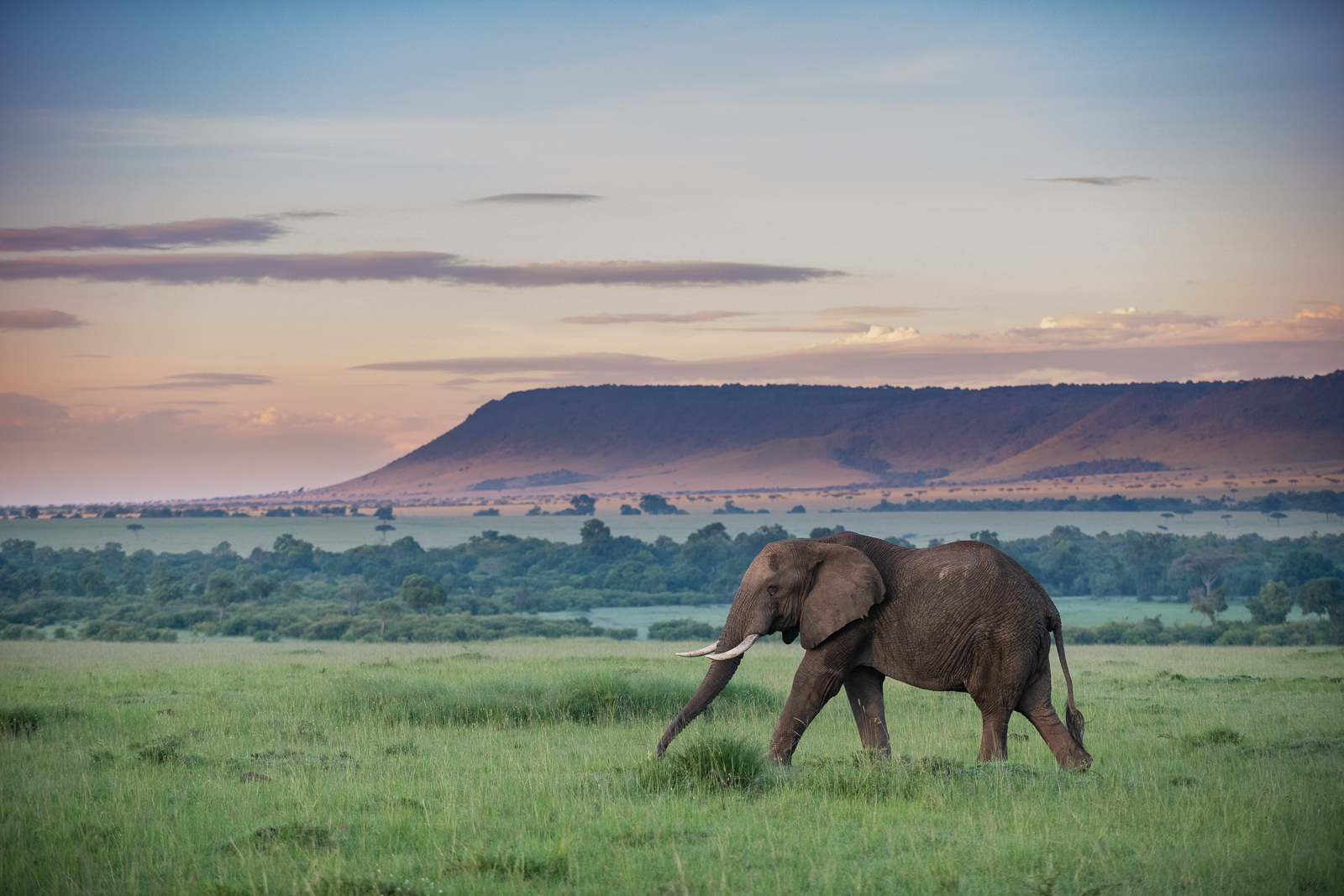
An elephant takes a morning stroll in front of an escarpment in Kenya’s Maasai Mara National Reserve. Nikon D850 with Nikkor 70-200mm lens (at 110mm) ISO 1600, f/4 at 1/1250th of a second.
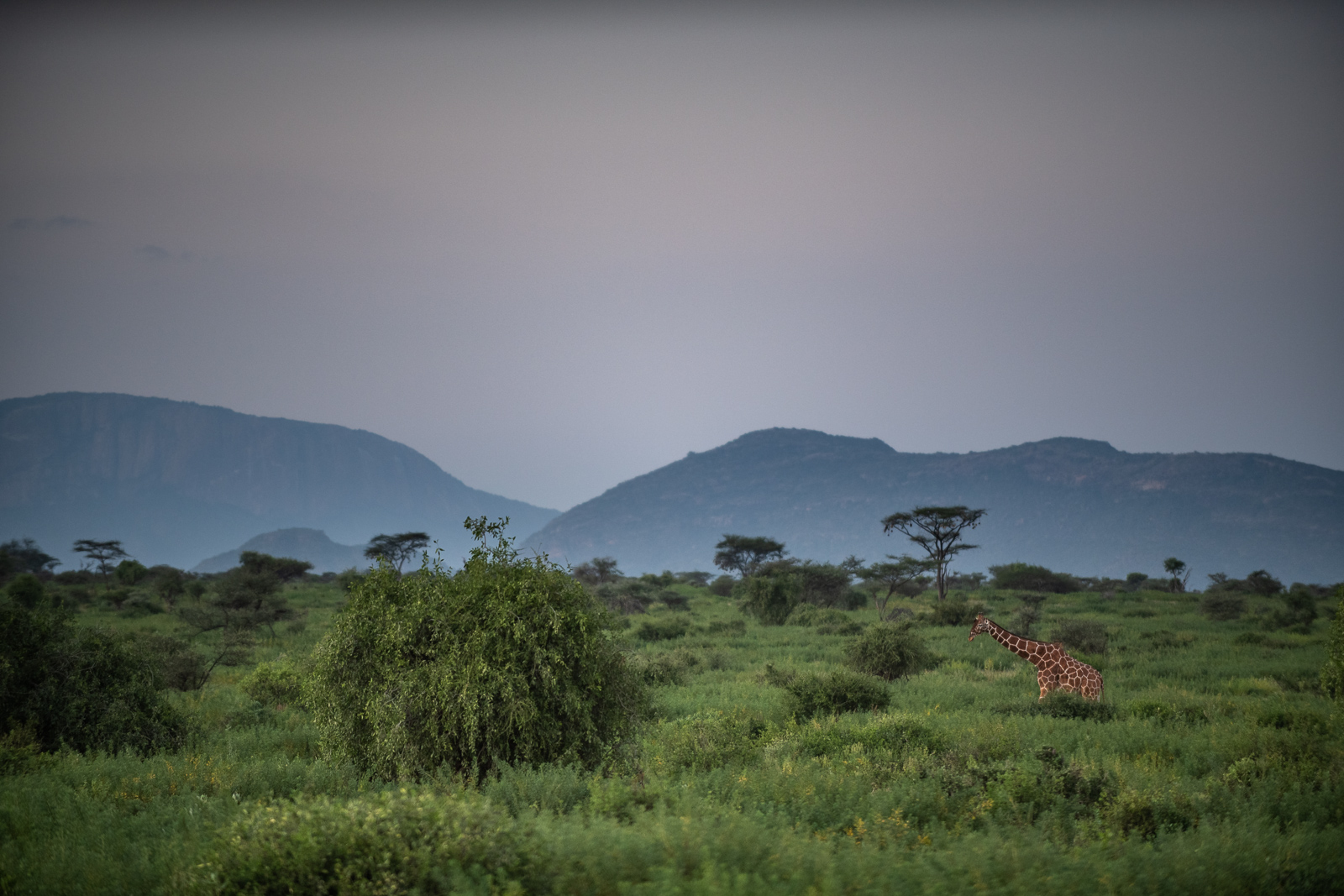
Giraffes and elephants make great subjects for environmental shots due to their large, iconic shape. Plus, it’s hard for either animal to hide and disappear into the landscape. Here, a reticulated giraffe continues to forage as the sun sets on another day in Samburu in Kenya. Nikon D850 with Nikkor 70-200mm lens (at 200mm) ISO 800, f/2.8 at 1/200th of a second.
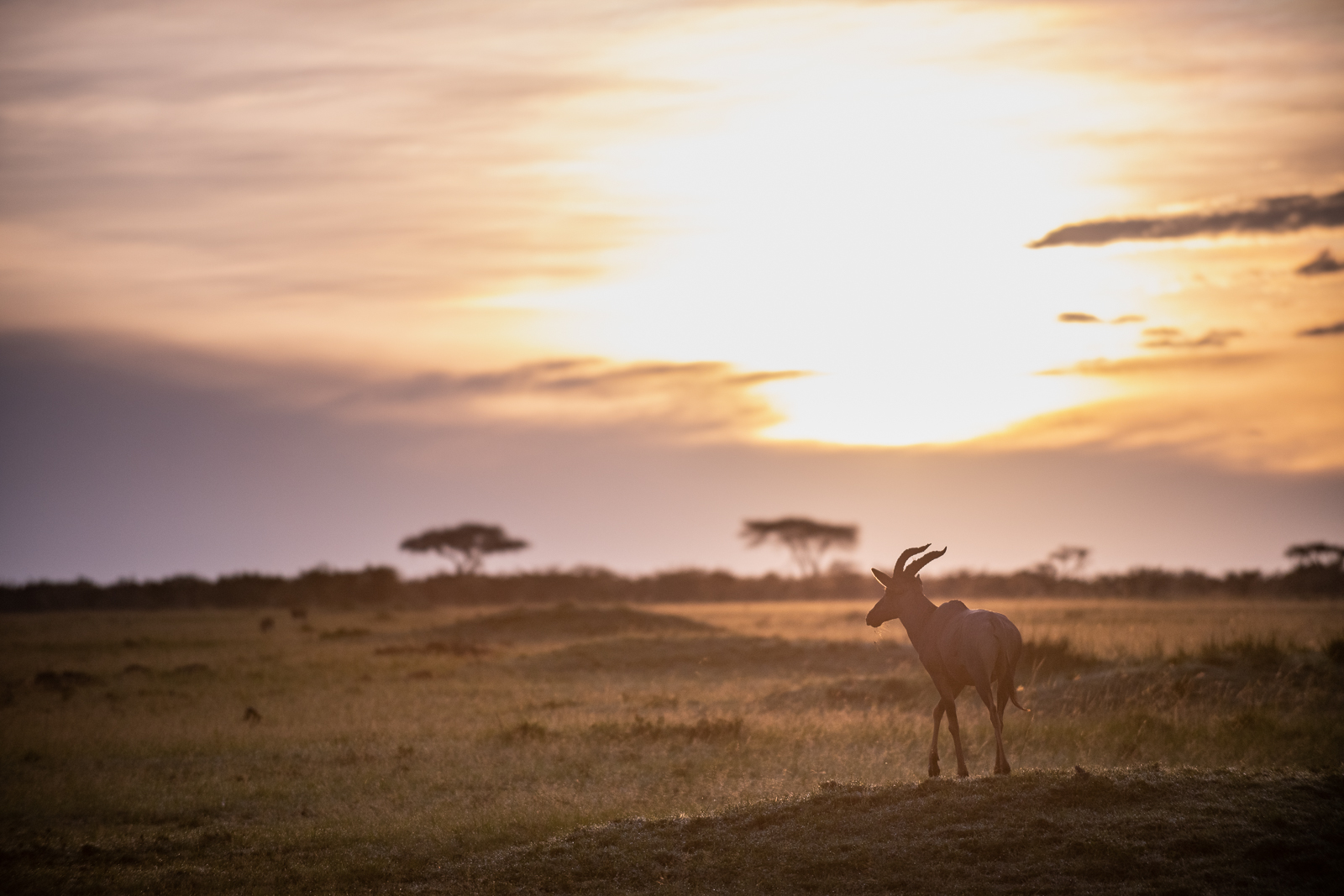
As we close in on our second week of quarantine, I long for mornings like this, just two months ago out on the Mara plains in Kenya. Stay safe everyone. Nikon D850 with Nikkor 70-200mm lens (at 200mm) ISO 400, f/2.8 at 1/8000th of a second.
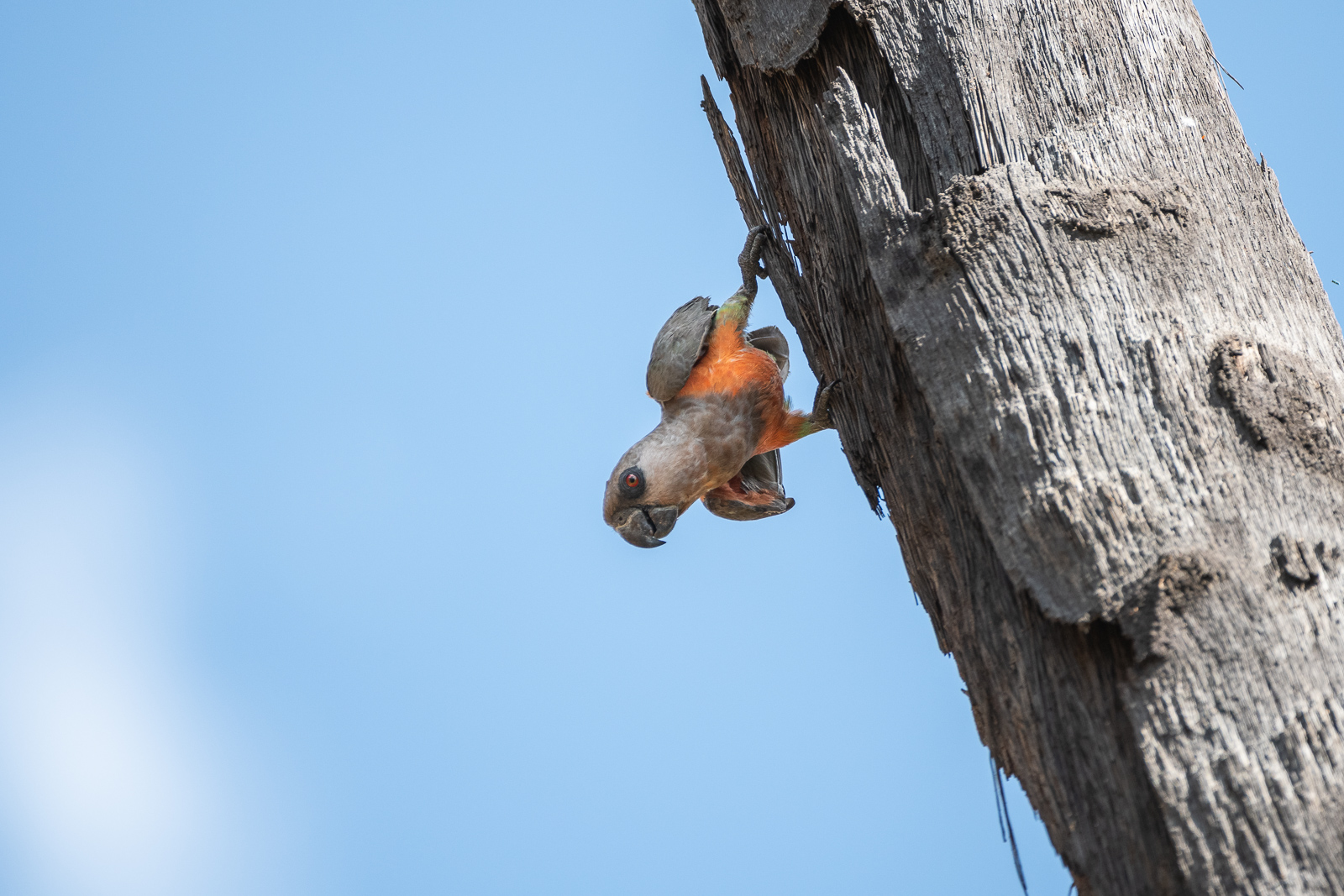
There were several red-bellied parrots nesting in tree cavities right outside my tent in Samburu National Reserve in Kenya. Most of the shots that I captured show the gray wings and topside of the bird. For this image, I was able to get the green legs and orangish/red chest that give the parrot its name. Nikon D500 with Nikkor 200-400mm lens (at 400mm) ISO 400, f/4 at 1/1600th of a second.
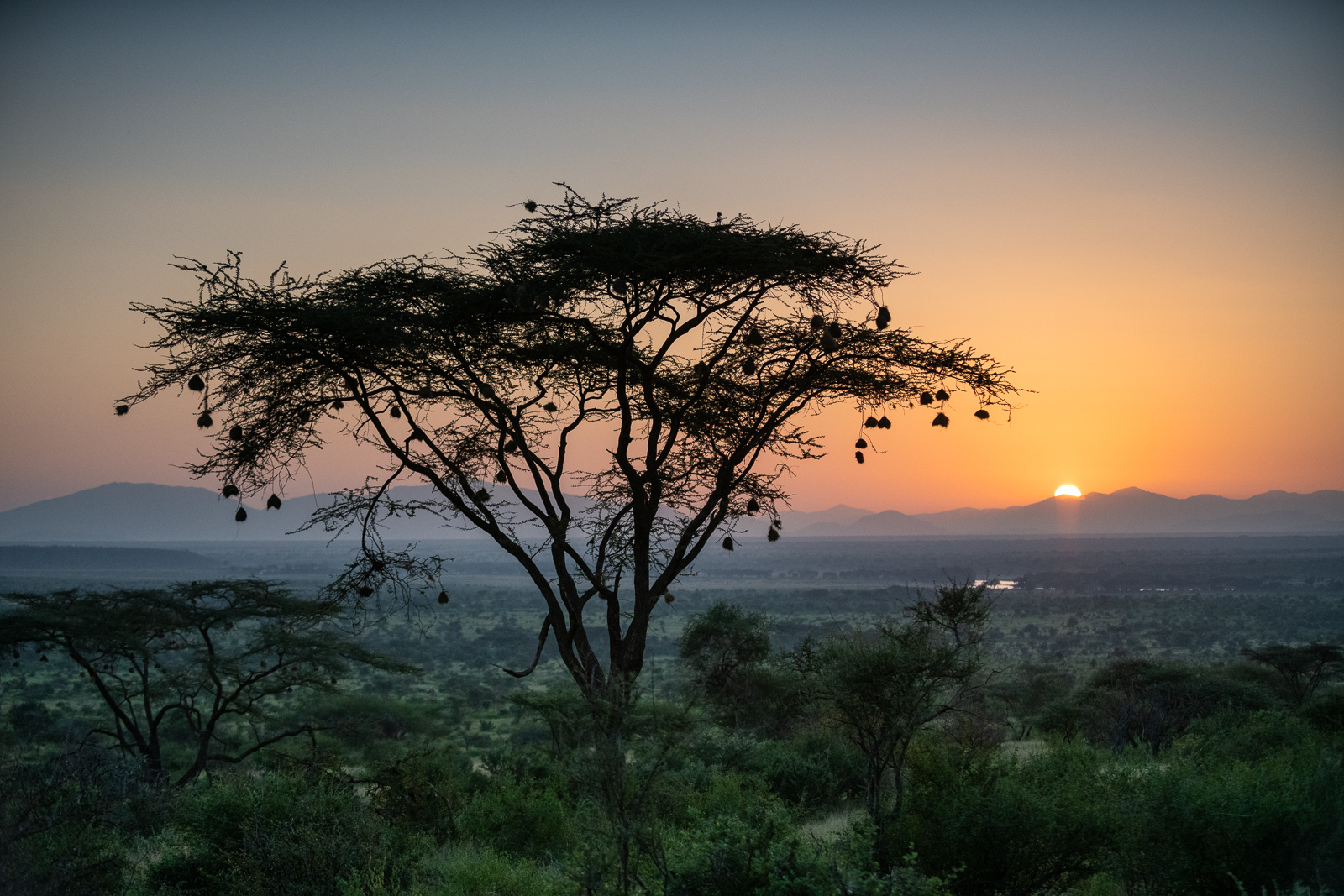
There are no apparent animals in this photo, but plenty of evidence of their whereabouts. Those balls hanging from the acacia tree are weaver nests. Several species of weavers live in Samburu. They are seed-eating birds named for their ability to weave a nest out of grass. A tree like this one is often called an African Christmas tree due to all the nests hanging like ornaments. Photographed at sunrise in Samburu National Reserve.Nikon D850 with Nikkor 70-200mm lens (at 70mm) ISO 1600, f/2.8 at 1/6400th of as second.
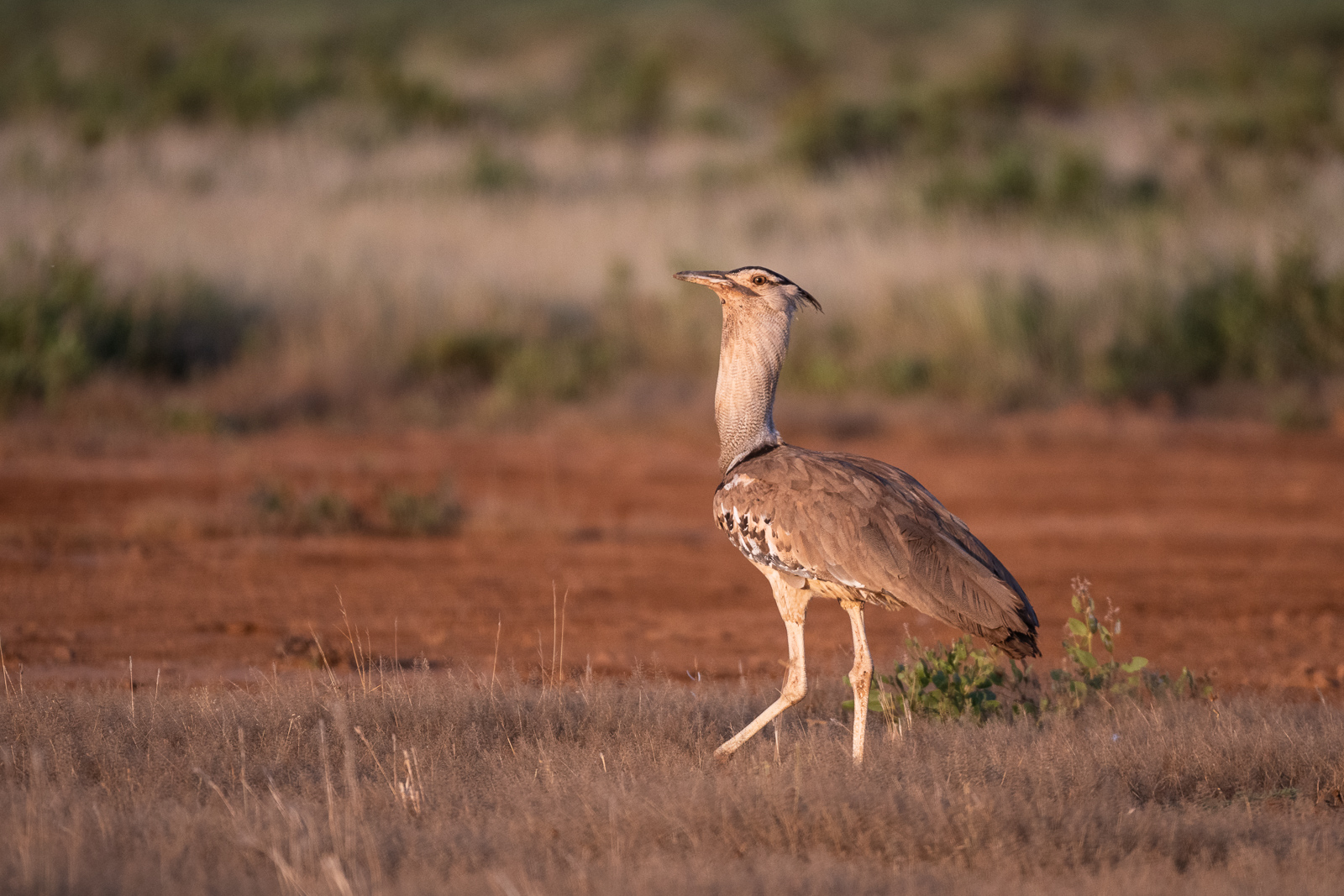
The kori bustard is the largest flying bird in Africa (the ostrich, of course, doesn’t fly). We saw this one strutting across the savanna early one morning in Samburu National Reserve in Kenya. Nikon D500 with Nikkor 200-400mm lens (at 400mm) ISO 800, f/4 at 1/2000th of a second.
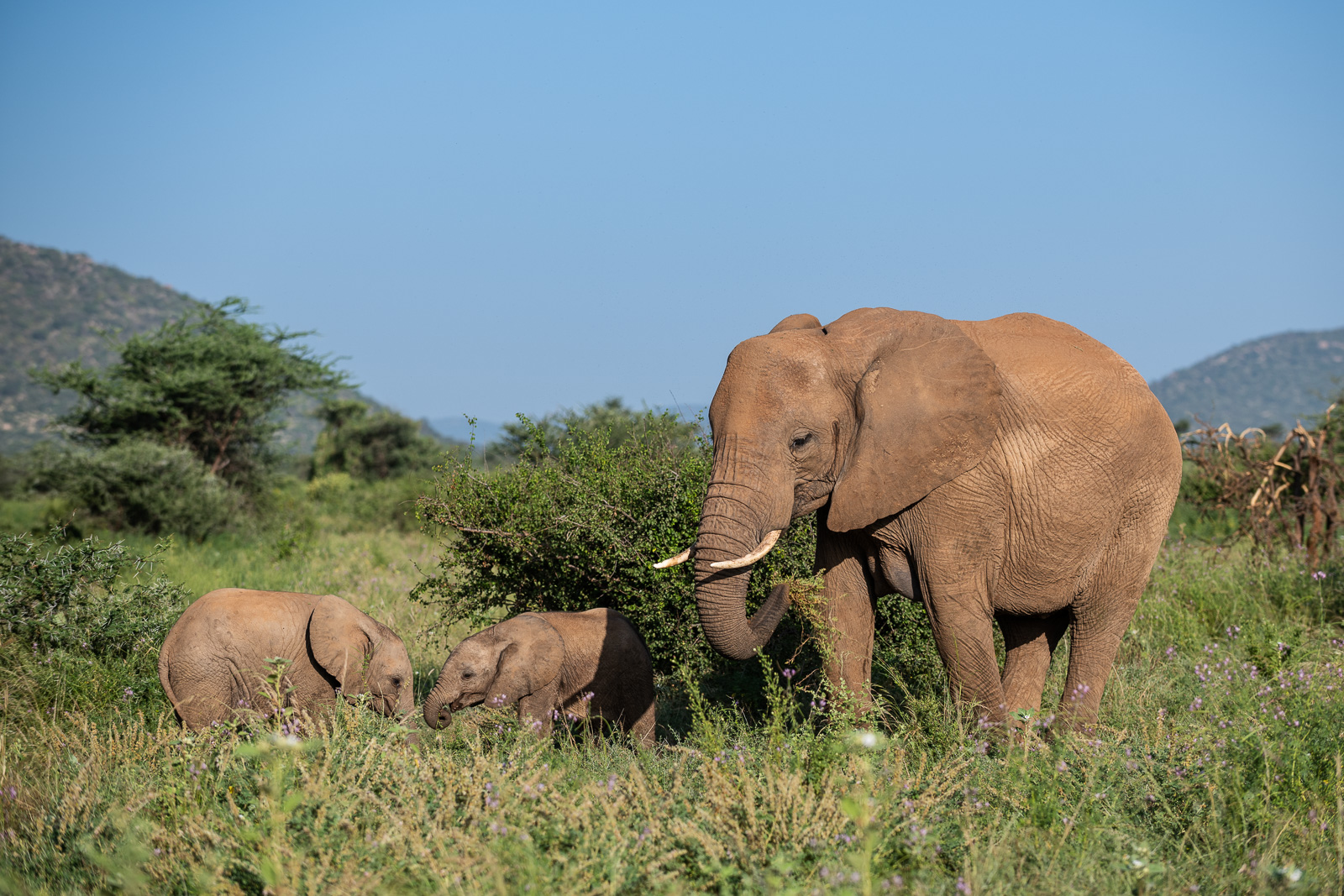
There were lots of young babies in Samburu, Kenya on this recent trip, including these two with their mother. Nikon D850 with Nikkor 70-200mm lens (at 130mm) ISO 200, f/5.6 at 1/1250th of a second.
We use cookies to enhance your experience while using our website. If you are using our Services via a browser you can restrict, block or remove cookies through your web browser settings. We also use content and scripts from third parties that may use tracking technologies. You can selectively provide your consent below to allow such third party embeds. For complete information about the cookies we use, data we collect and how we process them, please check our Privacy Policy