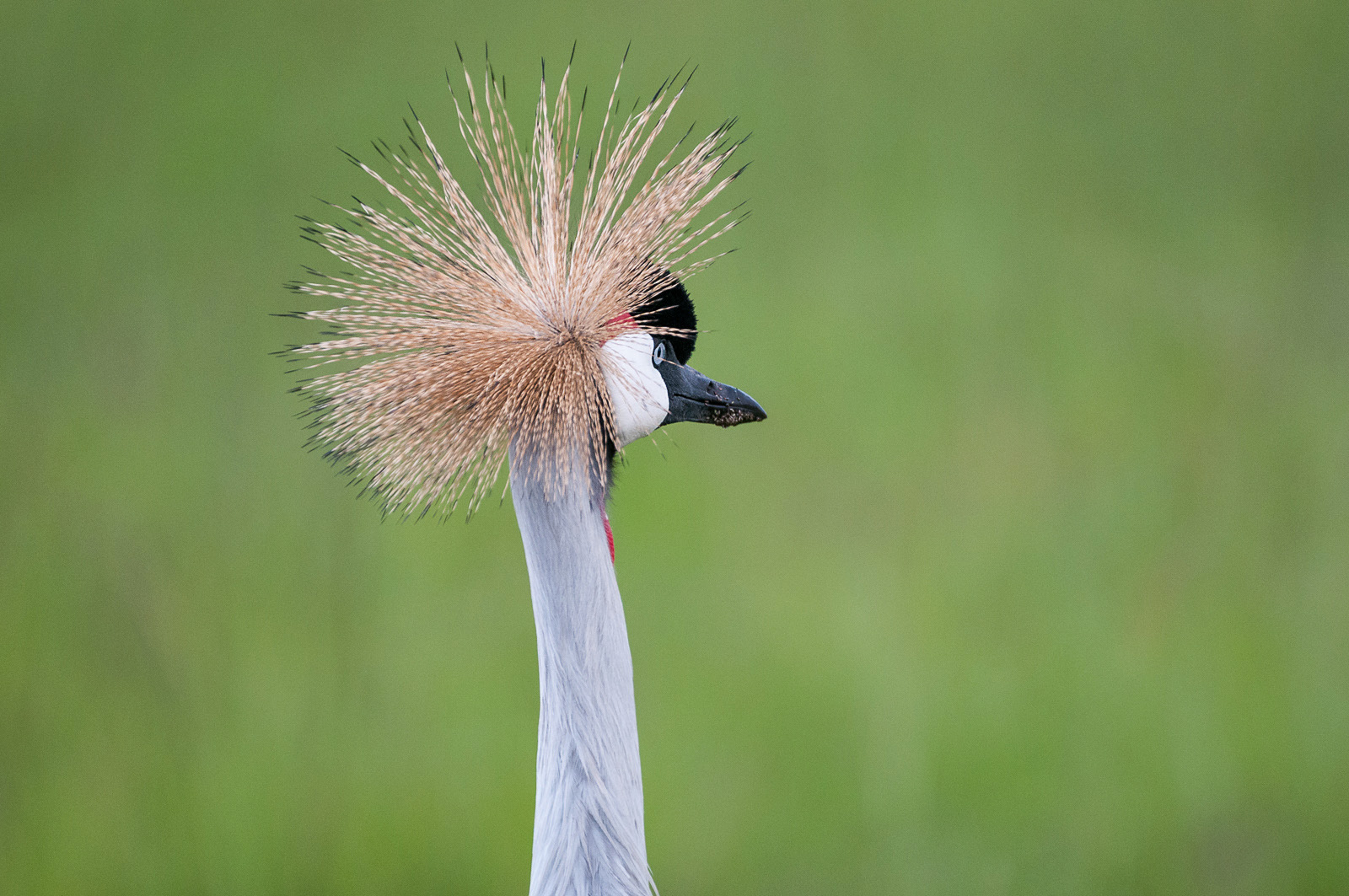
Crowned cranes are one of the avian highlights of any safari to East Africa. This particular crane allowed a close enough approach for some nice head shots. I kind of liked this three quarters from behind angle highlighting the namesake crown. Nikon D300 with Nikkor 200-400mm lens (at 400mm) ISO 800, f/4 at 1/160th of a second.
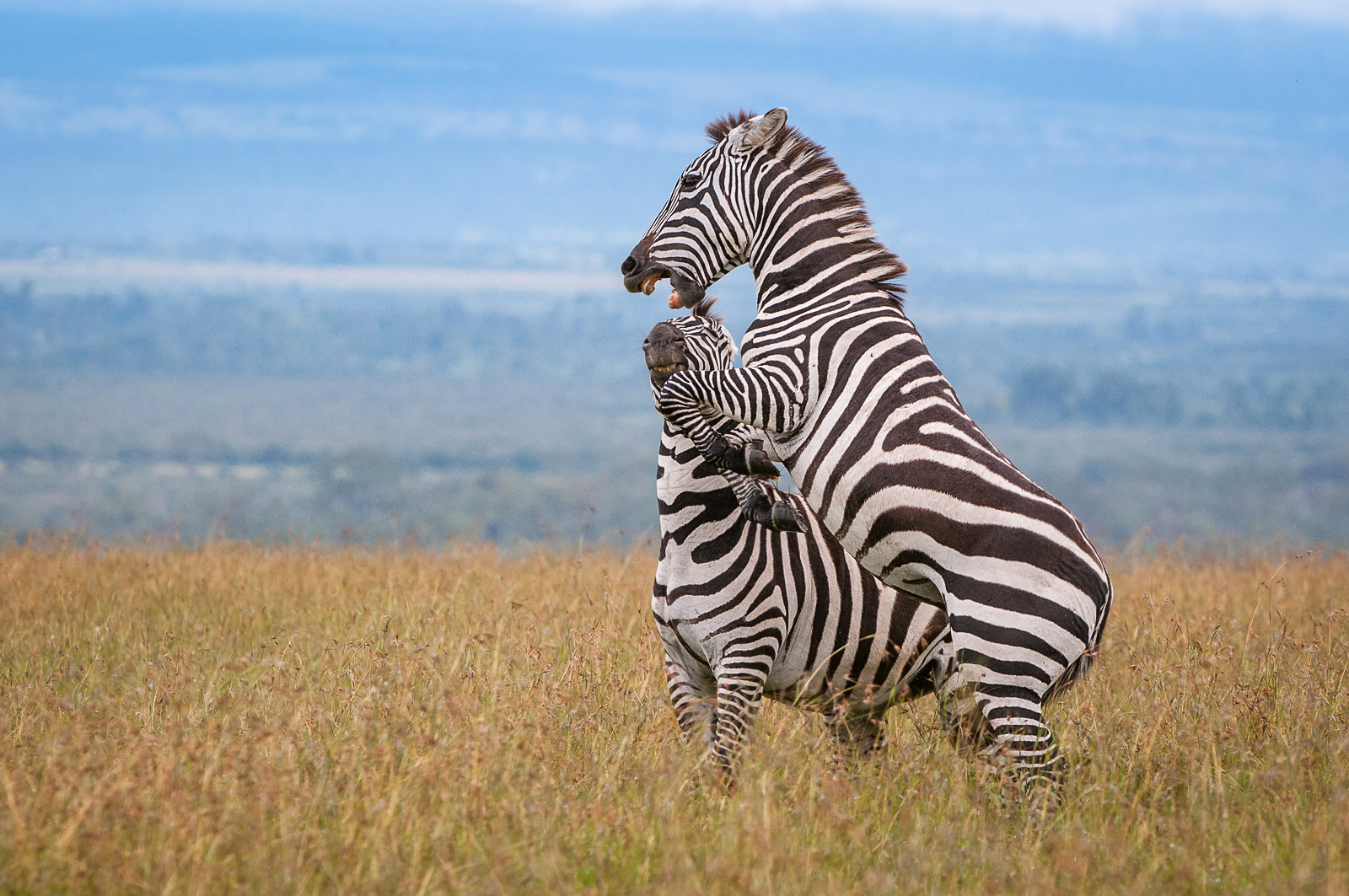
These two male zebras were going at each other during rutting season, trying to prove dominance for mating rights. Photographed at Ol Pajeta Conservancy in Laikipia, Kenya. Nikon D300 with Nikkor 200-400mm lens (at 400mm) ISO 400, f/6.3 at 1/800th of a second.
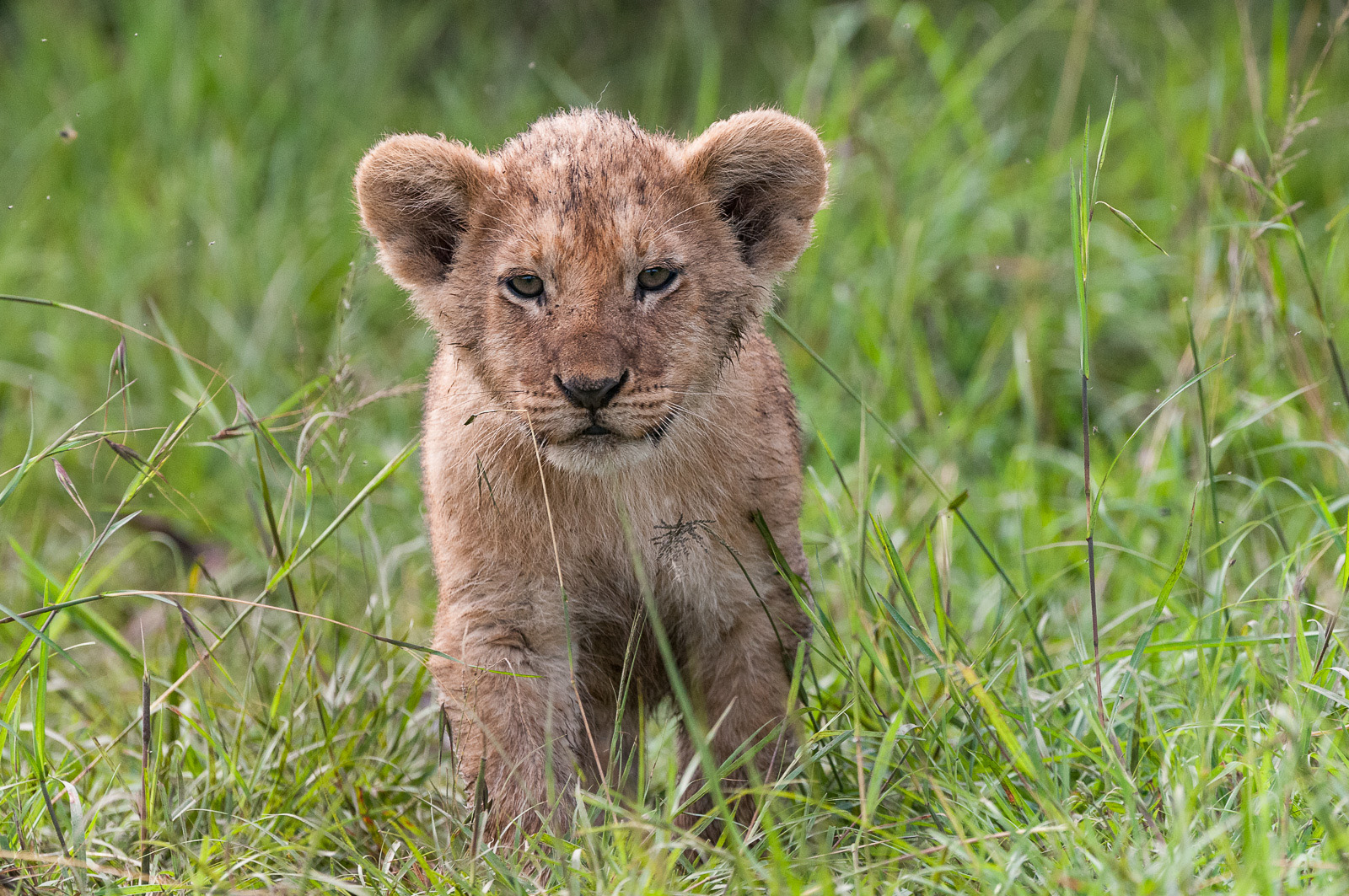
This little lion cub was alone with his mother and very curious as to the strange looking beings in the safari vehicle. But not too curious. After a few playful approaches, the cub grew tired and returned to his mother who was resting in the bushes. Nikon D300 with Nikkor 200-400mm lens (at 400mm) ISO 800, f/5.6 at 1/1000th of a second.
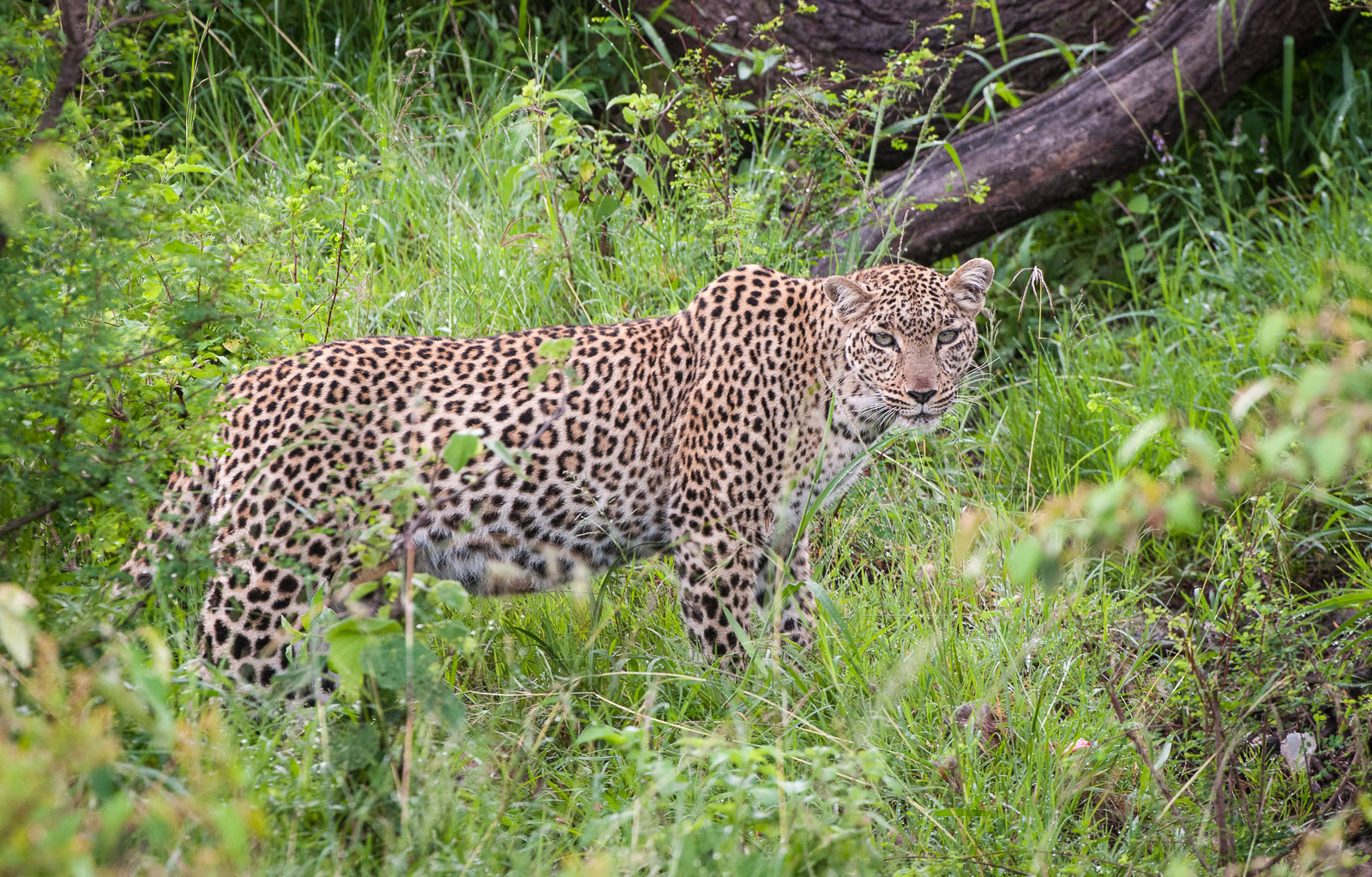
Leopards seem to be most safari aficionados’ favorite big cat. And for good reason. They really are fine looking specimens. This one stopped for just a moment to look toward camera. They can be notoriously aloof toward safari vehicles (which is a good thing) but will occasionally acknowledge your presence, if just for a quick, disinterested glance. This lovely lady was photographed in a private concession just outside the Masai Mara in Kenya. Nikon D300 with Nikkor 200-400mm lens (at 400mm) ISO 800, f/5.6 at 1/250th of a second.
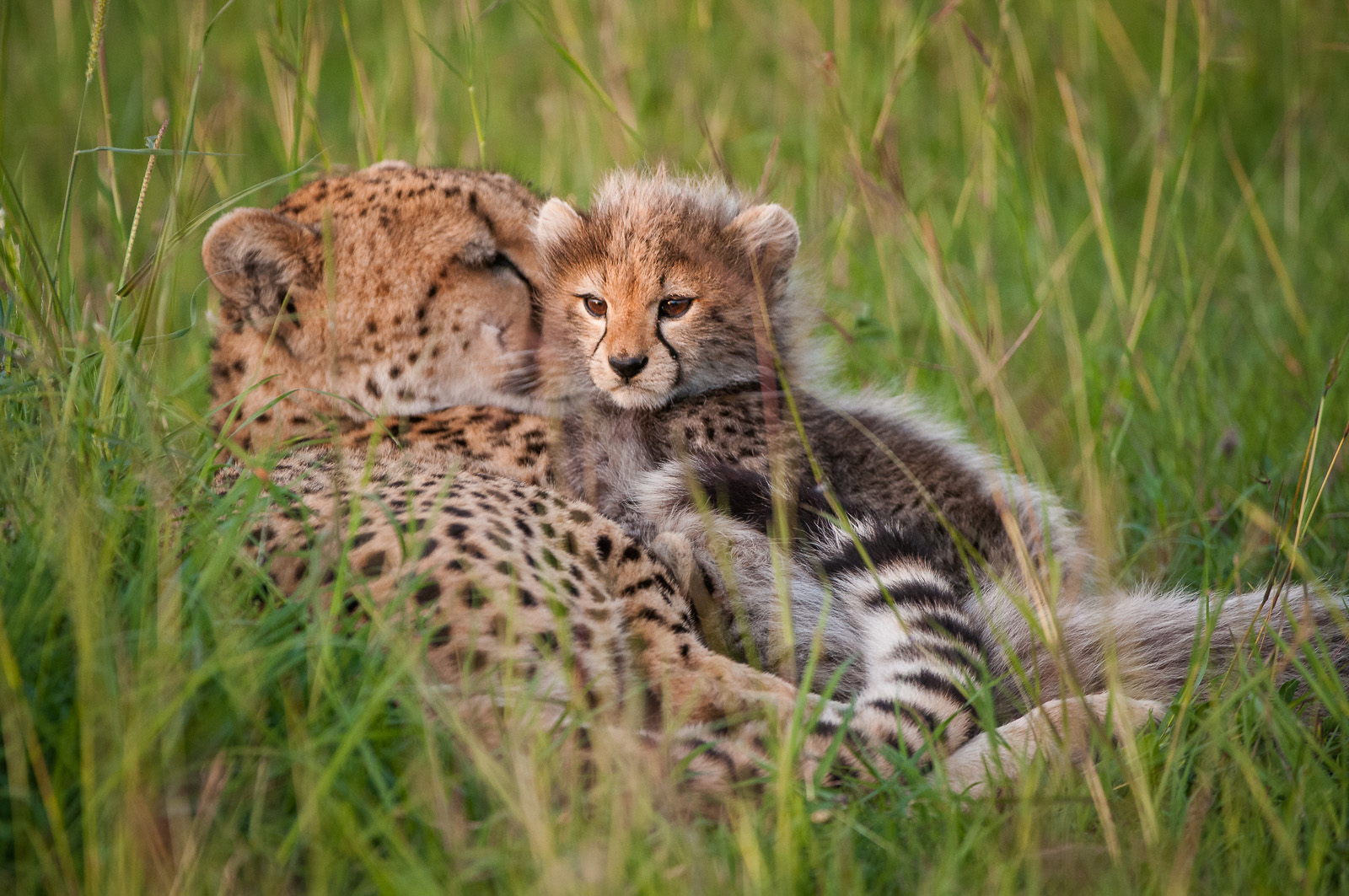
This mother cheetah appears to be giving her cub some sage advice. We watched these two — and a second cub — for about an hour as they settled down for the night in the tall grasses of the Masai Mara in Kenya. Nikon D300 with Nikkor 200-400mm lens (at 350) ISO 800, f/4 at 1/200th of a second
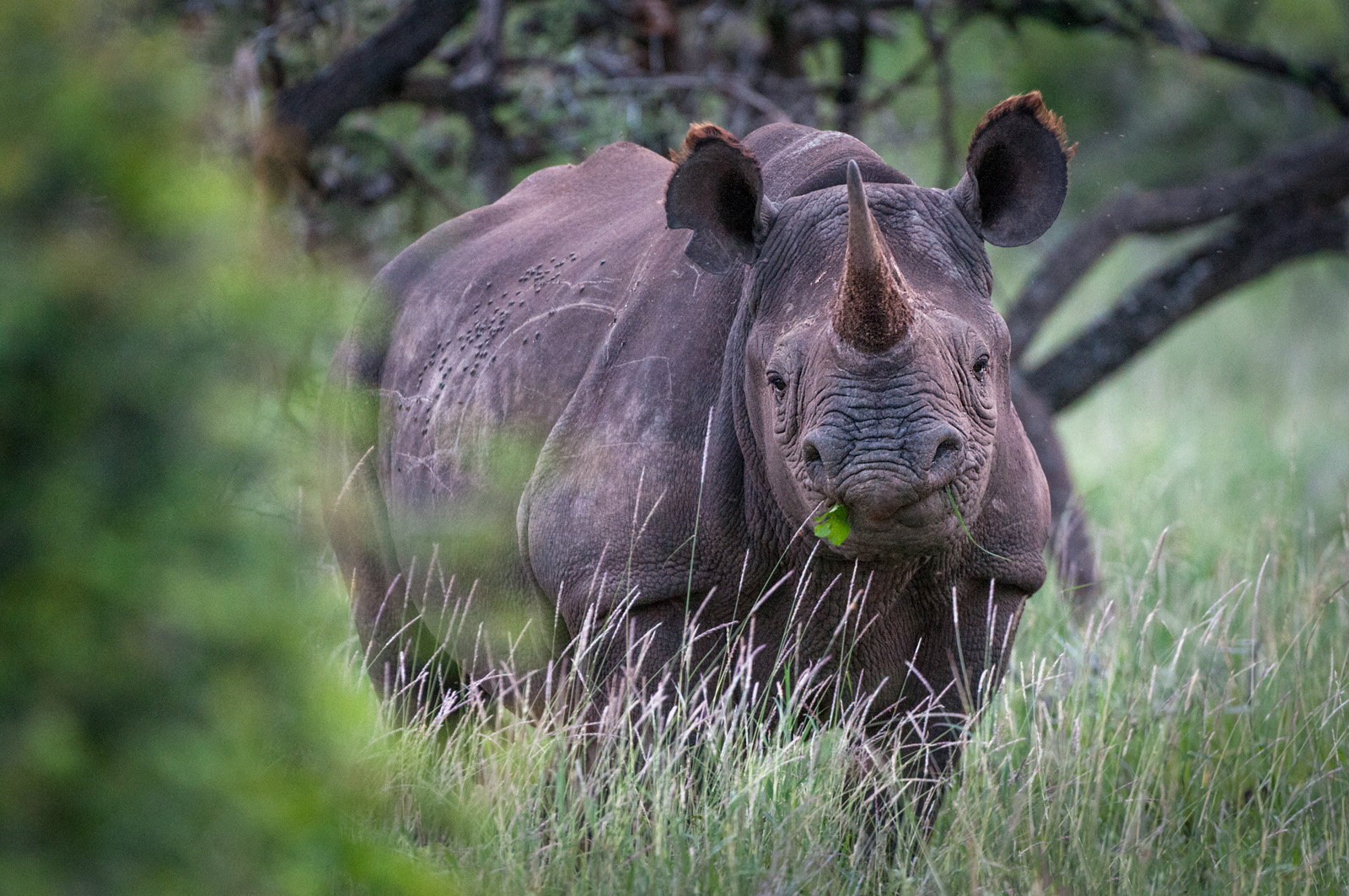
The black rhinoceros is classified as Critically Endangered. Several localized sub-species of the black rhino have already gone extinct. Thankfully, places like Lewa Wildlife Conservancy in Kenya are doing a great job to save both the black and the slightly less endangered white rhino. I look forward to getting back and photographing them again some day soon. Nikon D300 with Nikkor 200-400mm lens (at 340mm) ISO 1600, f/4 at 1/125th of a second
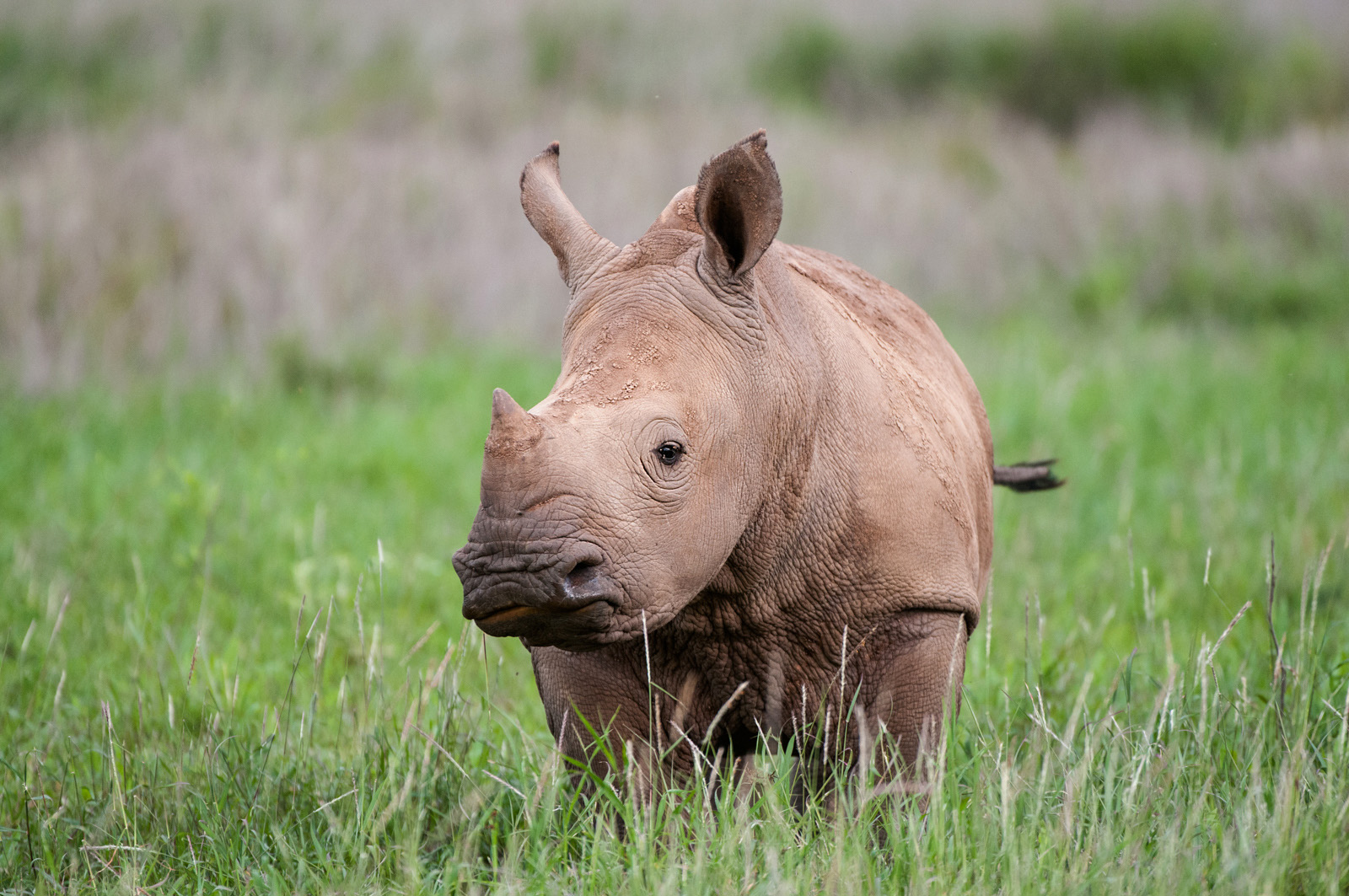
By eating as much grass as possible, this little white rhinoceros is doing his best to become a big white rhinoceros. We saw this playful little guy in Lewa Wildlife Conservancy in Kenya, which is a great place to see both black and white rhinos. Nikon D300 with Nikkor 200-400mm lens (at 400mm) ISO 800, f/4 at 1/250th of a second
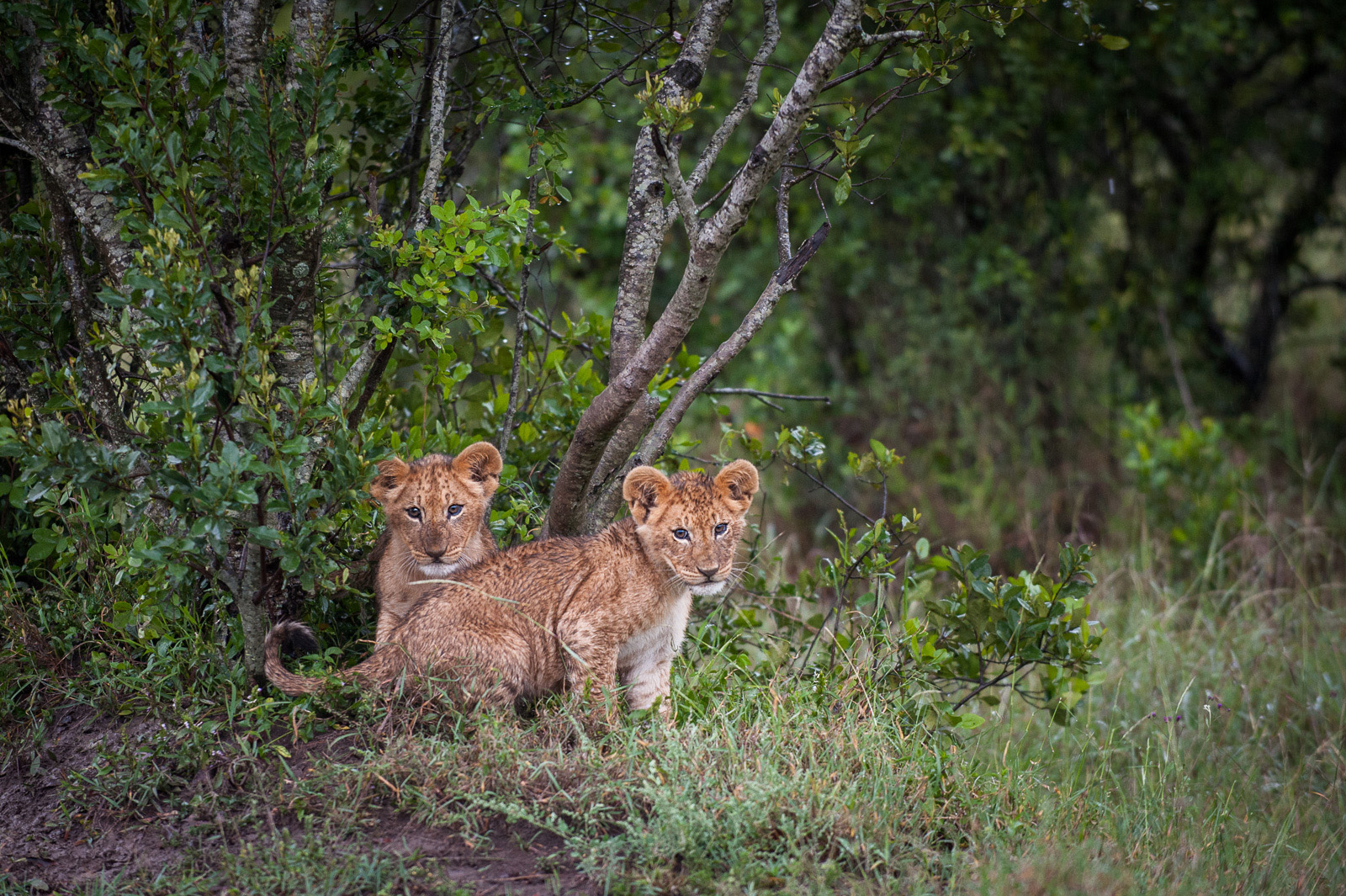
These two lion cubs were seeking shelter from the rain under a stand of trees in Ol Pajeta Conservancy in Laikipia, Kenya. There was a third cub nearby, as well as mom to the right of frame. Nikon D700 with Nikkor 70-200mm lens (at 200mm) ISO 1600, f/3.5 at 1/200th of a second
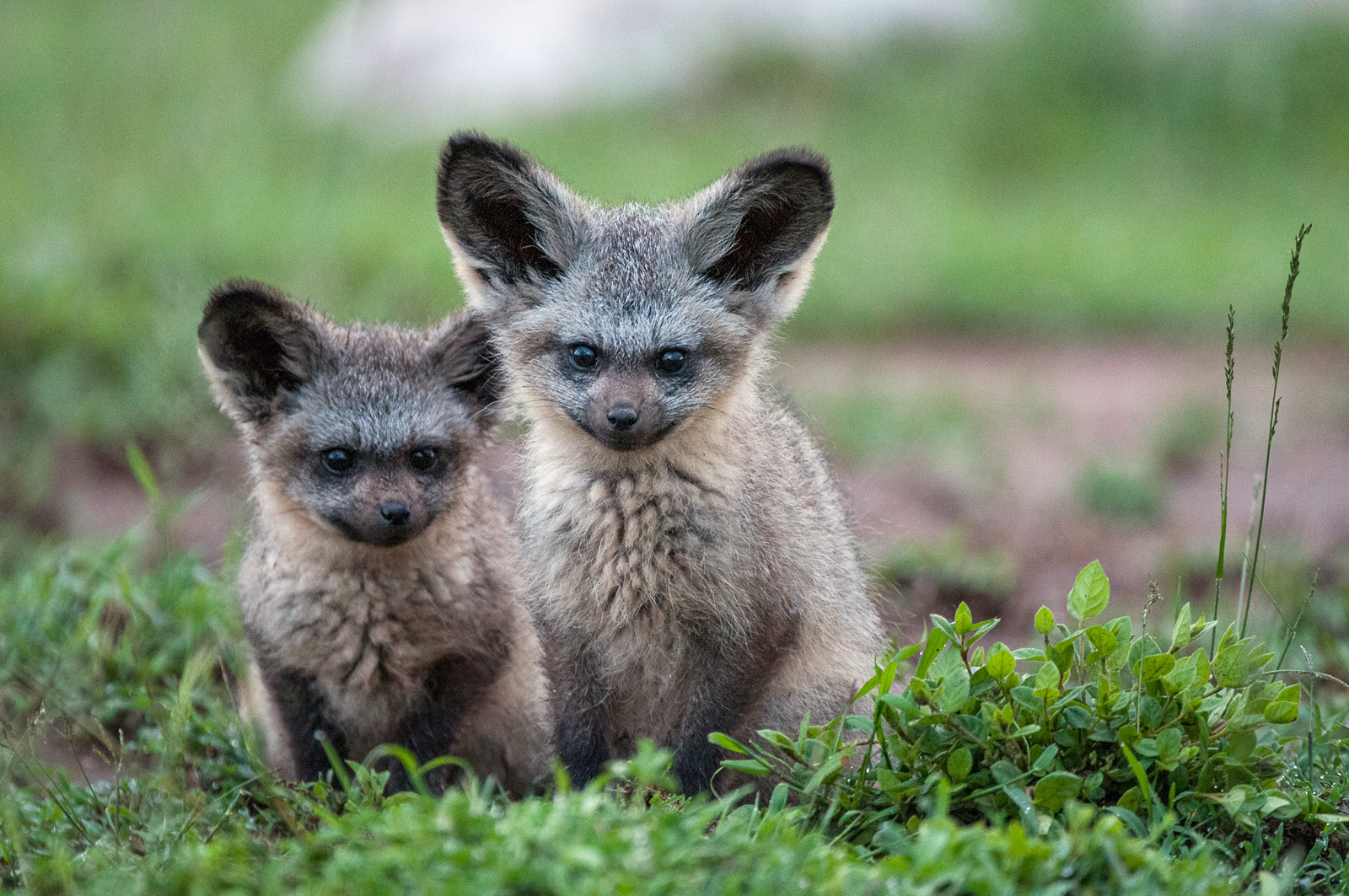
It’s been a while since I posted bat-eared foxes. Here are two pups that I photographed in Kenya in the Masai Mara. Mom was out hunting while these two played in and around their den. Nikon D300 with Nikkor 200-400mm lens (at 400mm) ISO 1600, f/4 at 1/200th of a second
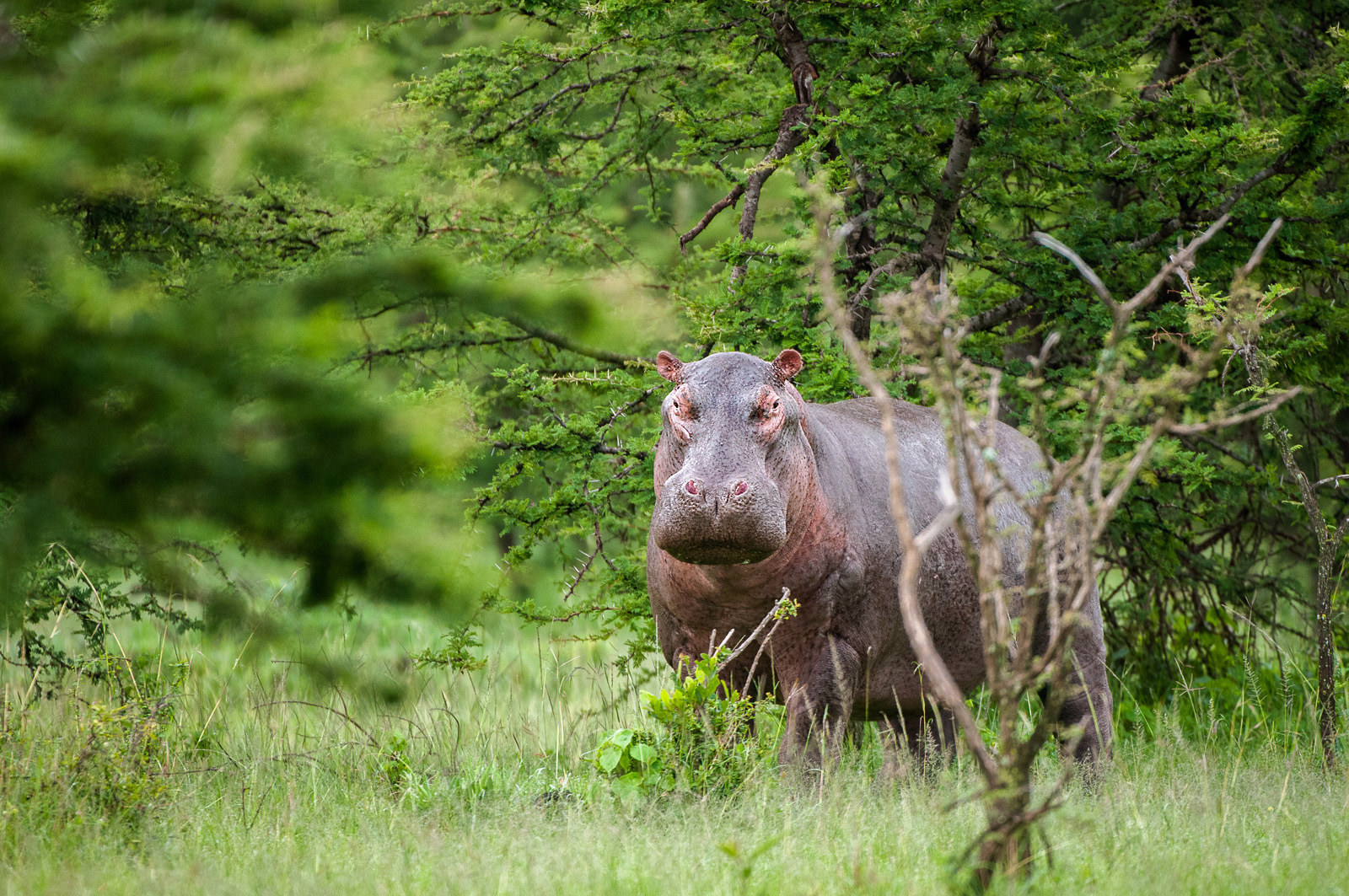
It’s not entirely rare to see a hippo out of water, but not exactly common either. They do spend the majority of their waking hours in rivers, lakes and ponds, seeking relief from the heat and much needed protection for their sensitive skin. But they will sometimes seek dry land at night to sleep, and they can occasionally be spotted eating grass in the early morning hours before the sun rises. The one thing that is for sure is that they are not to be messed with. This big guy we encountered one morning in the Masai Mara of Kenya was eyeing us cautiously as I snapped a few pictures. We quickly moved on, making sure that he didn’t feel threatened and that he had a clear path back to the water. Nikon D300 with Nikkor 200-400mm lens (at 400mm) ISO 800, f/4 at 1/320th of a second
We use cookies to enhance your experience while using our website. If you are using our Services via a browser you can restrict, block or remove cookies through your web browser settings. We also use content and scripts from third parties that may use tracking technologies. You can selectively provide your consent below to allow such third party embeds. For complete information about the cookies we use, data we collect and how we process them, please check our Privacy Policy