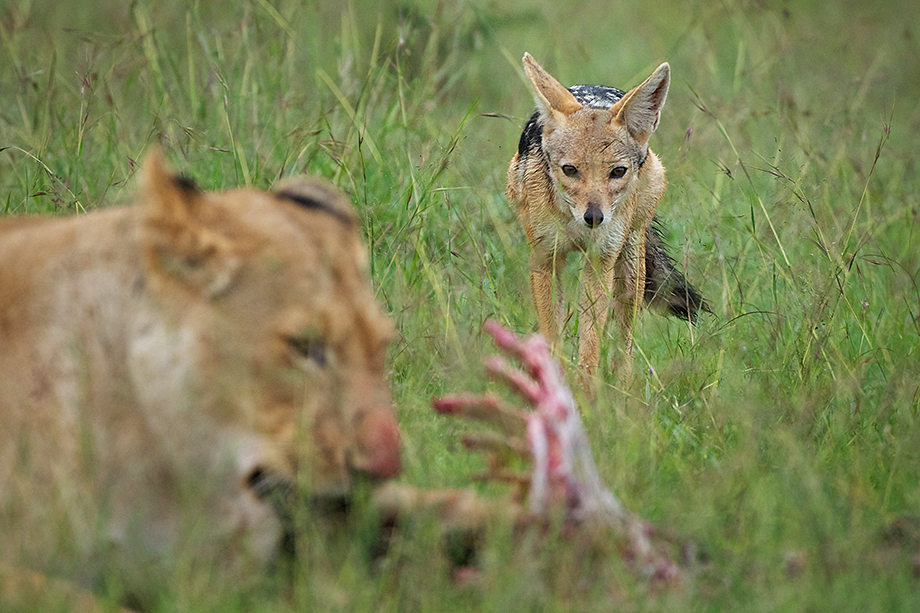
About a year ago I posted a similar shot, but from the lion’s point of view. This one shows the concentration — and frustration — on the face of this black-backed jackal. The lion, in fact, seemed to be toying with the jackal and refusing to let it get any satisfaction. She had virtually stripped the carcass clean but still wouldn’t abandon it. The jackal finally gave up and left. Just as soon as it was out of sight, the lion got up and walked away herself. Nikon D300 with Nikkor 200-400mm f/2.8 lens (at 400mm) ISO 1600, f/4.5 at 1/400th of a second
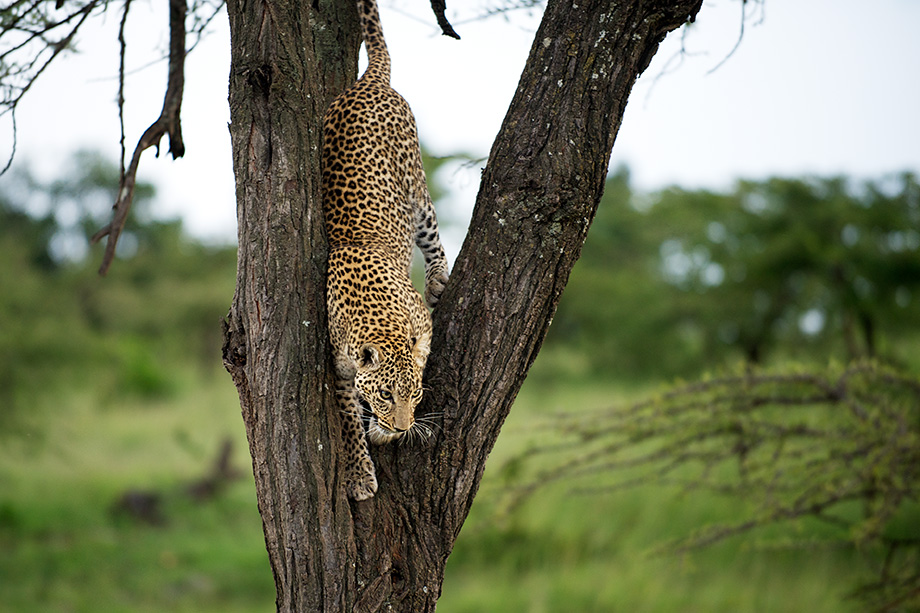
Leopards are one of the few big cats that have the ability to climb down trees head first. This young lady was heading back out on the prowl after feasting on an impala that she had dragged up into the tree earlier in the day. By keeping their kills on a high branch, leopards are able to avoid run ins with non-climbing scavengers like hyenas. Nikon D700 with Nikkor 70-200mm f/2.8 lens (at 200mm), ISO 800, f/2.8 at 1/200th of a second
This newborn topi was all awkward enthusiasm as it romped through its new home in the Masai Mara of Kenya. Topis are a very common sight in the Masai Mara in November and it seemed as if every mother was with a calf.
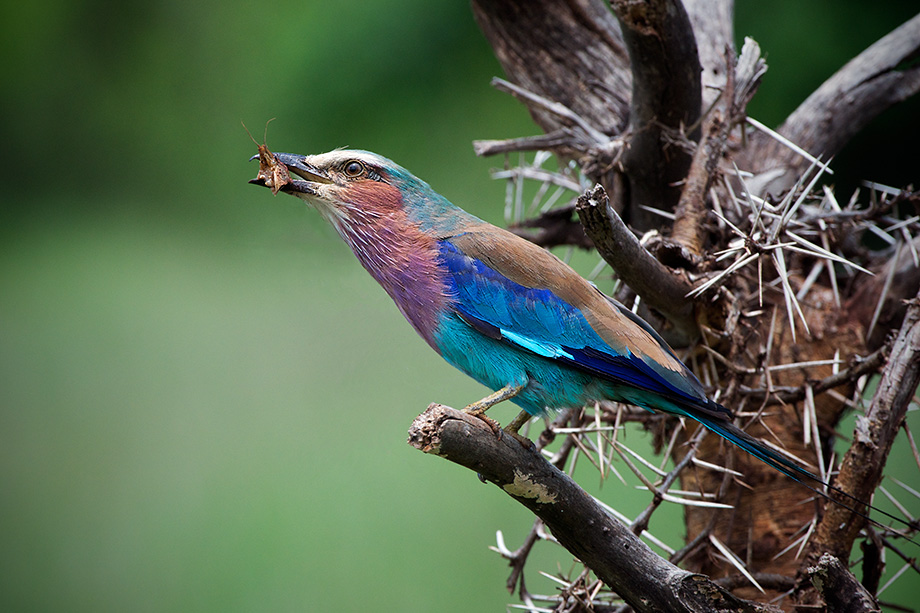
Nothing much to say here — just a lilac breasted roller enjoying breakfast. These colorful birds are very common in much of Africa. This one was photographed in the Lewa Wildlife Conservancy in Kenya.
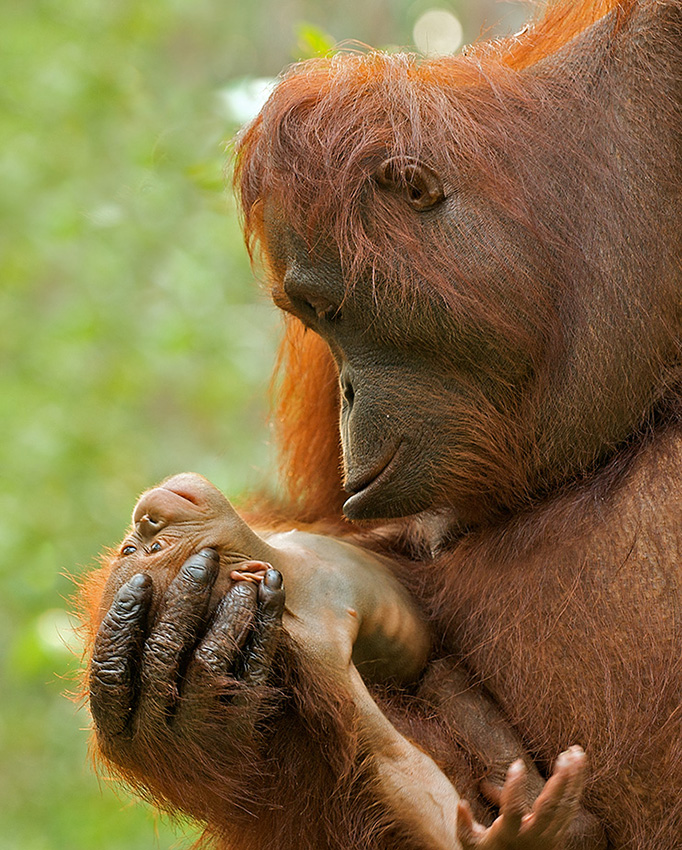
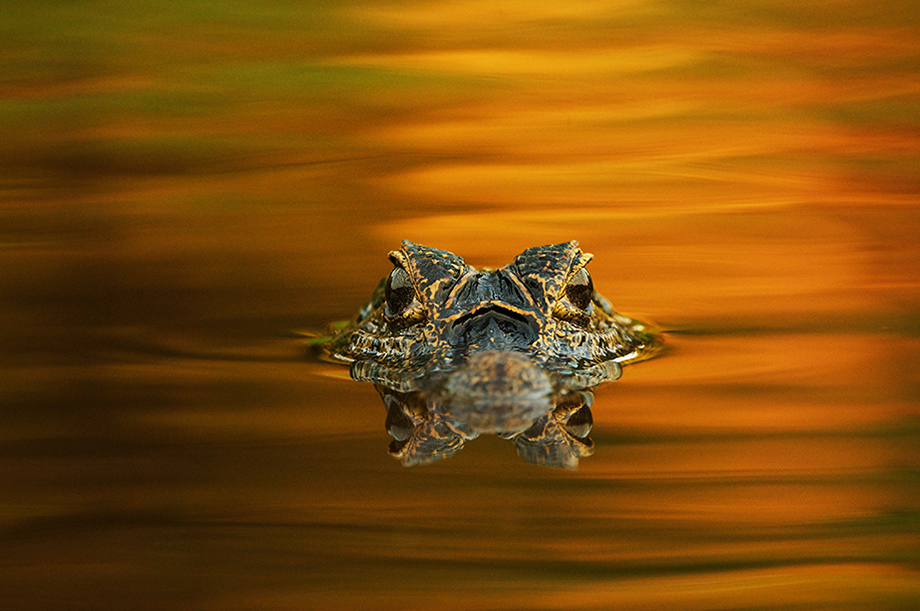
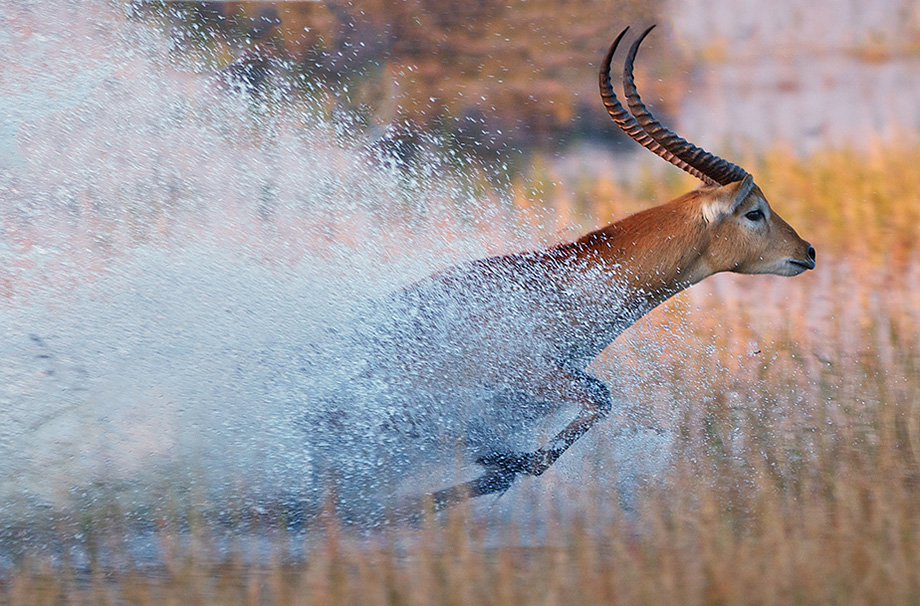
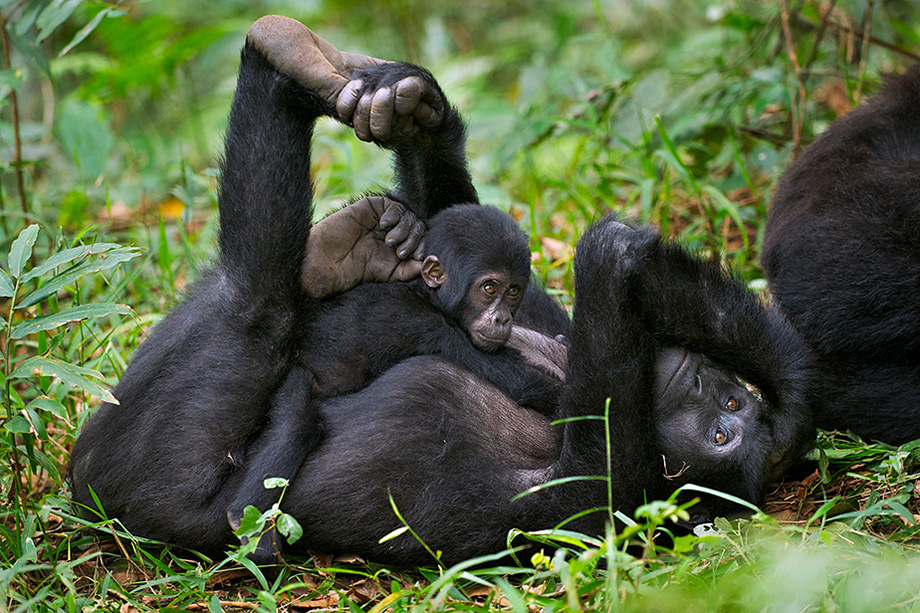
I just found out that the following seven images were selected for inclusion in this year’s North American Nature Photographers Association (NANPA) award showcase. A total of 100 images are selected each year. All seven will appear in the Showcase print book and will be featured at the 2013 Nature Photography Summit in Jacksonville, Florida. I’ve previously posted all these photos before, but thought I’d get them up here on the blog again.
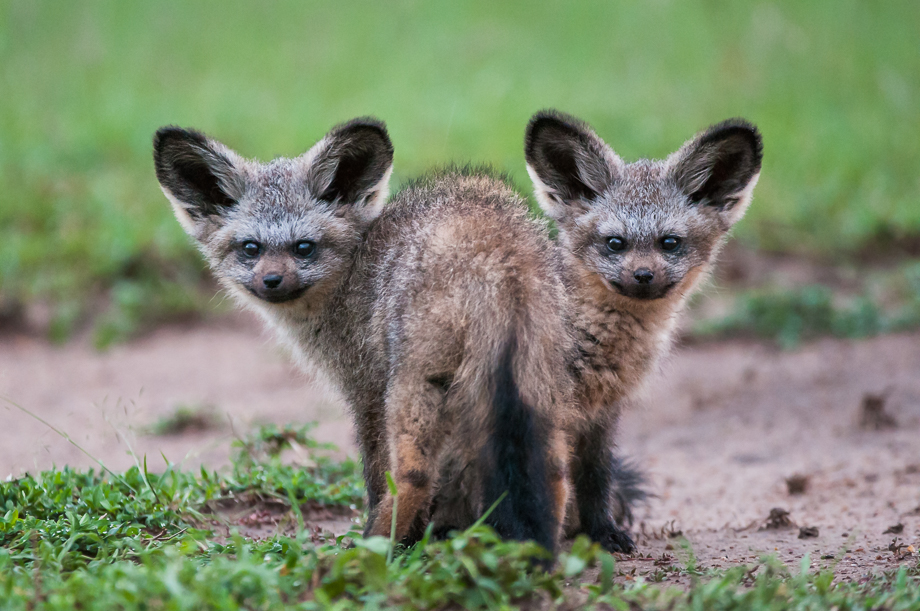
Bat Eared Fox Pups, Masai Mara, Kenya
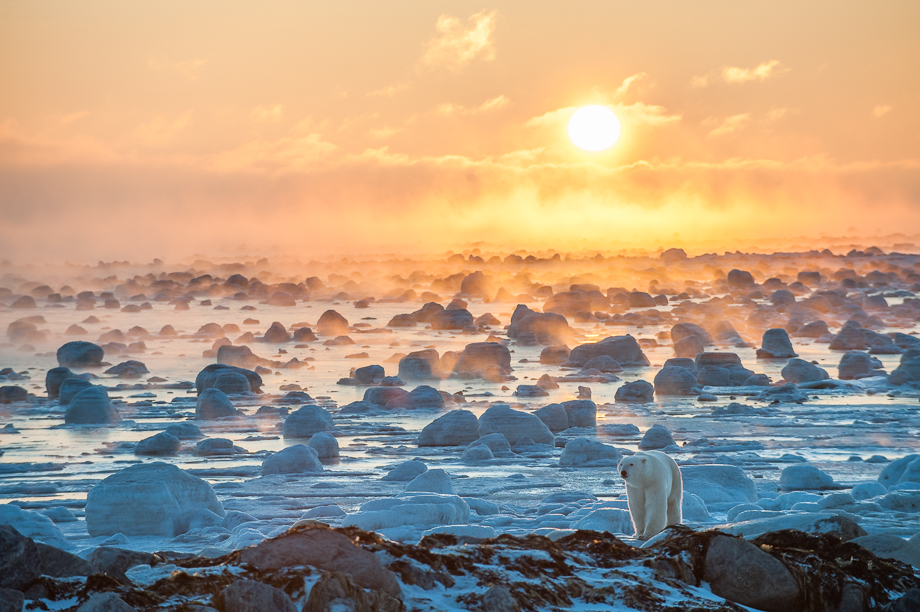
Polar Bear and Sunrise, Seal River, Manitoba, Canada
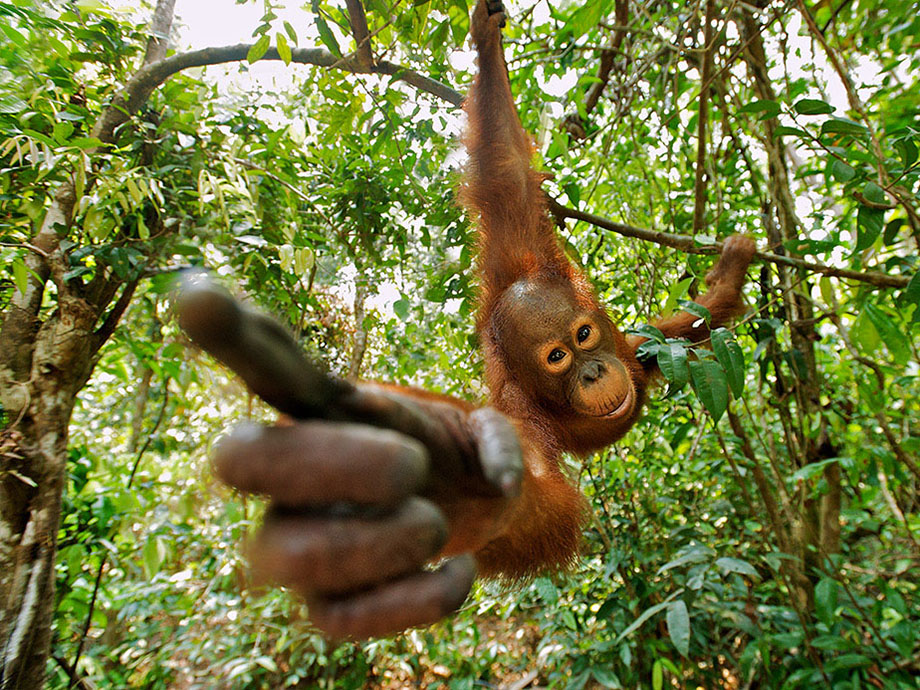
Orangutan Mother and Newborn, Indonesian Borneo
Yacaré Caiman, Pantanal, Brazil
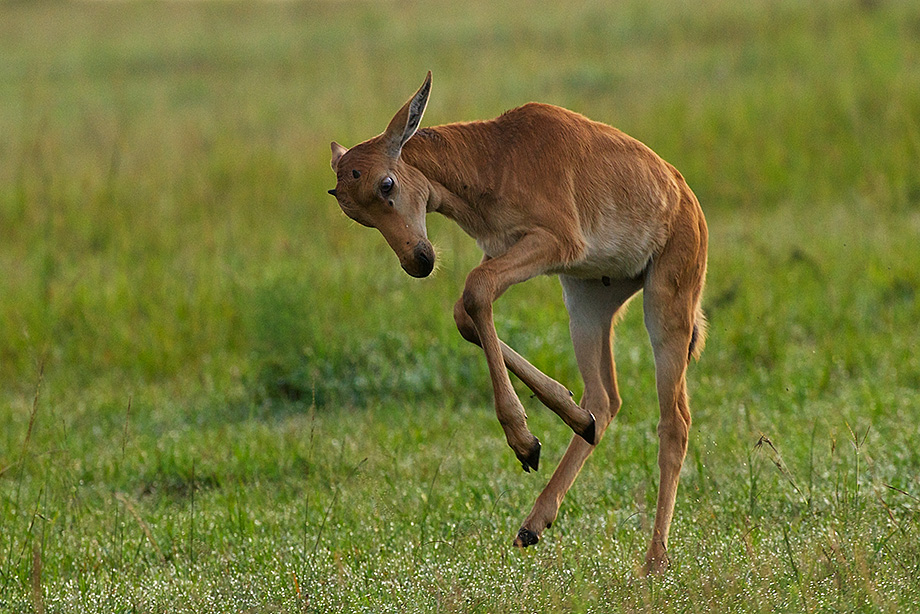
Red Lechwe, Okavango Delta, Botswana
Mountain Gorilla Mother and Baby, Bwindi Impenetrable Forest, Uganda
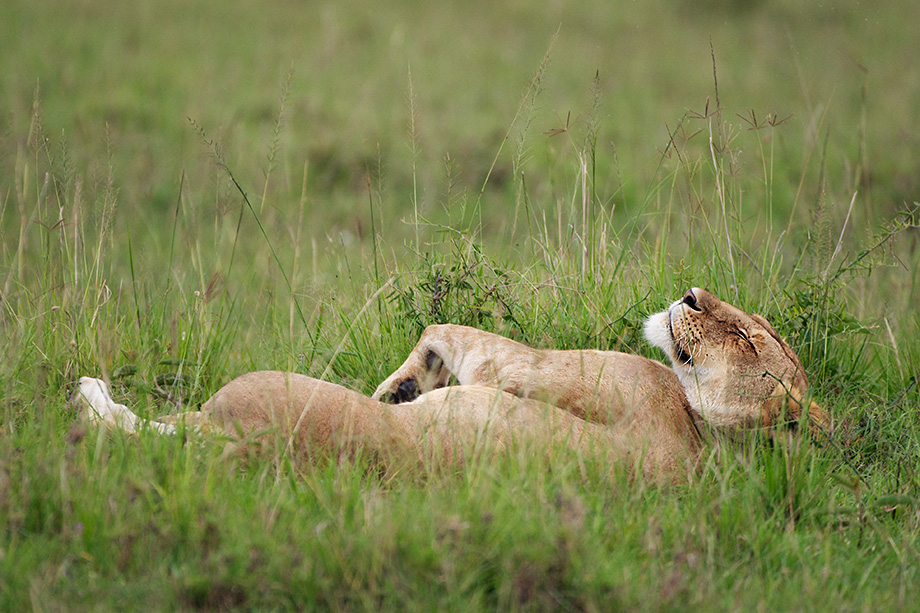
This young lady was in the middle of a nice power nap late one morning in the Masai Mara of Kenya. Lions usually sleep up to 20 hours a day, which makes sense when you think about it. They are fierce hunters and most hunts end in failure. They’re only successful about once a week and must exert a lot of energy to catch that one meal. Most of the rest of their time is spent recovering and resting up so that they can do it again.
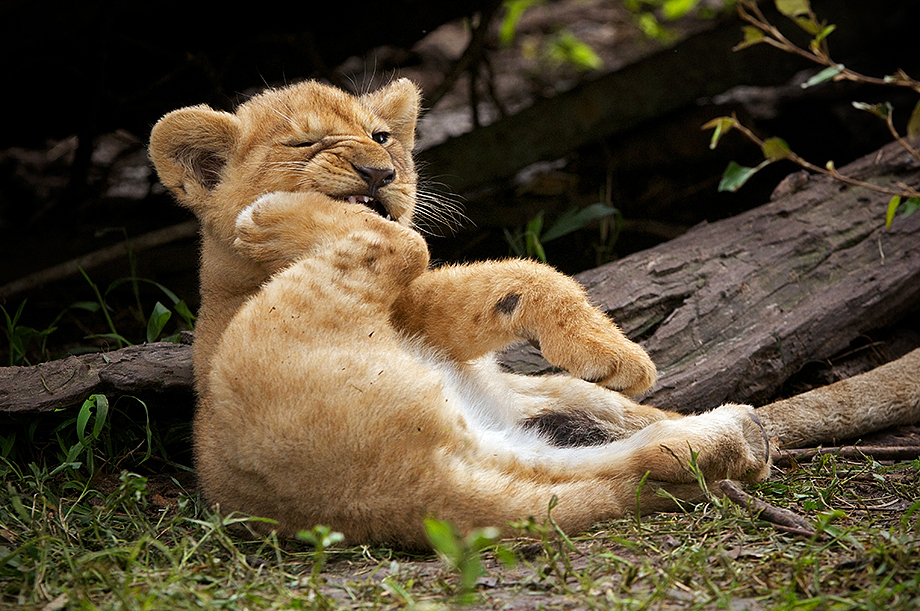
Seemed about time for another lion cub post. This little guy appears to have found something awfully tasty on the bottom of that foot, or maybe he was just scratching an itch with those sharp teeth. There were six cubs in this pride from the Masai Mara in Kenya. The above foot biter was one of three that were roughly a month old.
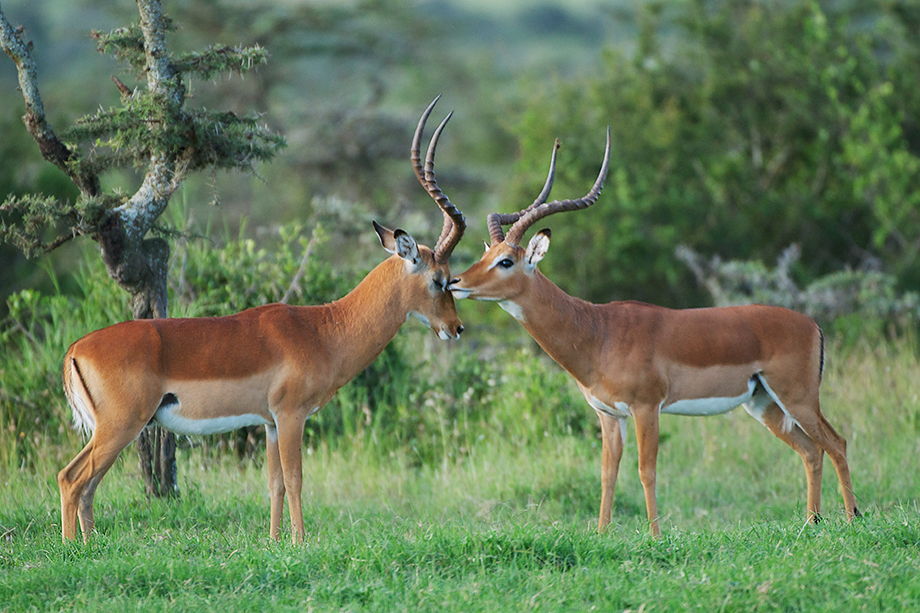
These two rutting male impala appear to be taking a break from chasing each other around so that they can show a little affection. This was in Laikipia, Kenya, an area that used to be mostly farmland but has been reclaimed for wildlife preservation.
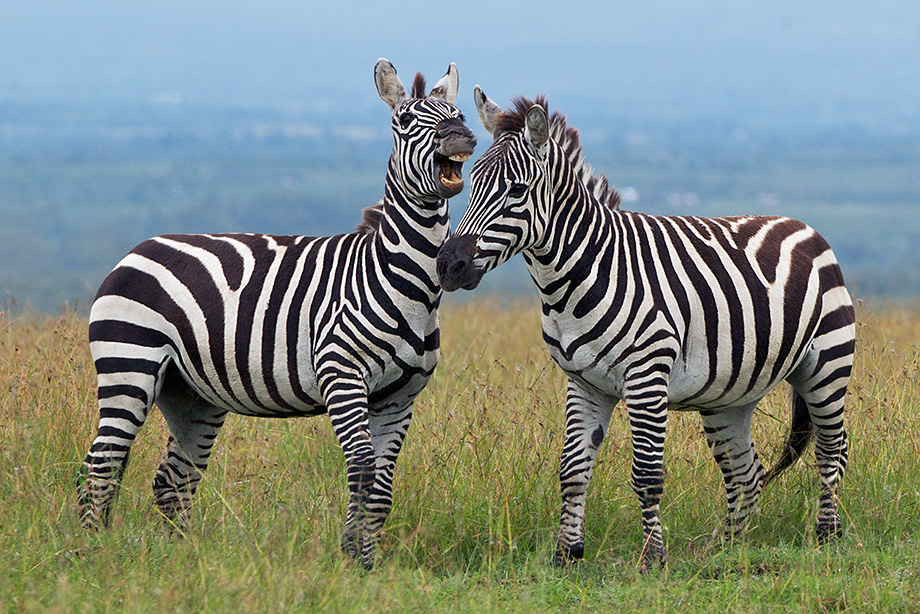
Well, maybe not telling a joke, but it kind of looked that way. Zebras are, however, the subject of many folk tales in Africa, which tell of how they got their stripes. According to the bushmen of Namibia, zebras were once all white before an unfortunate encounter with a baboon at a water hole. Seems the two species got into a fight and the zebra kicked the baboon so hard that it tipped over a fire. The fire sticks hit the zebra and left the scorch marks all over the white fur. I’m not saying they’re good stories, just that stories exist. Enjoy.
We use cookies to enhance your experience while using our website. If you are using our Services via a browser you can restrict, block or remove cookies through your web browser settings. We also use content and scripts from third parties that may use tracking technologies. You can selectively provide your consent below to allow such third party embeds. For complete information about the cookies we use, data we collect and how we process them, please check our Privacy Policy