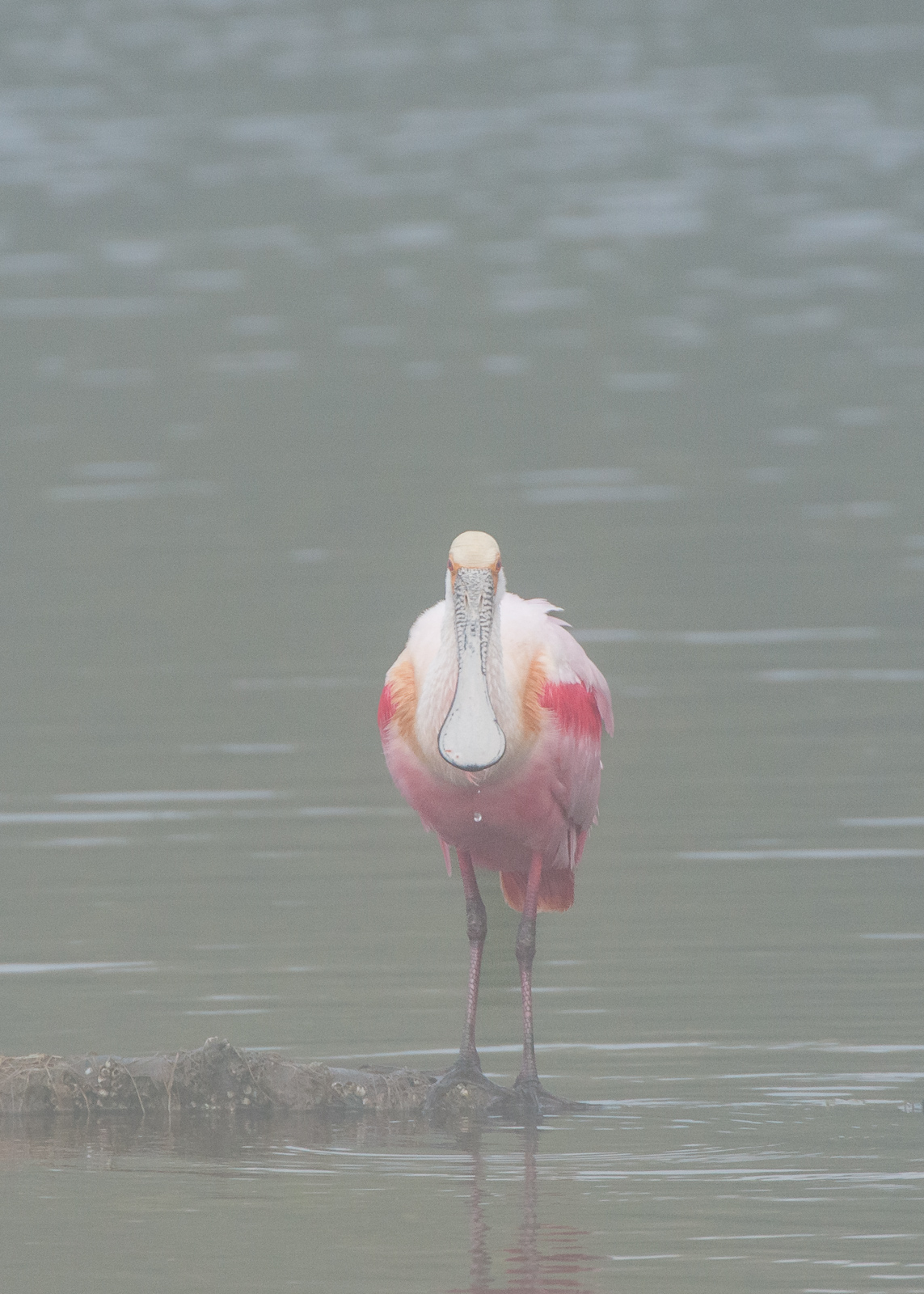
This will be the last post for a week as I head back to the Peruvian Amazon tomorrow. Last October I was there in low water season. I wanted to go back and try my luck in high water season. In the meantime, here’s a roseate spoonbill on a misty day in western Florida. Nikon D300 with Nikkor 200-400mm lens (with 1.4 TC for 550mm) ISO 400, f/6.3 at 1/400th of a second.
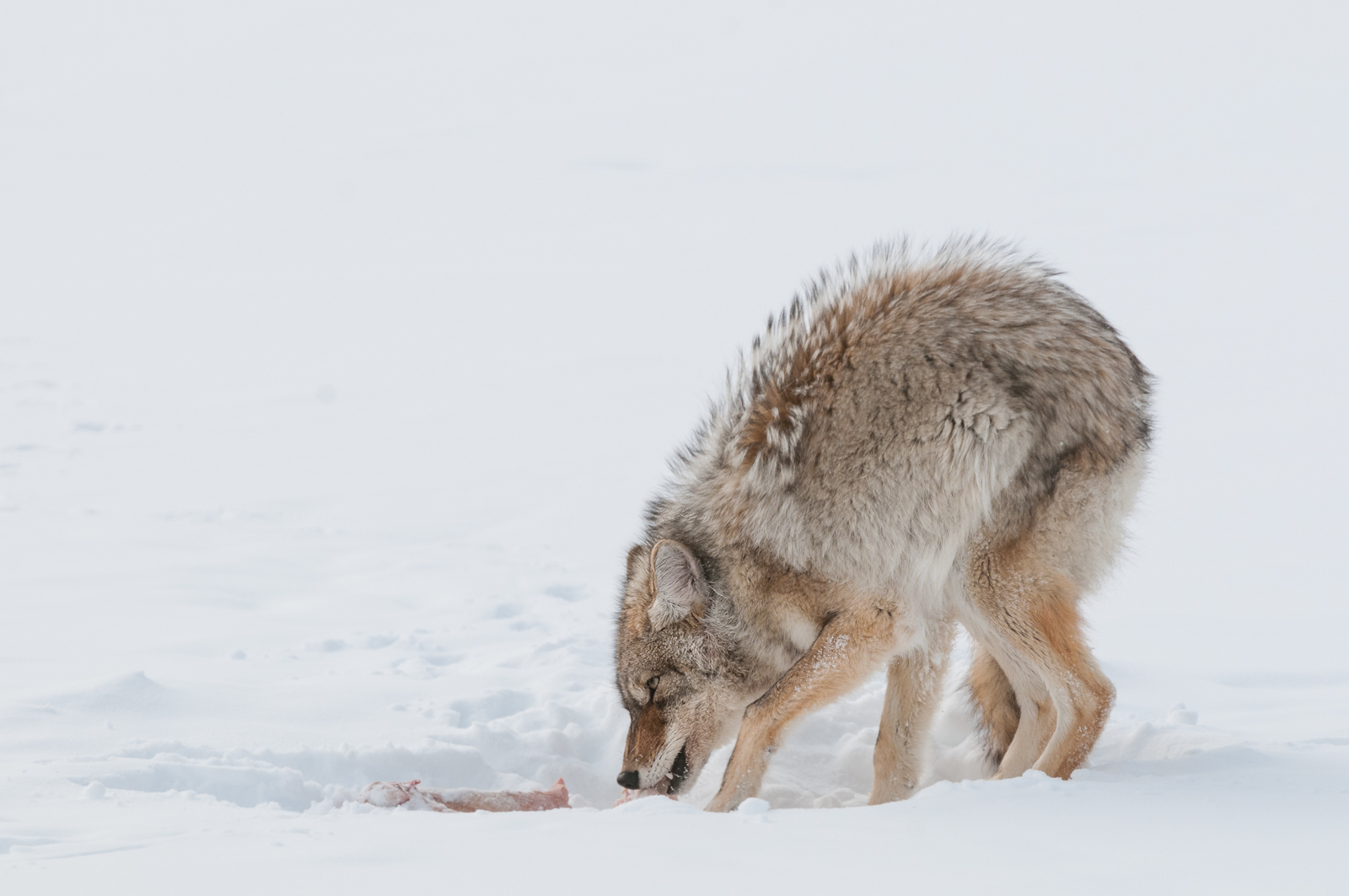
A coyote digs up a frozen carcass in the snow. I photographed this one back in 2011 in Yellowstone. Nikon D300 with Nikkor 200-400mm lens (at 400mm) ISO 400, f/7.1 at 1/640th of a second.
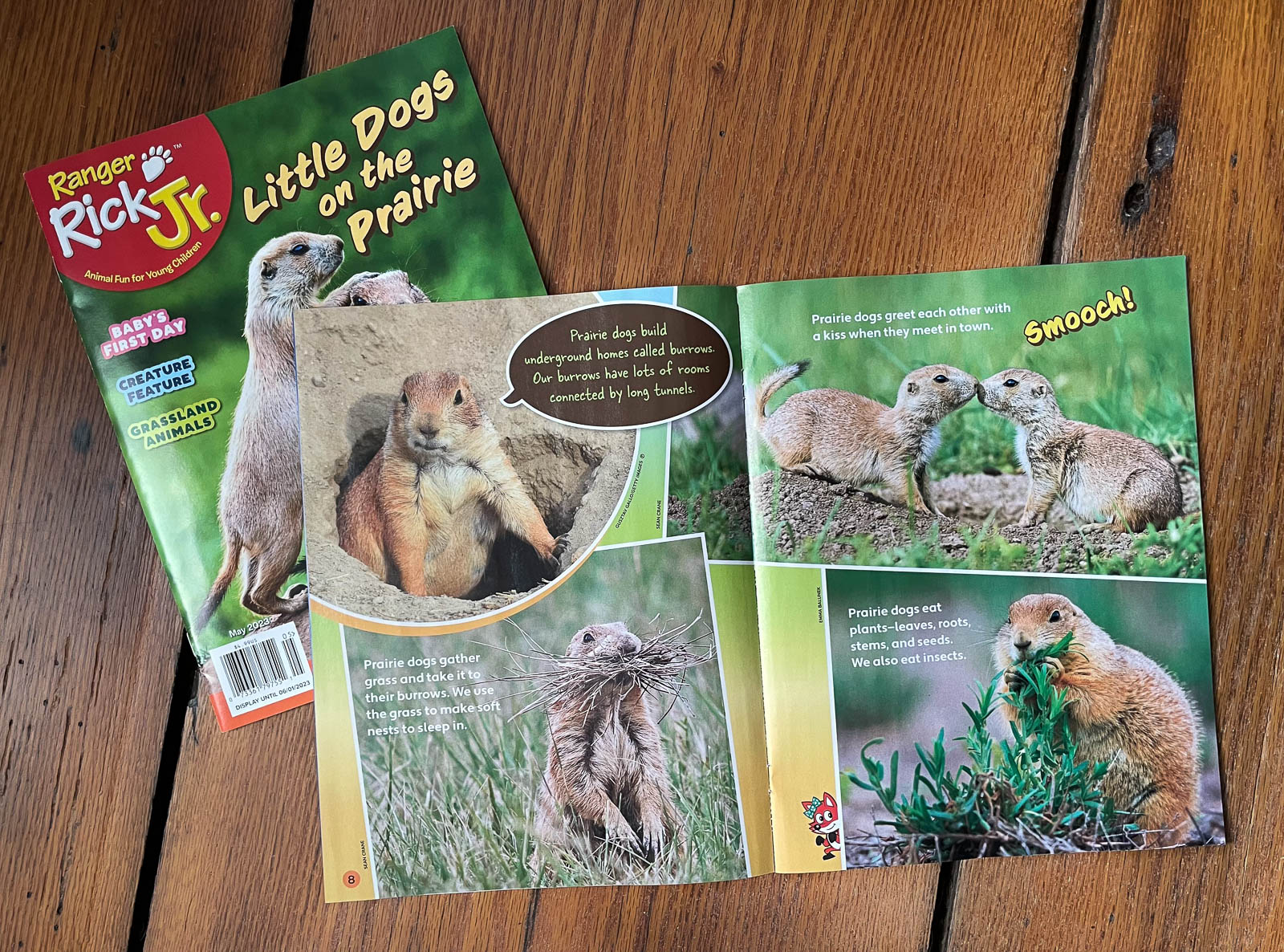
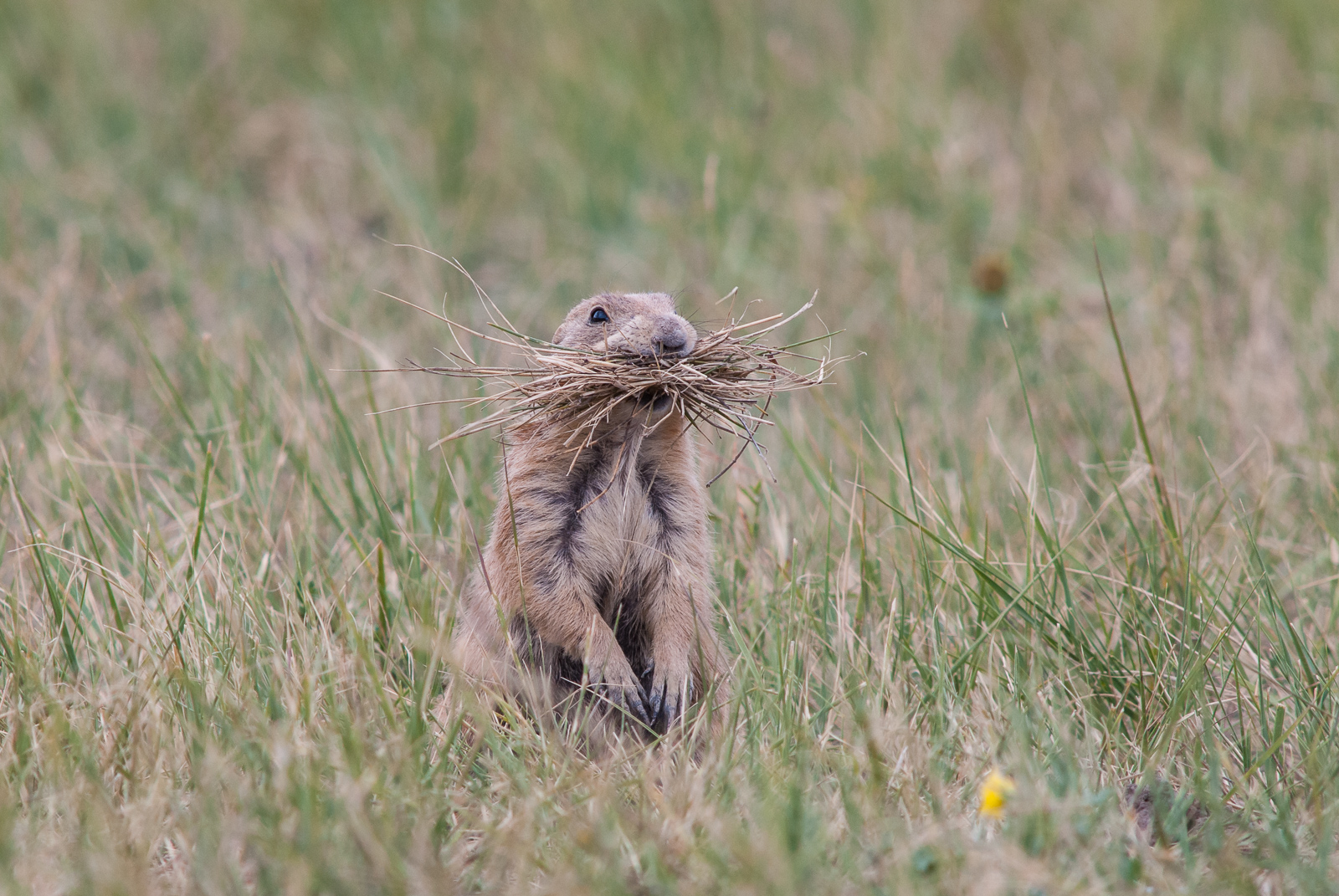
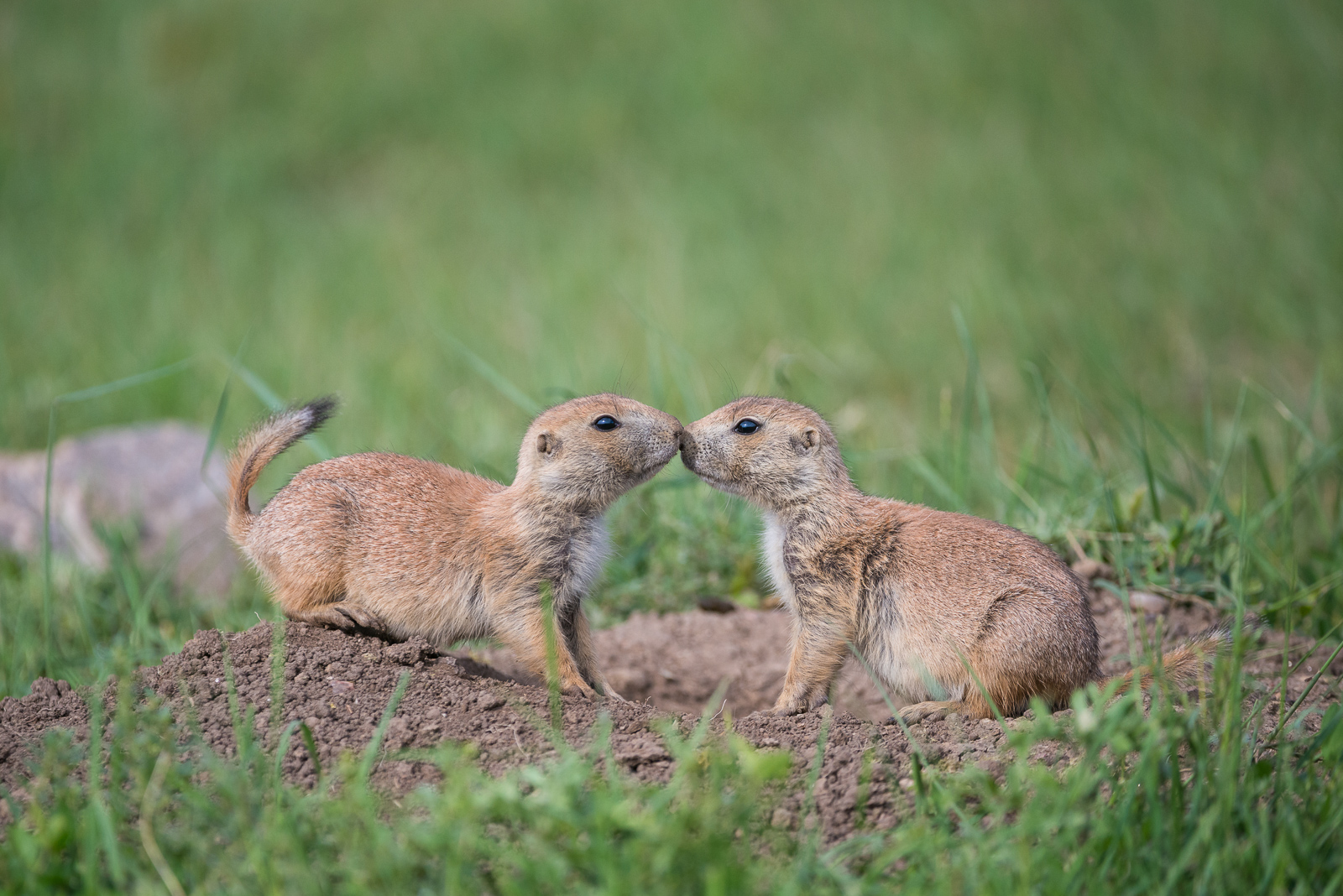
Ranger Rick magazine was one of my favorites as a kid. Nice to know that decades later my images are helping to inspire the next generation of wildlife lovers. Thanks to the National Wildlife Federation for sending a few advance copies of their May 2023 issue. Only the bottom left and upper right images of the spread are mine (see below). Top image is from Badlands National Park, South Dakota (Nikon D200 with Nikkor 600mm manual focus lens, ISO 200, f/11 at 1/320th of a second). Bottom image taken in Wind Cave National Park, South Dakota (Nikon D800 with Nikkor 200-400mm lens, at 340mm, ISO 800, f/4 at 1/3200th of a second)
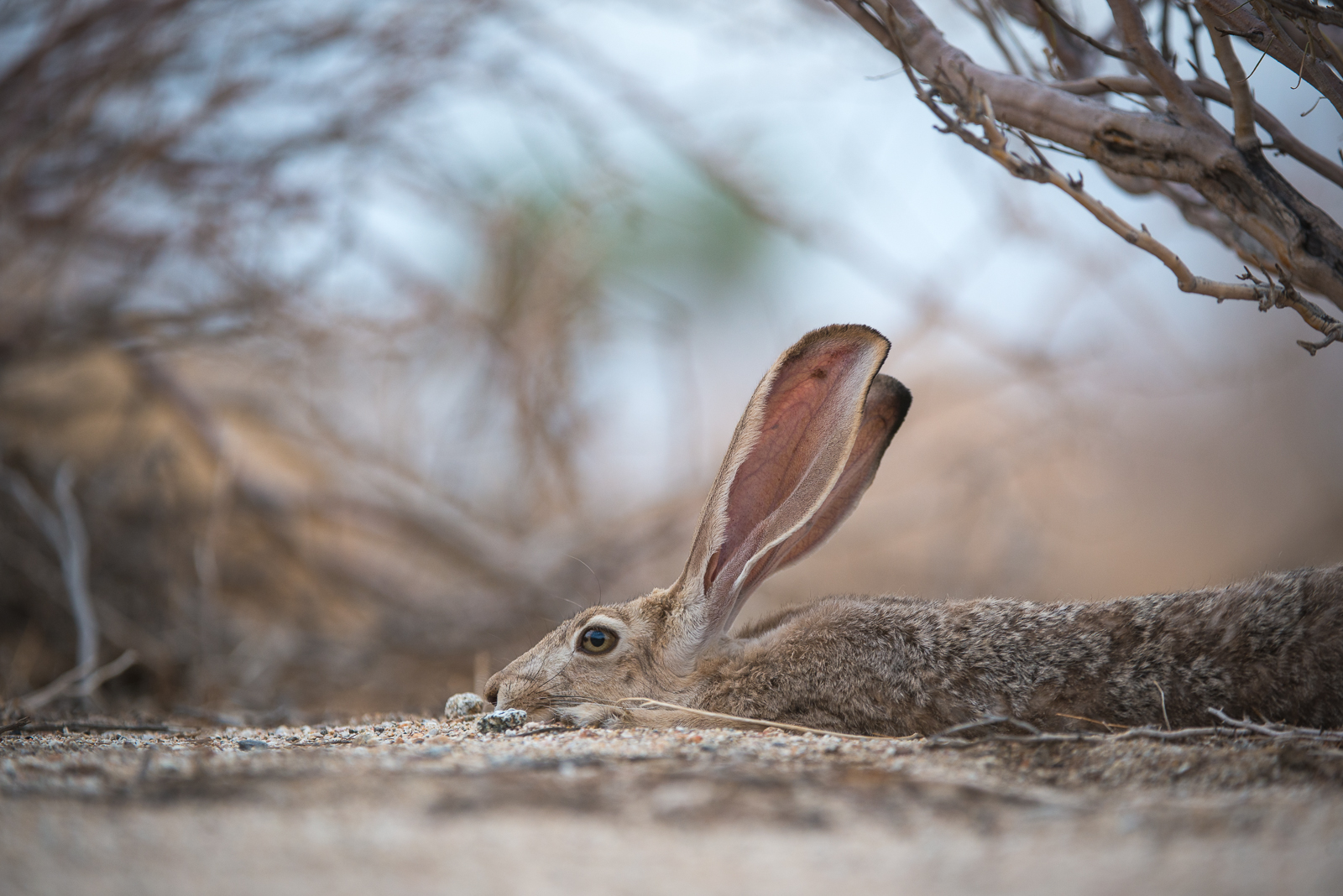
Feeling the heat, a black-tailed jackrabbit goes face to the sand and uses those big ears as heat regulators. The capillaries in the ears help to cool jackrabbits down on days like this one when it was 100 degrees plus in the Southern California desert. Nikon D800 with Nikkor 200-400mm lens (at 280mm) ISO 400, f/4 at 1/2000th of a second.
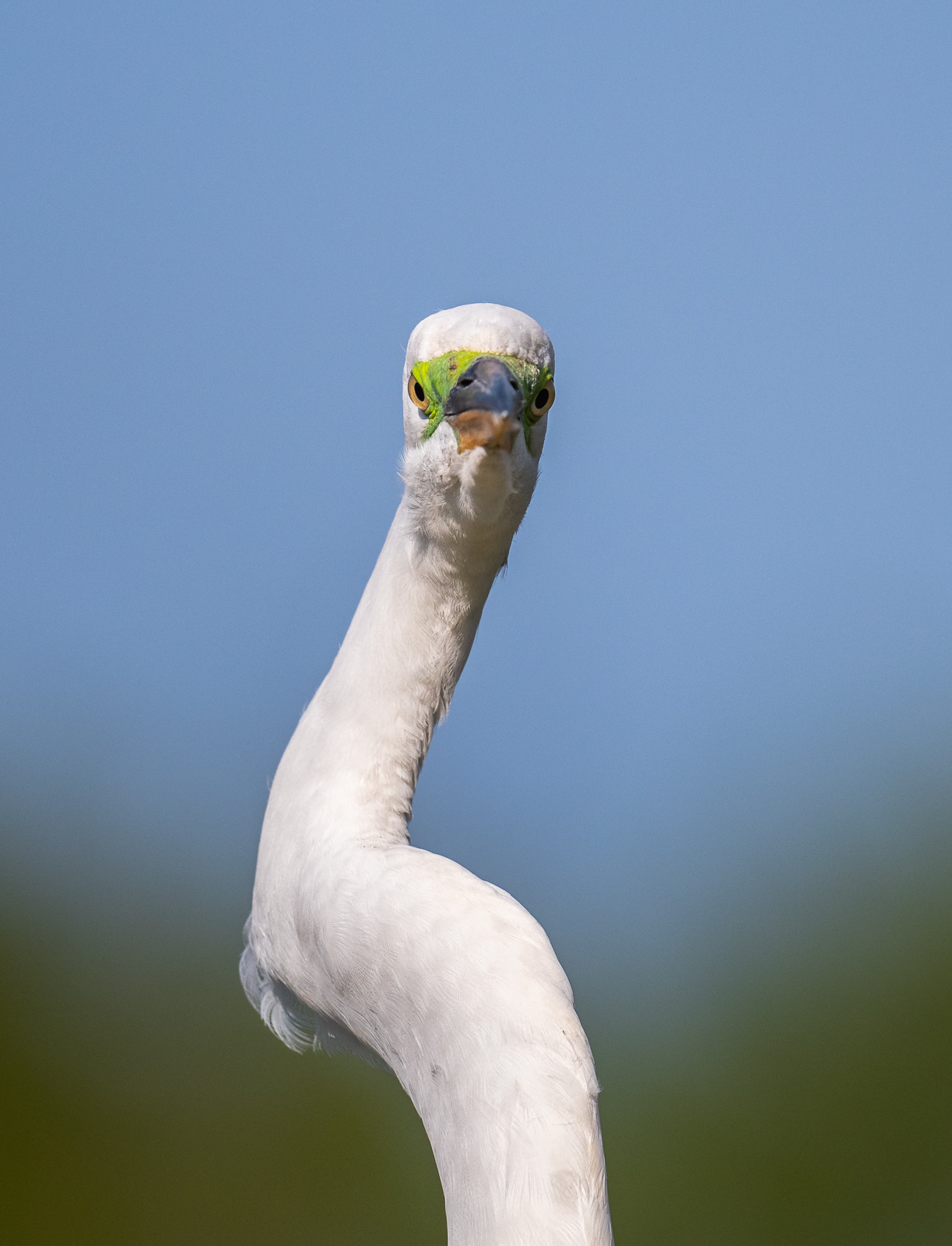
Another of the southwestern Florida regulars is the great egret. When in breeding season, they develop the bright green facial skin around the eyes, known as lores. This egret turned around to give me the full, straight on portrait. Nikon D500 with Nikkor 500mm PF lens, ISO 800, f/5.6 at 1/8000th of a second, Godox fill flash.
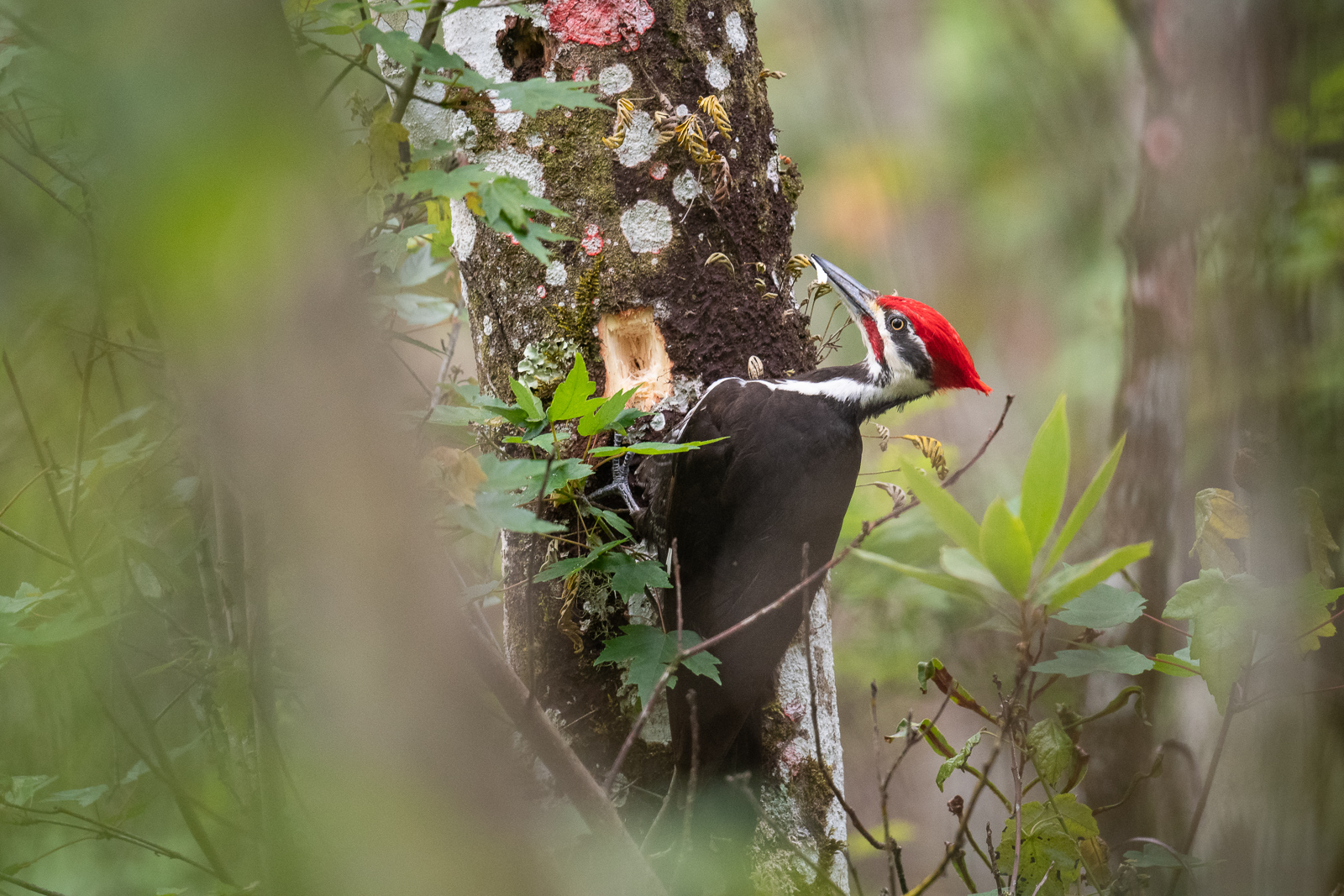
While hiking through the swamp in southwest Florida last month I spotted this pileated woodpecker deep in the woods. I was able to find an opening in the thick foliage to capture what looked like some fairly impressive pecking. Nikon D500 with Nikkor 500mm PF lens, ISO 1600, f/5.6 at 1/500th of a second, Godox V860iii fill flash.
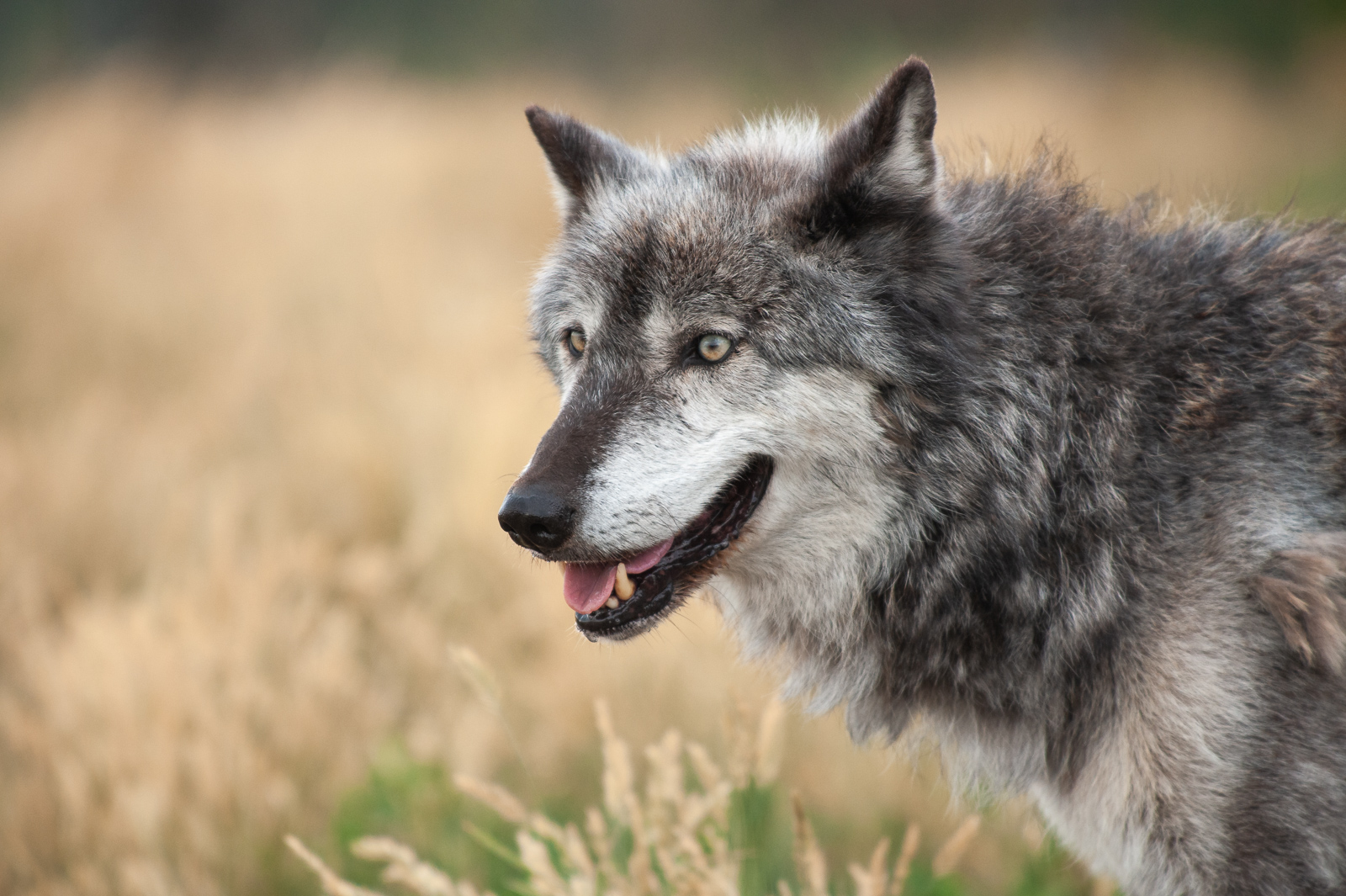
With the UConn Huskies winning the national championship last night, I’d be remiss not to post an appropriate canine today. This grey wolf is the closest thing I have to a Siberian husky, so it’ll have to do. Note that this is a captive, not a wild animal. Back to all things wild tomorrow. Nikon D700 with Nikkor 70-200mm lens (at 340mm with 2x teleconverter) ISO 800, f/4.8 at 1/1000th of a second.
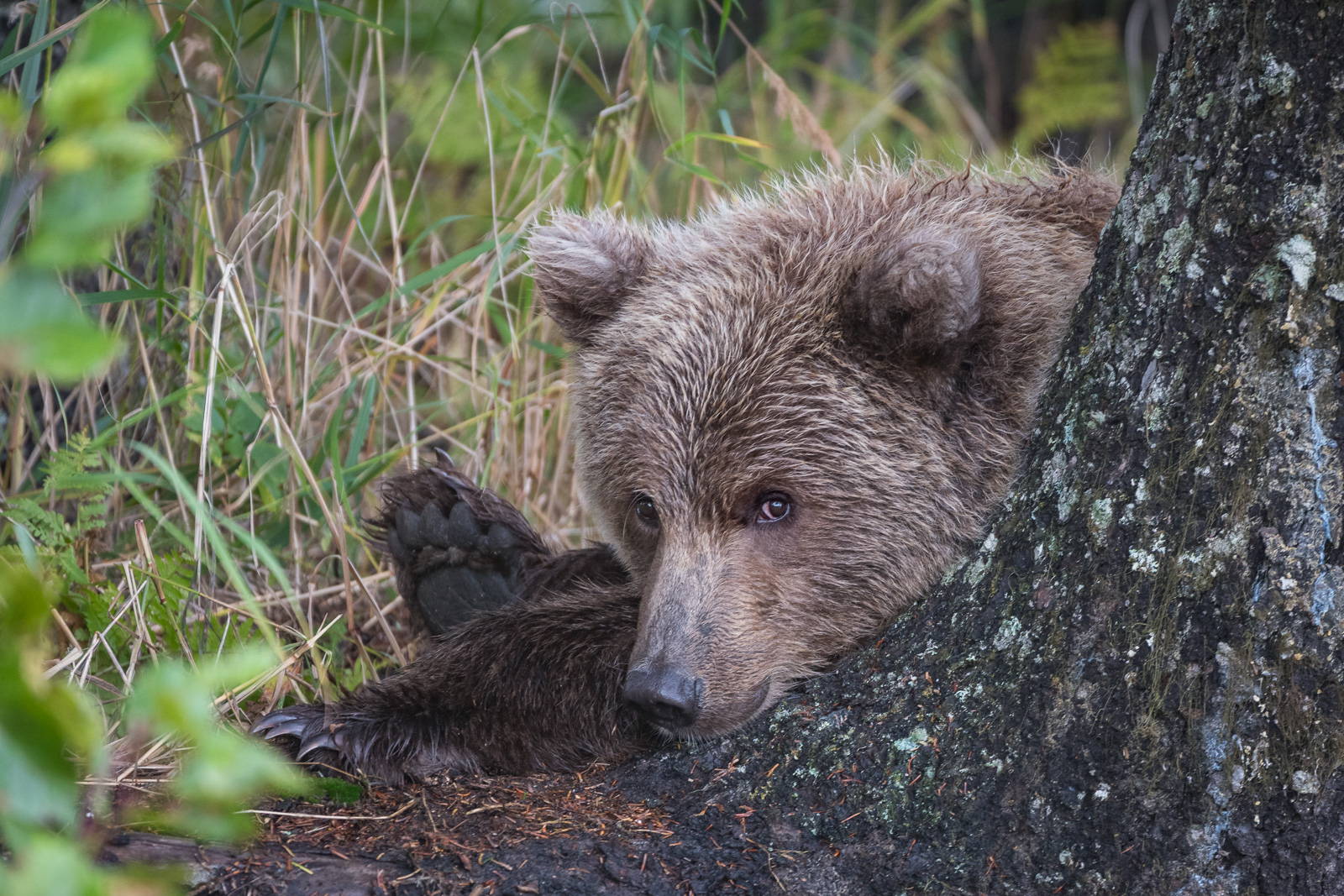
This young bear stayed close to our lodge at Silver Salmon Creek in Lake Clark National Park, Alaska. He was recently out on his own and likely felt a bit more secure sticking close to us humans. Nikon D500 with Nikkor 200-400mm lens (at 400mm) ISO 800, f/4 at 1/100th of a second.
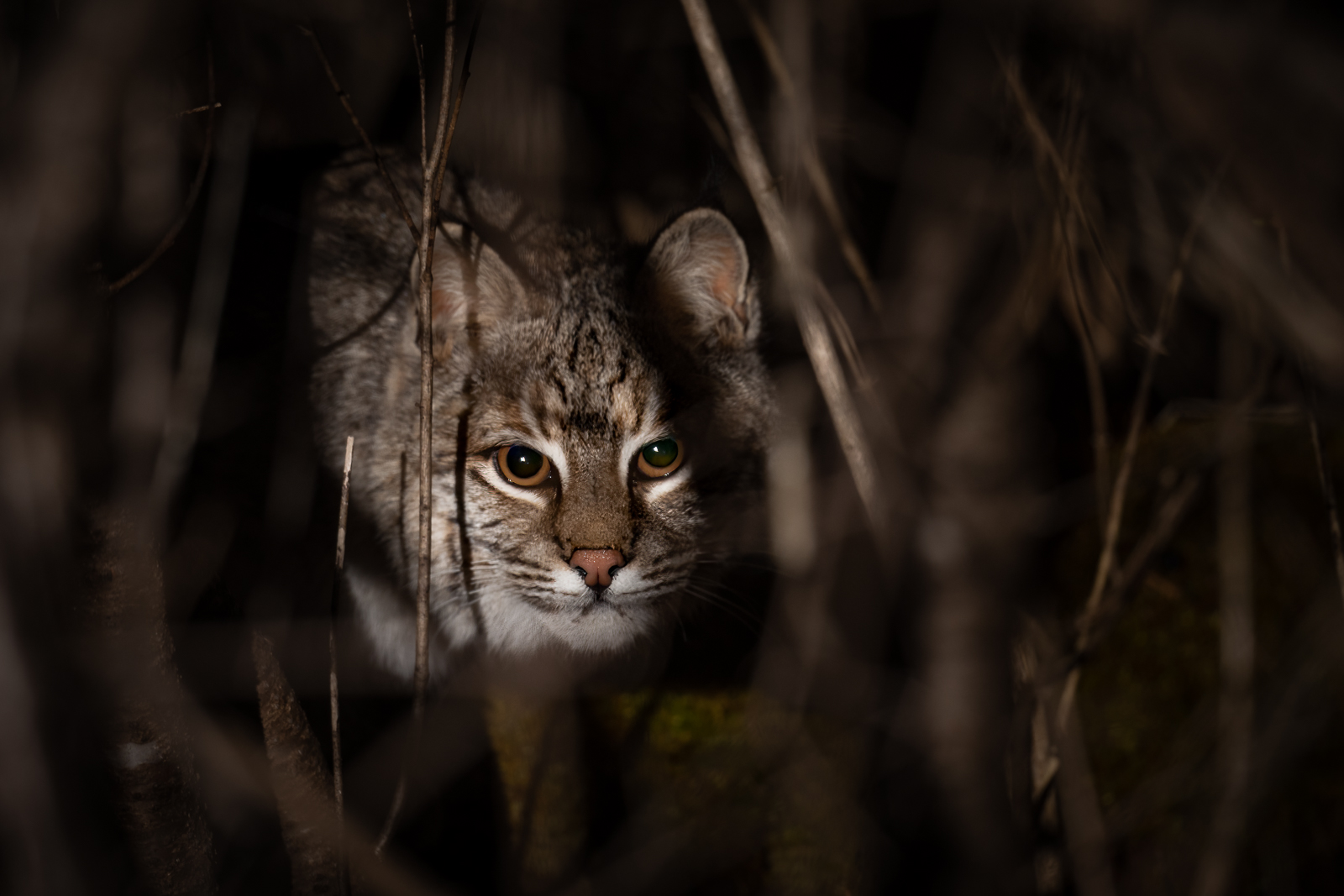
Last night while walking the dog before going to bed I spotted two eyes staring back at me from the bushes in the side yard. I continued walking the dog (he didn’t see what I did) before bringing him back inside. I grabbed my camera and flash and headed back out. Sure enough the bobcat was still there but deep in the bushes. After a few tries, I was able to get this one angle where his/her face wasn’t obscured by twigs. Not the prettiest setting but nice to capture a shot of a bobcat the old fashioned way without my camera trap. Nikon D500 with Nikkor 500mm PF lens, ISO 500, f/5.6 at 1/60th of a second, Godox V860iii flash.
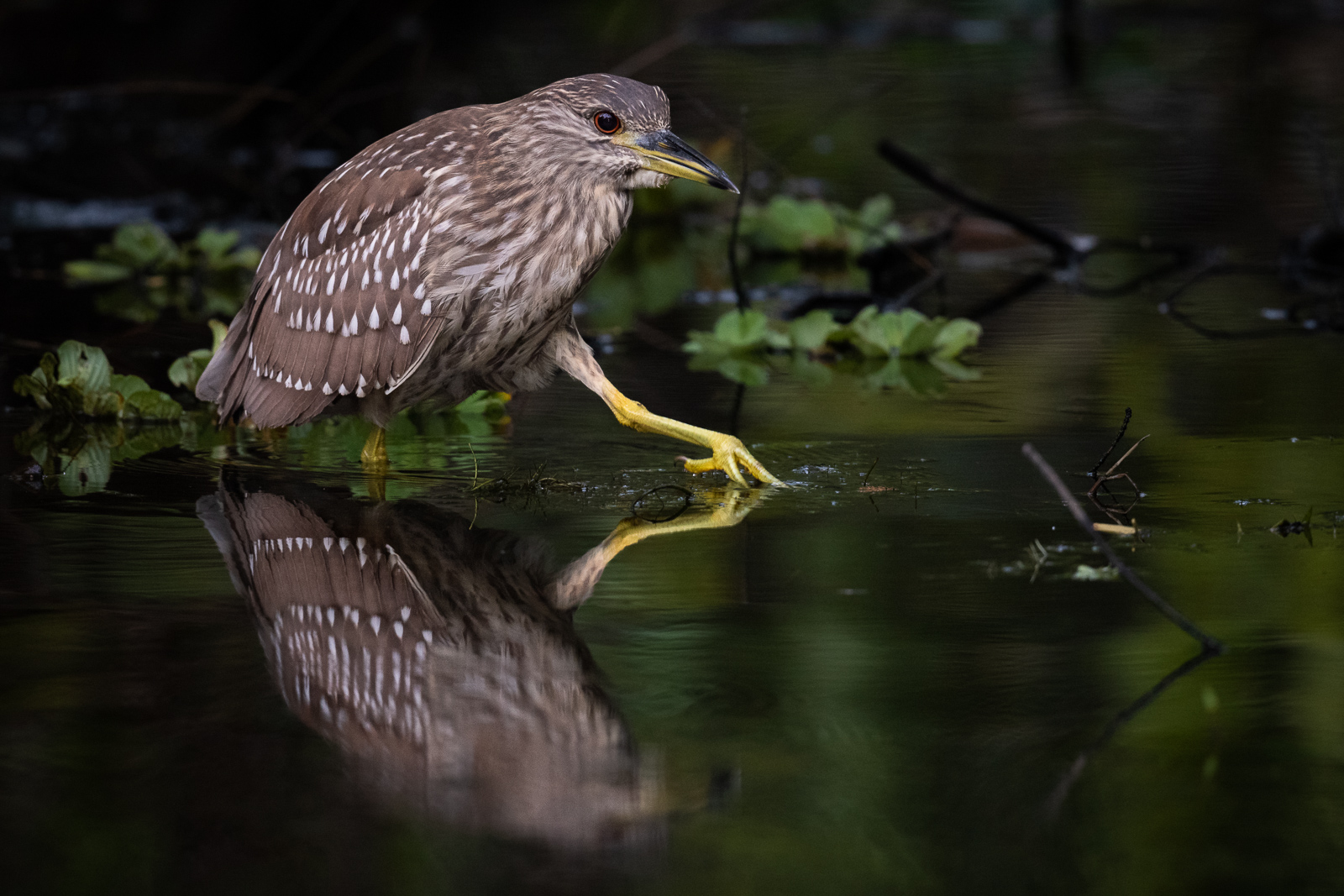
Hunting alongside the great blue heron that I posted yesterday was this black-crowned night heron. This is a juvenile who hasn’t yet developed the black crown. The brackish water in a shaded part of the swamp was creating a very reflective surface. Nikon D500 with Nikkor 500mm PF lens, ISO 3200, f/5.6 at 1/125th of a second, Godox V860iii fill flash.
We use cookies to enhance your experience while using our website. If you are using our Services via a browser you can restrict, block or remove cookies through your web browser settings. We also use content and scripts from third parties that may use tracking technologies. You can selectively provide your consent below to allow such third party embeds. For complete information about the cookies we use, data we collect and how we process them, please check our Privacy Policy