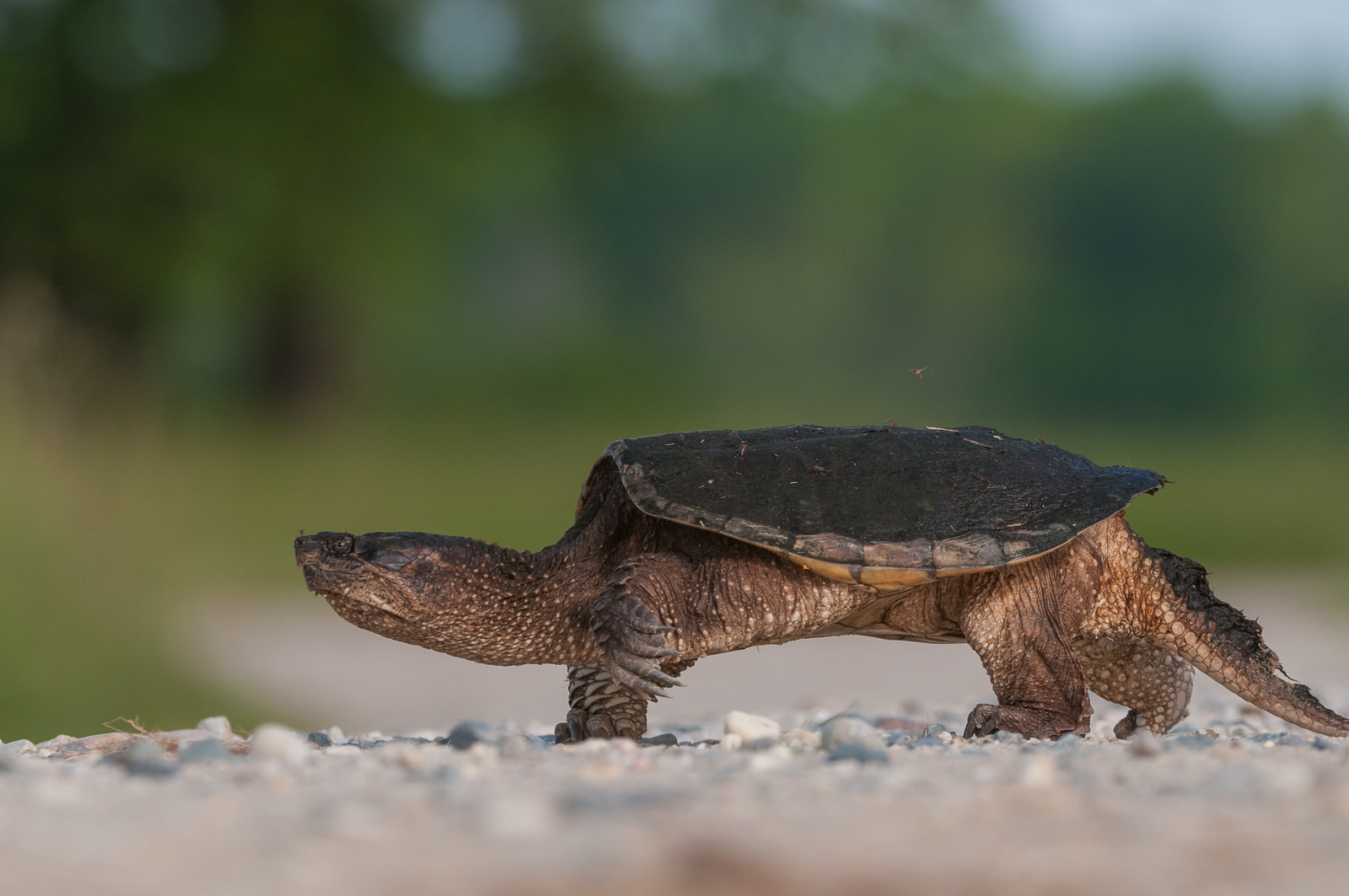
A snapping turtle searches for a new body of water to lay her eggs. I took this one years ago at Bombay Hook National Wildlife Refuge down in Delaware. Nikon D300 with Nikkor 200-400mm lens (at 290mm) ISO 400, f/5.6 at 1/1250th of a second.
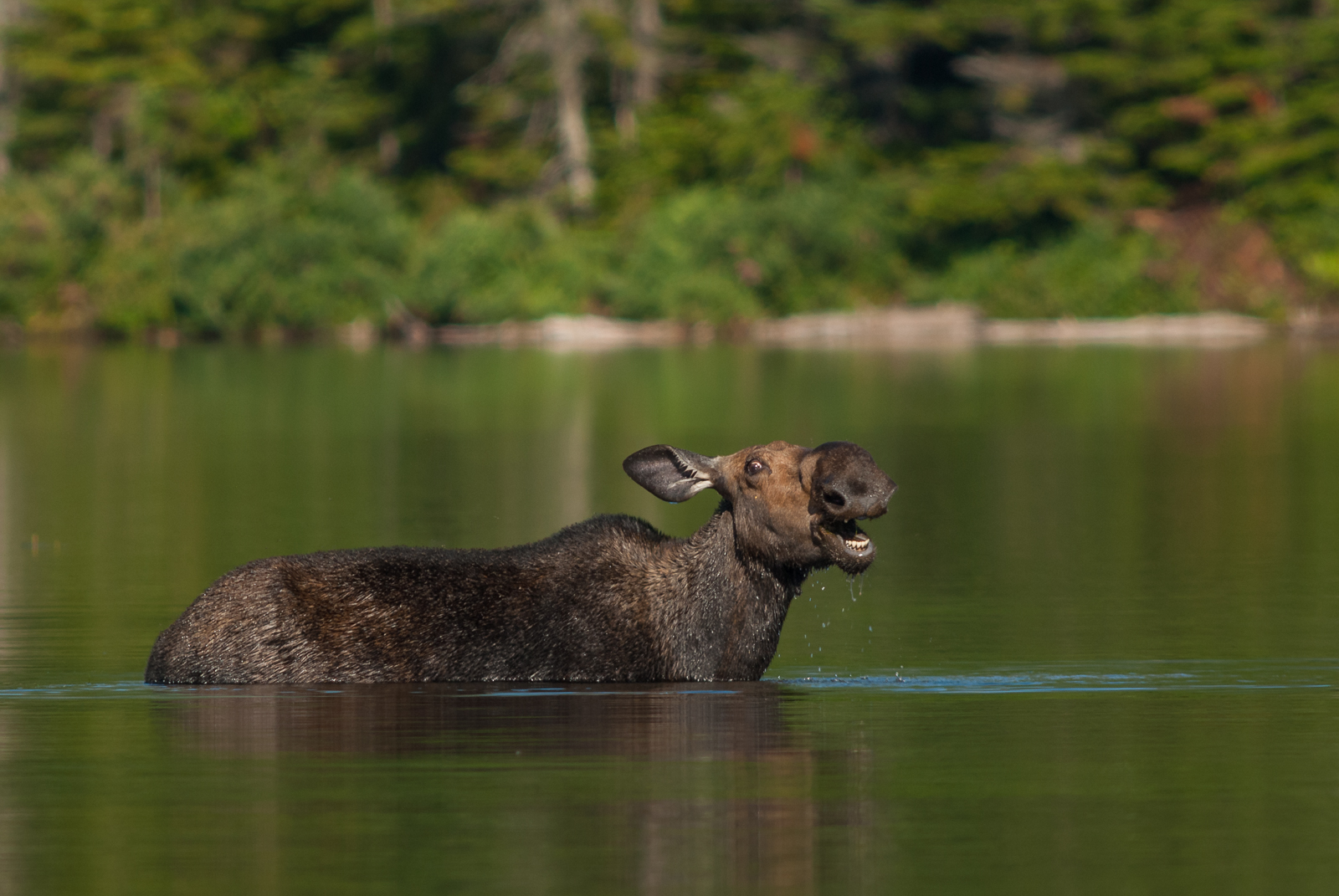
This moose cow ventured out to the middle of the lake to dine on the nutrient-rich vegetation growing underwater. Although she certainly looks like I caught her eating something that she shouldn’t have been. Photographed in Baxter State Park in Maine. Nikon D200 with Nikkor 600mm manual focus f/5.6 lens, ISO 200, f/8 at 1/350th of a second.
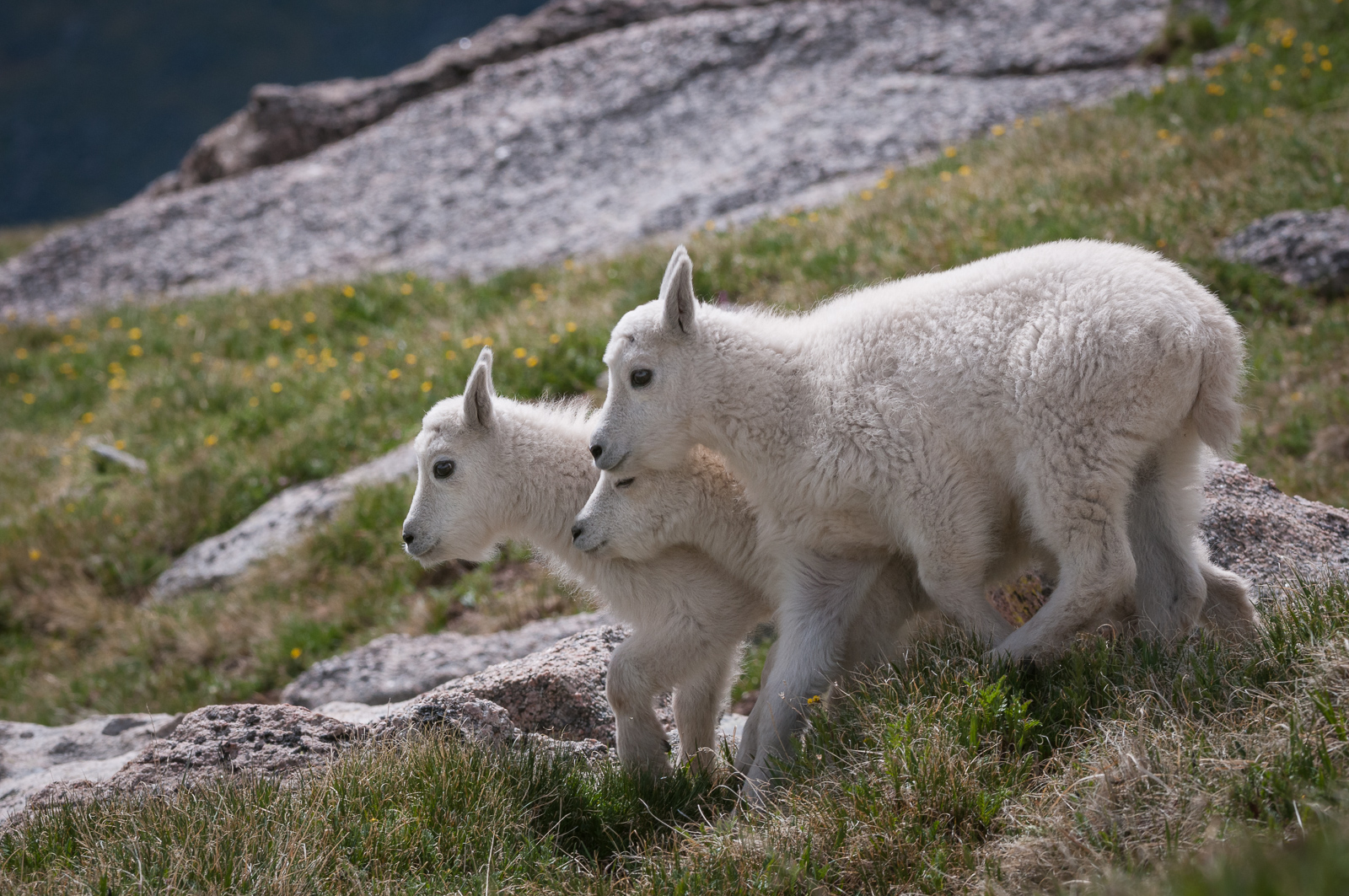
Many years ago I photographed these three mountain goat kids at Mount Evans in Colorado. The middle goat seems quite pleased to be sandwiched between the two siblings. Nikon D300 with Nikkor 200-400mm lens (at 200mm) ISO 200, f/8 at 1/640th of a second.
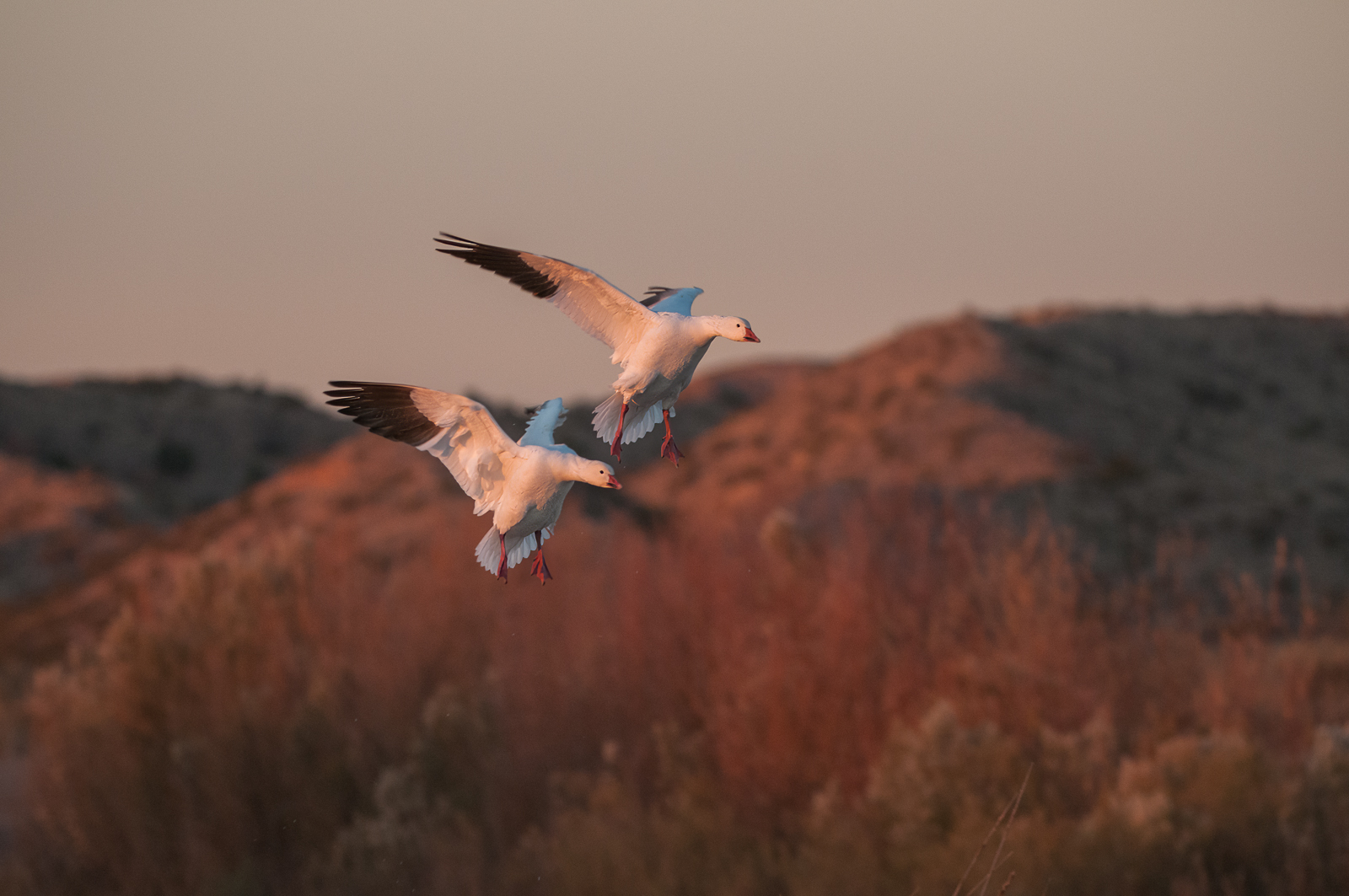
It’s been quite a while since I’ve been to Bosque Del Apache in New Mexico. This image is from back in 2009. Two snow geese coming in for a landing. Nikon D300 with Nikkor 200-400mm lens (at 250mm) ISO 800, f/4 at 1/500th of a second.
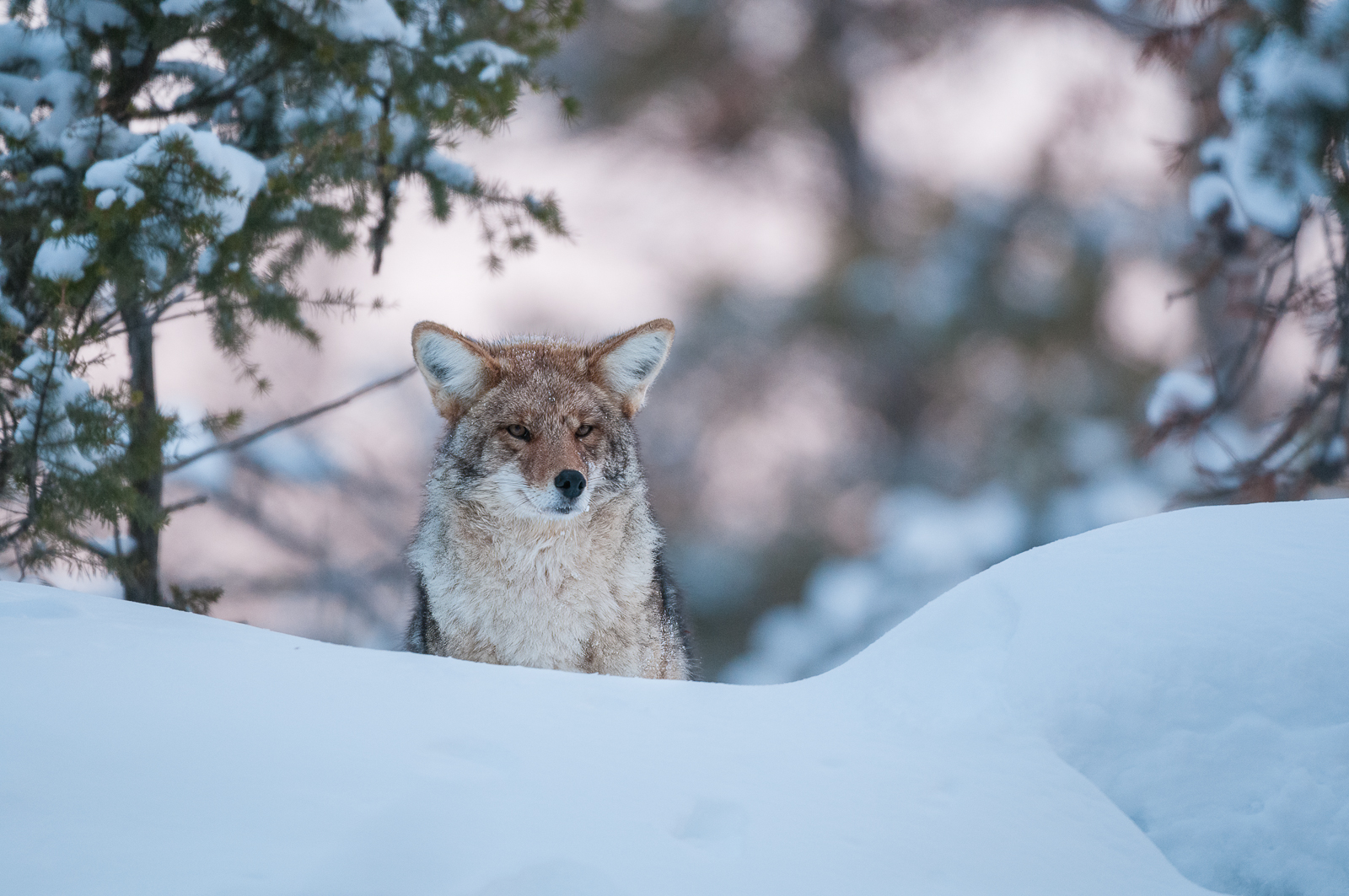
I’m in the middle of re-skinning my website due to my old theme no longer doing updates, so hopefully this post goes through. Still lots to do and little errors here and there on the site. For instance, blog titles are showing up white on a white background and I can’t quite figure out how to change color. If you hover over title, it will turn yellow. As for today’s post, a simple portrait of a coyote in Yellowstone. Hopefully, I’ll make more progress on the site tomorrow, including all my galleries.Nikon D300 with Nikkor 200-400mm lens (at 400mm) ISO 800, f/4 at 1/100th of a second.
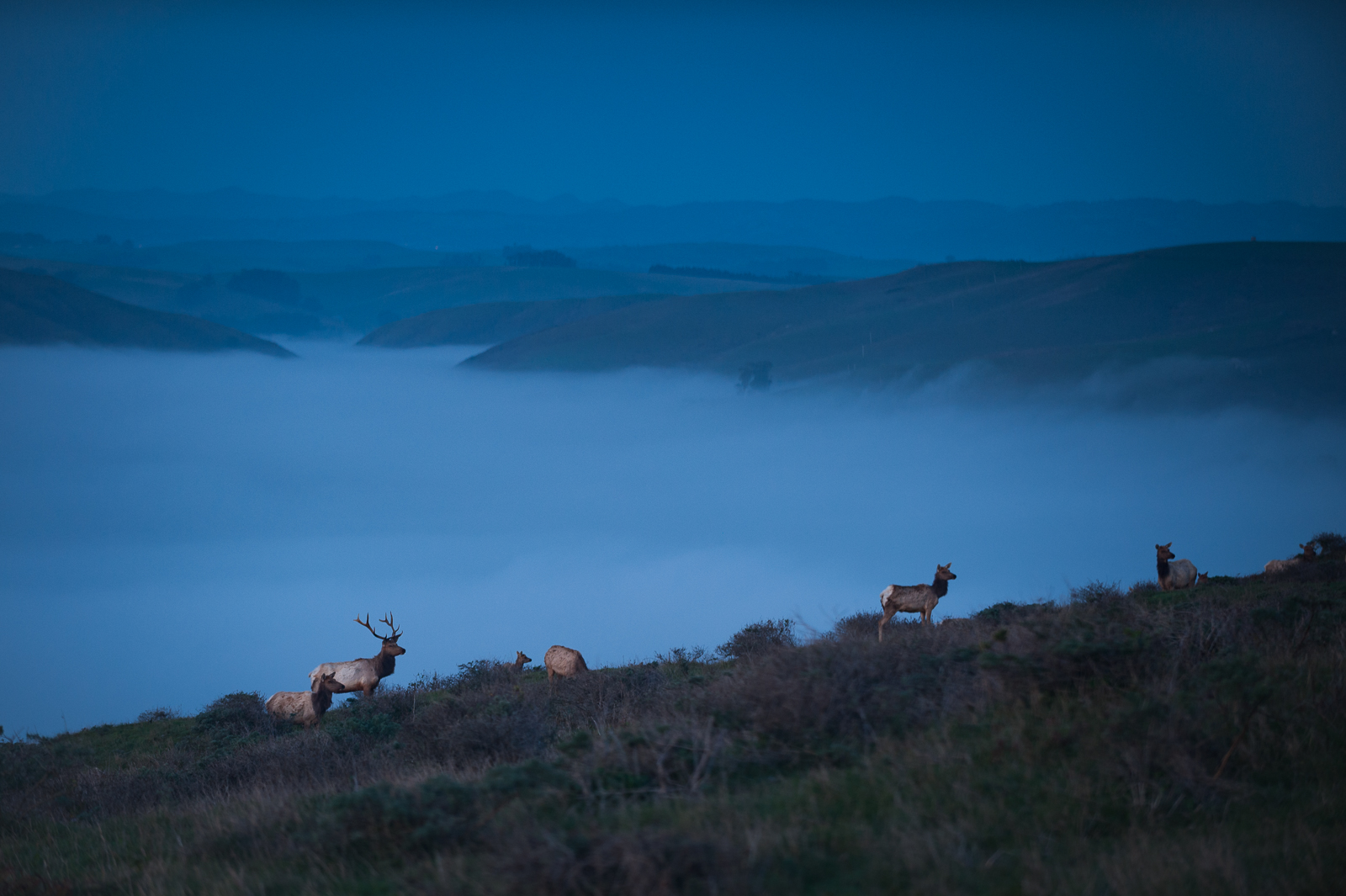
Just north of San Francisco at Point Reyes National Seashore lives a small group of tule elk. On this particular evening, I caught them on a ridge line well after the sun had set. I bracketed in a bit of light to brighten up the scene and reveal the rolling hills and fog that had nestled into the valley below. Nikon D700 with Nikkor 70-200mm lens (at 150mm) ISO 400, f/2.8 at 1/50th of a second.
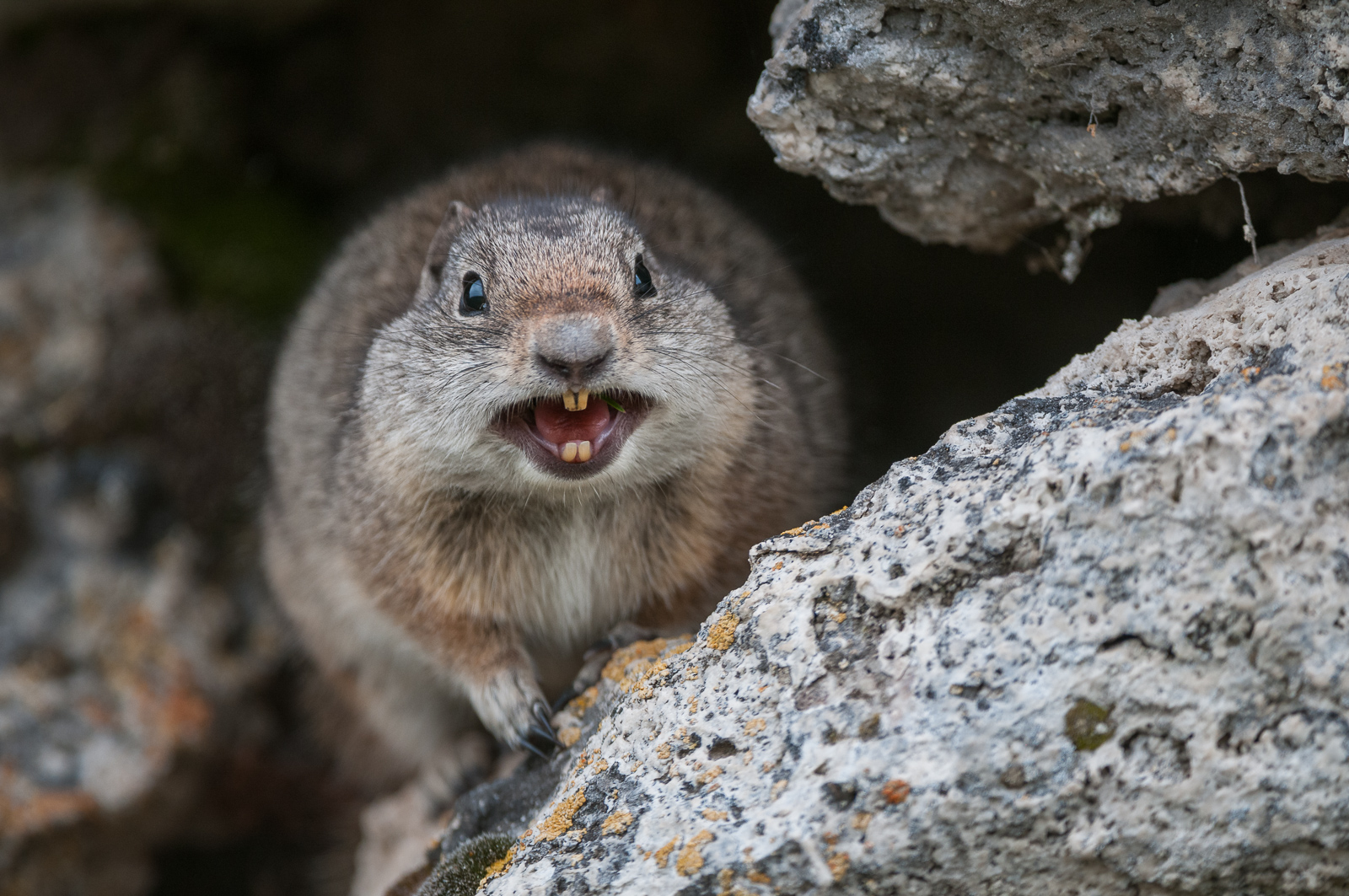
Meet the potgut. At least that’s what you’d call this guy if you lived in northern Utah. Elsewhere he’s known as the chisler. But officially, he’s called the Uinta ground squirrel. We made our acquaintance in Yellowstone National Park years ago when I was on a wolf-searching mission. And that’s the great thing about wildlife photography. You may not find the species you were looking for, but it’s about all those others you find along the way. Nikon D300 with Nikkor 200-400mm lens (at 400mm) ISO 400, f/4 at 1/640th of a second.
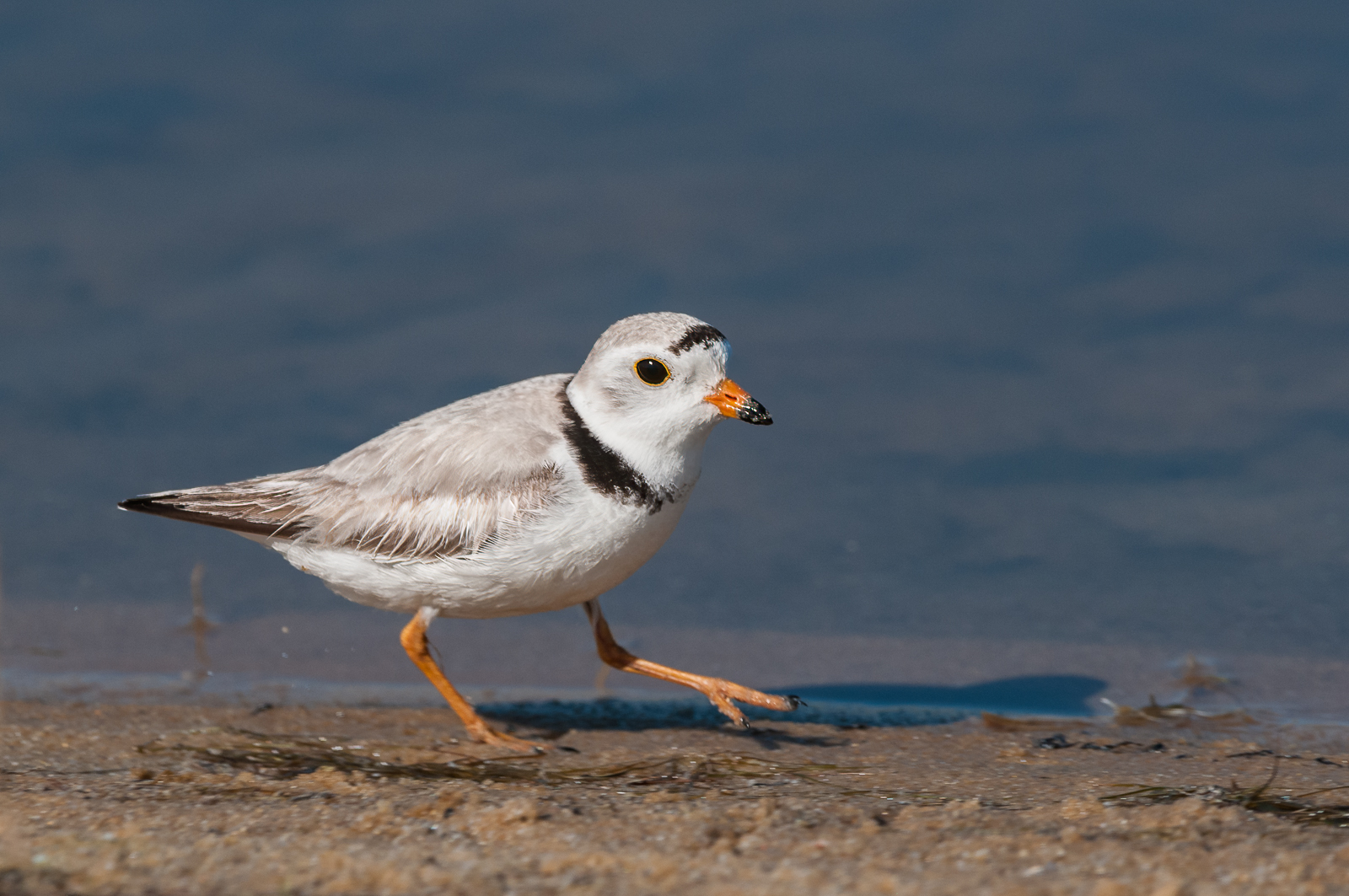
The piping plover is a globally threatened and endangered shorebird. There are two subspecies in the United States — an eastern and midwestern variant. Pictured is the eastern subspecies, photographed at Cape May in New Jersey some years back. Conservation efforts have led to slow increases in numbers but it is feared that if those efforts stop, the trend will quickly reverse. That’s why you might see cordoned off areas of mid-Atlantic beaches during the breading season which starts in late April. Nikon D300 with Nikkor 200-400mm lens (at 400mm) ISO 200, f/6.3 at 1/1000th of a second.
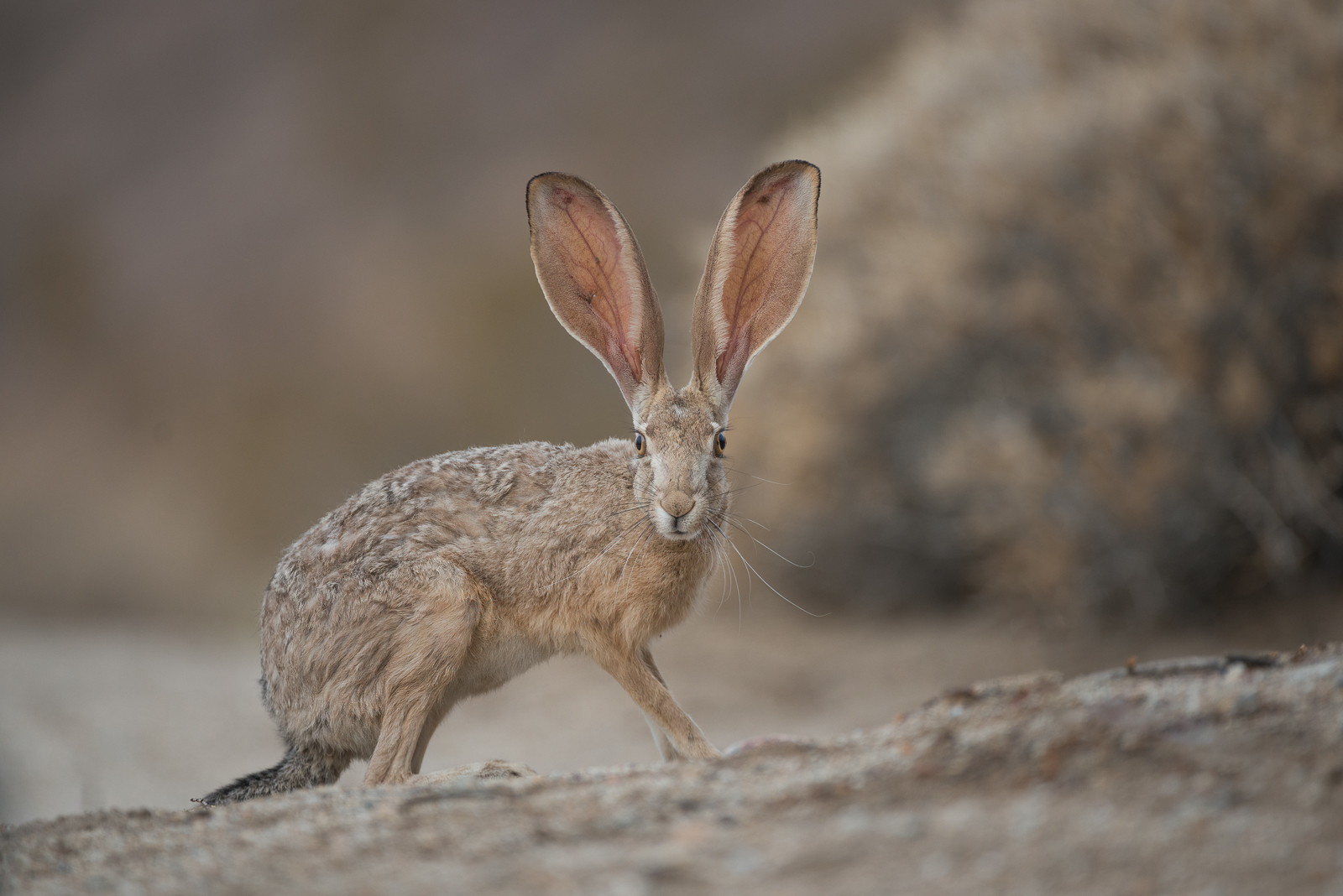
Sometimes I like the direct stare at the camera, sometimes I don’t. This one I liked. Black-tailed jackrabbits are one of my favorite subjects in the desert southwest. They can be found at elevations anywhere from sea level to 10,000 feet, making them quite adaptable to their environment. The enormous ears act as radiators on very hot days, with a web of capillaries that increase blood flow and eliminate heat. This was one of those days, well over a hundred degrees in the Anza-Boreggo desert a few hours southeast of Los Angeles. Nikon D800 with Nikkor 200-400mm lens (at 400mm) ISO 400, f/4 at 1/1600th of a second.
We use cookies to enhance your experience while using our website. If you are using our Services via a browser you can restrict, block or remove cookies through your web browser settings. We also use content and scripts from third parties that may use tracking technologies. You can selectively provide your consent below to allow such third party embeds. For complete information about the cookies we use, data we collect and how we process them, please check our Privacy Policy