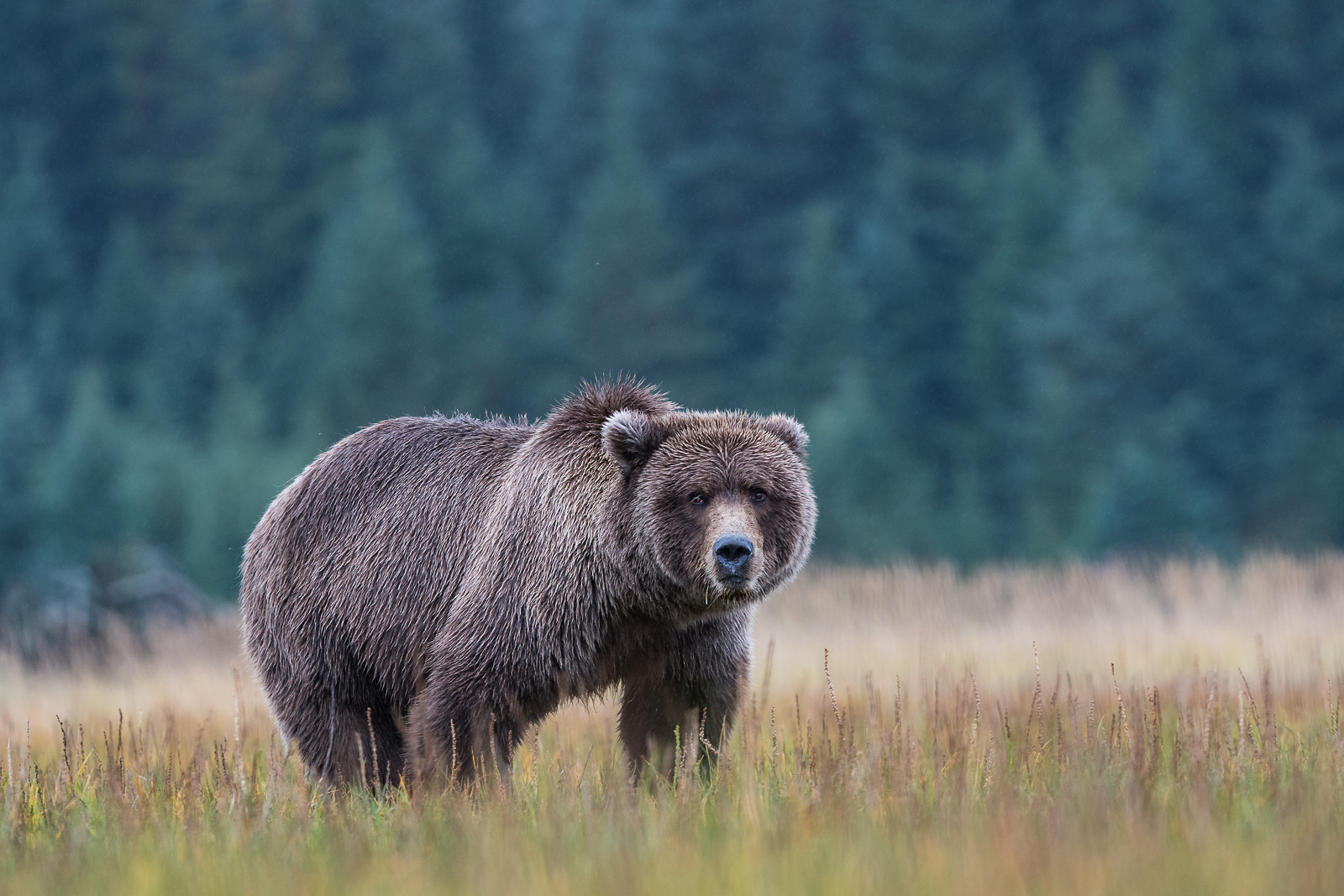
Just a simple portrait of a brown bear, but I liked the layers of muted colors in this one — typical of Alaska’s Lake Clark National Park in autumn. Nikon D500 with Nikkor 200-400mm lens (at 330mm) ISO 800, f/5.6 at 1/320th of a second.
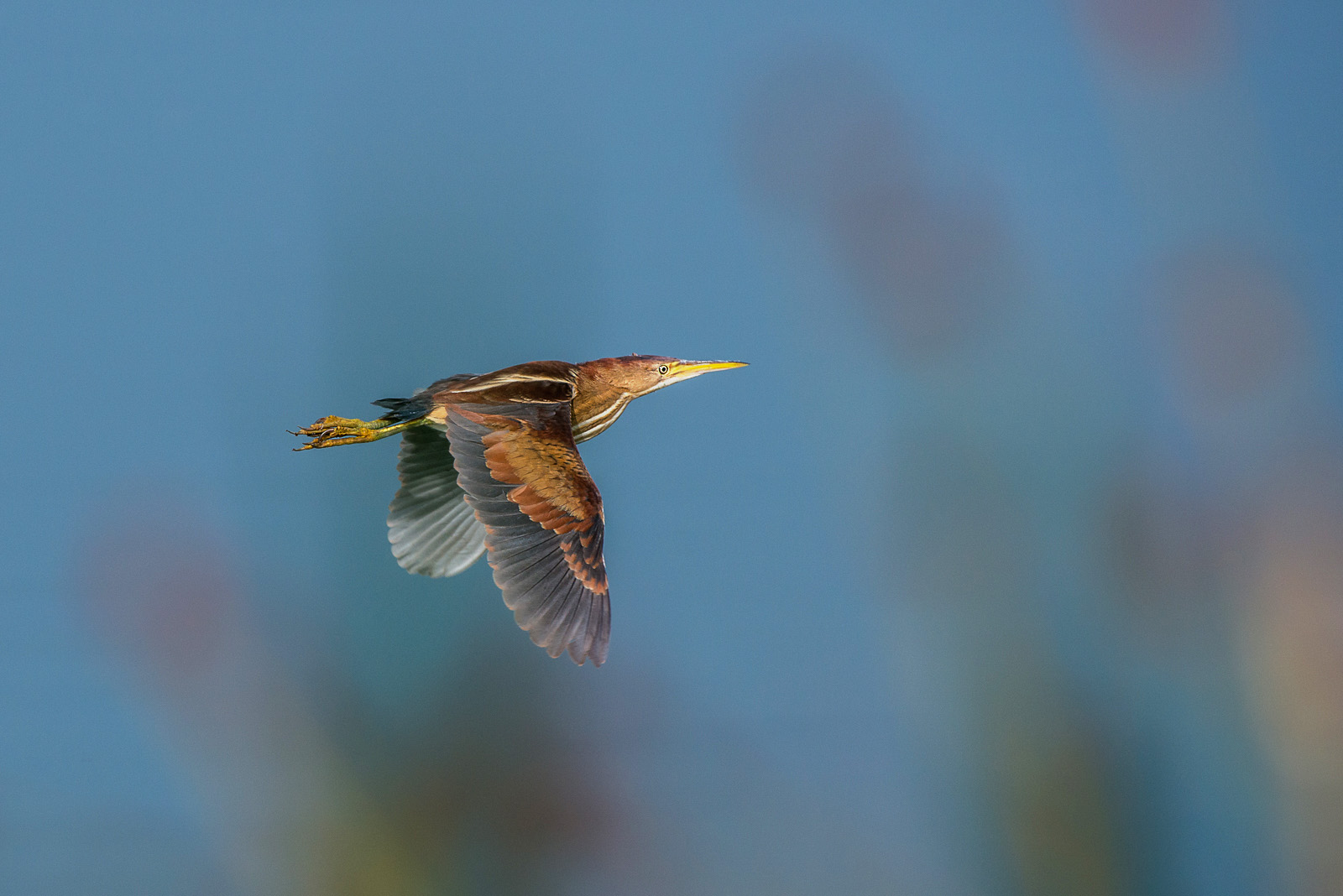
This one goes out to the Green Heron Cottage in Collinsville, CT where I had a great meal last night courtesy of its gracious proprietor. Green herons are smart little birds — one of the few species that effectively uses tools. They will often drop bread crusts, insects or whatever else they can find on the surface of the water to lure fish for an easy catch. Nikon D800 with Nikkor 200-400mm lens (at 400mm) ISO 400, f/5.6 at 1/1000th of a second.
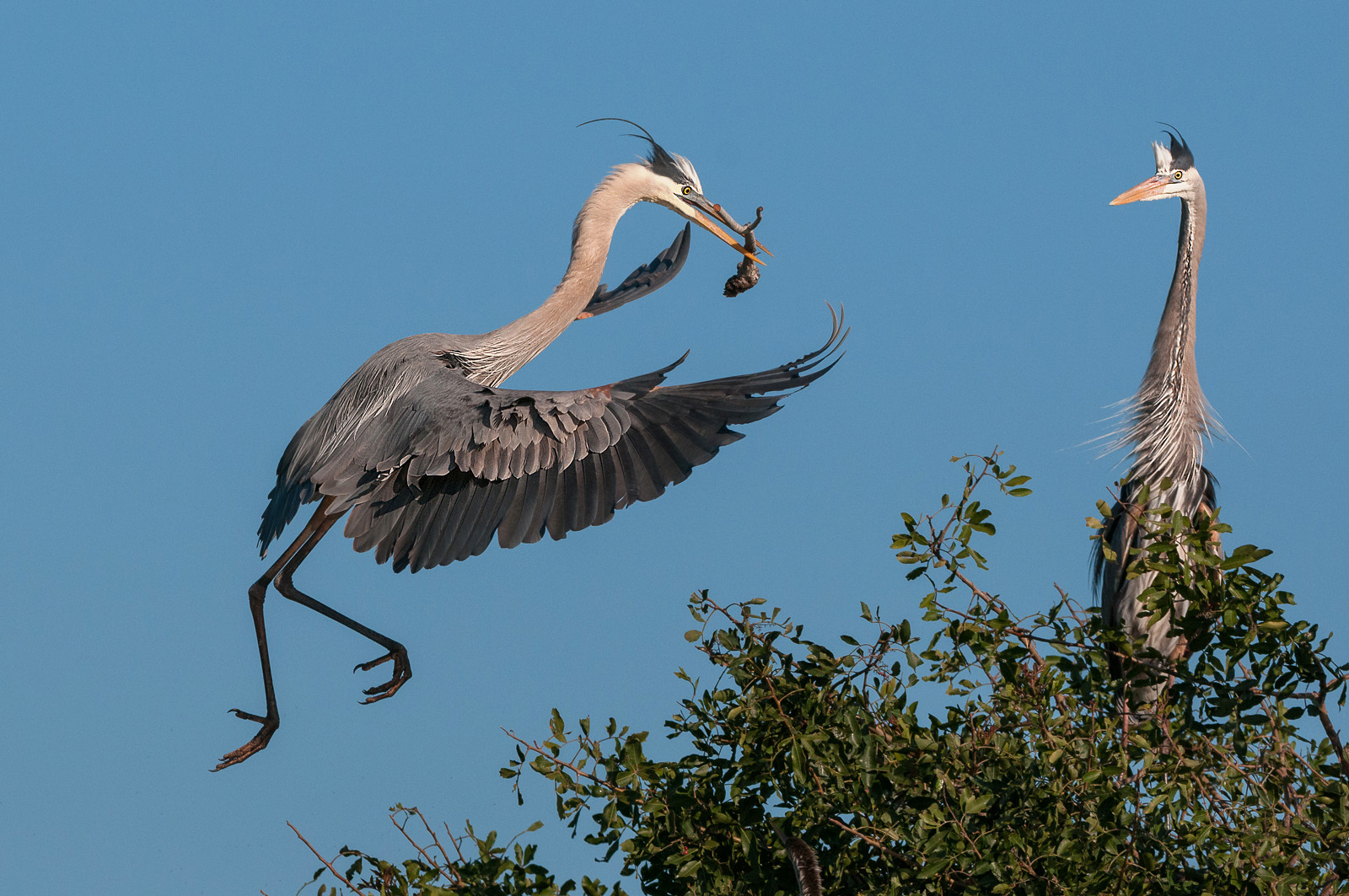
A great blue heron bearing a gift — a stick to reinforce the nest. Photographed in Venice, Florida. Nikon D300 with Nikkor 200-400mm lens (at 210mm) ISO 400, f/6.3 at 1/2500th of a second.
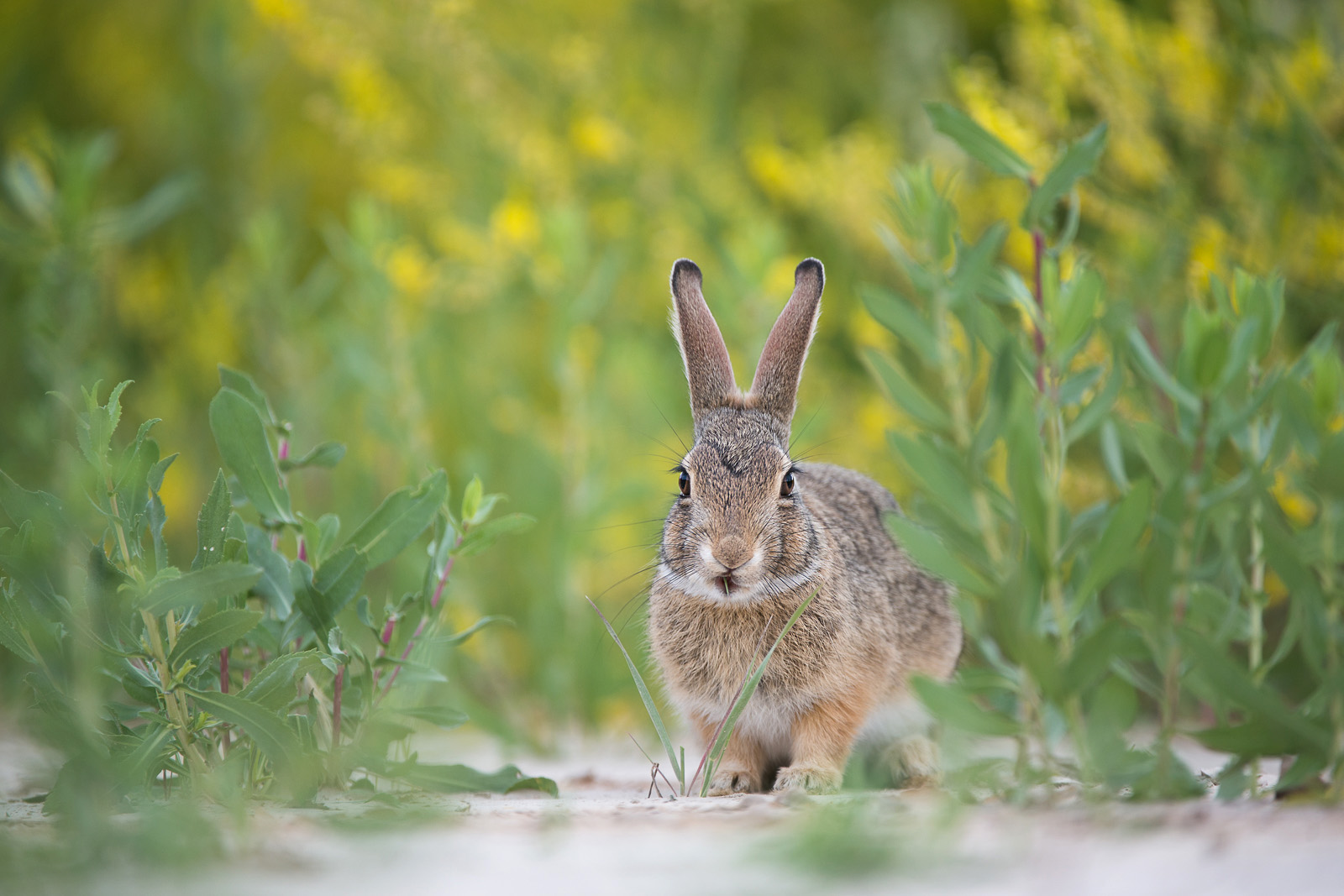
As I post this, there’s still twenty or so minutes left of Easter Sunday. So naturally, here’s the annual rabbit post. This time a desert cottontail from the Badlands of South Dakota. Hope everyone had a great day. Nikon D800 with Nikkor 200-400mm lens (at 400mm) ISO 400, f/4 at 1/800th of a second.
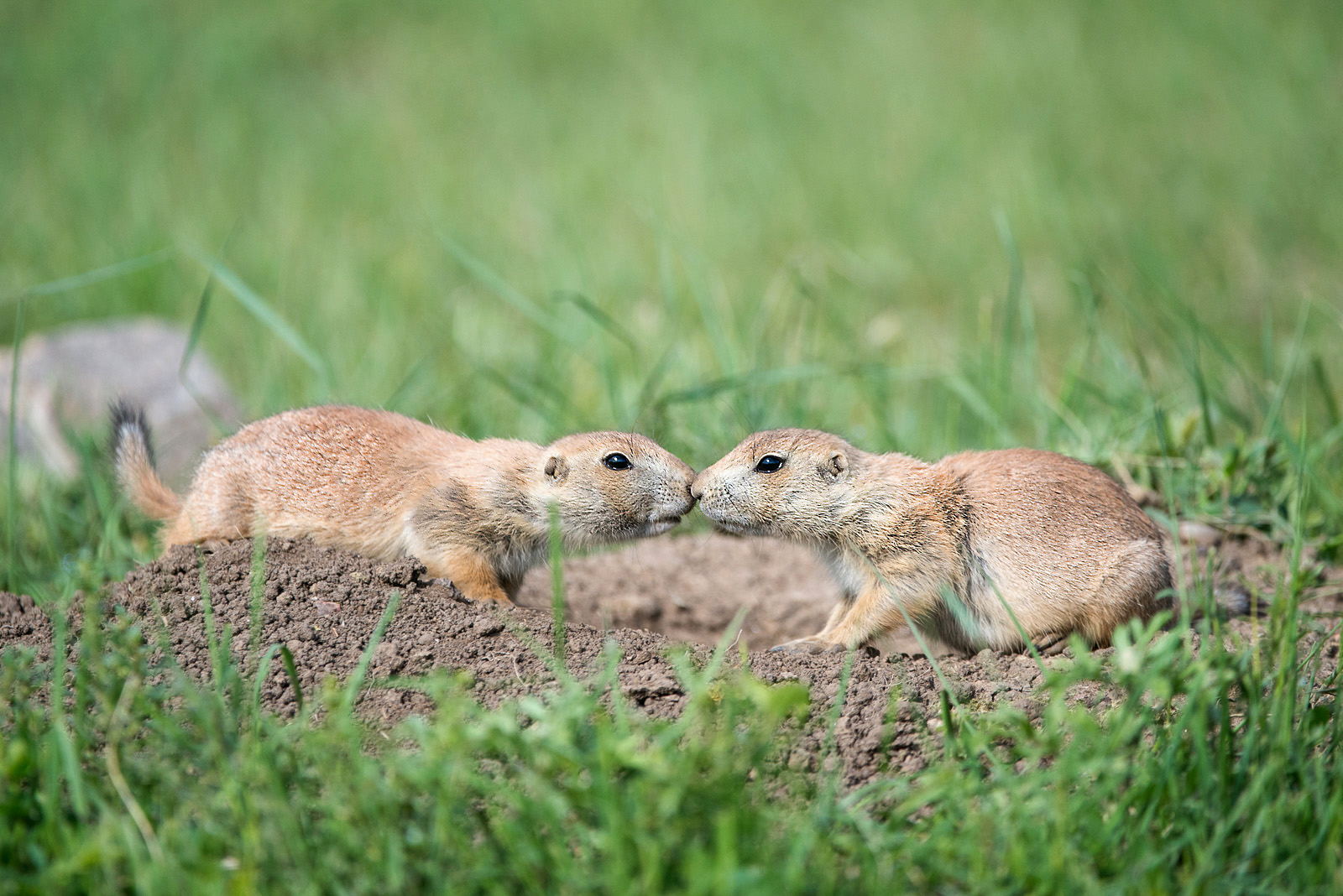
It is said that prairie dogs get their name from the habitat they live in and the fact that they sound like dogs when alerting others of danger. I get the habitat part, but not the dog part. Their call is certainly more of a high pitched yip than a bark. Regardless, they are fun animals to watch and photograph. These two youngsters were showing each other a bit of affection outside of their burrow in Wind Cave National Park, South Dakota. Nikon D800 with Nikkor 200-400mm lens (at 340mm) ISO 800, f/4 at 1/4000th of a second.
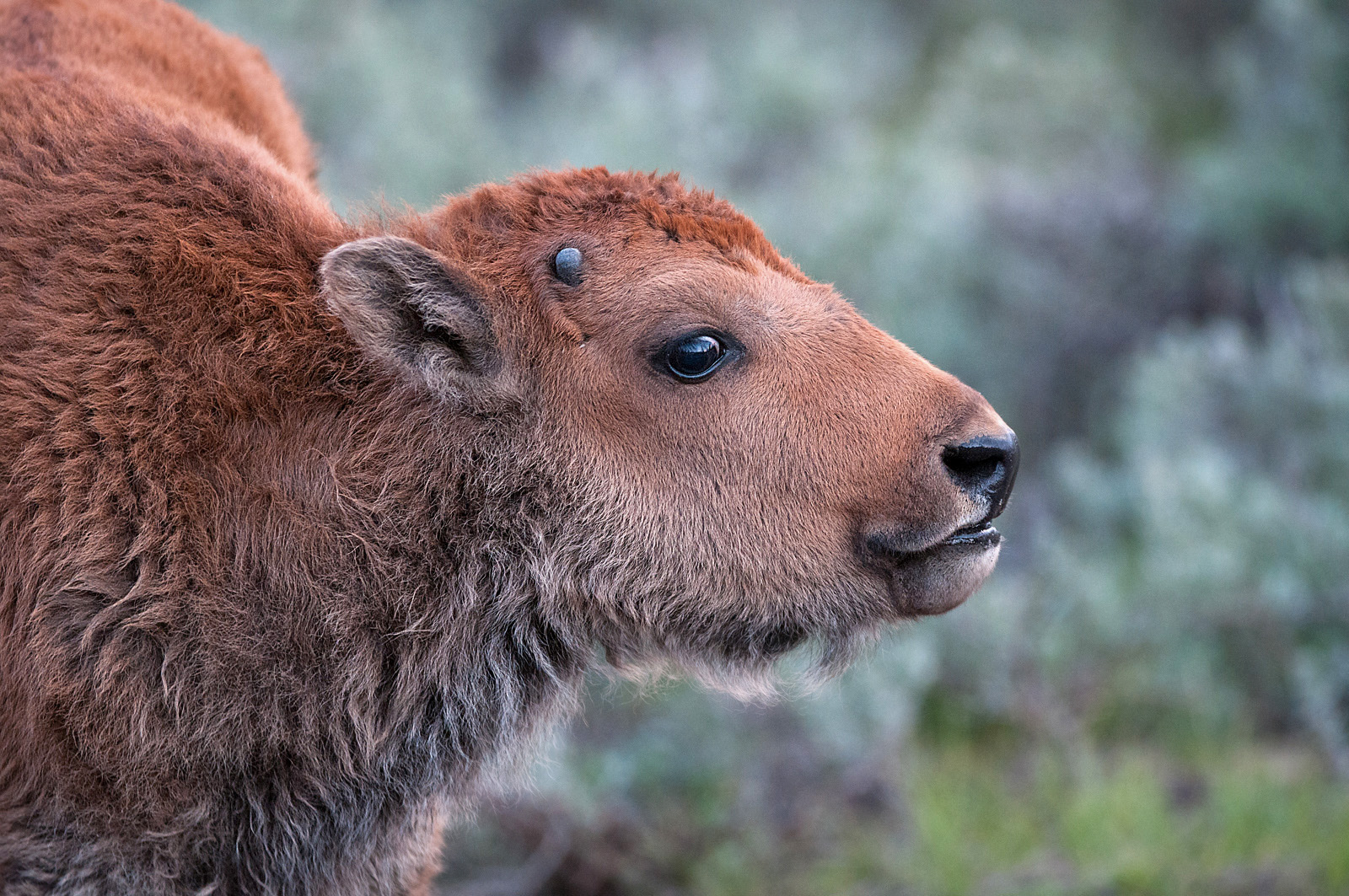
It’s getting to be that time of year again for baby bison to be born. I photographed this calf a few years ago in Yellowstone. I like those little nubs, which will grow into mighty horns. Nikon D300 with Nikkor 200-400mm lens (at 260mm) ISO 800, f/4 at 1/250th of a second.
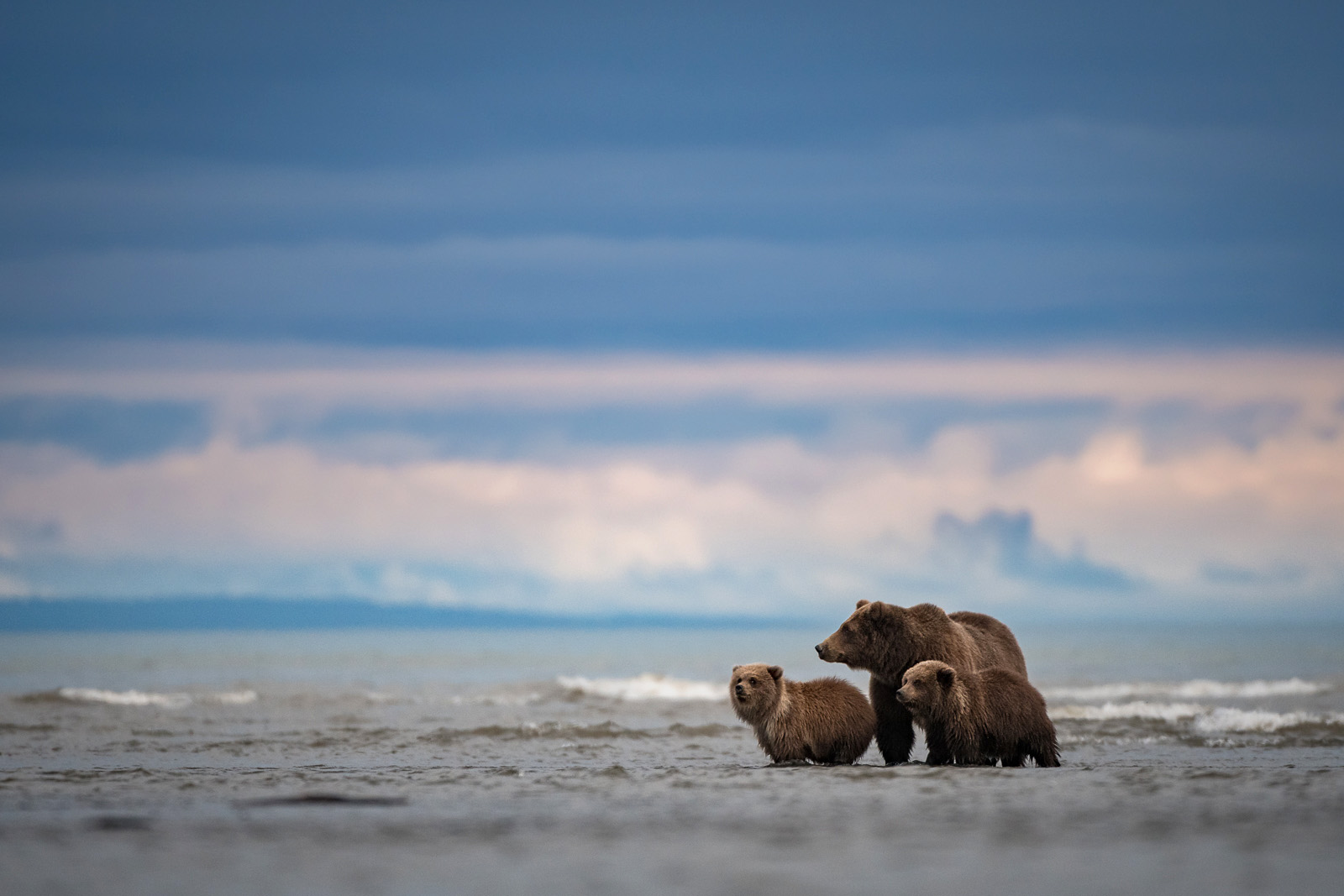
Low tide allowed this mother brown bear and her cubs to venture far from shore in search of breakfast. The area in which they are standing is at the confluence of a creek that feeds into the sea, bringing with it plenty of fish. Still, it’s a challenge for the mom, as the number of fish isn’t quite that of a full scale river spawn. Photographed at Silver Salmon Creek in Lake Clark National Park, Alaska. Nikon D500 with Nikkor 200-400mm lens (at 400mm) ISO 800, f/4 at 1/2000th of a second.
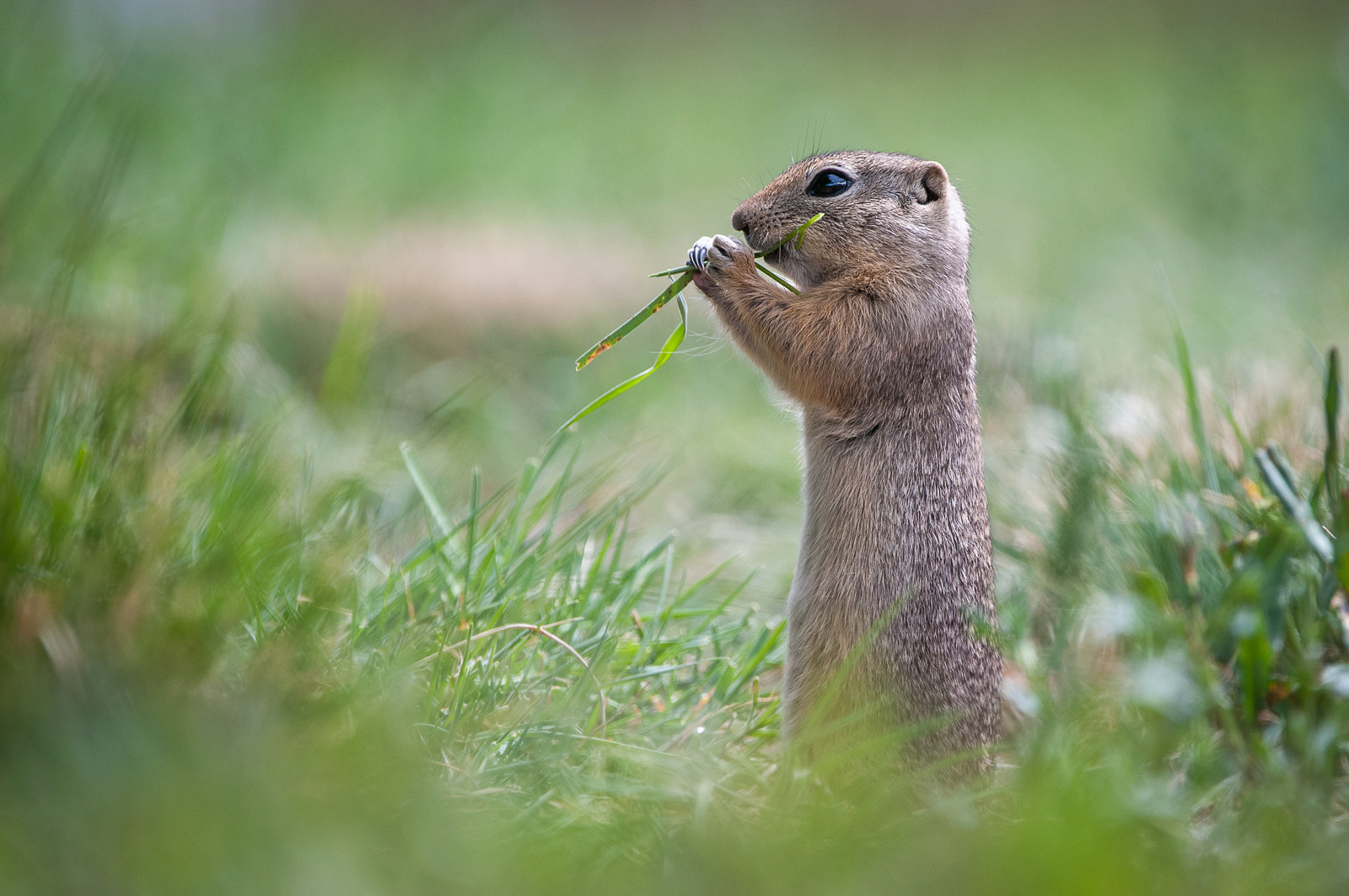
Ground squirrels can sometimes be hard to distinguish from prairie dogs. One way to tell them apart is their stance. Prairie dogs tend to lean forward (and are more rounded of body) while ground squirrels stand more upright. There are many different kinds of ground squirrel. This is the Wyoming ground squirrel, photographed in Arapaho National Wildlife Refuge in north central Colorado. Nikon D300 with Nikkor 200-400mm lens (at 400mm) ISO 400, f/5 at 1/800th of a second.
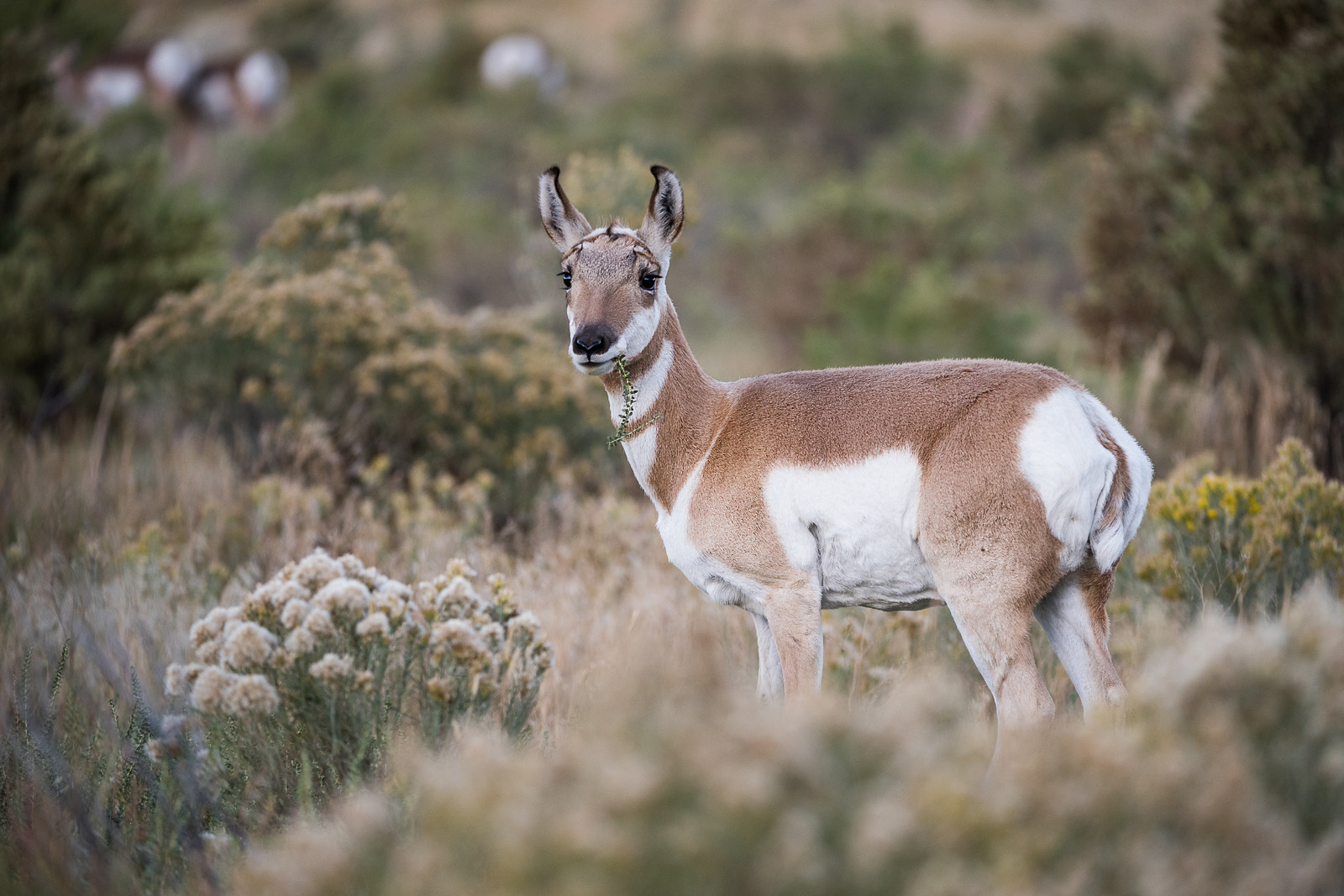
I caught this female pronghorn at the salad bar. She seemed to really enjoy the variety of options at her disposal in this particular little corner of Yellowstone National Park. Nikon D810 with Nikkor 200-400mm lens (at 260mm) ISO 800, f/4 at 1/500th of a second.
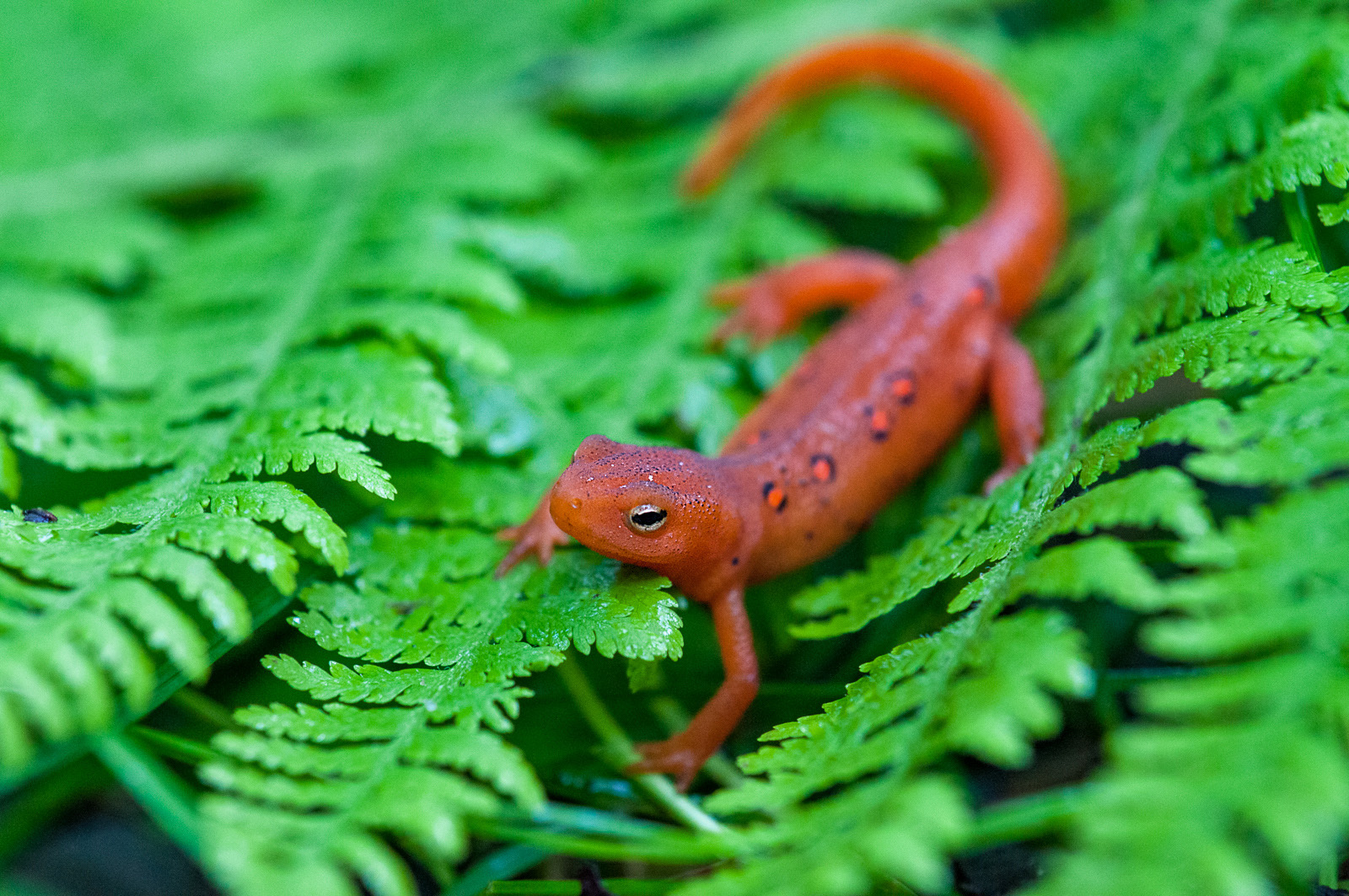
When an eastern newt is in its juvenile phase, it turns a bright orangish red, puts on a nice spotted coat, and spends its time on land. As it grows into the newt it will eventually become, it moves to a more permanent water source in the form of a river, pond or lake. It’s when it’s in this red phase that it is commonly called a red eft. Nikon D300 with Nikkor 70-200mm lens (at 120mm) ISO 800, f/5.6 at 1/20th of a second.
We use cookies to enhance your experience while using our website. If you are using our Services via a browser you can restrict, block or remove cookies through your web browser settings. We also use content and scripts from third parties that may use tracking technologies. You can selectively provide your consent below to allow such third party embeds. For complete information about the cookies we use, data we collect and how we process them, please check our Privacy Policy