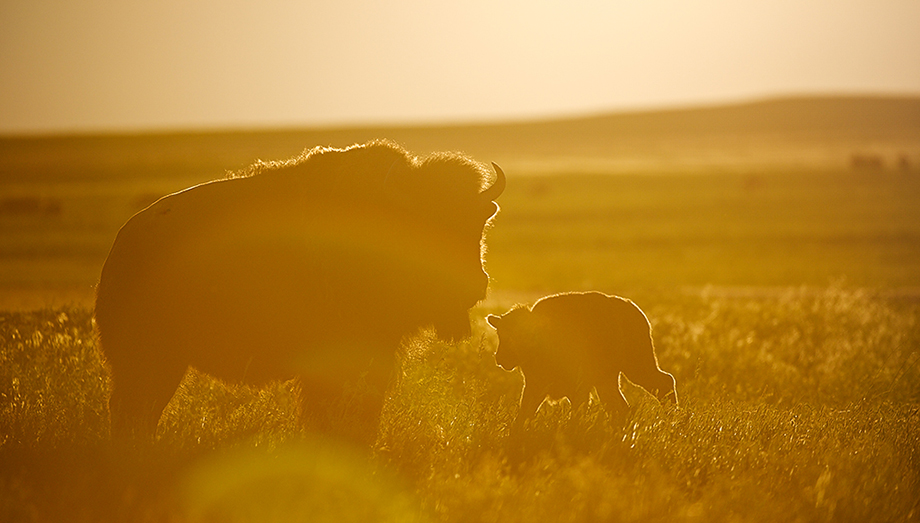
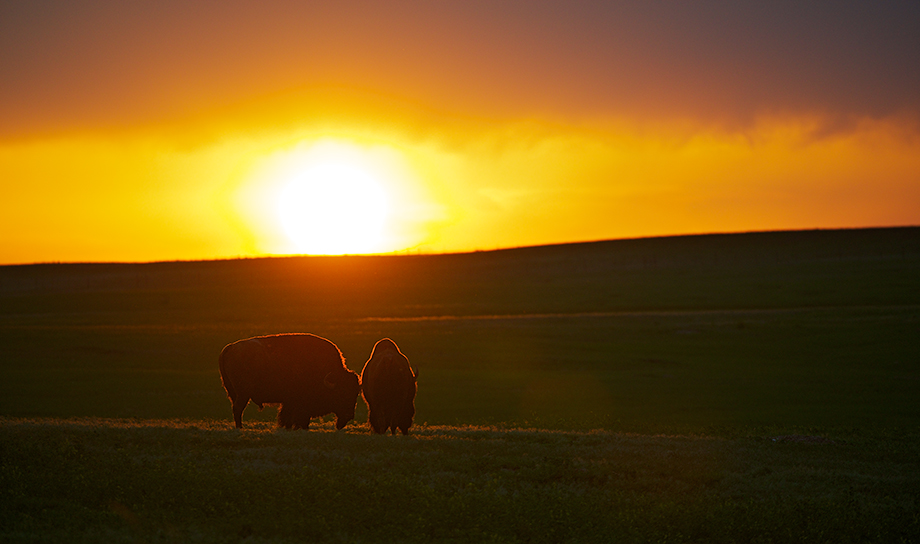
First, thanks everyone for the kind words on yesterday’s post. Today, it’s back to the wild for this mother bison and her calf. I recorded this shot back in June, early in the morning as the sun was rising over the Badlands. Nikon D800 with Nikkor 200-400mm lens (at 340mm) ISO 800, f/4 at 1/8000th of a second
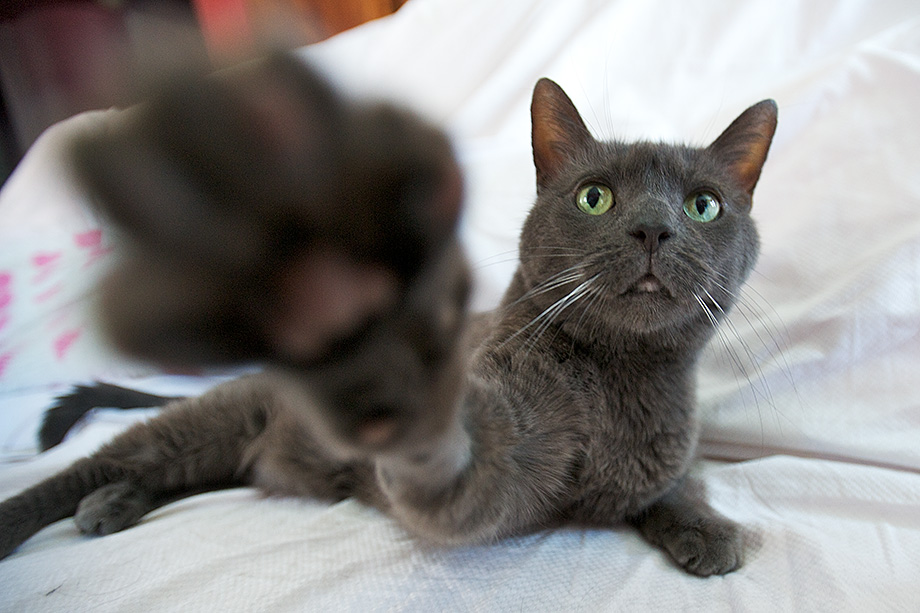
Those of you who have followed my blog for a while know that I don’t post pictures of captive or domesticated animals. But with the passing of our beloved Lola this weekend, it seemed appropriate to suspend those rules for a day. Lola was a true house cat — her only glimpses of the outside world coming from the windows of the five New York apartments that she called home during her seventeen plus years. That being said, I saw her often in the wild. In the playfulness of a cheetah in Kenya. The inquisitiveness of a leopard in Botswana. The hours spent lazing in a favorite spot of a jaguar in Brazil. The body language of a bobcat in southern California. And the sheer physical resemblance to the many wild cats that I’ve photographed from India to Costa Rica. There’s no doubt that they are all related in some way or another. Here’s to the felines. And especially the one that brought us so much joy over the years. Sleep well Lola.
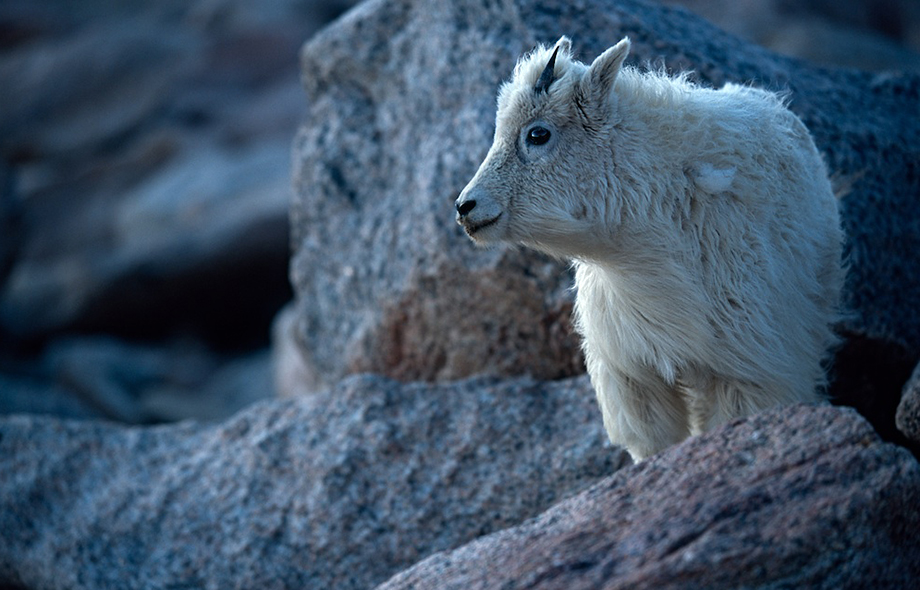
This is an old one from the film days. I had driven to the top of Mount Evans in Colorado (the highest paved road in North America) where a few mountain goats joined me to watch the setting sun. Nikon F100 with Nikkor 80-200mm lens, Fuji Provia 100 speed slide film (shutter and aperture unrecorded)
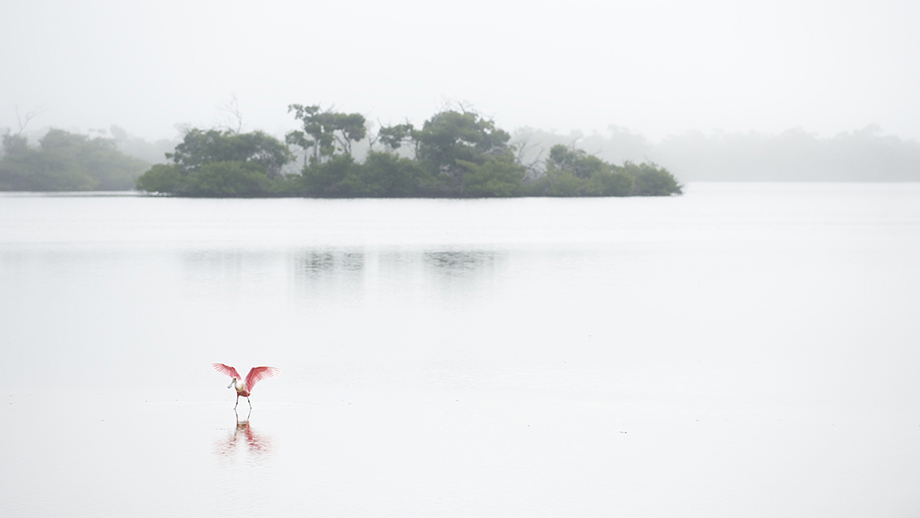
It was very foggy on this particular morning on Sanibel Island in Florida — perfect weather to capture the bright pink plumage of roseate spoonbills. This lone spoonbill was sifting through the shallow water feeding on minnows. The fog cleared just enough to record the landscape in the background, while still rendering the surface of the water almost completely white. Nikon D700 with Nikkor 70-200mm lens (at 200mm) ISO 400, f/4.5 at 1/2500th of a second
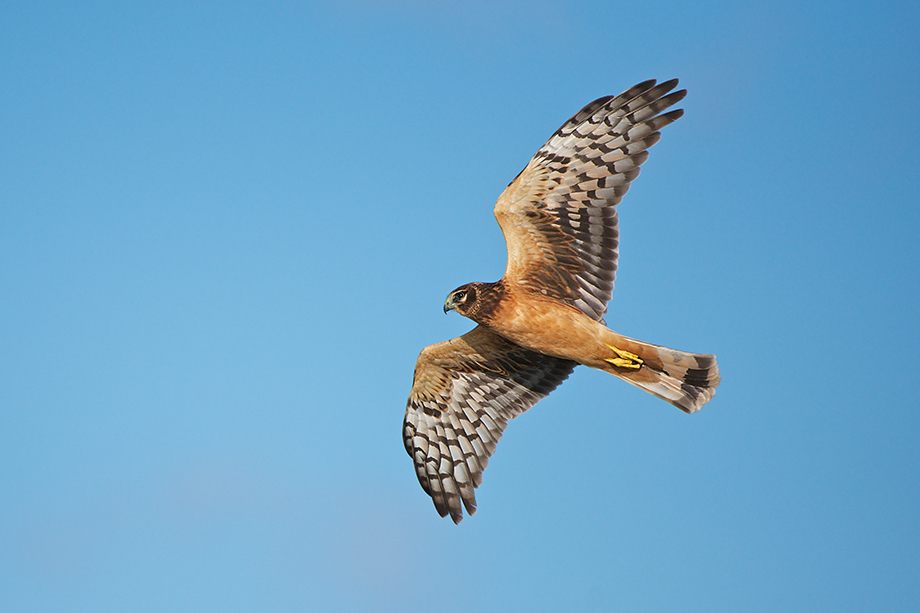
Nor is it a seal. Because I didn’t see any whales or seals this week in Nantucket. Unfortunately, our whale cruise was cancelled three times due to lack of interest from other tourists. We also got shut out on the seals as the area that they usually frequent was closed off due to the nesting piping plovers. What I was able to photograph (other than the aforementioned plovers) was this northern harrier hawk. This guy is a juvenile and we saw him hunting low to the ground just beyond the dunes of Great Point. Nikon D800 with Nikkor 200-400mm lens (at 400) ISO 800, f/4 at 1/8000th of a second
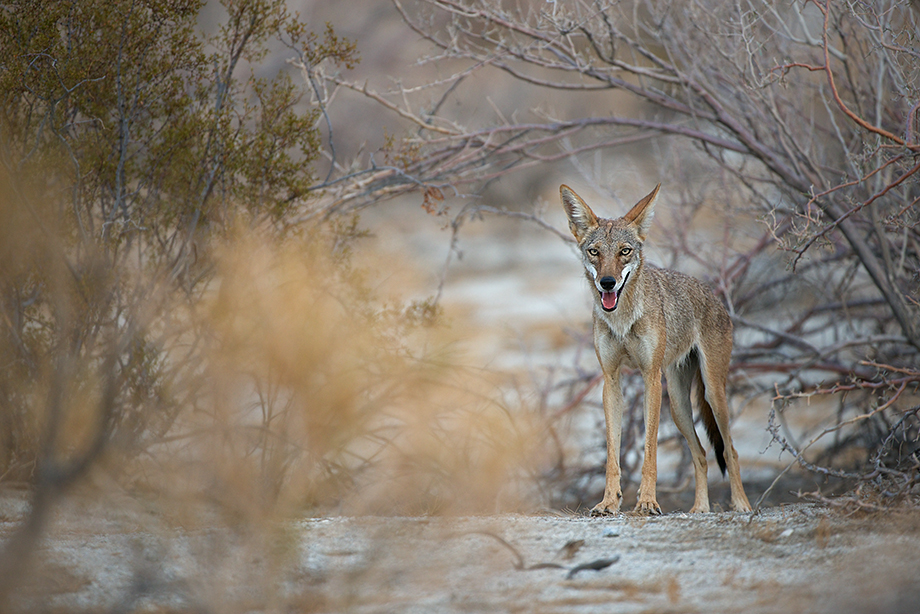
As my mother pointed out a few weeks ago, these desert coyotes are a bit sinister looking. Enjoy, as this will be the last post for a week as Karen and I head to Nantucket next week. Hope everyone has a great Labor Day weekend. See you in a week, perhaps with a few new whale photos to share. Nikon D800 with Nikkor 200-400mm lens (at 400mm) ISO 800, f/4 at 1/1000th of a second
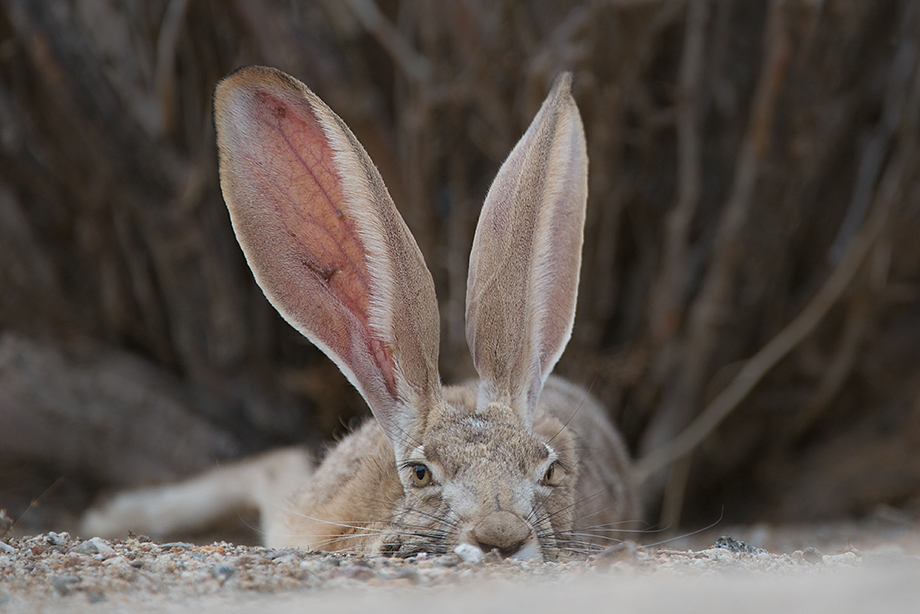
I’m not quite done with the jackrabbits just yet. Here’s another shot from last month’s shoot in the California desert. This guy was carefully considering me as I stared back at him, mimicking almost the same exact position on the ground. Nikon D800 with Nikkor 200-400mm lens (at 400mm) f/4 at 1/1250th of a second
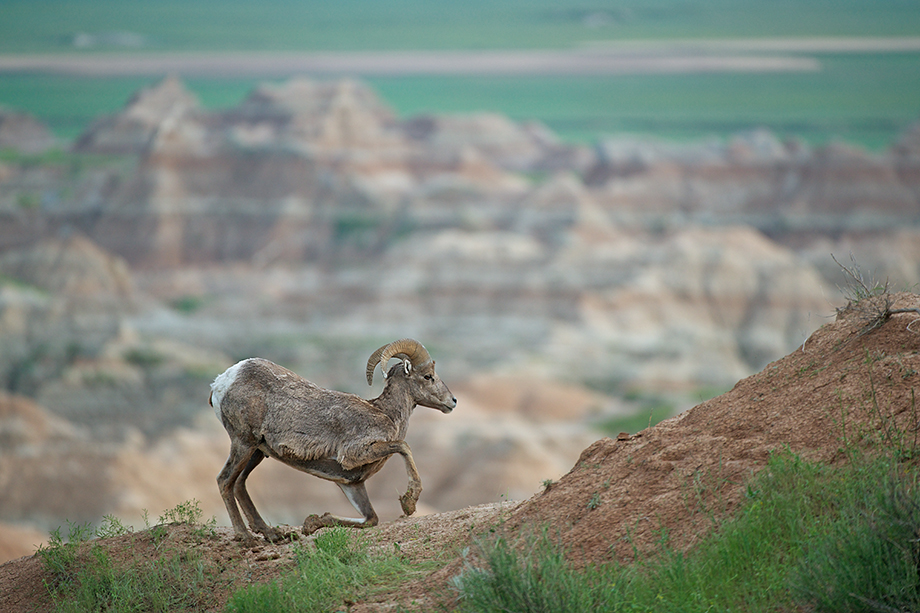
This bighorn seemed to be paying his respects to the powers that be. He was actually just getting up after a lengthy rest. In the background you can see the characteristic eroded buttes of Badlands National Park. Nikon D800 with Nikkor 200-400mm lens (at 400mm) ISO 800, f/4 at 1/500th of a second
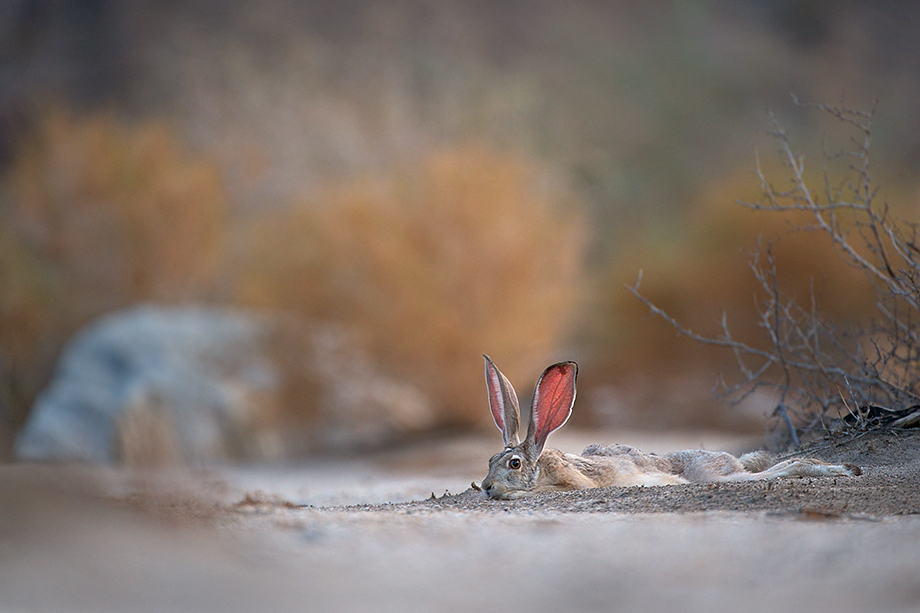
Sprawled face down in the sand, this black tailed jackrabbit seemed exhausted by the desert heat — which, as I mentioned in a post last week, reached 122 degrees. Those long ears, in fact, are an adaptation to the extreme conditions of the desert. The large surface area of each ear is loaded with blood vessels that release heat and thereby cool down the core body temperature of the rabbit. I, of course, was also face down in the sand enabling a ground level perspective. My ears, however, had little effect on my core body temperture. Nikon D800 with Nikkor 200-400mm lens (at 400mm) ISO 800, f/4 at 1/100th of a second
Bison are great as landscape subjects because their shape is so iconic. Here are two bison rim lit by the setting sun in Badlands National Park. This shot is similar to one I posted about a month ago, but different enough to warrant another look. Nikon D800 with Nikkor 200-400mm lens (at 400mm) ISO 800, f/4.5 at 1/1000th of a second
We use cookies to enhance your experience while using our website. If you are using our Services via a browser you can restrict, block or remove cookies through your web browser settings. We also use content and scripts from third parties that may use tracking technologies. You can selectively provide your consent below to allow such third party embeds. For complete information about the cookies we use, data we collect and how we process them, please check our Privacy Policy