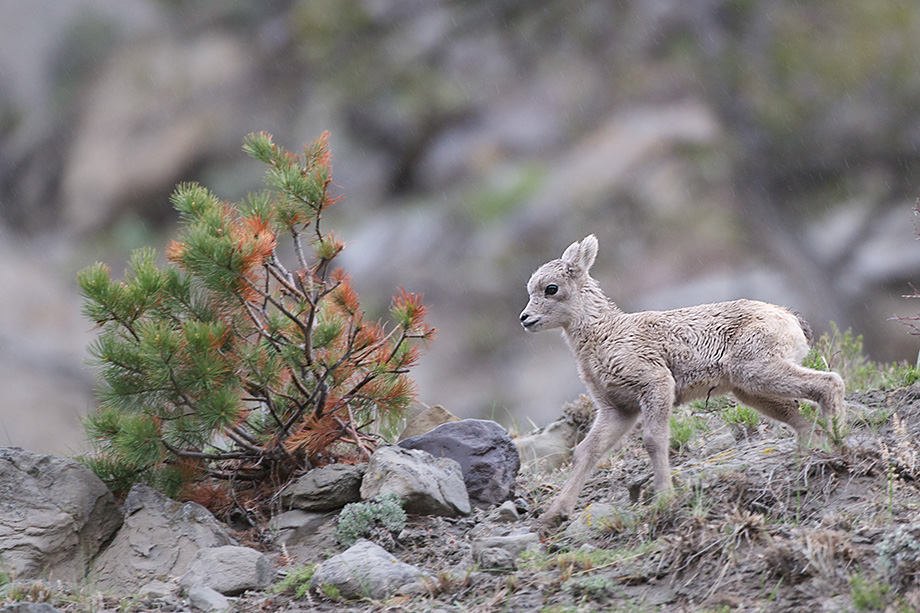
The northwest entrance to Yellowstone National Park is a great place to spot bighorn sheep. The vast majority of Yellowstone is in Wyoming, but Gardiner Canyon where I took this photo is in Montana (the park’s boundaries also spill into a bit of eastern Idaho). I was there this spring and several recently born bighorn lambs were running up and down the steep walls of the canyon. It’s amazing how fearless they are at such a young age.
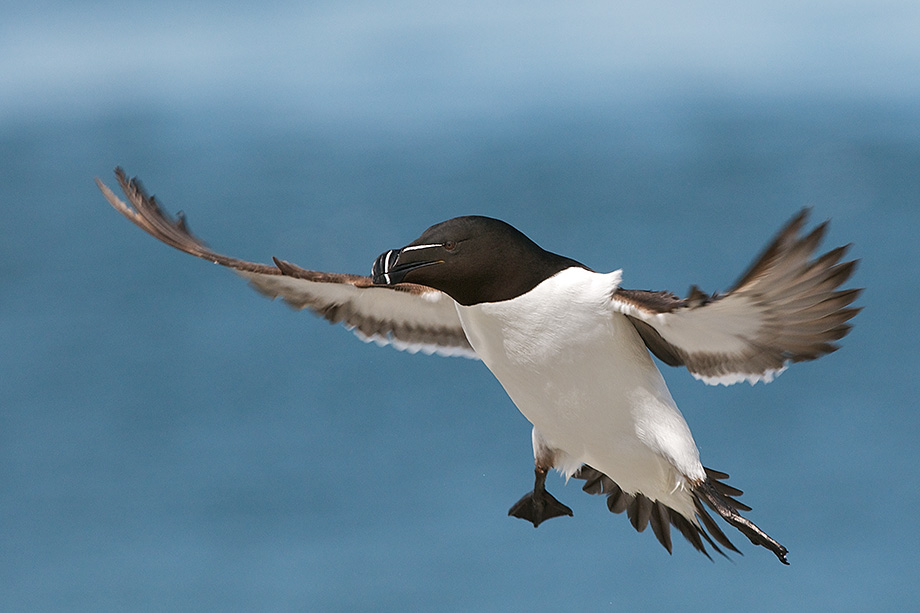
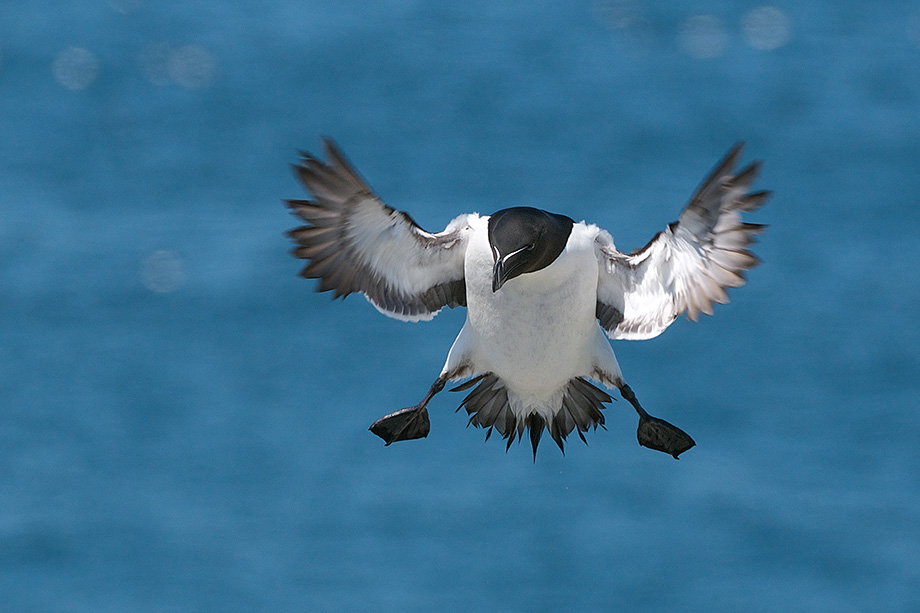
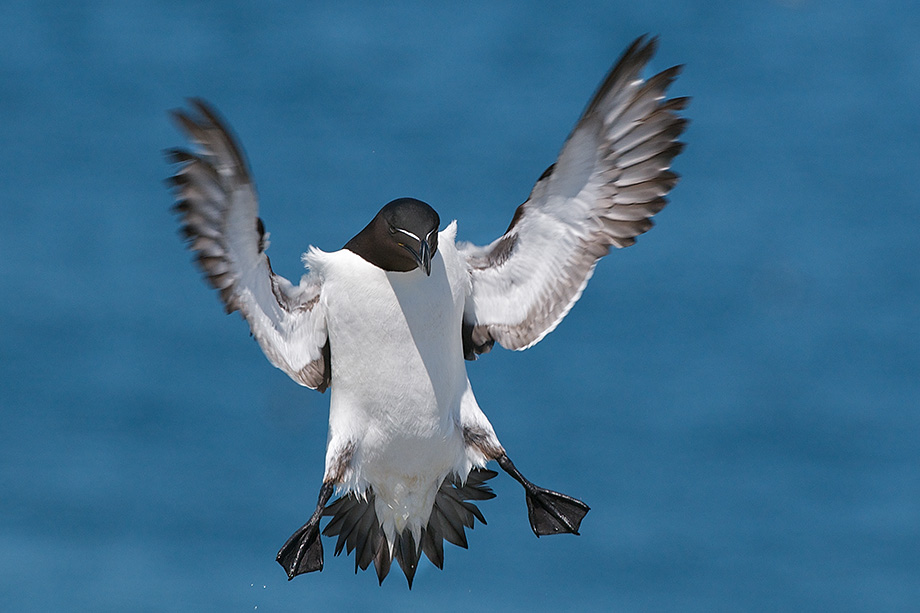
Here’s a landing sequence of a razorbill on Machias Seal Island off the coast of Maine. These birds are the largest members of the auk family and they will only come ashore in order to breed. Presumably, razorbills choose only one partner for life, and females lay only one egg per year. These shots were taken earlier this year when I went up to Maine to photograph Atlantic puffins — a species that the razorbills nest along side of.
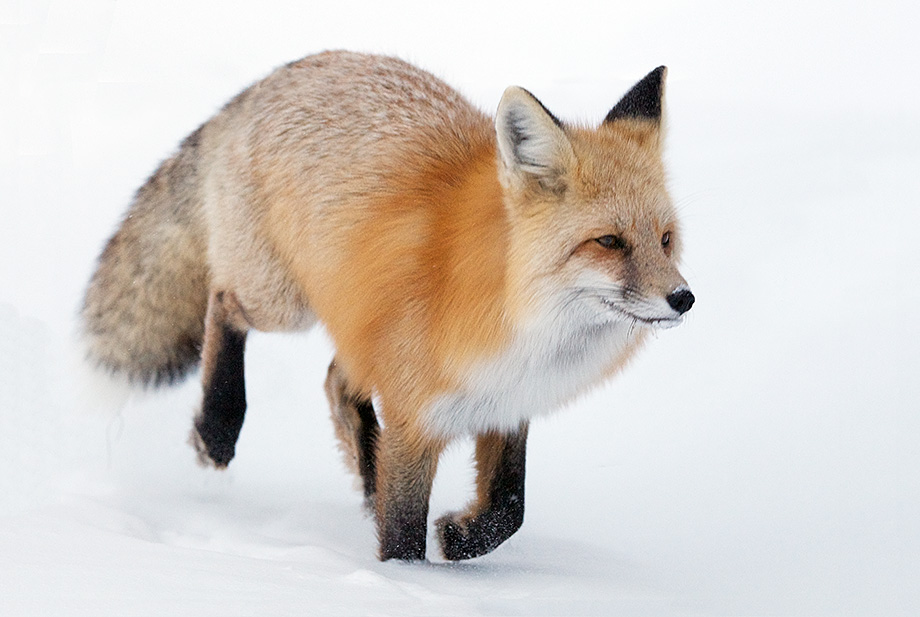
They can be found pretty much anywhere in this country, but it’s still exciting every time I see a red fox. This one was running past me on a snow covered road in Yellowstone National Park. At times they can be very tolerant of people and this guy barely acknowledged my presence.
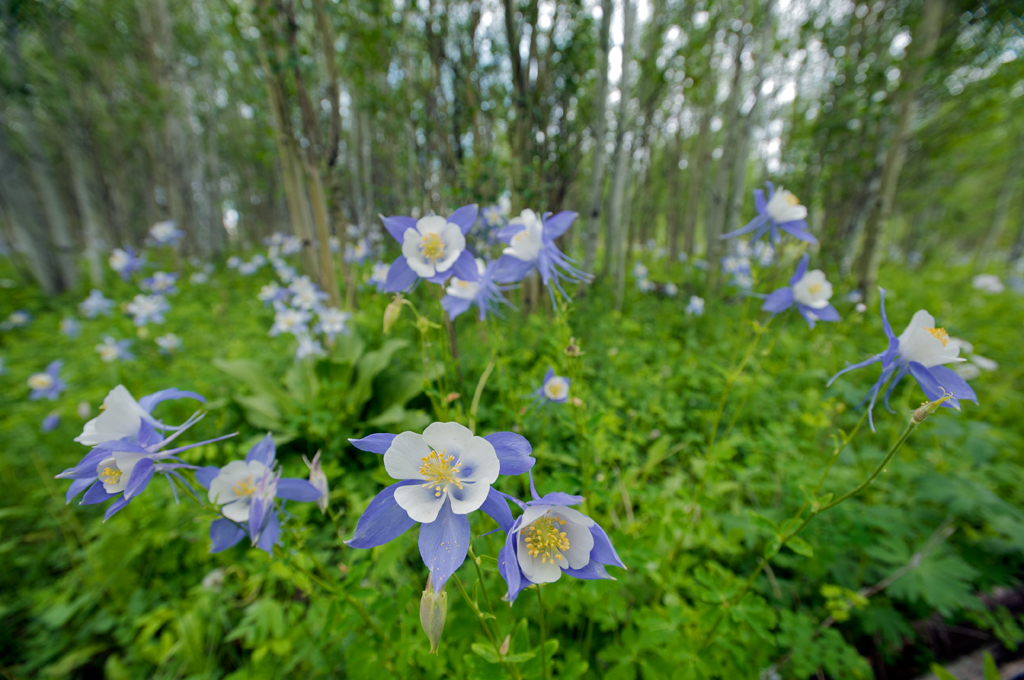
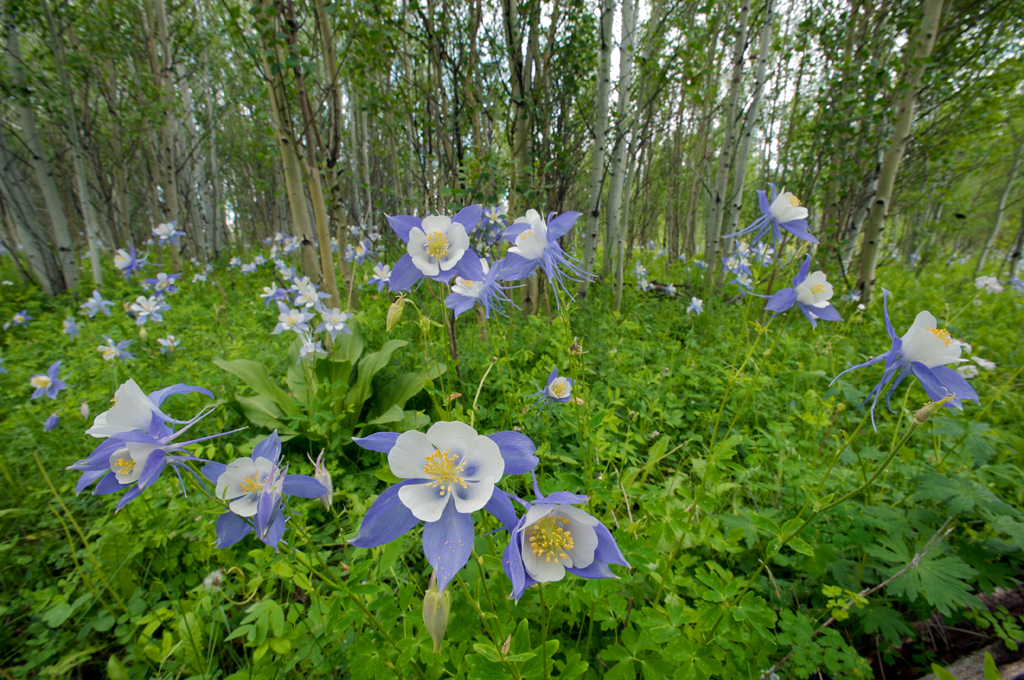
A lot of people have been asking me about depth of field and f-stops lately, so here’s a good example of what your camera’s aperture can do. The first shot was at a wide aperture of f/5.6, while the second, was at f/18. Ordinarily on a landscape shot like this, I’d opt for the smaller aperture of f/18 in order to get edge to edge sharpness, but on this example I actually think I like the first one better because of its odd sense of motion. These are blue columbines, the state flower of Colorado. The location was in the northern part of the state up by the Wyoming border.
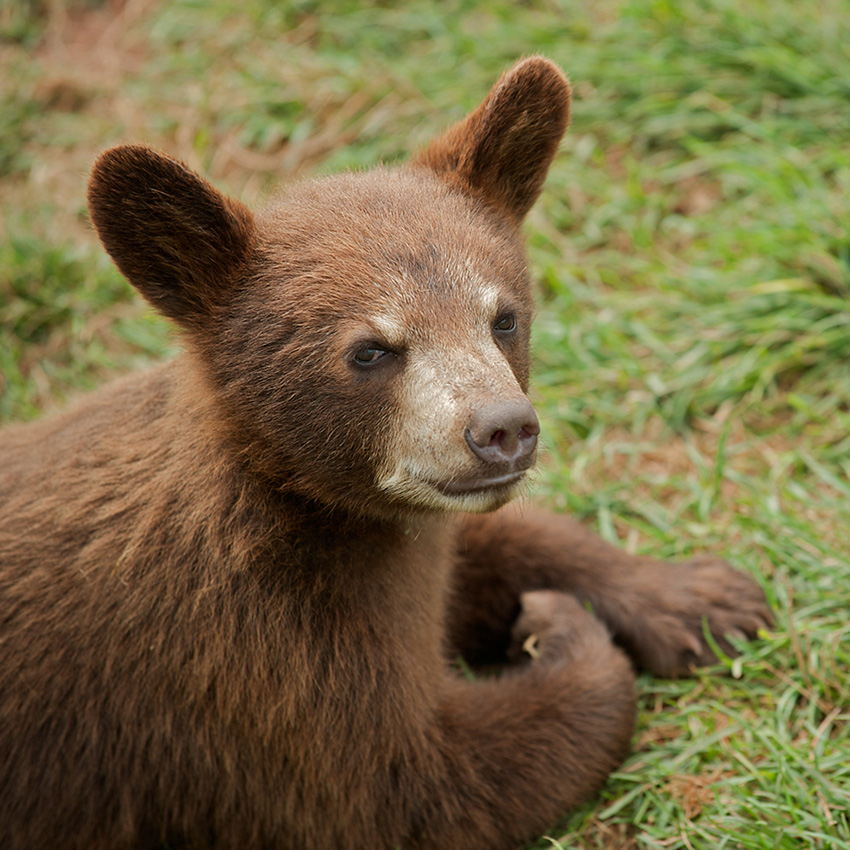
Here’s another of the black bear cubs that I saw at a rehabilitation center in South Dakota. Black bears can be any shade of black, brown, cinnamon, or even white. This guy didn’t seem too enthused to be getting his picture taken.
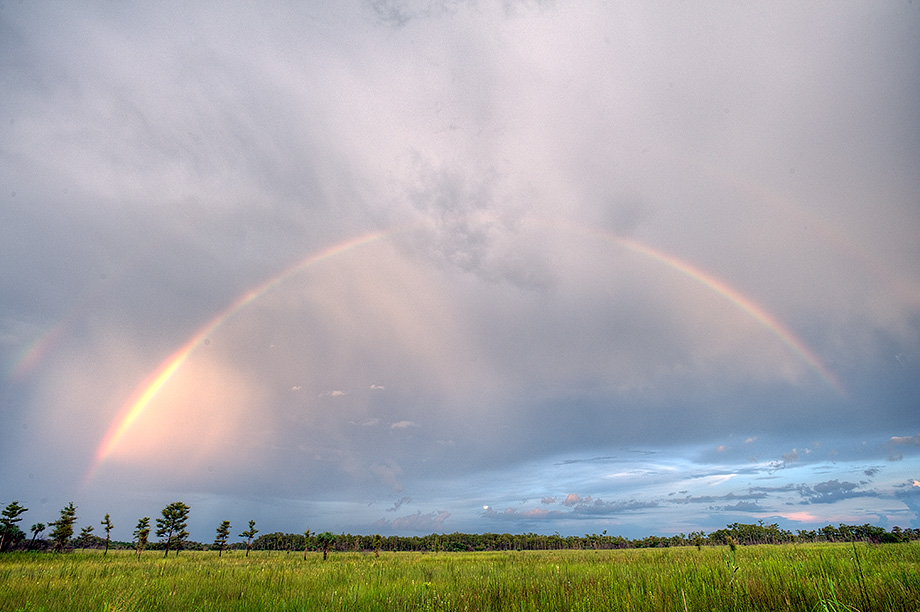
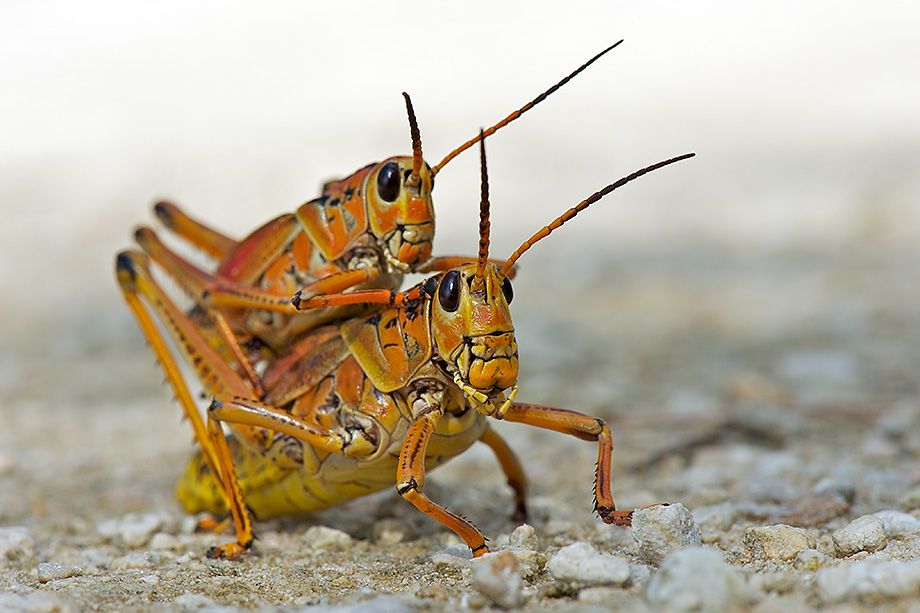
Of course, wherever there are fornicating grasshoppers, there’s sure to be a nice romantic double rainbow nearby. This was taken Sunday night in the Fakahatchee Strand area of Big Cypress National Preserve in southwestern Florida.
I had to be in Florida on Friday for work so I figured I’d stay the weekend and search for newly hatched baby alligators, Florida panthers and the state’s spectacular birdlife. What I ended up with were fornicating grasshoppers. These three inch lovers are called eastern Lubber grasshoppers, or, as they are more commonly known, Florida giant orange grasshoppers. They move quite awkwardly and slowly and can only jump short distances. They are, however, toxic to most predators and their bright coloration acts as a warning sign.
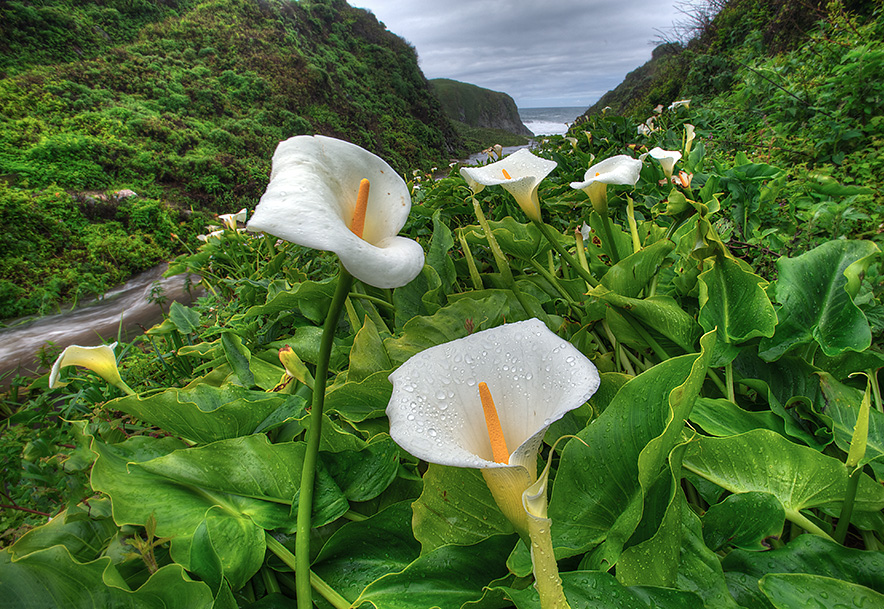
Last winter I posted a vertical photo of these calla lilies. Here’s a horizontal version where you can see the little creek that runs into the ocean. The location is Garrapata State Park in northern Big Sur, California.
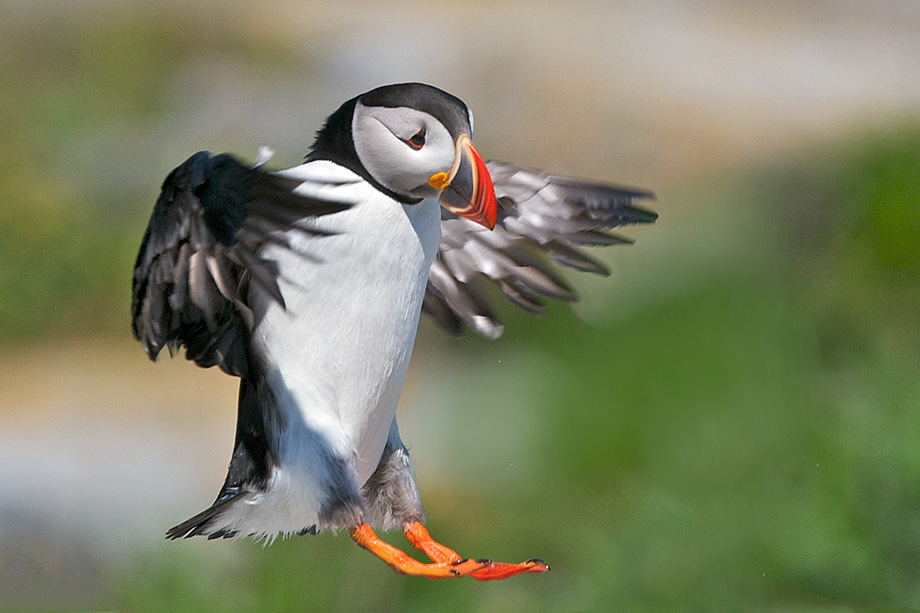
With all the Africa pictures lately, it seemed about time to break it up a bit and post another Atlantic Puffin. This little guy was photographed earlier this summer off the coast of Maine on Machias Seal Island. There are several blinds on the island where you can observe the puffins as they come and go from their nests in the rocks along the shoreline.
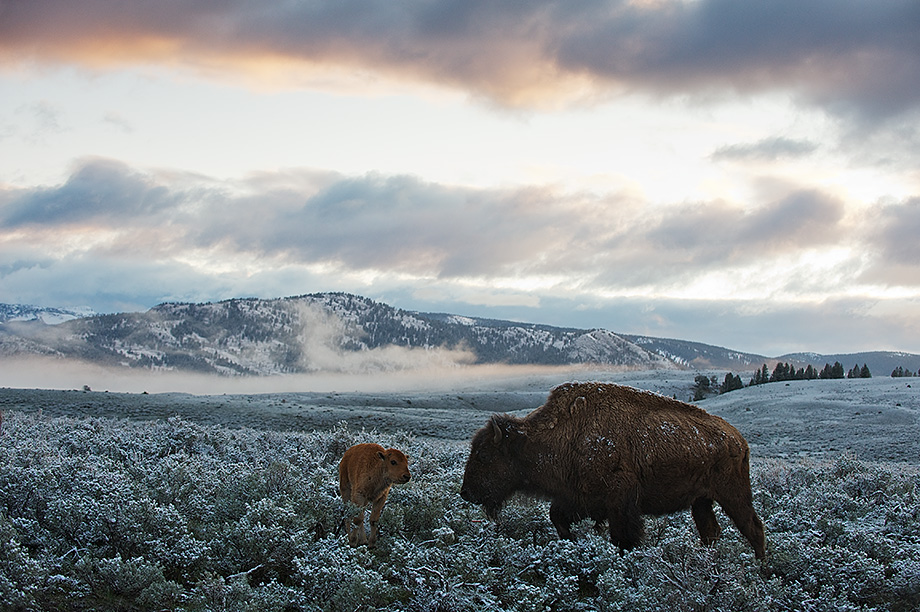
I have many more photos from Botswana to post, but thought I’d break it up a little with a shot today from Yellowstone. This was taken on my most recent “spring” trip to the park. It was very cold for late May — even for Yellowstone — but the weather provided for some nice views of the landscape and the animals within it. It was still very early in the morning when I saw this bison mother and calf in the northern part of the park near the Wyoming/Montana border.
We use cookies to enhance your experience while using our website. If you are using our Services via a browser you can restrict, block or remove cookies through your web browser settings. We also use content and scripts from third parties that may use tracking technologies. You can selectively provide your consent below to allow such third party embeds. For complete information about the cookies we use, data we collect and how we process them, please check our Privacy Policy