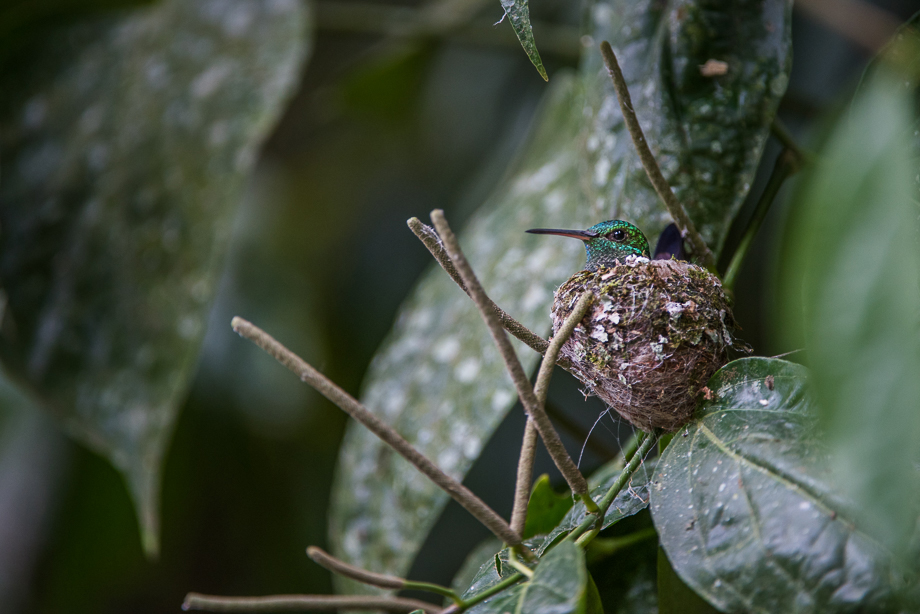
With all the hummingbirds that I saw at the Asa Wright Nature Center in Trinidad, you’d think I’d see a few nests around, but this was the only one that I could find. Sitting inside is a copper rumped hummingbird. She was flying back and forth, collecting material to reinforce the nest. Nikon D810 with Nikkor 200-400mm lens (at 400mm) ISO 800, f/4 at 1/200th of a second
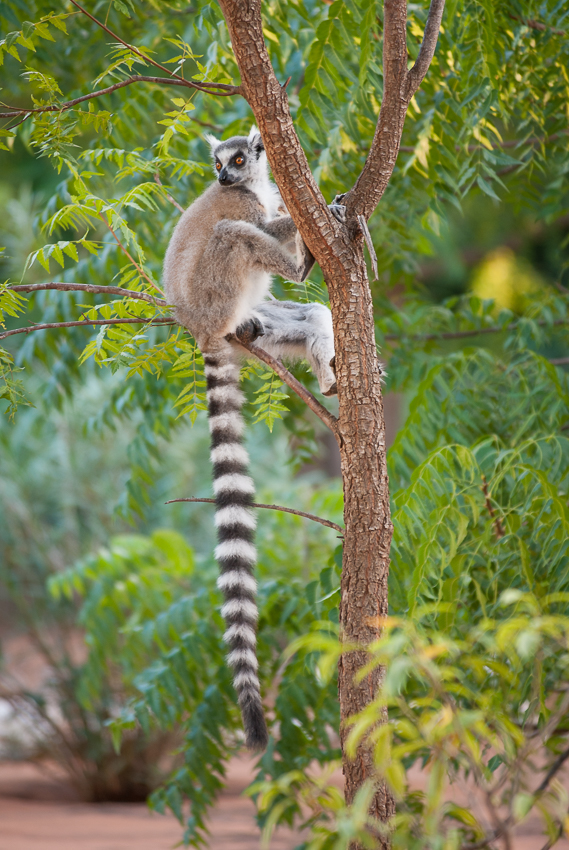
It’s obvious, of course, where the ring tailed lemur gets its name. In this shot that tail is on display (along with a few other parts) in all its bushy glory. Some day I hope to get back to southern Madagascar to visit these amazing primates once again. Nikon D200 with Nikkor 80-200mm lens (at 200mm) ISO 200, f/2.8 at 1/40th of a second
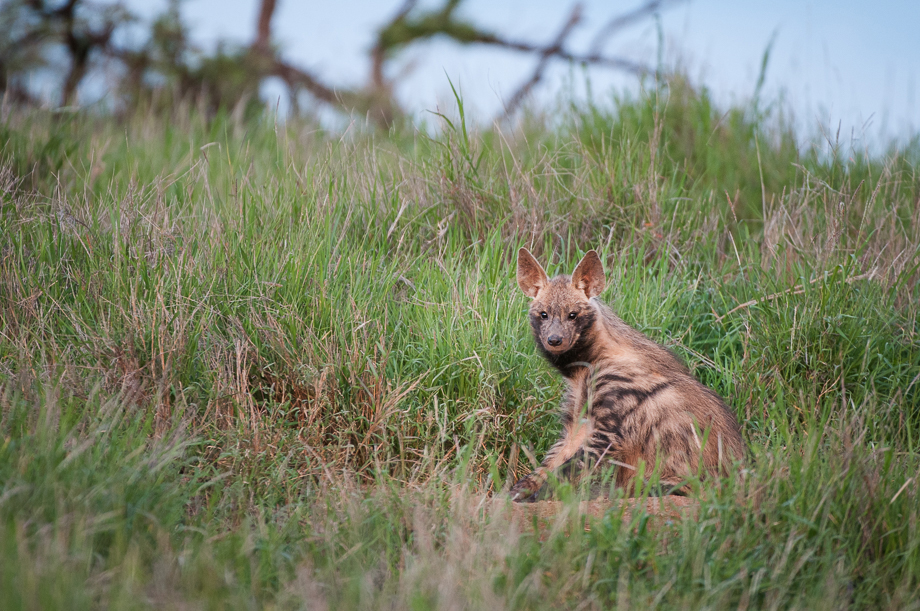
The spotted hyena is a fairly common sight in East Africa. The striped hyena is not. They are classified as near threatened due to a consistent decline in population. Less than 10,000 individuals currently exist in the wild. On top of their scarce numbers, they are almost strictly nocturnal, so it is very rare to see one in daylight. We came across this striped hyena in the Lewa Wildlife Conservancy in Kenya, just after the sun had set. Nikon D300 with Nikkor 200-400mm lens (at 400mm) ISO 800, f/4 at 1/30th of a second
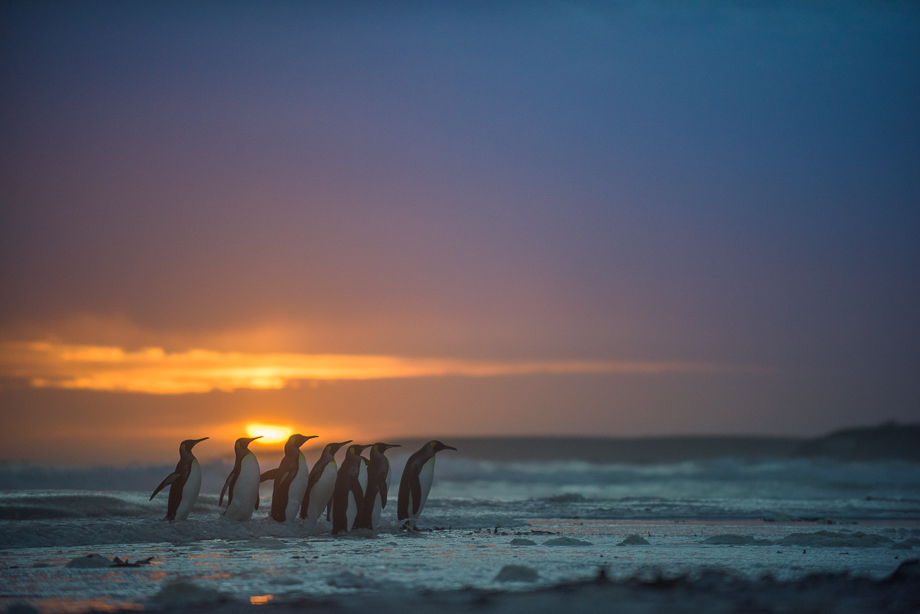
Hope everyone had a great 4th of July holiday (at least everyone from the US). Here’s another group of king penguins doing their king penguin thing first thing in the morning as the sun rises on another day in the Falkland Islands. Nikon D810 with Nikkor 70-200mm lens (at 200mm) ISO 800, f/2.8 at 1/2500th of a second
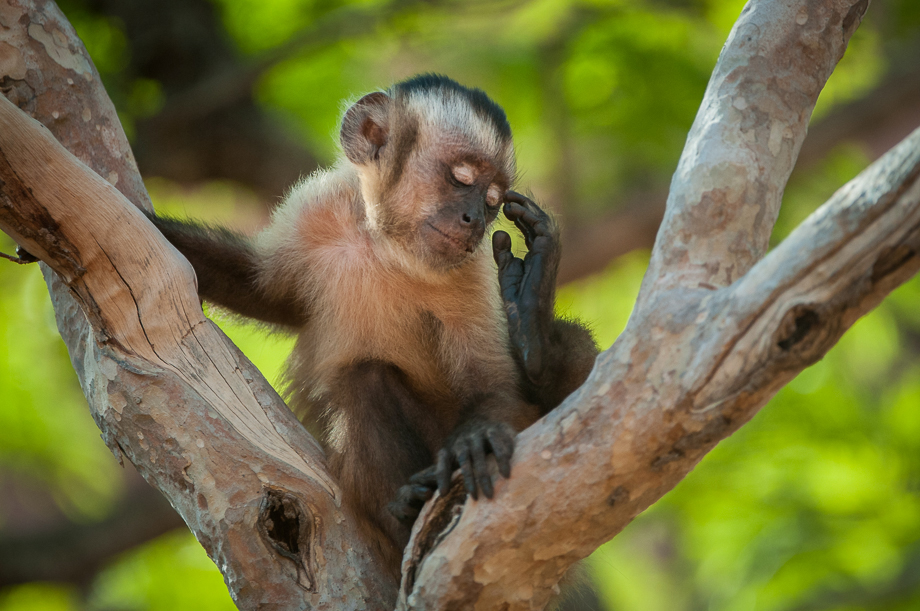
Karen and I will be away for a few days, so this will be the last post until after the holiday weekend. Until then, here’s a brown capuchin monkey worrying about the future of Brazil’s palm nut industry. Nikon D300 with Nikkor 200-400mm lens (at 340mm) ISO 800, f/4 at 1/1600th of a second
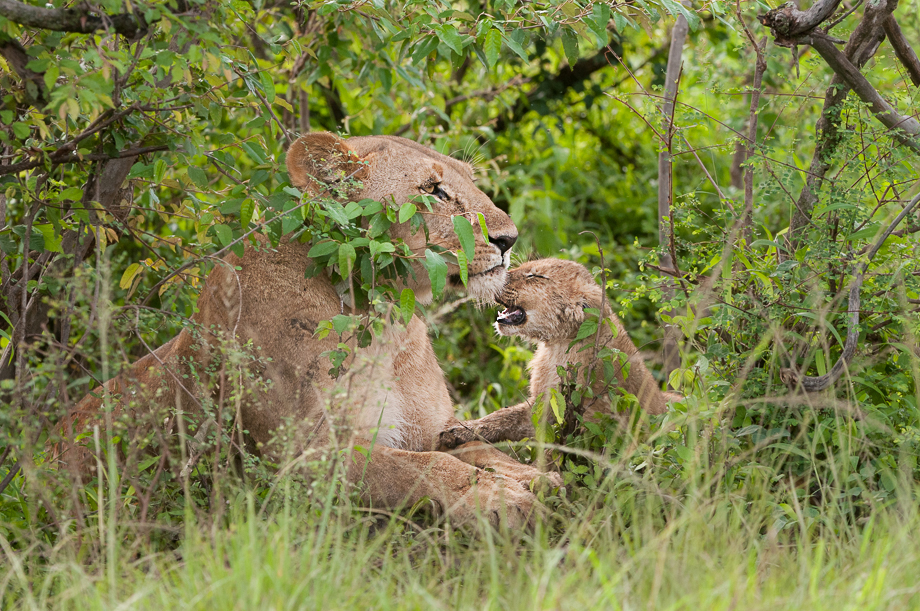
Seemed like a good day for a lion mother and her cub sharing a nice moment in the bushes. I’ve posted other shots of these two lions before. They were separated from the rest of the pride and the mother had just dragged her zebra kill into the bushes. The cub seemed a bit anxious to get back to the rest of the family and kept alternating between rubbing up against mom and coming out into the open to investigate us. Nikon D300 with Nikkor 200-400mm lens (at 250mm) ISO 800, f/5.6 at 1/500th of a second
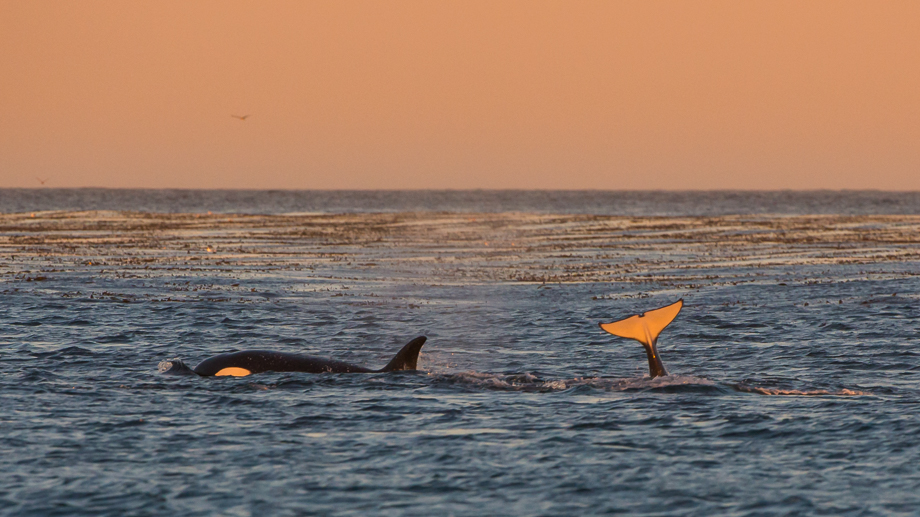
I usually only honor requests from those under ten years of age, but my boyhood friend Lonnie Quinn requested an orca the other night and an orca I shall deliver. In fact, here are two shots of orcas — hunting close to shore on Sea Lion Island in the Falklands. The light changed from the orange hues of sunset to the blues of twilight as the orcas patrolled vigilantly for careless sea lions and elephant seals. Top shot: Nikon D800 with Nikkor 200-400mm lens (at 400mm) ISO 1600, f/5.6 at 1/1600th of a second
Bottom shot: Nikon D800 with Nikkor 200-400mm lens (at 400mm) ISO 1600, f/4 at 1/500th of a second
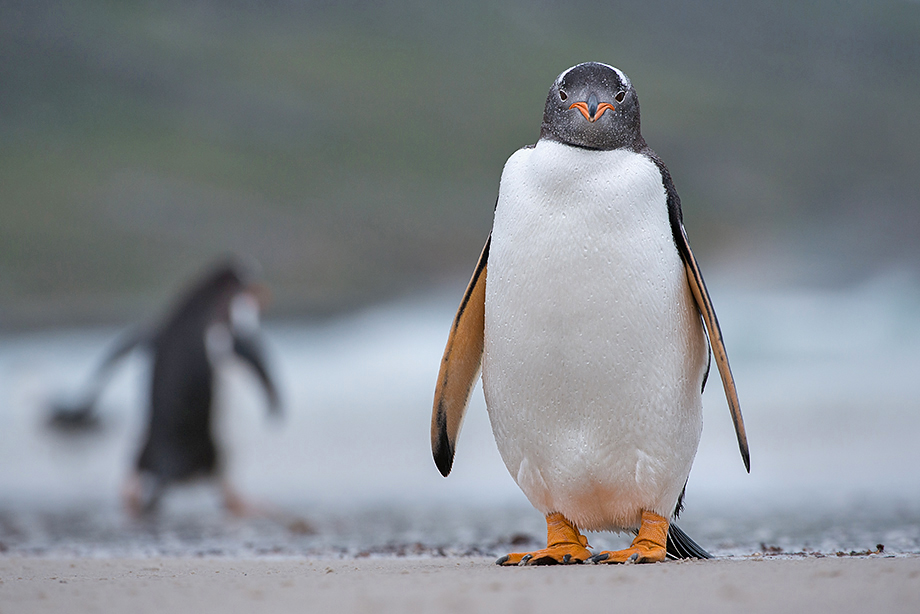
Not much going on here. Just a gentoo penguin giving me the stare down — probably wondering what I was doing lying face down on the beach. This photo was taken at the Neck on Saunders Island in the Falklands. The Neck is an amazing place — a sandy isthmus connecting two mounds of land. All five penguin species that are typically found in the Falklands, including the seldom seen macaroni penguin, can be seen in this one spot.
Nikon D800 with Nikkor 200-400mm lens (at 400mm) ISO 800, f/5.6 at 1/1600th of a second
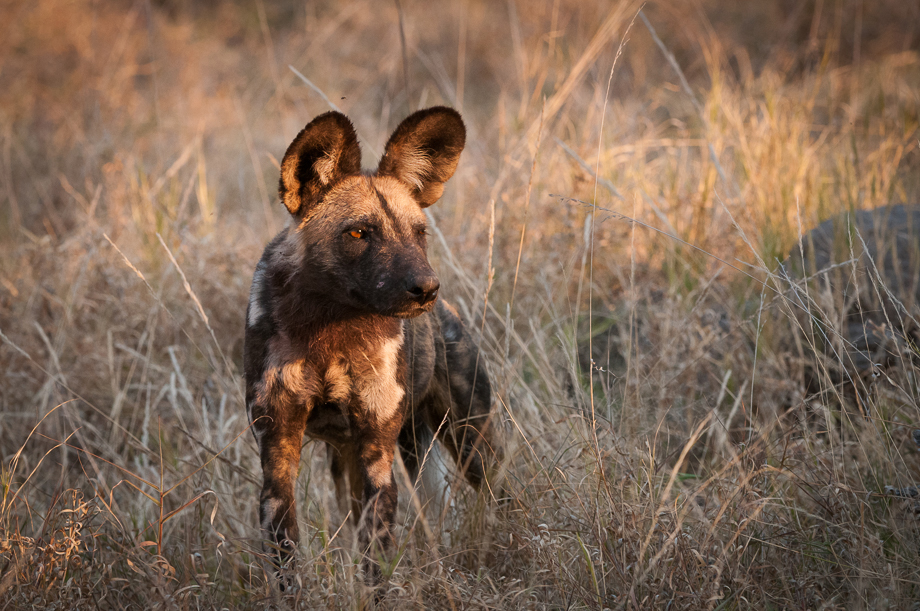
I photographed this African wild dog a few years back in the Linyanti swamp area of northern Botswana. Wild dogs are one of the most sought after species by seasoned safari goers, and Linyanti is one of the most reliable places to see them. Even so, they are far from a guarantee. I was lucky enough to see a pack of about 12 one afternoon as they were winding down a day of hunting. Unfortunately, they are an endangered species due to habitat loss, human overpopulation, and other factors. Nikon D300 with Nikkor 200-400mm lens (at 260mm) ISO 800, f/5.6 at 1/400th of a second
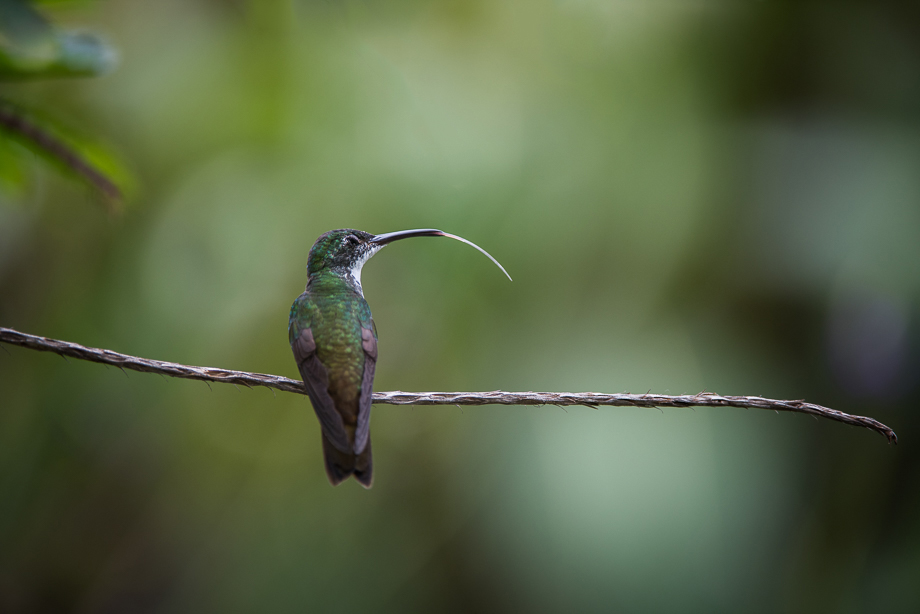
This is a white chested emerald. And yes, that is its tongue. Previously thought to suck up liquid via capillary action, ornithologists recently discovered through high speed video that hummingbirds actually use their long tongues to trap nectar by curling around it. This guy was at rest and obviously not sucking up nectar, so was probably just cleaning his tongue. Either that or he didn’t like getting his picture taken. Nikon D810 with Nikkor 200-400mm lens (at 400mm) ISO 500, f/4 at 1/500th of a second
We use cookies to enhance your experience while using our website. If you are using our Services via a browser you can restrict, block or remove cookies through your web browser settings. We also use content and scripts from third parties that may use tracking technologies. You can selectively provide your consent below to allow such third party embeds. For complete information about the cookies we use, data we collect and how we process them, please check our Privacy Policy