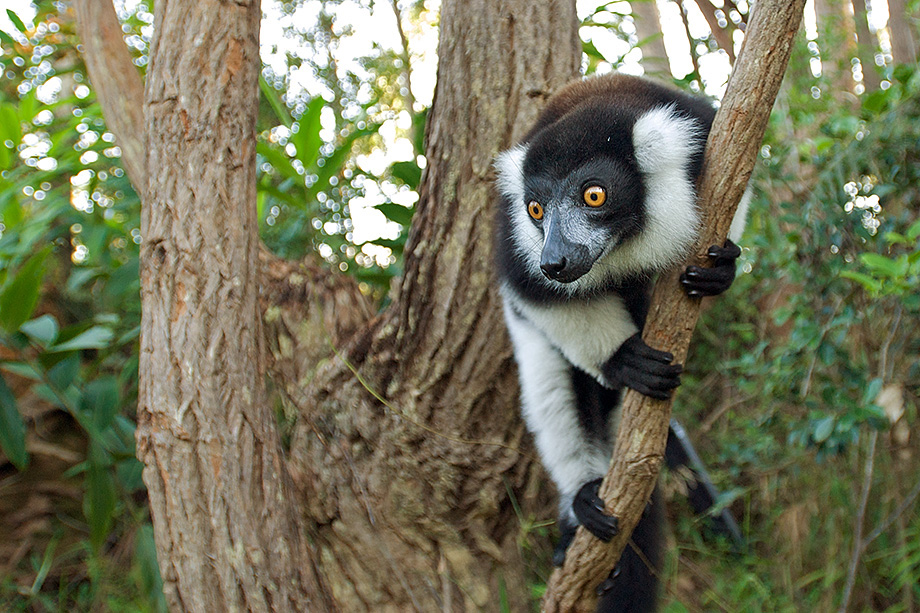
This is a black and white ruffed lemur, one of the 23 different species that I was lucky enough to photograph while in Madagascar. The ringtail is certainly the most well known lemur, but this guy is probably second. At about four feet from head to tail it is also one of the largest of the lemurs — and from my observation, one of the most personable and mischievous.
Here’s another look at the bobcat I recently photographed in Irvine, California. It was stalking a few ducks in this photo and I thought I might get an action shot but the ducks eventually flew away. That short, stumpy tail is what gives the bobcat its name. In the sound file below you can hear what one sounds like growling:
This was an all or nothing weekend for me down in Florida. I was in search of the elusive Florida Panther, one of the rarest creatures on the planet, and I spent all my time trying to find one. As you can see from the above photo, I was not successful. Instead, you’ll have to settle for this Florida box turtle. Not quite as elusive. Not quite as spectacular. But a much more patient and accommodating subject. I took this photo in the Big Cypress National Preserve in the southwest corner of the state, where both the turtle and the panther live.
This photo shows just how big polar bears can really be. It was taken in the town of Churchill, about a 30 minute flight south of the lodge that I stayed at (there were no motorized vehicles anywhere near the lodge). We had a few hours to kill before catching our flight back to the States, so me and a couple of the guys rented a car and decided to go out and explore. We found a place where they breed a rare species of dog. The bears would come around to eat the dogs’ food (bears will eat anything while waiting for the Hudson Bay to freeze so that they can go out and feast upon their true favorite, ringed seals).
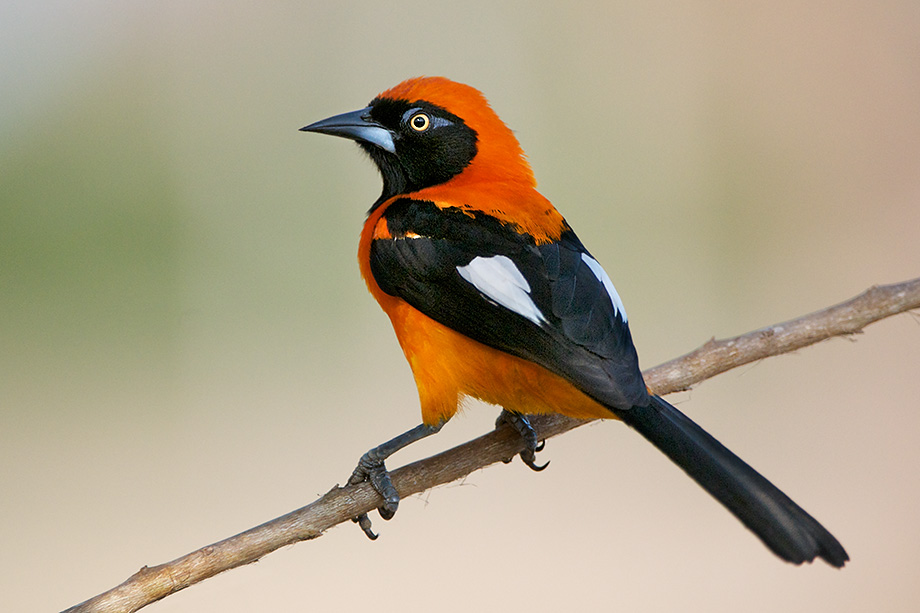
With all the mammals I’ve been posting lately, thought it was time for a nice bird. This is a campo troupial, also known as a campo oriole. They were fairly common around the lodges in the Pantanal of Brazil, but seemed a little more timid than all the tanagers and they would only approach the fruiting trees to grab a bite when other birds weren’t around. Check out the campo troupial’s song below:
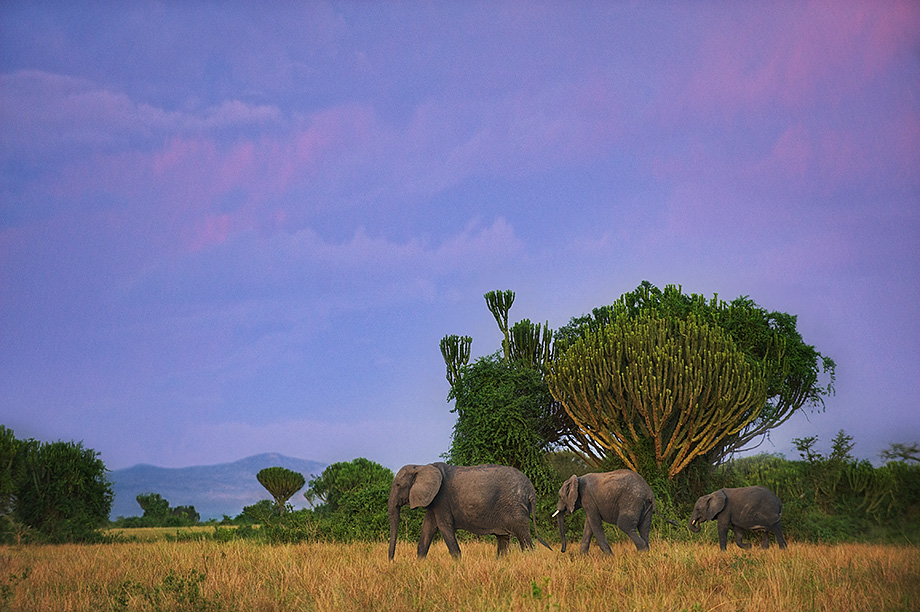
I posted a similar photo a few years ago, but was recently going through my files and I was able to get a cleaner image of these three African elephants in Queen Elizabeth National Park in Uganda. The sun had been down for a while when I took this shot in the last possible light of the day. In the background you can see the euphorbia candelabrum trees that are typical of the Ugandan savannah.
This one really gives a sense of how tall these guys are (four feet from ground to shoulder), the tallest canine in the Americas. Although it looks more like a fox, it’s actually a wolf, photographed in a remote area of northeastern Brazil.
January is the month that elephant seal pups are being born up and down the California coast. This pup is probably only about a week old. The mom seems quite pleased with the new addition to her family.
We use cookies to enhance your experience while using our website. If you are using our Services via a browser you can restrict, block or remove cookies through your web browser settings. We also use content and scripts from third parties that may use tracking technologies. You can selectively provide your consent below to allow such third party embeds. For complete information about the cookies we use, data we collect and how we process them, please check our Privacy Policy


 This was an all or nothing weekend for me down in Florida. I was in search of the elusive Florida Panther, one of the rarest creatures on the planet, and I spent all my time trying to find one. As you can see from the above photo, I was not successful. Instead, you’ll have to settle for this Florida box turtle. Not quite as elusive. Not quite as spectacular. But a much more patient and accommodating subject. I took this photo in the Big Cypress National Preserve in the southwest corner of the state, where both the turtle and the panther live.