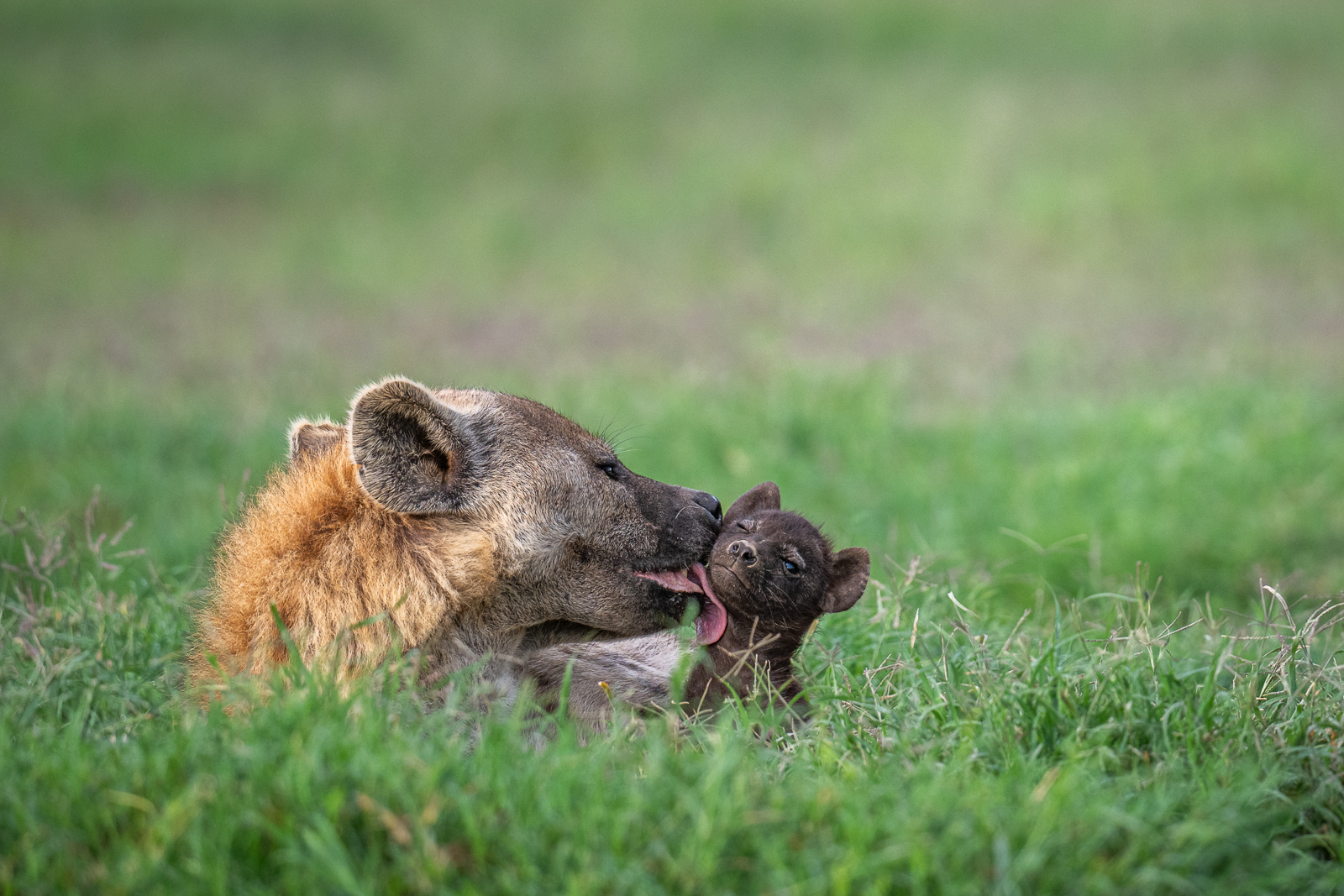
Karen and I got back yesterday from leading another successful trip to Kenya. Being the middle of the long rains, we were worried about the weather, especially when looking at the forecast before departure and seeing heavy rains predicted for every day we were there. Somehow, however, we were able to work around all the downpours and didn’t miss a single game drive. We even got plenty of sunshine, and incredibly moody skies. I’m just starting to go through all the files, and I’ll get to plenty of those dramatic skies soon, but for today’s post, I wanted to share this close-up portrait of a mother spotted hyena and her newborn pup. We were told the pup was only a few days old. I missed the moment the Mom used her mouth to pull the pup out of the burrow, but caught plenty of other interaction between the two. Hyenas were everywhere on this trip, and we also saw a clan of ten or so that included multiple pups playing on the open savanna. Nikon Z8 with Nikkor 500mm PF lens, ISO 400, f/5.6 at 1/800th of a second.
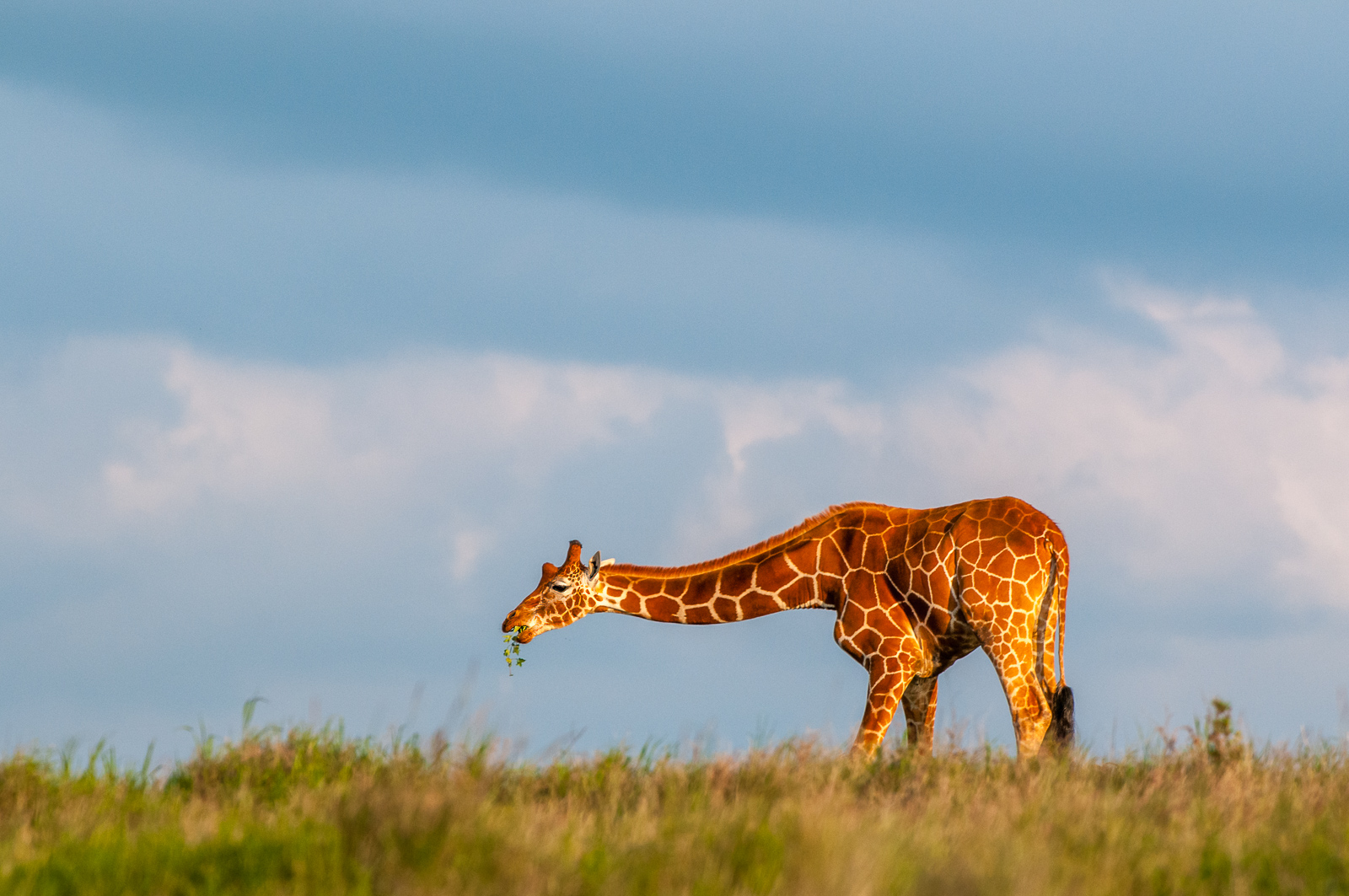
Giraffes are browsers, not grazers — meaning they get their food from trees, not the ground. On rare occasions, however, they will do as the antelopes do. Hoping to see more interesting and unusual giraffe behavior in a few days as we head off to lead our tour of Kenya. That said, this will be my last post until the end of the month. See you back here soon for a new batch of images and videos from Africa.Nikon D300 with Nikkor 200-400mm lens (at 400mm) ISO 400, f/6.3 at 1/640th of a second.
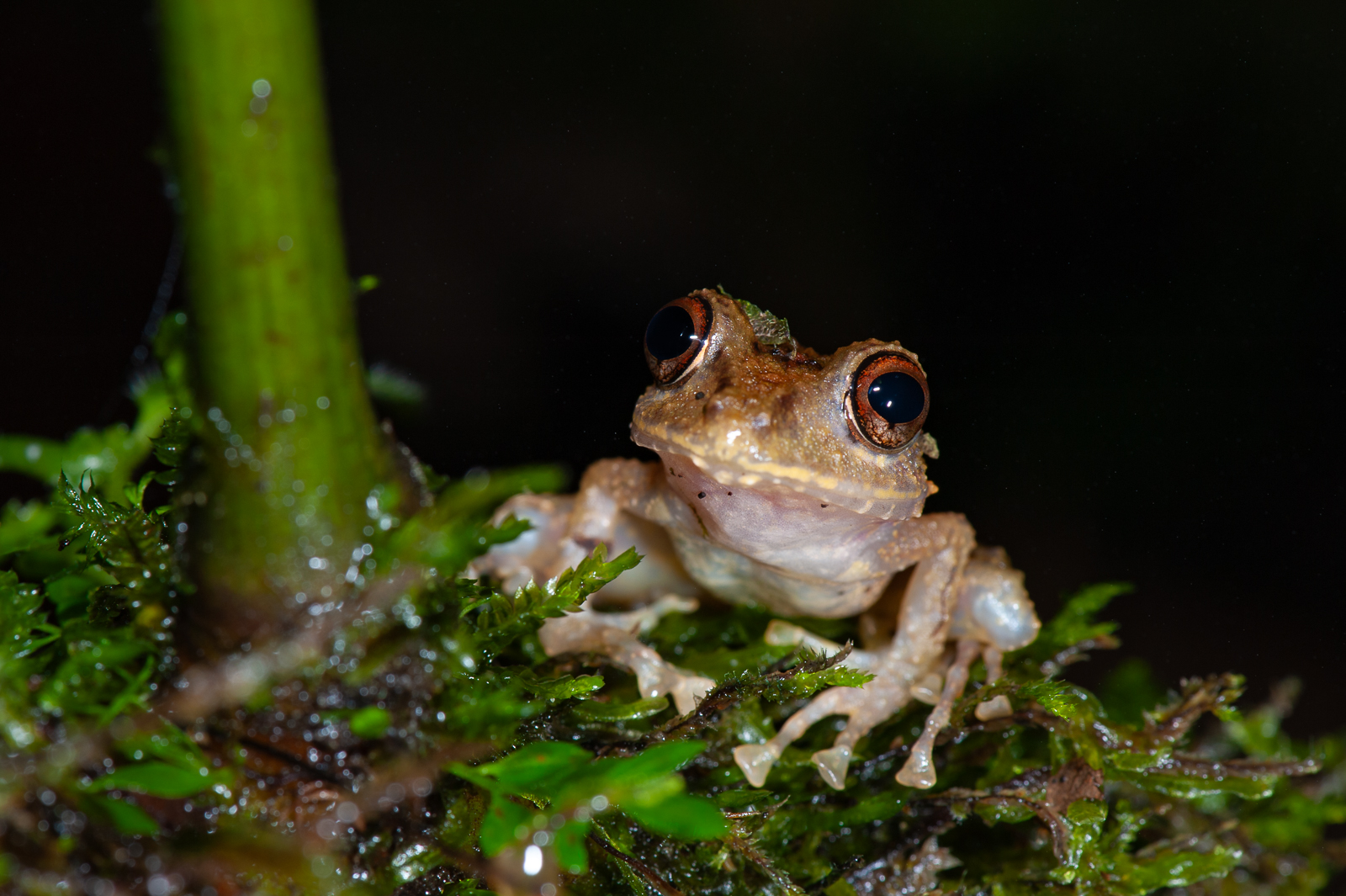
There are many species of rain frog in the cloud forests of South America. I’m not sure which species this is. All I can say is he/she was a tiny little thing we encountered on a nocturnal spotlighting walk in Ecuador. Nikon D700 with Nikkor 105mm macro lens, ISO 200, f/14 at 1/60th of a second, two Nikon SB-900 flash units.
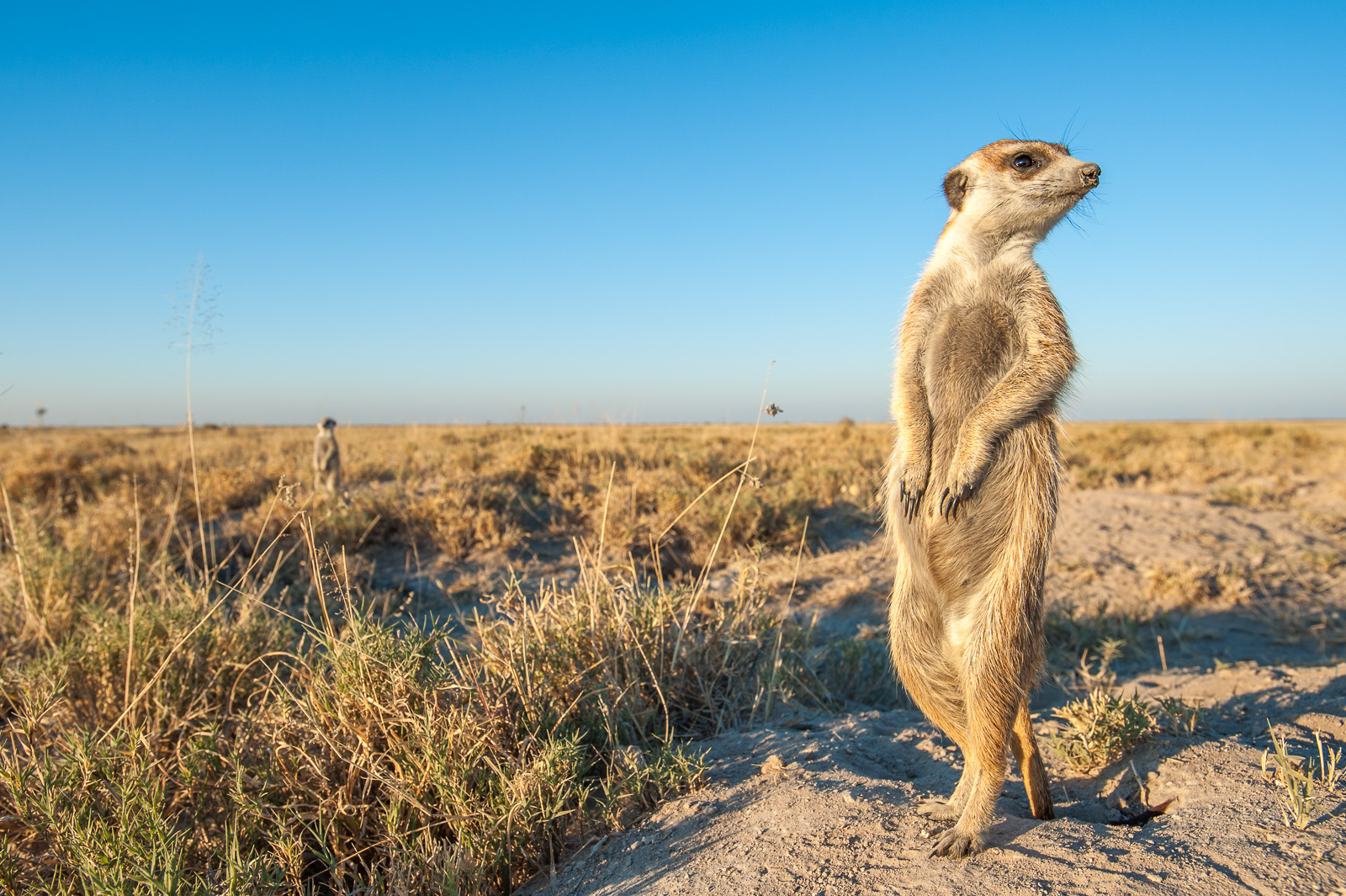
One species we definitely won’t be seeing next week in Kenya is the meerkat. Their range is in the southern part of Africa. I took this photo on my first trip to Botswana back in 2011. Nikon D700 with Nikkor 17-35mm lens (at 25mm) ISO 400, f/8 at 1/640th of a second.
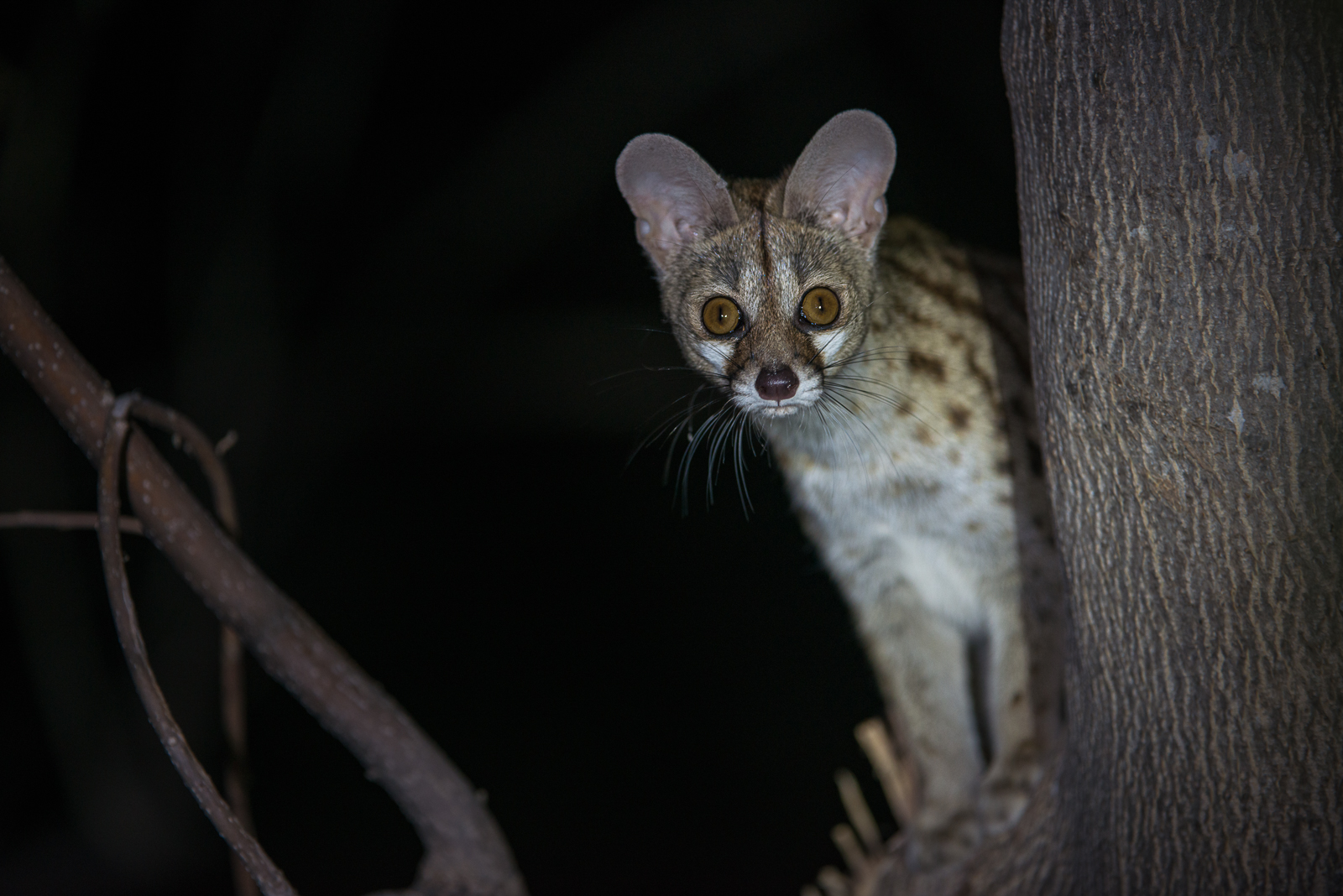
There are seventeen recognized species of genet. This is the extravagantly named common genet. I’ve only seen these guys a few times while in Africa. They are nocturnal and crepuscular (which if you’re a close follower of this blog, you know means active at dawn and dusk). This one came creeping around at dinner time, attracted no doubt by the smell of food at the camp we were staying at in Botswana. Nikon D800 with Nikkor 200-400mm lens (at 270mm) ISO 640, f/4 at 1/60th of a second, Nikon SB-900 flash units.
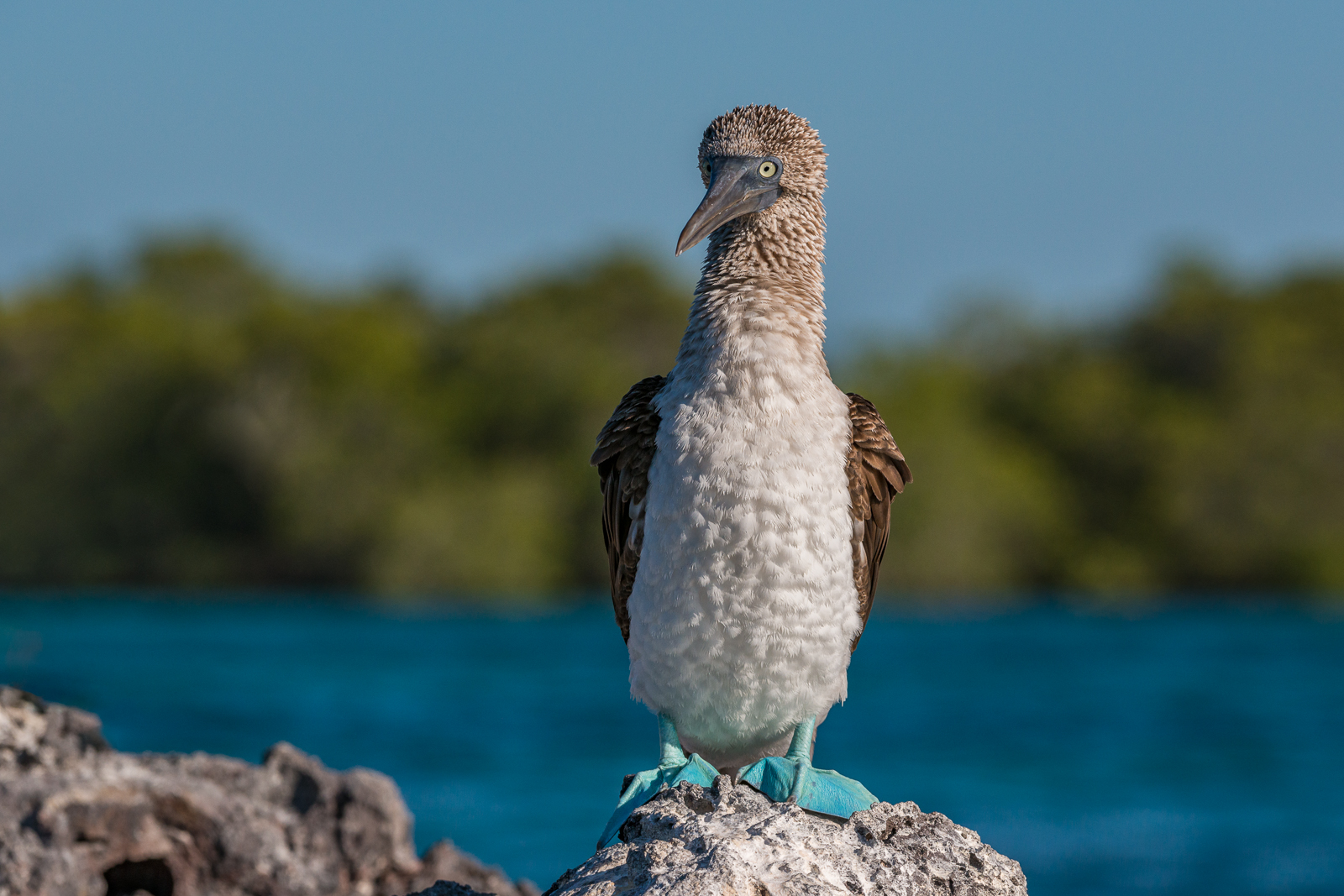
Nothing says Galápagos Islands quite like the blue-footed booby. Well, maybe the Darwin Finch. Or the giant tortoise. Or the Galápagos sea lion. They all make the Galápagos such a great place to visit. Incidentally, those blue feet have a purpose. They are a sexually selected trait. The males strut in front of the females lifting their feet up and down in an elaborate ritual. The best, bluest feet win the prize and pass that sexy blueness on to their offspring. Nikon D800 with Nikkor 200-400mm lens (at 280mm) ISO 400, f/8 at 1/2000th of a second.
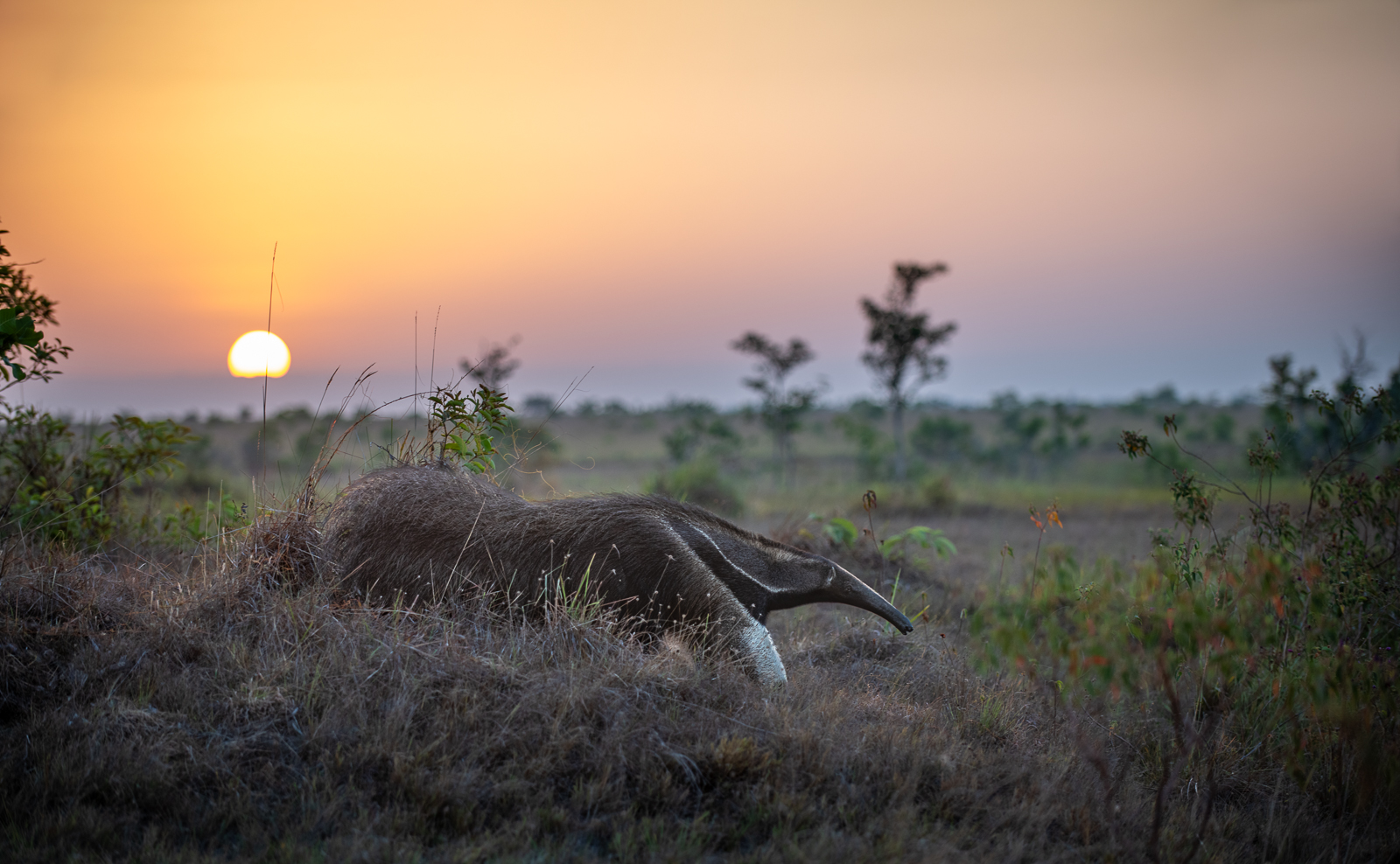
Here’s another shot of the giant anteater we found walking beneath the rising sun. This species is solitary, and the only times you see two together is when a mother has a pup, when mating, or when males challenge each other over territory. They can grow to 7 and a half feet in length and weigh up to 110 pounds — quite a sight lumbering across the savanna. They also live in rainforests and are adaptable to multiple habitats. Nikon D850 with Nikkor 70-200mm lens (at 130mm) ISO 140, f/2.8 at 1/250th of a second.
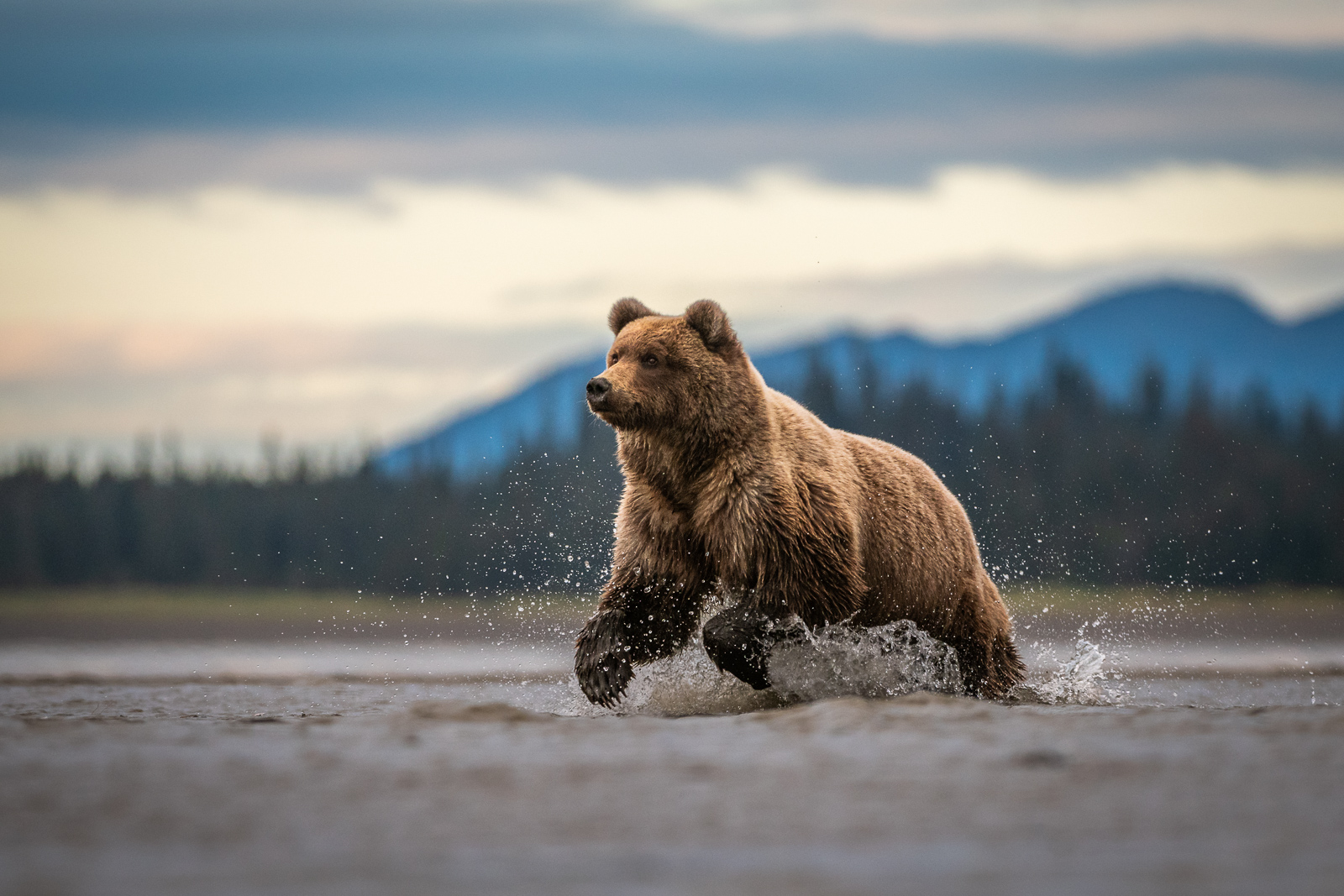
Yesterday a polar bear, today a coastal brown bear. This one was taken a few years back at Lake Clark National Park in Alaska. The bears were heading to the shoreline at low tide in hopes of catching a few silver salmon spawning from a nearby river. Nikon D500 with Nikkor 200-400mm lens (at 310mm) ISO 800, f/4 at 1/1600th of a second.
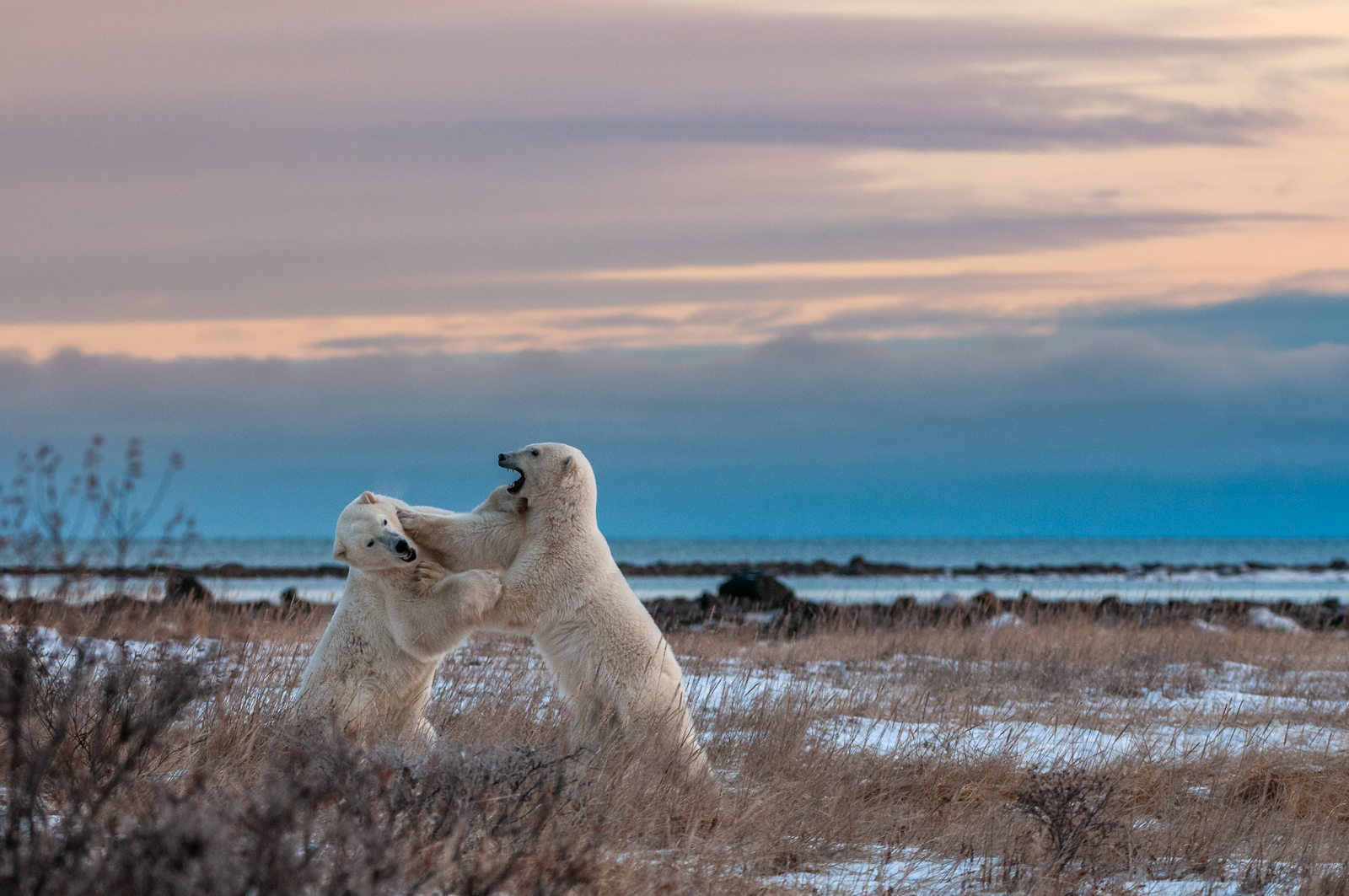
When polar bears are waiting for the ice to freeze over so they can go out and hunt, they get bored. And when they get bored, they fight, play, dance, whatever it takes to pass the time until it’s time to eat. Photographed at Seal River in upper Manitoba, Canada. Nikon D300 with Nikkor 200-400mm lens (at 220mm) ISO 800, f/5.6 at 1/500th of a second.
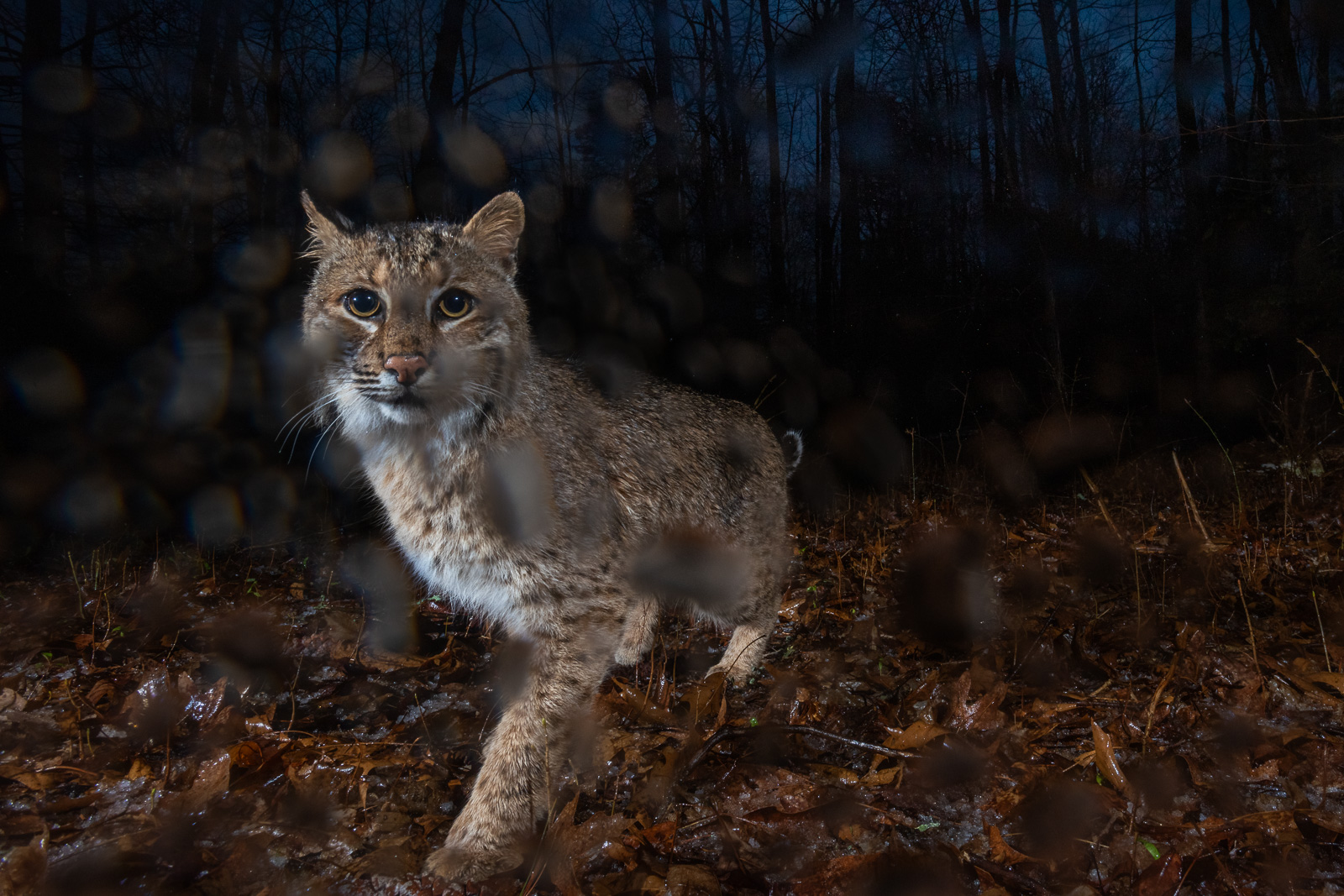
One of our neighborhood bobcats was back again last night. Unfortunately, rain droplets were collecting on the glass window of my camera trap housing, but at least the eyes were in the clear. Back in mid February this same bobcat showed up in the trap, but the trigger was a split second too late and his/her face was right on the edge of the frame. It’s always something with camera trapping and certainly a lot of luck is involved. Nikon D810 with Nikkor 17-35mm lens (at 20mm) ISO 500, f/14 at 1/200th of a second, Cognisys camera box, trail monitor and flash units).
We use cookies to enhance your experience while using our website. If you are using our Services via a browser you can restrict, block or remove cookies through your web browser settings. We also use content and scripts from third parties that may use tracking technologies. You can selectively provide your consent below to allow such third party embeds. For complete information about the cookies we use, data we collect and how we process them, please check our Privacy Policy