Impala Family
A short video of a male, female and baby impala. Check out the athletic leap by the calf at the end. Nikon Z8 shot 4k at 120 fps.

A short video of a male, female and baby impala. Check out the athletic leap by the calf at the end. Nikon Z8 shot 4k at 120 fps.
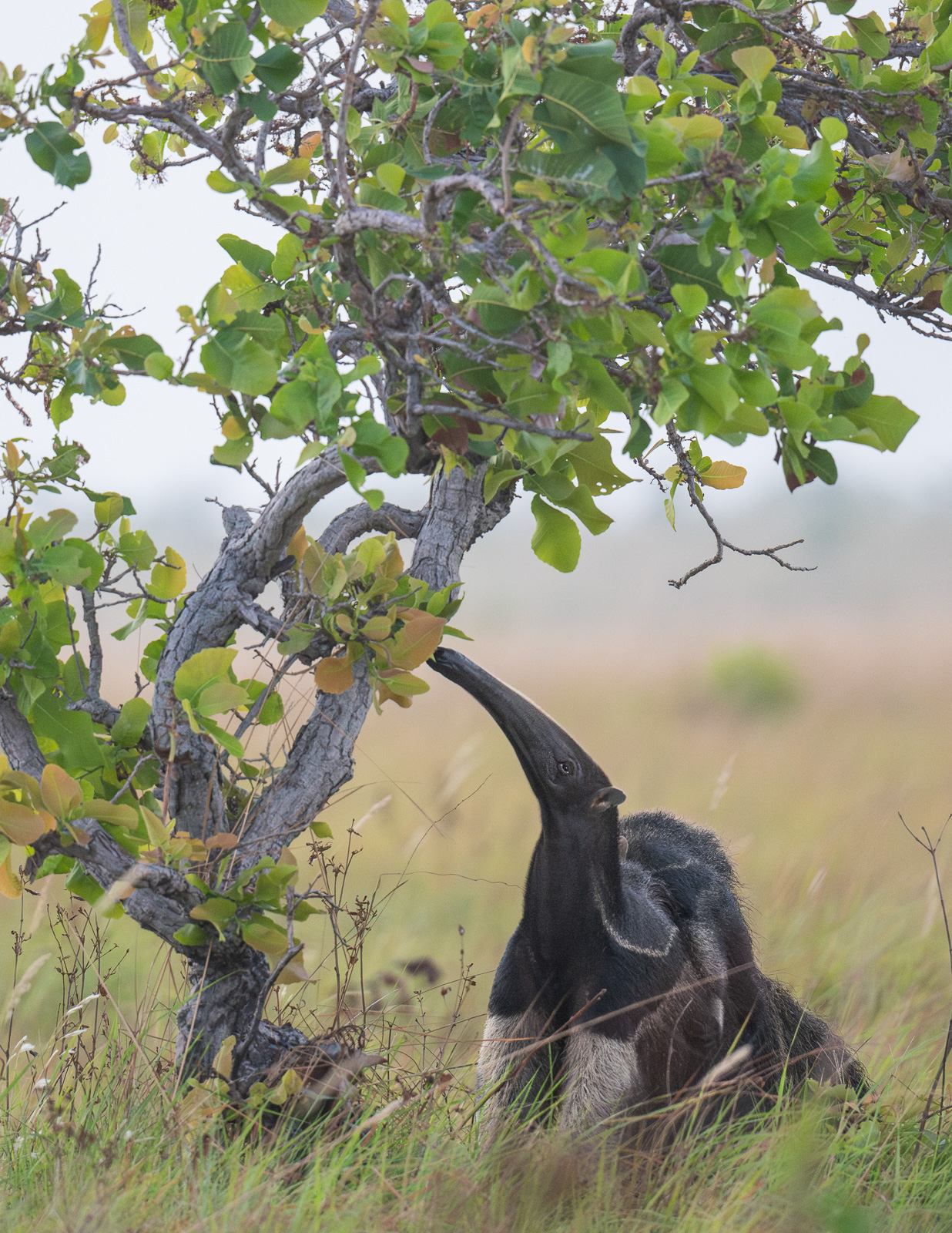
Thought I’d take a break from all the Africa pics and get back to the rest of the world. Here’s another of the giant anteaters I photographed back in late January. It was a hazy morning (no doubt exacerbated by all fires in the area at the time) when we came upon this mother with a baby on her back, doing what anteaters do and checking all the nearby trees for breakfast before taking a nap for the rest of the day. Nikon D850 with Nikkor 500mm PF lens, ISO 3600, f/5.6 at 1/250th of a second.
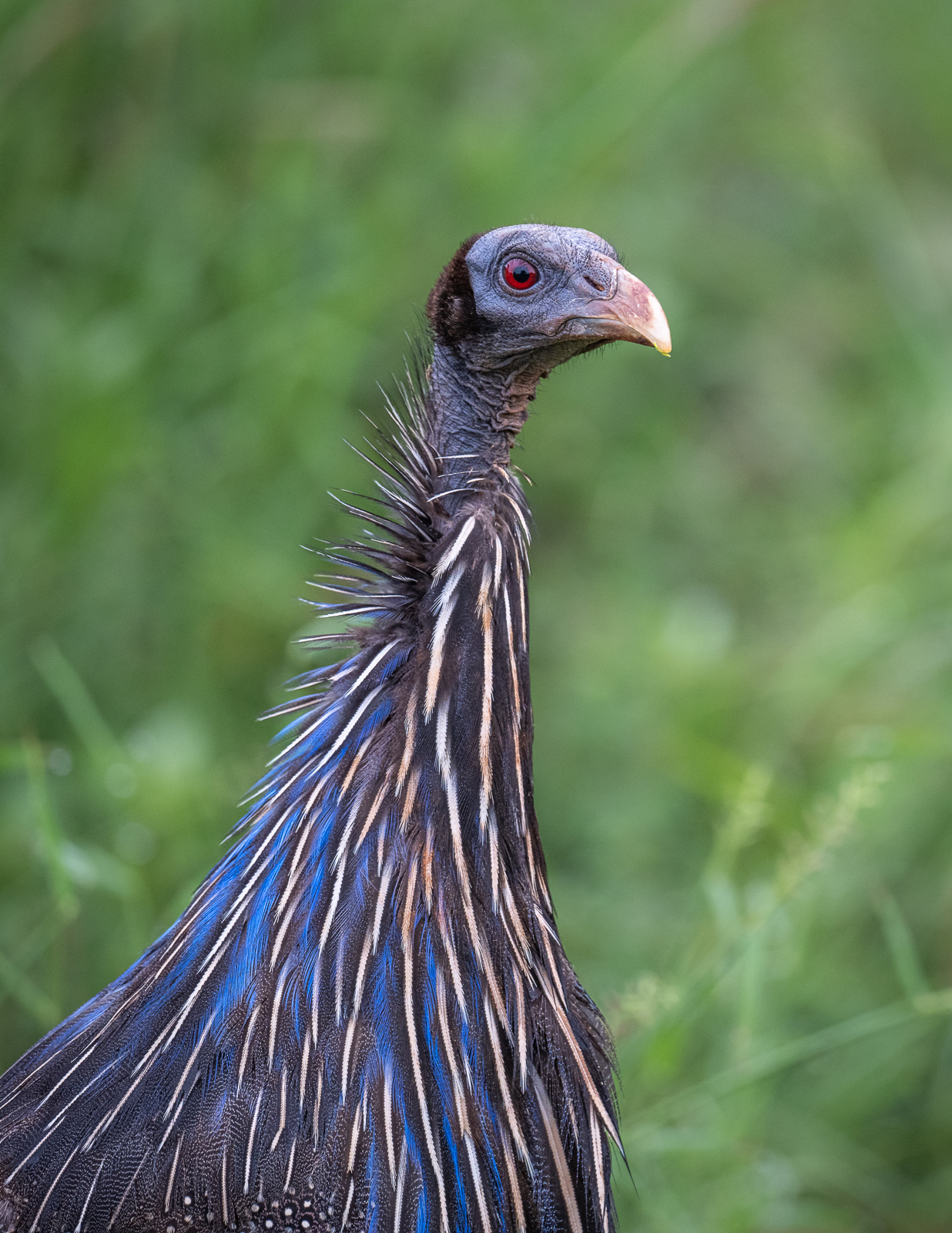
Vulturine Guineafowl are one of those species that’s a bit ugly while at the same time attractive. We see these large birds regularly in the northern parks of Kenya. They spend most of their time on the ground, but will fly to the top of trees and bushes when roosting and avoiding danger. Nikon Z8 with Nikkor 500mm PF lens, ISO 1100, f/5.6 at 1/100th of a second.
For today’s post — nine seconds of world-class ear control by a hippo. I didn’t notice the coordinated spinning while filming, but it was a nice surprise when going through the footage. Shot in the Masai Mara of Kenya. Nikon Z8 at 4k, 120 fps.
I’ve mentioned before that the exact species of elephant found in the Masai Mara in southern Kenya look very different from the ones found in Samburu in the north. In this very short video, you see why their skin appears so much more red. They do this for protection against the sun. Nikon Z8, 4K at 120fps.
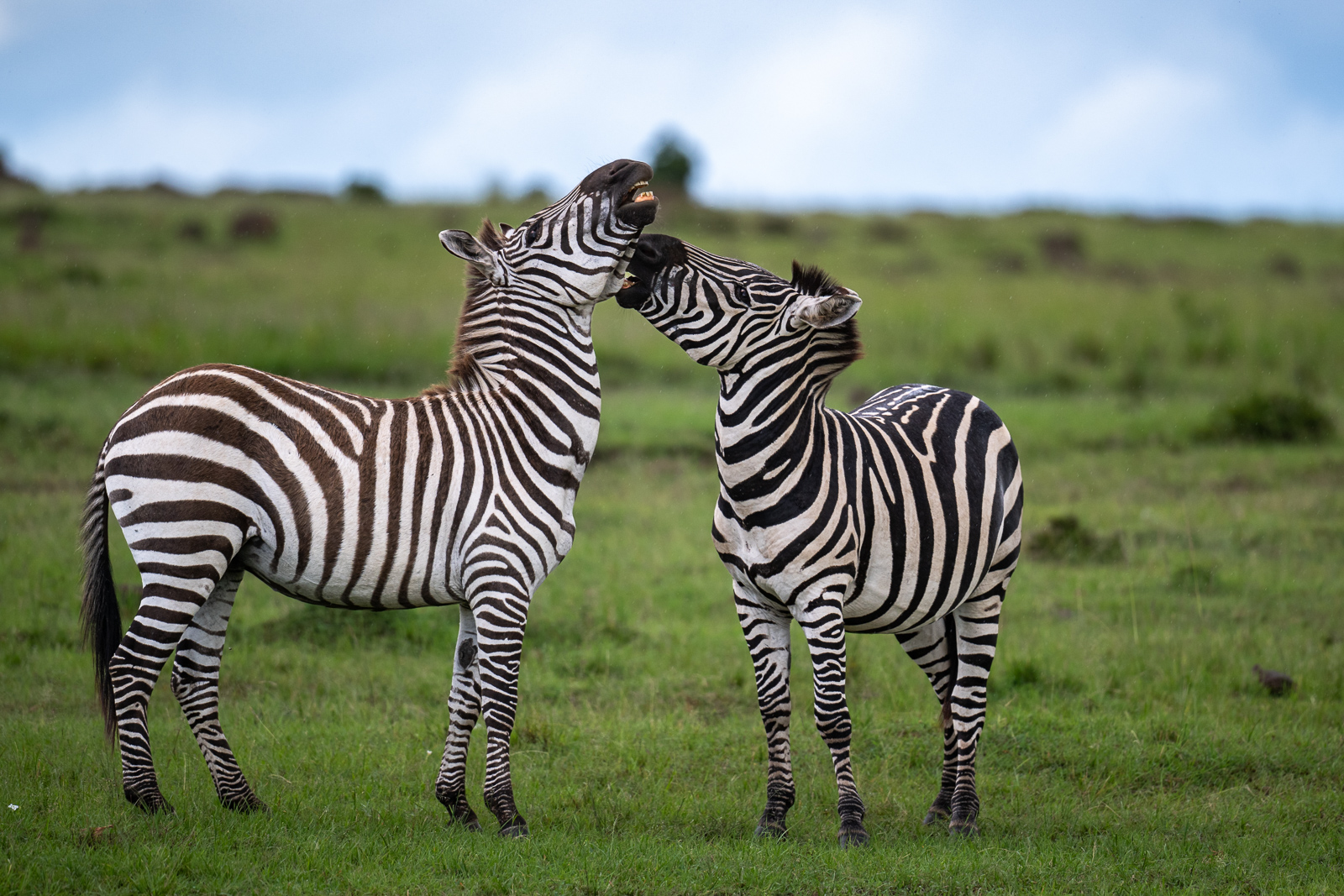
Zebras can be a bit comical when playing and grooming each other. It was the end of the day when we came across this herd (or dazzle) of plains zebras and they were winding the day down with a flurry of activity. Nikon Z8 with Nikkor 500mm PF lens, ISO 360, f/5.6 at 1/800th of a second.
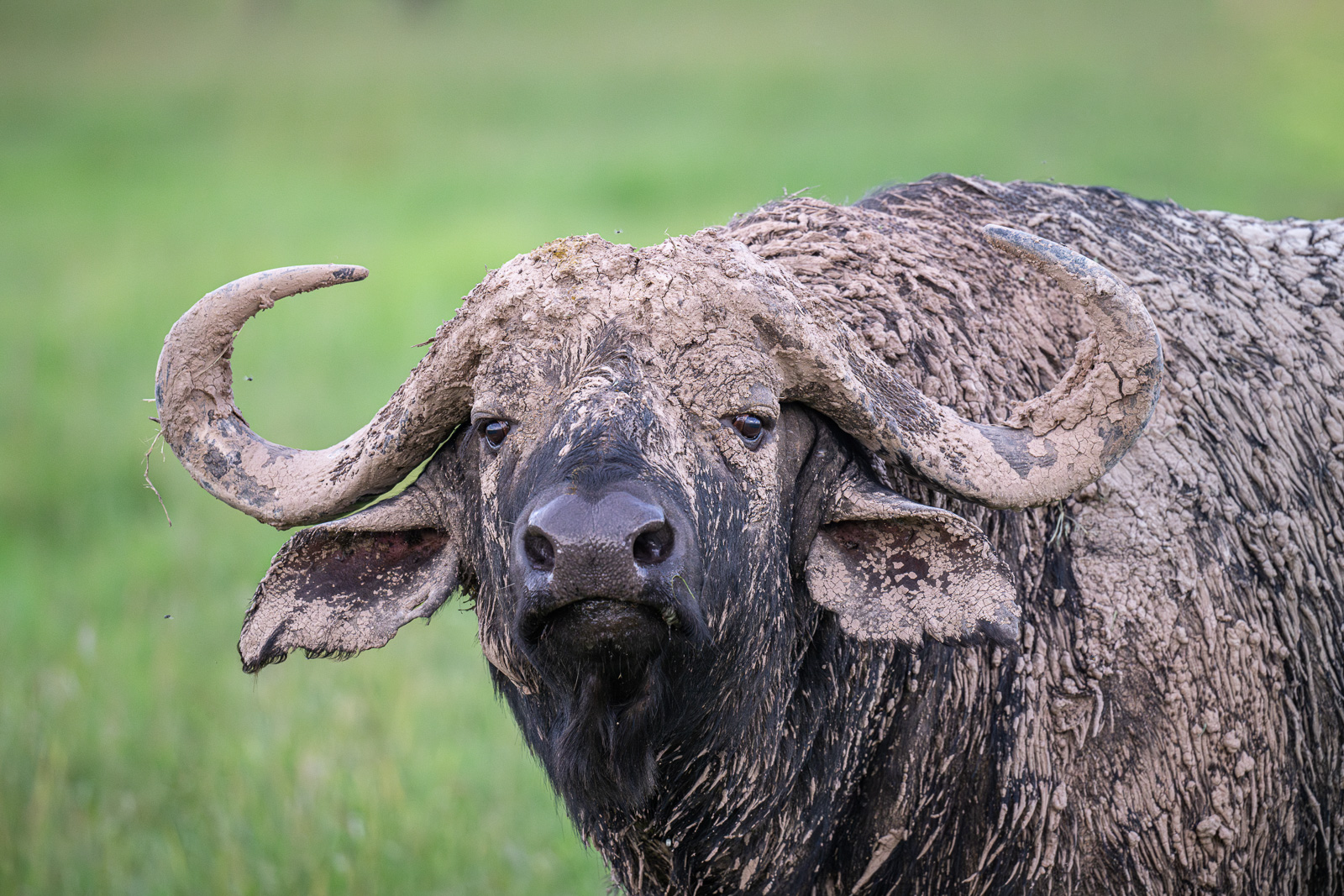
This cape buffalo was in the middle of a large herd, yet was the only one covered in mud. He stopped to pose for a few portraits (as buffalos usually do) before moving on. Nikon Z8 with Nikkor 500mm PF lens, ISO 3600, f/5.6 at 1/500th of a second.
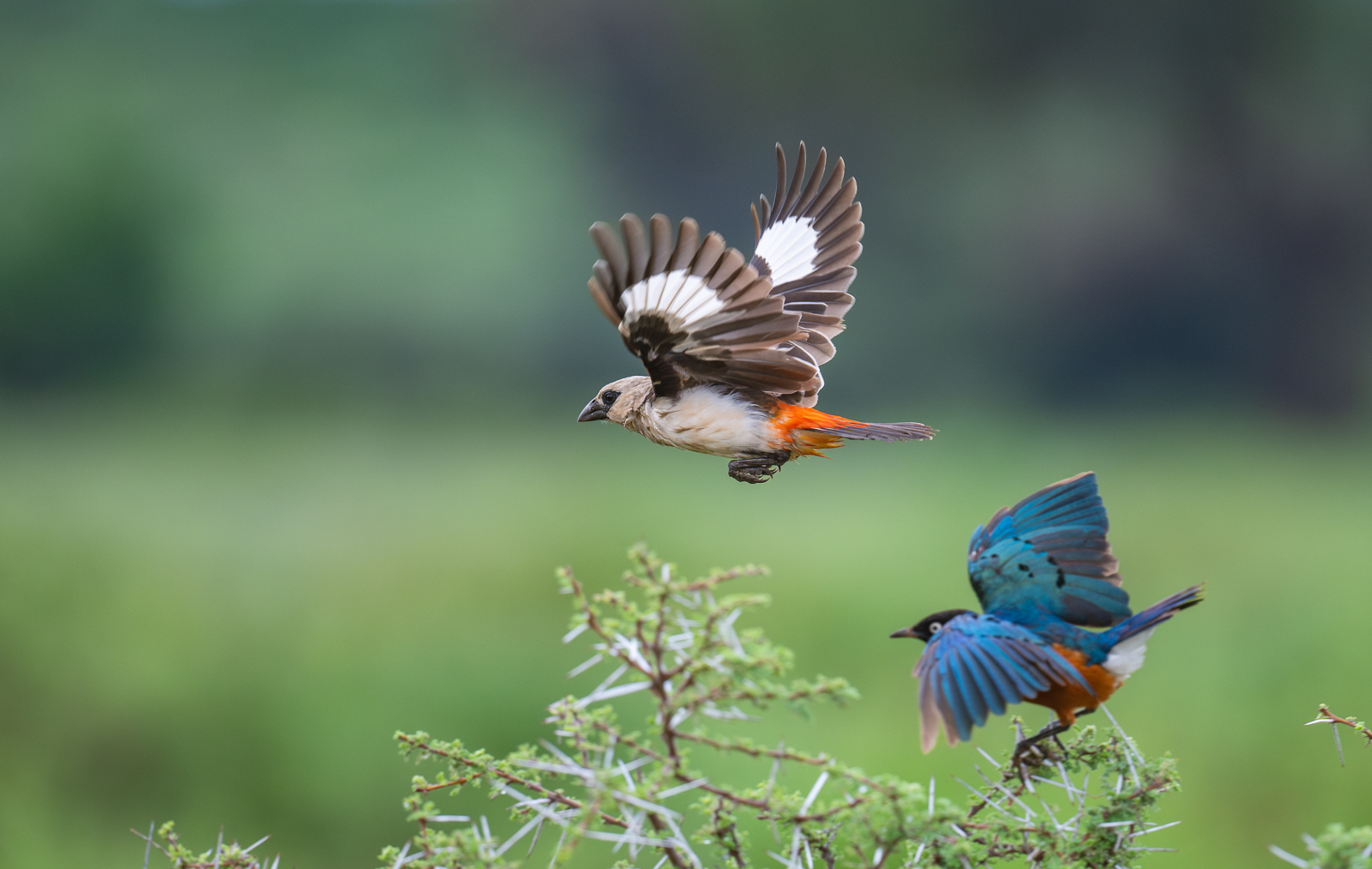
The bird in flight is the buffalo weaver and perched is a superb starling. These are two of the iconic birds of Samburu National Reserve in Kenya. Buffalo weavers are part of Africa’s Little Five — the buffalo weaver, lion ant, leopard tortoise, elephant shrew and rhinoceros beetle. Nikon Z8 with Nikkor 500mm PF lens, ISO 1250, f/5.6 at 1/2000th of a second.
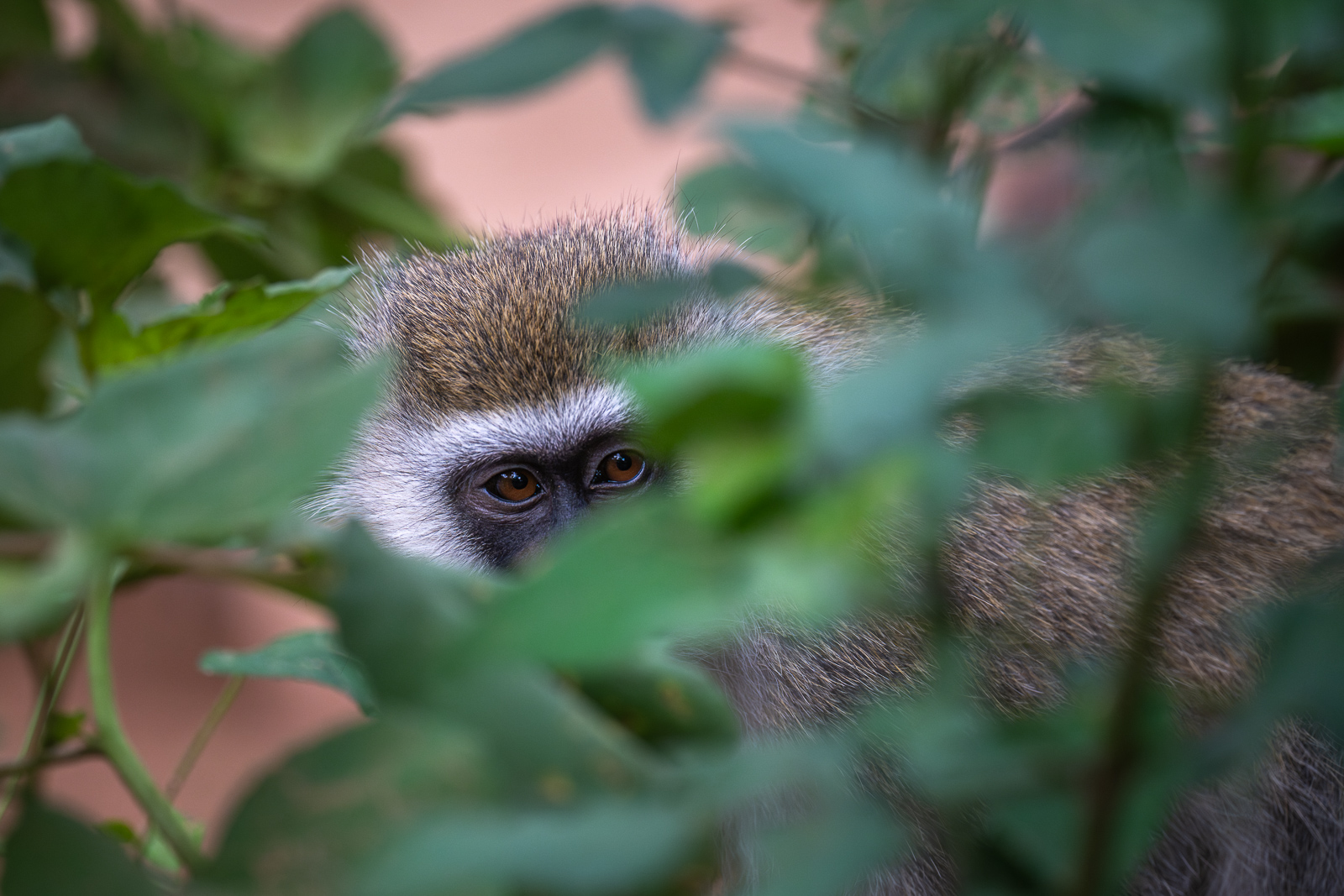
Olive baboons and vervet monkeys are the two main species of primate that we see on our Kenya safaris. Both are usually hanging around our camp in Samburu National Reserve. I spotted this guy on my way to lunch, foraging in the bushes besides one of the tents. A few years back, the management of the camp had to put locks on the zippers of the tents to keep the vervet monkeys from unzipping and ransacking your room, looking for food. They can be a nuisance, but I’m always glad to see them sharing the space with us. Nikon Z8 with Nikkor 500mm PF lens, ISO 1400, f/5.6 at 1/1600th of a second.
After a long afternoon nap, these lions were doing what lions do. Filmed in the Masai Mara of Kenya in April. Nikon Z8, 4K at 120fps.