I previously posted a photo from this water-level encounter with a hippo. Here’s 19 seconds of dramatic video of the hippo surfacing and submerging, while another hippo looks on from nearby bushes. Nikon Z8, 4K at 120 frames per second.
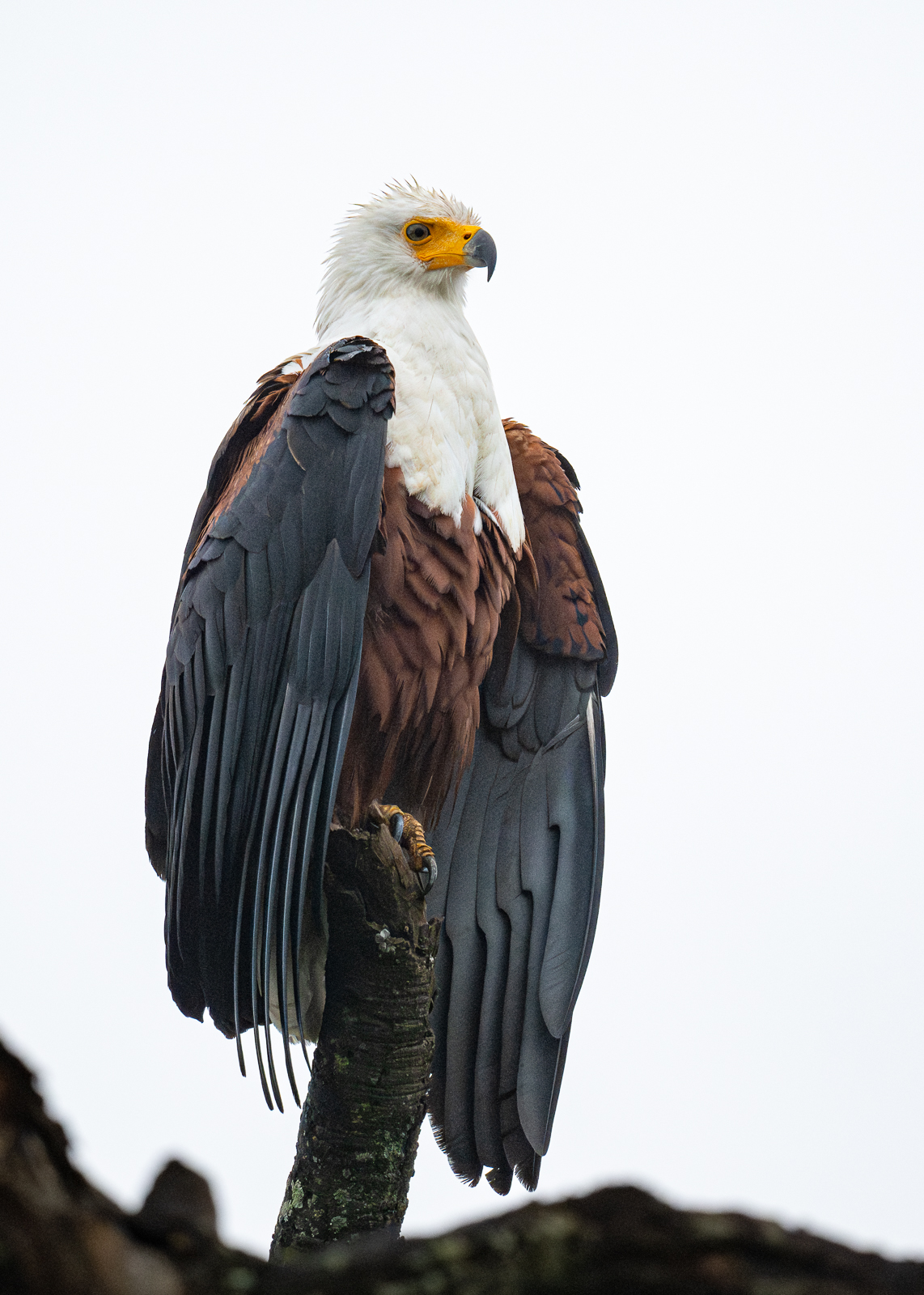
The African fish eagle is one of the raptors we usually see on our trips to East Africa. They are very similar in appearance to bald eagles, and in fact, are in the same genus of Haliaeetus, otherwise known as the fish eagles. This guy was perched above the plains of Nairobi National Park, no doubt, searching for the next meal. Nikon Z8 with Nikkor 500mm PF lens, ISO 3200, f/5.6 at 1/2500th of a second.
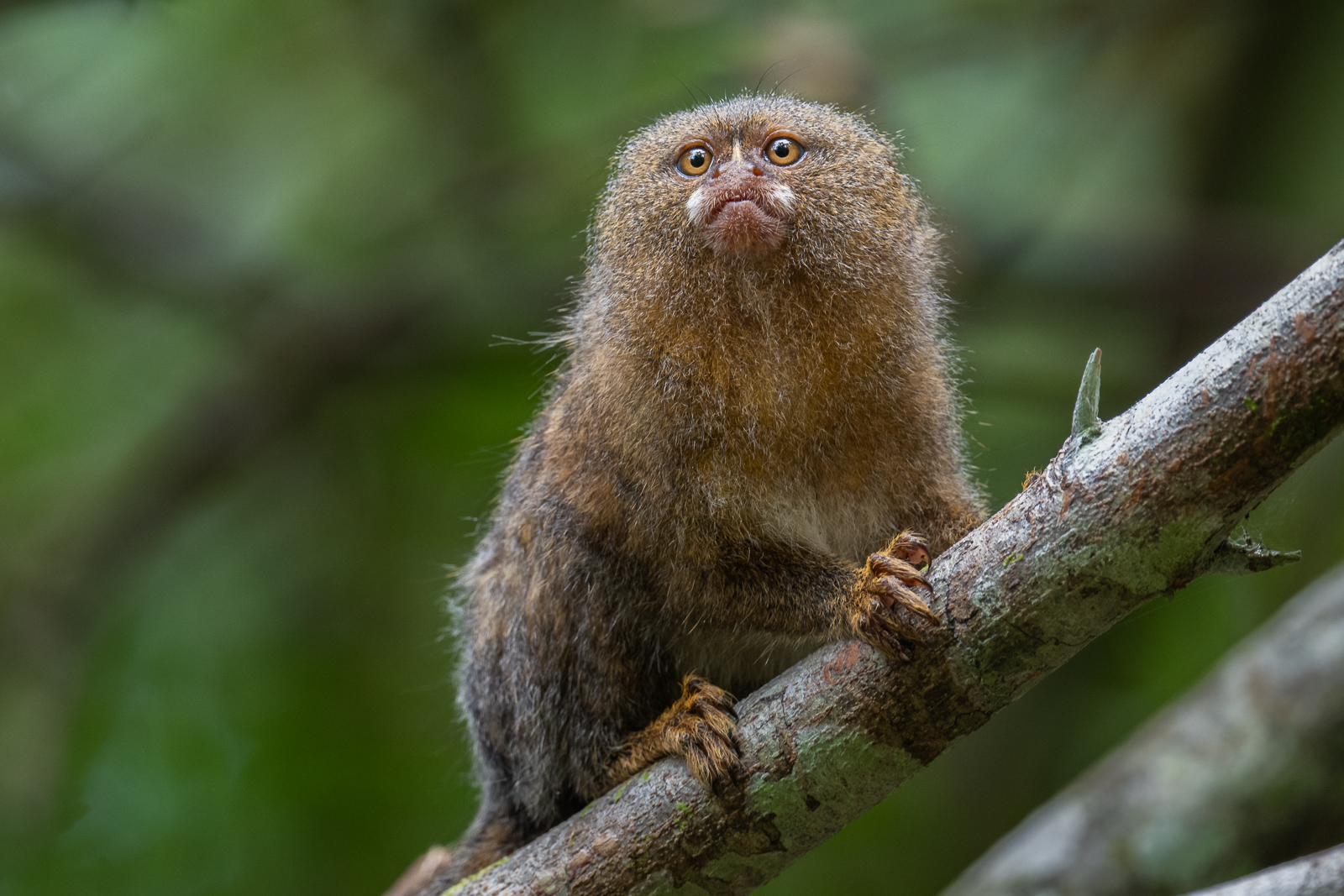
Here’s another pygmy marmoset from the first of two trips to Loreto, Peru in the upper Amazon basin. These guys are tiny little monkeys with their length (excluding tail) averaging between 4.5 to 6 inches. That said, they can jump about 16 feet from tree to tree. It was fun watching them do just that, right outside the jungle lodge I was staying at. Nikon D500 with Nikkor 500mm PF lens, ISO 800, f/5.6 at 1/160th of a second.
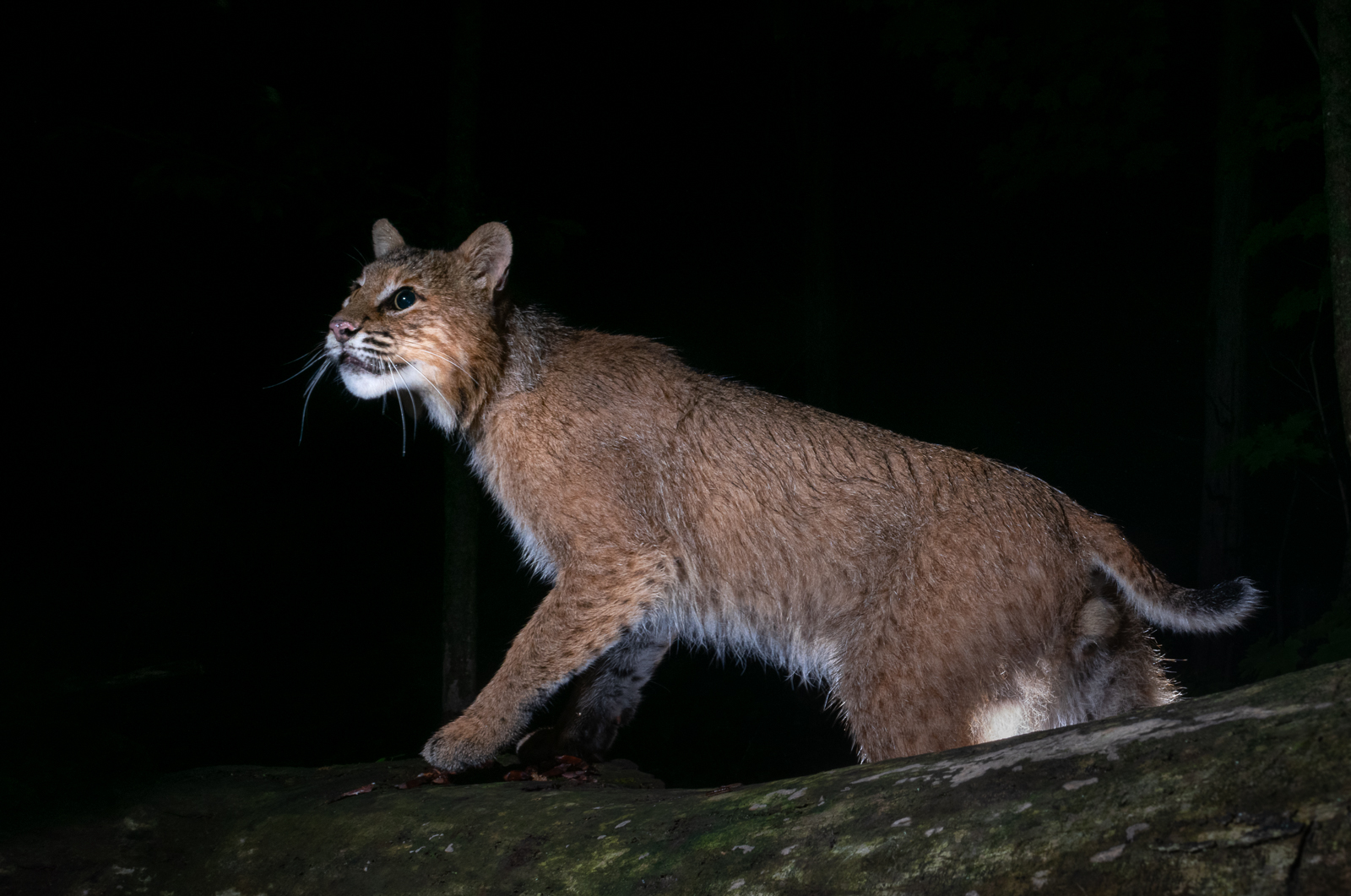
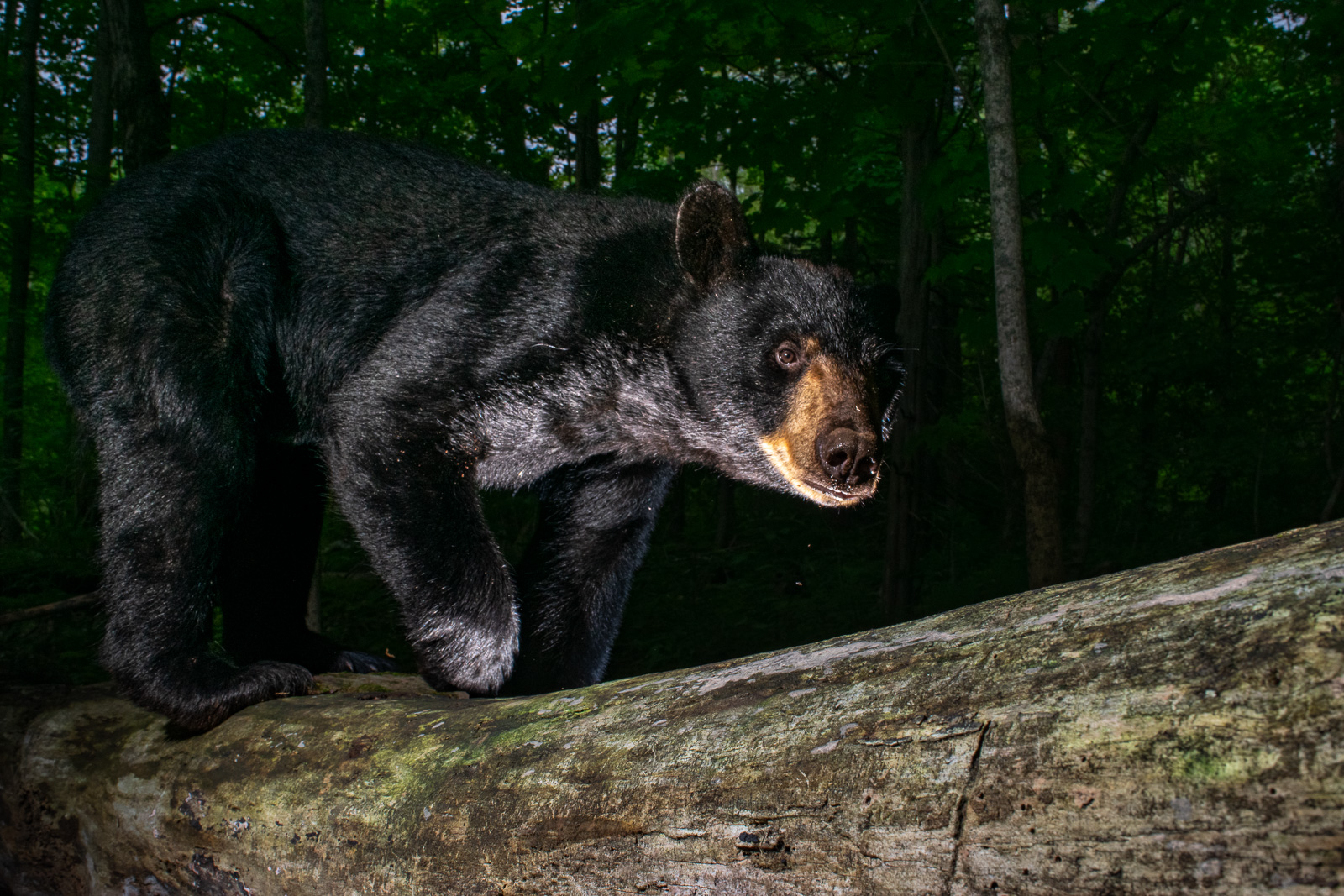
In my last post I mentioned that a bear showed up in an unexpected place — the camera trap I set up on a fallen tree hoping for raccoons, opossums and other small creatures. A day after that post, sure enough, a bobcat showed up too. I want to stress that I don’t bait these animals at all. We don’t even have bird feeders on our property (well, at least not until November). This particular fallen tree gets a lot of activity because it crosses a pathway that the animals like to travel along, but usually it’s just the little guys and an occasional bird. Only one shot was fired, but nice that the bobcat turned his head just enough for a proper profile. I also had a first — two short-tailed weasels chasing each other, but they were slightly out of focus and turned from camera. Here’s hoping they return sometime soon and I can capture something a little more presentable. Nikon D3300 with Nikkor 18-55mm lens (at 23mm) ISO 400, f/16 at 1/160th of a second, Camtraptions camera box and triggers, two Nikon SB-900 flash units.
I have two camera traps currently set up in my back woods — one in an open clearing targeting bears and bobcats, and the other on a fallen tree, targeting raccoons, opossums and other small creatures. But more often than not, the bears and bobcats show up at the trap I’m not expecting them to. This guy came by the other night and climbed on top of the fallen tree. The shot is a full crop — the bear just managing to get his entire body in frame. Nikon D3300 with Nikkor 18-55mm lens (at 23mm) ISO 400, f/16 at 1/160th of a second, Camtraptions housing and triggers, Nikon SB-900 flash units.
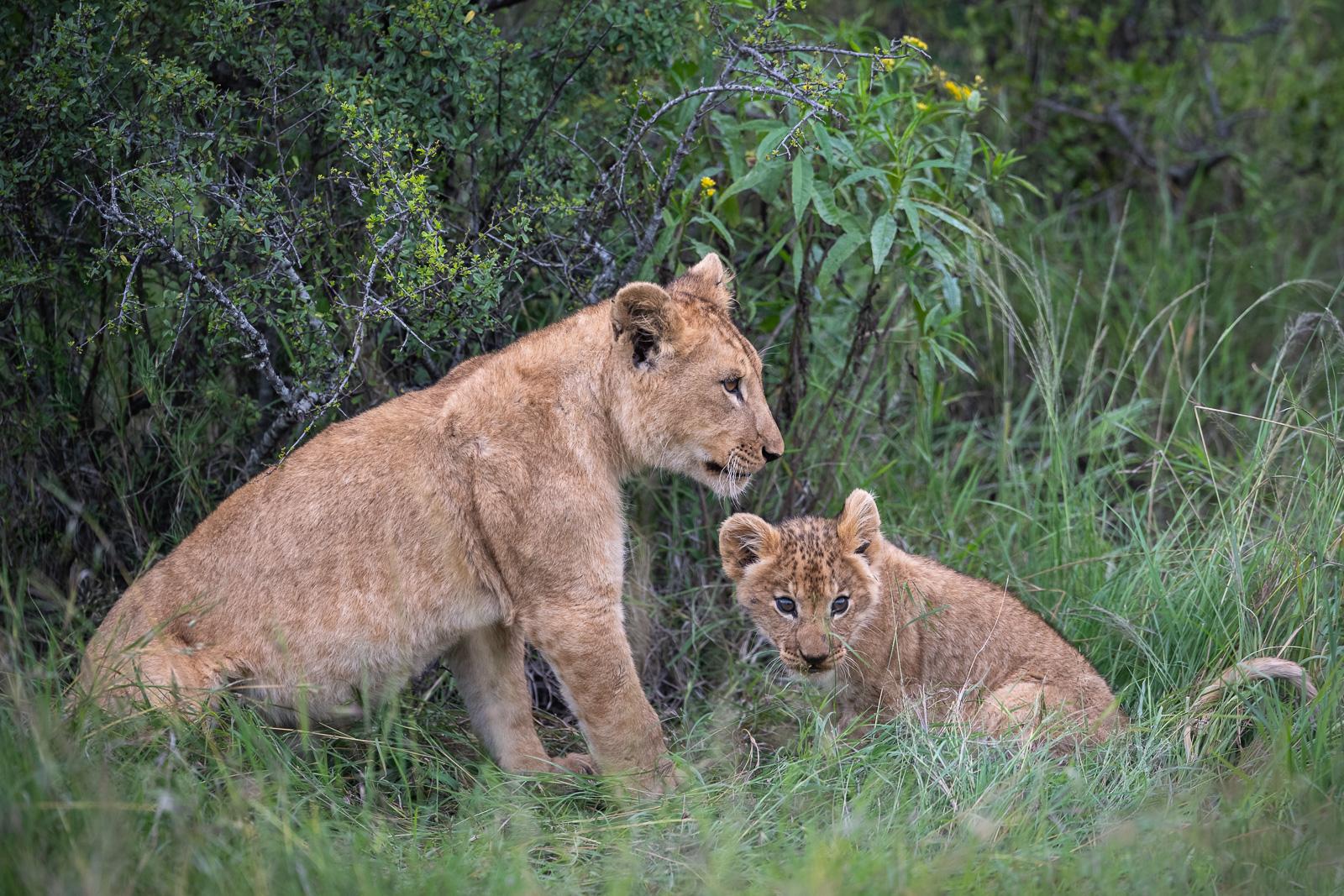
We had good luck with lions on our last Kenyan safari, but only saw a few cubs. This was one of them, in the Ol Pajeta Conservancy. Nikon Z8 with Nikkor 70-200mm lens (at 200mm) ISO 560, f/3.5 at 1/1000th of a second.
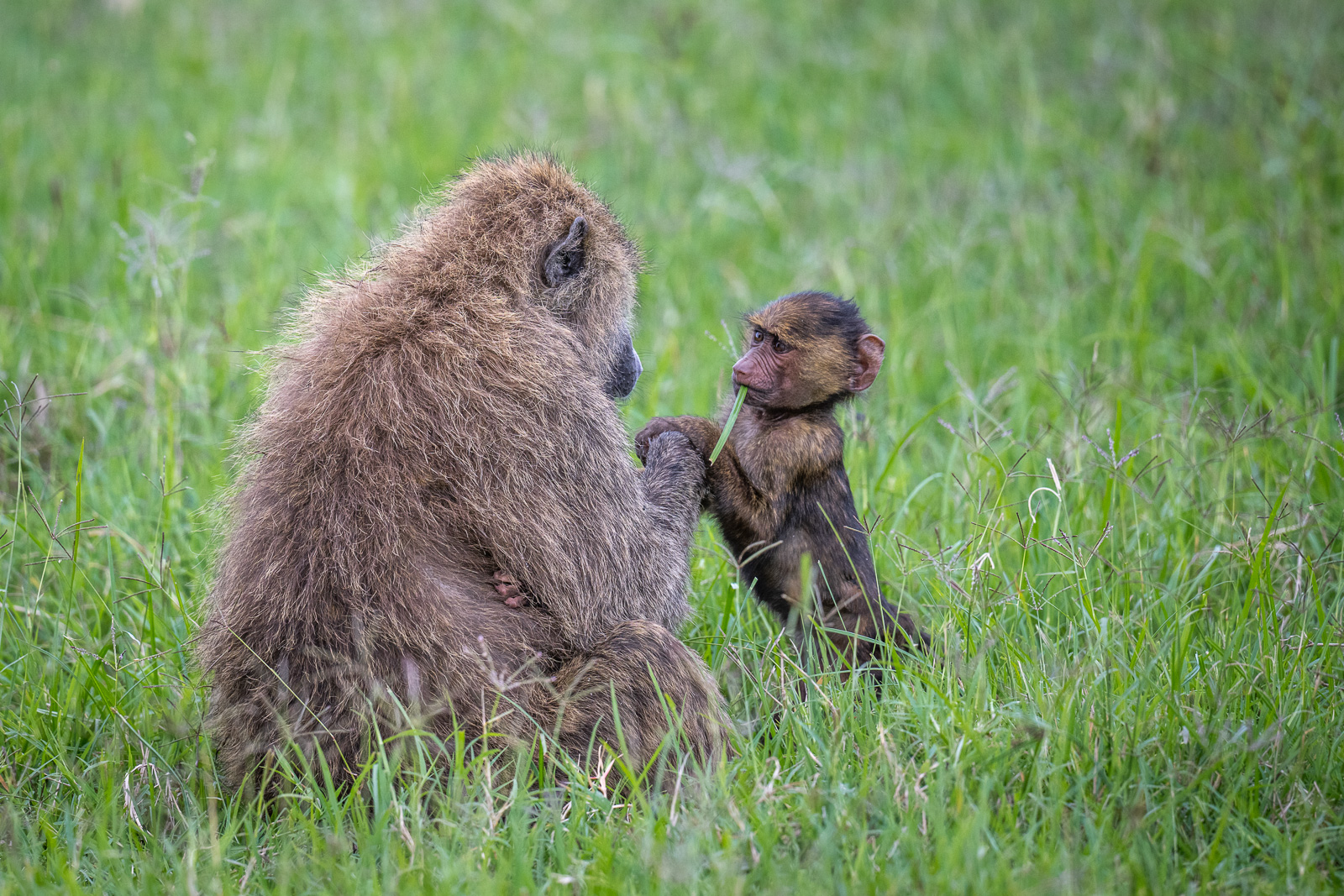
Olive baboons are the most common primates that we see on our Kenyan trips. There were quite a few mothers with babies at Ol Pajeta Conservancy. This little guy seemed to be getting some sort of a lesson from Mom. Nikon Z8 with Nikkor 500mm PF lens, ISO 560, f/5.6 at 1/1000th of a second.
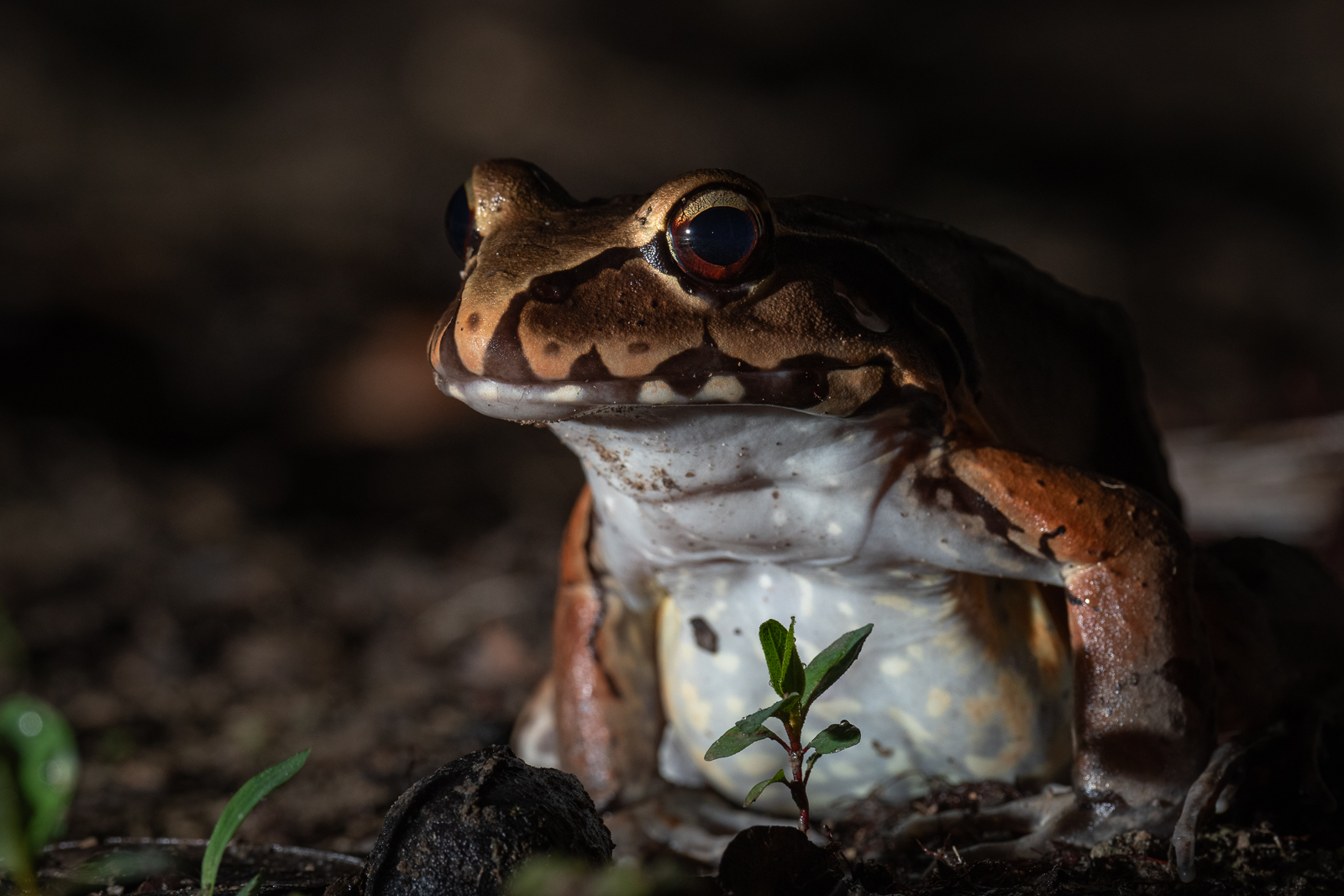
This is the ubiquitous smoky jungle frog. One of the reasons they are so often spotted in tropical rainforests is their size. They are huge frogs, about 7 inches in length and quite girth-y. I photographed this one in the northern Peruvian Amazon basin. Nikon D500 with Nikkor 500mm PF lens, ISO 500, f/8 at 1/200th of a second, Godox flash.
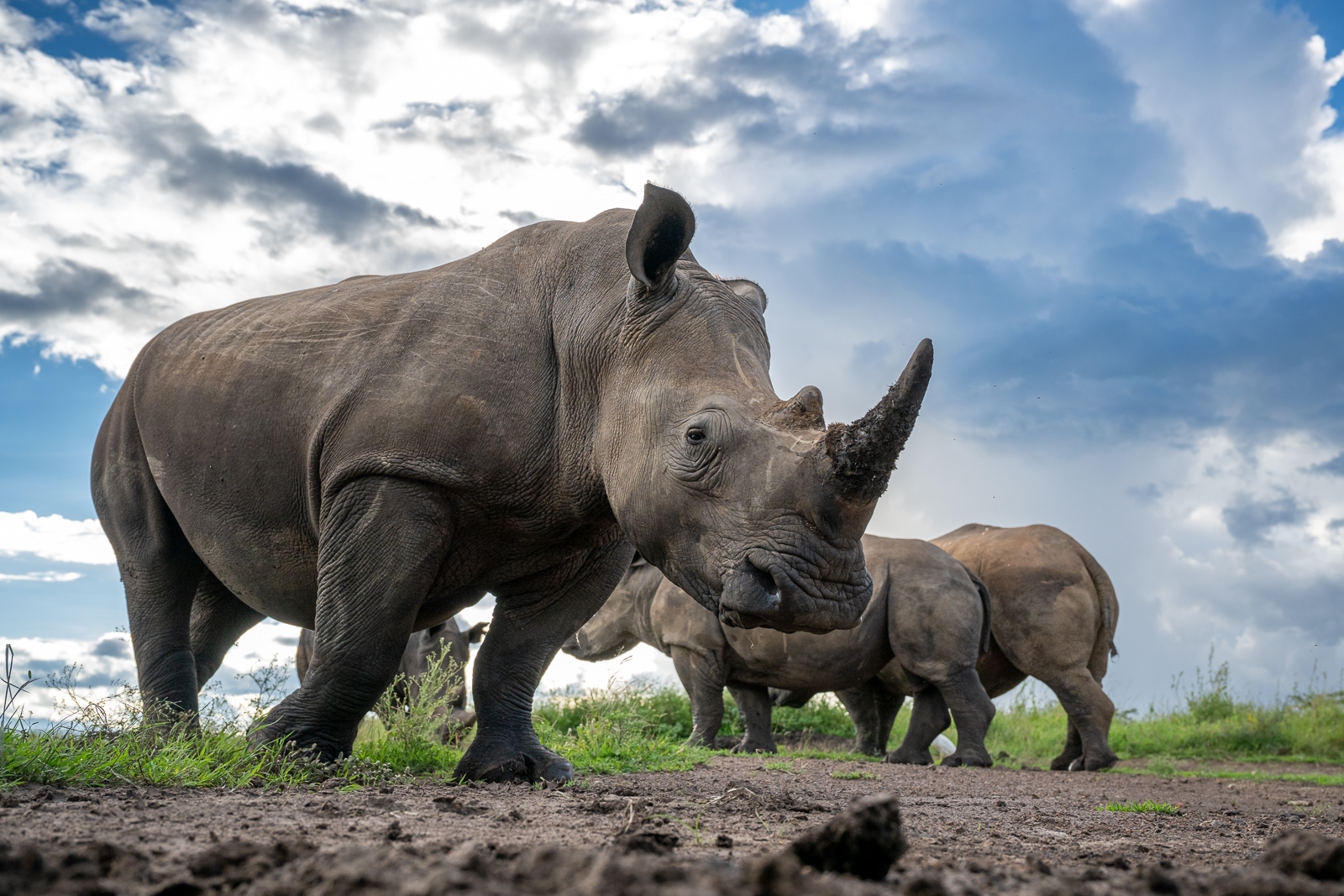
Here’s another of the white rhinos that I was able to get very close to with my camera on the ground. And by the way, sorry if some of you received a double post yesterday. Problems again with my hosting. Nikon Z8 with Nikkor 24-70mm lens (at 37mm), ISO 400, f/5.6 at 1/1000th of a second.
Agama lizards are fairly common in east Africa. As I’ve mentioned before, they are sometimes called the Spiderman lizard due to their coloring. In this quick video we see one lounging on a rock, enjoying the heat of the day before finding a grasshopper for lunch. Nikon Z8, 4K at 120 fps.
We use cookies to enhance your experience while using our website. If you are using our Services via a browser you can restrict, block or remove cookies through your web browser settings. We also use content and scripts from third parties that may use tracking technologies. You can selectively provide your consent below to allow such third party embeds. For complete information about the cookies we use, data we collect and how we process them, please check our Privacy Policy