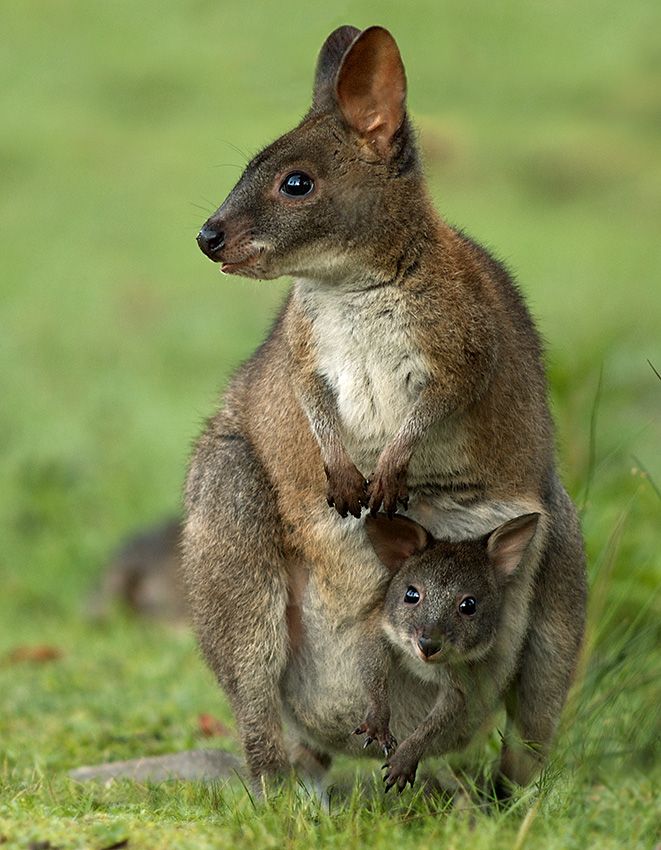
The very first macropod that I saw in Australia was a pademelon (never thought I’d write that sentence, but there it is and I kind of like it). Macropods — if you didn’t know already — are all of Australia’s kangaroo-like marsupials, including wallabies, kangaroos, tree kangaroos and, of course, this young lady and her joey — the pademelons. Pademelons are the smallest of the macropods and a full grown adult isn’t much more than two feet tall. Nikon D200 with Nikkor 600mm lens, ISO 200, f/5.6 at 1/200th of a second
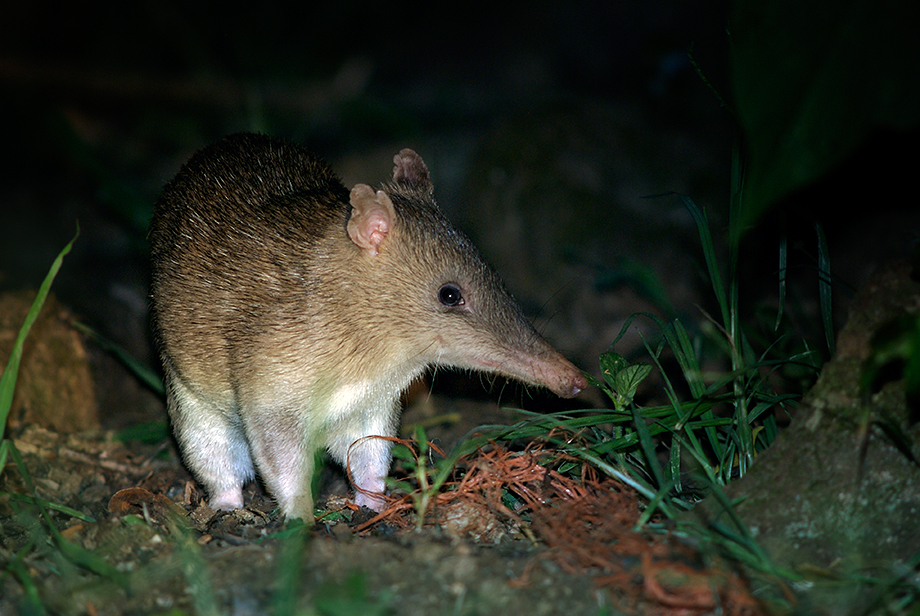
There are about 20 species of bandicoots in Australia, all at least partly nocturnal. I saw a few when I was there back in 2006. This guy was spotted on a night walk in the Atherton Tablelands in Queensland. I had to be quick as the bandicoot only posed for a couple of shots before scurrying back into the bushes. Nikon D200 with Nikkor 600mm manual focus lens, ISO 200, f/5.6 at 1/60th of a second, Nikon SB-800 flash, + 1.2/3 stops ev
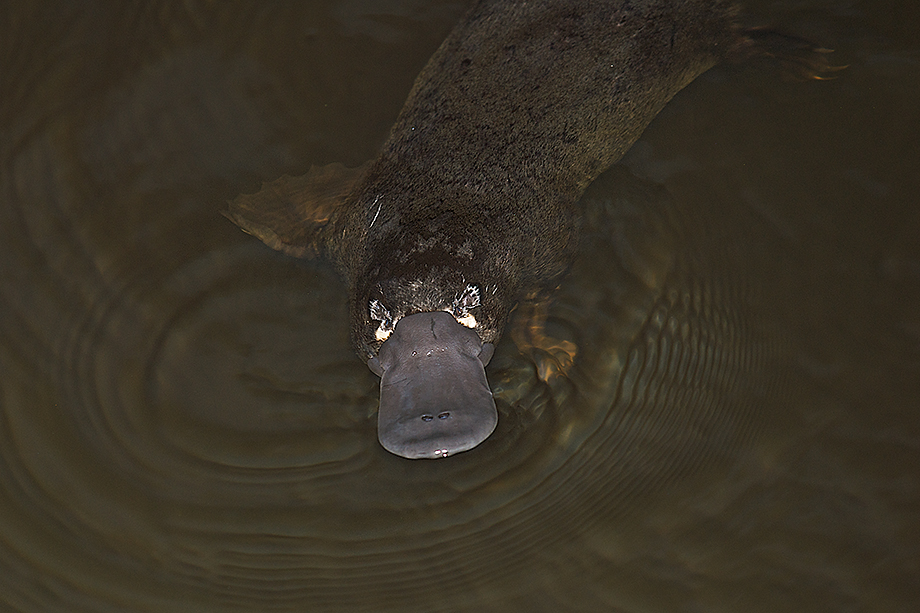
This isn’t a great shot technically, but it was one of the most satisfying images I have ever captured. While in Australia back in 2006, I had been waking every morning at 4 AM and searching for hours for the elusive platypus. The search took me from Daintree National Park in the northeast corner of the country, to the Atherton Tablelands further inland and down to Kangaroo Island off the south central coast. Each morning I was sacrificing the best light of the day while trying to find this strange creature. I finally decided to give up and concentrate on getting shots of the animals that were easier to find, like kangaroos. I packed up my gear and was heading back to my car when I decided to check one last water hole. It was there that I spotted this guy. Experience had taught me, however, that spotting a platypus was only half the battle. I still had to get a shot before it sensed my presence and dove under never to return. I knew I might only get one shot, and this was it. I was eventually able to habituate a second platypus but the thrill of the first shot is what I remembered most. Nikon D200 with Nikkor 80-200mm lens (at 200mm) ISO 200, f/5 at 1/60th of a second, SB-800 flash
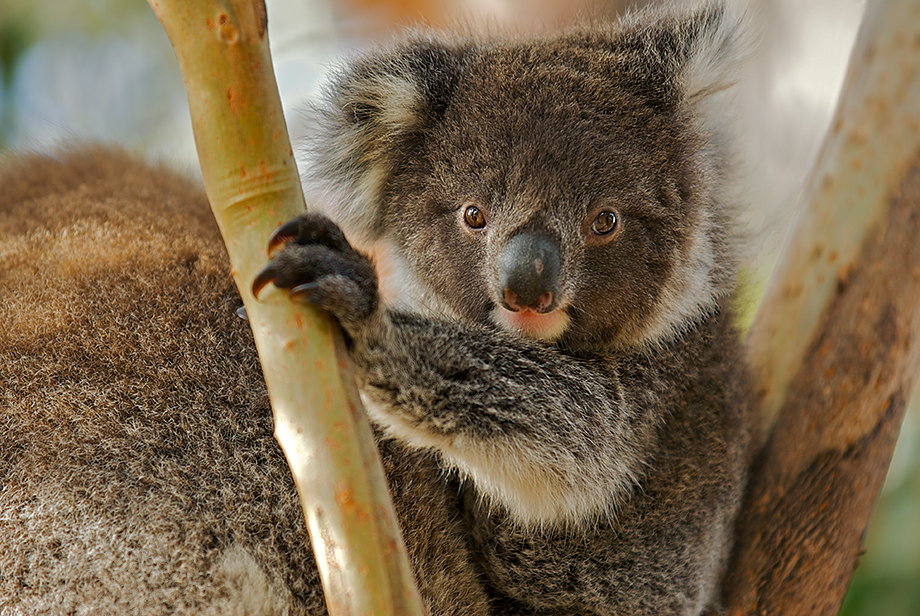
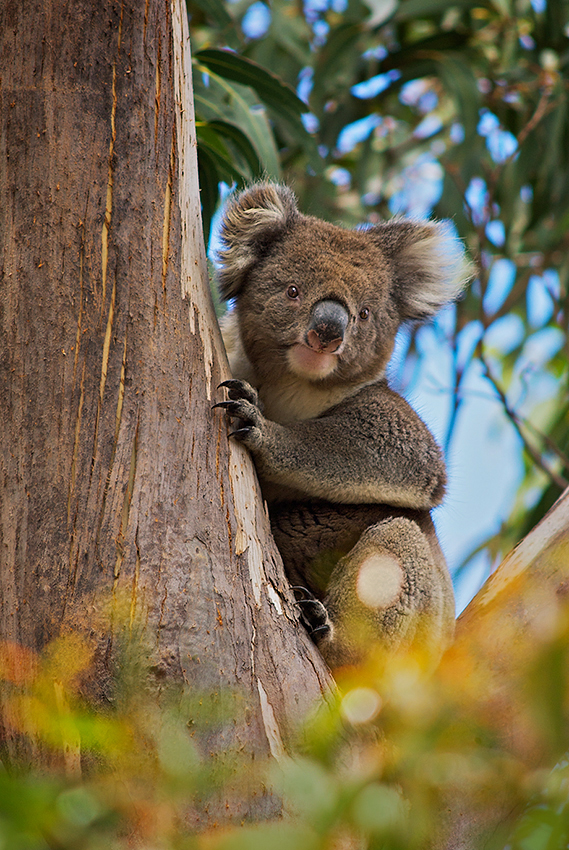
This baby koala was just hanging with its mom, doing what baby koalas do — which is basically to hang with mom, sleep for about twenty hours and then eat a few eucalyptus leaves before dozing off again. Nikon D200 with Nikkor 80-200mm lens (at 165mm) ISO 100, f/2.8 at 1/60th of a second
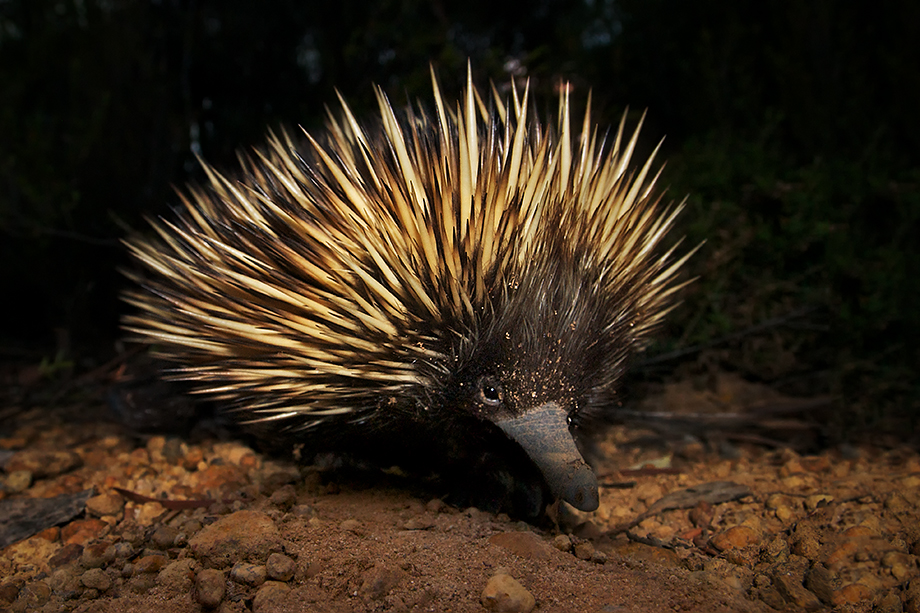
Here’s one from my Australia trip back in 2006 that has been in my Australia gallery but was never posted to the blog. This personable little creature is called a short-beaked echidna (and is also known as a spiny anteater). They are mammals of the order monotreme. Monotremes are the only mammals that lay eggs. Only five are known to exist — all in Australia and New Guinea — including the platypus and four different species of echidna. The short-beaked echidna lacks the ability to sweat and therefore tends to avoid moving around much during the day. I spotted this guy late one afternoon about an hour after the sun had set on Kangaroo Island in South Australia. Nikon D200 with Nikkor 17-35mm f/2.8 lens (at 17mm), ISO 400, f/8 at 1/60th of a second (-0.33 ev), Nikon SB-800 flash
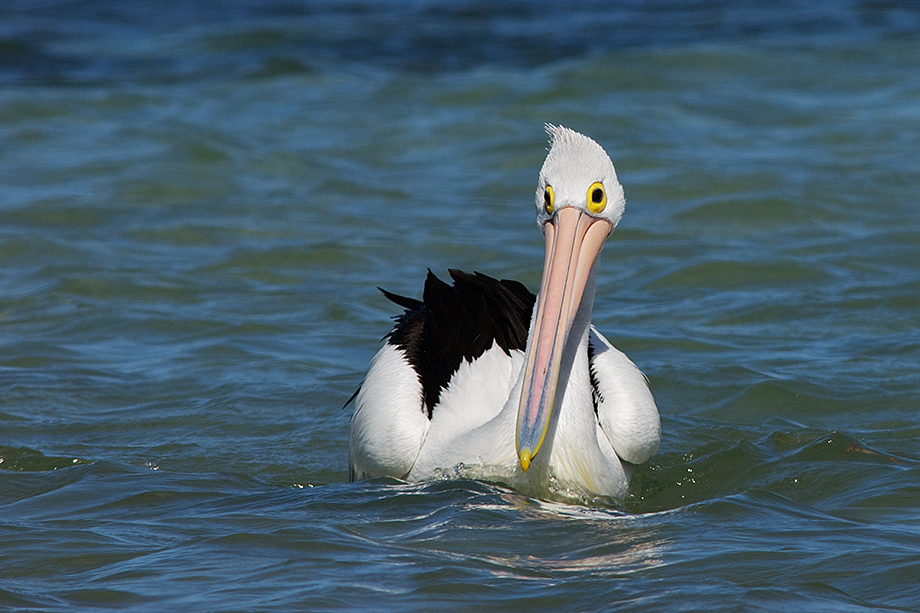
These pelicans are very cartoony looking with those big yellow eye pads. I saw quite a few of them on Kangaroo Island in South Australia. They also have the distinction of possessing longest bill of any living bird species.
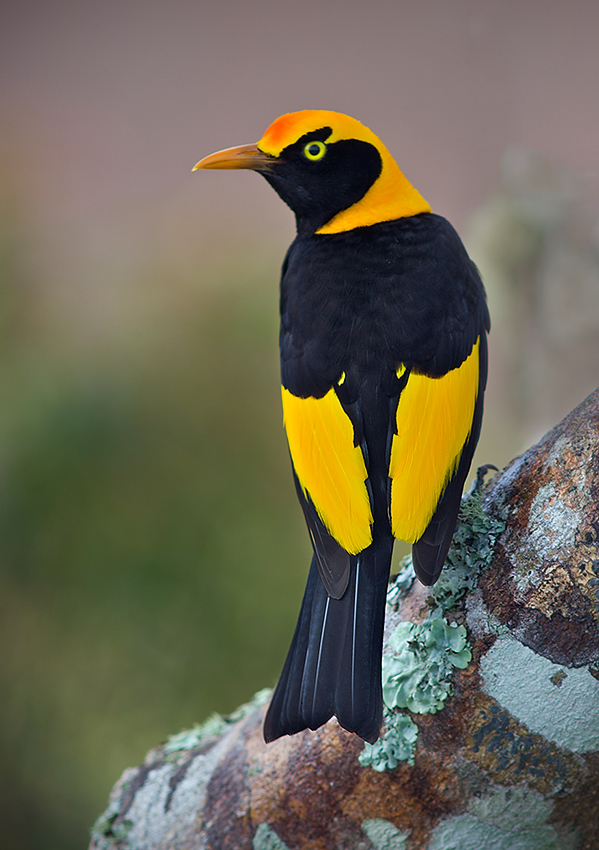
Keeping things in Australia for another day, this is a male regent bowerbird, photographed in Lamington National Park in Queensland. Male bowerbirds build elaborate structures on the ground, known as bowers, to attract females. They will line these bowers with sticks, shells, leaves, seeds and berries. They will also sometimes use wads of leaves as paintbrushes to spread a saliva paint to spruce up the place. This makes them one of the only known birds to use tools.
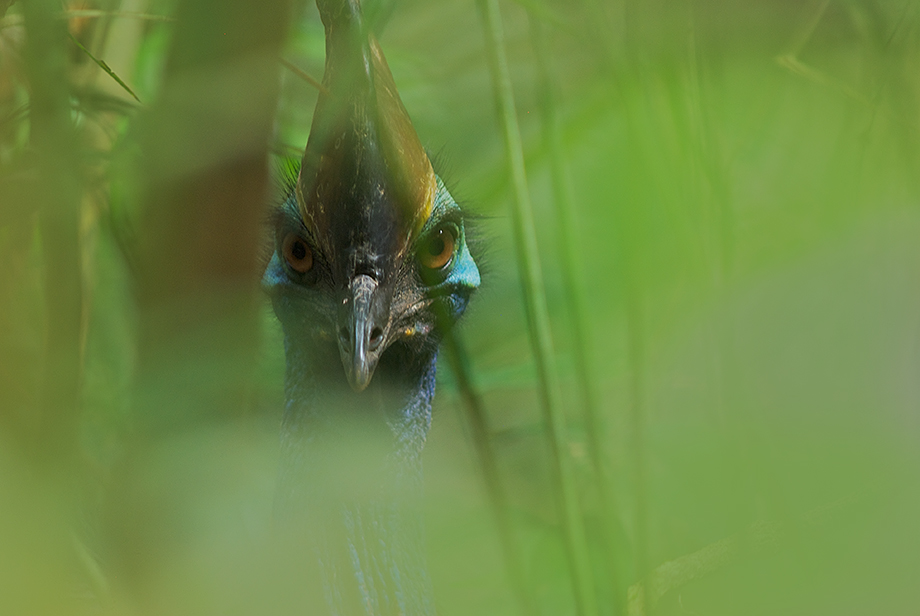
This is an old one, but was never posted to the blog. That evil looking bird up there is a cassowary and it has been declared by the Guinness Book of World Records to be “the most dangerous bird in the world.” It earned this distinction in large part due to its huge claws that it uses to defend itself, usually aiming for the torso of would be intruders, human or otherwise. Native to northeastern Australia and Papua New Guinea, it is the third largest bird in the world behind the ostrich and the emu. Like those birds, it is flightless, and it can grow to over 6 feet tall and weigh more than 150 pounds. Lucky for me I had a 600mm lens on my camera and could photograph from a safe distance.
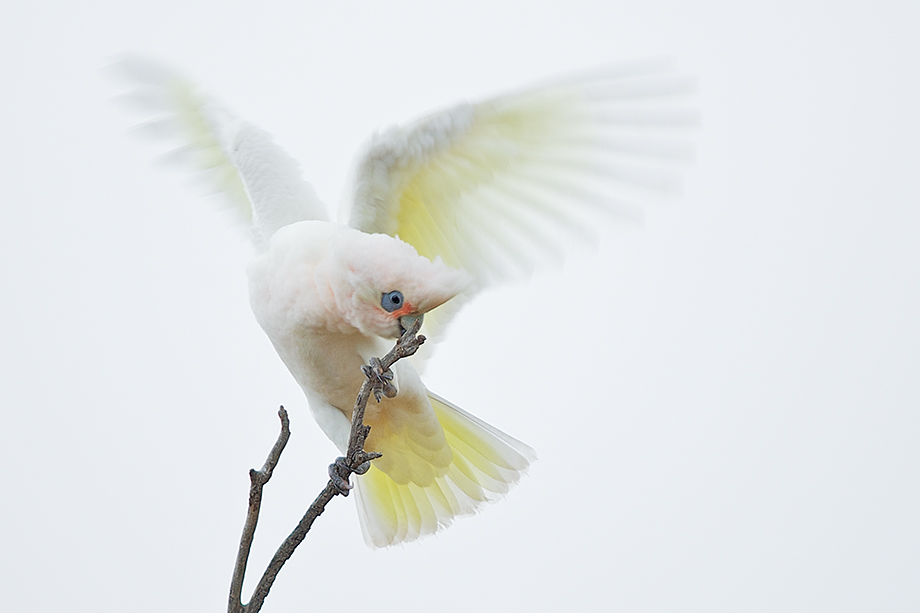
The little corella is another one of those birds that goes by several names. If you prefer, you can also call it the bare-eyed cockatoo, the blood-stained cockatoo, the short-billed corella, the little cockatoo or the blue-eyed cockatoo. It is native to Australia and southern New Guinea (this one was photographed on Kangaroo Island in South Australia). The downy feathers have been used in the past to make head and armbands for traditional ceremonies and dances.
We use cookies to enhance your experience while using our website. If you are using our Services via a browser you can restrict, block or remove cookies through your web browser settings. We also use content and scripts from third parties that may use tracking technologies. You can selectively provide your consent below to allow such third party embeds. For complete information about the cookies we use, data we collect and how we process them, please check our Privacy Policy