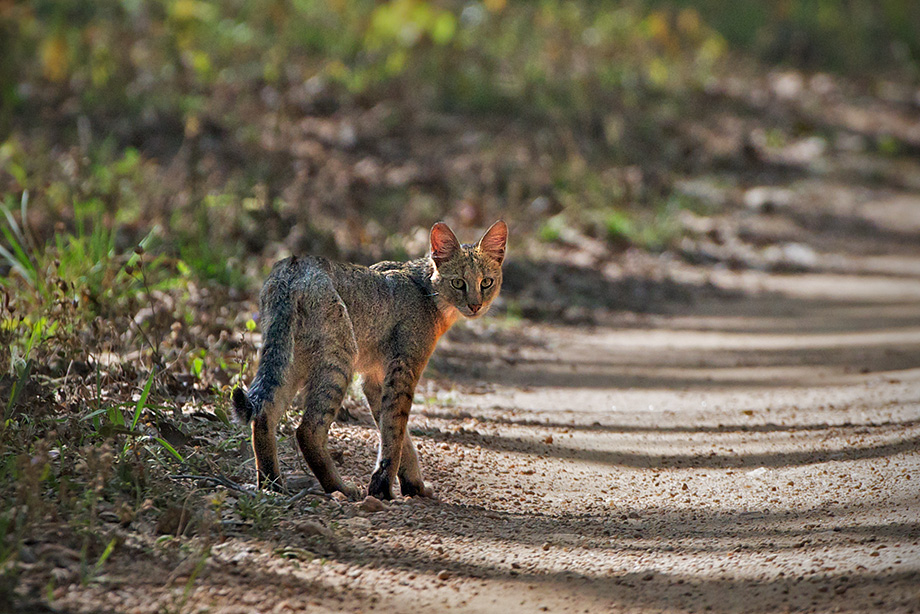
Not a good shot technically, but this was the best I could do with the jungle cats of India. These elusive felines aren’t much bigger than a house cat. In fact, as you can see, they look very similar to the average domestic cat. This one was in Kanha National Park in Madhya, Pradesh in central India.
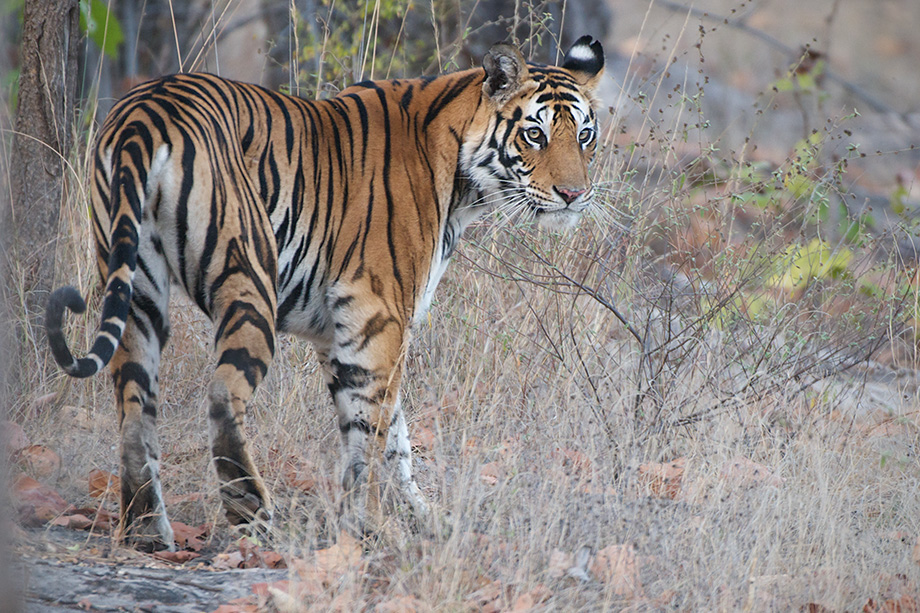
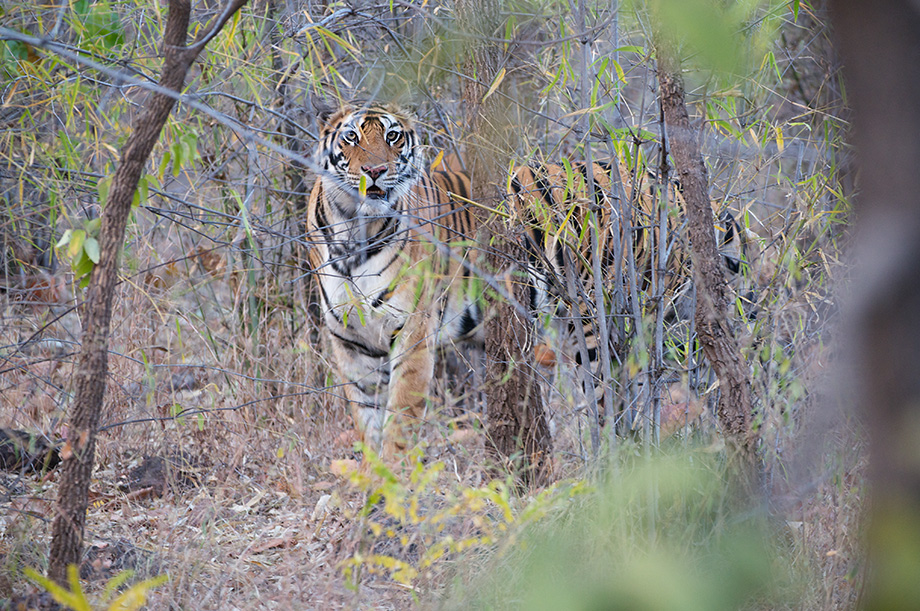
This was the first glimpse I had of a tiger in the wild — it’s the same large male that I posted two photos of a few weeks ago. It’s rare to actually see tigers out in the open, which is why I liked the way that this guy was framed by all the natural foliage.
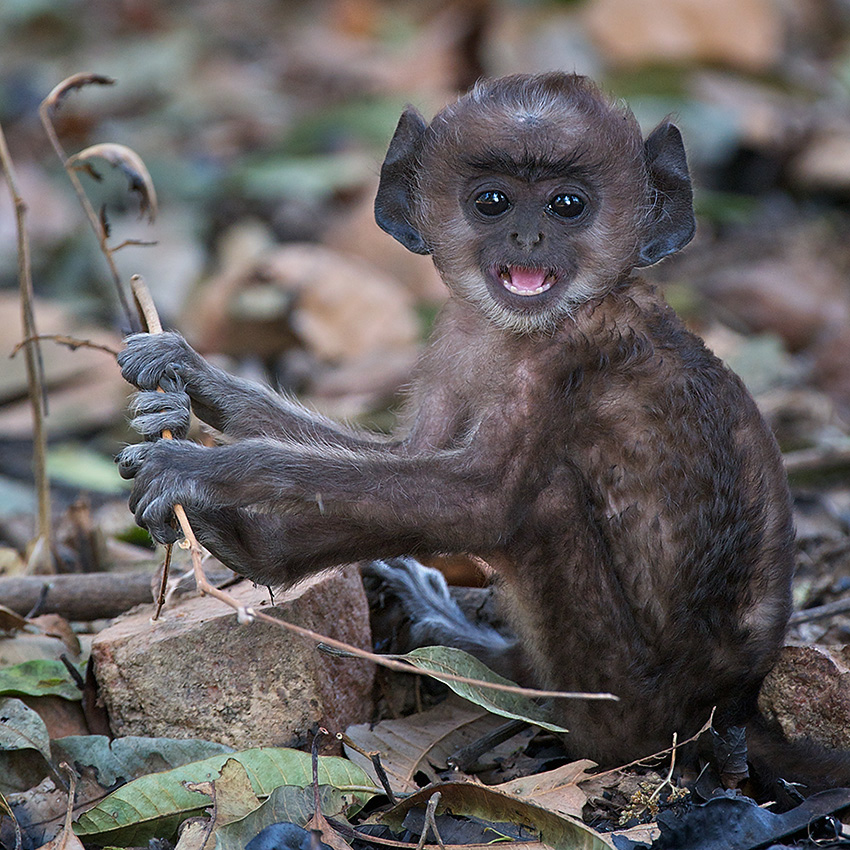
This was a tiny little langur baby about the size of a squirrel. He kept straying away from his mom, investigating every inch of the new world he was recently brought into. I was in Kanha National Park in Madhya Pradesh, India.
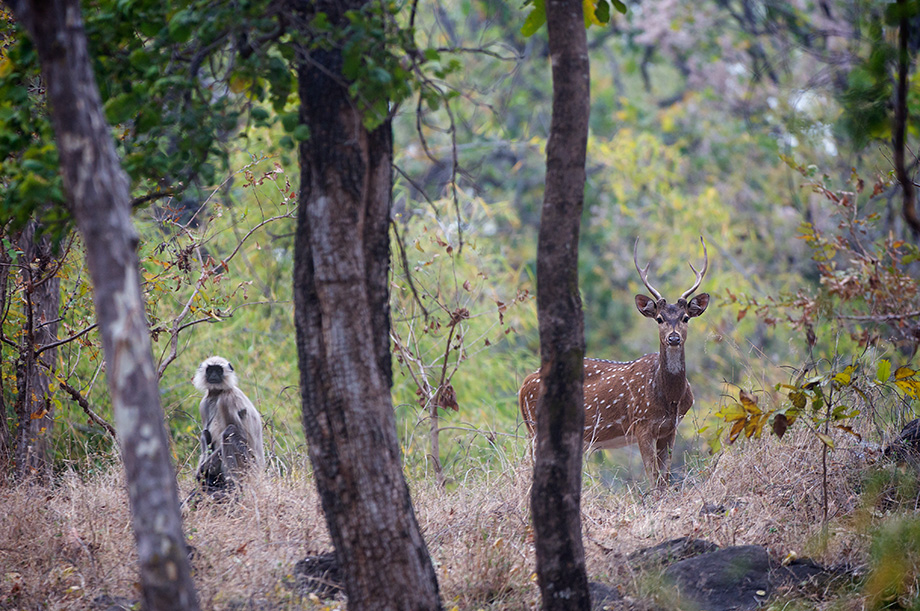
Langur monkeys and chital (spotted deer) are often found hanging out together in the national parks of India. They share a mutually beneficial relationship — the tree-dwelling langurs provide lookout services from on high, while the deer use their fine tuned senses on the ground. They are both well aware of the other’s warning calls, and together they stand a better chance against a sneak attack from a tiger.
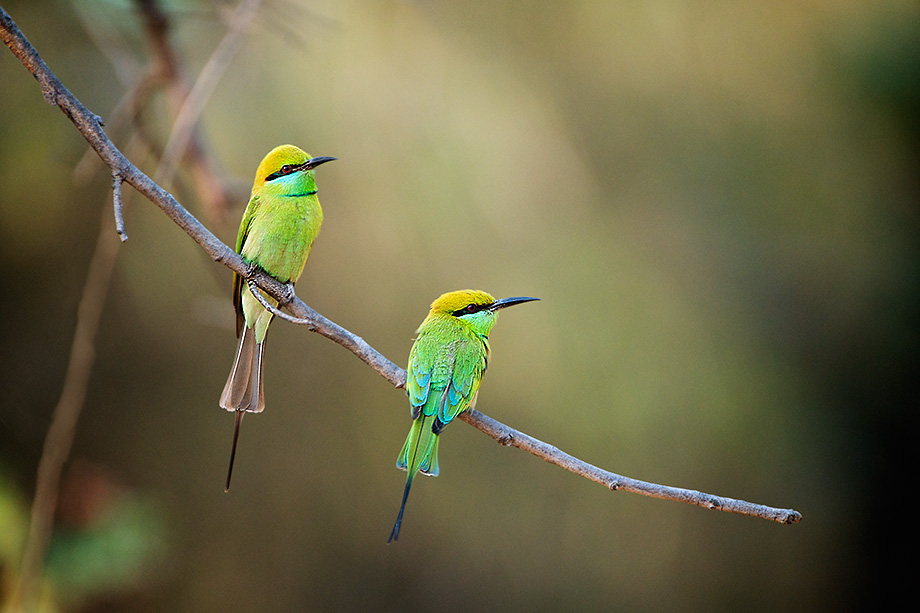
As the name suggests, bee eaters like to eat bees. They tend to sit on familiar perches for a while, then dart off to attempt mid-air grabs — usually of bees, but also wasps and flying ants. They won’t eat the bee at first, but will smash it against the perch to remove any stingers. These bee eaters were photographed in Bandhavgarh National Park in India.
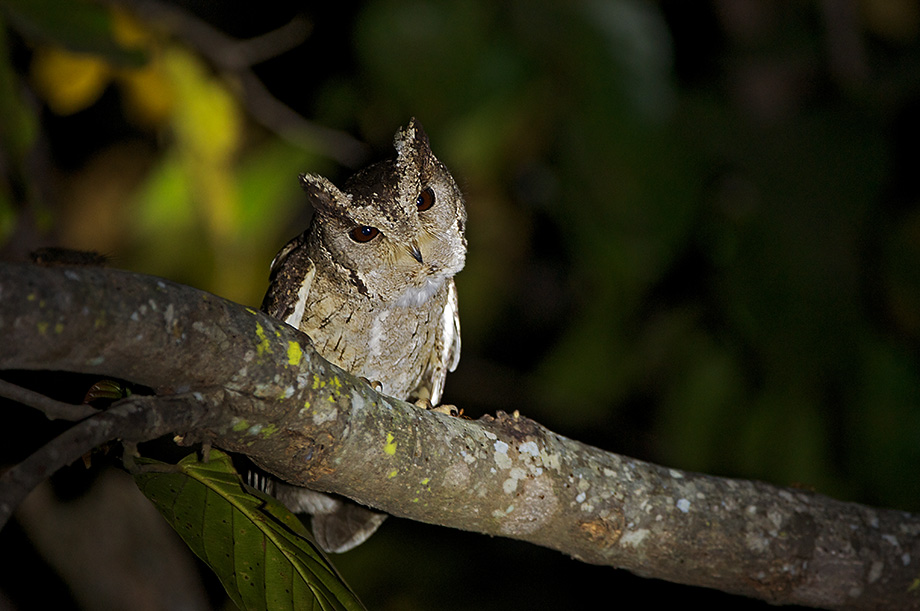
A couple of weeks ago, I posted Oriental scops owls. This species is called the Indian scops owl. It was taken on the same night — when we were able to locate four different kinds of owls in one relatively small area. By being so close to the owls (as well as by getting the flash off the top of my camera with a synch chord) I was able to get these shots without any red eye issues.
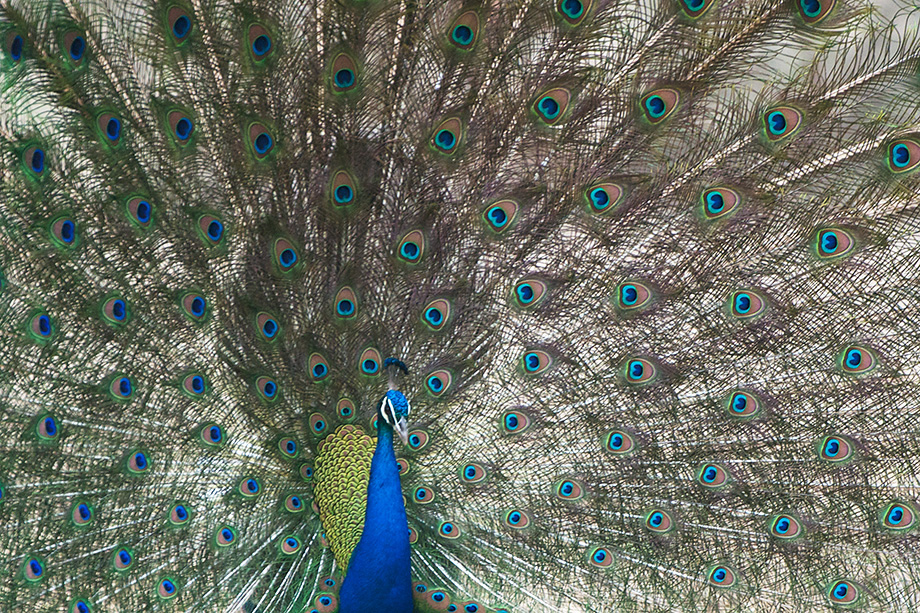
It was fun to watch the peacocks displaying while in India’s national parks. Although I was impressed, none of the peahens seemed to be, as they went about their business plucking insects and seeds from the ground. Eventually the peacocks would give up and continue foraging themselves. Just so we’re all clear, the male is the peacock, the female is the peahen, and both are peafowl.
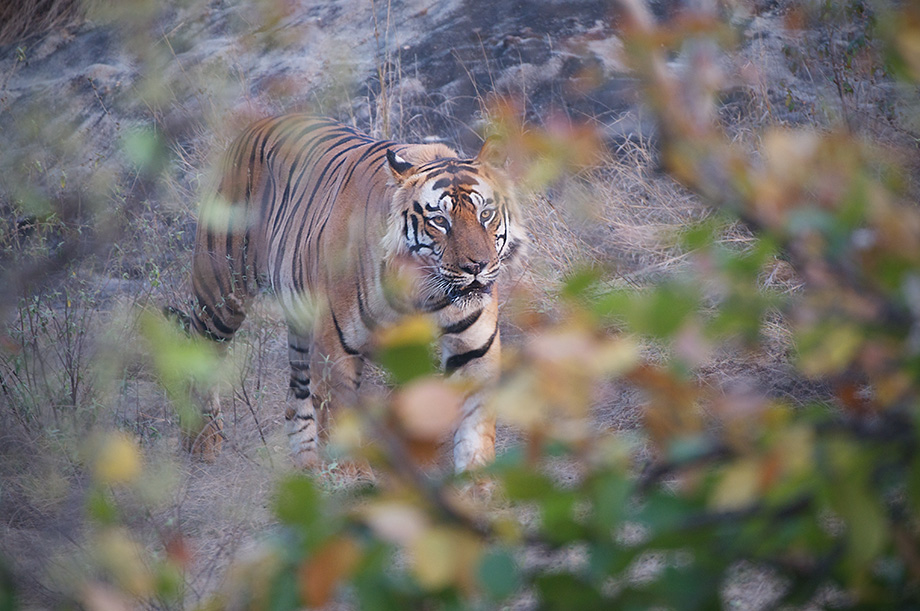
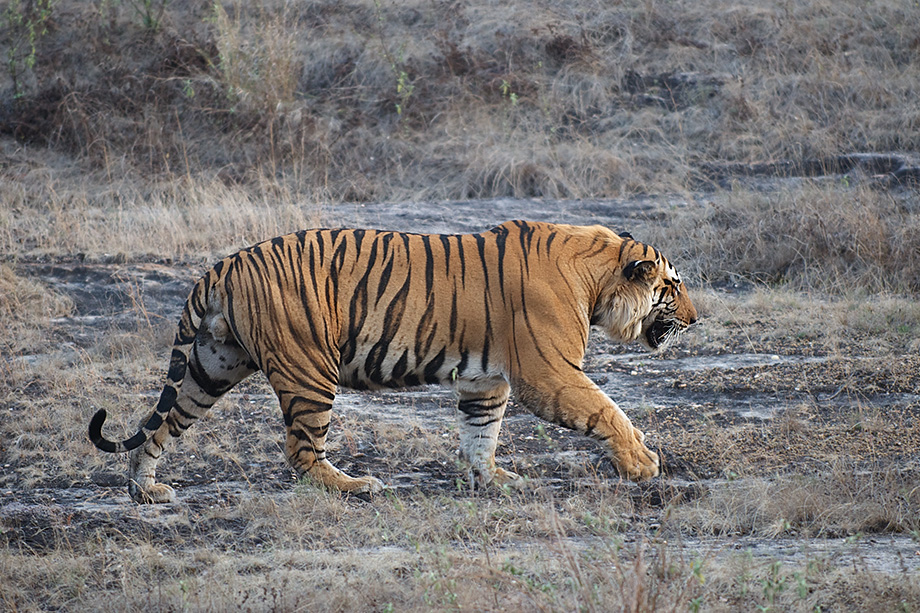
I realize that these two shots aren’t much photographically, but what I wanted to show was just how powerful the male tigers are, and how bulky their upper arms are compared to the females (all the tiger shots that I’ve posted so far have been females). This guy was walking along a ridge and kept his gaze forward, for the most part. In a future post, I’ll upload a more interesting shot of this guy.
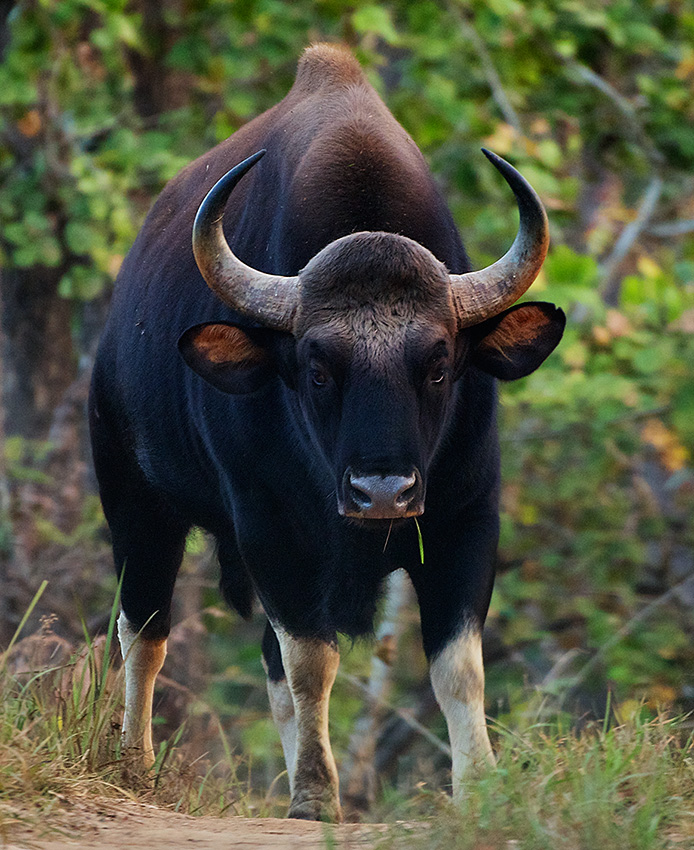
Also known as the Indian bison, the gaur is the world’s largest species of wild cattle — even bigger than the African buffalo. They can grow to 7.2 feet at the shoulder and weigh as much as 2200 pounds. The gaur is listed as vulnerable — mainly due to illegal poaching. This particular gaur was one of the largest males that I saw while in India.
We use cookies to enhance your experience while using our website. If you are using our Services via a browser you can restrict, block or remove cookies through your web browser settings. We also use content and scripts from third parties that may use tracking technologies. You can selectively provide your consent below to allow such third party embeds. For complete information about the cookies we use, data we collect and how we process them, please check our Privacy Policy