Golden jackals are highly adaptable predators and scavengers, thriving in habitats ranging from grasslands and forests to agricultural areas. In places like Bandhavgarh in central India, they often patrol the edges of larger predators’ territories, taking advantage of opportunities while relying on their intelligence and senses to stay out of trouble. Nikon D300 with Nikkor 200-400mm lens (at 400mm) ISO 800, f/4 at 1/500th of a second.
The barred jungle owlet is a small but fearless owl found in the forests and woodlands of the Indian subcontinent. Unlike many owls, it is often active during the day, perching conspicuously as it scans for insects, lizards, and small birds. I encountered this one in Bandhavgarh National Park in central India while searching for tigers. Nikon D300 with Nikkor 200-400mm lens (at 400mm) ISO 1600, f/4 at 1/1000th of a second.
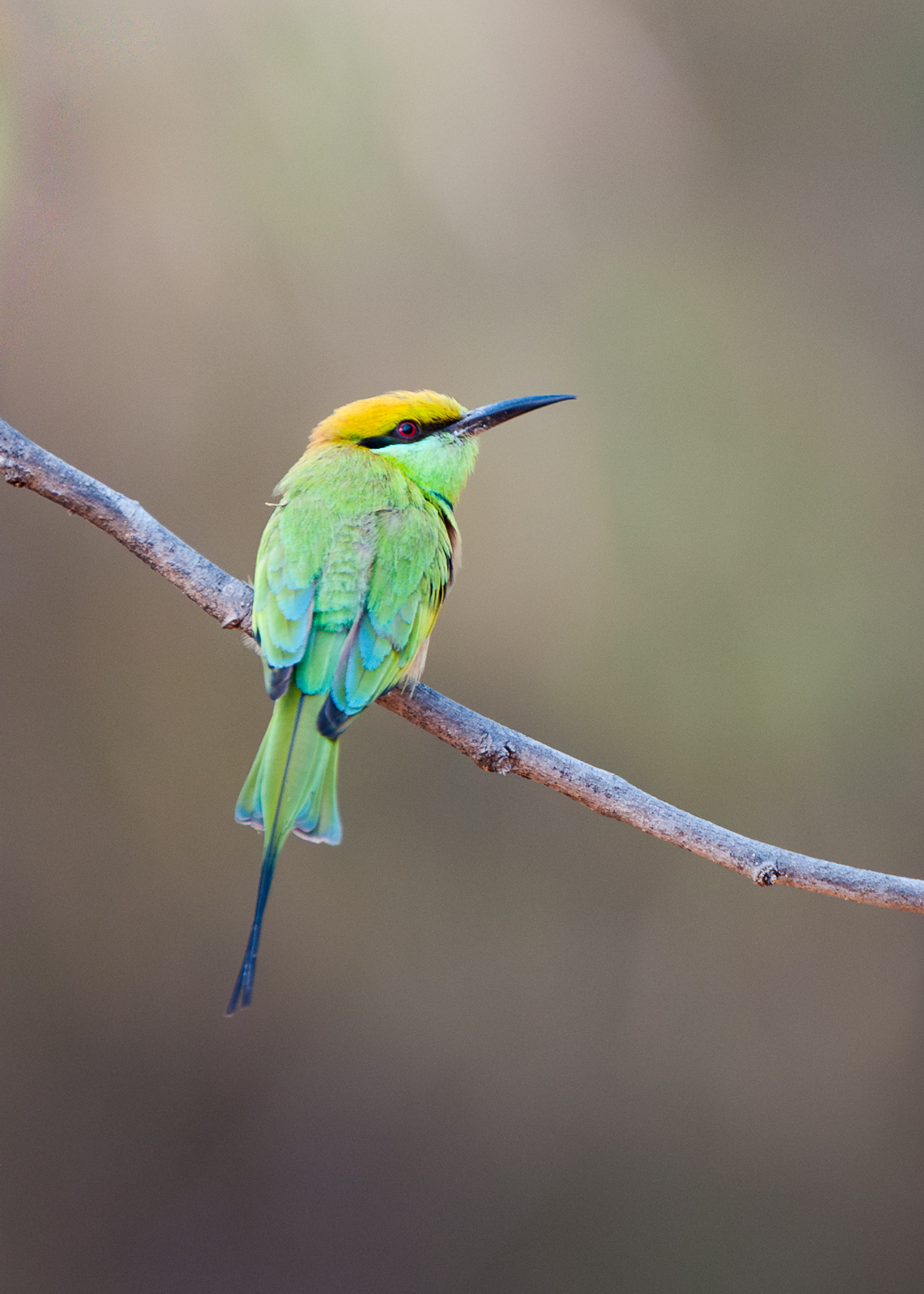
The green bee-eater is an elegant little guy native to India’s grasslands and forests, often seen perched before launching into the air to snatch insects in flight. Despite their name, they feed on far more than bees, also catching dragonflies, butterflies, and other flying insects. I photographed this one in Bandhavgarh National Park back in 2012. Nikon D300 with Nikkor 200-400mm lens (at 400mm) ISO 800, f/4 at 1/400th of a second.
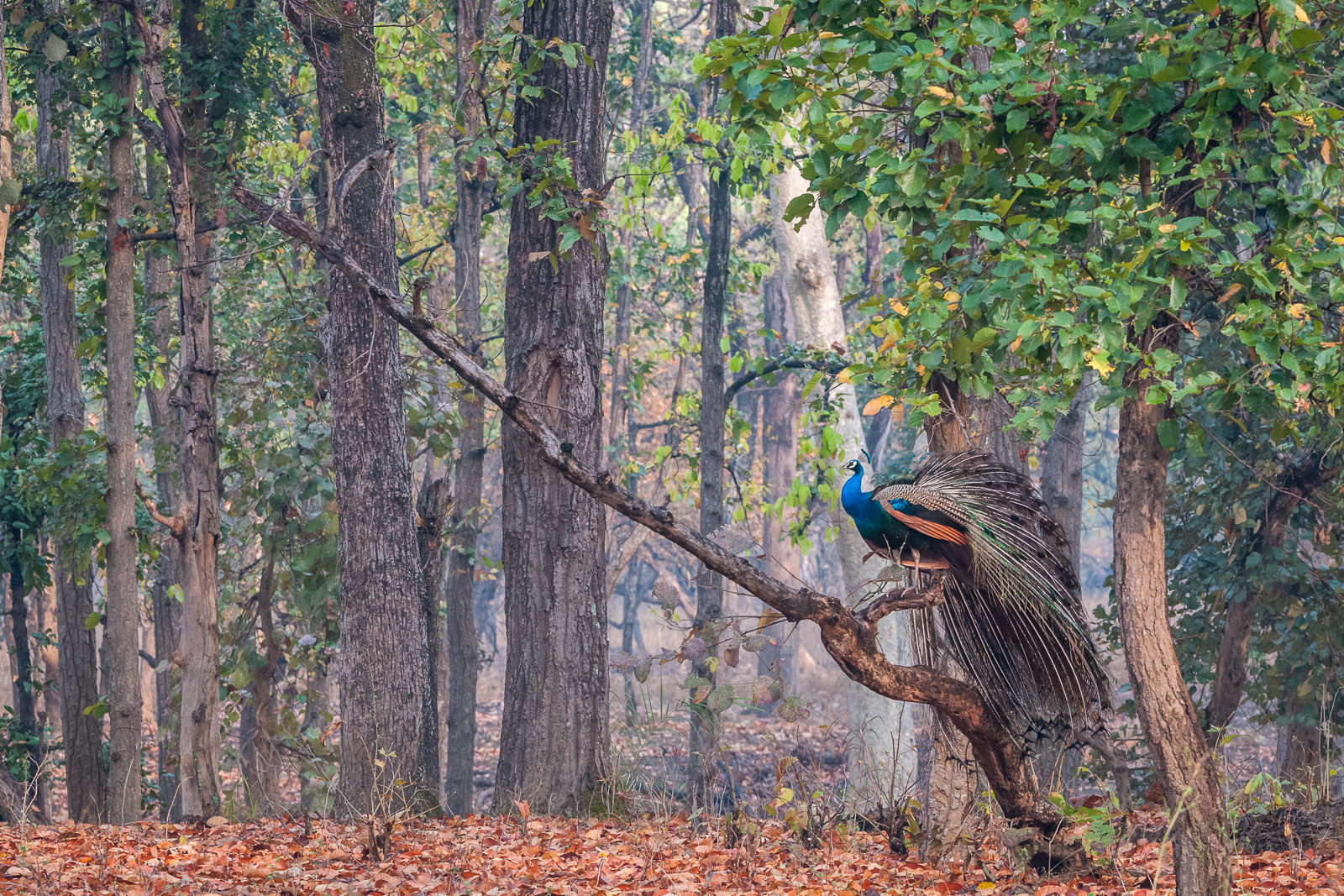
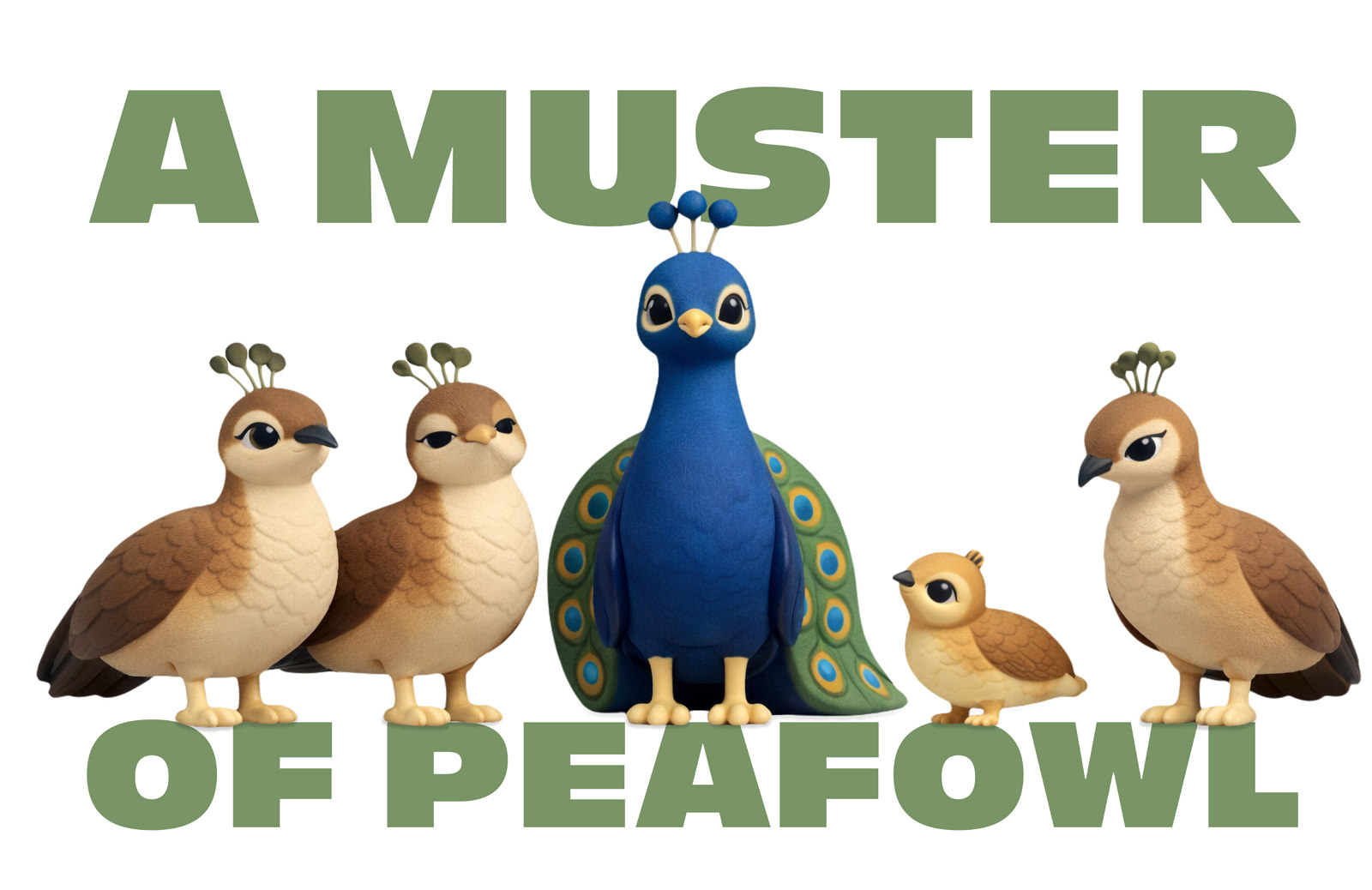
A group of peafowl is called a muster because the word historically means a gathering. The term dates back to Middle English and comes from the Latin monstrare, meaning “to show” or “to display.” And that’s where it fits peafowl beautifully. When peafowl gather, particularly during breeding season, it can look very much like a ceremonial assembly. Males fan out their tail feathers in full display, presenting themselves as a worthy mate. A muster captures both the act of gathering and the spectacle of showing off. This blue peacock was photographed in Bandhavegarh National Park in India. Nikon D300 with Nikkor 200-400mm lens (at 200mm) ISO 800, f/7.1 at 1/125th of a second.
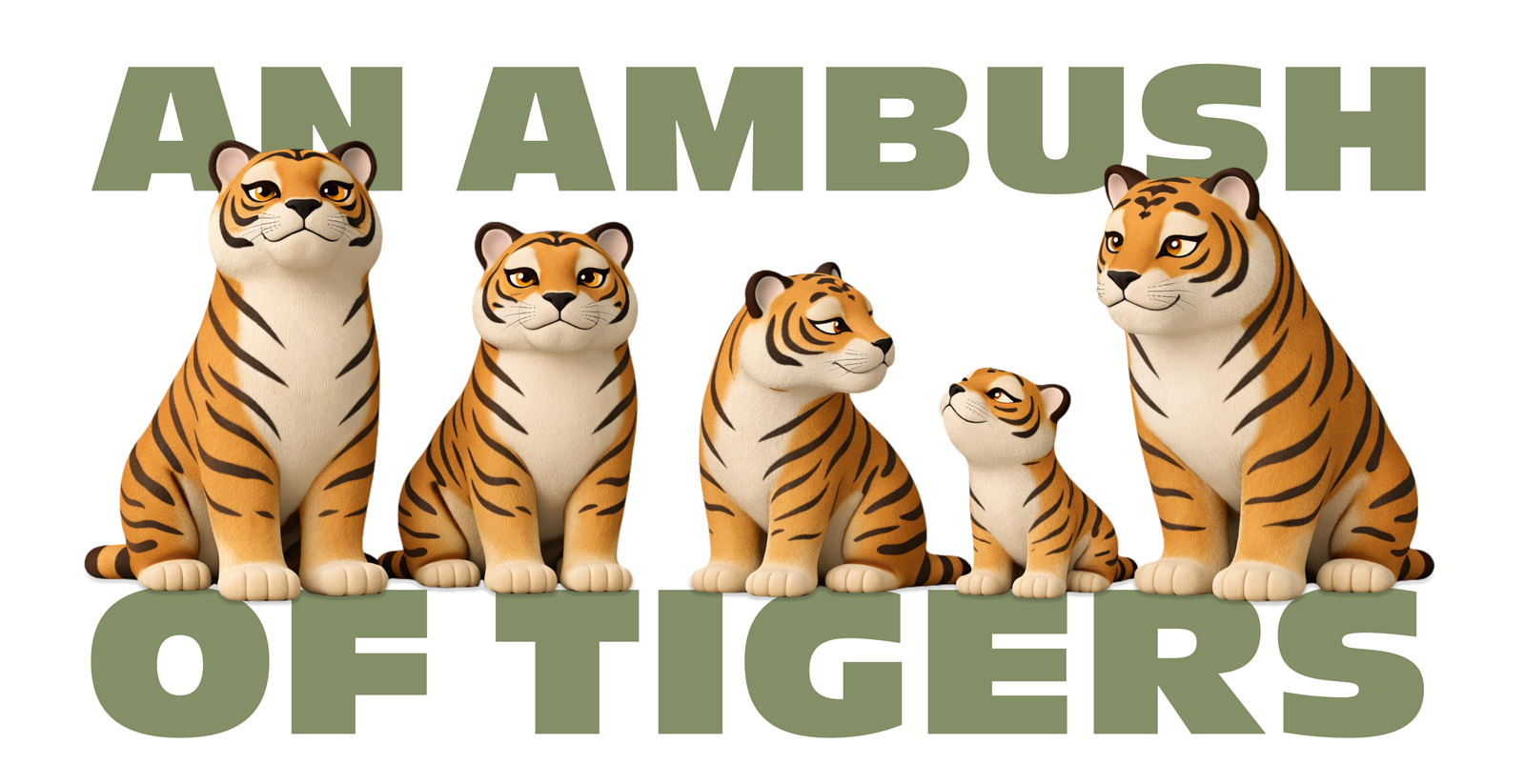
Last week I launched a new collection of t-shirt (and baby bodysuit) designs in my online store, Species Limited. The 72 fun new designs center around the names we call groups of animals. For instance, a group of tigers is called an ambush. In my ten days in India, however, I never came close to seeing an ambush. I managed only three sightings of solo tigers — which was three more than I had ever seen, so good by me. See the “ambush” design below and head over to Species Limited to see more. Nikon D300 with Nikkor 200-400mm lens (at 400mm) ISO 800, f/4 at 1/200th of a second.
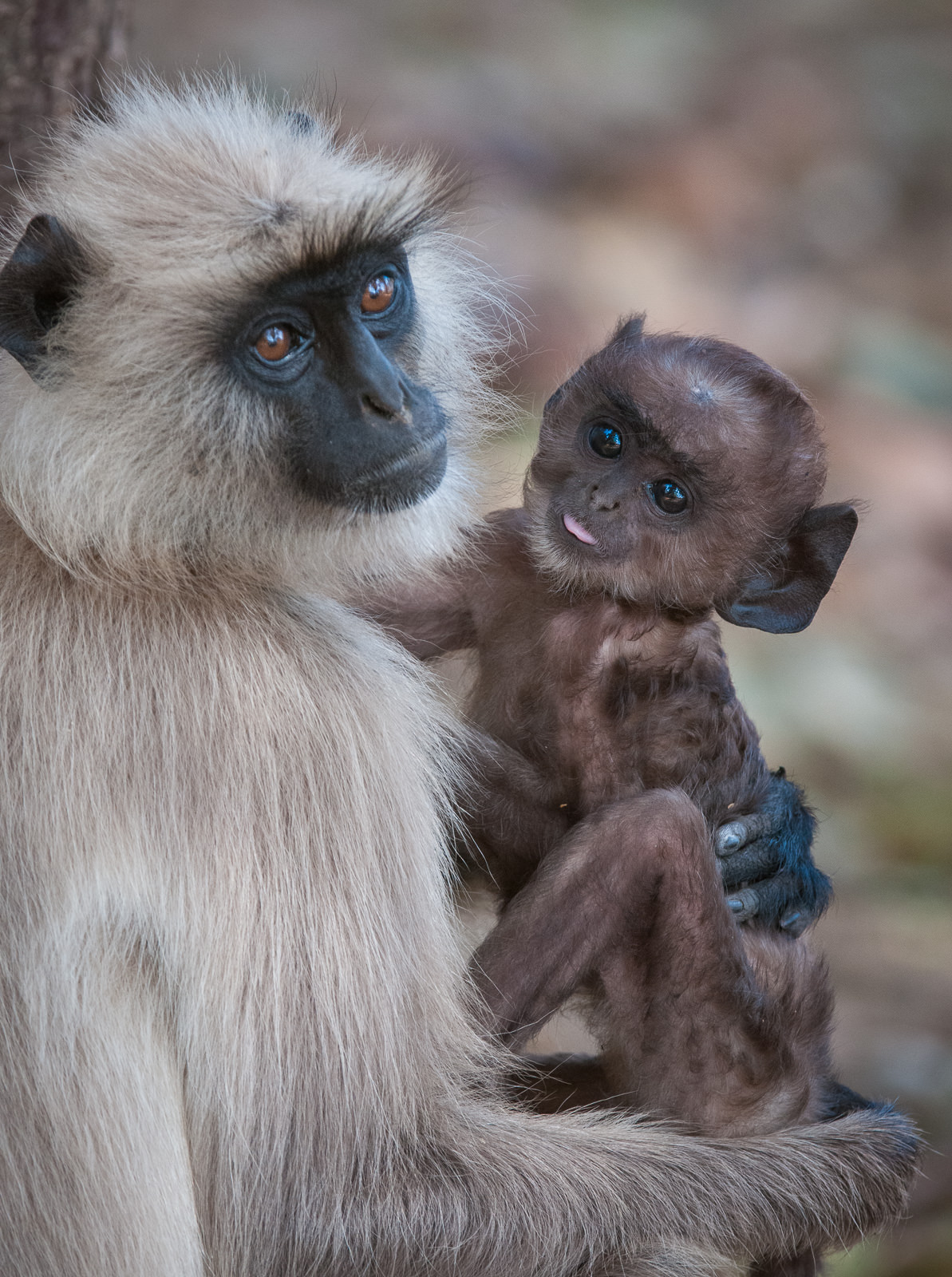
I’m going to keep schilling until we hit that deadline of December 11th to guarantee Christmas delivery. Here’s another other mother/baby images that didn’t make the 2026 Mother’s Nature calendar that can be found in Species Limited shop. Lots of T-shirts too that make great holiday gifts for all nature/wildlife lovers out there. The monkeys, by the way, are hanuman langurs, also known as gray langurs and they were photographed in Kanha National Park in India.Nikon D300 with Nikkor 200-400mm lens (at 330mm) ISO 800, f/5 at 1/400th of a second.
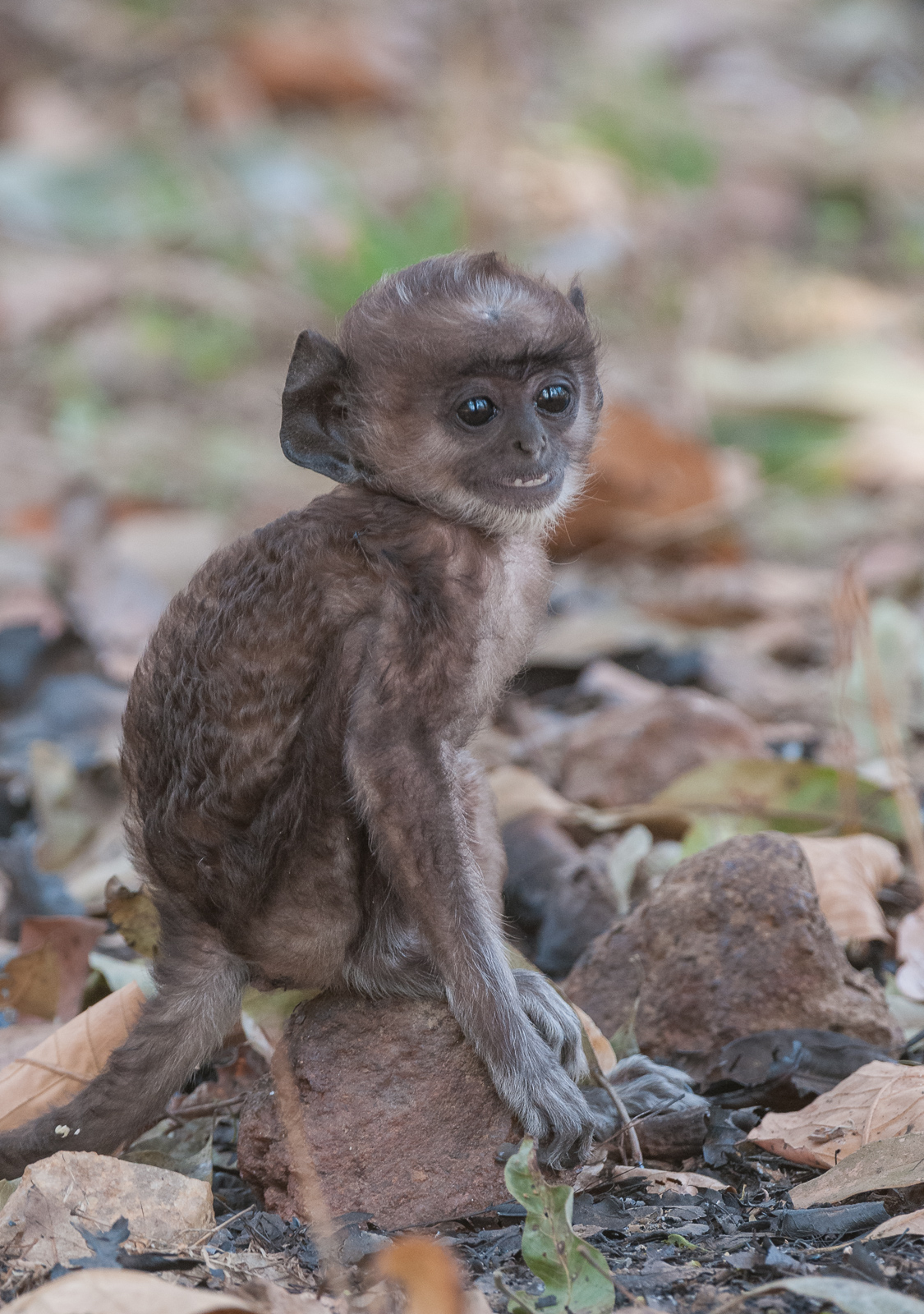
Seemed like a good day for a baby monkey. This one being a hanuman langur, photographed in Kanha National Park in India. Nikon D300 with Nikkor 200-400mm lens (at 400mm) ISO 800, f/5 at 1/200th of a second.
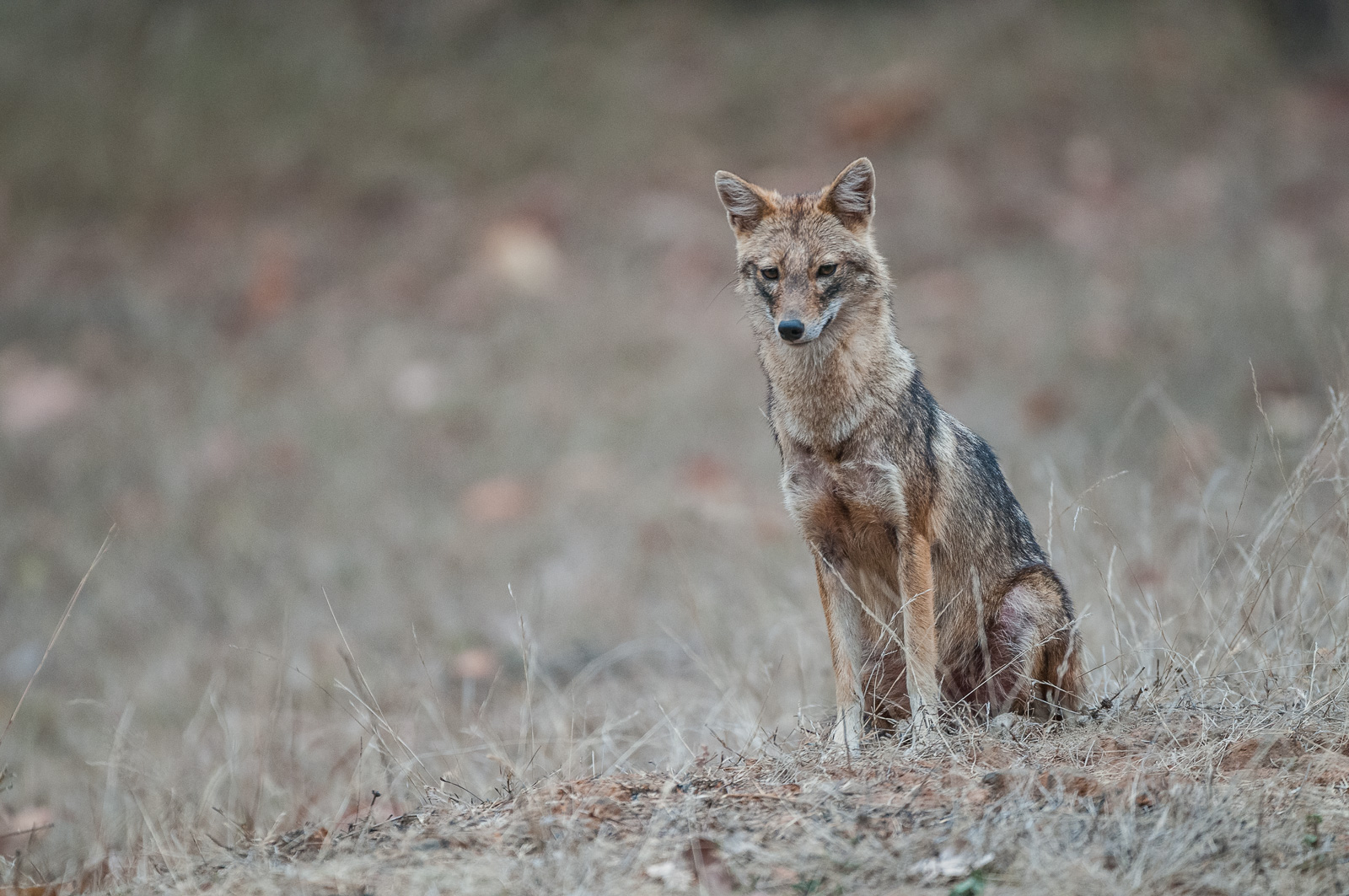
The Indian jackal is a subspecies of the golden jackal. They can have a lot of neck — as is evidenced by this simple portrait. Golden jackals resemble, but are not closely related to the black-backed or side-striped jackals that can be found in Africa. This one was photographed in Bandhavgarh National Park in Central India. Nikon D300 with Nikkor 200-400mm lens (at 400mm) ISO 800, f/4 at 1/400th of a second.
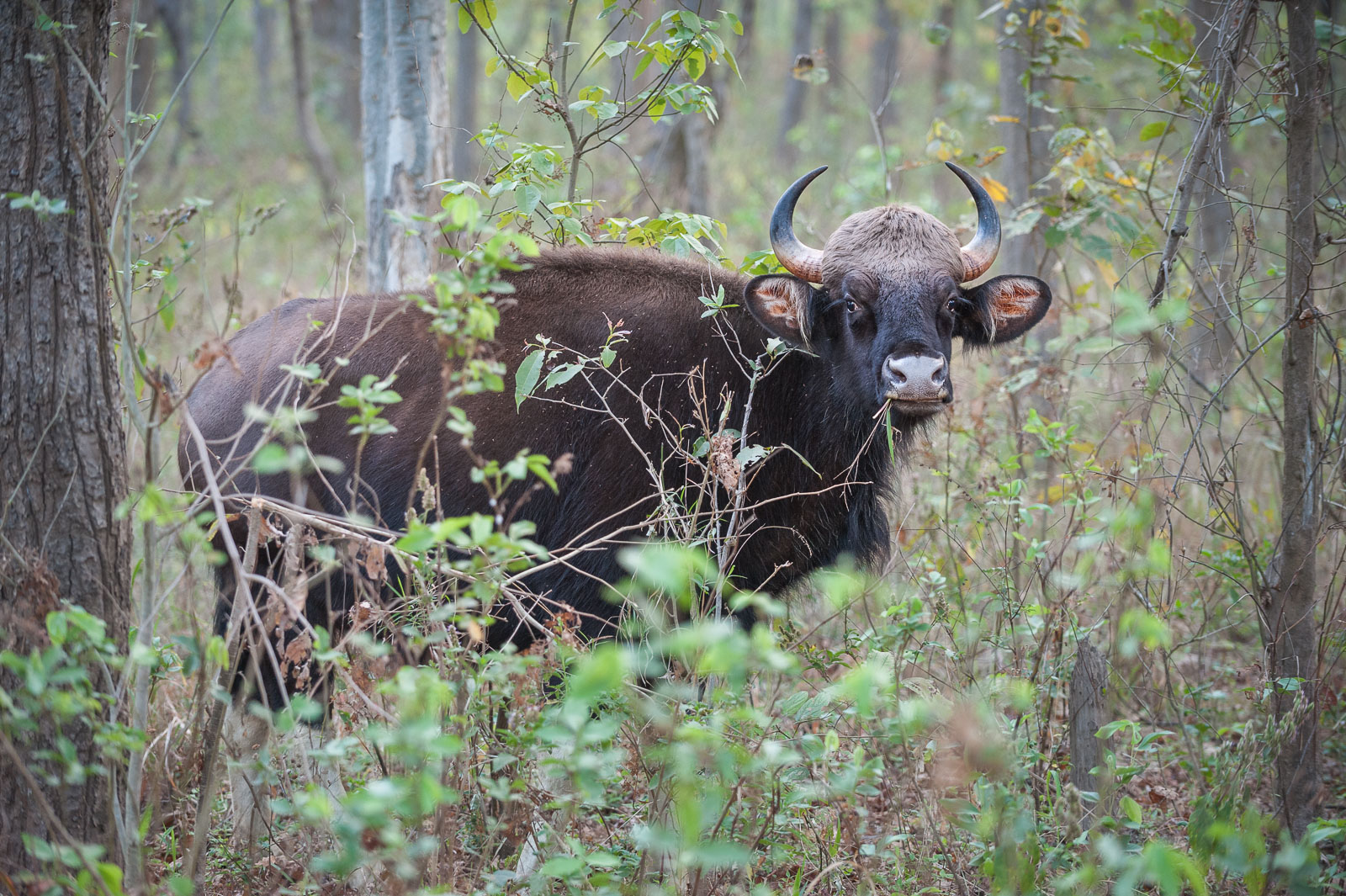
The gaur is a wild bovine native to South and Southeast Asia. In fact, it’s the largest wild bovine (cattle species) in the world. Their numbers have been greatly reduced in recent decades and they are considered vulnerable to extinction (although in protected areas their numbers are now increasing). I photographed this one in India a few years back in Kanha National Park. Nikon D700 with Nikkor 70-200mm lens (at 125mm) ISO 1600, f/2.8 at 1/160th of a second.
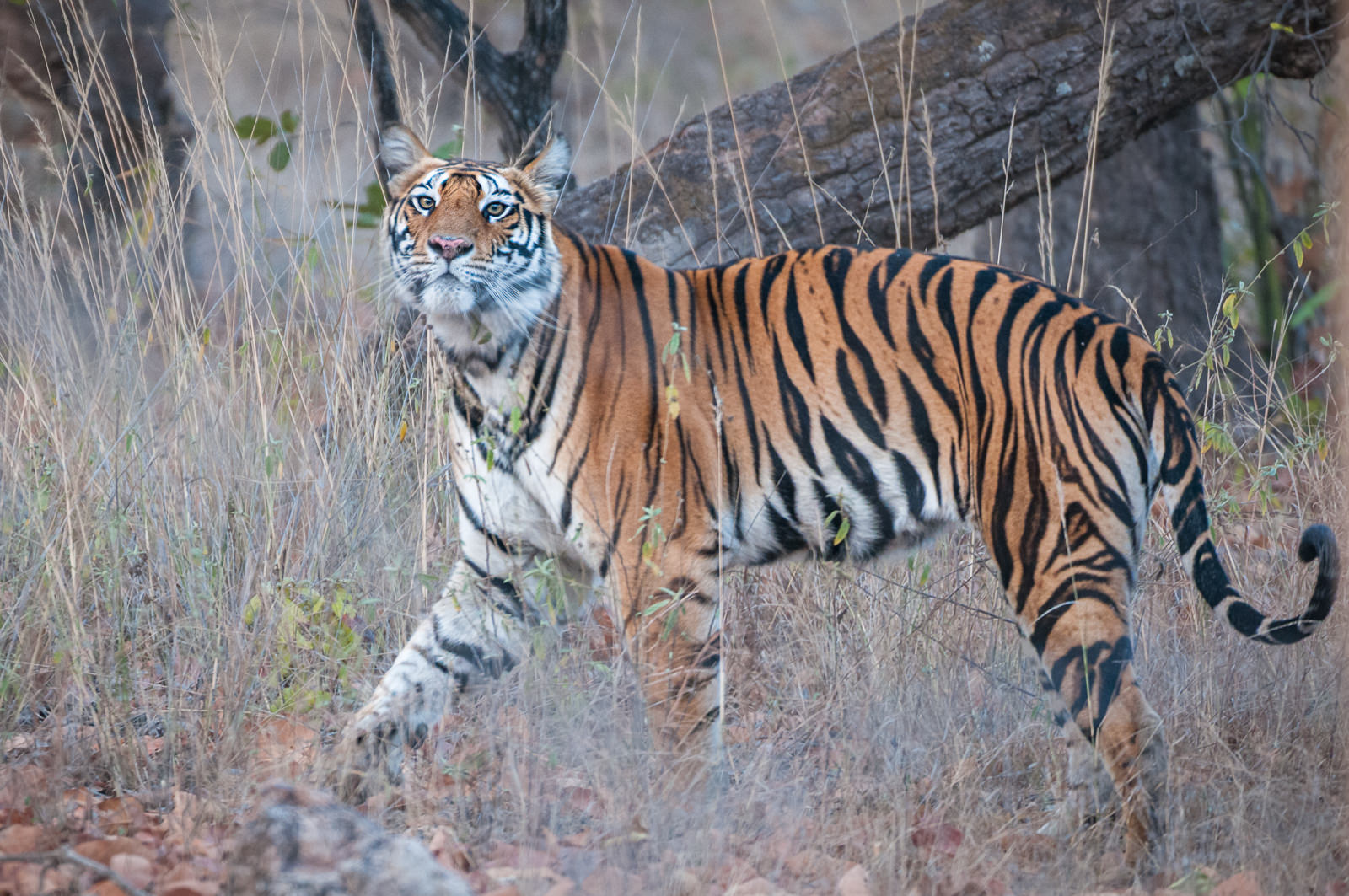
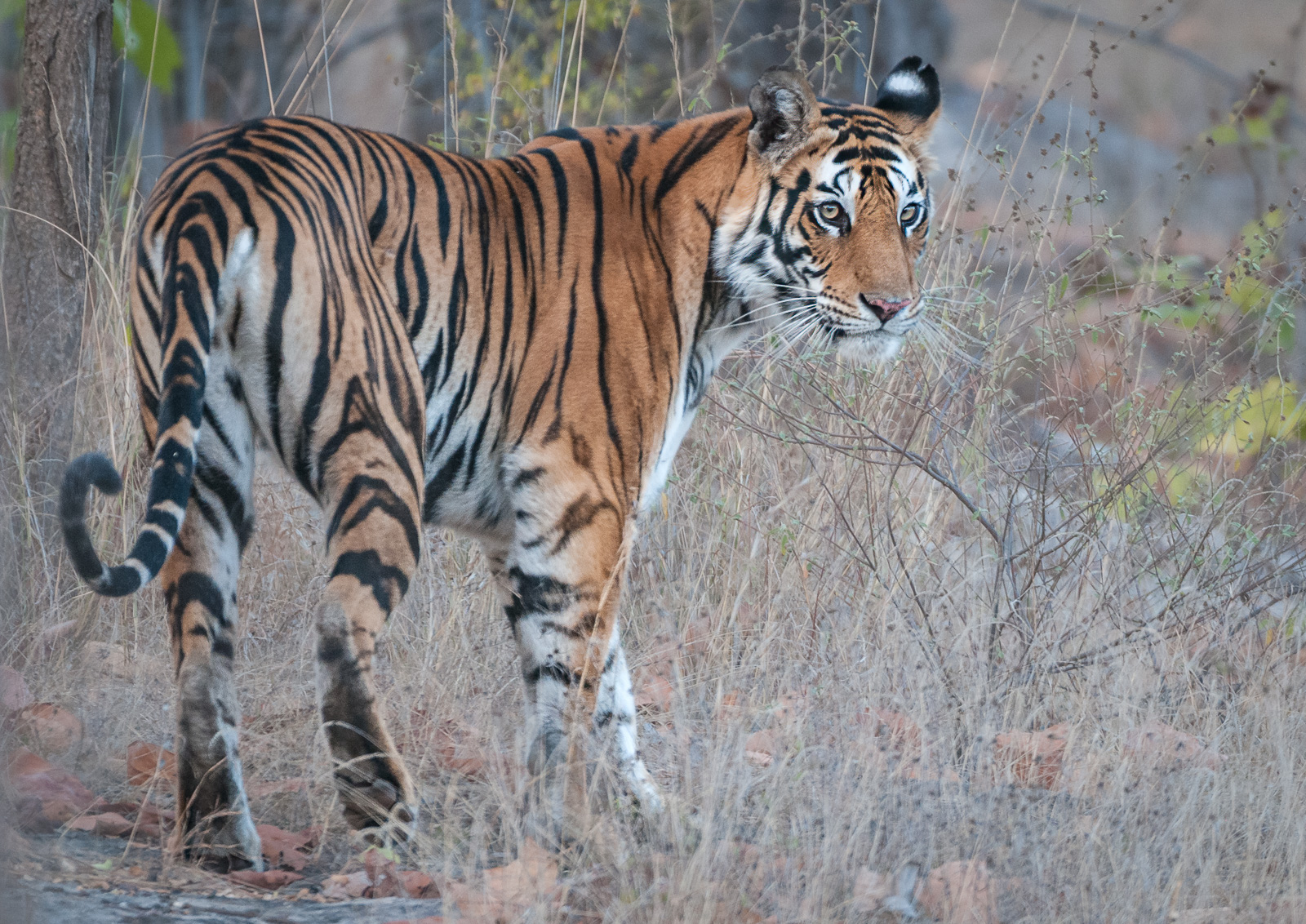
In my ten day safari in India, I saw a grand total of three tigers. Two males and this female. She was considerably smaller and less bulky than the males. She also offered more of an unobstructed view before disappearing into the forest. Photographed in Bandhavgarh National Park. Nikon D300 with Nikkor 200-400mm lens (at 400mm) ISO 800, f/4 at 1/200th of a second.
We use cookies to enhance your experience while using our website. If you are using our Services via a browser you can restrict, block or remove cookies through your web browser settings. We also use content and scripts from third parties that may use tracking technologies. You can selectively provide your consent below to allow such third party embeds. For complete information about the cookies we use, data we collect and how we process them, please check our Privacy Policy

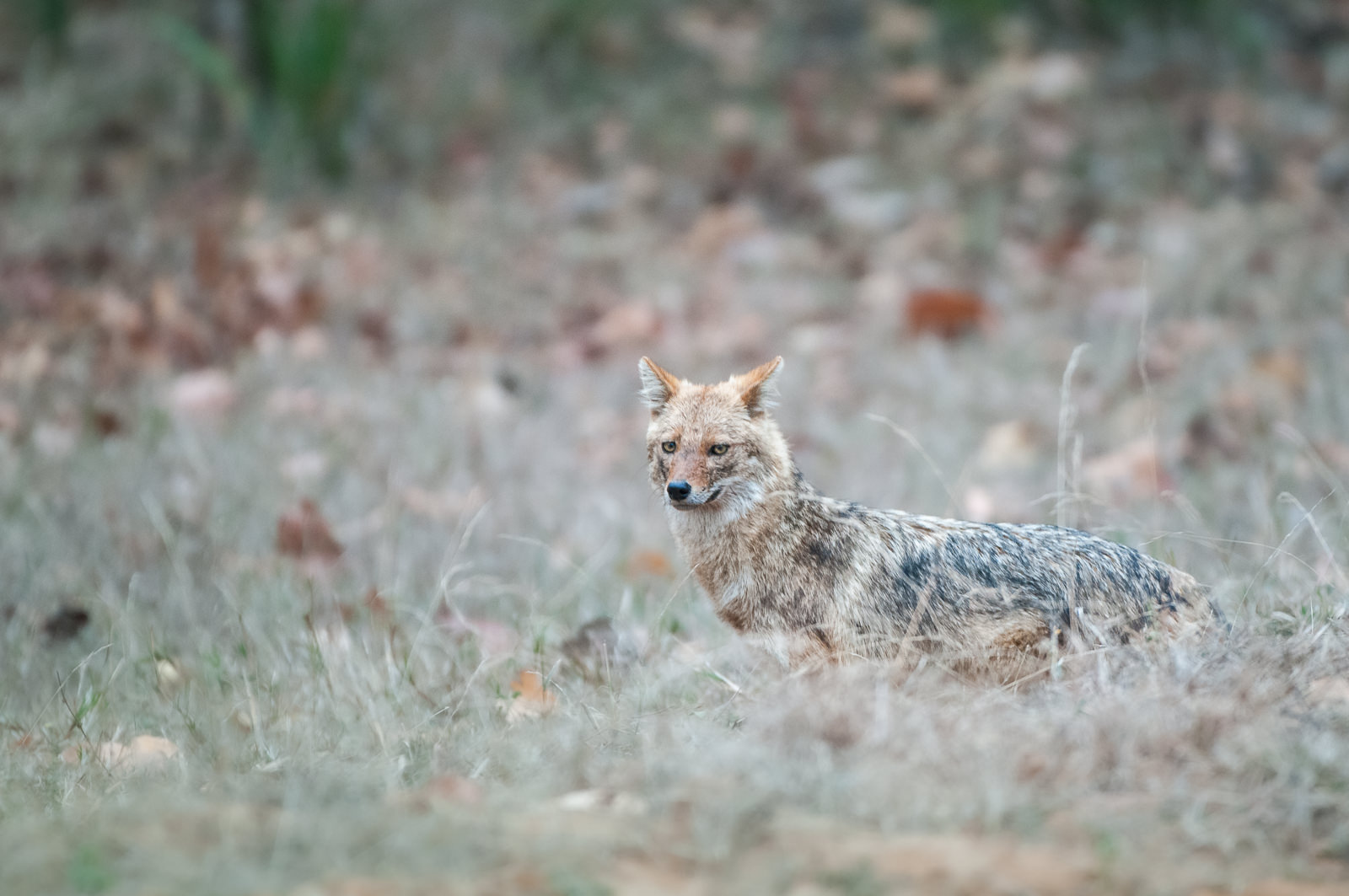 Golden jackals are highly adaptable predators and scavengers, thriving in habitats ranging from grasslands and forests to agricultural areas. In places like Bandhavgarh in central India, they often patrol the edges of larger predators’ territories, taking advantage of opportunities while relying on their intelligence and senses to stay out of trouble. Nikon D300 with Nikkor 200-400mm lens (at 400mm) ISO 800, f/4 at 1/500th of a second.