Always a bonus to capture wild mothers with their babies. Here are a few from around the globe:
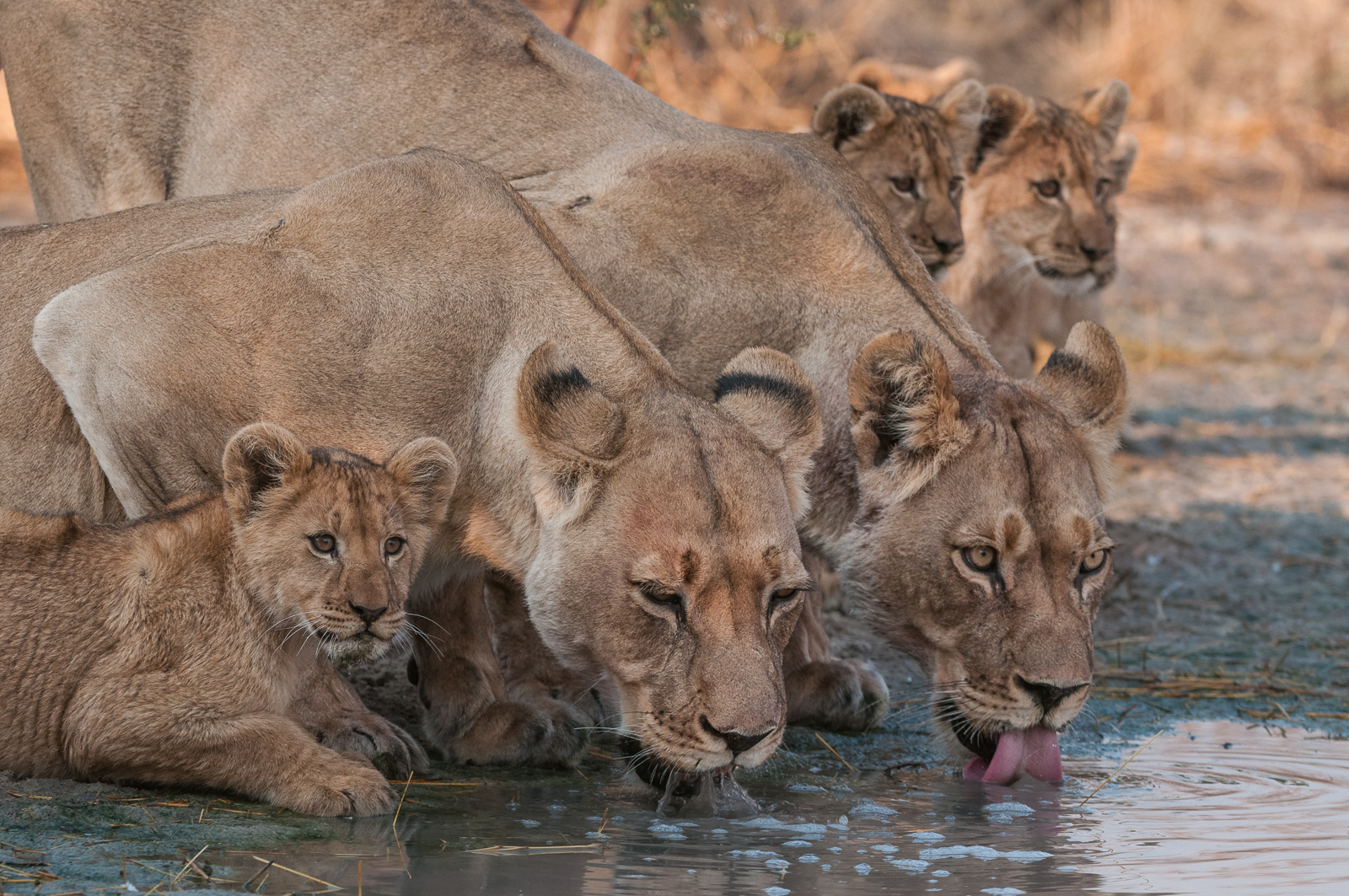
Lion mothers with their cubs, Botswana (Nikon D300 with Nikkor 200-400mm lens at 240mm, ISO 400, f/5.6 at 1/400th of a second).
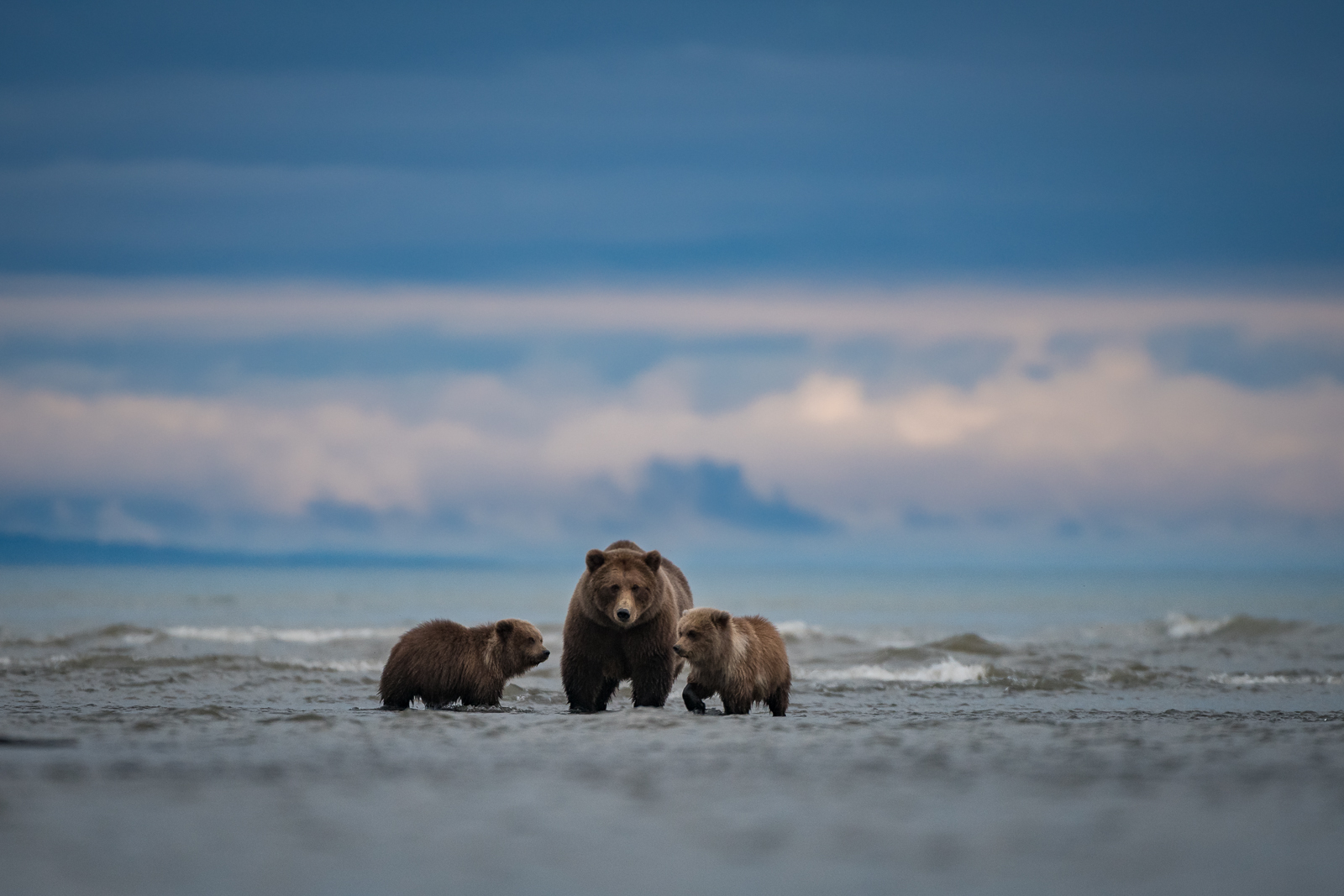
Coastal brown bear and cubs, Alaska (Nikon D500 with Nikkor 200-400mm lens at 400mm, ISO 800, f/4 at 1/2000th of a second).
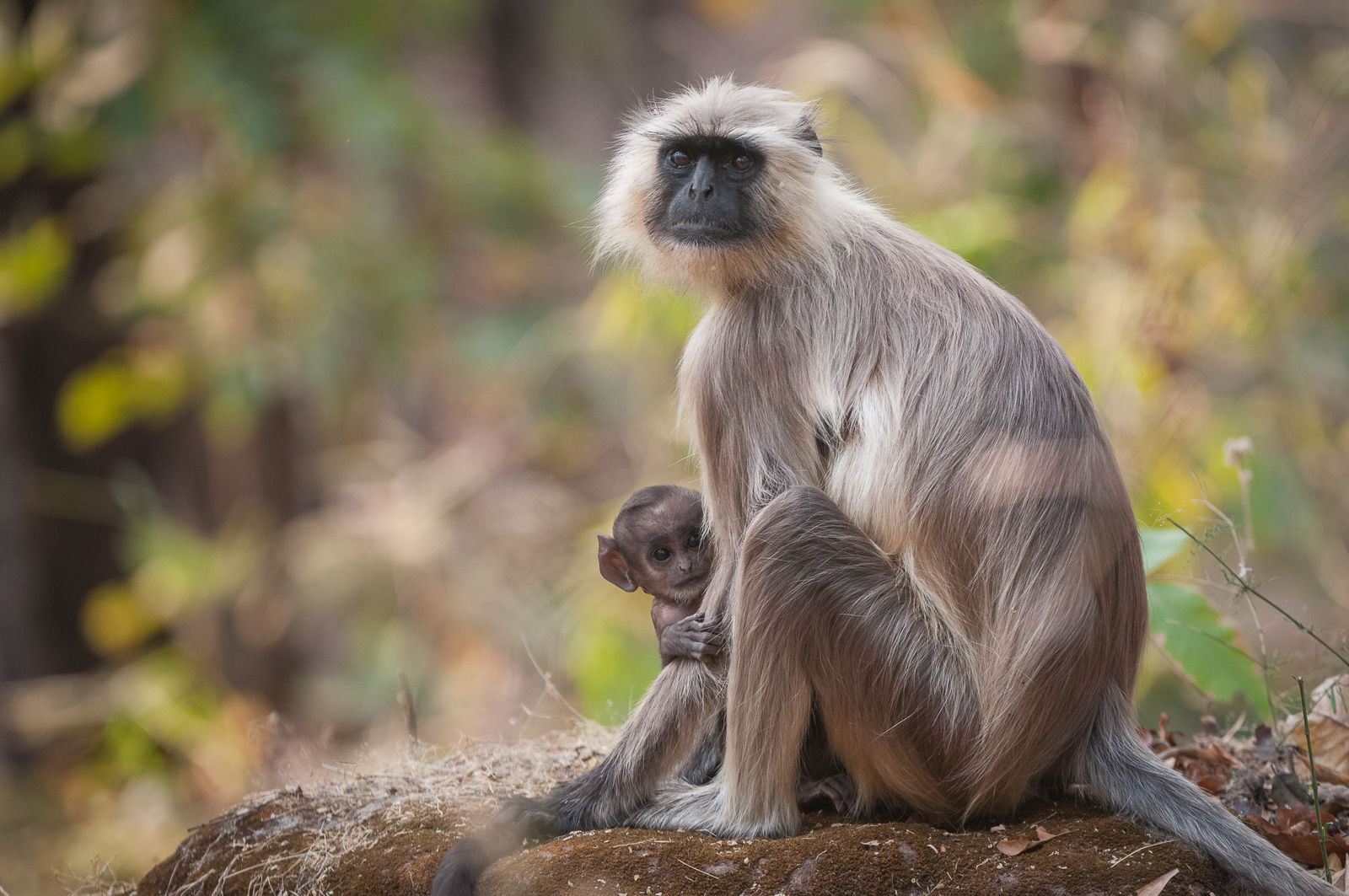
Hanuman langur mother with baby, India (Nikon D300 with Nikkor 200-400mm lens at 350mm, ISO 800, f/4 at 1/400th of a second).
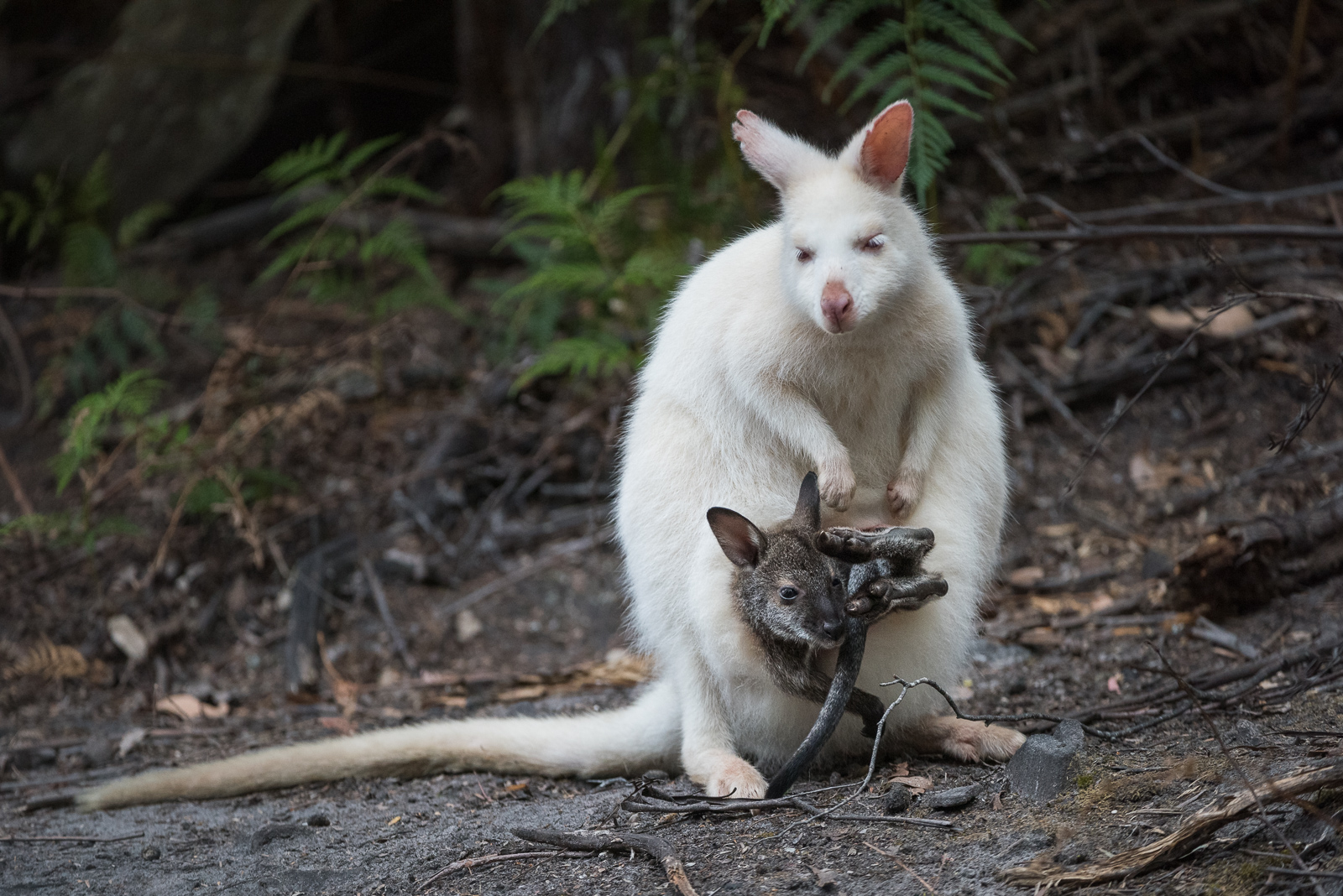
And Bennett’s wallaby mom with her joey, Tasmania (Nikon D810 with Nikkor 200-400mm lens at 340mm, ISO 1600, f/4.5 at 1/1000th of a second).
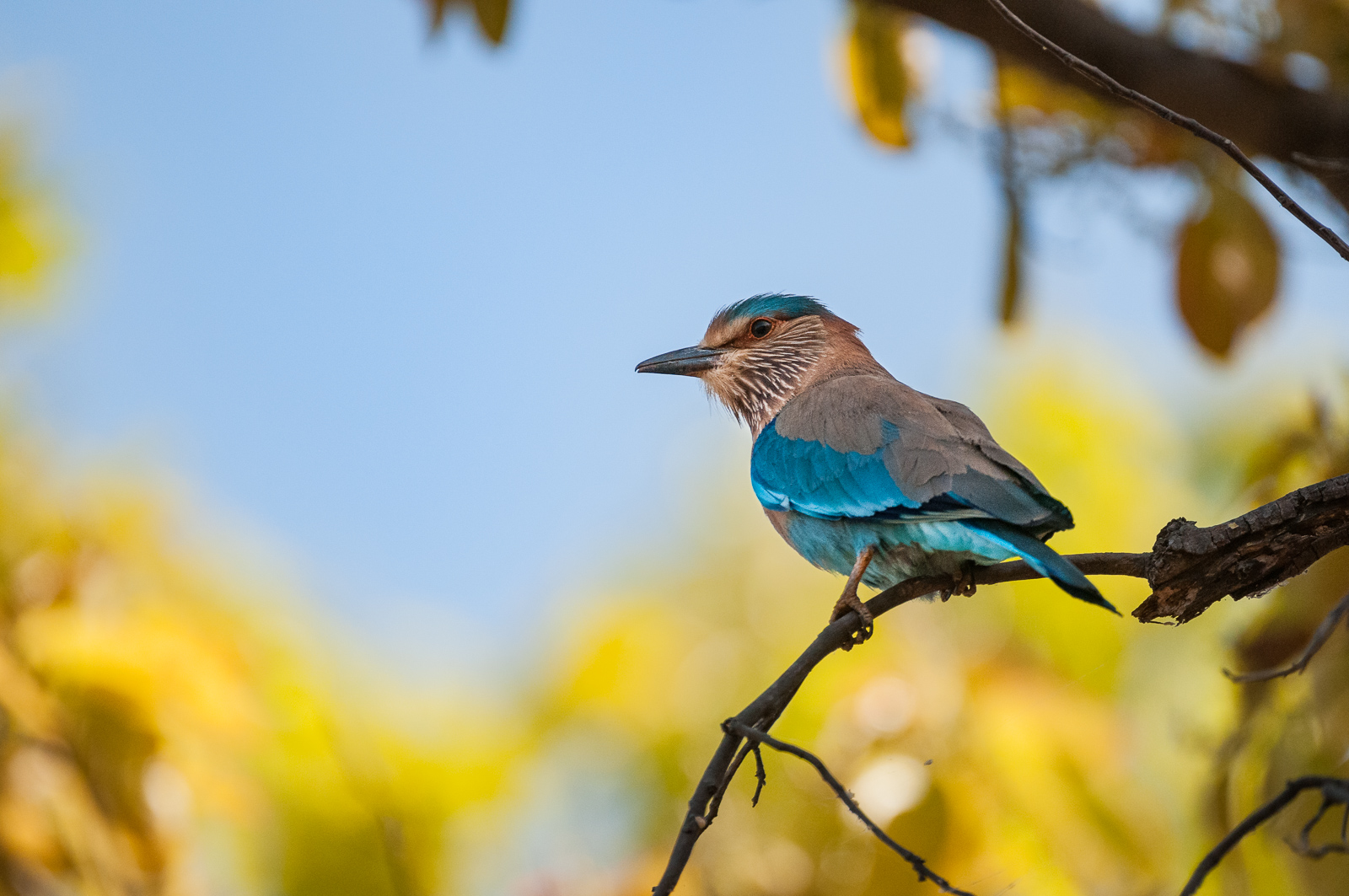
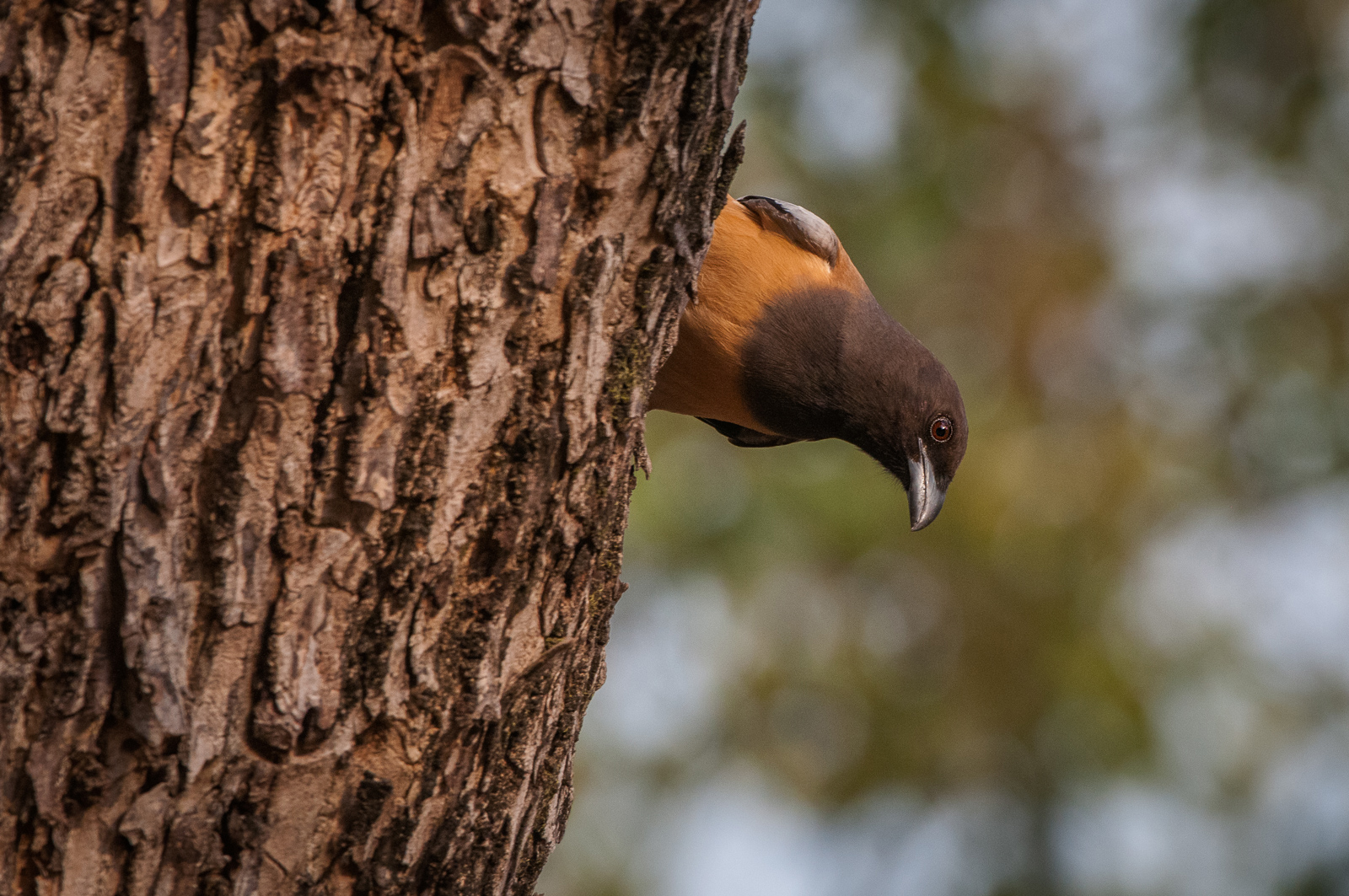
The Indian roller looks a lot like the lilac-breasted roller that occurs in Africa. The Indian roller, of course, occurs in India (as well as other parts of Asia and the Middle East). I saw this one in Bandhavgarh National Park while searching for tigers on my central India tour a few years back. Nikon D300 with Nikkor 200-400mm lens (at 400mm) ISO 800, f/4 at 1/2000th of a second.
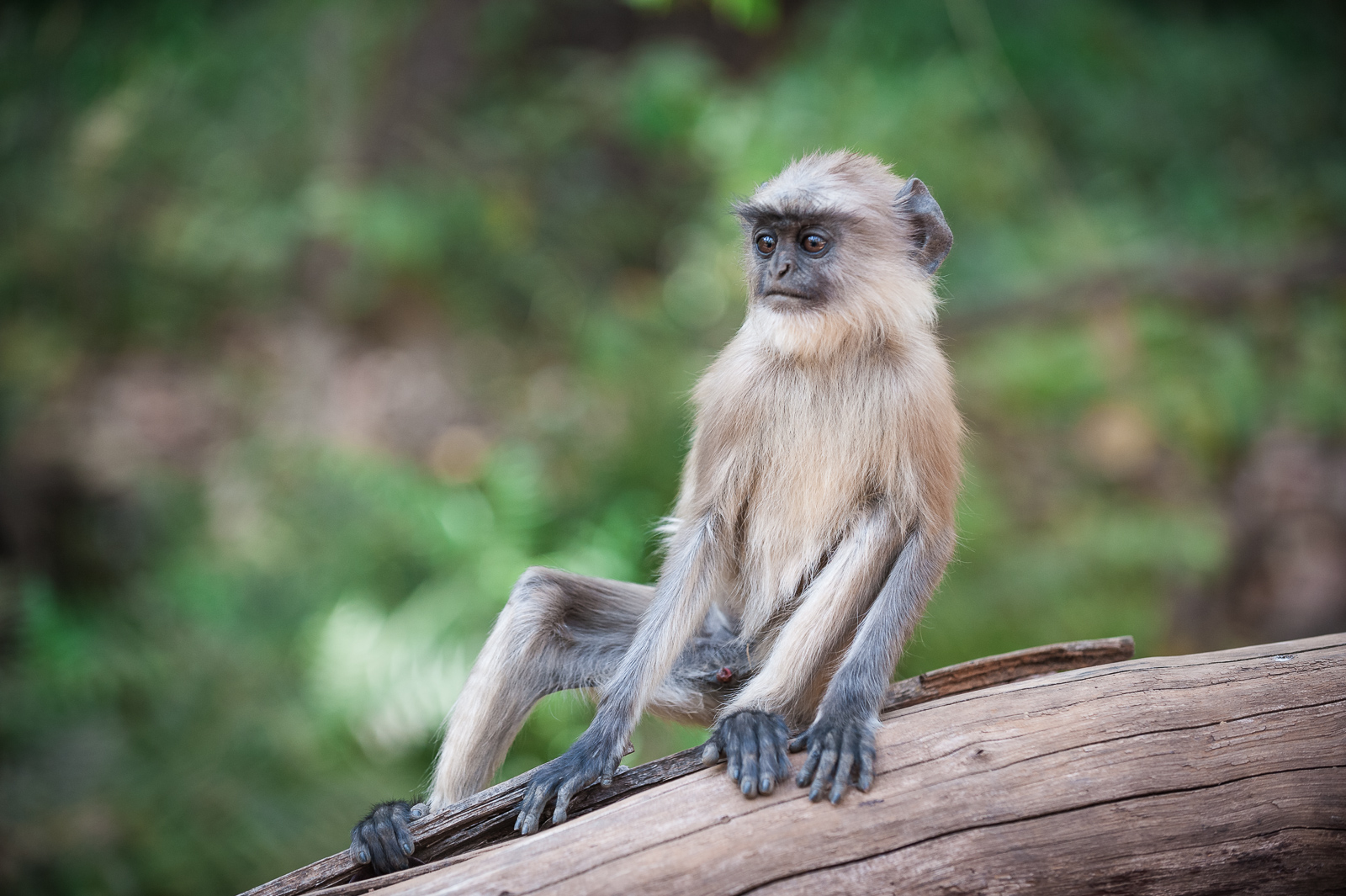
This young monkey is a Hanuman langur. They were very common while on safari in India. It was interesting the way they hung out and worked together with the spotted deer to alert each other of any lurking tigers. The langurs would keep watch from high in the trees while the deer would use their senses on the ground. If either heard or saw danger, they would sound the alarm. This particular langur, however, seemed very relaxed and was taking a rest from play (never staying too far from mom). Nikon D700 with Nikkor 70-200mm lens (at 116mm) ISO 800, f/3.2 at 1/500th of a second.
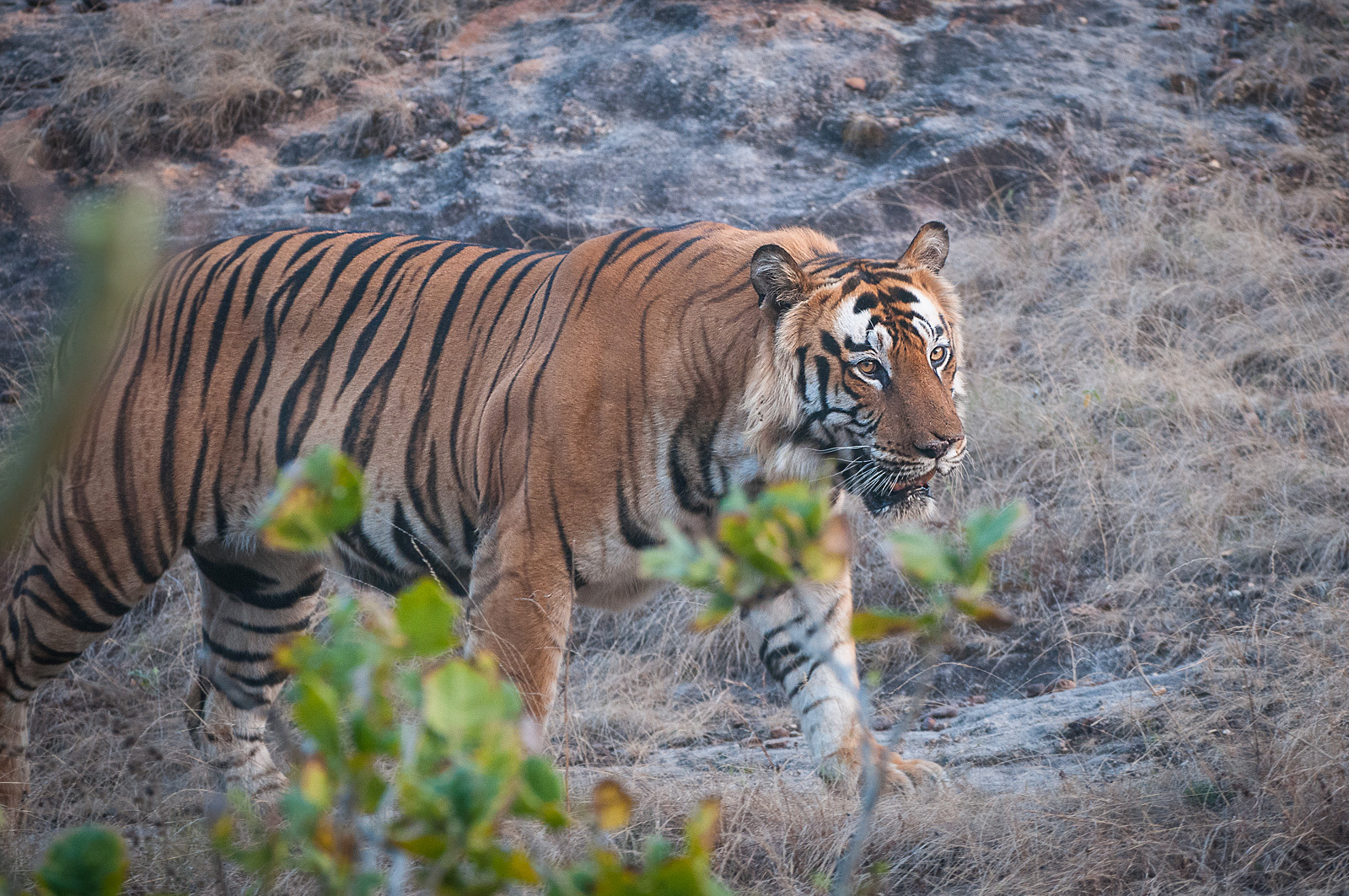
I caught this tiger as he was just emerging from the forest. The foreground foliage is a bit distracting to the image, but thought I’d share anyway as it also frames him to a certain extent. He was a very big boy and had enormous arms. Nikon D300 with Nikkor 200-400mm lens (at 290mm) ISO 800, f/4 at 1/250th of a second.
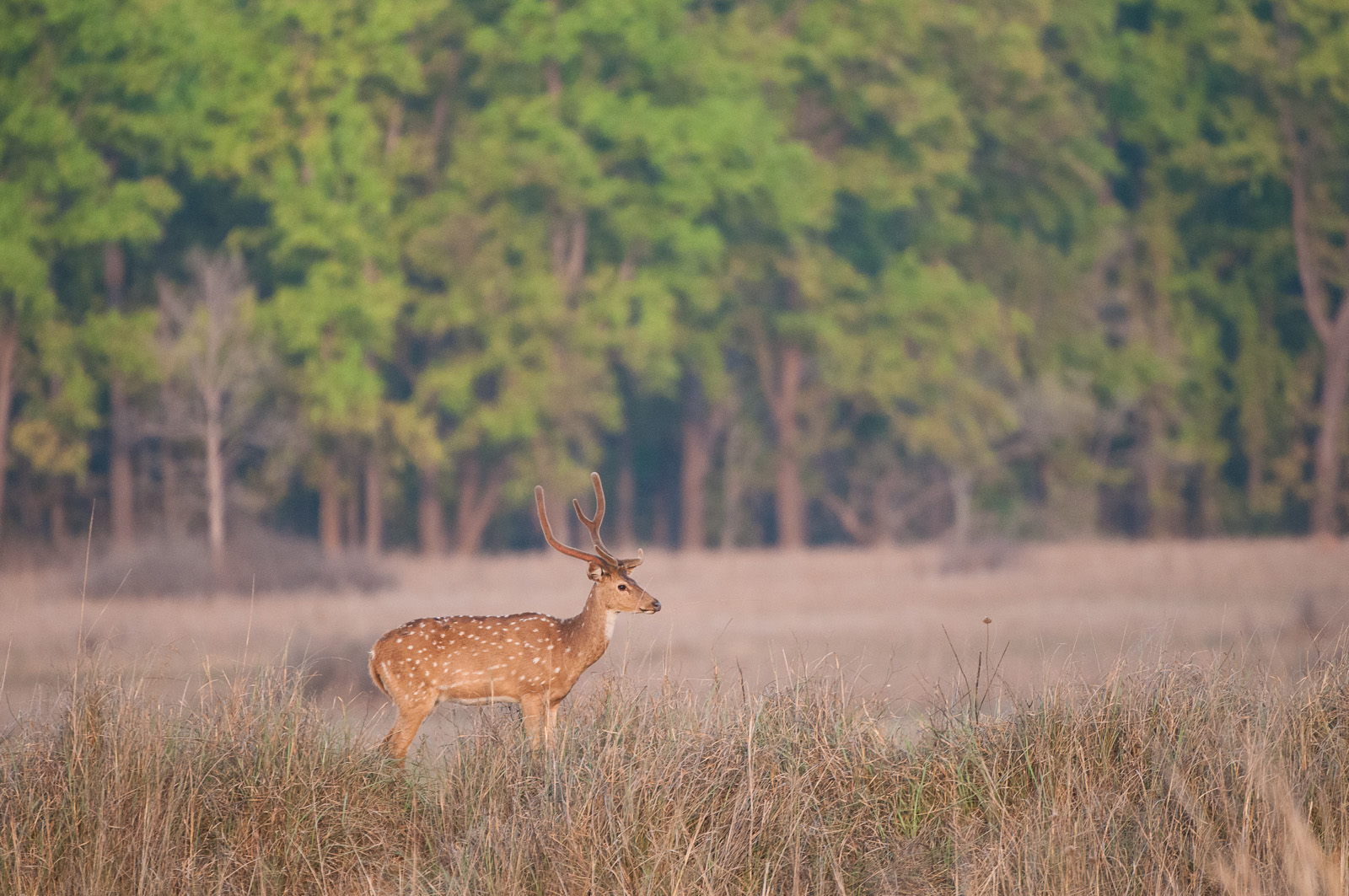
The chital, also known as the spotted deer, is native to the Indian subcontinent. They were quite common in the two national parks that I visited in India and kept me quite occupied while waiting for tigers to show up. They look a bit like our white tailed deer if the young were never to lose their spots. This male chital was posing in the late day light in Kanha National Park. Nikon D300 with Nikkor 200-400mm lens (at 400mm) ISO 800, f/4 at 1/500th of a second.
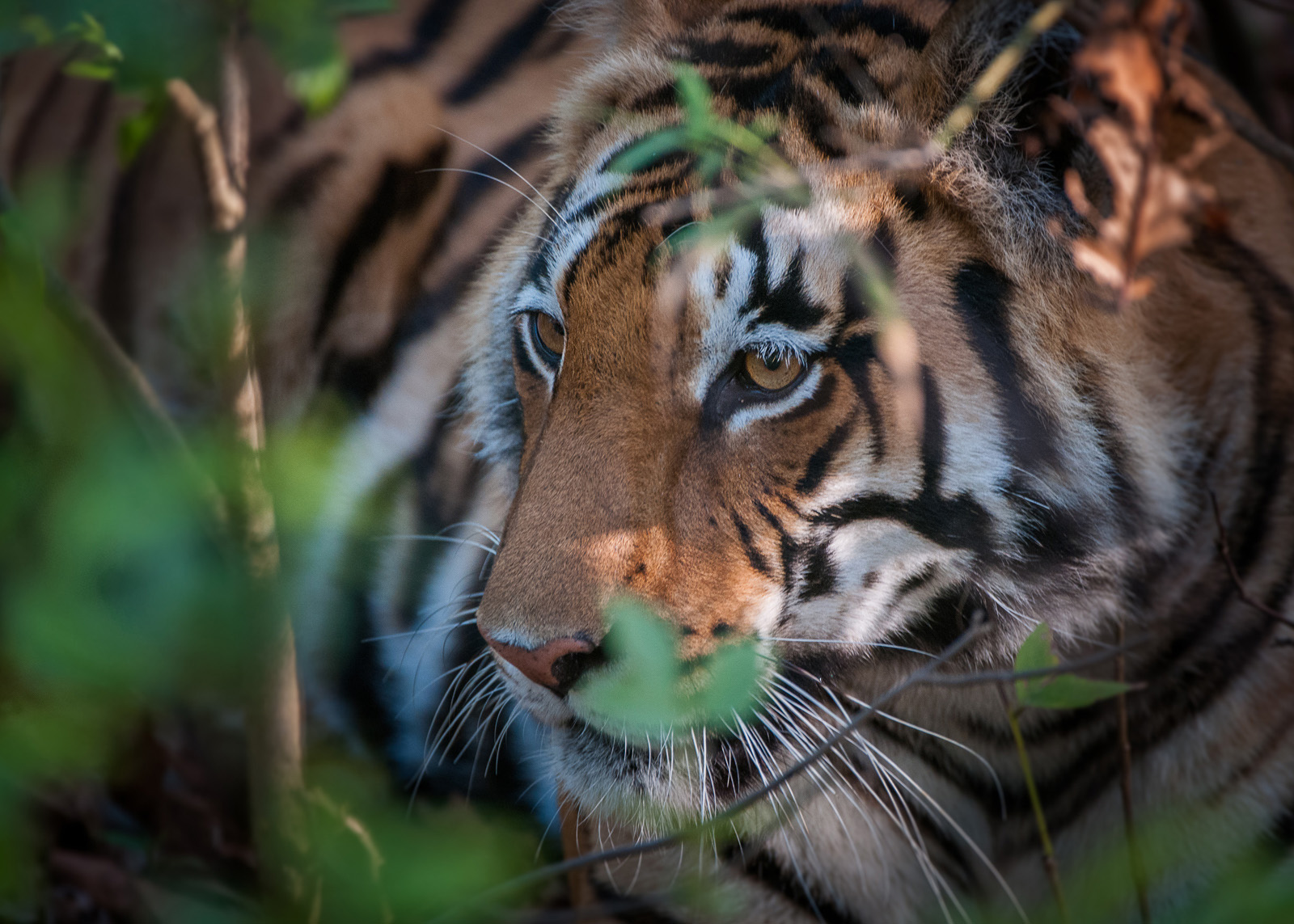
I only saw one tiger in Kanha National Park in India and it was rather difficult getting a clear view through the thick vegetation. I was able to get pretty close, however, (with the help of an elephant) and grabbed a few close ups of the face when the tiger turned toward camera. Nikon D300 with Nikkor 200-400mm lens (at 400mm) ISO 800, f/4 at 1/200th of a second
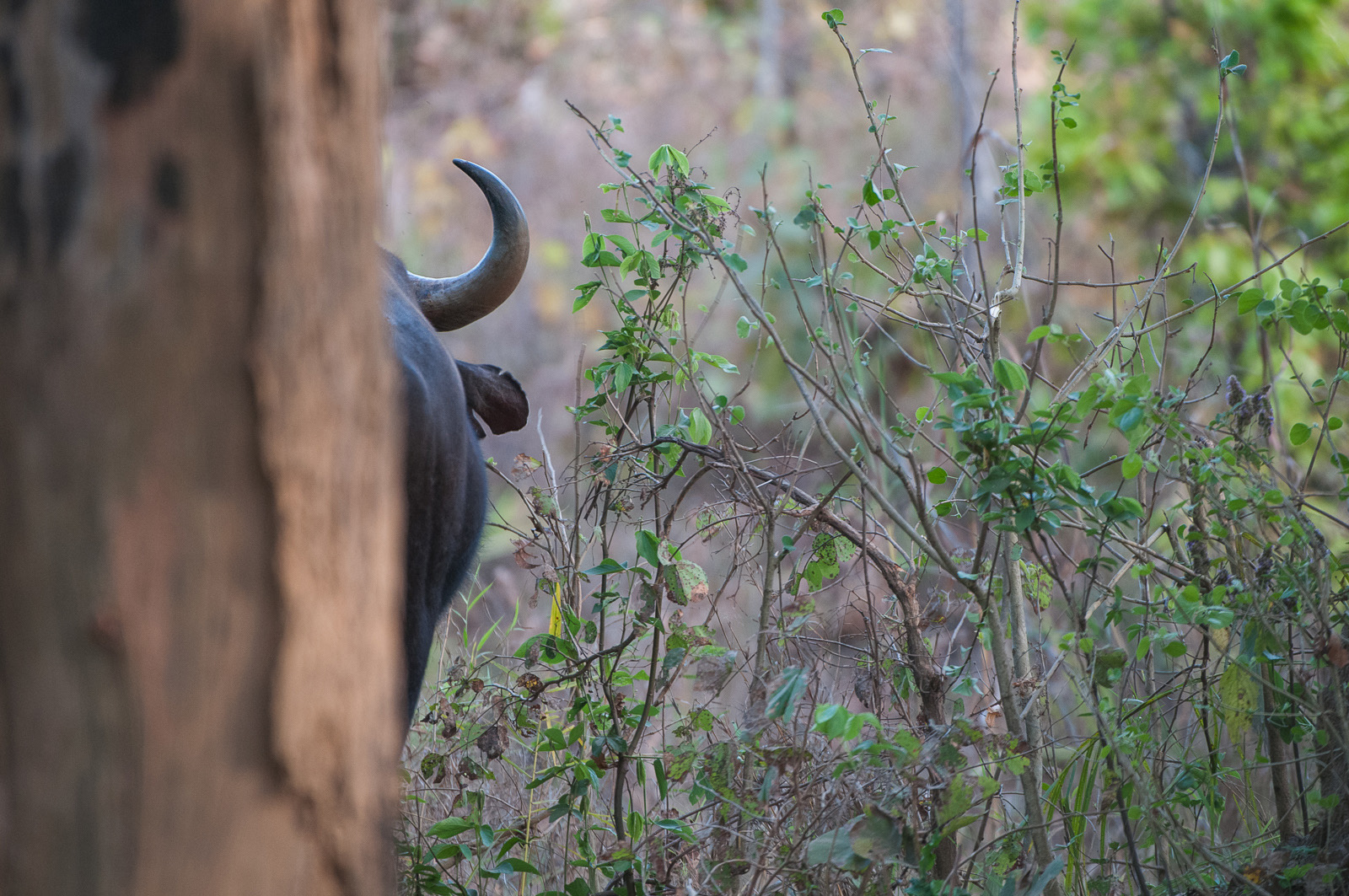
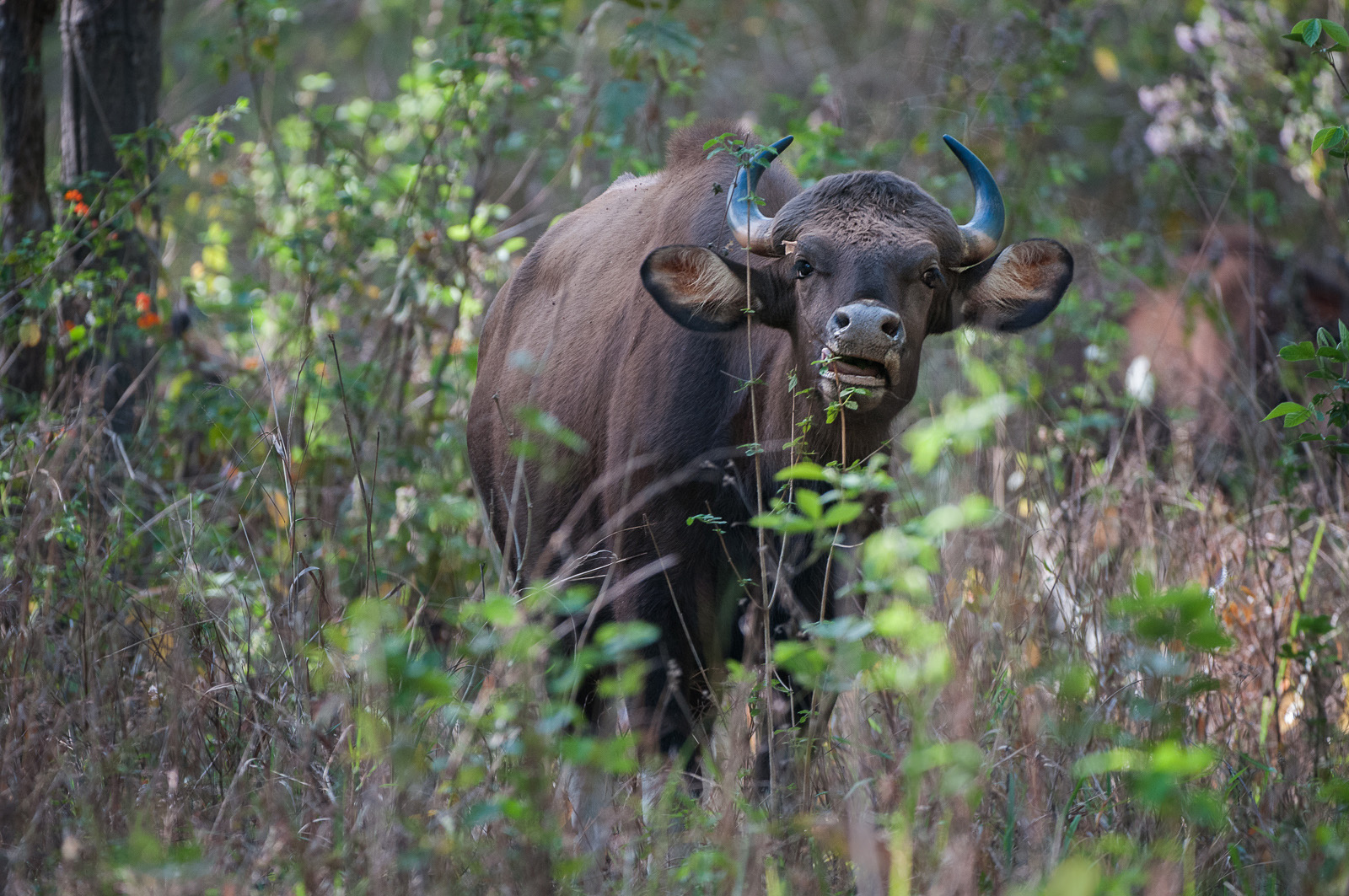
The gaur is the largest bovine native to Southeast Asia. It is also appropriately known as the Indian bison. I photographed these two in Kanha National Park in India. I liked the view from behind, but thought I’d show a front view as well. The top photo is an older, more mature male, while the bottom photo is a younger individual. Top Photo: Nikon D300 with Nikkor 200-400mm lens (at 400mm) ISO 800, f/4 at 1/160th of a second
Bottom Photo: Nikon D300 with Nikkor 200-400mm lens (at 330mm) ISO 800, f/4 at 1/400th of a second
The treepie might not be the most colorful bird in India, but it is one of the most fearless. Or so the story goes. They share the same forest habitat as the Bengal tiger and are sometimes called the tiger bird or the tiger’s toothpick because they have been known to pick meat from the teeth of a resting tiger. Nikon D300 with Nikkor 200-400mm lens (at 400mm) ISO 800, f/7.1 at 1/400th of a second
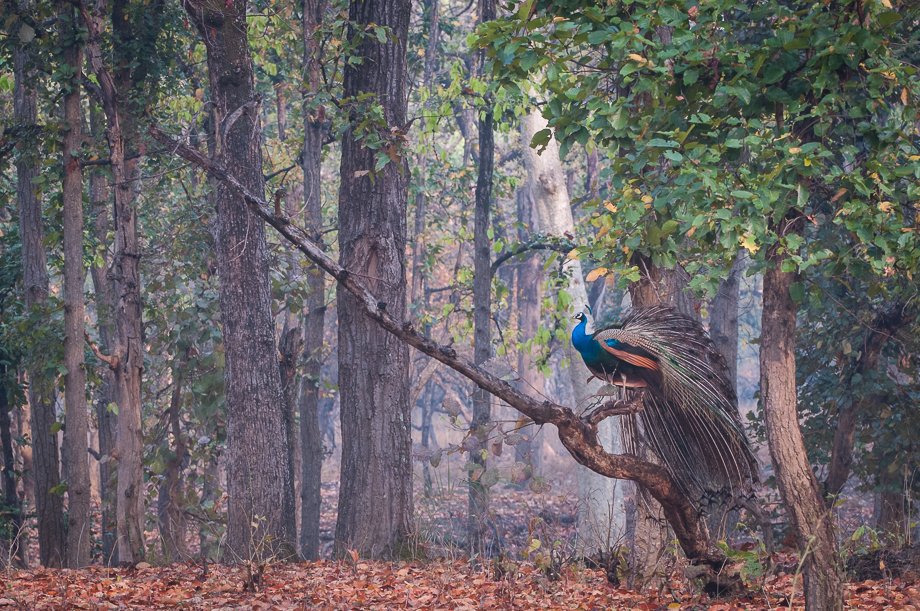
Peacocks can be pretty striking when you see them in their natural habitat — in this case, on a raised perch in a hardwood forest in India’s Bandhavgarh National Park. The Indian, or blue peacock as it is also known, is the species that we most commonly see running wild in zoos. You get so used to seeing them this way that you almost forget that they actually come from somewhere where they live in the wild. Nikon D300 with Nikkor 200-400mm lens (at 200mm) ISO 800, f/7.1 at 1/125th of a second
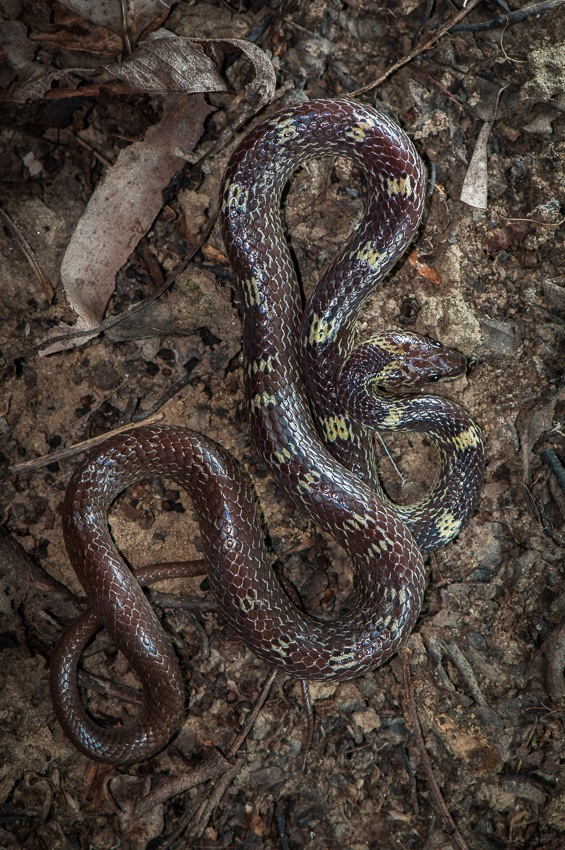
The wolf snake is a very small snake that lives in India and other areas of southeast Asia. It is primarily nocturnal, and I found this one near our camp, shortly after eating dinner one night in India’s Kanha National Park. It is a non-venomous snake, but will bite if threatened. It gets its name from a set of rather large front teeth that resemble those of a canine. It uses those teeth to prey on lizards, frogs, geckos and other local delicacies. Being so small, I was able to photograph this wolf snake from directly overhead using my 105mm macro lens and a couple of flash units. Nikon D300 with Nikkor 105mm lens, ISO 500, f/8 at 1/60th of a second, two Nikon SB-900 flash units on a RRS bracket
We use cookies to enhance your experience while using our website. If you are using our Services via a browser you can restrict, block or remove cookies through your web browser settings. We also use content and scripts from third parties that may use tracking technologies. You can selectively provide your consent below to allow such third party embeds. For complete information about the cookies we use, data we collect and how we process them, please check our Privacy Policy

 Always a bonus to capture wild mothers with their babies. Here are a few from around the globe: