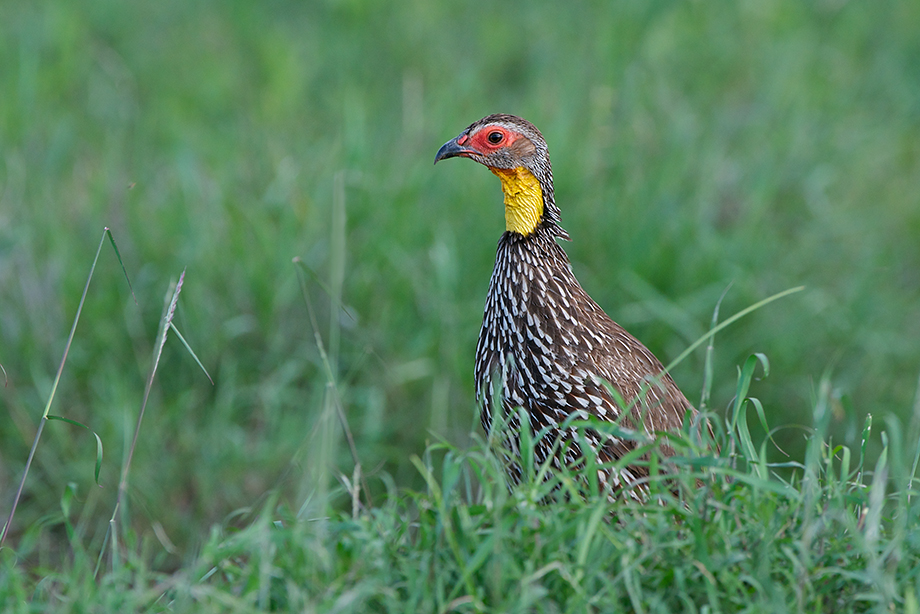
There are always plenty of ground birds around while on safari in Africa. Most get overlooked thanks to all the amazing large mammals diverting everyone’s attention. Among the many such birds we saw in Kenya were these yellow necked francolins, or as they’re otherwise known, spurfowl. Francolins are often referred to as African roadrunners as they always seem to be scurrying along in front of safari vehicles. I was able to catch this guy off to the side, resting in the green grass, creating a nice contrast to the red and yellow of the head. Nikon D300 with Nikkor 200-400mm lens (at 400mm) ISO 400, f/5.6 at 1/320th of a second
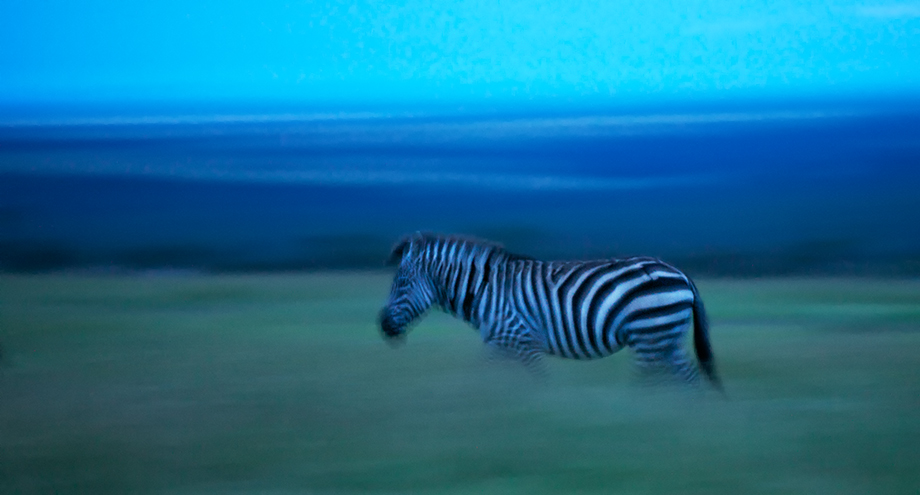
Once the sun is down, I still like to get pictures in the blue light of early evening. Slow shutter speeds are a given at this time of day, which is why I often pan along with animals for a nice motion blurred effect. Thus was the case with this zebra, trotting along the plains in Laikipia, Kenya. Nikon D700 with Nikkor 70-200mm lens (at 200mm) ISO 1600, f/2.8 at .6 seconds
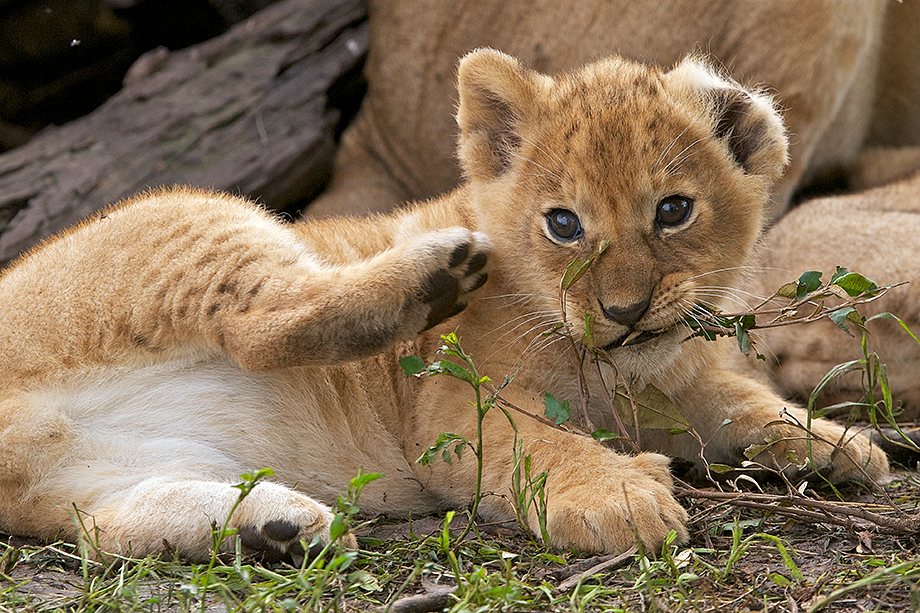
It seemed about time for another lion cub post. Here’s one from the Masai Mara in Kenya. This little guy was one of six cubs in the pride and appeared to be the smallest of the bunch. Nikon D300 with Nikkor 200-400mm lens (at 310mm) ISO 800, f/6.3 at 1/320th of a second
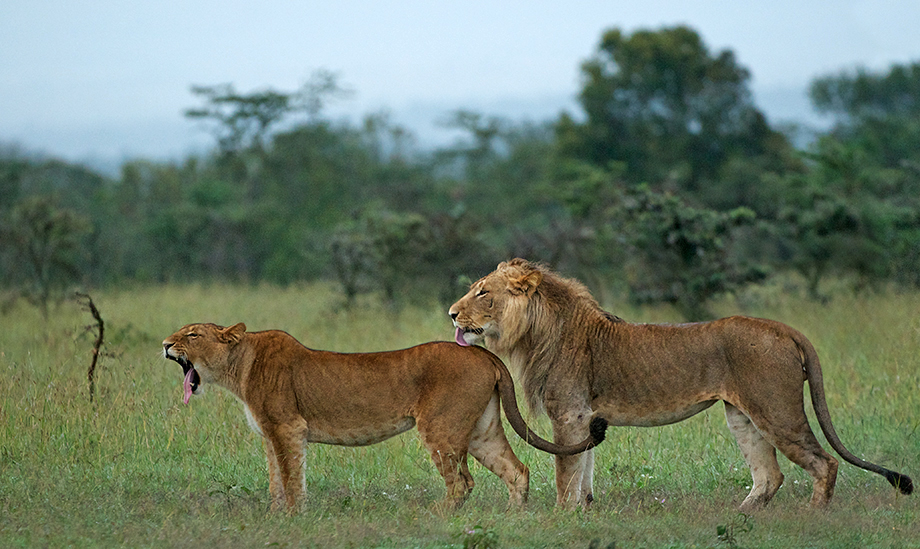
These two lions were quite young. The male had just started to grow his mane. It was very early on a misty morning in Kenya and they were engaged in a bit of foreplay before an attempt at mating. From what I could tell, it was just that — a half-hearted attempt before they both settled back down into the grass. Nikon D300 with Nikkor 200-400mm lens (at 330mm) ISO 1600, f/4 at 1/80th of a second
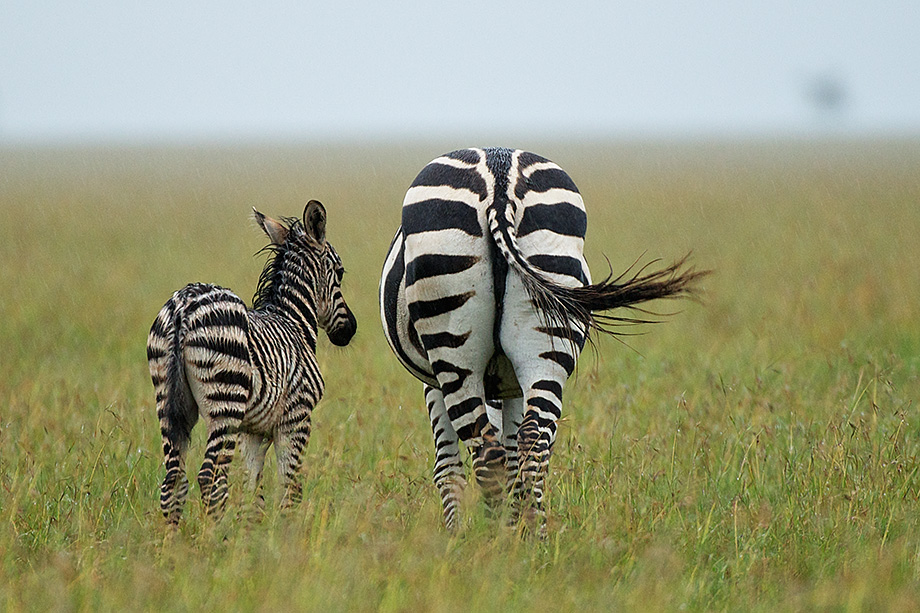
This mother and baby zebra were grazing out on the plains of Kenya despite the pouring rain. We were in a place called Laikipia, which used to be a series of cattle ranches, but has since been reclaimed by the native wildlife. It goes out to my five-year-old friend Sophie who told me today that zebras are her favorite animal, narrowly beating out owls. Nikon D300 with Nikkor 200-400mm lens (at 400mm) ISO 800, f/4 at 1/320th of a second
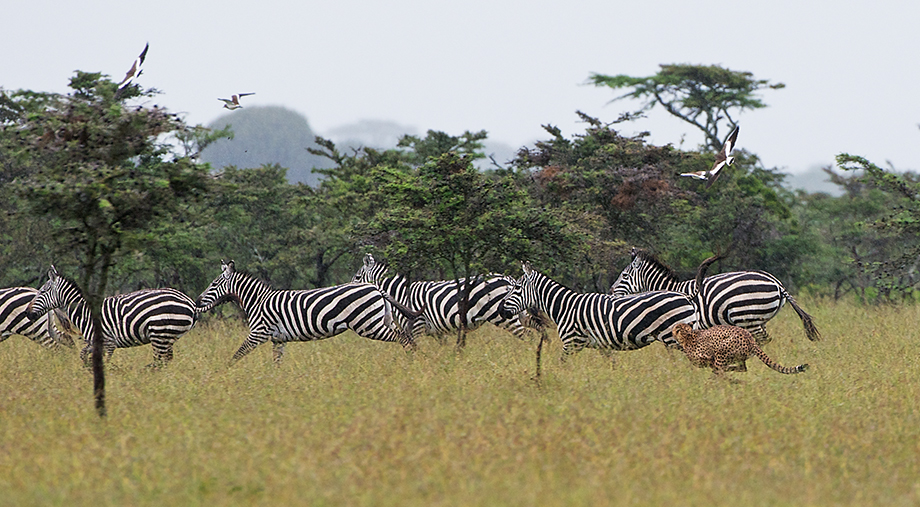
When three cheetah brothers gave chase on this herd of zebras, Karen couldn’t look because she felt so bad for the zebras. When the chase failed, she immediately felt bad for the three cheetahs, who missed out on their meal. Thus is life on the plains of Kenya. Nikon D300 with Nikkor 200-400mm lens (at 400mm) ISO 400, f/5 at 1/500th of a second
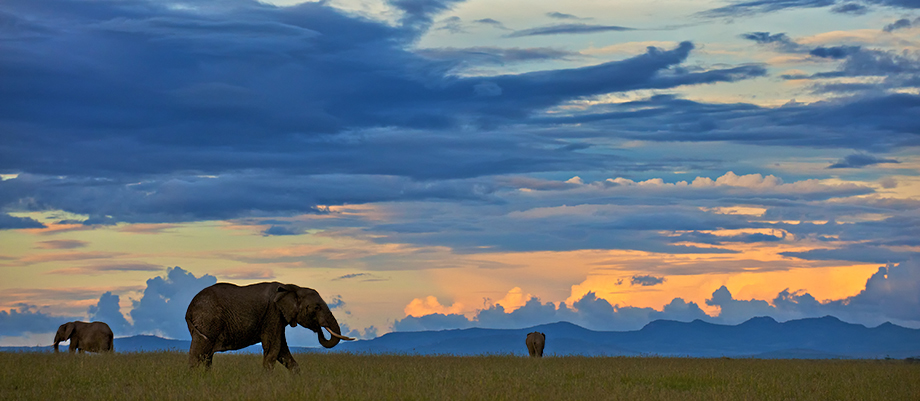
When people ask me about the best time to visit Africa, I always recommend the short rainy season in November — because you get skies like this. Most tour companies recommend visiting in the dry season because animals become more visible as they congregate around water holes. This is true to a certain extent, but you also have to deal with dry, dusty conditions, and a less than ideal landscape. In November the hills are lush and green and the true beauty of Africa is revealed. Nikon D700 with Nikkor 70-200mm lens (at 140mm) ISO 800, f/5.6 at 1/2000th of a second
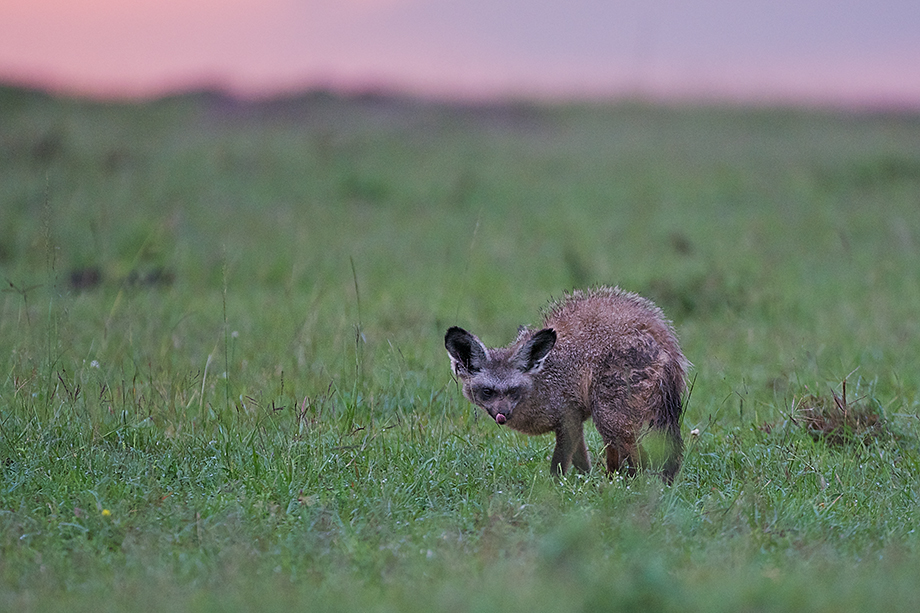
A bat-eared fox licking its chops late one afternoon on the plains of the Masai Mara in Kenya. Nikon D300 with Nikkor 200-400mm lens (at 360mm) ISO 1600, f/4 at 1/250th of a second
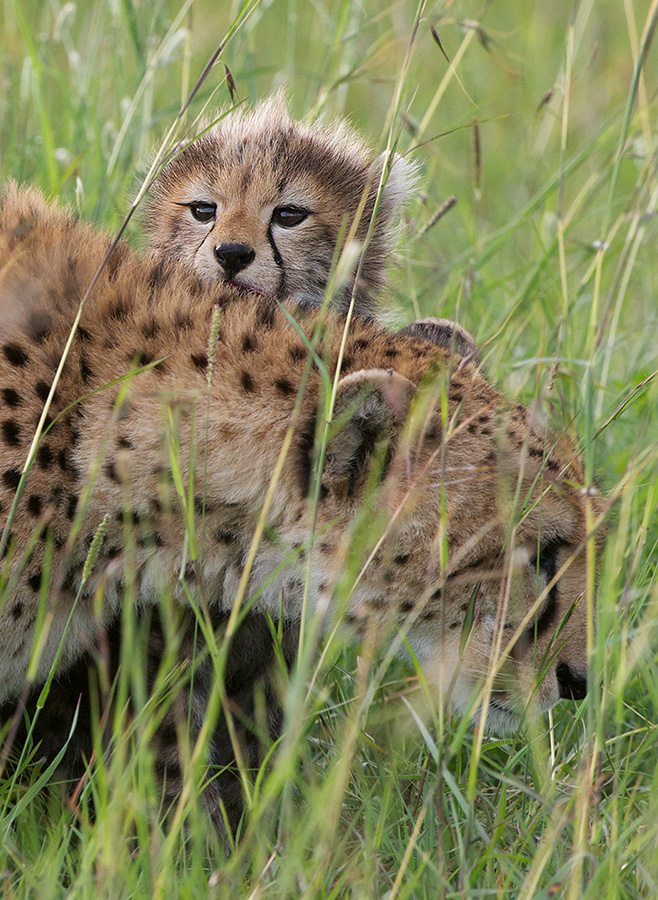
Hope everyone had a great holiday. Here’s a cheetah cub to get the week started right. There were actually two little cubs tucked behind their mom on the northern plains of the Masai Mara National Reserve in Kenya. Nikon D300 with Nikkor 200-400mm lens (at 360mm) ISO 800, f/5.6 at 1/500th of a second
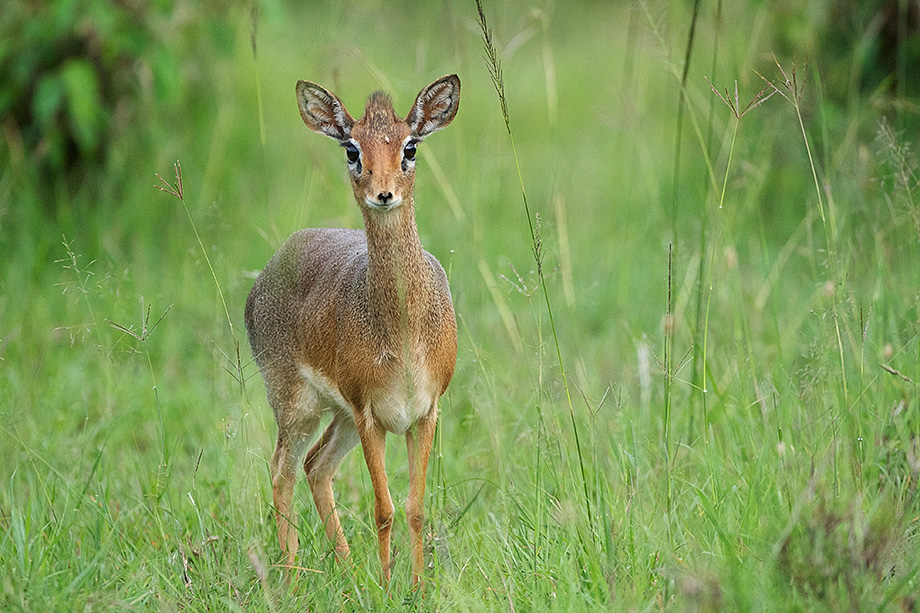
Dik Diks are the smallest antelope species in Africa. It’s hard to get a sense of just how small they really are in a photo like this because there is no frame of reference. That being said, the average height of a dik dik at the shoulder is about 13 inches. If you don’t get a clear look at one bounding through the grass, you might mistake it for a large rabbit. As to why this one was smiling at me like that, I couldn’t say. Nikon D300 with Nikkor 200-400mm lens (at 340mm) ISO 1600, f/4 at 1/160th of a second
We use cookies to enhance your experience while using our website. If you are using our Services via a browser you can restrict, block or remove cookies through your web browser settings. We also use content and scripts from third parties that may use tracking technologies. You can selectively provide your consent below to allow such third party embeds. For complete information about the cookies we use, data we collect and how we process them, please check our Privacy Policy