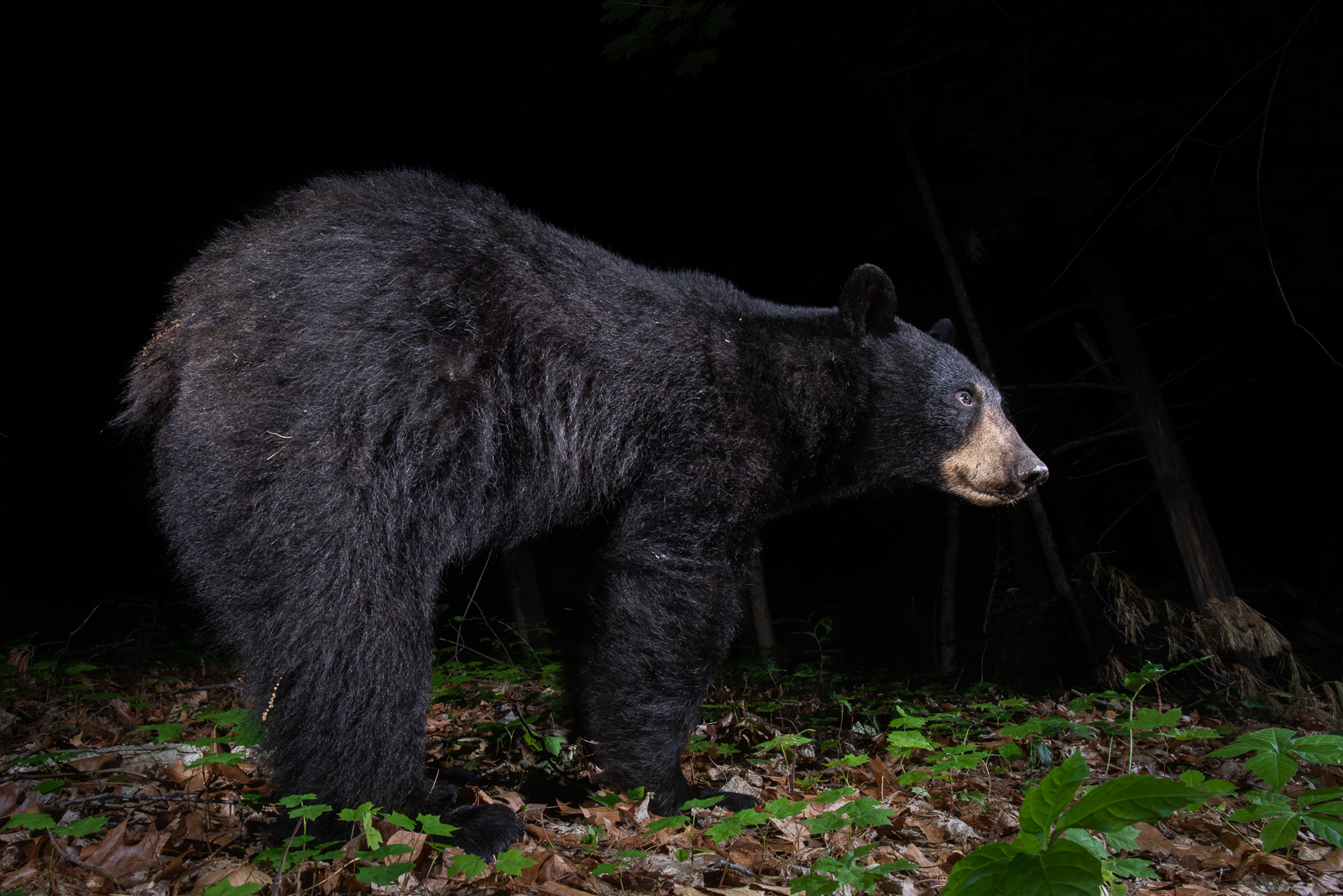
Another Black Bear
Here’s another one from the camera trap last week. Nikon D810 with Nikkor 20mm lens, ISO 500, f/14 at 1/250th of a second, Cognisys camera box, trail monitor and remote flash units.


Here’s another one from the camera trap last week. Nikon D810 with Nikkor 20mm lens, ISO 500, f/14 at 1/250th of a second, Cognisys camera box, trail monitor and remote flash units.
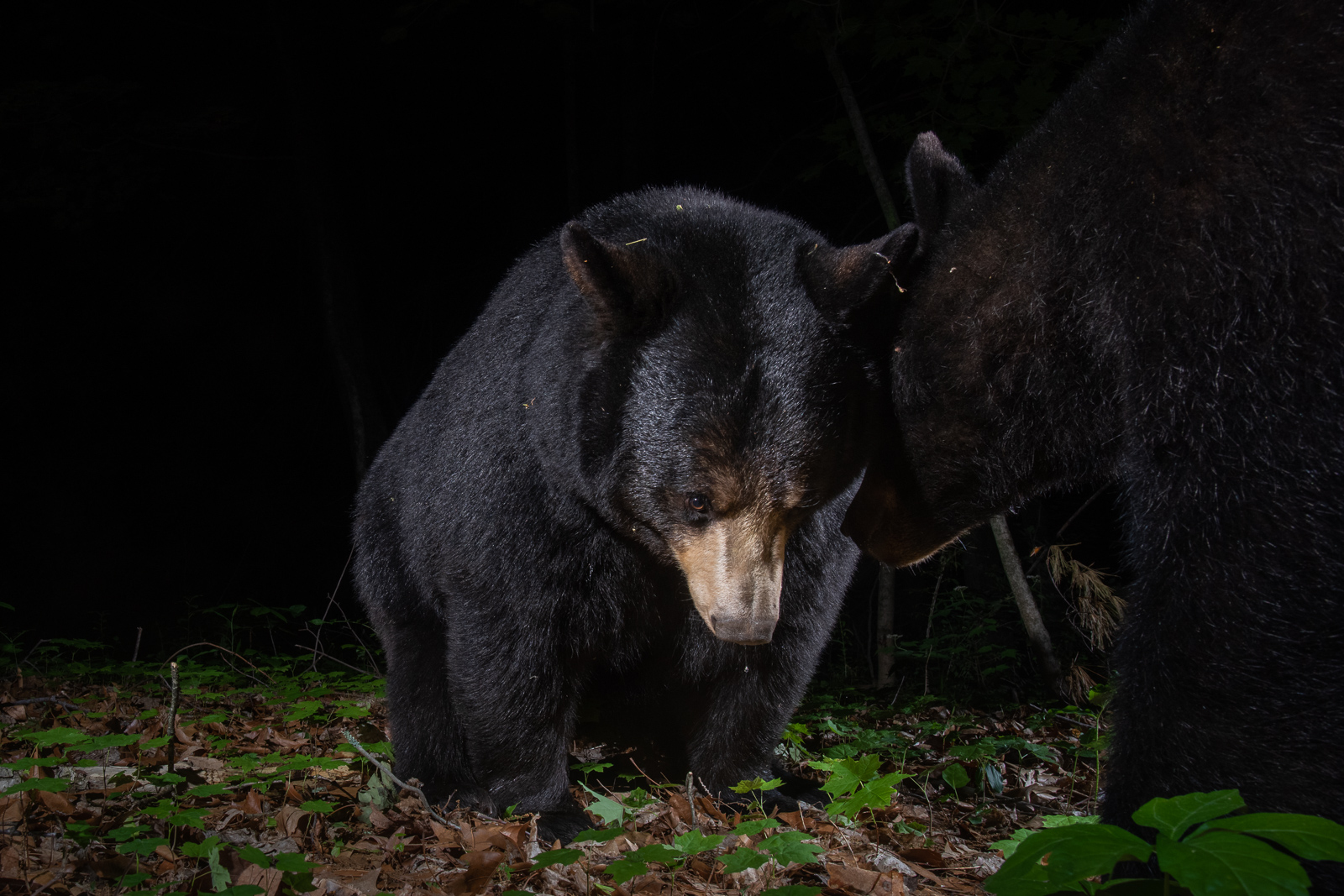
We’ve seen a few bears walking around the backyard this year but it’s been relatively quiet at the camera trap. Over the last two nights, however, a mother and her cubs have taken a few photos of themselves. In this image, the Mom enters frame to greet one of her cubs. Nikon D810 with Nikkor 20mm lens, ISO 500, f/14 at 1/250th of a second, Cognisys camera box, trail monitor and remote flash units.
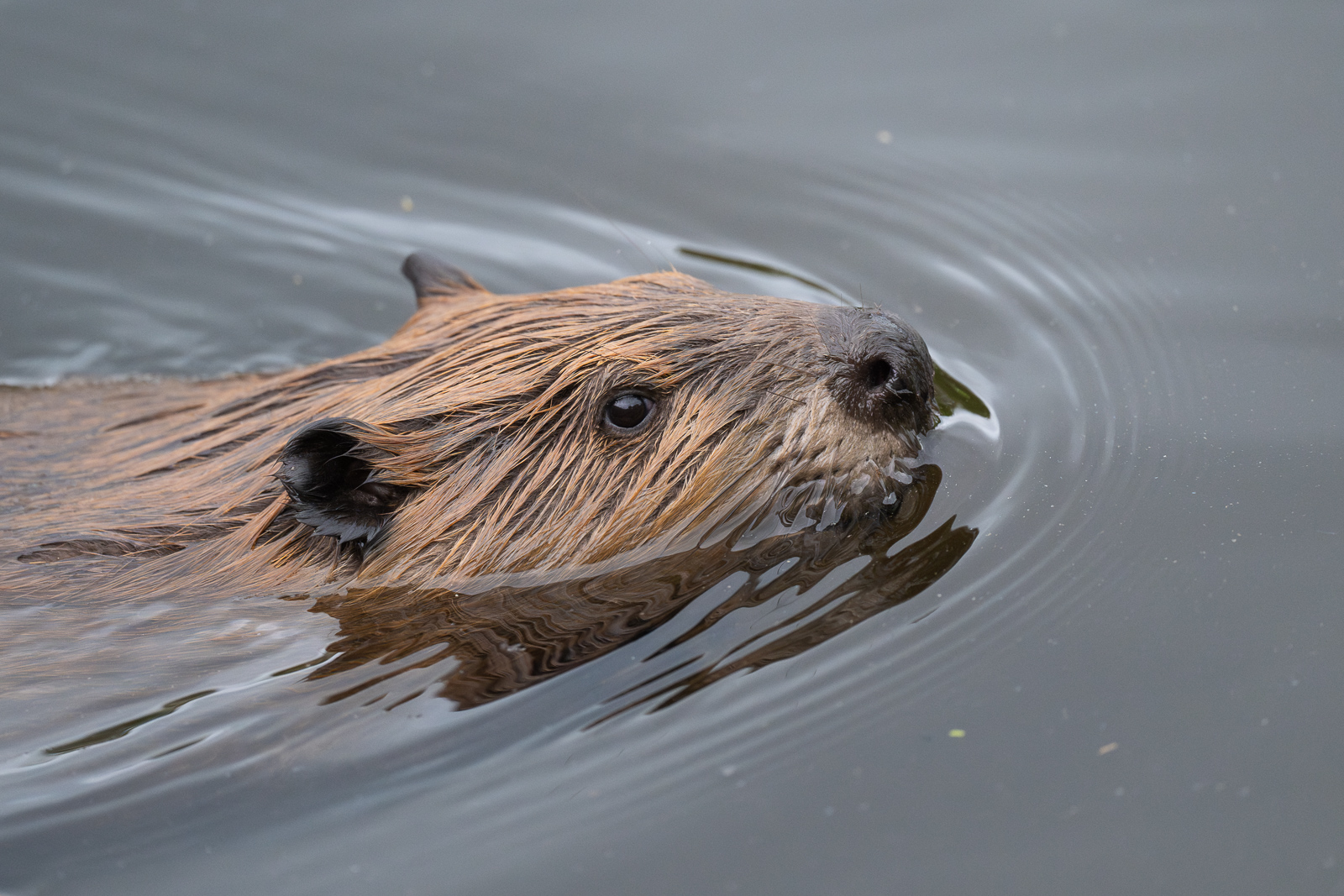
A quick break from the Amazon for something considerably closer to home. I received my new Nikon Z8 mirrorless camera recently and finally got it out for some testing. This is my first foray into the world of mirrorless. I had held out for years because I didn’t want to switch from Nikon and they hadn’t offered anything compelling enough for me to switch to the new system from what I’ve been currently using. So far I love it and can’t wait to bring it to Africa in a few weeks. To use a cliche, it really is a game changer when it comes to functionality. As for the pic, I was hoping to photograph some birds when I spotted a beaver dam out of the corner of my eye. Sure enough there were two beavers swimming around. It was late in the day and I was shooting at auto ISO. This is at ISO 5600 — much higher than I usually shoot — and the noise levels were surprisingly low and the sharpness was great. I’ll have to head back to this location and see if I can finally get some beaver photos out of the water where you can see the tail. Nikon Z8 with Nikkor 500mm PF lens, ISO 5600, f/5.6 at 1/800th of a second.
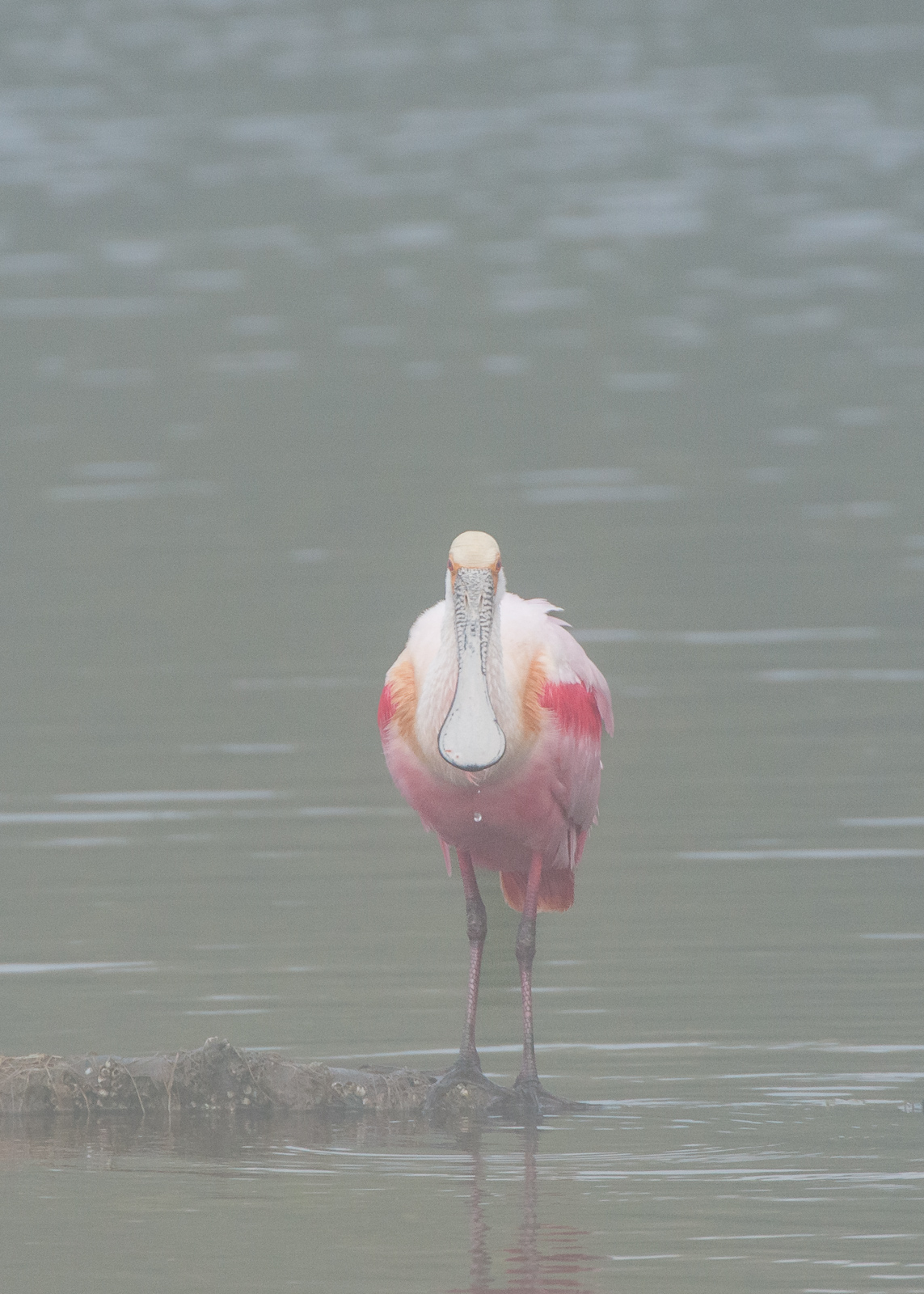
This will be the last post for a week as I head back to the Peruvian Amazon tomorrow. Last October I was there in low water season. I wanted to go back and try my luck in high water season. In the meantime, here’s a roseate spoonbill on a misty day in western Florida. Nikon D300 with Nikkor 200-400mm lens (with 1.4 TC for 550mm) ISO 400, f/6.3 at 1/400th of a second.
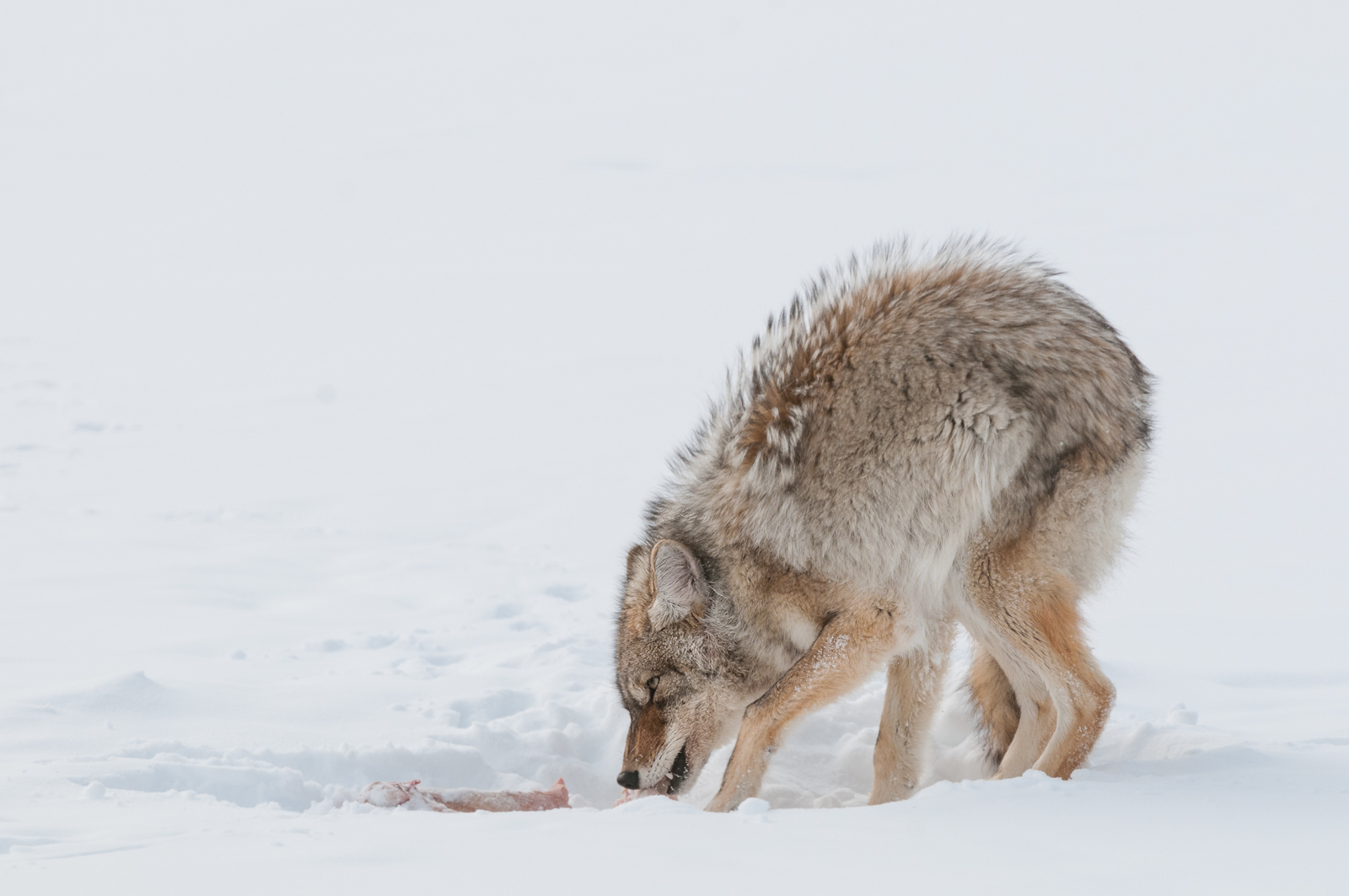
A coyote digs up a frozen carcass in the snow. I photographed this one back in 2011 in Yellowstone. Nikon D300 with Nikkor 200-400mm lens (at 400mm) ISO 400, f/7.1 at 1/640th of a second.
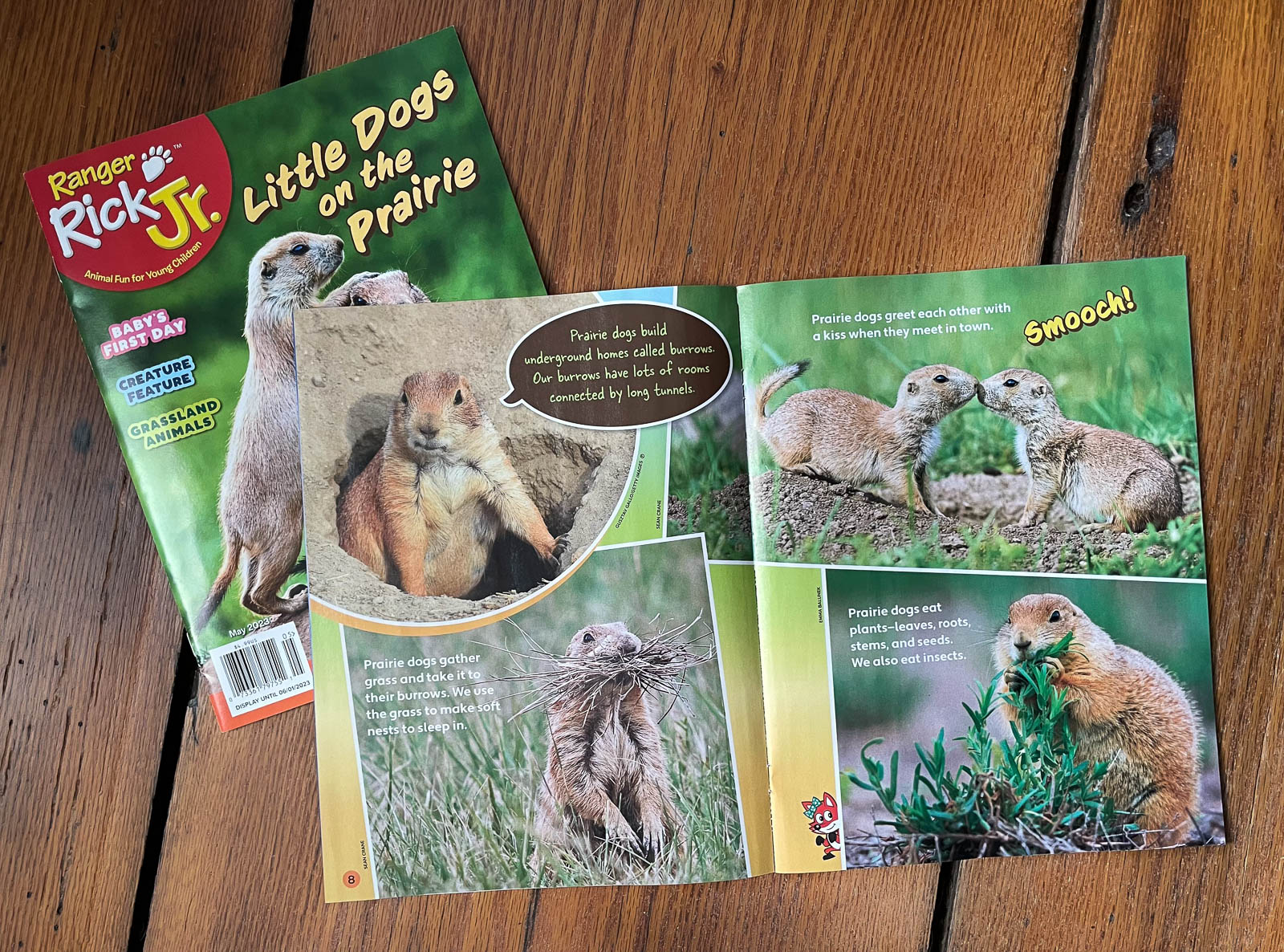
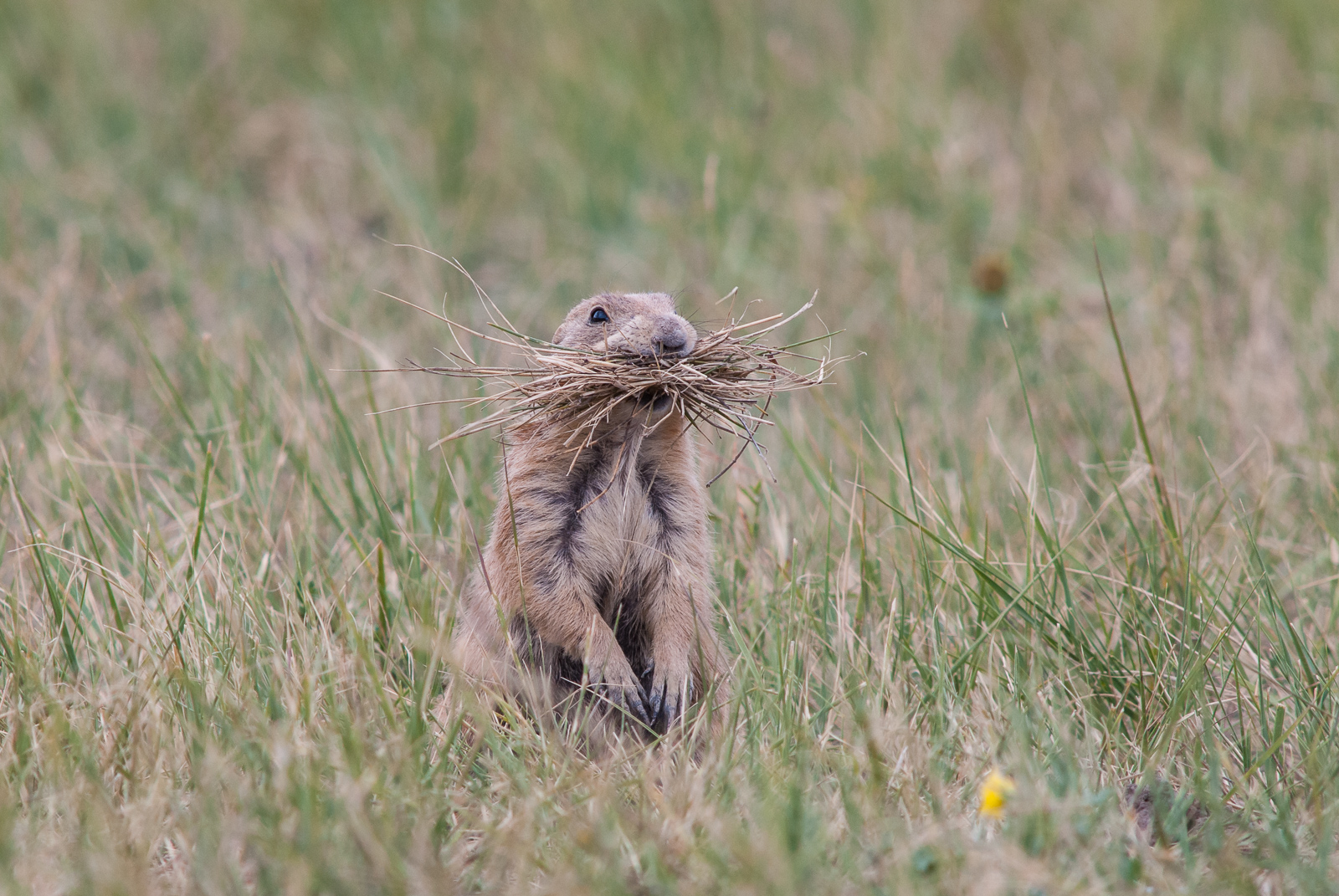
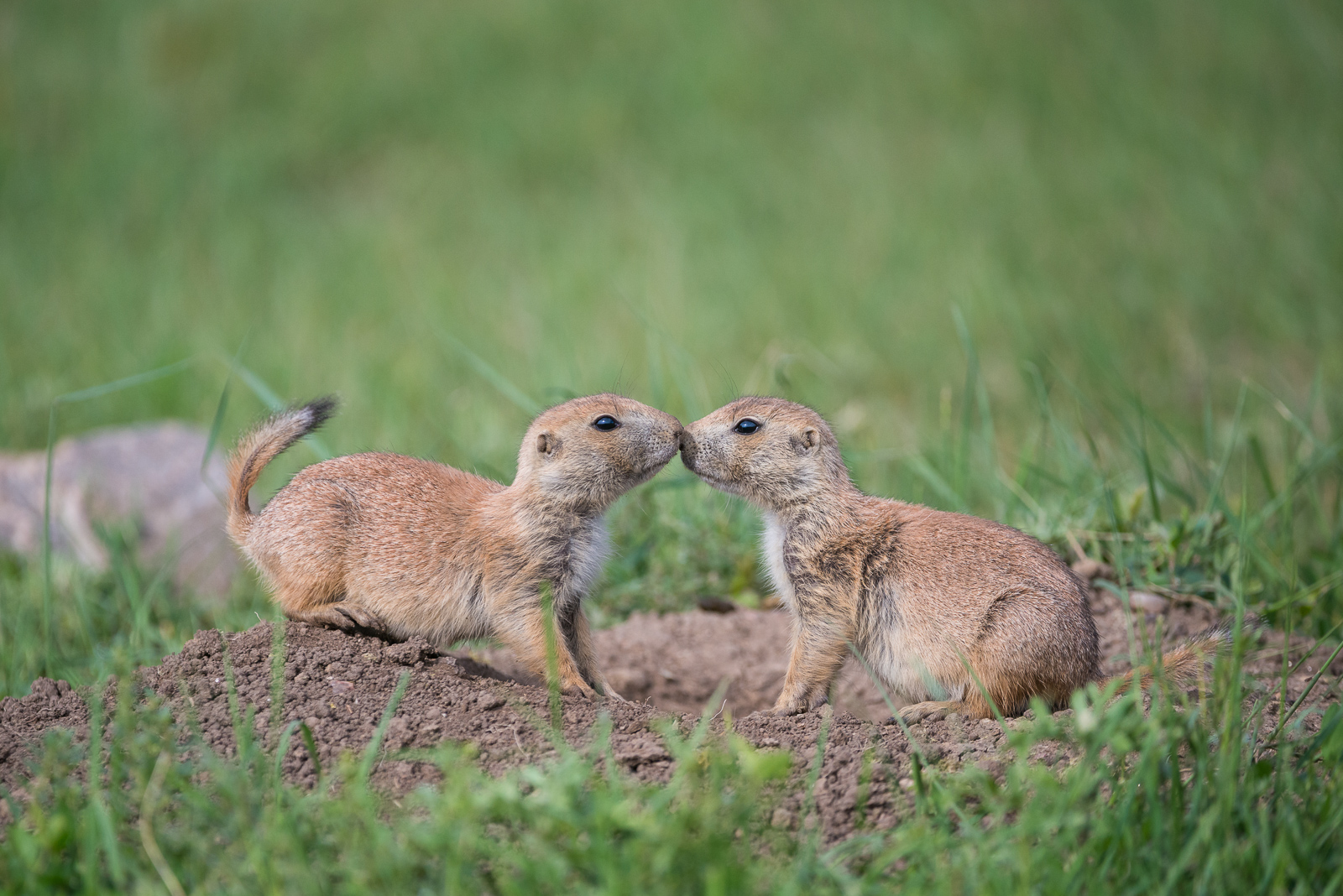
Ranger Rick magazine was one of my favorites as a kid. Nice to know that decades later my images are helping to inspire the next generation of wildlife lovers. Thanks to the National Wildlife Federation for sending a few advance copies of their May 2023 issue. Only the bottom left and upper right images of the spread are mine (see below). Top image is from Badlands National Park, South Dakota (Nikon D200 with Nikkor 600mm manual focus lens, ISO 200, f/11 at 1/320th of a second). Bottom image taken in Wind Cave National Park, South Dakota (Nikon D800 with Nikkor 200-400mm lens, at 340mm, ISO 800, f/4 at 1/3200th of a second)
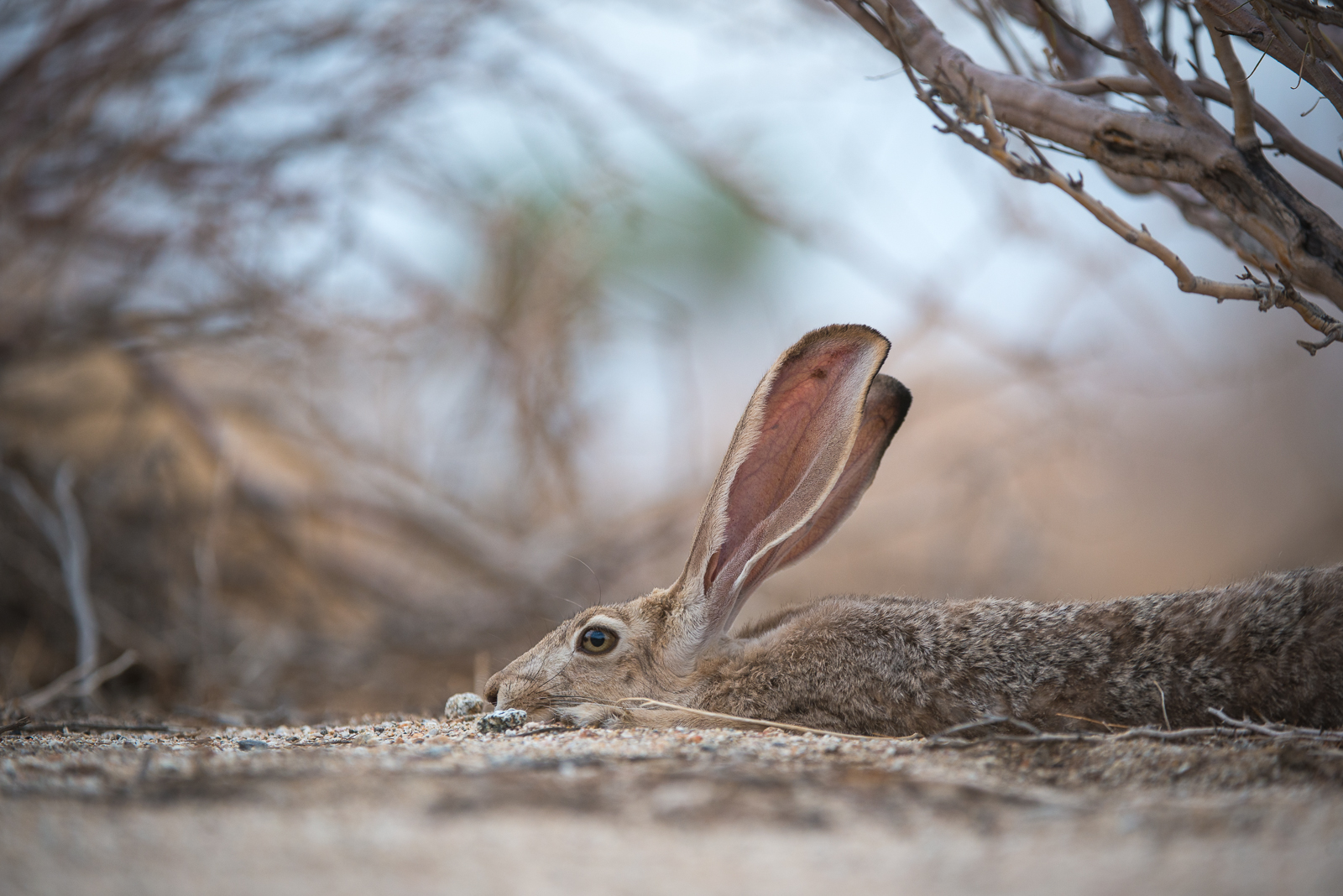
Feeling the heat, a black-tailed jackrabbit goes face to the sand and uses those big ears as heat regulators. The capillaries in the ears help to cool jackrabbits down on days like this one when it was 100 degrees plus in the Southern California desert. Nikon D800 with Nikkor 200-400mm lens (at 280mm) ISO 400, f/4 at 1/2000th of a second.
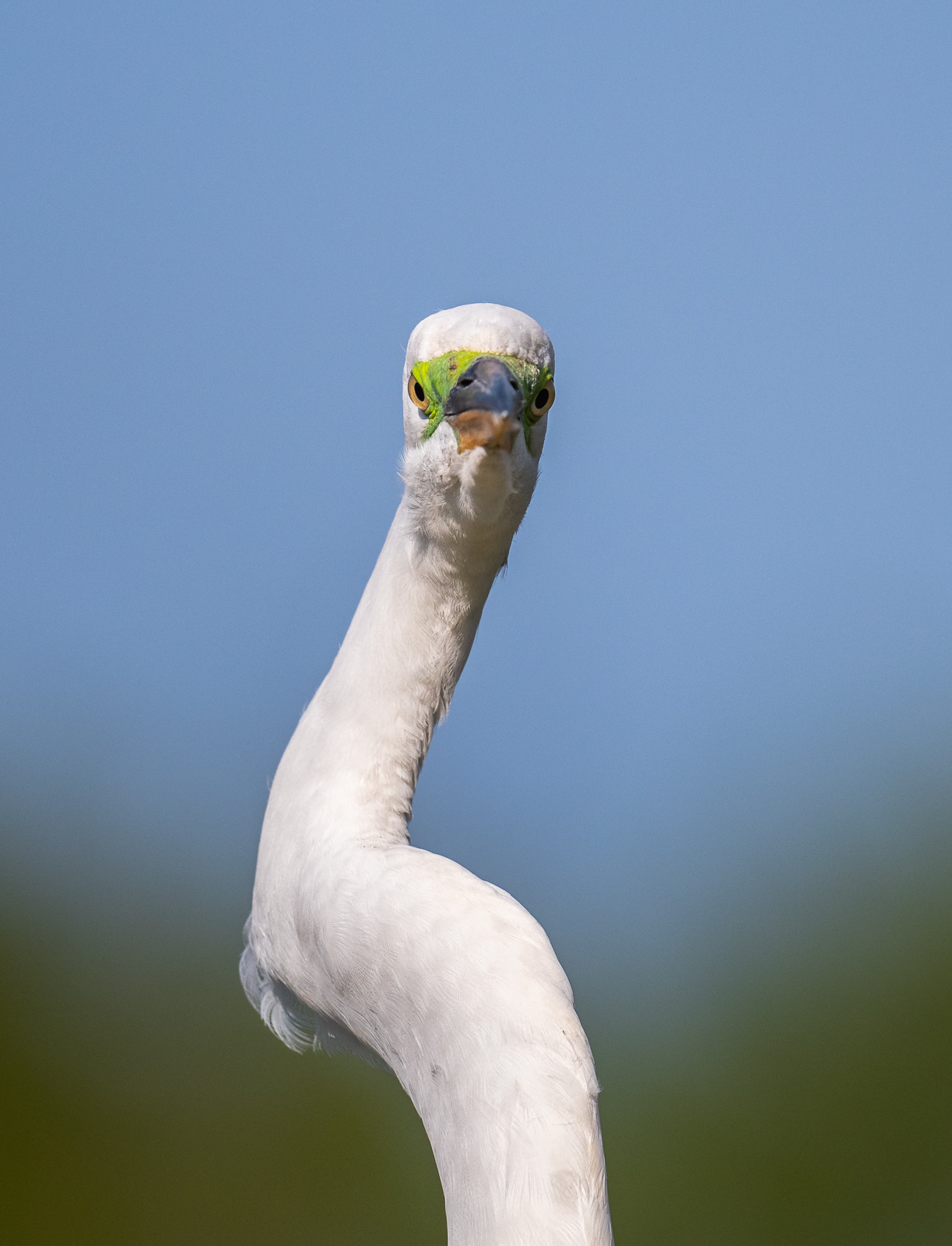
Another of the southwestern Florida regulars is the great egret. When in breeding season, they develop the bright green facial skin around the eyes, known as lores. This egret turned around to give me the full, straight on portrait. Nikon D500 with Nikkor 500mm PF lens, ISO 800, f/5.6 at 1/8000th of a second, Godox fill flash.
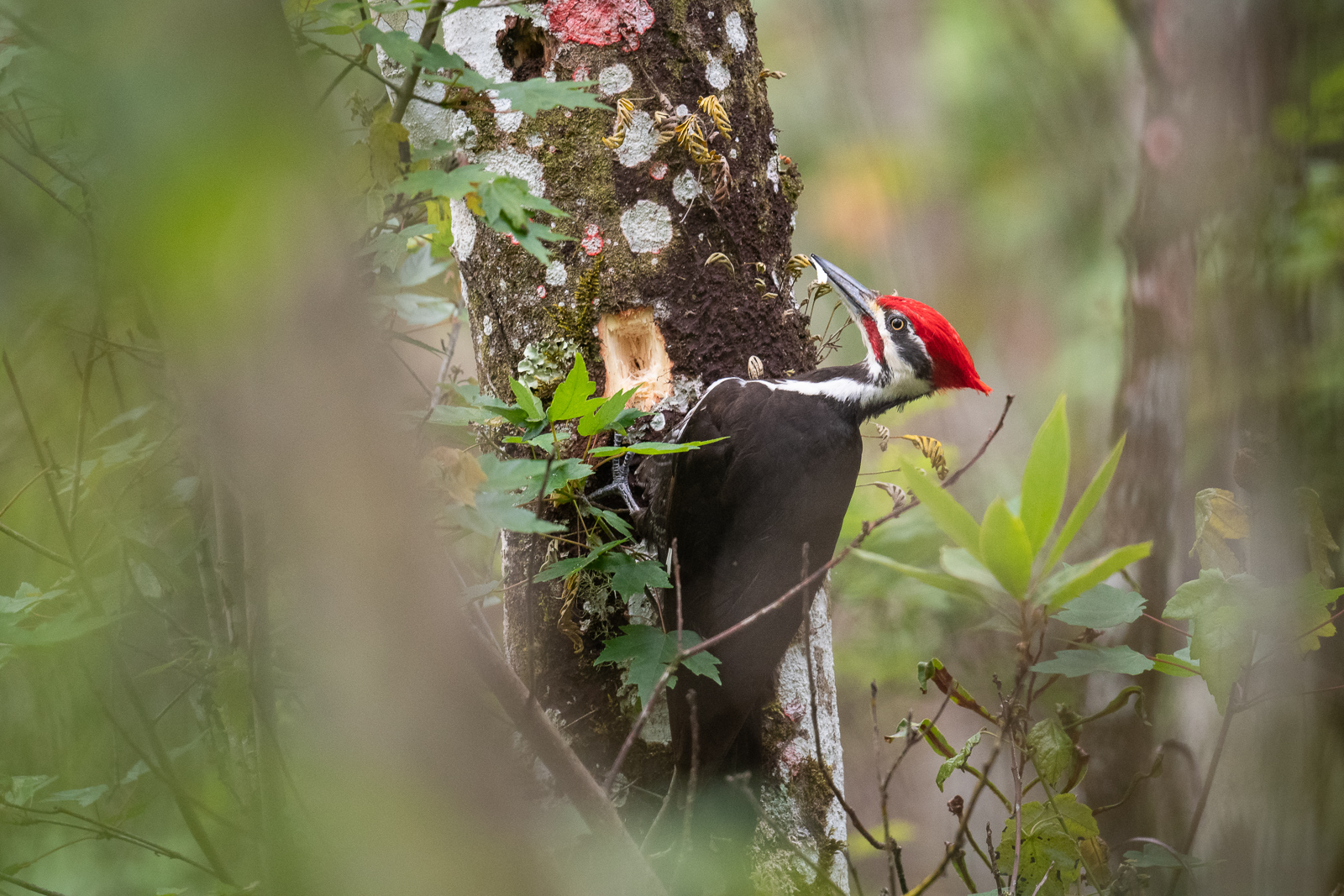
While hiking through the swamp in southwest Florida last month I spotted this pileated woodpecker deep in the woods. I was able to find an opening in the thick foliage to capture what looked like some fairly impressive pecking. Nikon D500 with Nikkor 500mm PF lens, ISO 1600, f/5.6 at 1/500th of a second, Godox V860iii fill flash.
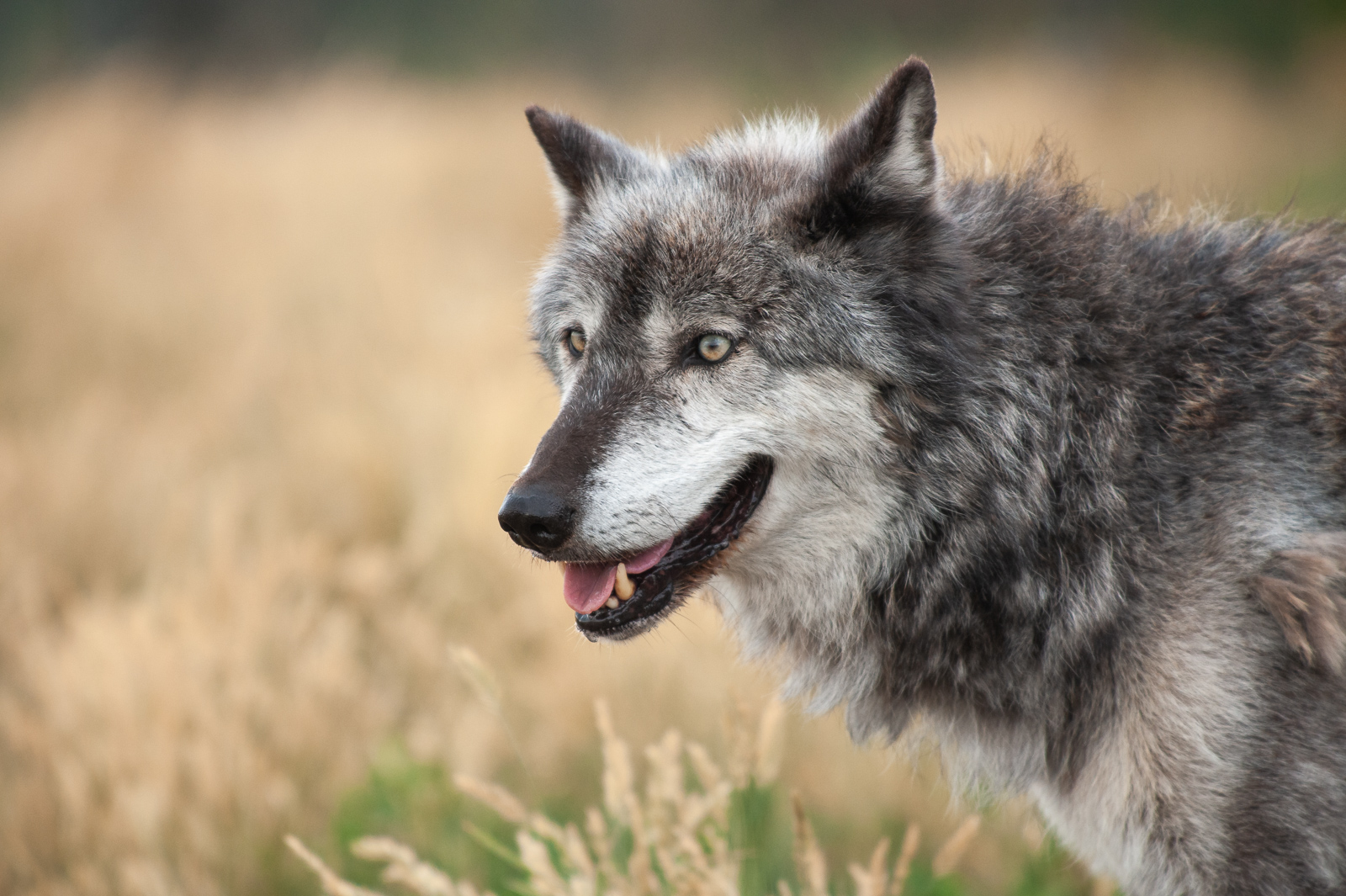
With the UConn Huskies winning the national championship last night, I’d be remiss not to post an appropriate canine today. This grey wolf is the closest thing I have to a Siberian husky, so it’ll have to do. Note that this is a captive, not a wild animal. Back to all things wild tomorrow. Nikon D700 with Nikkor 70-200mm lens (at 340mm with 2x teleconverter) ISO 800, f/4.8 at 1/1000th of a second.