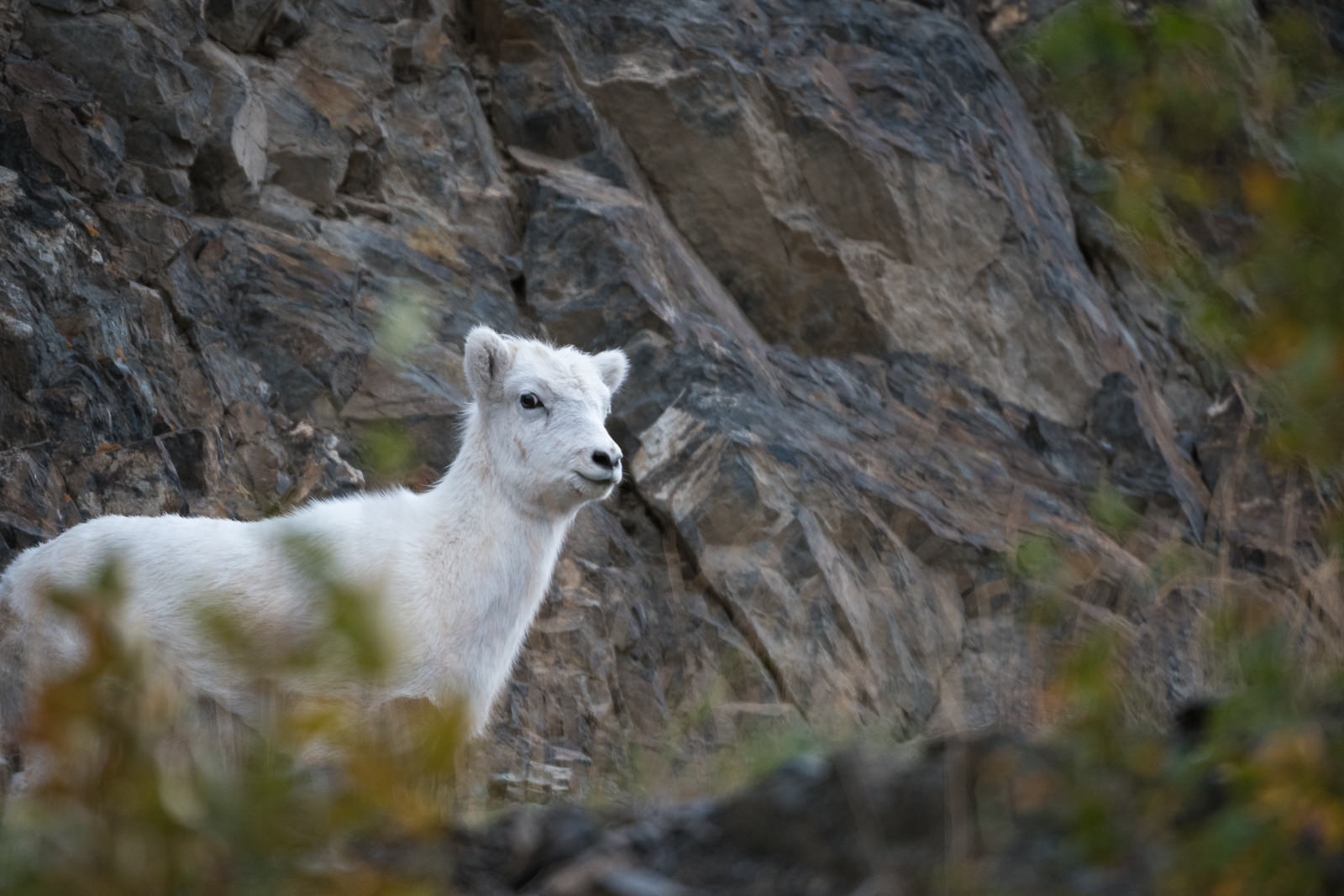
Dall sheep are native to the rugged peaks of Alaska and northwestern Canada, easily recognized by their bright white coats and impressive curled horns (although not this adolescent). Built for steep terrain, they can scale rocky cliffs with incredible agility, using specialized hooves that grip narrow ledges with ease. I spotted this one along the Seward Highway outside of Anchorage, Alaska. Nikon D500 with Nikkor 200-400mm lens (at 400mm) ISO 800, f/4 at 1/320th of a second.
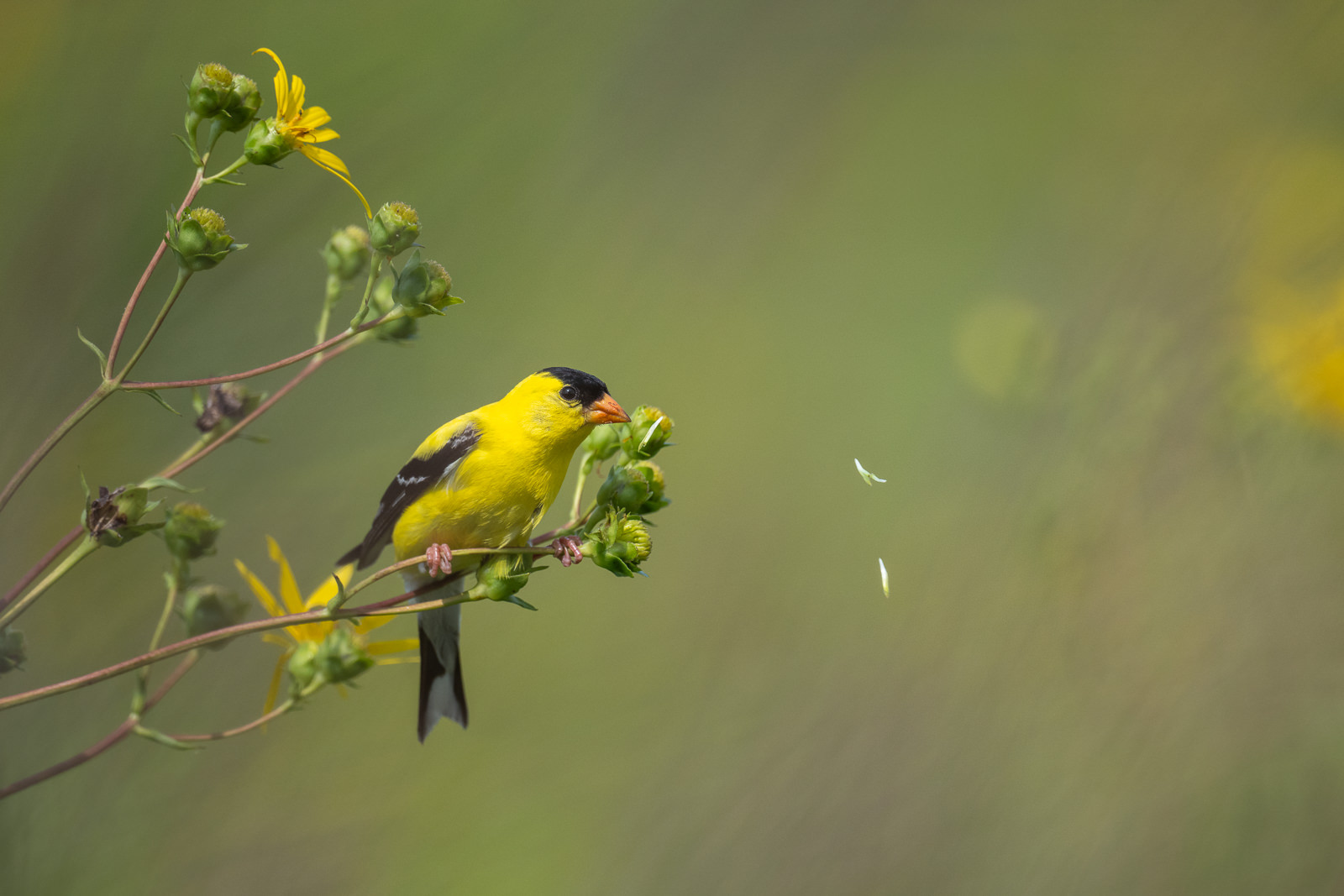
As spring returns, so too does the bright yellow and black of the American goldfinch. Males transition from their subdued winter plumage into their breeding colors. We’ve seen quite a few in our yard already, which is always a welcome sight. Nikon Z8 with Nikkor 500mm PF lens, ISO 560, f/5.6 at 1/3200th of a second.
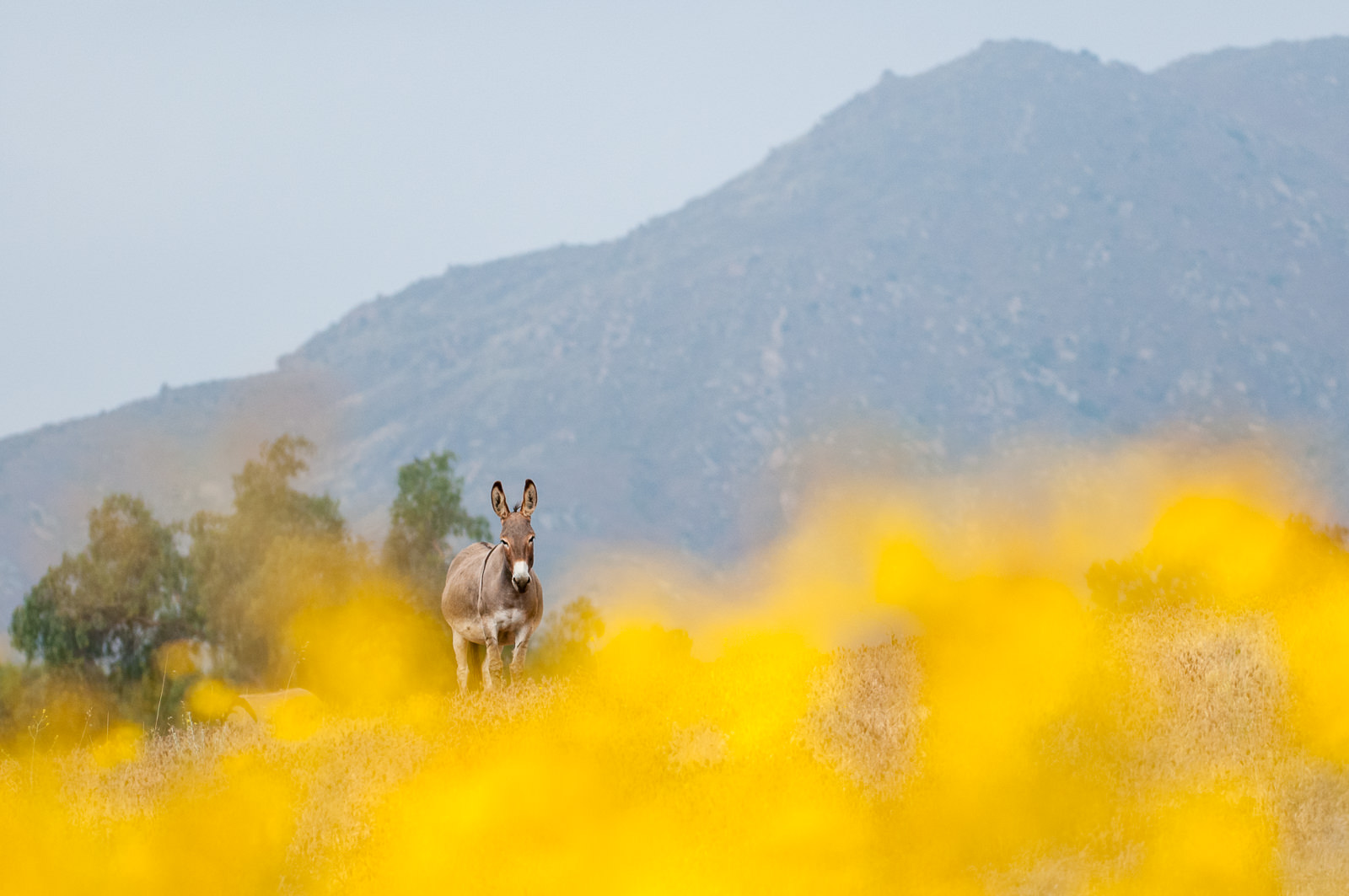
Wild burros in Box Springs Mountain Park in Moreno Valley, California are descendants of domestic donkeys brought to the region during the mining era and later released or escaped. Highly adaptable, they thrive in the dry, rugged terrain, often traveling in small family groups and covering large distances in search of water and food. Nikon D300 with Nikkor 200-400mm lens (at 200mm) ISO 400, f/4 at 1/1600th of a second.
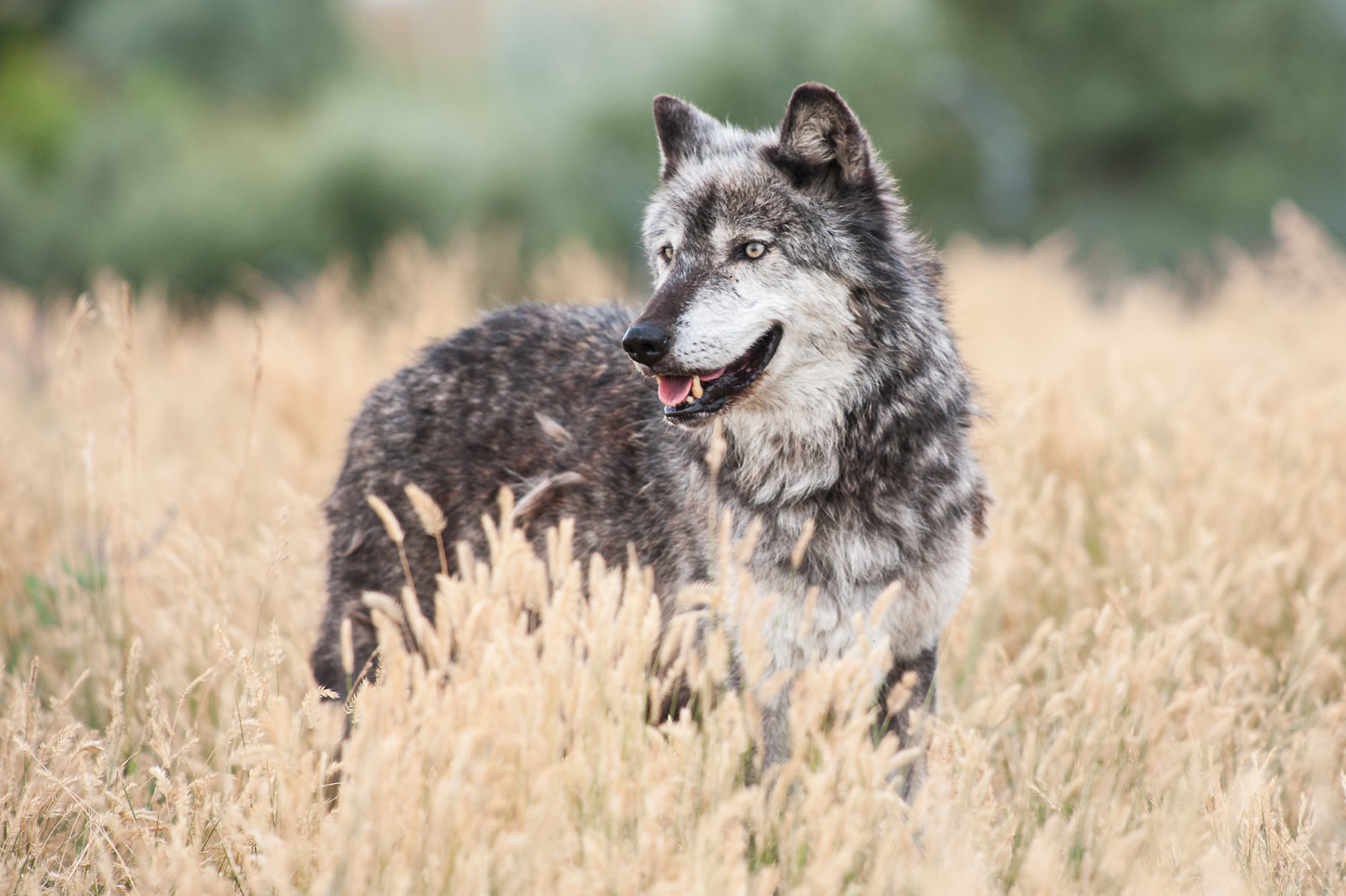
In honor of a hard-fought, albeit not-quite-enough, effort last night by our local UConn Huskies in the national championship game, I figured I’d post the closest thing I have to a Siberian Husky. Note, this is a captive wolf photographed years ago in South Dakota. Back to all things wild tomorrow. Nikon D700 with Nikkor 70-200mm lens (at 300mm) ISO 800, f/5 at 1/800th of a second.
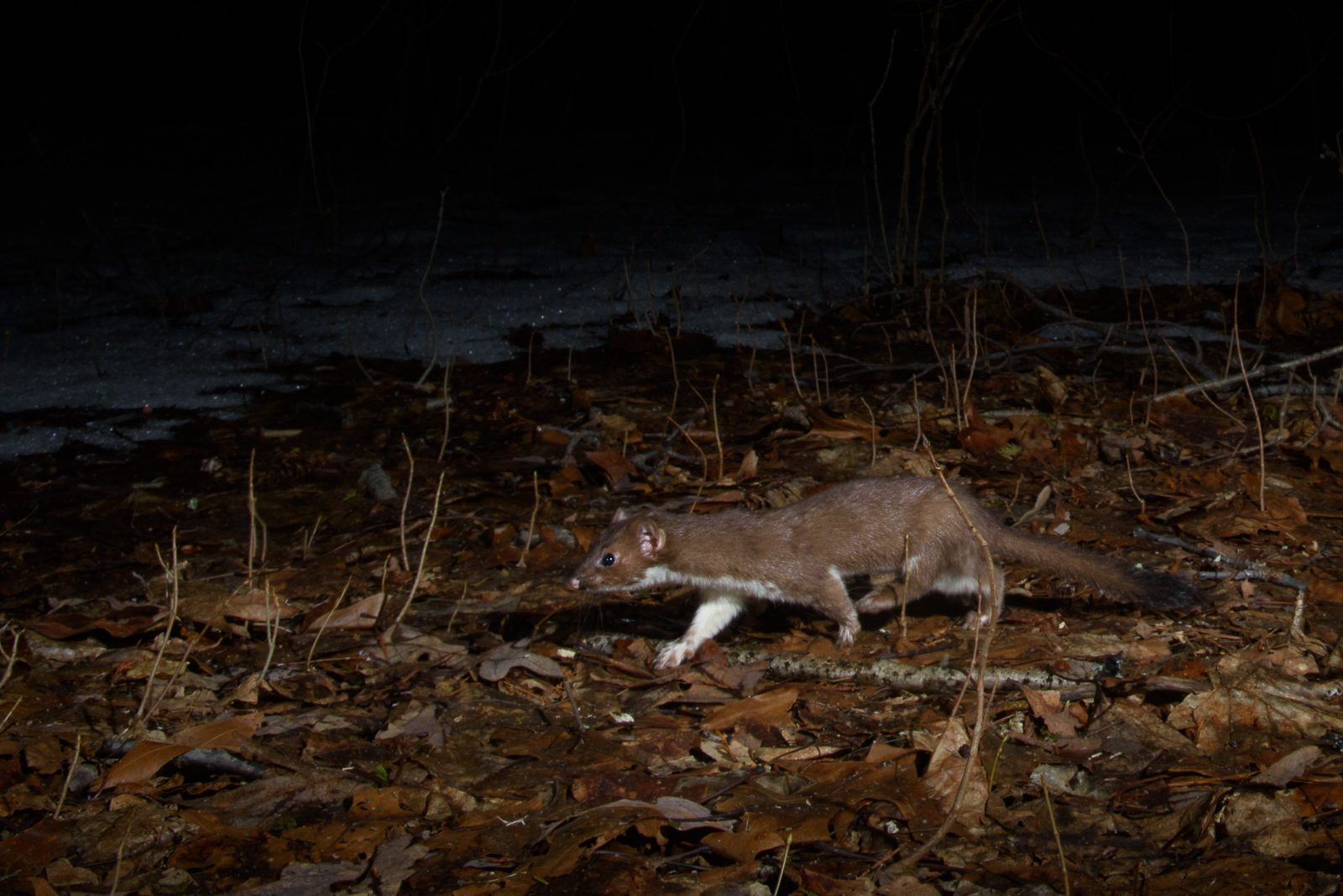
Not the greatest camera trap capture, but a rare one — a short-tailed weasel. This setup is aimed at bears and other larger animals, so it’s a heavy crop, but sure enough, this little hunter wandered through and tripped the shutter. In Connecticut, short-tailed weasels undergo a seasonal transformation — brown in summer, white in winter (then called ermine) for camouflage in the snow. By mid-March, though, they’ve returned to their summer coat. Nikon D810 with Nikkor 17–35mm lens (at 24mm), ISO 500, f/14 at 1/200th, Cognisys camera box, trail monitor, and remote flash units.
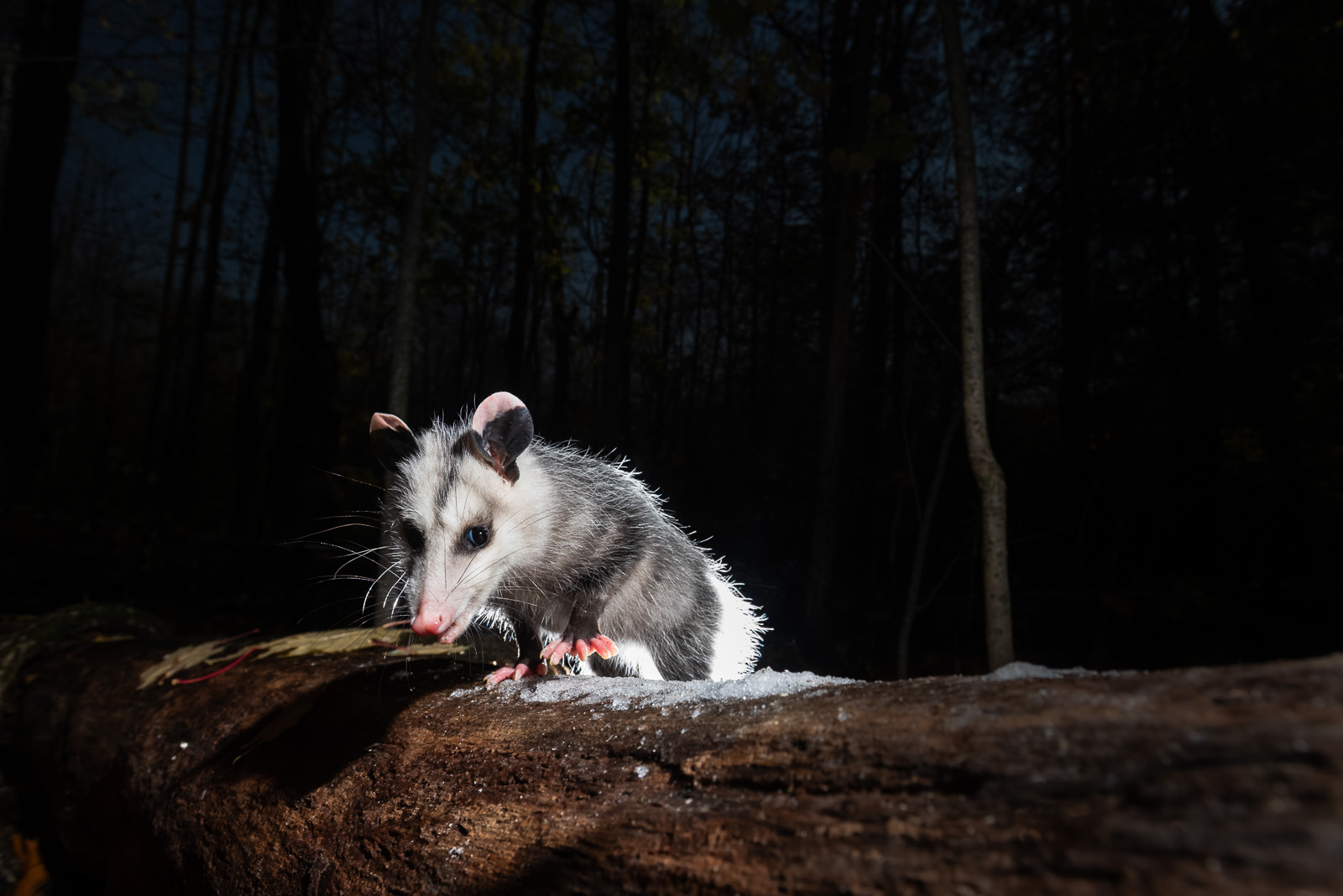
A few winters ago, this Virginia opossum was crossing a fallen ash tree in my back woods on his/her daily rounds. Nikon D810 with 17-35mm lens (at 17mm), Cognisys camera box, trail monitor and remote flash units.
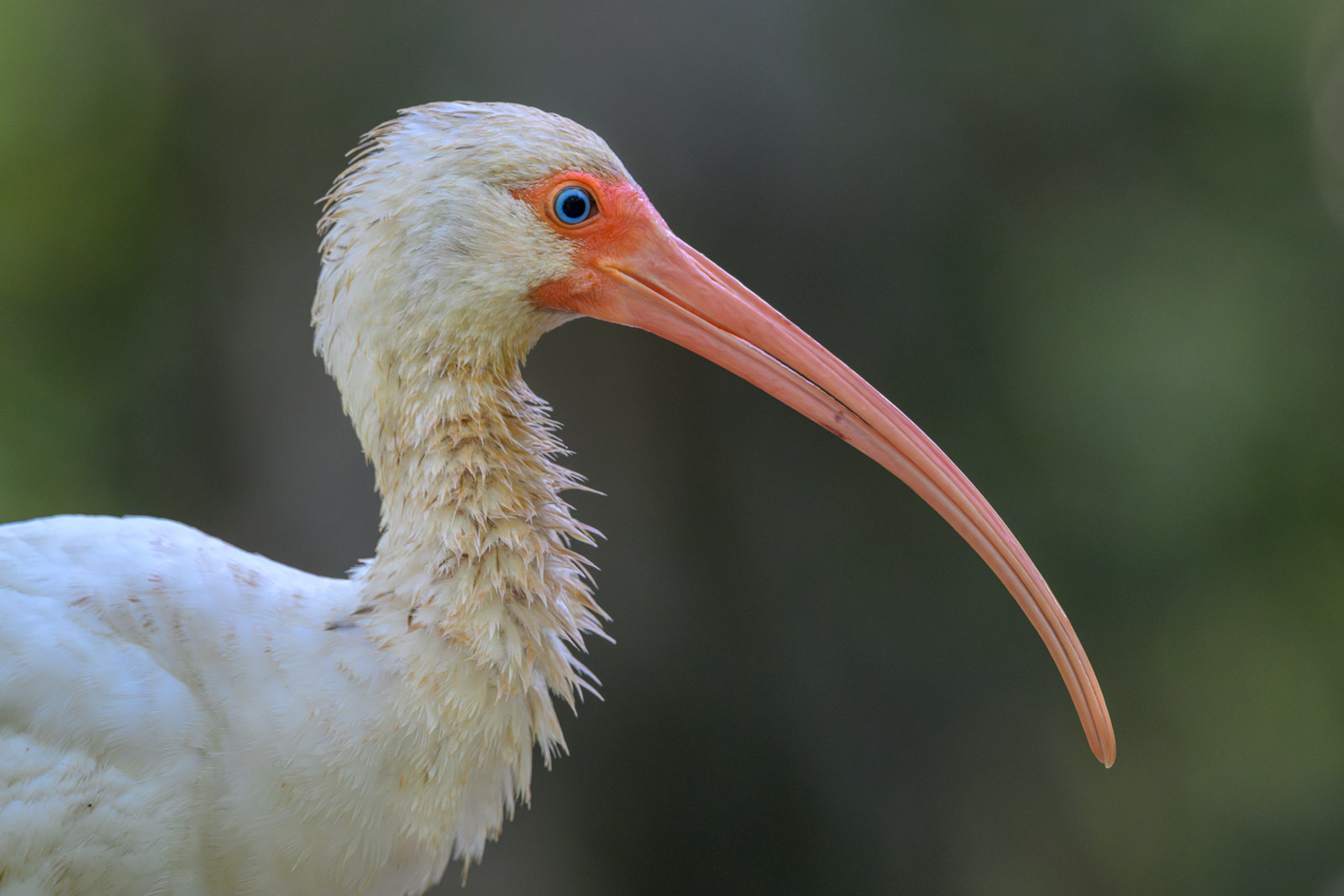
Even the extremely common and cooperative animals deserve a post now and again. When visiting my mother in southwest Florida, there’s never a lack of white ibises to put in front of the lens. This one greeted me on a boardwalk hike through Corkscrew Swamp. Interesting fact about the white ibis — they have a unique feeding style, using their long, curved bills to probe blindly in mud and shallow water, snapping shut the instant they touch prey. Nikon Z8 with Nikkor 500mm PF lens, ISO 2800, f/6.3 at 1/500th of a second.
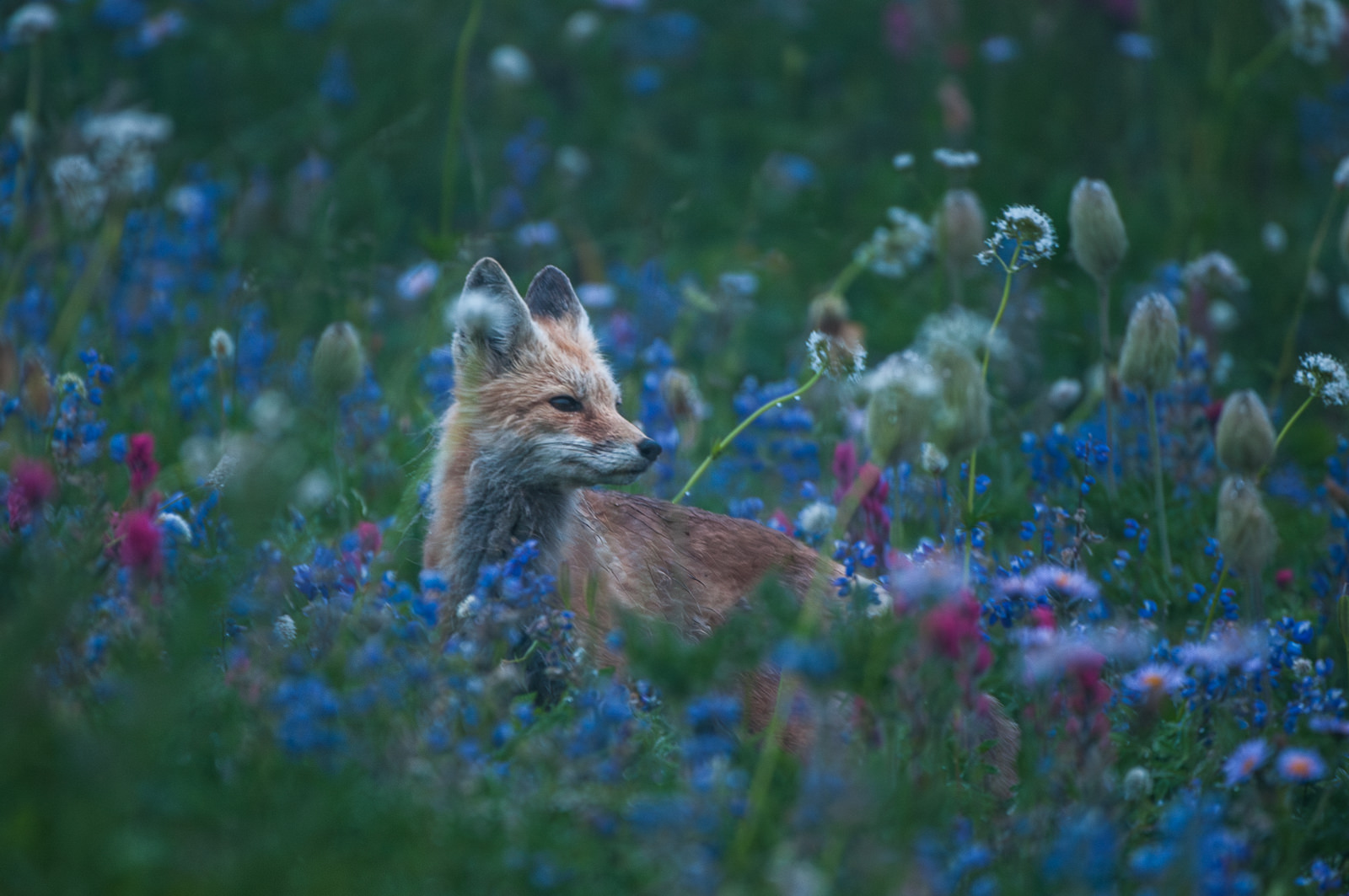
Here’s an old one from a trip to Mount Rainier National Park back in 2009. The wildflowers were in full bloom at higher elevations in late summer. The perfect setting for a red fox at dusk. Nikon D300 with Nikkor 200-400mm lens (at 400mm) ISO 800, f/4 at 1/15th of a second.
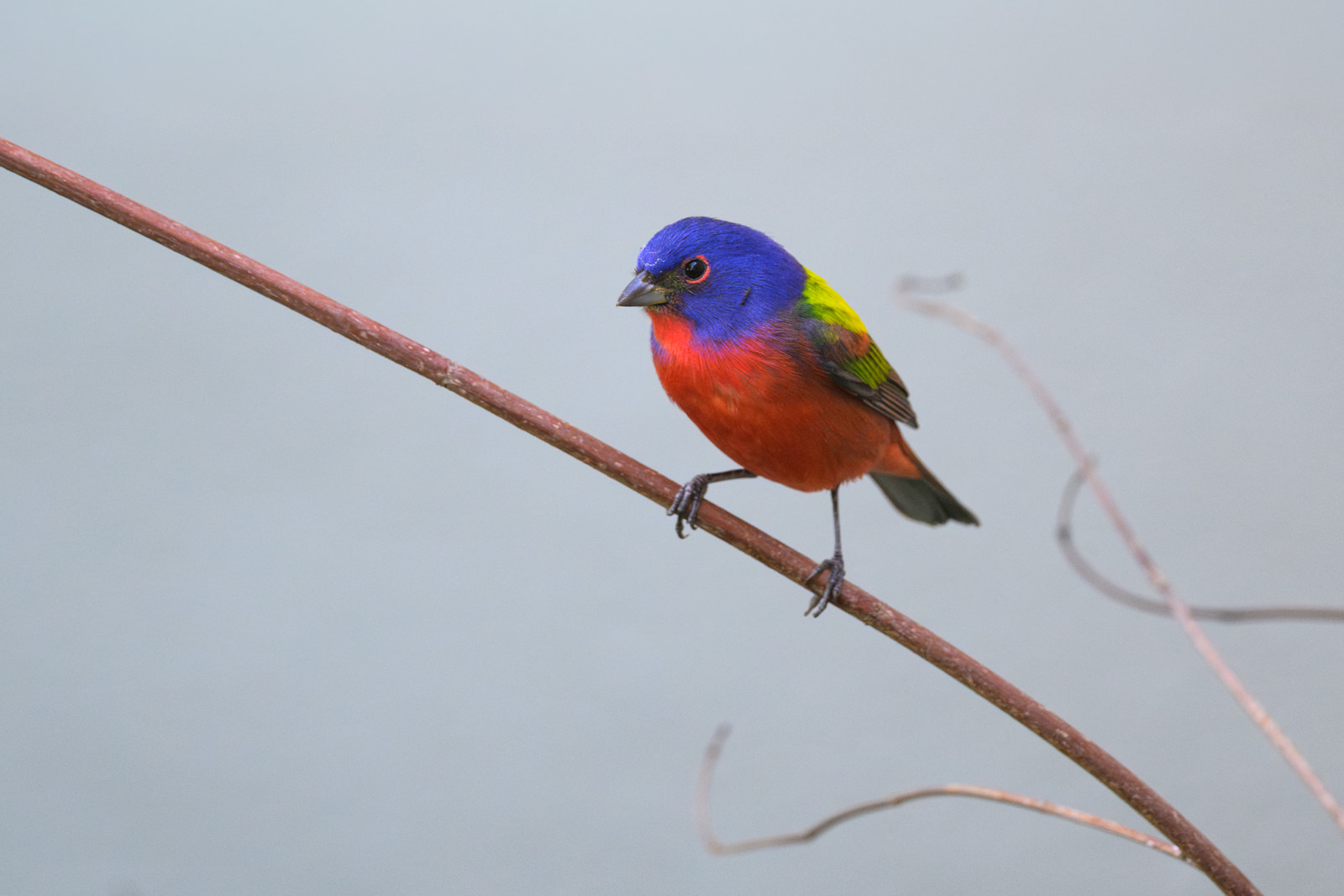
Over the past several decades, I’ve been on at least one hike in each of our fifty states, camera in hand, searching for wildlife. I’ve seen a lot of different species. That said, there are plenty of animals that I haven’t had any luck with. The painted bunting — often considered North America’s most beautiful bird — was one of them. Until last week when visiting my mother and hiking in an area that I’ve been to many times before in southwest Florida. There are two main populations of painted buntings in the United States — the east coast population ranging from North Carolina down to southern Florida, and the west coast population mainly in Texas, Oklahoma, Arkansas and Louisiana. I remember when I was living in New York and one migrated in the wrong direction and ended up in Prospect Park in Brooklyn. It caused quite a stir and I stayed away to avoid being part of the problem. Nice to finally catch up with a few of them last week. Next time I’ll try to get shots with greenery in the background, but for now, this will have to do. Nikon Z8 with Nikkor 500mm PF lens, ISO 2200, f/5.6 at 1/400th of a second.
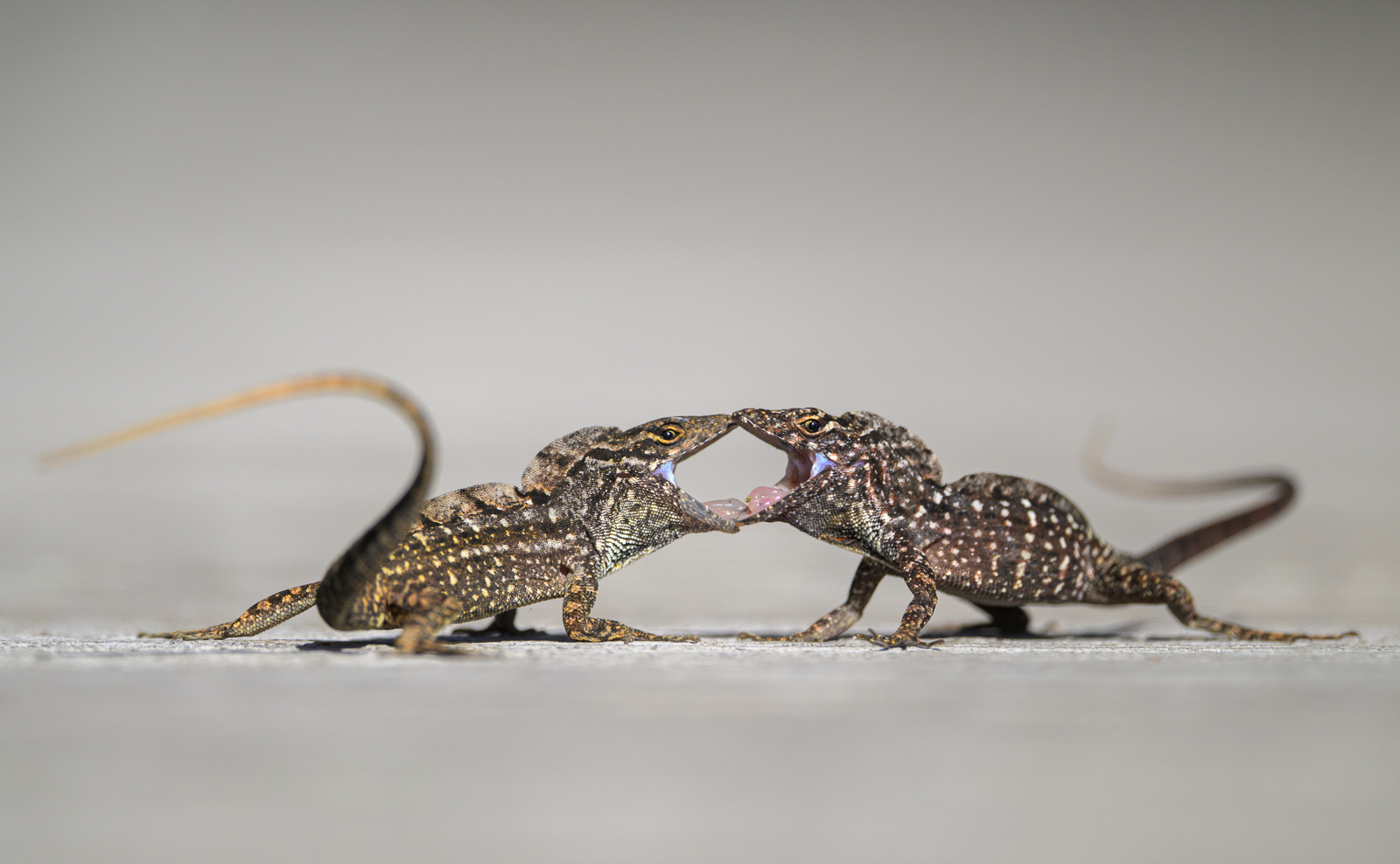
Last week while in Florida I captured these two brown anole lizards clashing in a territorial dispute. They are small but fierce lizards and are highly territorial. Males will chase, grapple, and even bite one another to defend prime habitat and access to females during the breeding season. What looks almost like a tiny reptilian boxing match is actually a serious contest of dominance, often settled in seconds before the loser retreats and the victor claims the perch. Nikon Z8 with Nikkor 500mm PF lens, ISO 280, f/5.6 at 1/2500th of a second.
We use cookies to enhance your experience while using our website. If you are using our Services via a browser you can restrict, block or remove cookies through your web browser settings. We also use content and scripts from third parties that may use tracking technologies. You can selectively provide your consent below to allow such third party embeds. For complete information about the cookies we use, data we collect and how we process them, please check our Privacy Policy