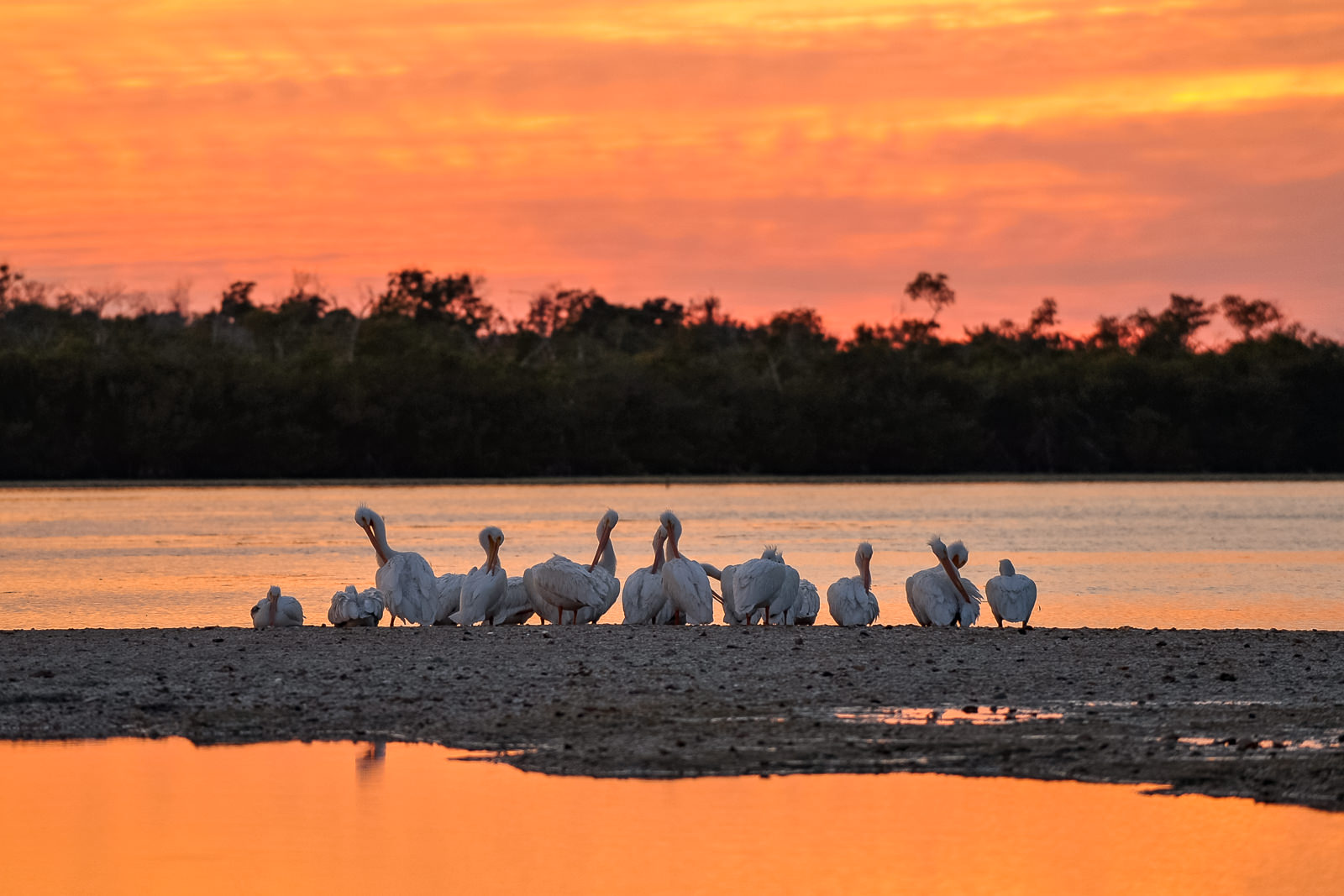
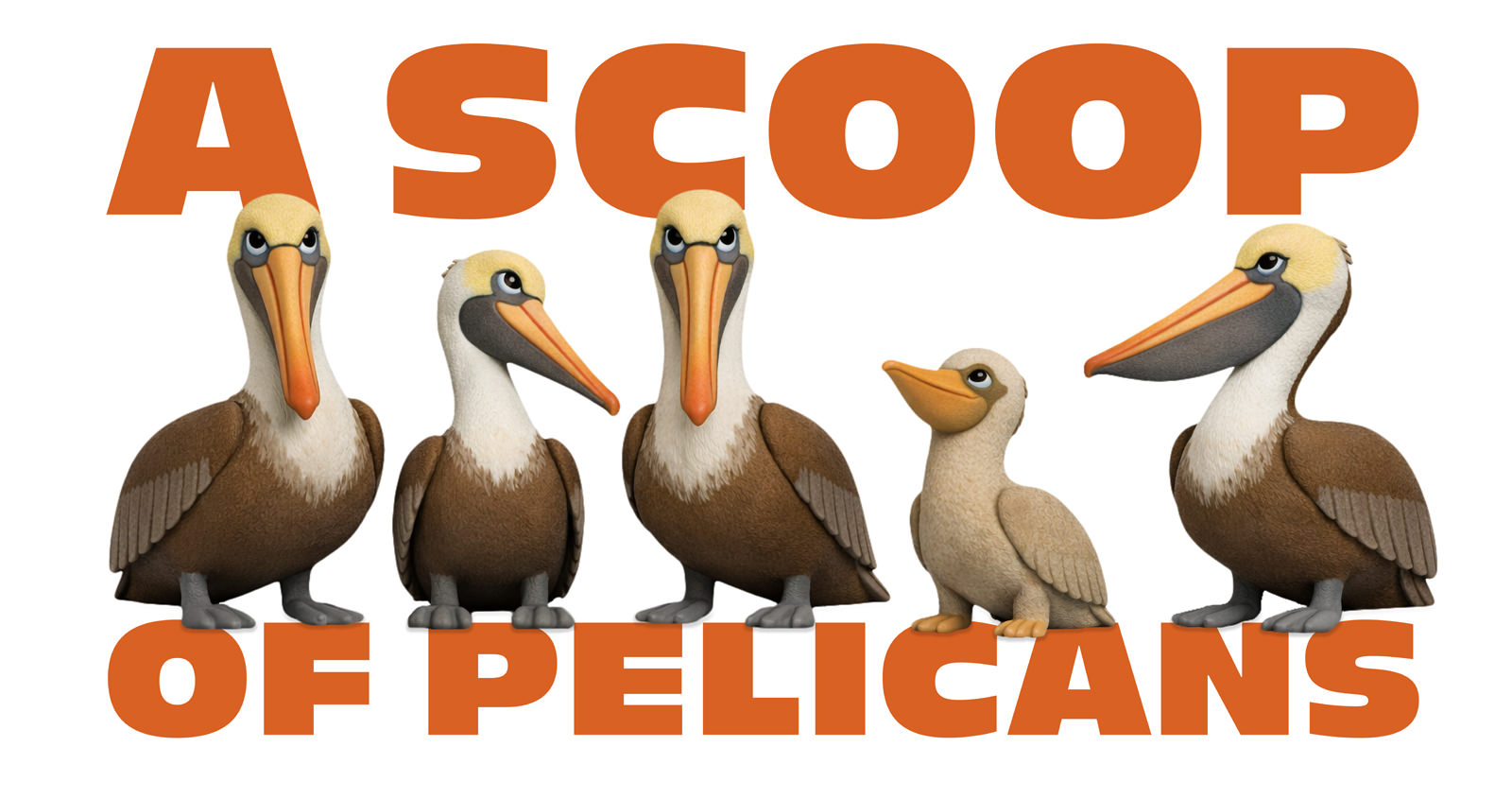
A group of pelicans is called a scoop because of their most distinctive feature — the oversized throat pouch. Pelicans feed by dipping or plunging into the water and literally scooping up fish along with a gulp of water, which they then drain before swallowing their catch. The word perfectly mirrors both the action and the shape of their bill. Few birds are more defined by a single feeding motion than a pelican making a scoop. The photo features white pelicans in Florida. The illustration features brown pelicans — the two different species we get in the United States. To get your wildlife inspired T-shirts, visit my store at Species Limited. Nikon D700 with Nikkor 70-200mm lens (at 200mm) ISO 400, f/4 at 1/200th of a second.
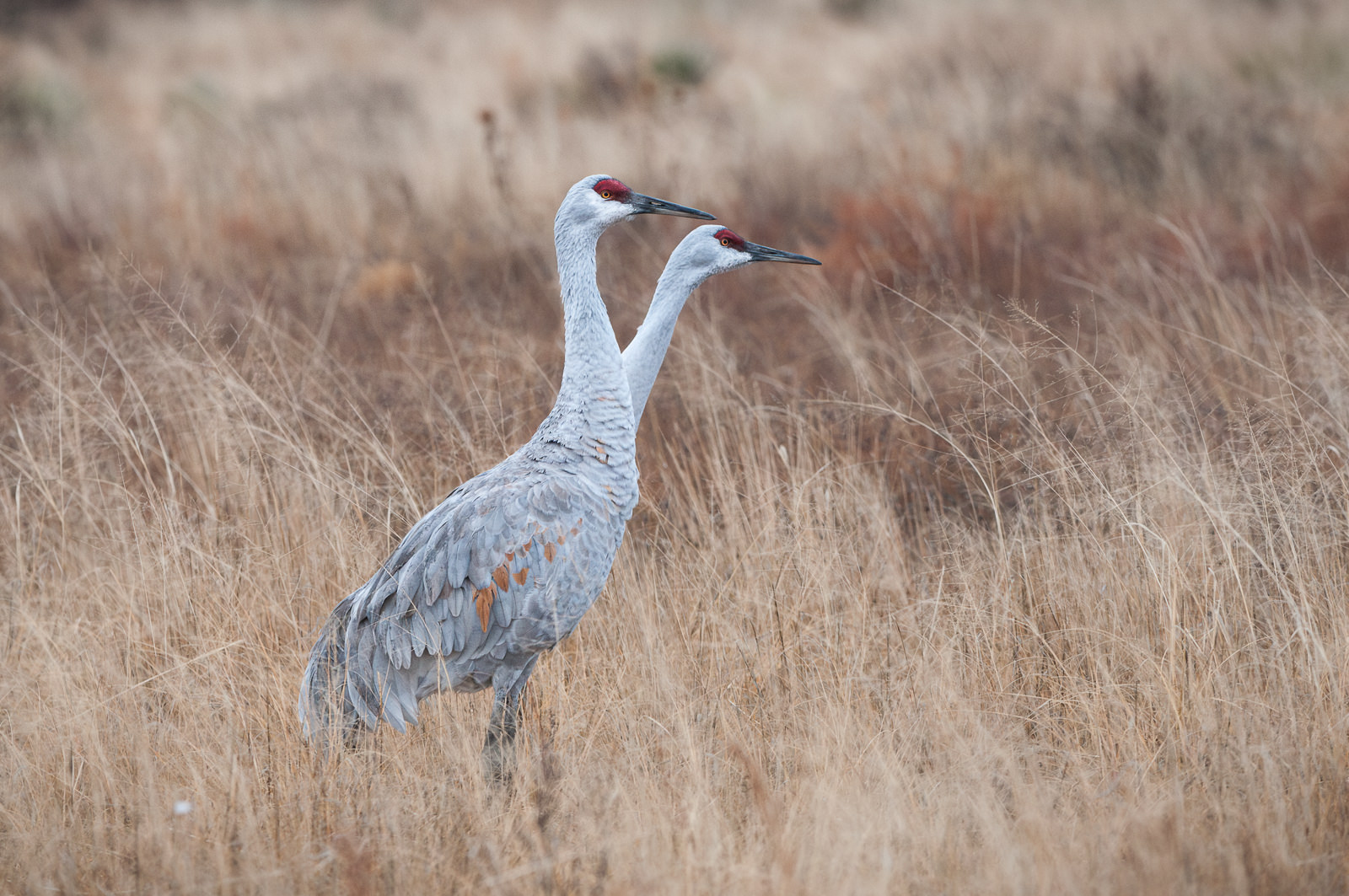
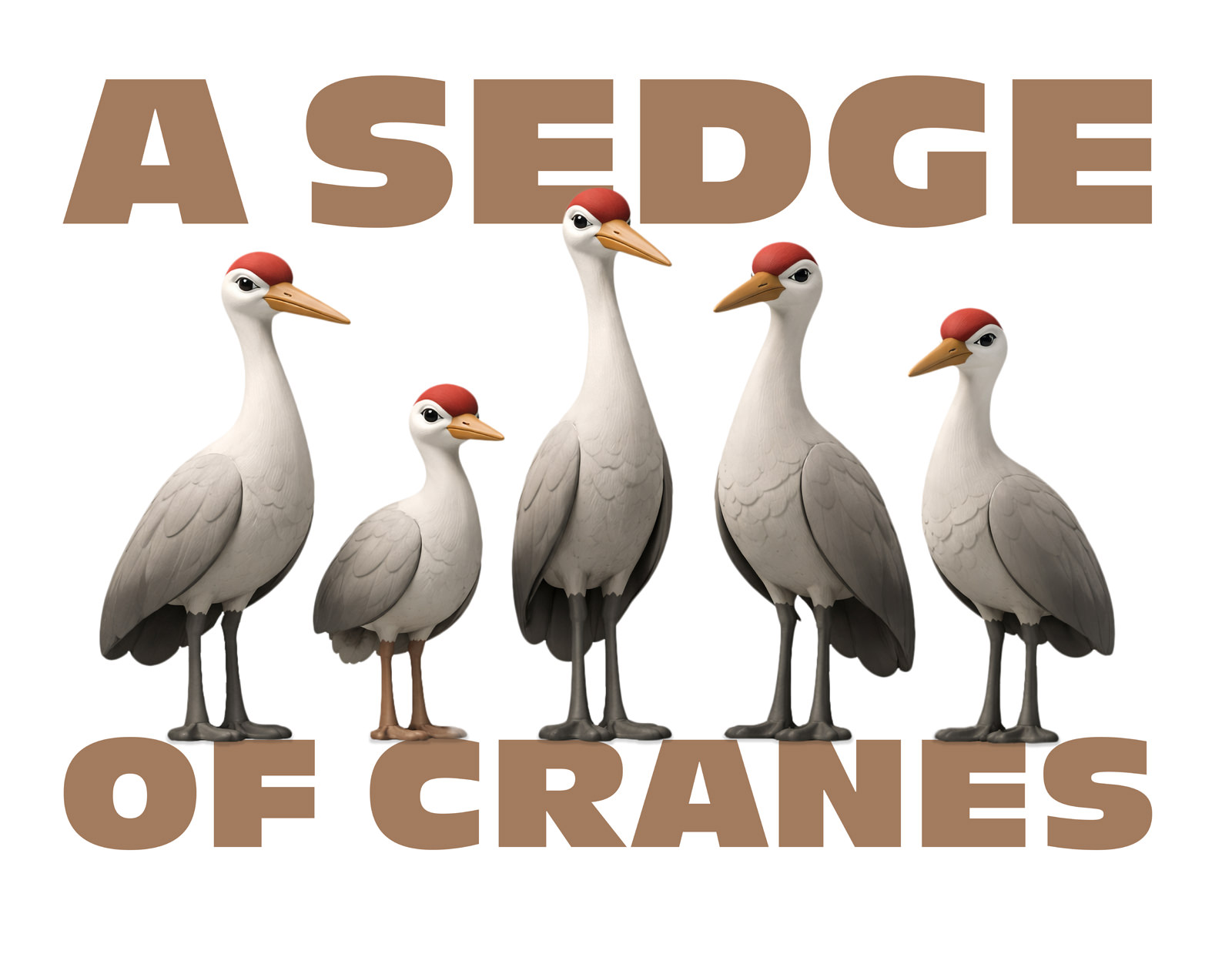
A group of cranes is called a sedge because cranes are so closely associated with wetlands, and sedges are grass-like plants that dominate marshes and boggy habitats where cranes feed and nest. Two members of a sedge are pictured here, but there were thousands more sandhill cranes in Bosque Del Apache National Wildlife Refuge in Socorro, New Mexico when I visited years ago during their yearly migration. To get your sedge t-shirt or onesie, visit my store at specieslimited.com. Nikon D300 with Nikkor 200-400mm lens (at 290mm) ISO 1600, f/5.6 at 1/200th of a second.
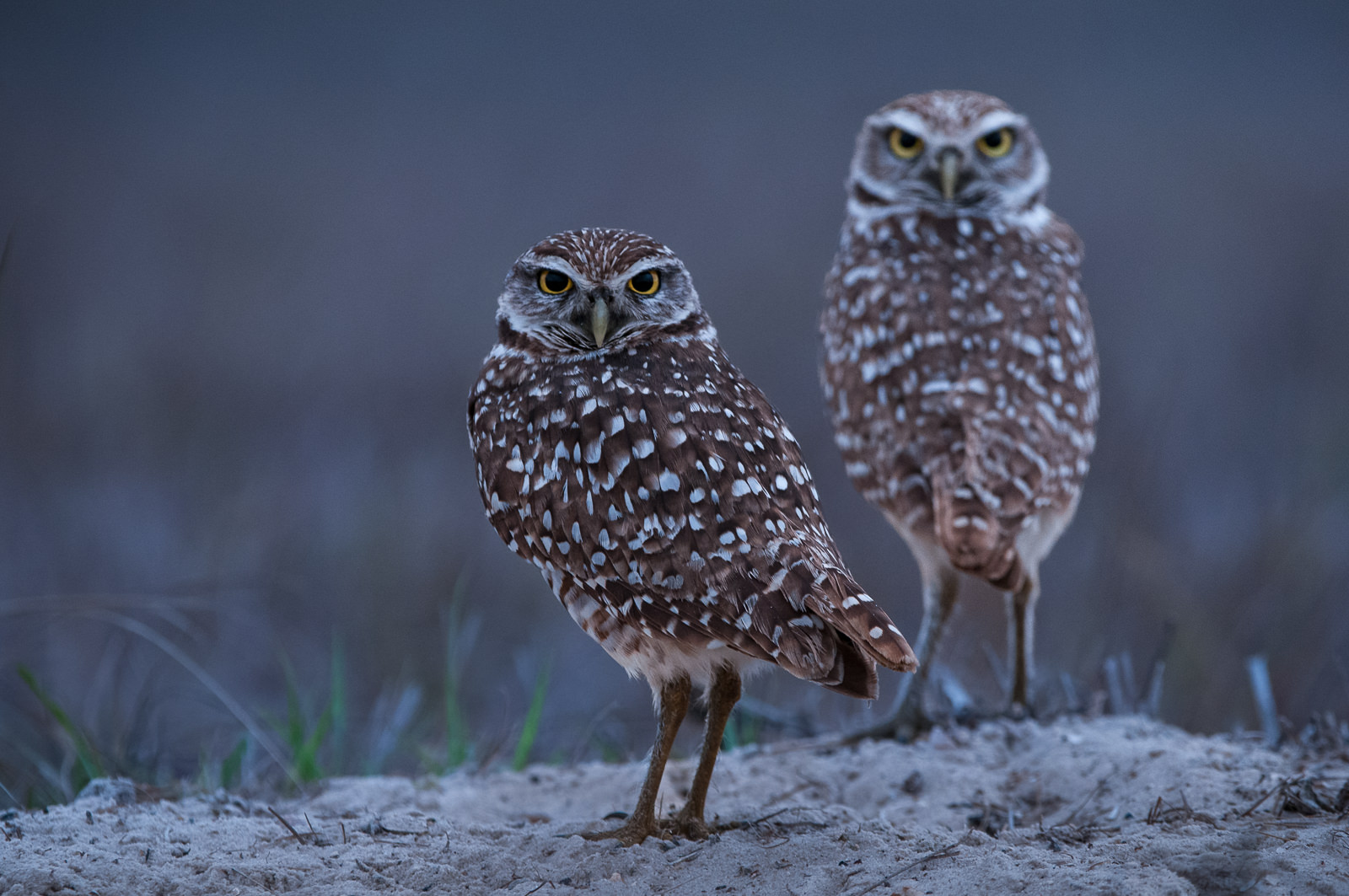
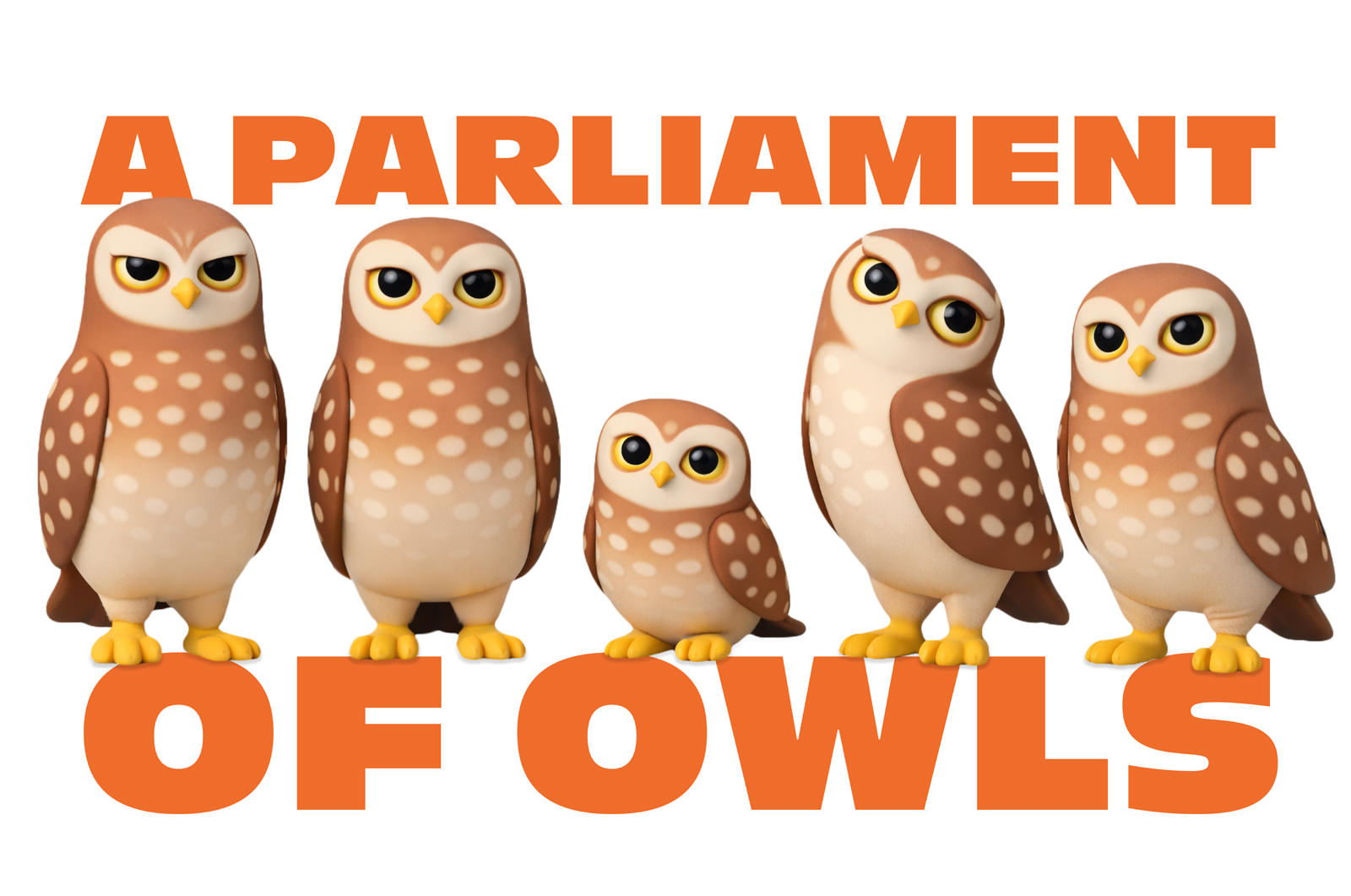
A group of owls is called a parliament because, for centuries, owls have symbolized wisdom and seriousness. The term dates back to medieval Europe and was popularized in 15th-century literature, in works like Chaucer’s Parliament of Fowls. With their upright posture, forward-facing eyes, and solemn expressions, owls resemble dignified officials gathered in debate. These two burrowing owls were in an open field with a few others at dusk on the west coast of Florida. Nikon D300 with Nikkor 200-400mm lens (at 330mm) ISO 800, f/4.5 at 1/250th of a second.
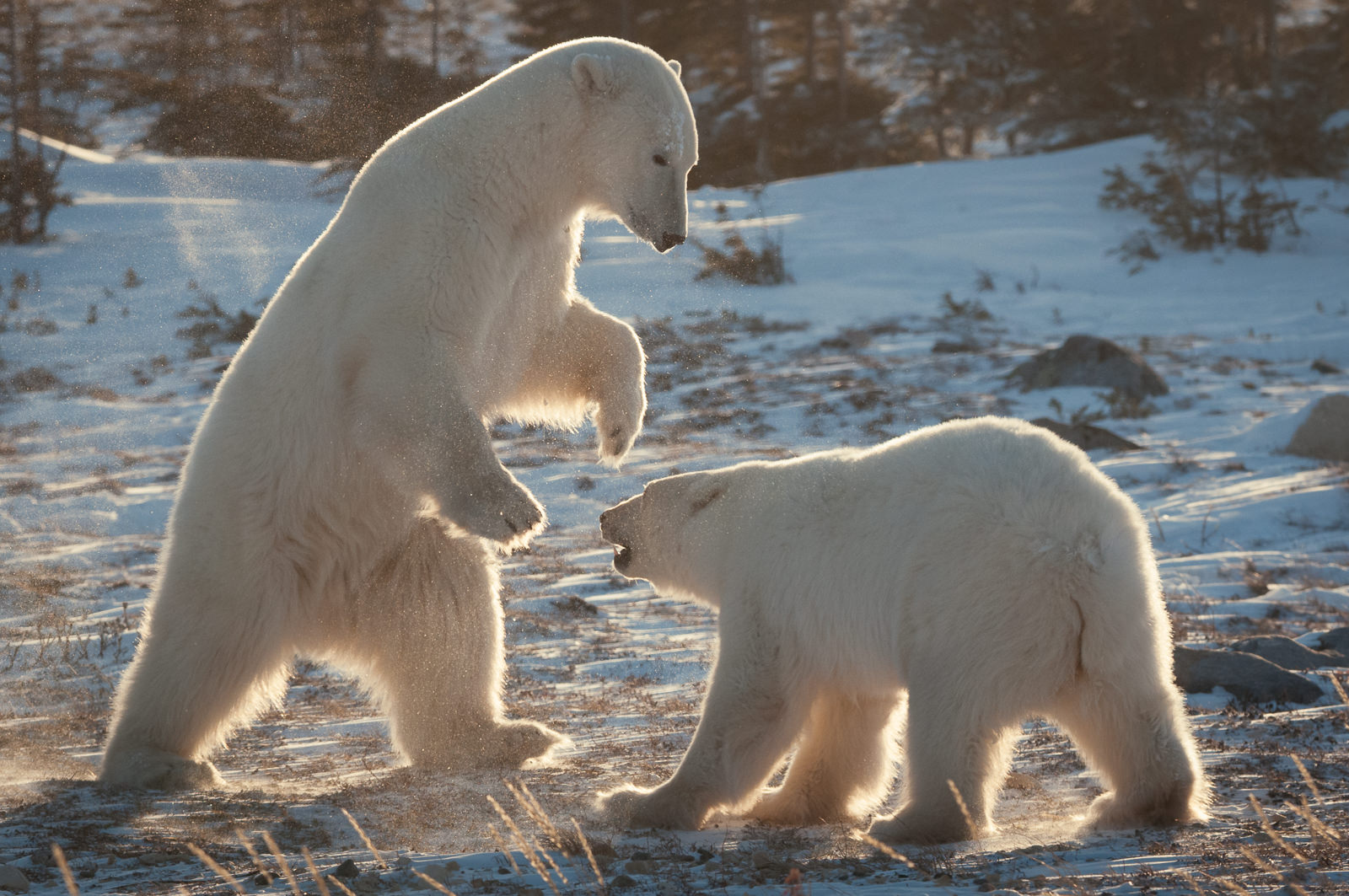
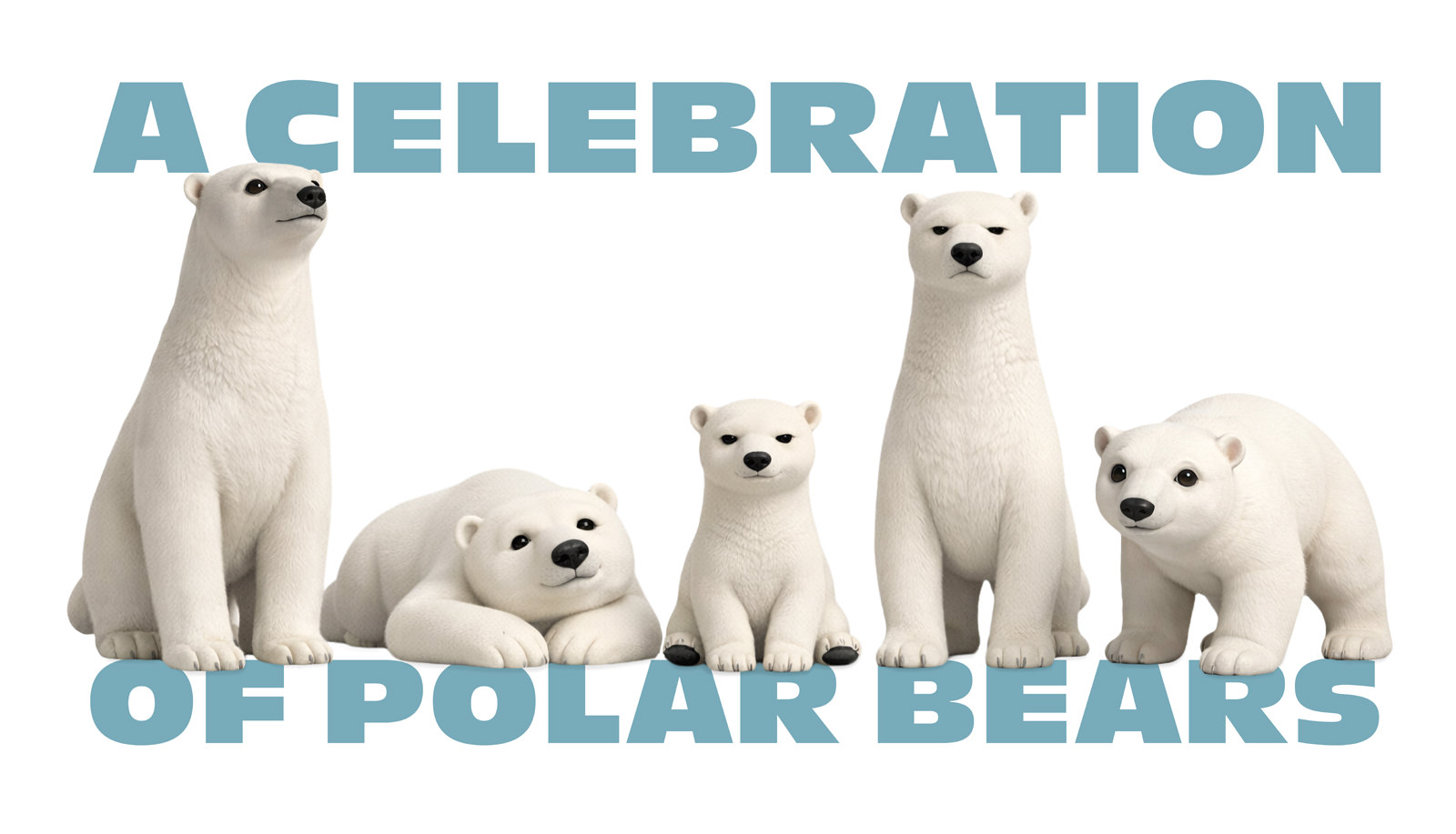
A group of polar bears is sometimes called a celebration. They are famously solitary animals, so seeing more than one together — outside of a mother and cubs — is unusual. When they do gather, it’s often around a large food source like a whale carcass or when waiting for the ice to freeze so that they can go hunt, and the sight of several massive white bears on the sea ice can feel rare and almost momentous. The word celebration captures that sense of spectacle and rarity — a remarkable gathering in an otherwise vast, empty Arctic landscape. To get your Celebration of Polar Bear merchandise, visit Species Limited.Nikon D300 with Nikkor 70-200mm lens (at 135mm) ISO 400, f/6.3 at 1/1600th of a second.
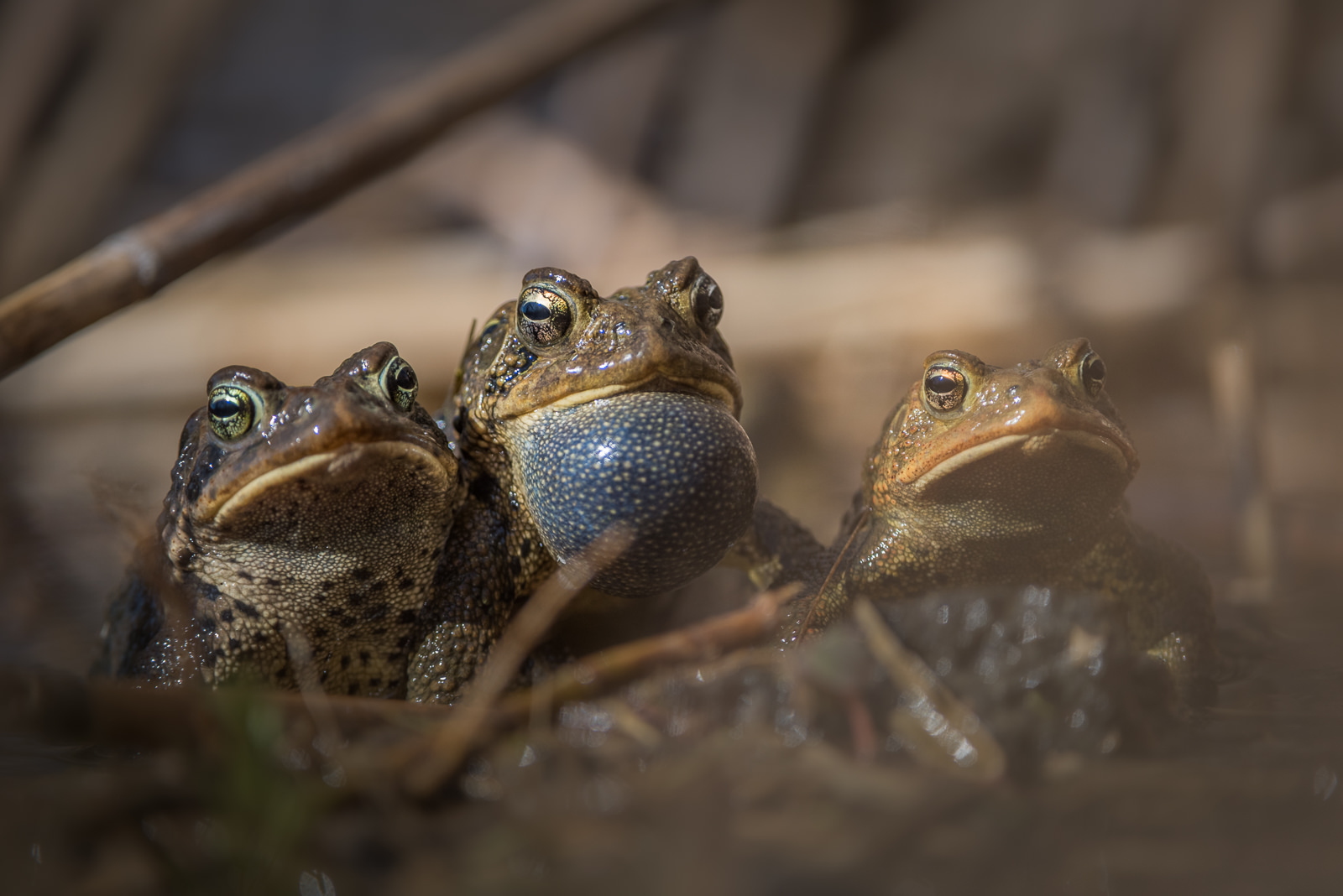
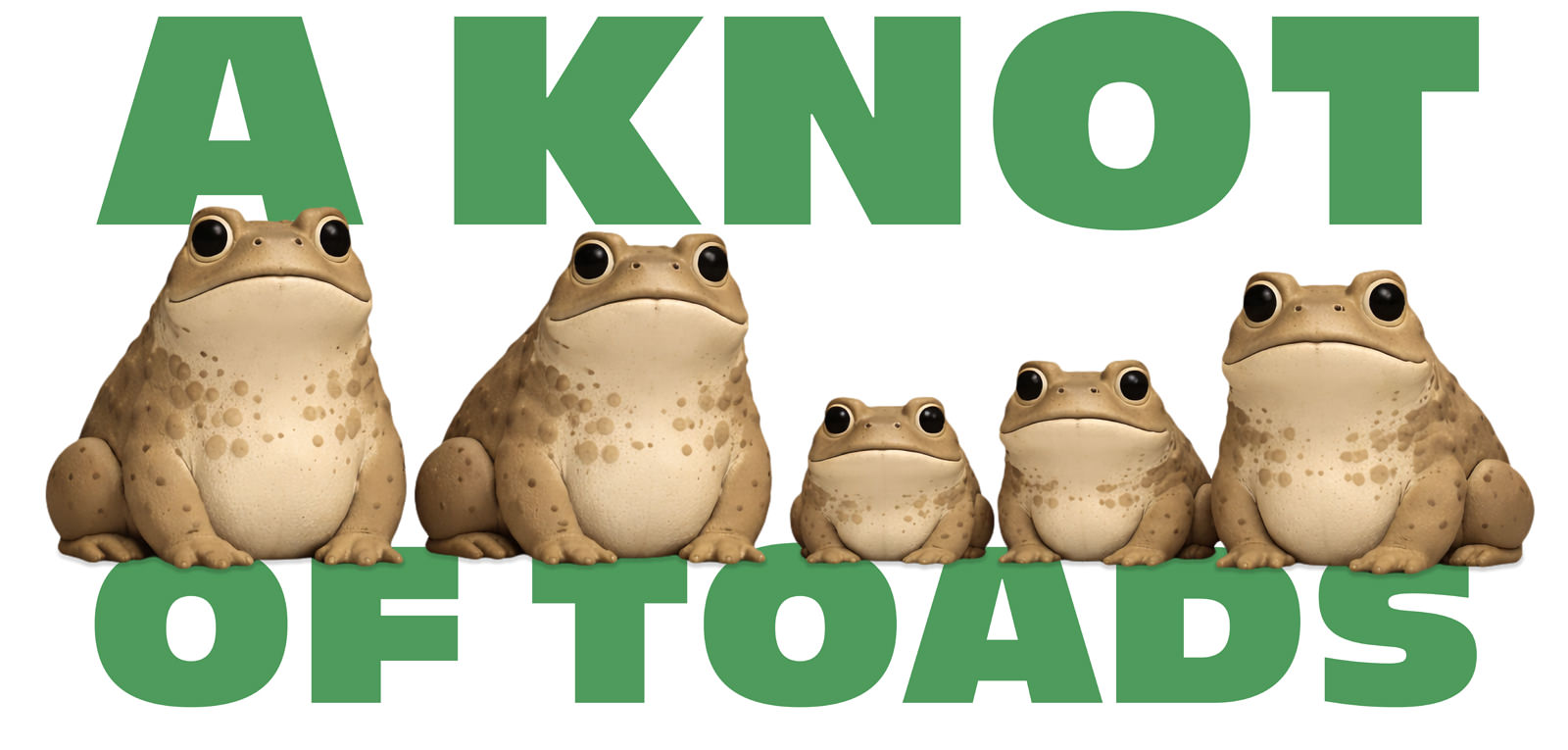
A group of toads is called a knot because of the way they cluster together, especially during breeding season, when multiple males gather around a single female in what looks like a tangled pile of bodies. From a distance, the mass can resemble a knotted bundle of warty backs and intertwined limbs. To get your Knot to Toads merchandise, head over to specieslimited.com. Nikon D810 with Nikkor 200-400mm lens (at 400mm) ISO 400, f/5 at 1/2500th of a second.
Well… at least, the makings of a clowder. Bobcats are almost always solitary in the wild, so the collective name is borrowed from domestic cat terminology, where clowder describes a loose, shifting gathering of felines. Applying it to bobcats is more poetic than scientific, but that’s the charm. It brings these elusive wildcats together in name, if not in nature. The photo was captured by my backyard camera trap back in April of 2024. Nikon D810 with Nikkor 17-35mm lens (at 20mm) ISO 500, f/14 at 1/200th of a second, Cognisys camera box, trail monitor and flash units.
A group of bears is called a sleuth — the term coming from the Old English word “sleuth,” meaning a slow-moving or stealthy animal. The connection to bears stems from their solitary, slow-moving, and deliberate nature when not provoked. This particular sleuth was photographed in Alaska’s Lake Clark National Park. As always, head on over to specieslimited.com to get your animal group names apparel. Nikon D500 with Nikkor 200-400mm lens (at 400mm) ISO 1600, f/4 at 1/1600th of a second.
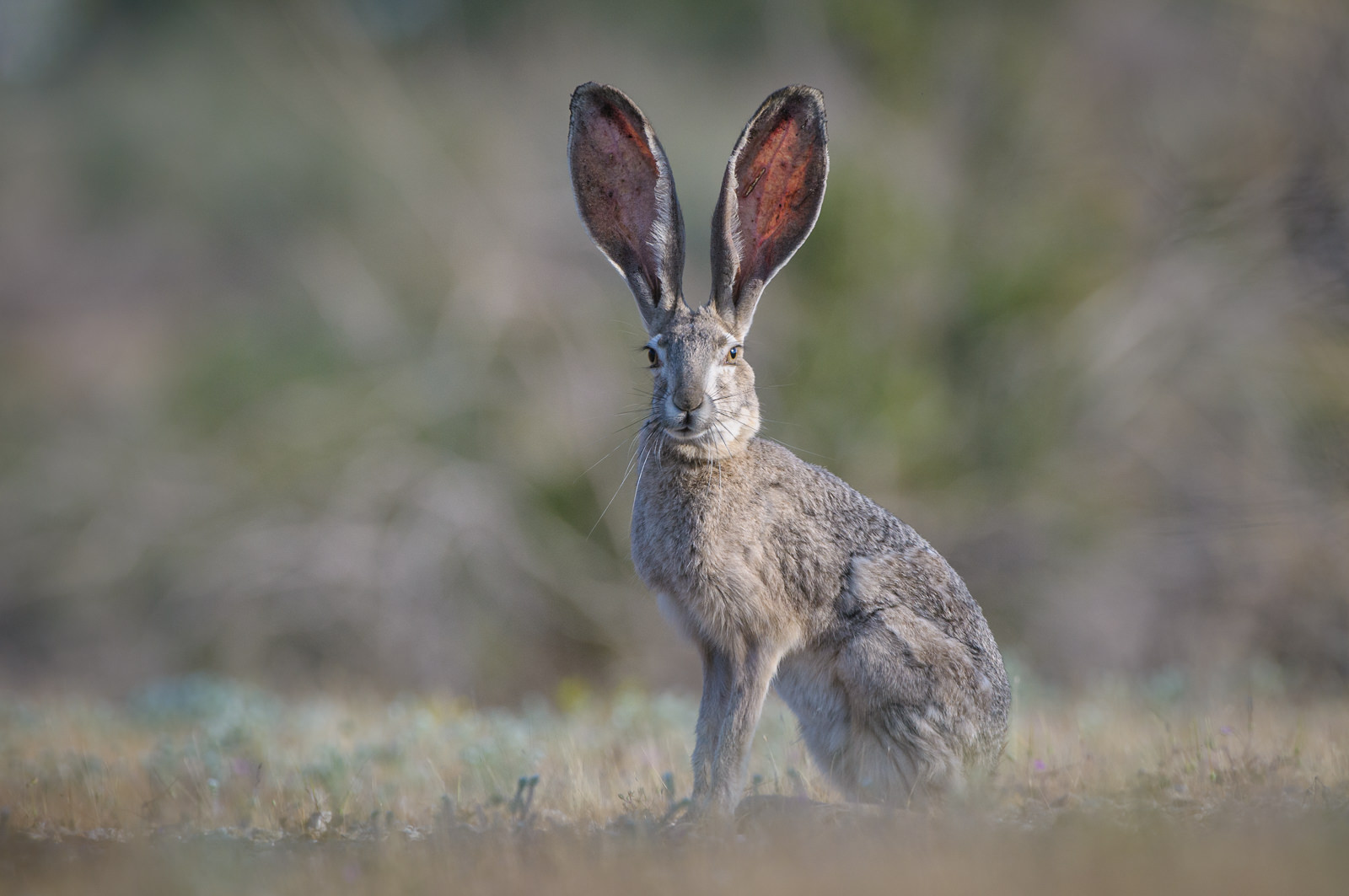
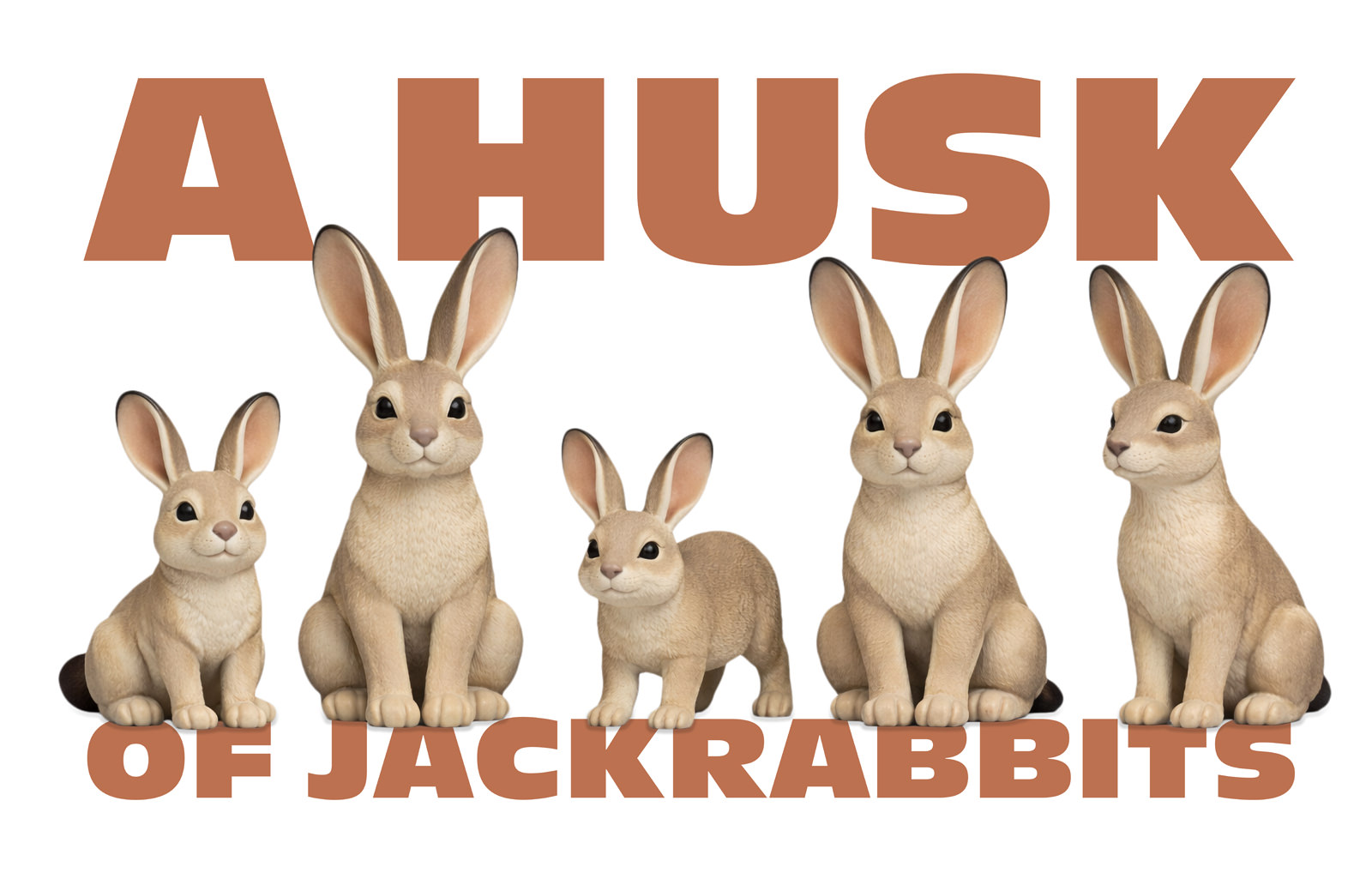
The term “husk” for a group of jackrabbits is one of those rare and lesser-known collective nouns, and like many such terms, its origin is more poetic than scientific. It may come from the old usage of “husk” meaning an outer shell or group enclosing something, possibly reflecting how jackrabbits may scatter from low vegetation or “husk-like” cover when startled. Alternatively, it could simply have been chosen for its crisp, natural sound, fitting for an animal of open plains and dry grasslands. As with many collective nouns, it’s more about imaginative language than biological behavior. For more, head on over to Species Limited, and why not pick up a few tee shirts (or a nice coffee mug of a jackrabbit husk) while you’re there. Nikon D300 with Nikkor 200-400mm lens (at 400mm) ISO 400, f/5.6 at 1/640th of a second.
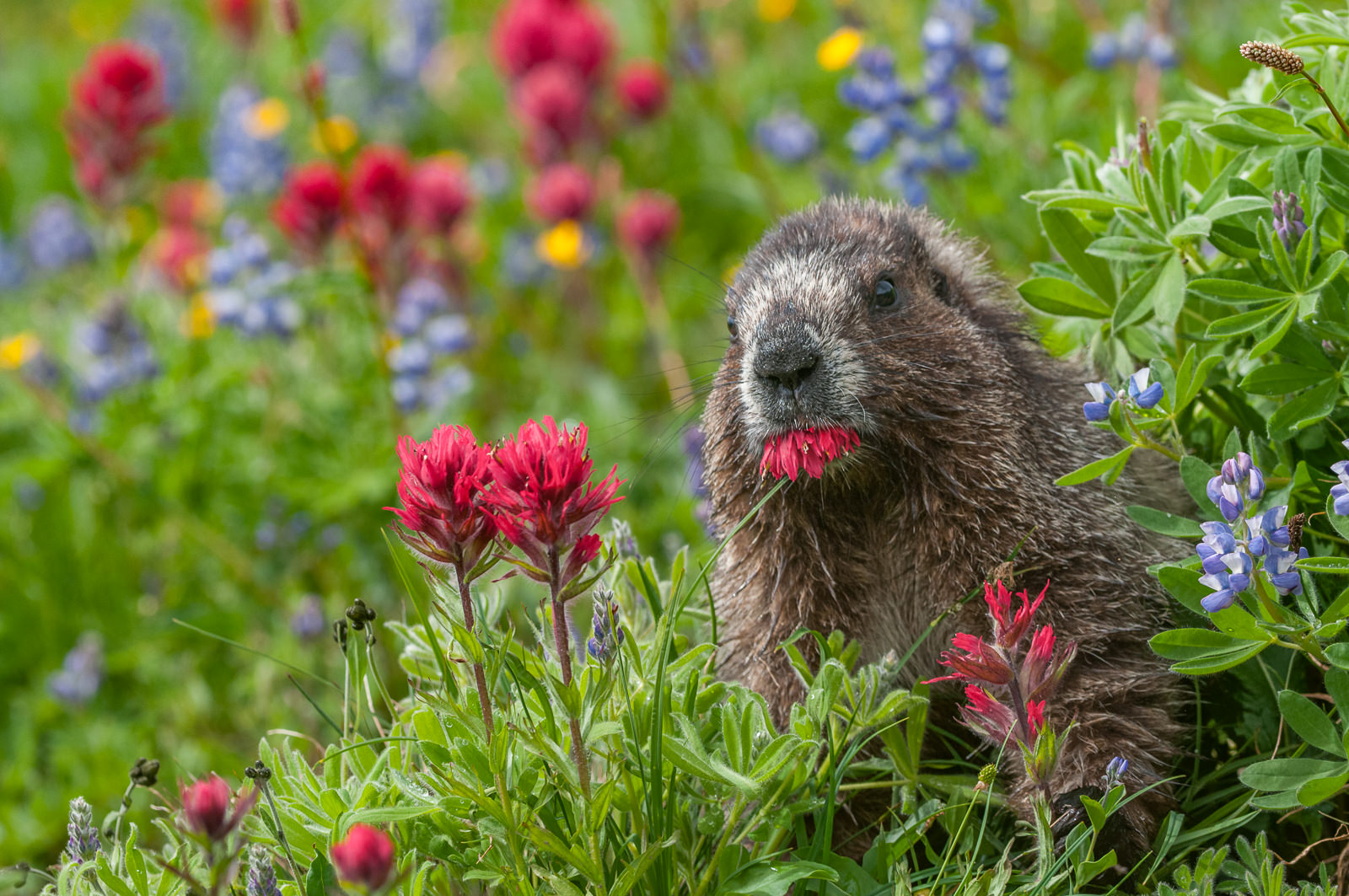
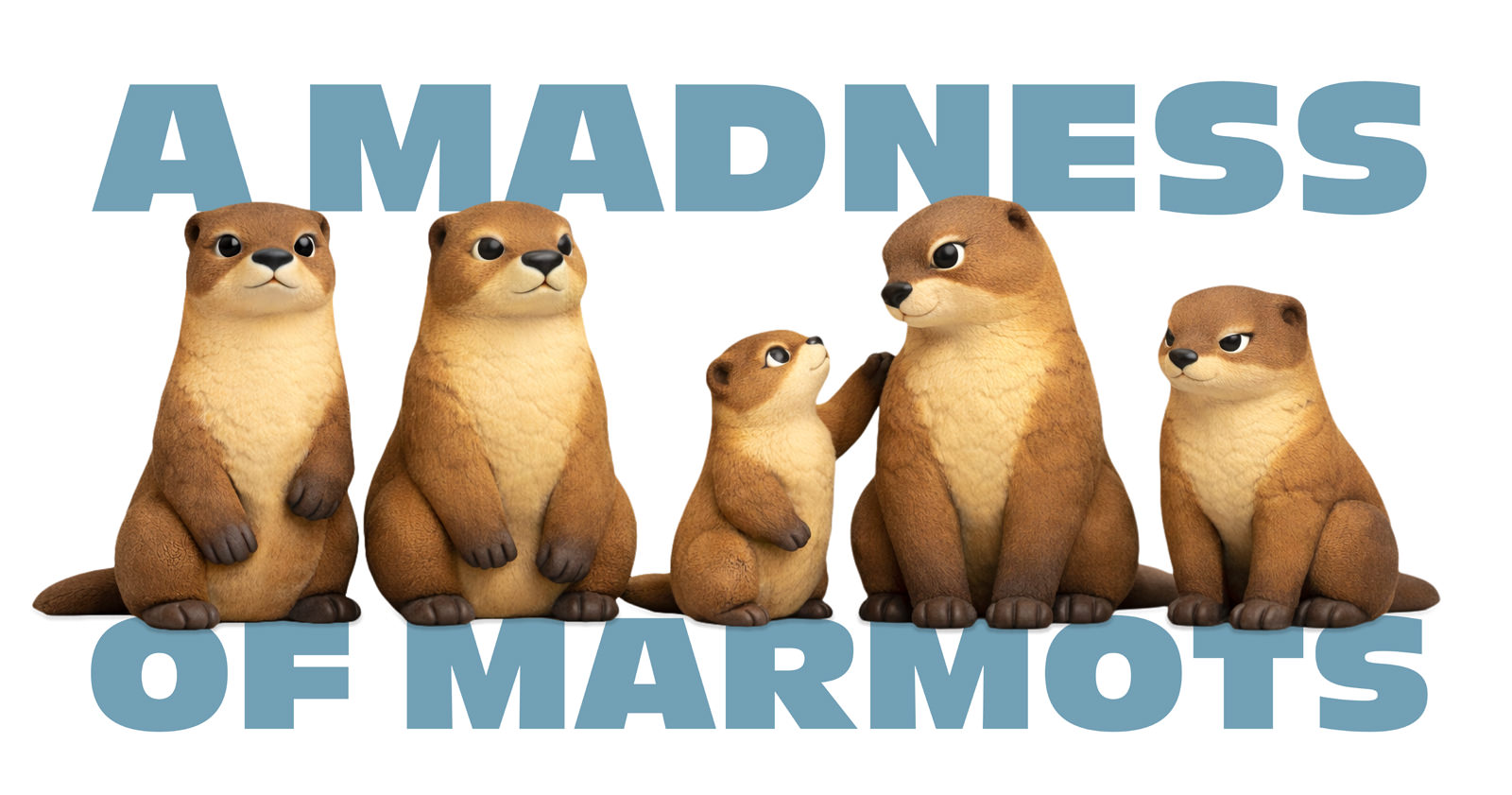
Continuing with the animal collective names series, here is my favorite marmot shot. Had this individual been with two others, it would be correct to call it a madness of marmots. This image has been posted before but was worth a second look. Captured in the alpine tundra of Mount Rainier National Park. For more on the animal group names series, visit my shop at specieslimited.com.Nikon D300 with Nikkor 200-400mm lens (at 200mm) ISO 400, f/5.6 at 1/1250th of a second.
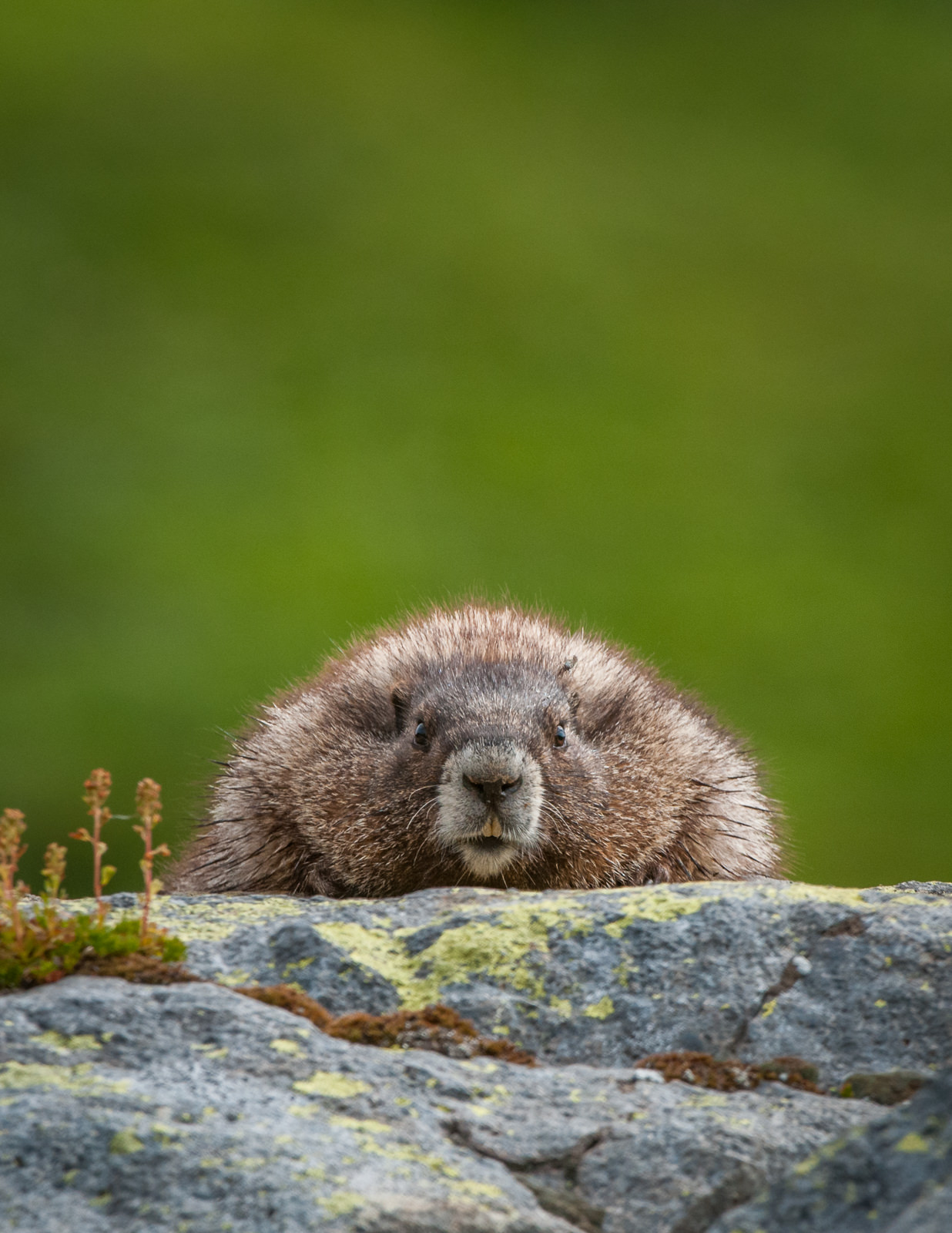
Hoary marmots, often called “whistle pigs” for their high-pitched alarm calls, are a common sight among the alpine meadows and rocky slopes of Mount Rainier in Washington State. These large ground squirrels spend the short summer season feeding and basking in the sun to build fat reserves for their long hibernation, which can last up to eight months. Social and vocal, they often perch on rocks to watch for predators. Nikon D300 with Nikkor 200-400mm lens (at 400mm) ISO 400, f/8 at 1/500th of a second.
We use cookies to enhance your experience while using our website. If you are using our Services via a browser you can restrict, block or remove cookies through your web browser settings. We also use content and scripts from third parties that may use tracking technologies. You can selectively provide your consent below to allow such third party embeds. For complete information about the cookies we use, data we collect and how we process them, please check our Privacy Policy