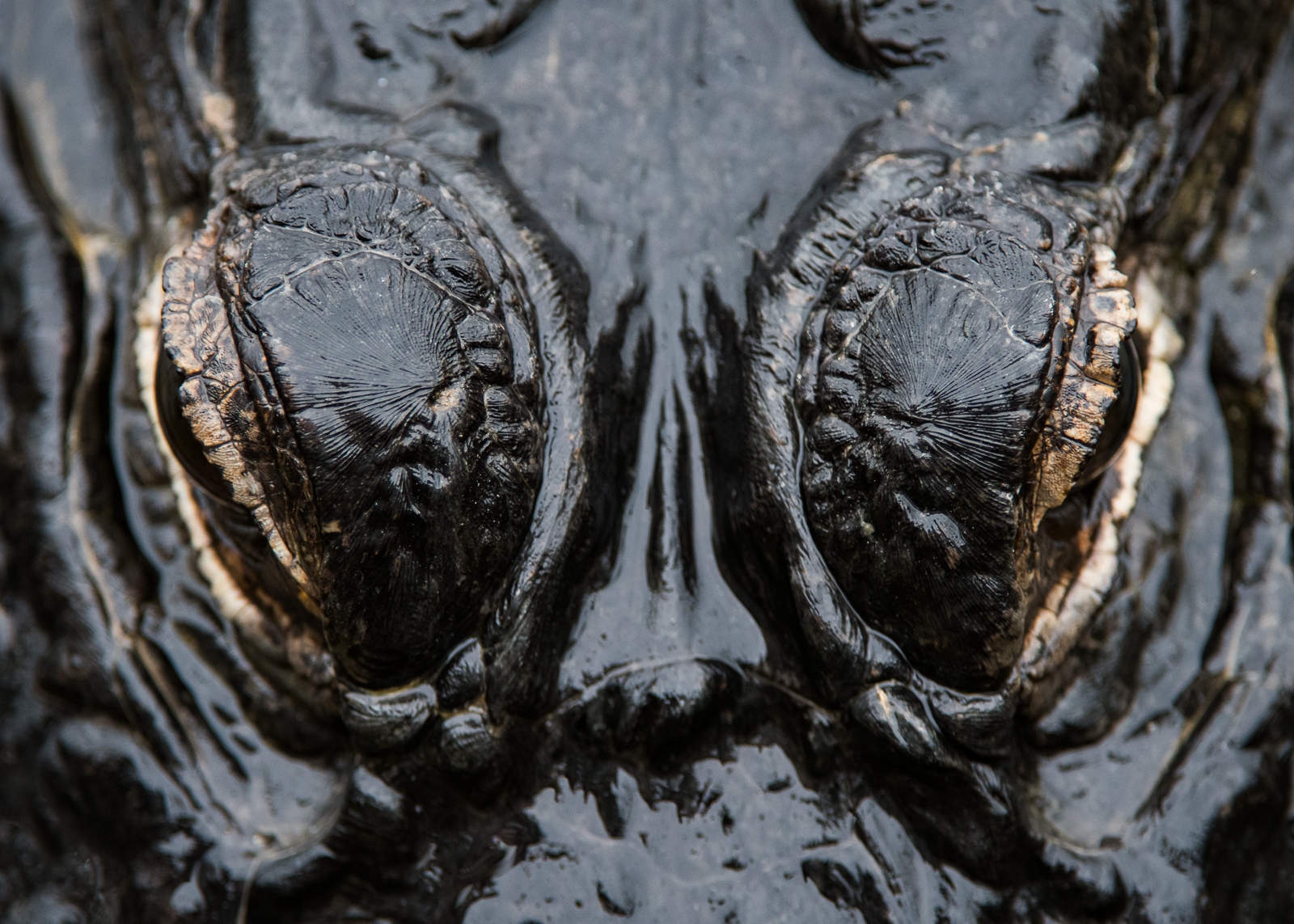
Perfectly adapted to its swampy world, the top of an alligator’s head is flat, armored, and built for stealth. Its eyes, ears, and nostrils are all positioned on top, allowing the gator to see, hear, and breathe while the rest of its body remains hidden just below the water’s surface. The skin is rough and ridged, dotted with bony plates that offer protection and help regulate body temperature. Tiny pits near the snout detect vibrations and movement in the water, giving the alligator an almost sixth sense for approaching prey. In this image, I went very tight on the head and eyes from directly above the gator. Shot in Big Pine Key in the Florida Keys. Nikon D500 with Nikkor 200-400mm lens (at 400mm) ISO 800, f/4 at 1/400th of a second.
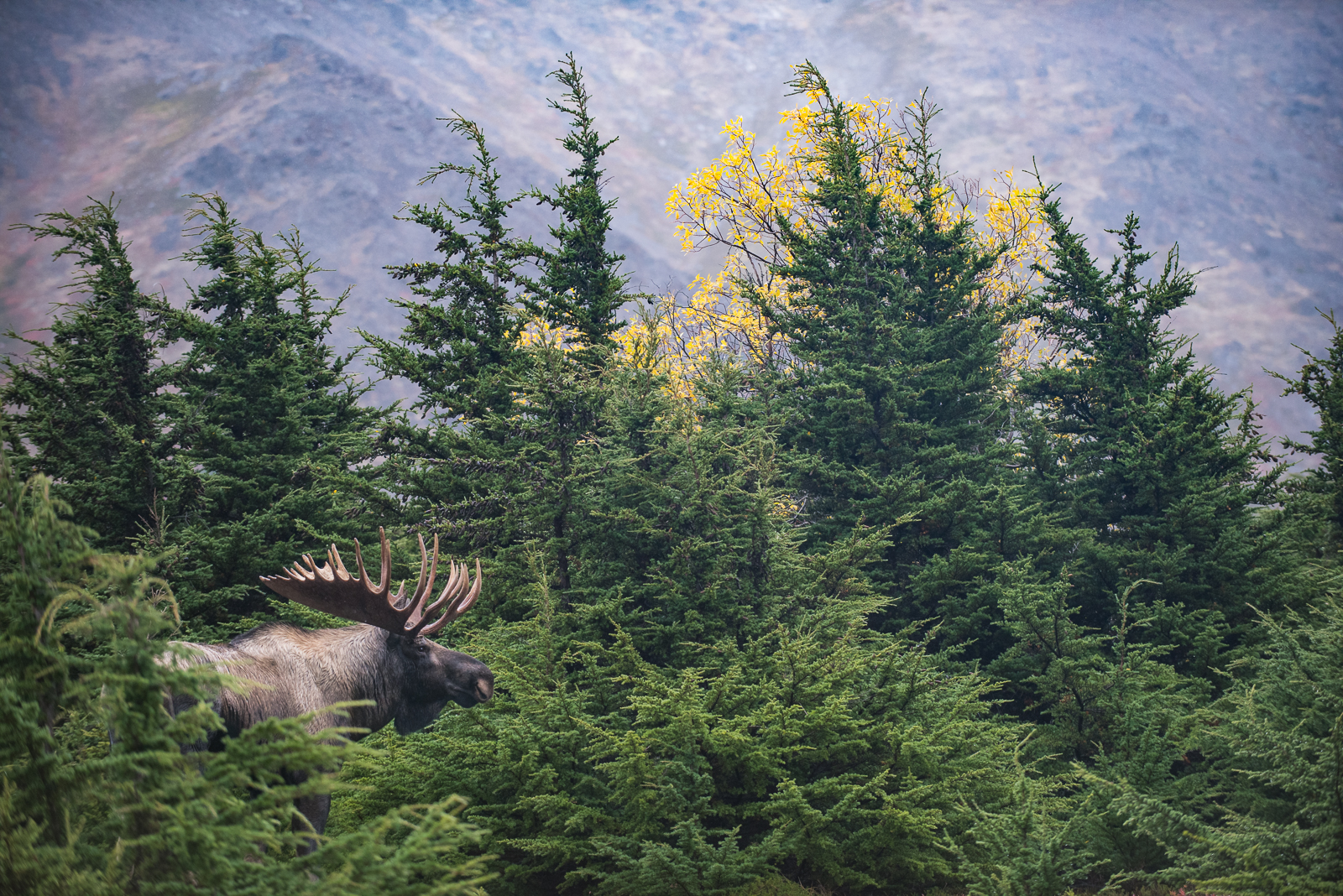
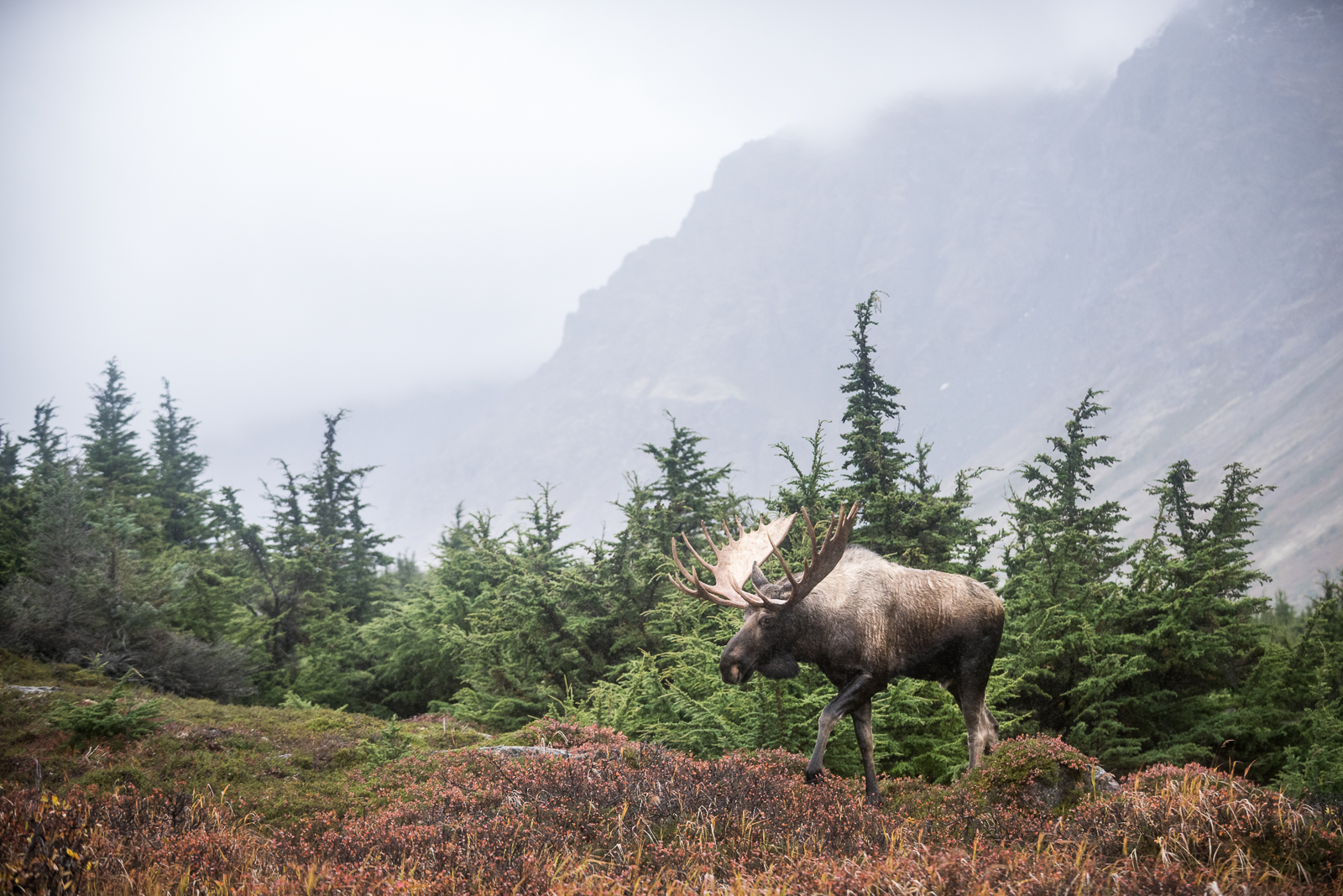
During the fall rut in Alaska bull moose move through the trees, grunting and sniffing the air for the scent of receptive cows. Their necks swell with testosterone, and they may thrash saplings or engage in head-to-head battles with rival bulls to assert dominance. I kept my distance, for the most part, as this guy zeroed in on a nearby cow. Nikon D810 with Nikkor 70-200mm lens (at 140mm) ISO 800, f/4 at 1/1000th of a second.
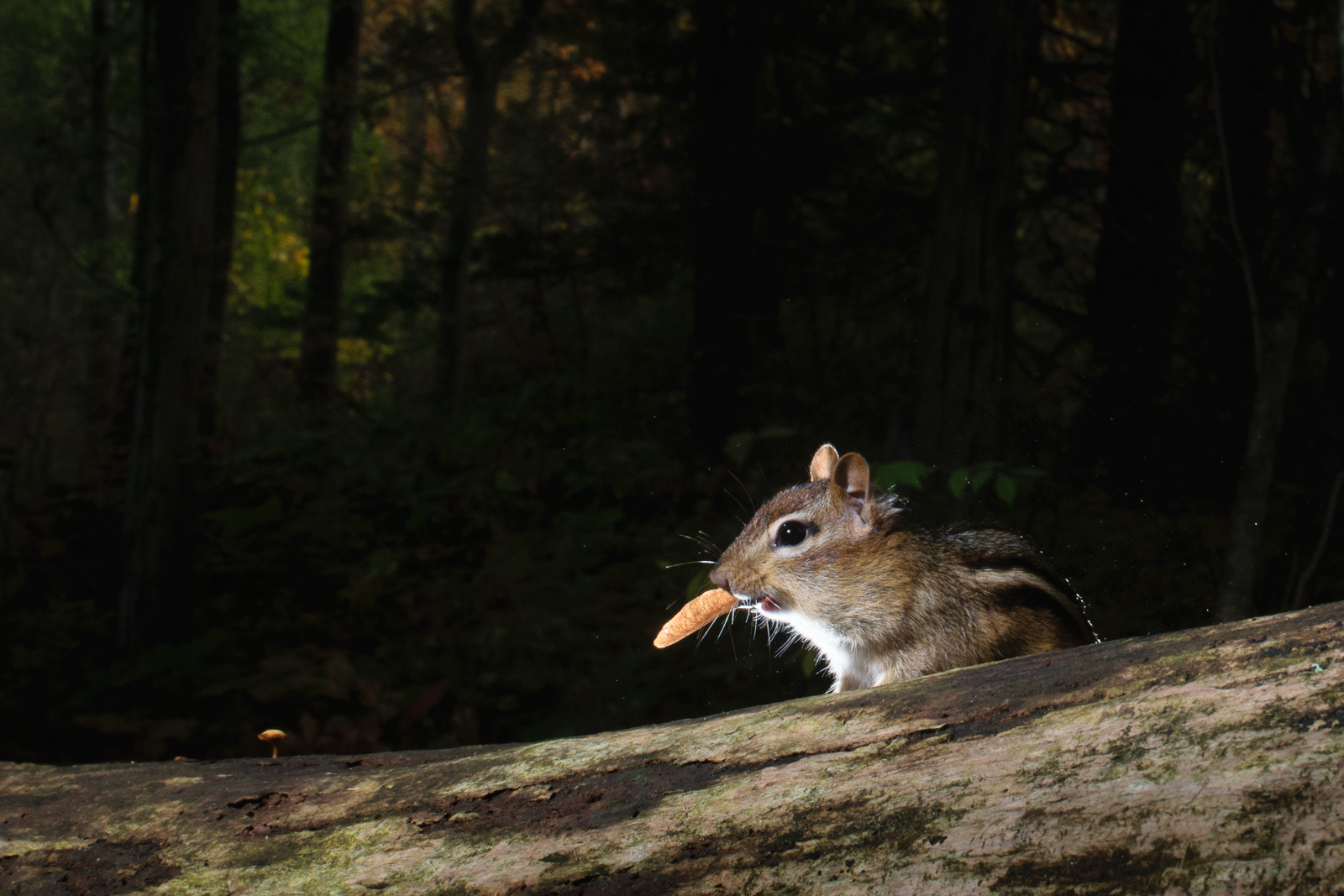
We called them helicopters when I was a kid. Whirlybirds were another common nickname, but they are actually called samaras, and they are most common with maple trees. Chipmunks — like this one that recently visited my backyard camera trap — collect them and store them for winter. They peel back the paper-y outer wings and eat the seed that sits inside. Nikon D3300 with Nikkor 18-55mm lens (at 29mm) ISO 400, f/14 at 1/250th of a second, Camtraptions camera housing and triggers, Nikon SB-900 flash units.
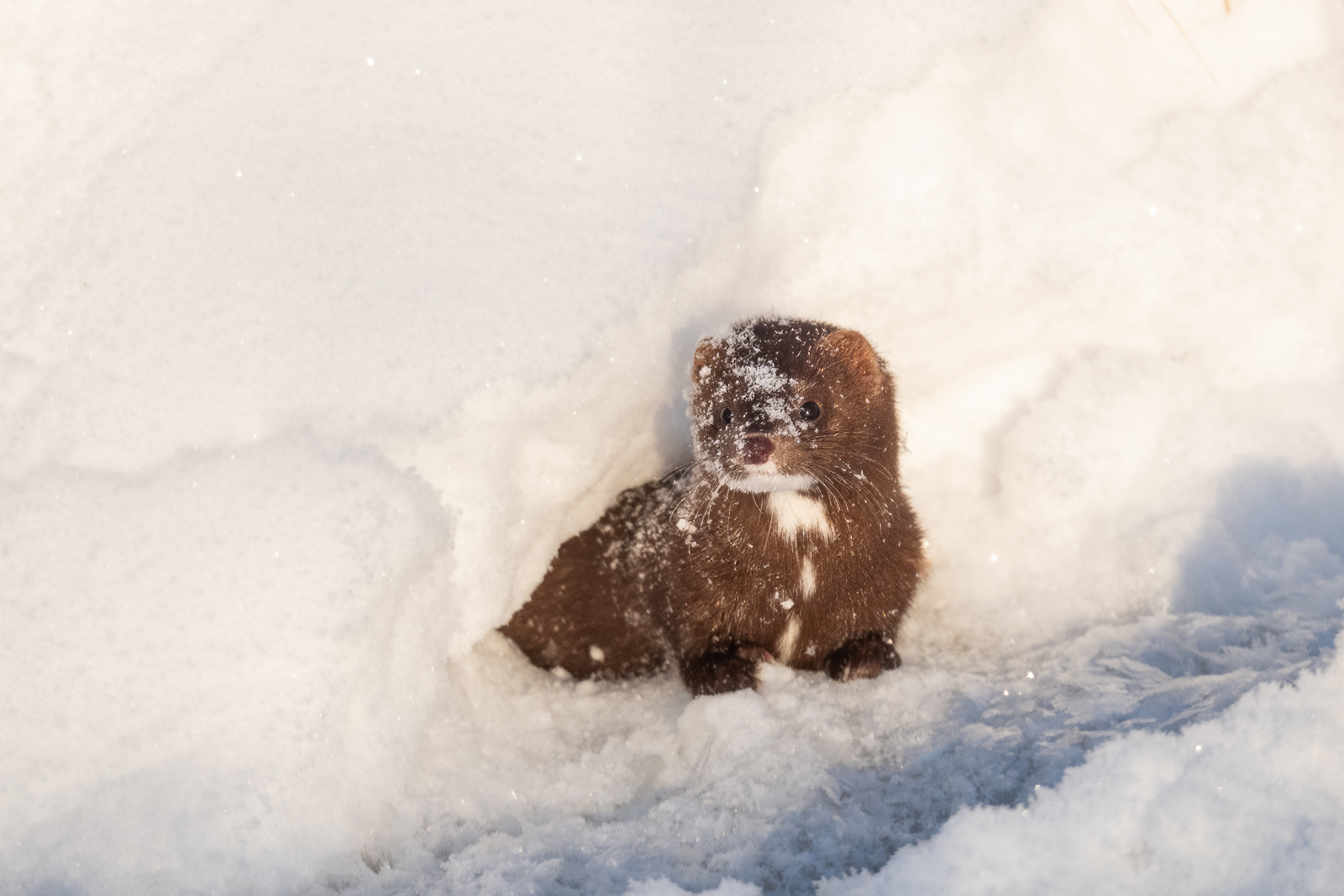
The American mink is a semi-aquatic predator often seen darting through snowy riverbanks and icy streams during winter. Agile and fearless, the mink hunts everything from fish and frogs to rodents and birds, often diving into icy water. Nikon D500 with Nikkor 500mm PF lens, ISO 800, f/5.6 at 1/2000th of a second.
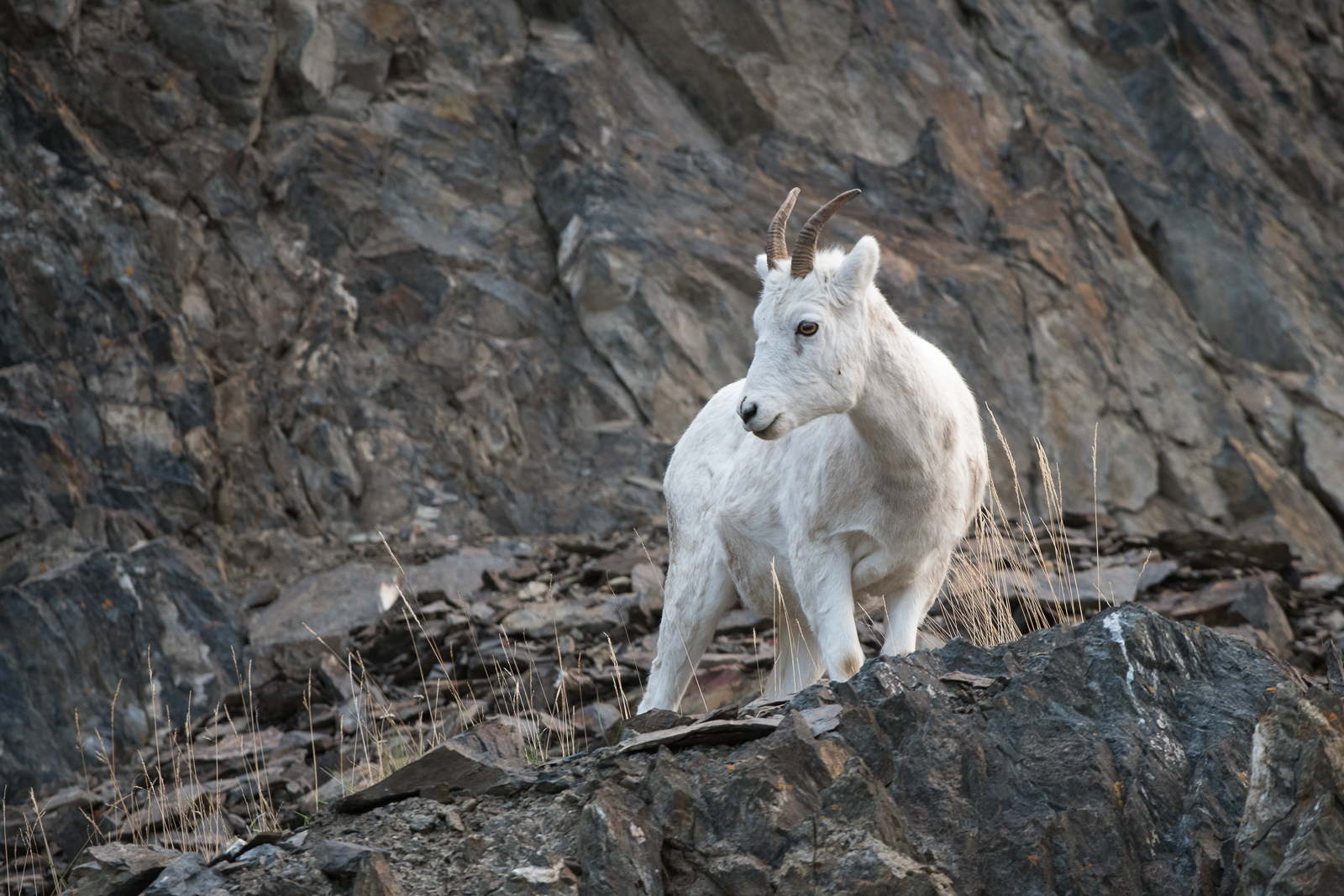
Dall sheep are white mountain dwellers native to the rugged peaks of Alaska and northwestern Canada. Their bright coats blend perfectly with snow-covered cliffs, offering camouflage from predators like wolves and eagles. Agile and sure-footed, they navigate steep, rocky terrain with ease, often scaling near-vertical slopes to escape danger. This one was photographed just outside of Anchorage a few years back. Nikon D500 with Nikkor 200-400mm lens (at 350mm) ISO 800, f/5.6 at 1/200th of a second.
It’s moose rutting season again in Alaska. This is a shot I took back in September of 2017. Would love to get back and have even close to the experience I did when I ran into about five or so males (hard to tell as they kept disappearing and reappearing from the bushes) and a single female doing their yearly dance. Nikon D810 with Nikkor 70-200mm lens (at 86mm) ISO 800, f/4 at 1/1600th of a second.
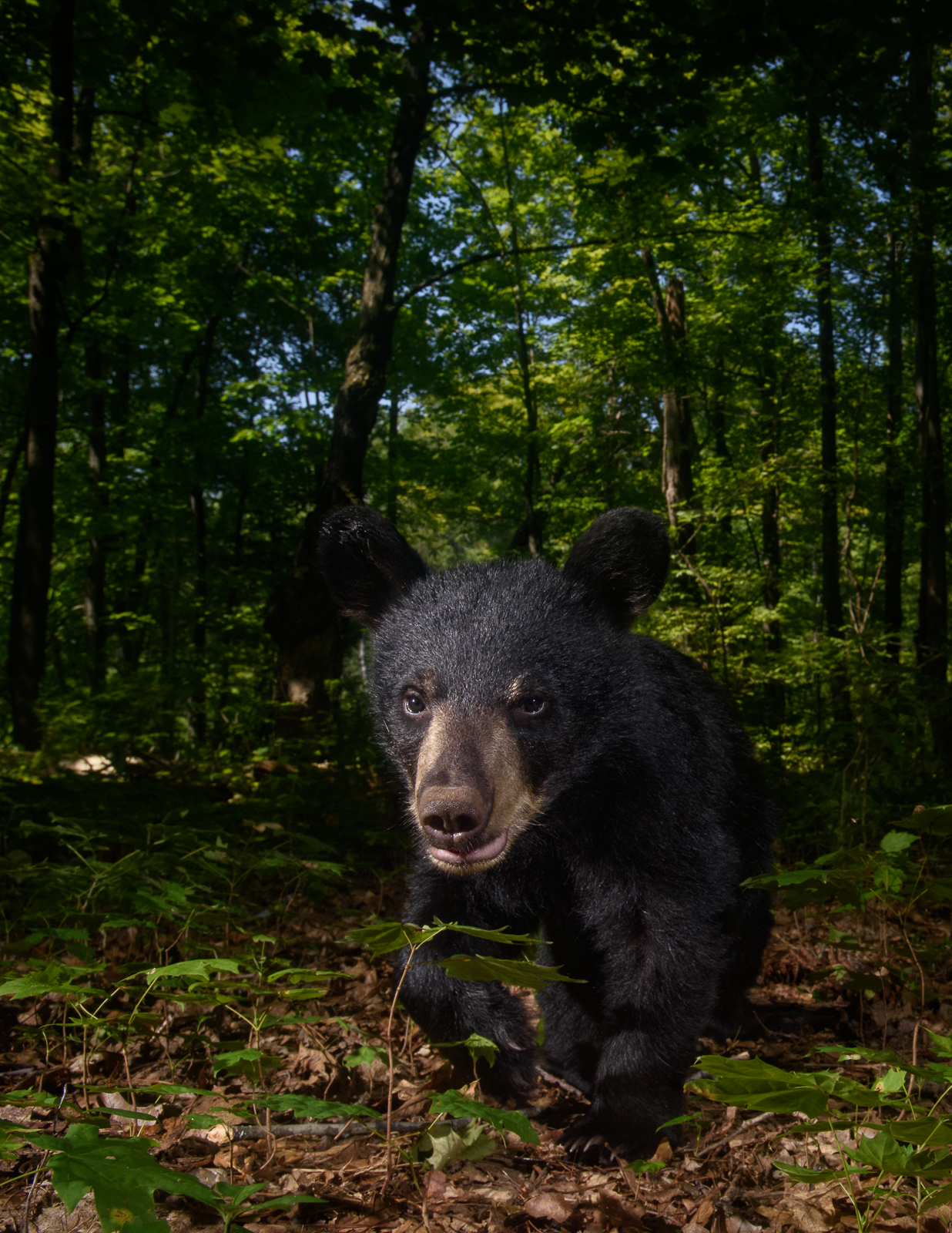
It’s been fairly slow in the yard this summer for bears. That said, a young one we haven’t seen before has been wandering around the last week or so. This image was taken last night by my camera trap while Karen and I were visiting friends in Pennsylvania. Always nice to come home to a few surprises. Nikon D810 with Nikkor 17-35mm lens (at 25mm) ISO 500, f/14 at 1/200th of a second, Cognisys camera box, trail monitor and remote flash units.
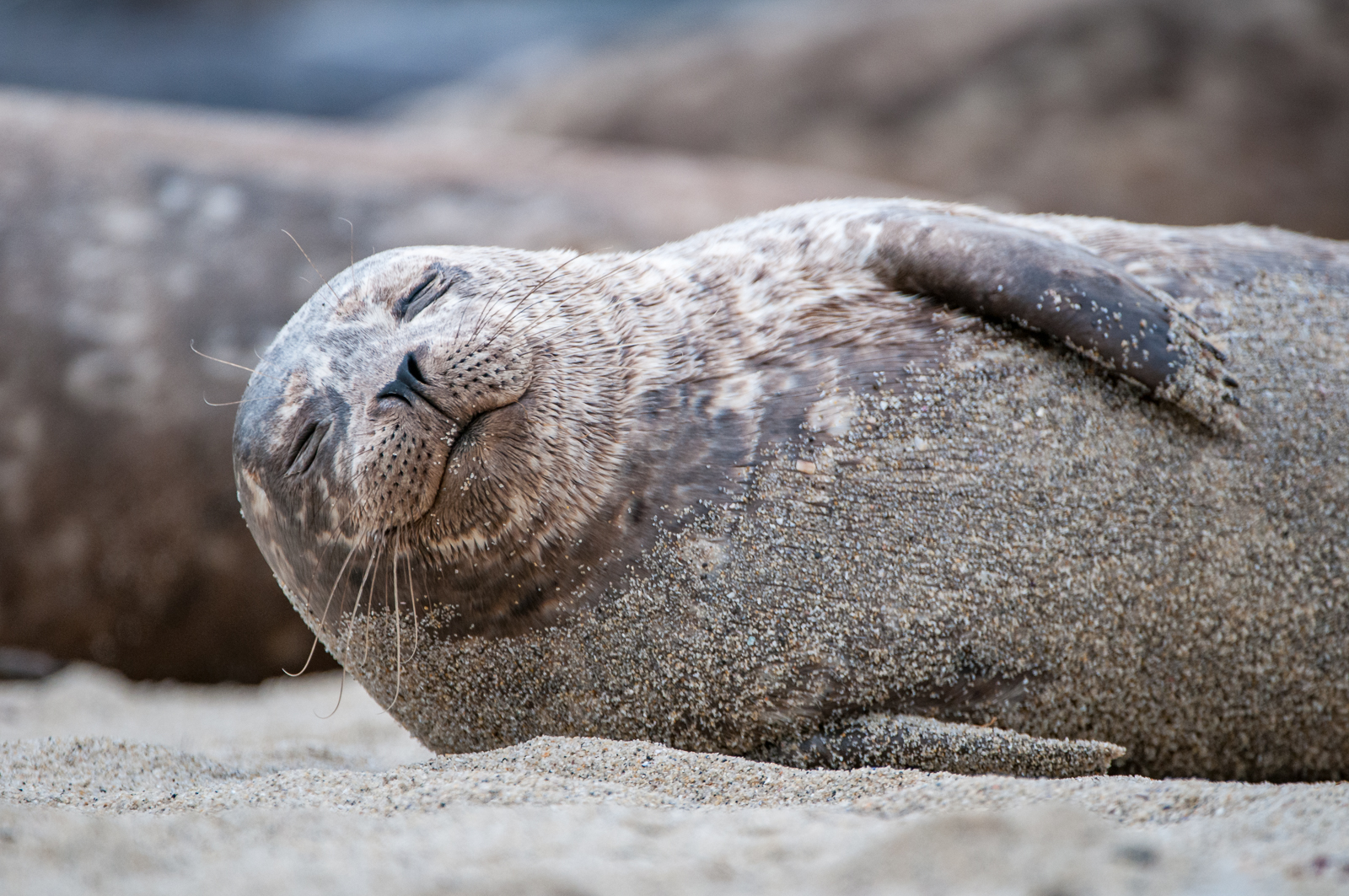
Children’s Pool Beach in La Jolla is one of the best places in California to observe harbor seals (Phoca vitulina) up close in the wild. Originally built as a protected swimming area for children, the beach has become a favorite haul-out and pupping site. Visitors can often see seals lounging on the sand or bobbing just offshore, especially during pupping season from mid-December through May. Nikon D300 with Nikkor 200-400mm lens (at 400mm) ISO 400, f/4 at 1/2500th of a second.
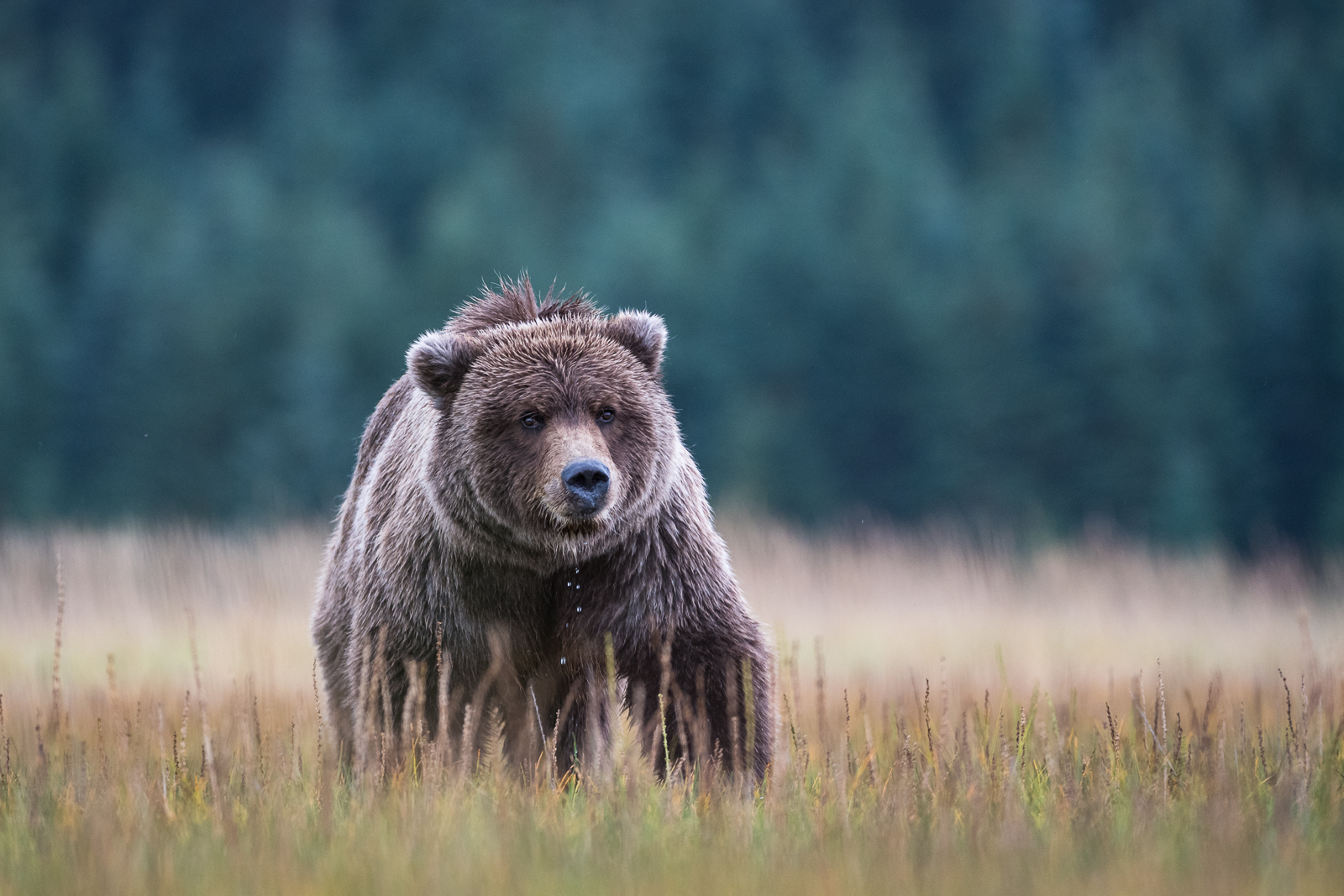
This coastal brown bear was grazing in the salt marshes of Lake Clark National Park in Alaska. Eventually she would get her fill of salad and head out to the beach with her cubs in search of salmon. Nikon D500 with Nikkor 200-400mm lens (at 340mm) ISO 800, f/4 at 1/320th of a second.
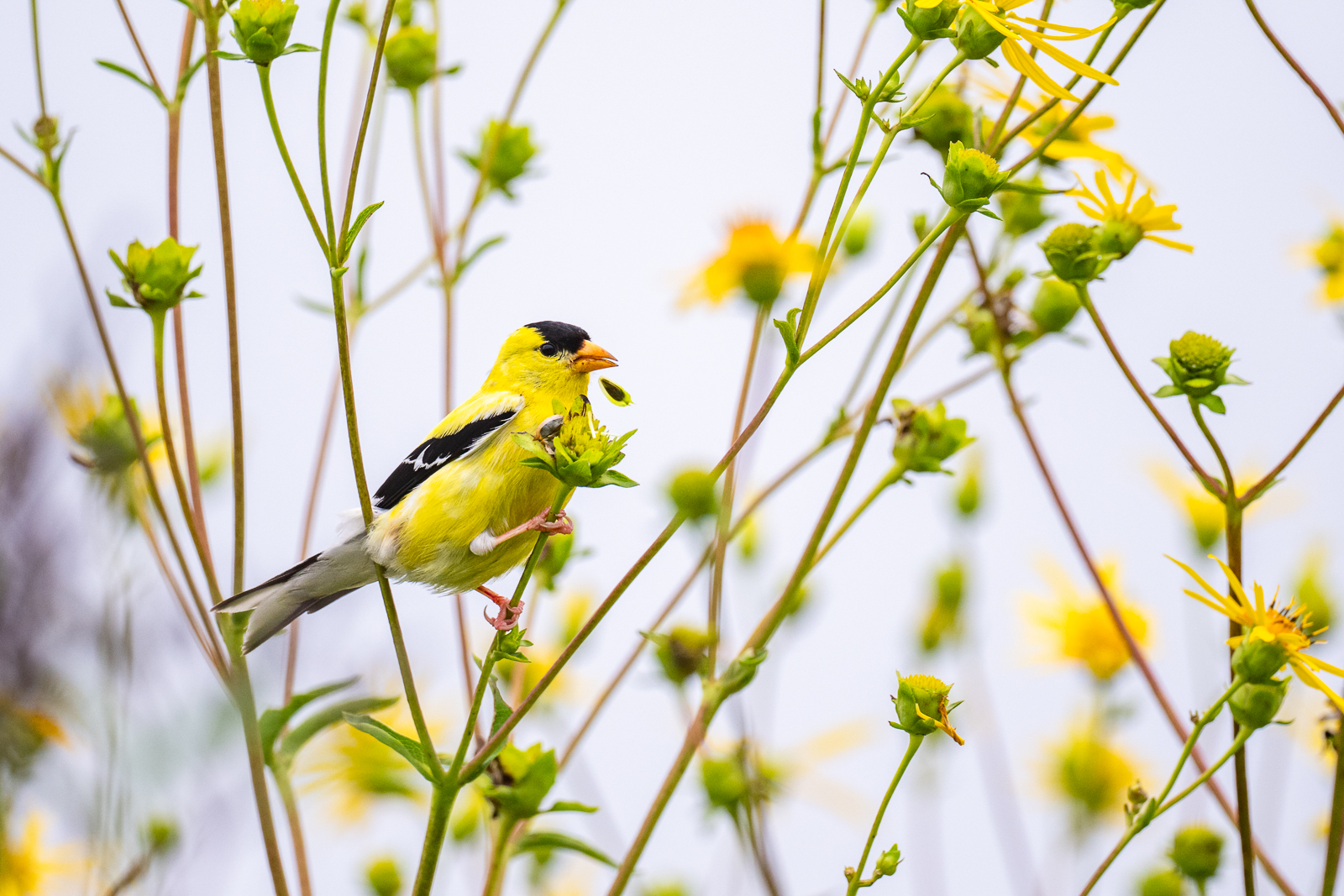
The American goldfinch (Spinus tristis) is especially bright and colorful in summer when males are wearing their breeding plumage. Unlike many birds, goldfinches breed later in the season, often waiting until mid to late summer so they can take advantage of the abundance of seeds from thistles and other wild plants. They’re strict vegetarians, feeding almost entirely on seeds, and even their chicks are raised on a plant-based diet. I photographed this goldfinch last summer in Rhode Island, going flower to flower eating, and in this case, spreading those seeds. Nikon Z8 with Nikkor 500mm PF lens, ISO 800, f/5.6 at 1/2000th of a second.
We use cookies to enhance your experience while using our website. If you are using our Services via a browser you can restrict, block or remove cookies through your web browser settings. We also use content and scripts from third parties that may use tracking technologies. You can selectively provide your consent below to allow such third party embeds. For complete information about the cookies we use, data we collect and how we process them, please check our Privacy Policy