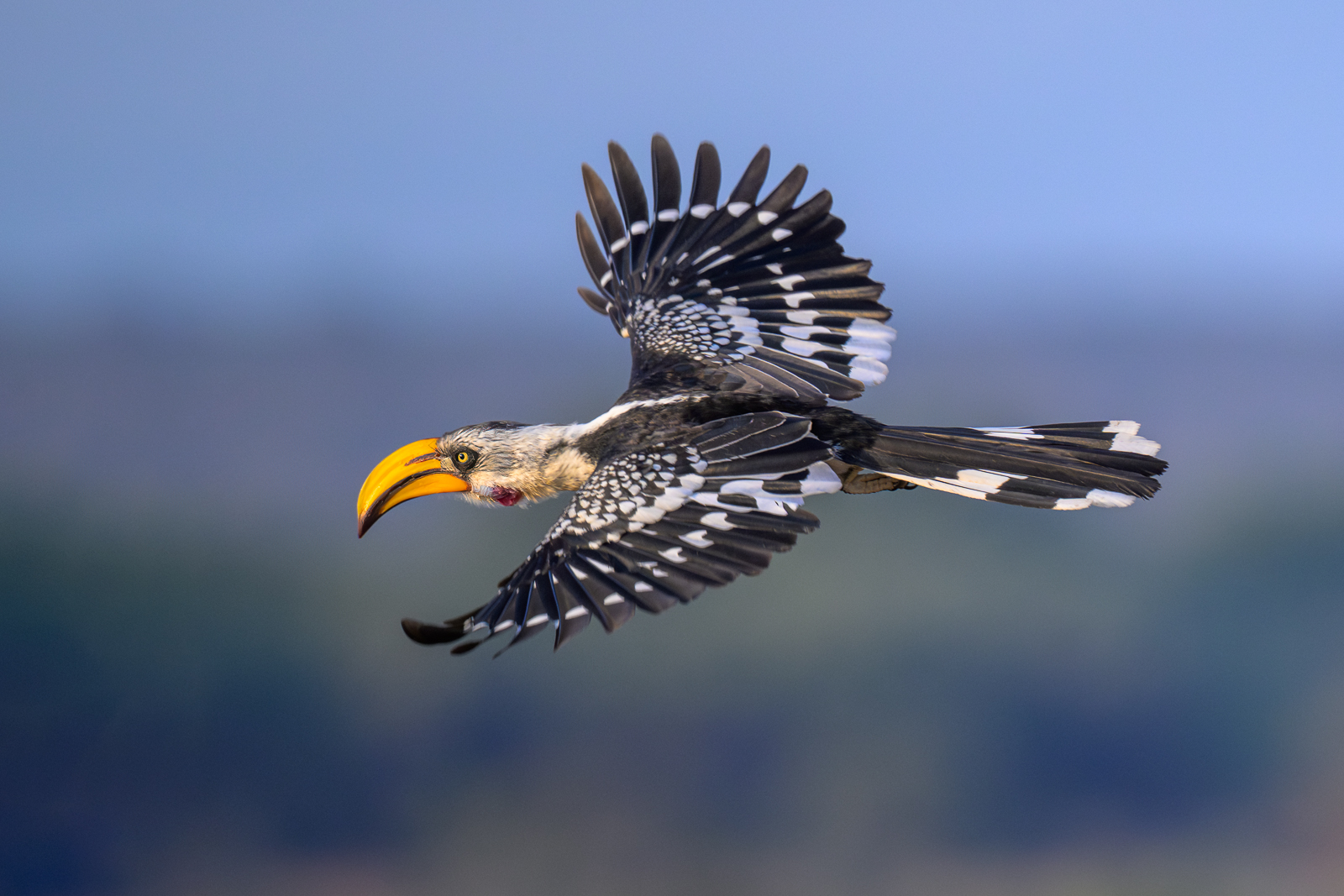
The eastern yellow-billed hornbill is a striking sight in flight, with its broad, rounded wings and long tail feathers fanning out as it moves from tree to tree. Its flight is typically short and swooping, with bursts of flapping followed by glides, giving it a bouncing motion through the air. When it takes off, you can often hear the flap of its wings and catch a flash of its black-and-white plumage and oversized yellow bill cutting through the sky. Nikon Z8 with Nikkor 500mm PF lens, ISO 1250, f/5.6 at 1/2000th of a second.
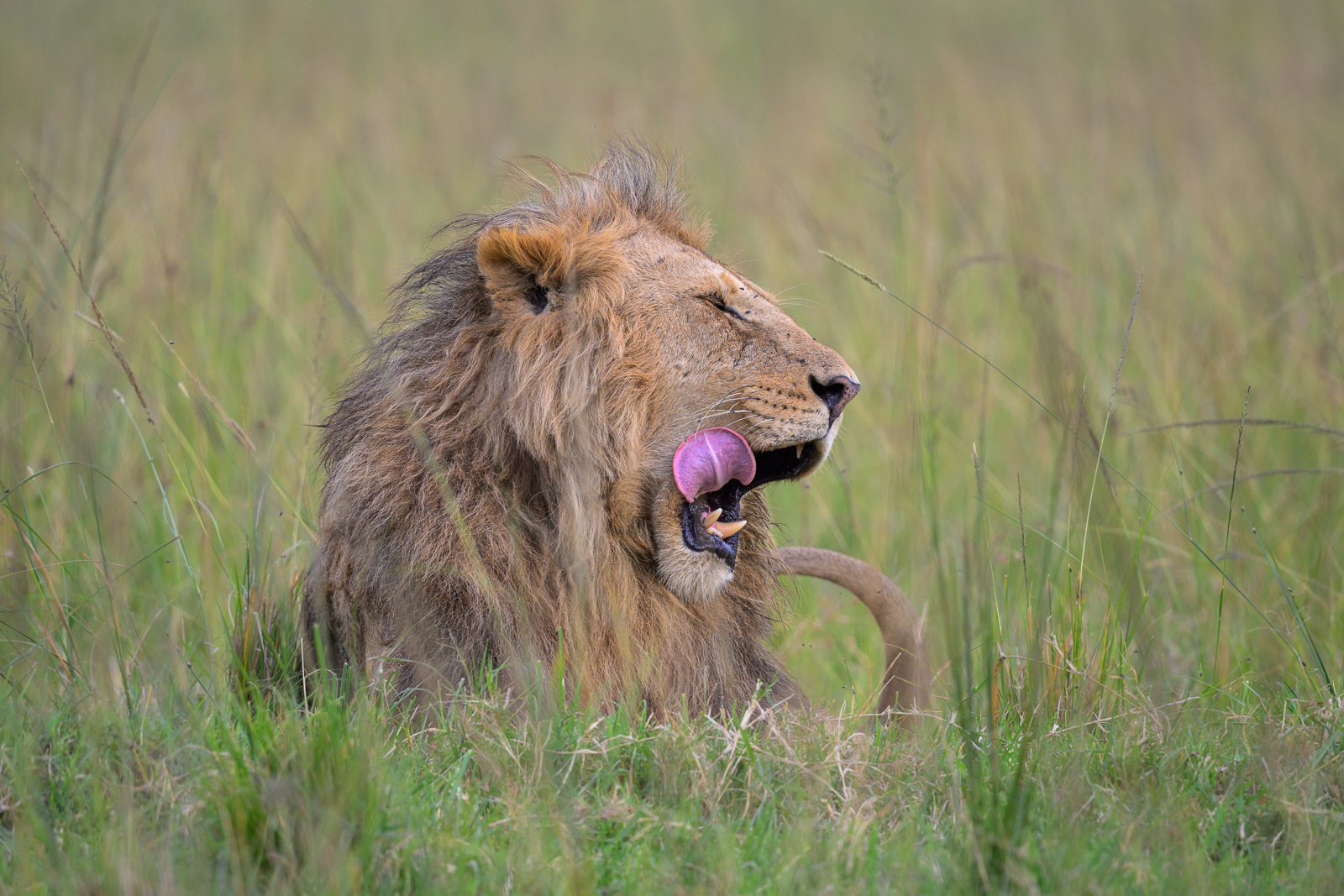
A lion’s yawn might look sleepy, but it’s often a social signal rather than just a sign of tiredness. Lions yawn to help wake up the body and brain, especially before a burst of activity like a hunt or going on patrol. Among pride members, frequent yawning can also help synchronize group behavior, like getting everyone up and moving around the same time. Nikon Z8 with Nikkor 500mm PF lens, ISO 560, f/5.6 at 1/1000th of a second.
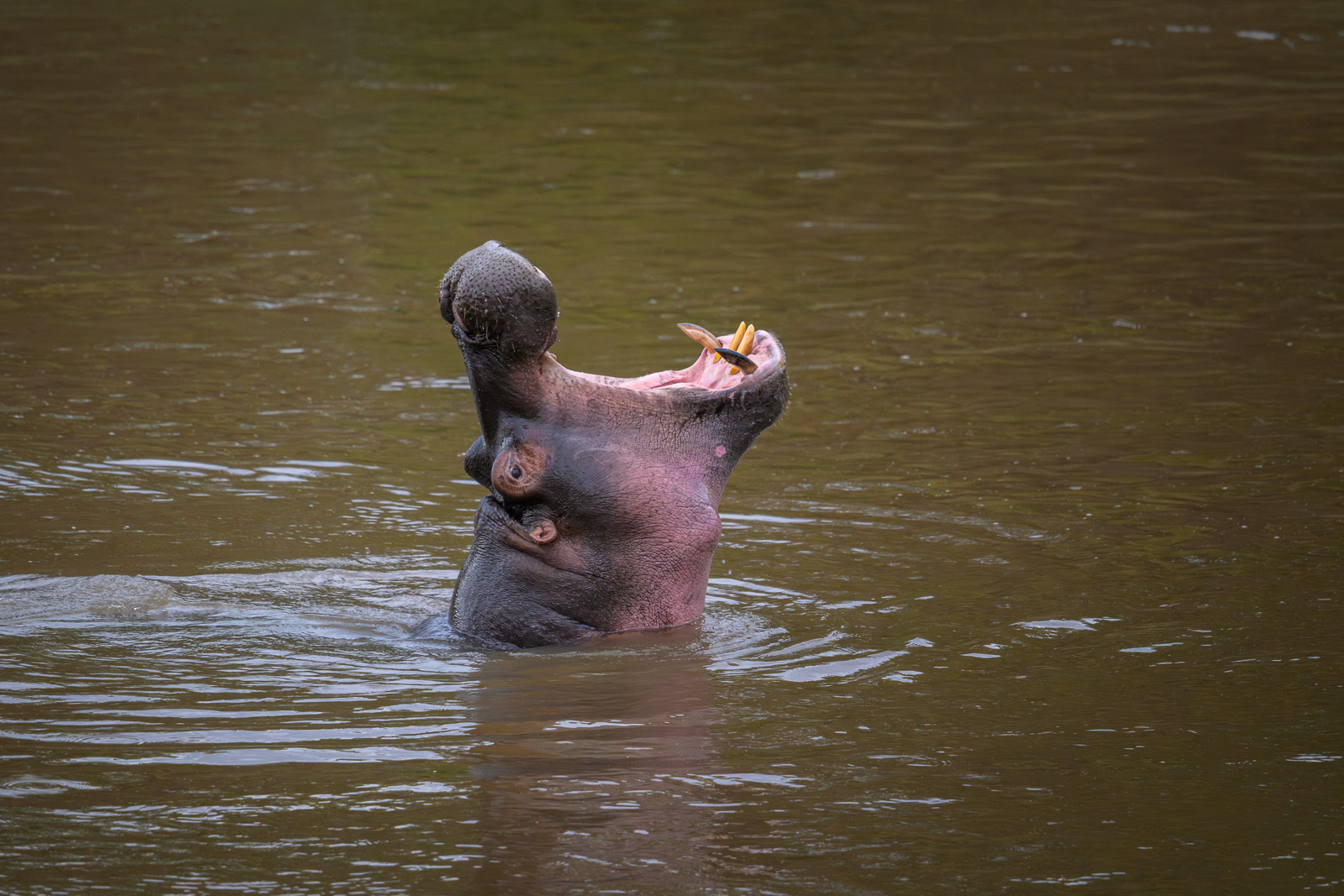
When hippos open their mouths wide and lift their heads skyward, they’re not yawning, they’re showing off in a territorial or dominance display. This dramatic gape, which can stretch over 150 degrees, is meant to intimidate rivals and signal strength without the need for a fight. Males use it especially often to defend their stretch of river or impress females, and the impressive size of their jaws and tusks makes the message loud and clear. Nikon Z8 with Nikkor 500mm PF lens, ISO 4000, f/5.6 at 1/400th of a second.
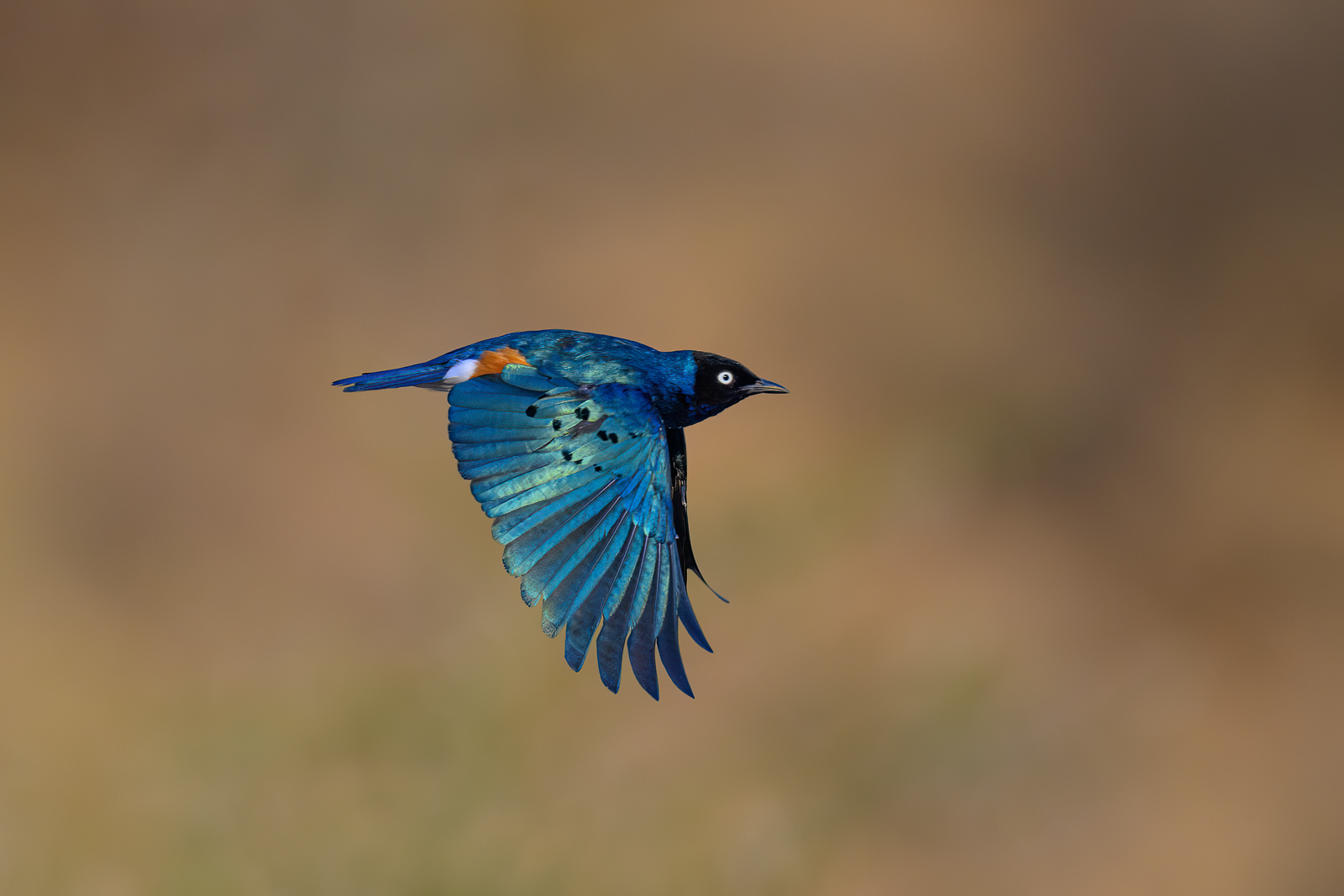
It’s good to have a goal while on safari, but at the same time, always be ready for the unexpected. We had been searching high and low for leopards while in Kenya’s Samburu National Reserve. On this particular day we weren’t successful in that pursuit, but it’s all the other creatures we encountered along the way that made this, and every game drive, unique and special. This is a suburb starling, one of the most common birds we see in east Africa. But always great to capture one in flight showing off those iridescent blue wings and orange belly (mostly obscured on the downstroke). Nikon Z8 with Nikkor 500mm PF lens, ISO 1800, f/5.6 at 1/2000th of a second.
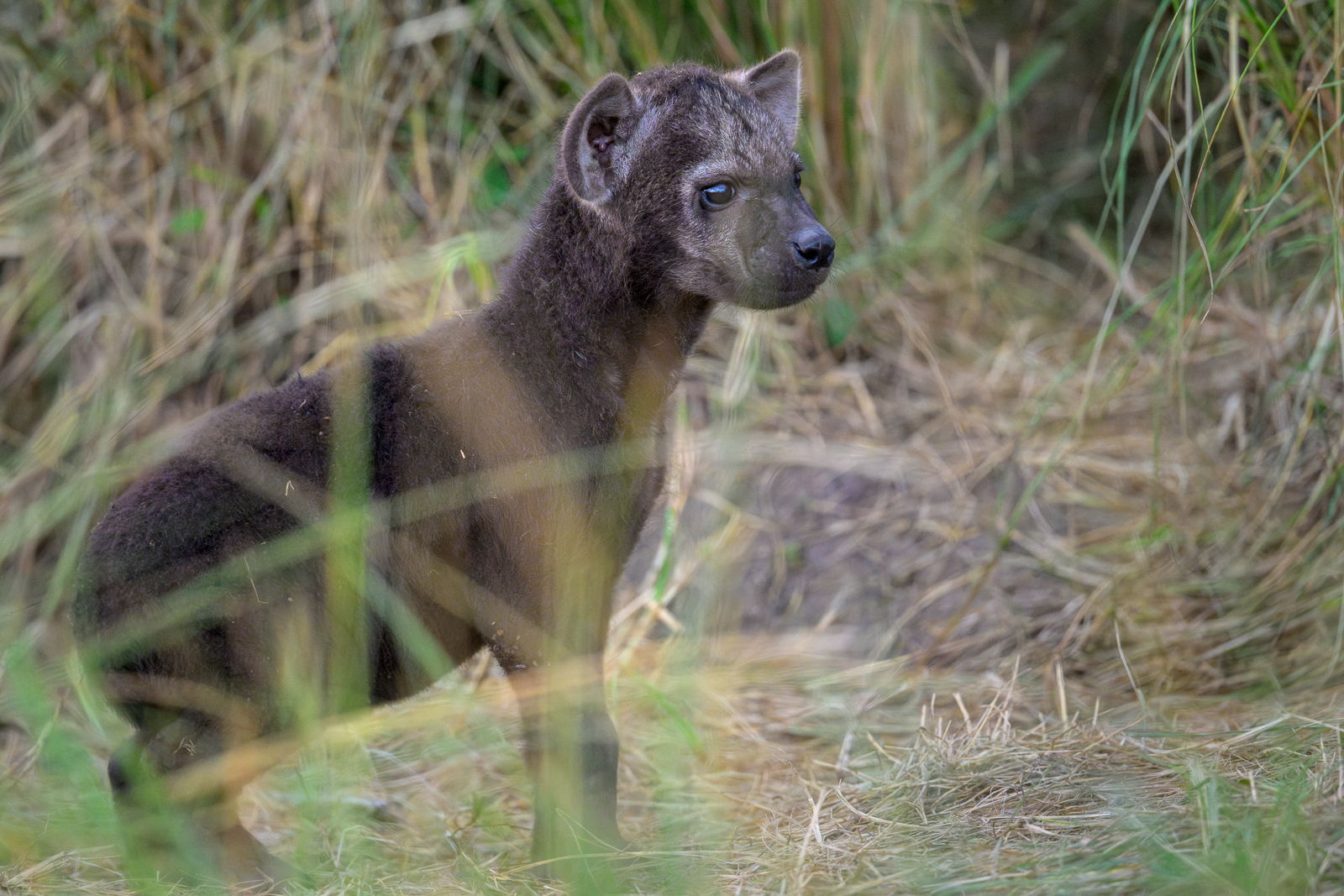
Lots of changes to my site, so not sure if this will go through or not to subscribers. I’ll give it a try. This was a spotted hyena cub we saw last month in Kenya. He/she kept popping up from the den and then scurrying back in side. Nikon Z8 with Nikkor 500mm PF lens, ISO 9000, f/5.6 at 1/500th of a second.
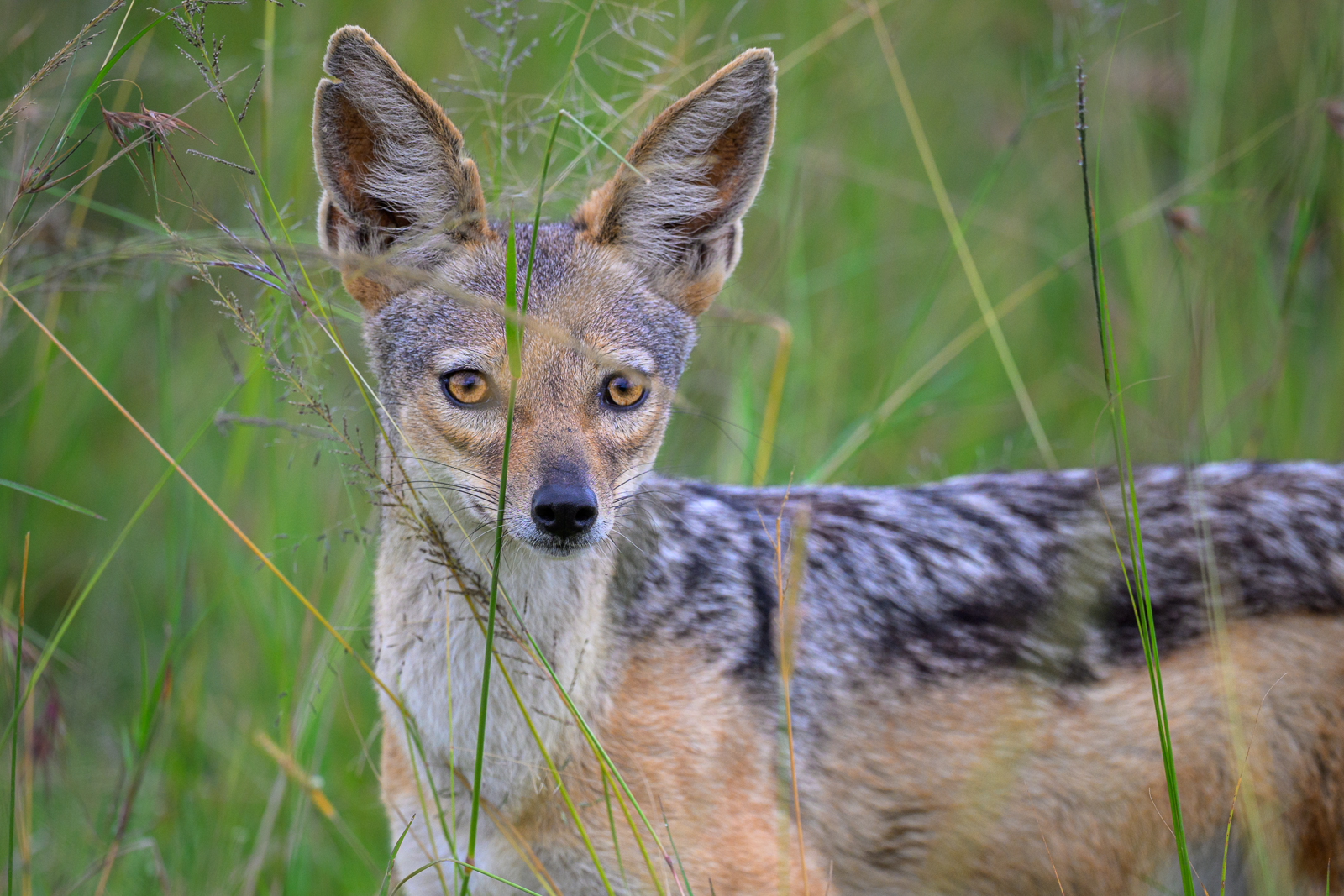
Black-backed jackals are rather small canines and can easily hide in the tall grasses of the Masai Mara savannas. Occasionally, however, I’d find a decent window through to the eyes. These guys are highly opportunistic, hunting small animals, as well as scavenging from larger predators. Photographed last month in Kenya. Nikon Z8 with Nikkor 500mm PF lens, ISO 900, f/5.6 at 1/500th of a second.
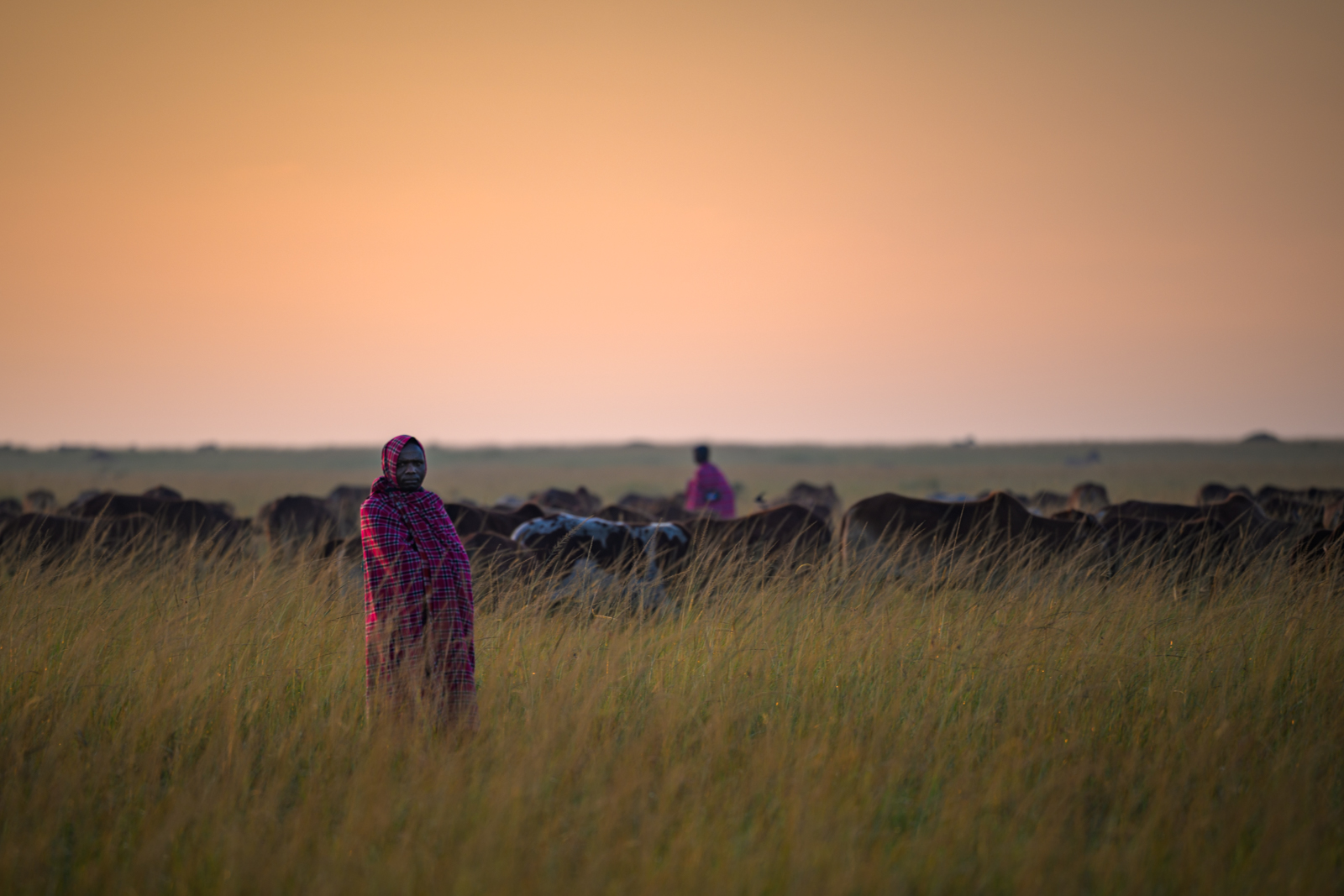
The Maasai people have lived alongside wildlife in the Masai Mara for generations, practicing traditional semi-nomadic cattle herding that’s deeply woven into their culture and identity. Their cattle are more than just livestock — they’re symbols of wealth, status, and spiritual connection. In recent years, some Maasai communities have begun collaborating with conservation efforts, grazing cattle in ways that support grassland regeneration and coexist with native wildlife like wildebeest and lions. And yes, when referring to the people, the spelling is Maasai, but when talking about the national reserve, it’s Masai. Maasai is considered correct, even though the park still uses the colonial-era transcription.Nikon Z8 with Nikkor 70-200mm lens (at 200mm), ISO 64, f/2.8 at 1/250th of a second.
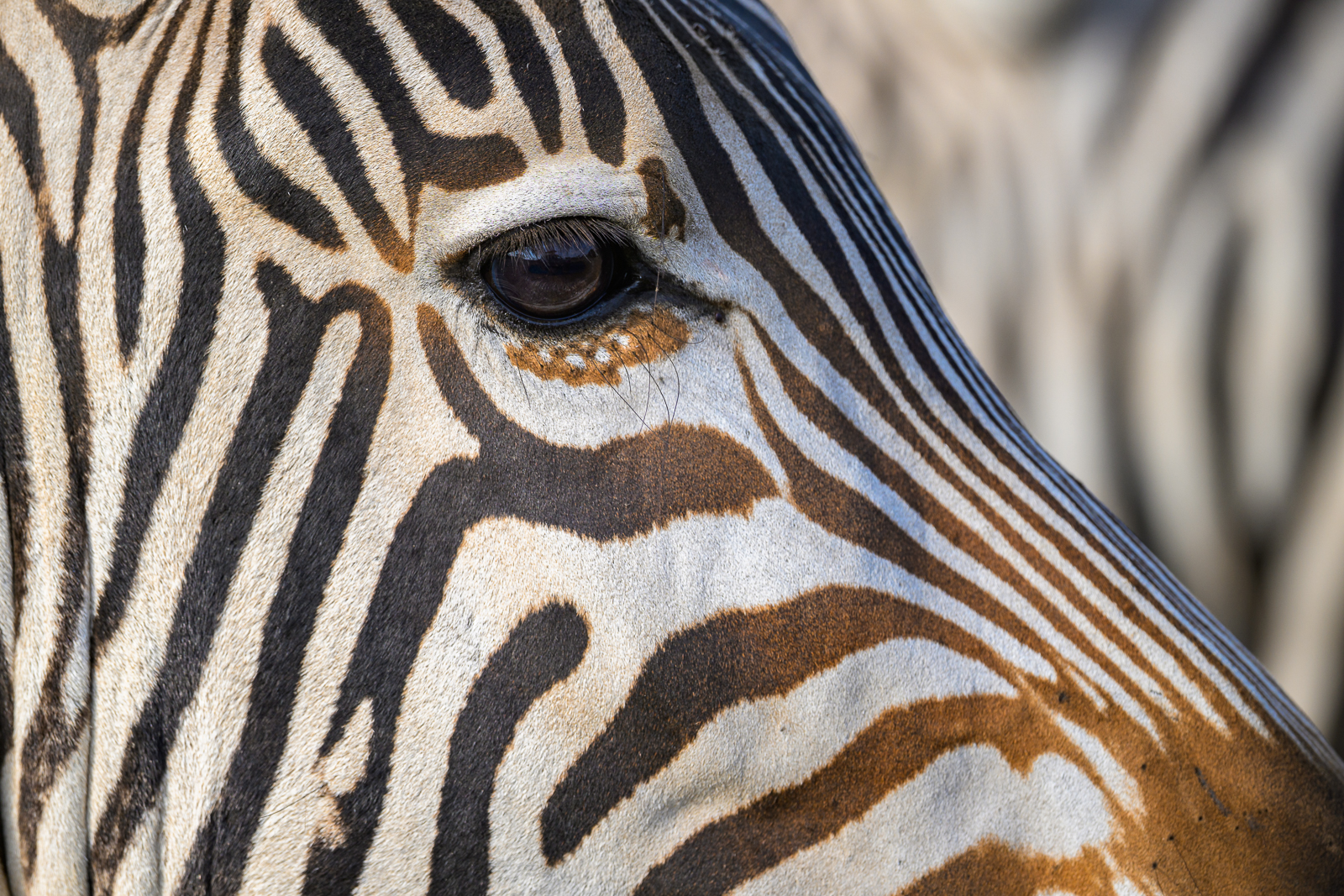
I’m in the process of changing up my website and adding additional subdomains, but still a work in progress. All that is to say that I hope this post goes through. It might not. Or you might get multiple notifications. Who knows. What I do know is that I was very close to this zebra. With those large eyes placed on either side of the head, zebras have a wide field of vision (almost 350 degrees) which helps detect predators from nearly all directions. Nikon Z8 with Nikkor 500mm PF lens, ISO 200, f/5.6 at 1/640th of a second.
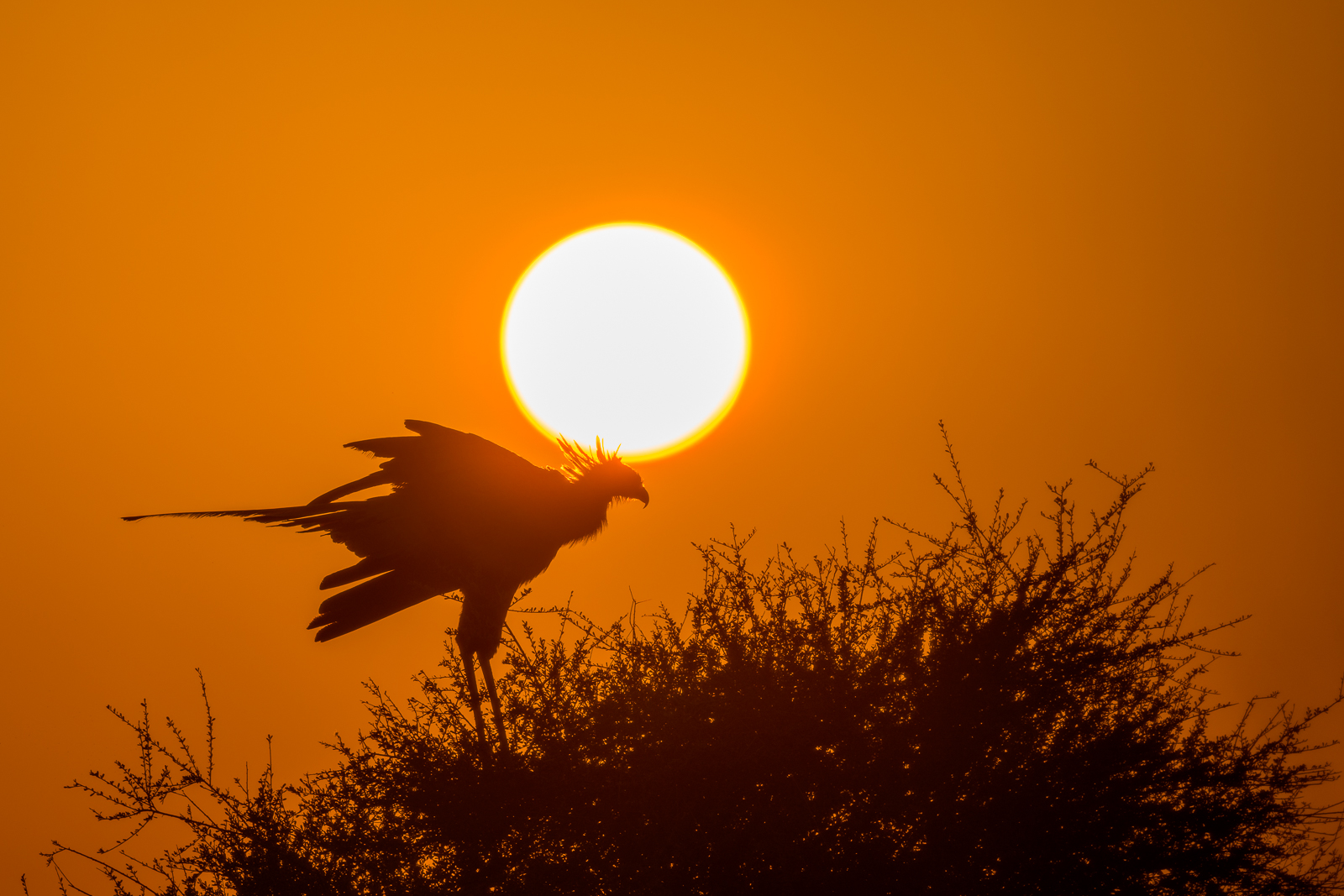
I had to get low for this one. In fact, I wanted to get even lower to place the secretary bird’s head further into the sun, but well… the ground got in the way. Secretary birds are large, long-legged birds of prey native to sub-Saharan Africa, known for hunting snakes and insects on foot. We see them every now and again in the early morning perched high in acacia trees, warming themselves in the sun before descending to the ground to begin their day of stalking. Nikon Z8 with Nikkor 500mm PF lens, ISO 72, f/5.6 at 1/2000th of a second.
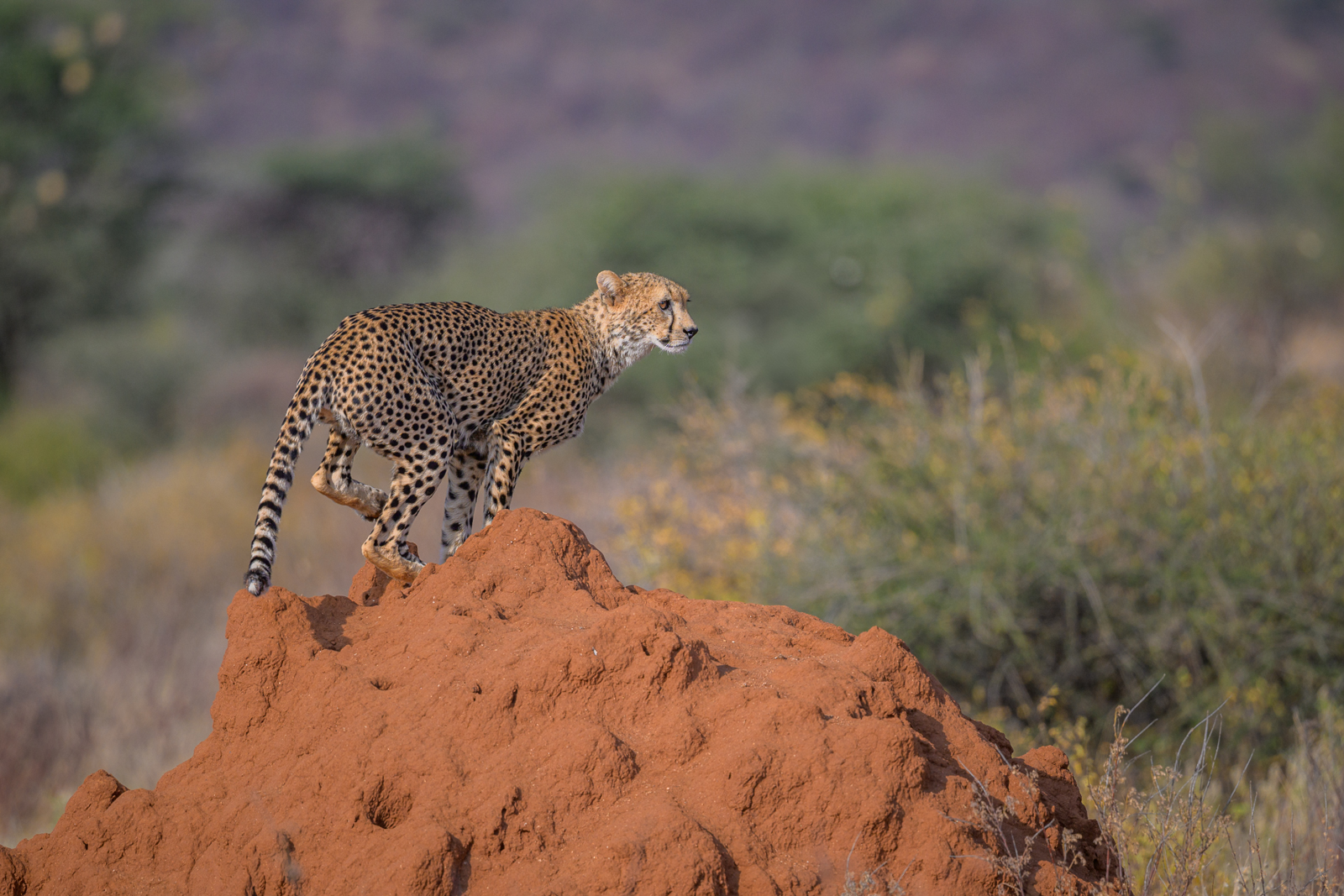
In Kenya’s Samburu National Reserve, cheetahs often climb termite mounds to gain a better vantage point over the landscape. This serves two purposes — it helps them scan for prey like gazelles and dik-diks, while also allowing them to keep an eye out for potential threats like lions or hyenas. They’ll also use termite mounds to rest or mark territory with scent, and we’ve even seen cubs playing king of the hill a few times. We had high hopes that this guy was getting into hunt mode, but not to be. Nikon Z8 with Nikkor 500mm PF lens, ISO 450, f/5.6 at 1/2000th of a second.
We use cookies to enhance your experience while using our website. If you are using our Services via a browser you can restrict, block or remove cookies through your web browser settings. We also use content and scripts from third parties that may use tracking technologies. You can selectively provide your consent below to allow such third party embeds. For complete information about the cookies we use, data we collect and how we process them, please check our Privacy Policy