Northern red-billed hornbills spend most of their time on the ground, searching for insects, spiders, and other small prey. Despite their large bills, they are agile in the air, using a series of rapid wingbeats interspersed with short glides. I caught this one coming in for a landing in Samburu National Reserve in Kenya. Nikon Z8 with Nikkor 180-600mm lens (at 600mm) ISO 800, f/6.3 at 1/2500th of a second.
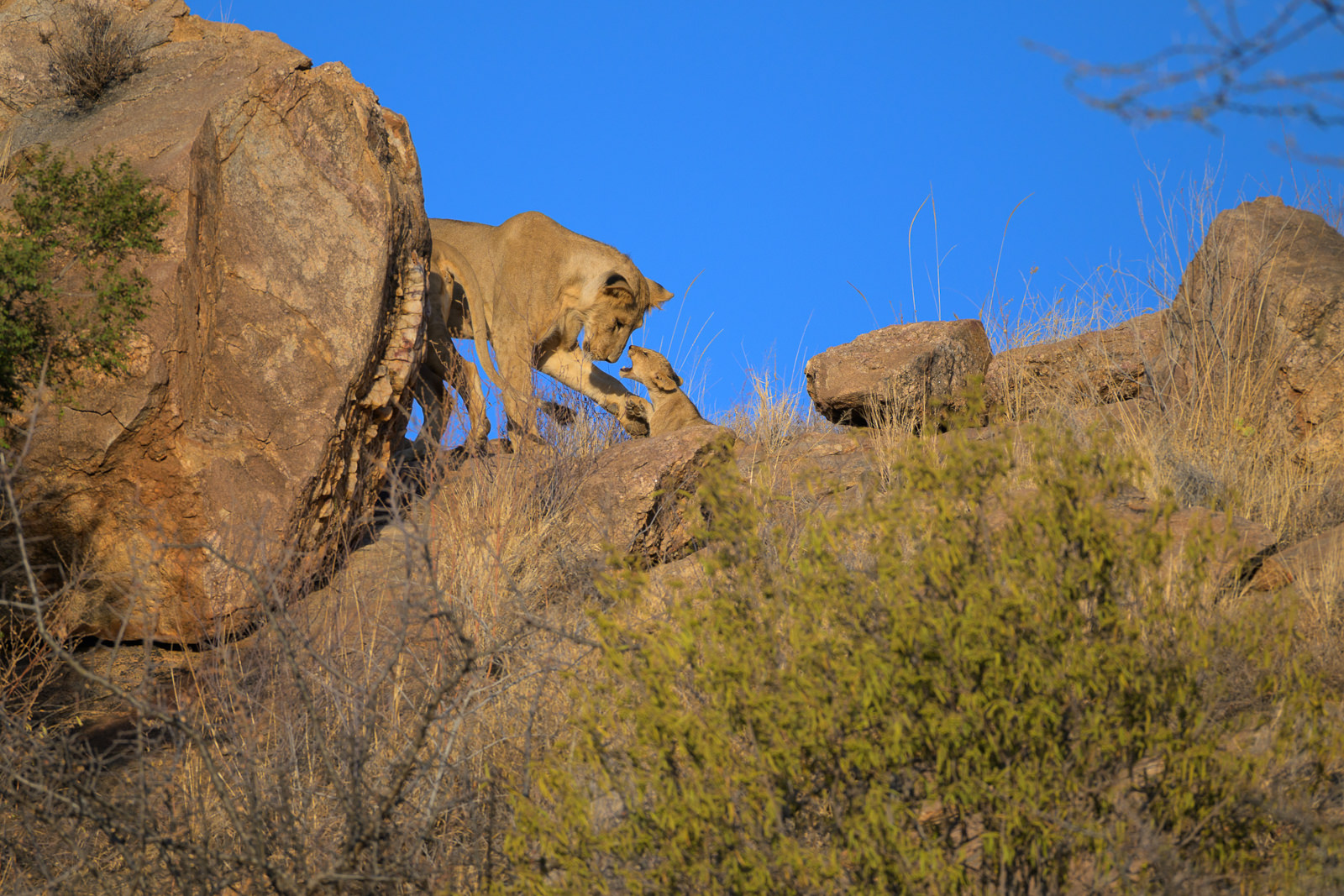
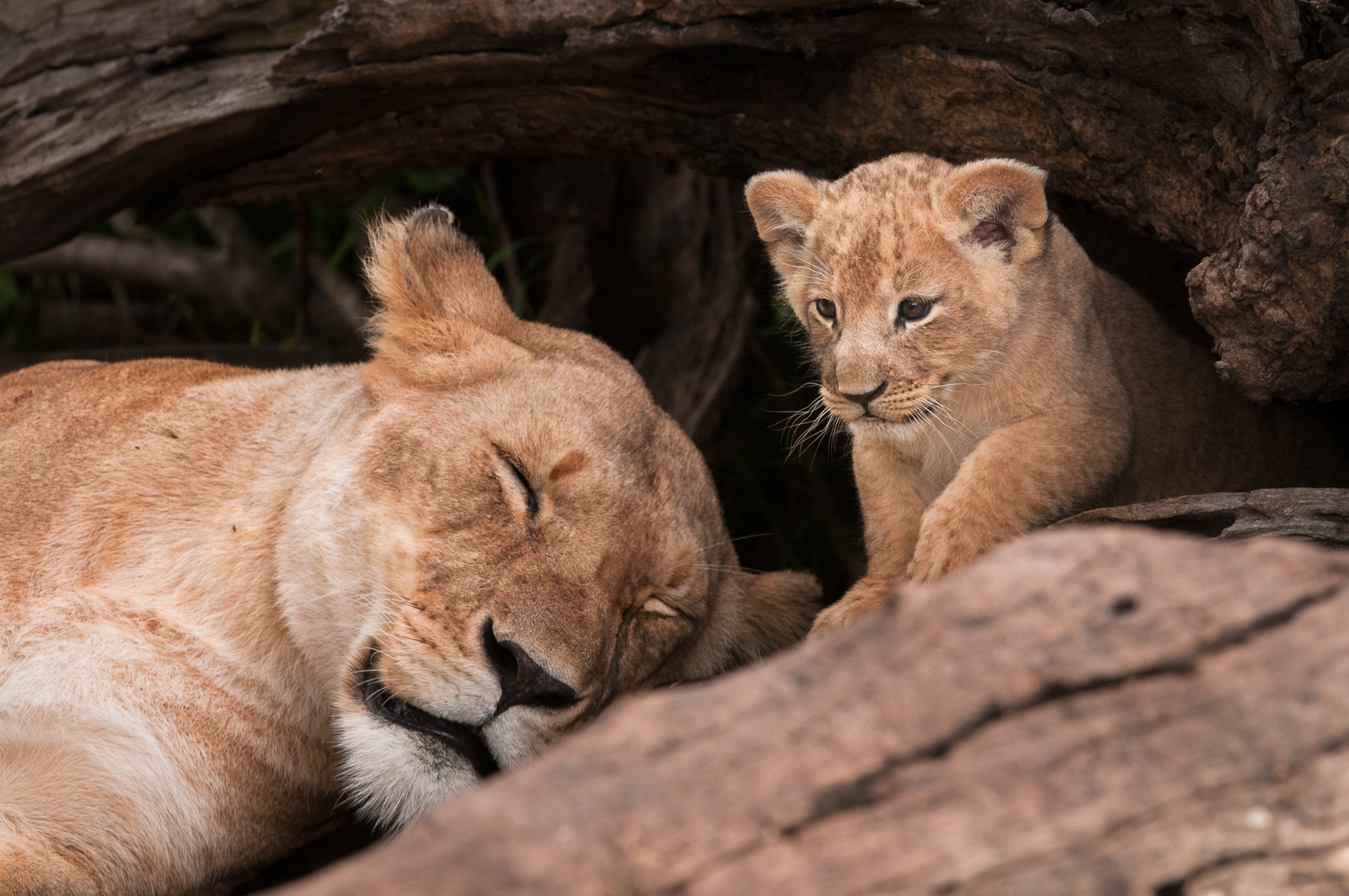
Nice little interaction here of a mother lion and one of her cubs. There were four adult females up there behind the boulder with three cubs. Eventually the adults headed off to hunt a baby baboon that found itself in a bad situation. More on that in a future post. Nikon Z8 with Nikkor 180-600mm lens (at 600mm) ISO 360, f/6.3 at 1/1000th of a second.
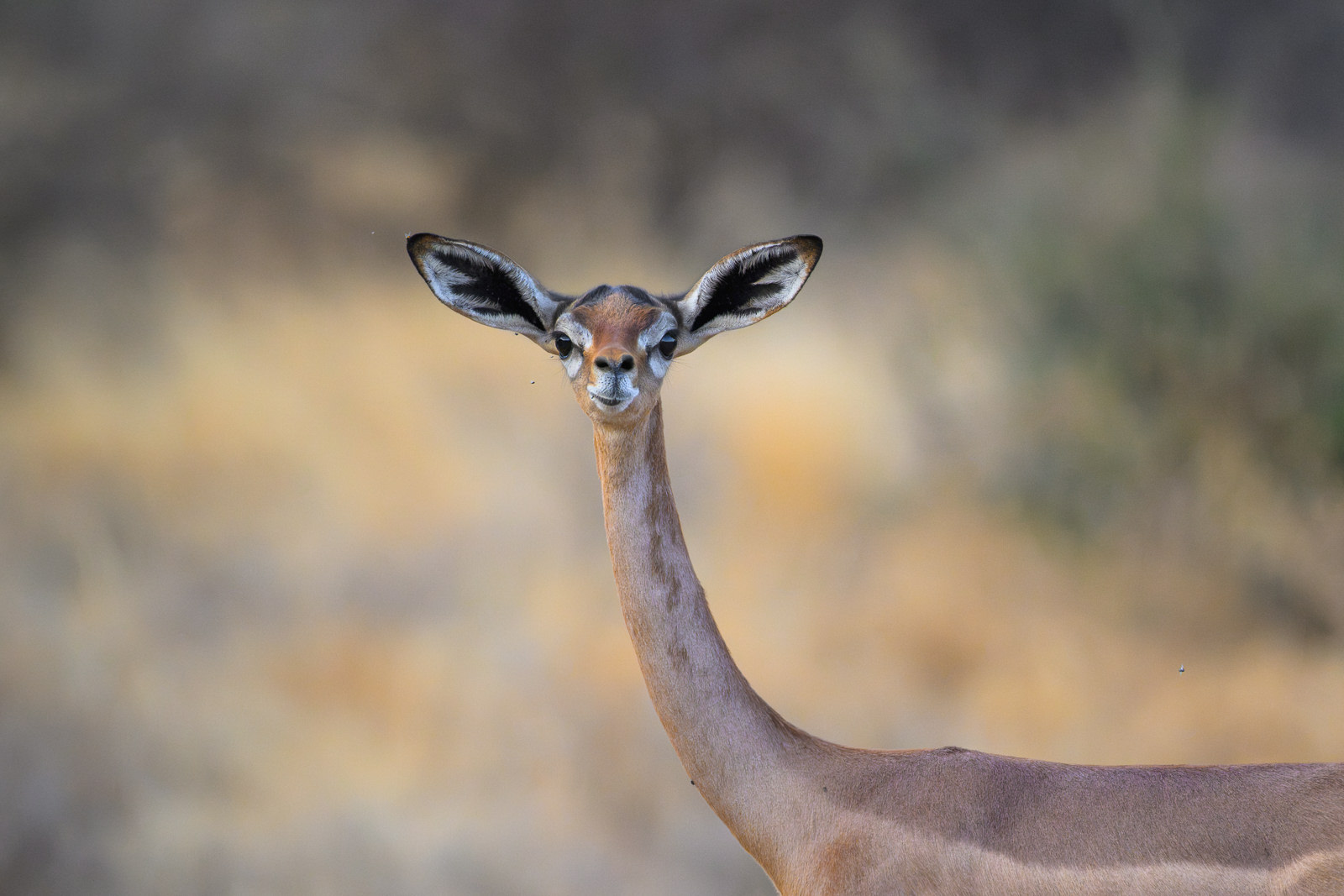
A female gerenuk’s neck isn’t any longer than a male’s, but because it’s much skinnier, it appears longer. This young lady gave us a nice portrait opportunity as we drove by on our August trip to Kenya this summer. Nikon Z8 with Nikkor 180-600mm lens (at 540mm) ISO 5000, f/6.3 at 1/2000th of a second.
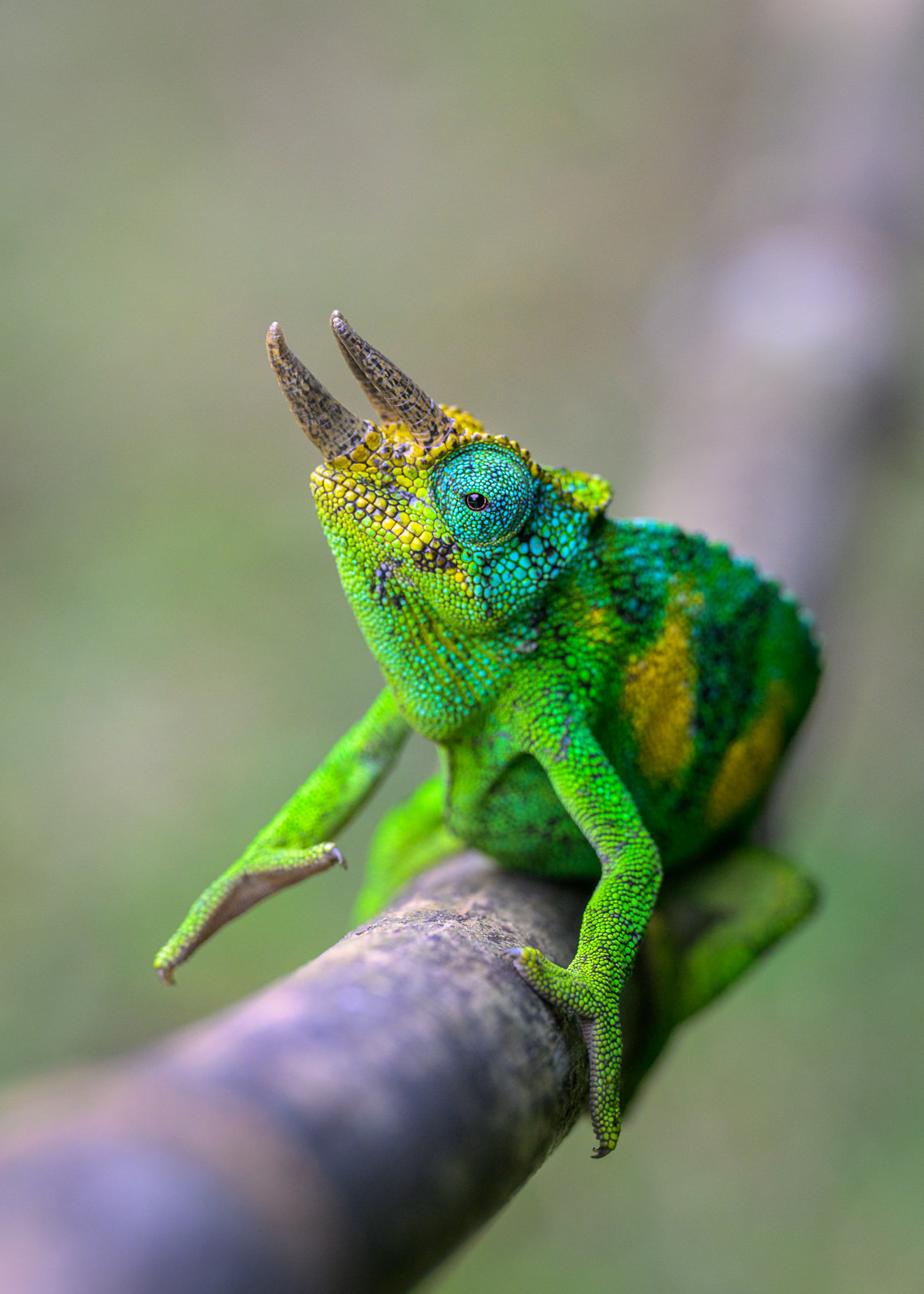
The three-horned chameleons of Uganda’s Virunga Mountains use their distinctive facial horns primarily in territorial disputes and courtship displays. Like other chameleons, their eyes can move independently of one another, allowing them to scan for predators and prey in different directions at the same time. Nikon Z8 with Nikkor 70-200mm lens (at 180mm) ISO 500, f/5 at 1/640th of a second.
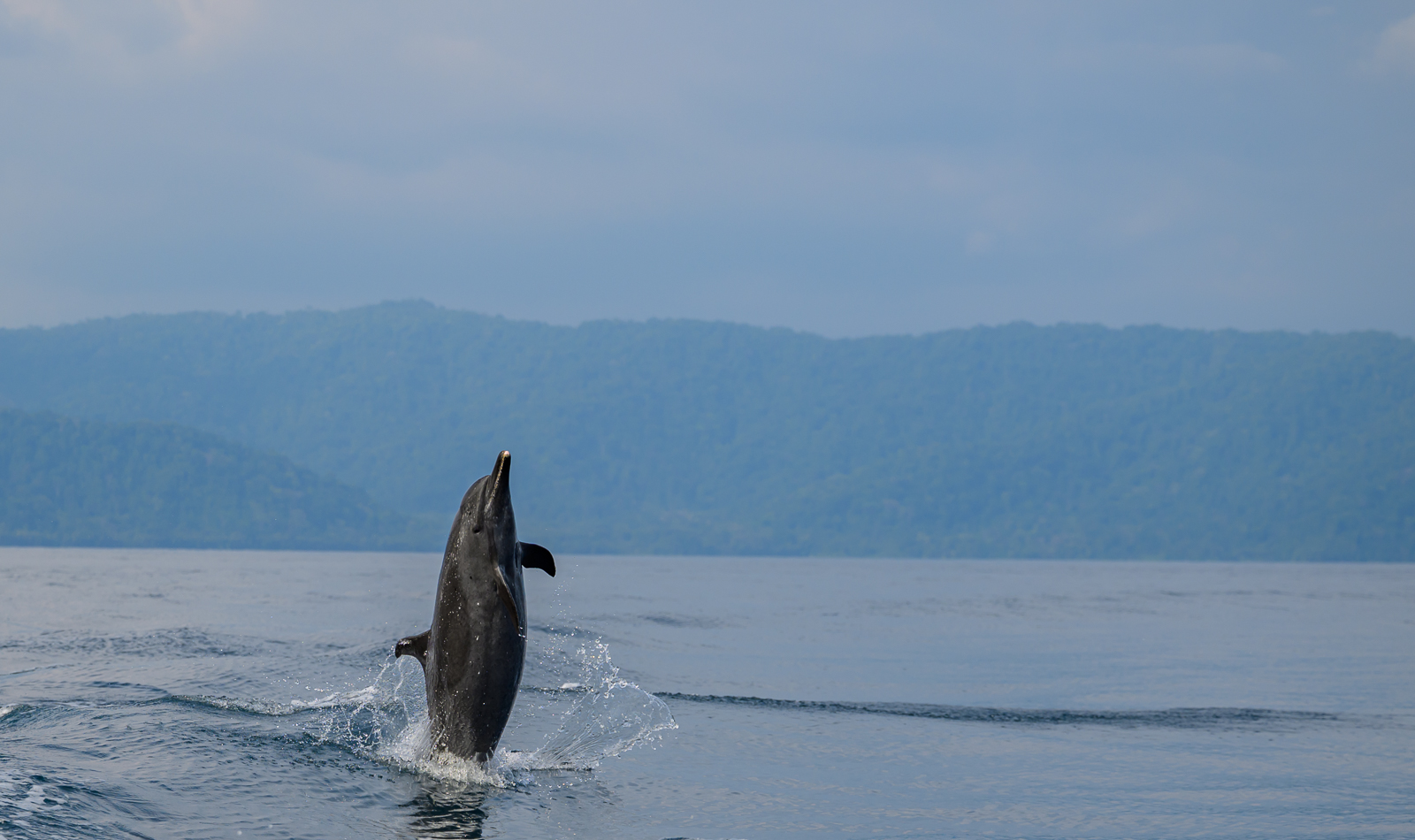
Pantropical spotted dolphins are known for the spots that gradually appear as they age. Calves are born unspotted and become increasingly marked throughout their lives. They are highly social animals, often traveling in large groups that can number in the hundreds or even thousands of individuals. Despite the numbers, photographing them can be like playing whack-a-mole as you try to get a quick shot when they suddenly jump. Nikon Z8 with Nikkor 24-70mm lens (at 70mm) ISO 64, f/4 at 1/1250th of a second.
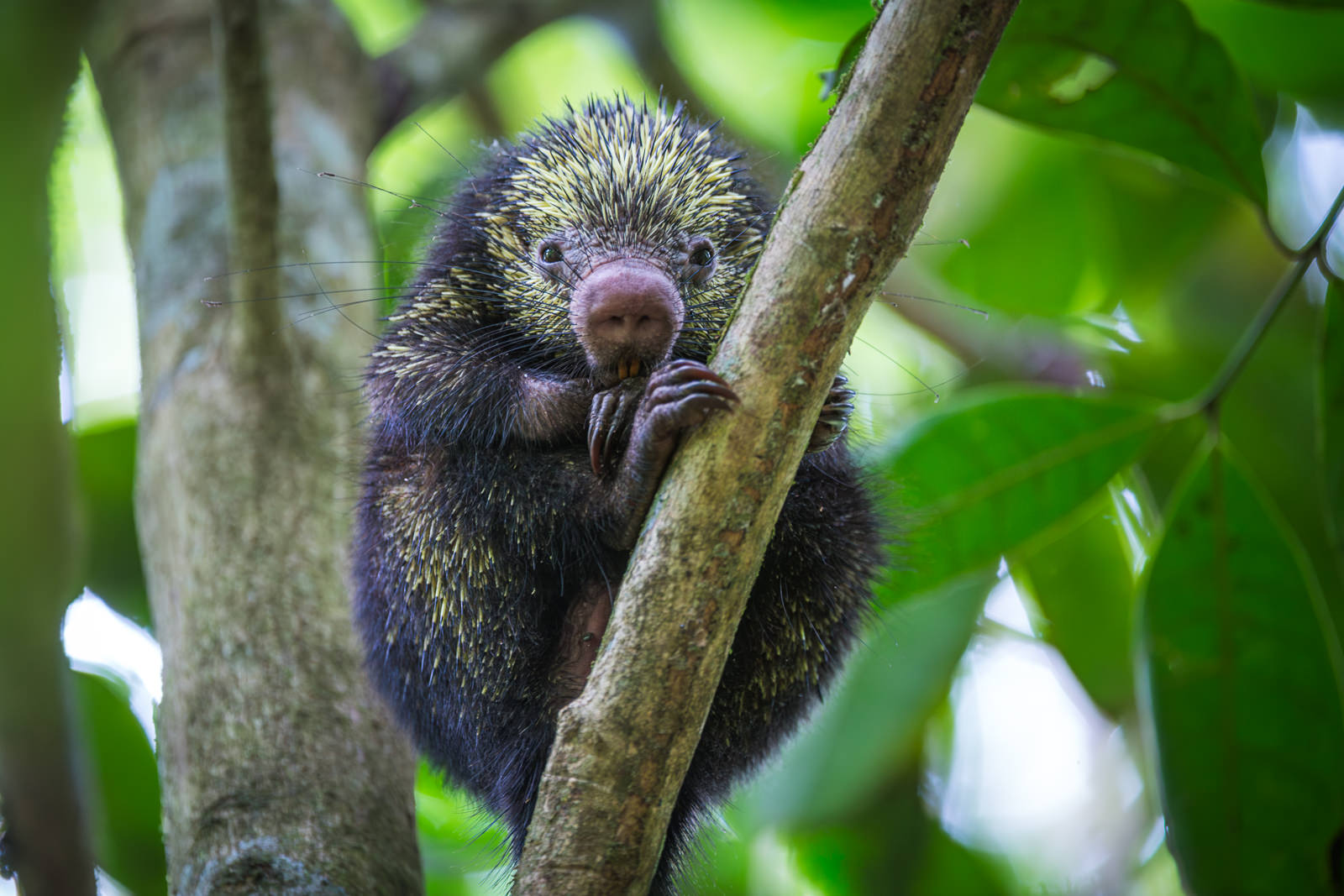
The Mexican hairy dwarf porcupine is a slow-moving, nocturnal rodent that spends most of its life high in the rainforest canopy. In Corcovado National Park, sightings are rare, as these elusive climbers move quietly through the trees under cover of darkness. I obviously caught this one up past his bedtime for a rare daylight photo op. Nikon D800 with Nikkor 200-400mm lens (at 400mm) ISO 1600, f/4 at 1/60th of a second.
Something a bit different today. I was just featured on the Connecticut Unfiltered podcast talking all things wildlife and Crane Wildlife Tours, among a few other topics. Thanks to host Ellie Doyle of Reheated Coffee Club. The full podcast is about an hour long. Enjoy.
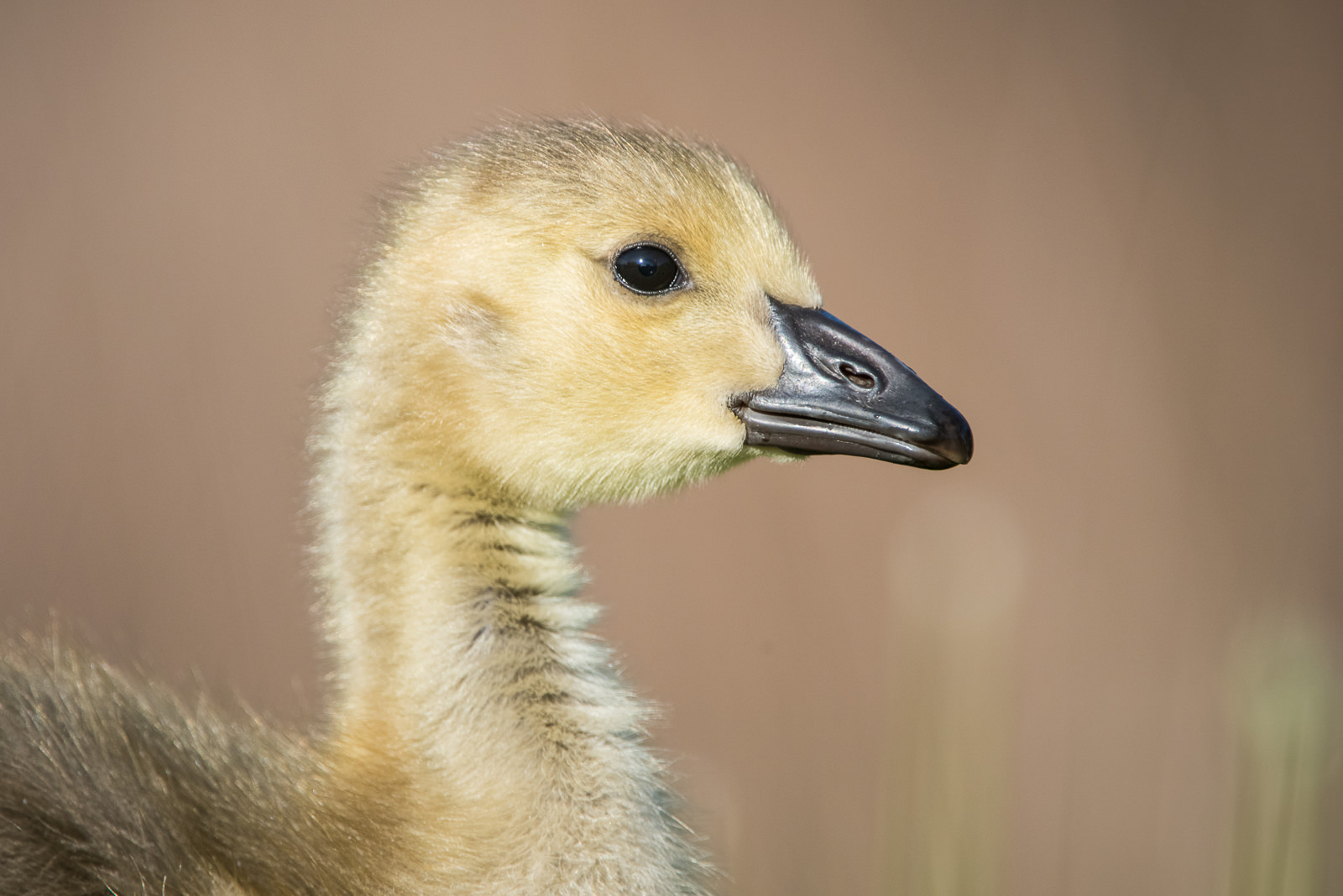
Canada goose chicks are covered in soft down from the moment they hatch, but they’re already on the move within a day—following their parents and learning to forage almost immediately. I photographed this one a few years back while in Toronto for work. Nikon D810 with Nikkor 200-400mm lens (at 550 with a 1.4x TC) ISO 800, f/8 at 1/1600th of a second.
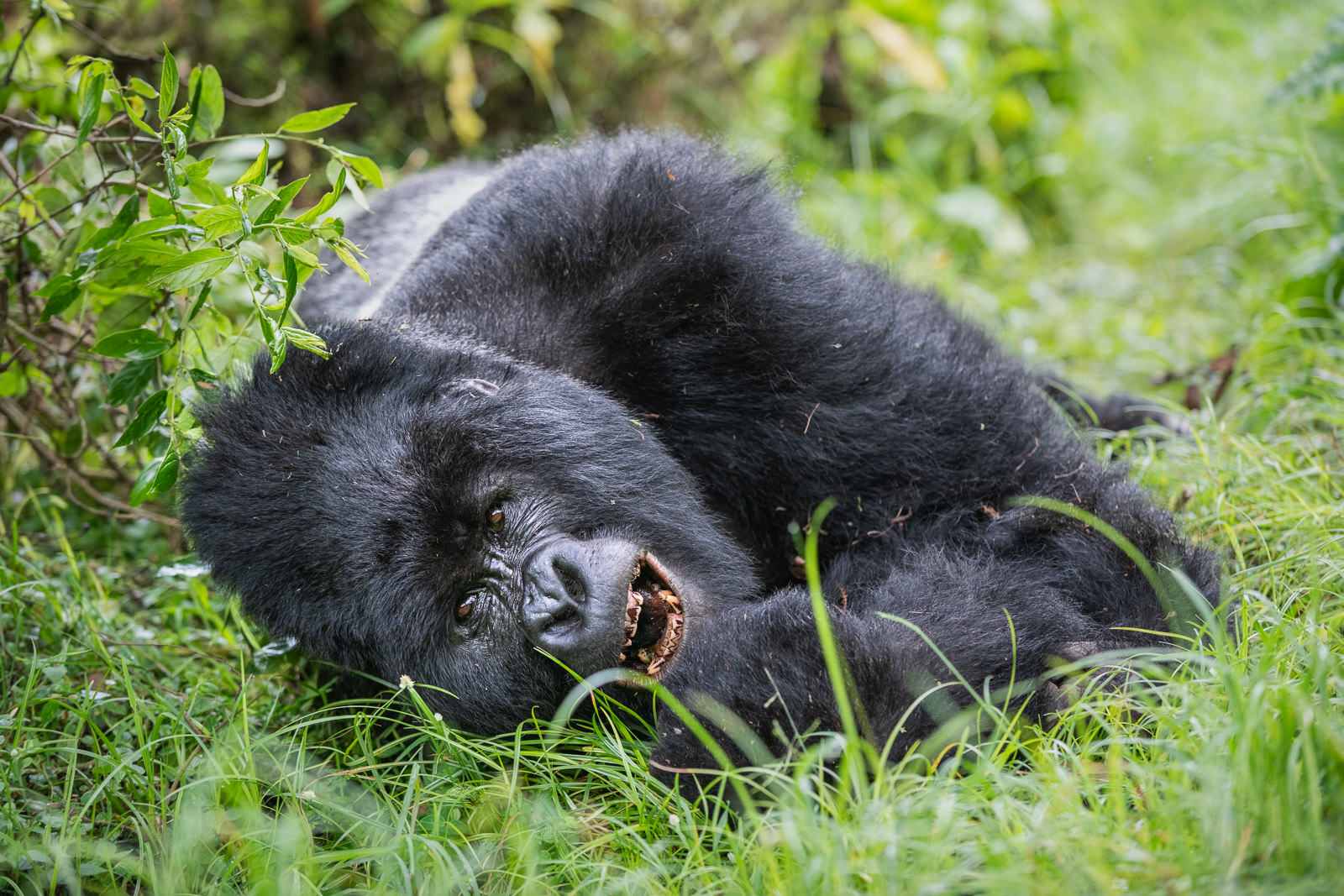
This big guy might look menacing, but he was just relaxing on the ground and letting out a bit of a yawn. He was the alpha silverback male of a family living in the Virunga Mountains of Uganda. Those teeth have seen better days, but this is normal for older mountain gorillas due to high levels of tannins from their plant-rich diet, which contains bamboo, roots, bark, and celery. Nikon D850 with Nikkor 70-200mm lens (at 110mm) ISO 1600, f/4 at 1/800th of a second.
We use cookies to enhance your experience while using our website. If you are using our Services via a browser you can restrict, block or remove cookies through your web browser settings. We also use content and scripts from third parties that may use tracking technologies. You can selectively provide your consent below to allow such third party embeds. For complete information about the cookies we use, data we collect and how we process them, please check our Privacy Policy


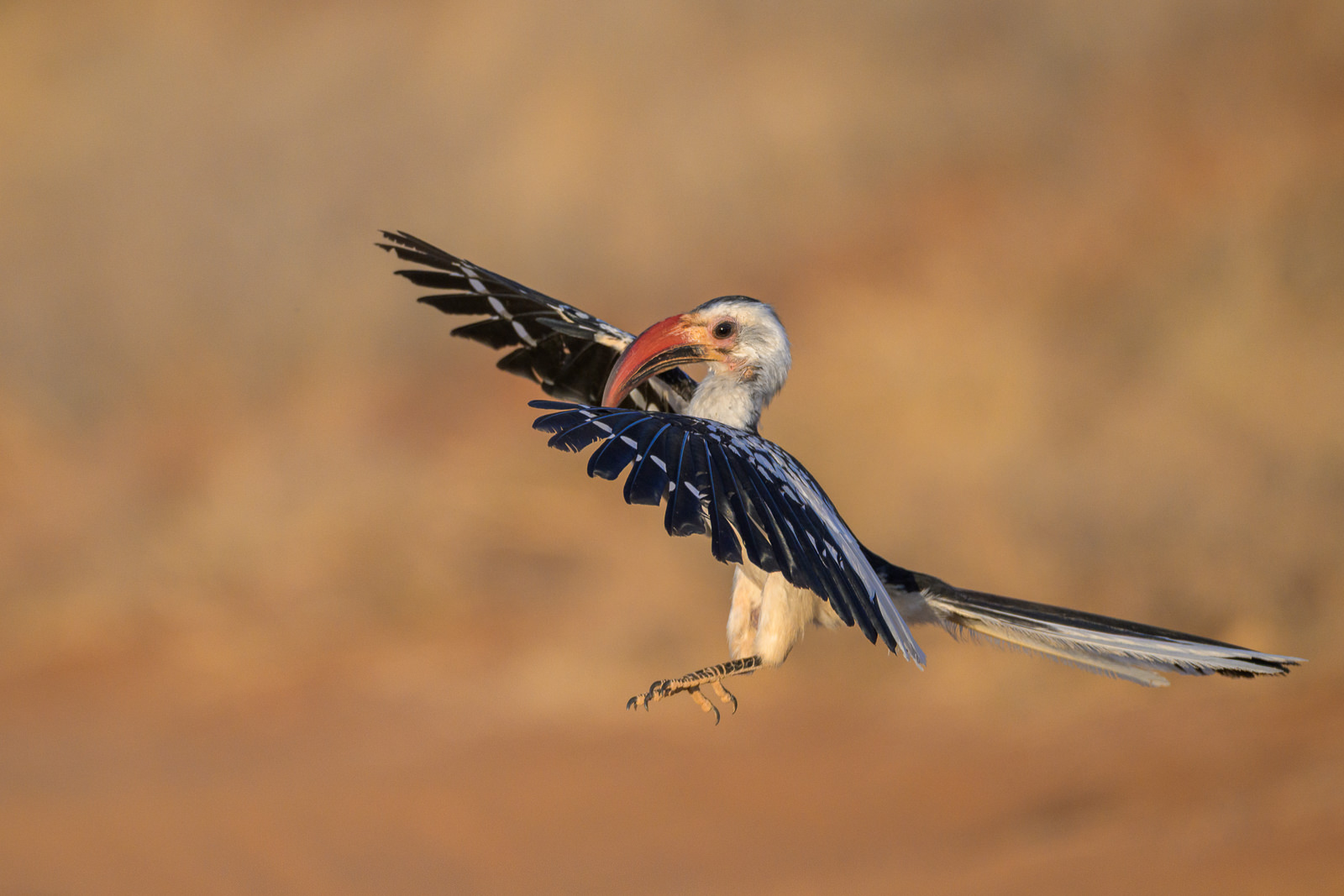 Northern red-billed hornbills spend most of their time on the ground, searching for insects, spiders, and other small prey. Despite their large bills, they are agile in the air, using a series of rapid wingbeats interspersed with short glides. I caught this one coming in for a landing in Samburu National Reserve in Kenya. Nikon Z8 with Nikkor 180-600mm lens (at 600mm) ISO 800, f/6.3 at 1/2500th of a second.