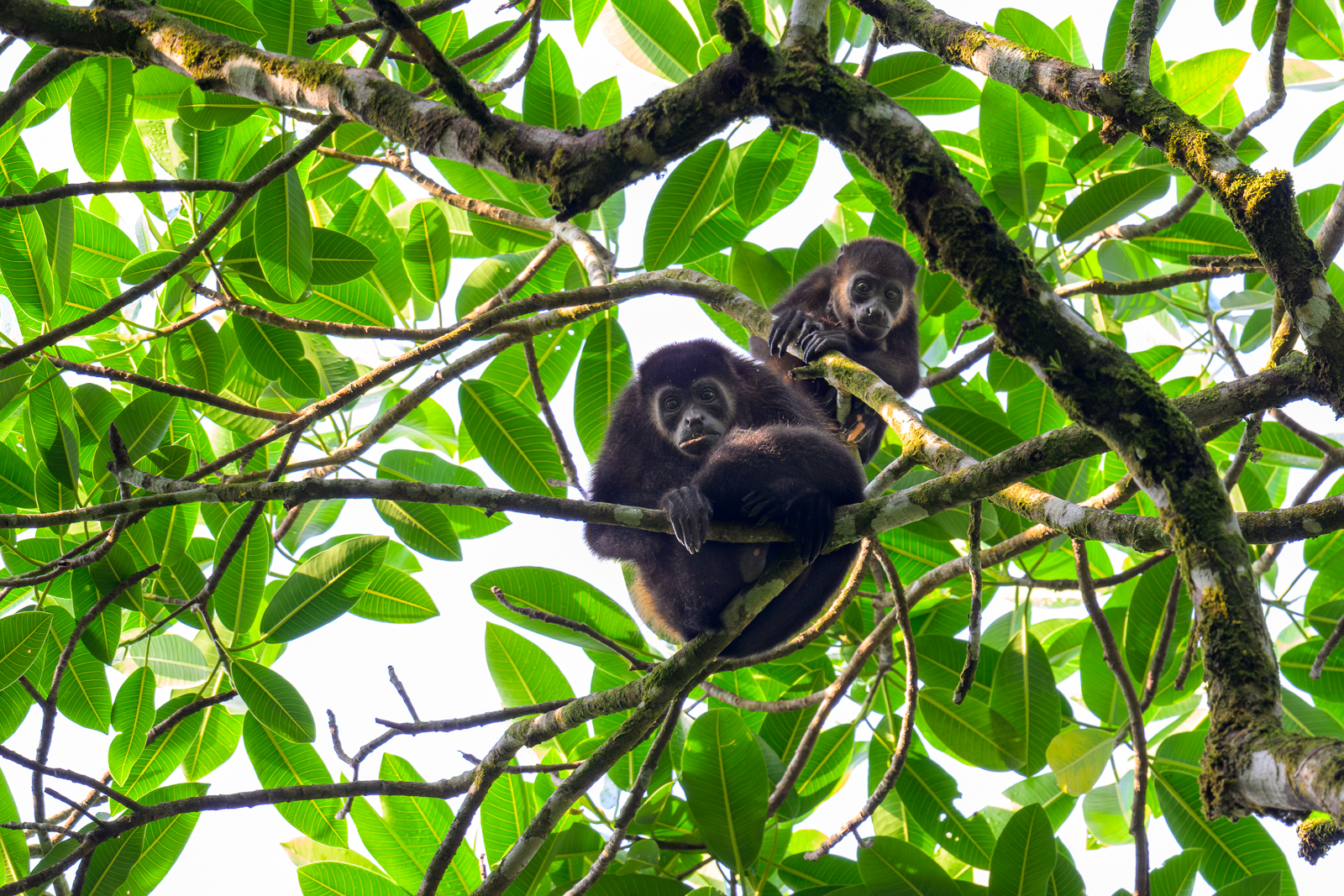
I heard mantled howler monkeys loud and clear every morning in Costa Rica, but it wasn’t until our last day that I finally saw them. They were quite high in the canopy, against a bright white sky, but I was able to manage a fair number of shots, including this mother with her kid. Nikon Z8 with Nikkor 500mm PF lens, ISO 500, f/5.6 at 1/125th of a second.
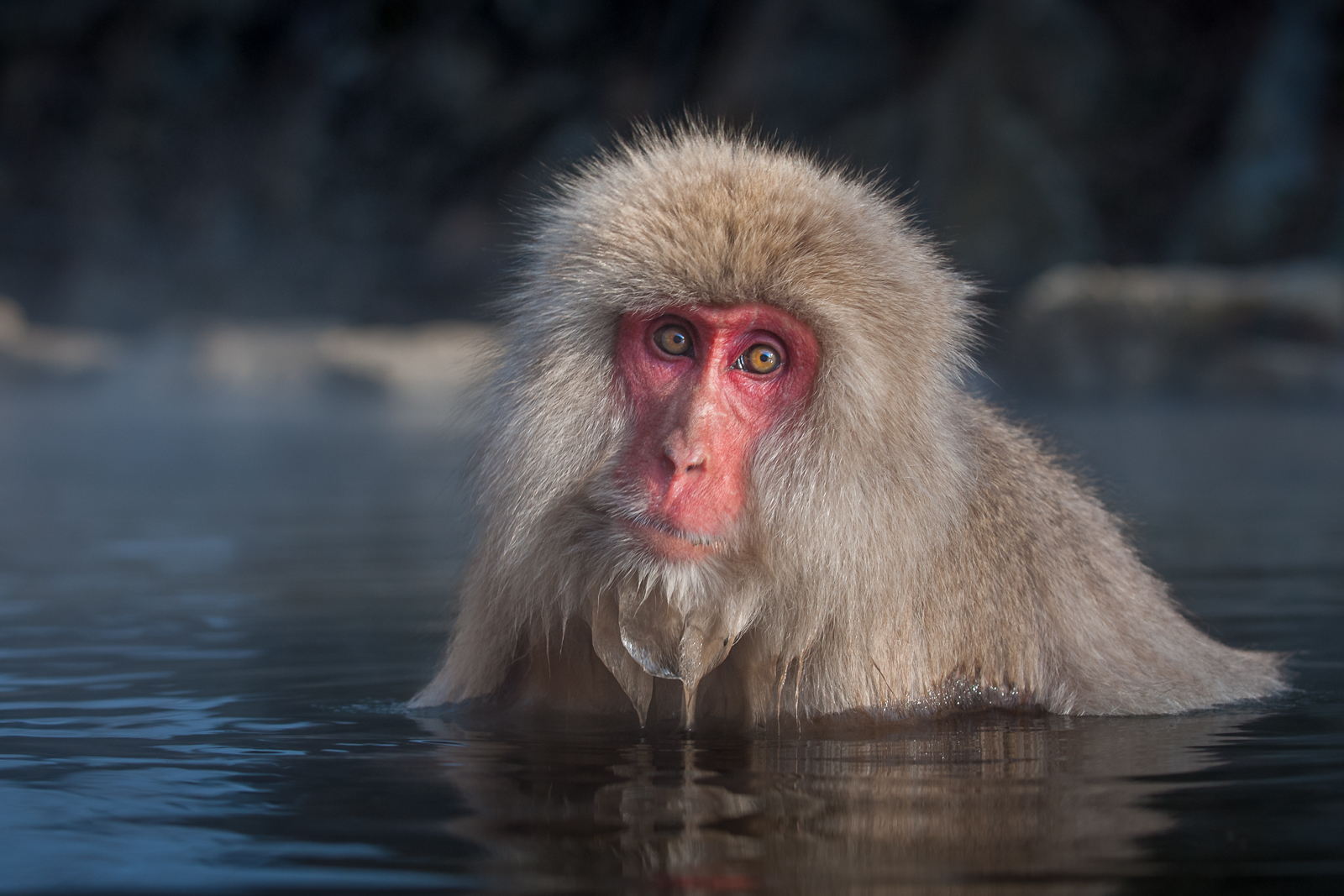
Japanese macaques (Macaca fuscata), a.k.a. snow monkeys, are the northernmost-living nonhuman primates and are known for soaking in hot springs during the winter to stay warm. They live in complex social groups with strict hierarchies, and use vocalizations, facial expressions, and grooming to communicate and maintain social bonds. Although, I’m not entirely sure what this look means. Nikon D200 with Nikkor 70-200mm lens (at 112mm) ISO 200, f/4.5 at 1/160th of a second.
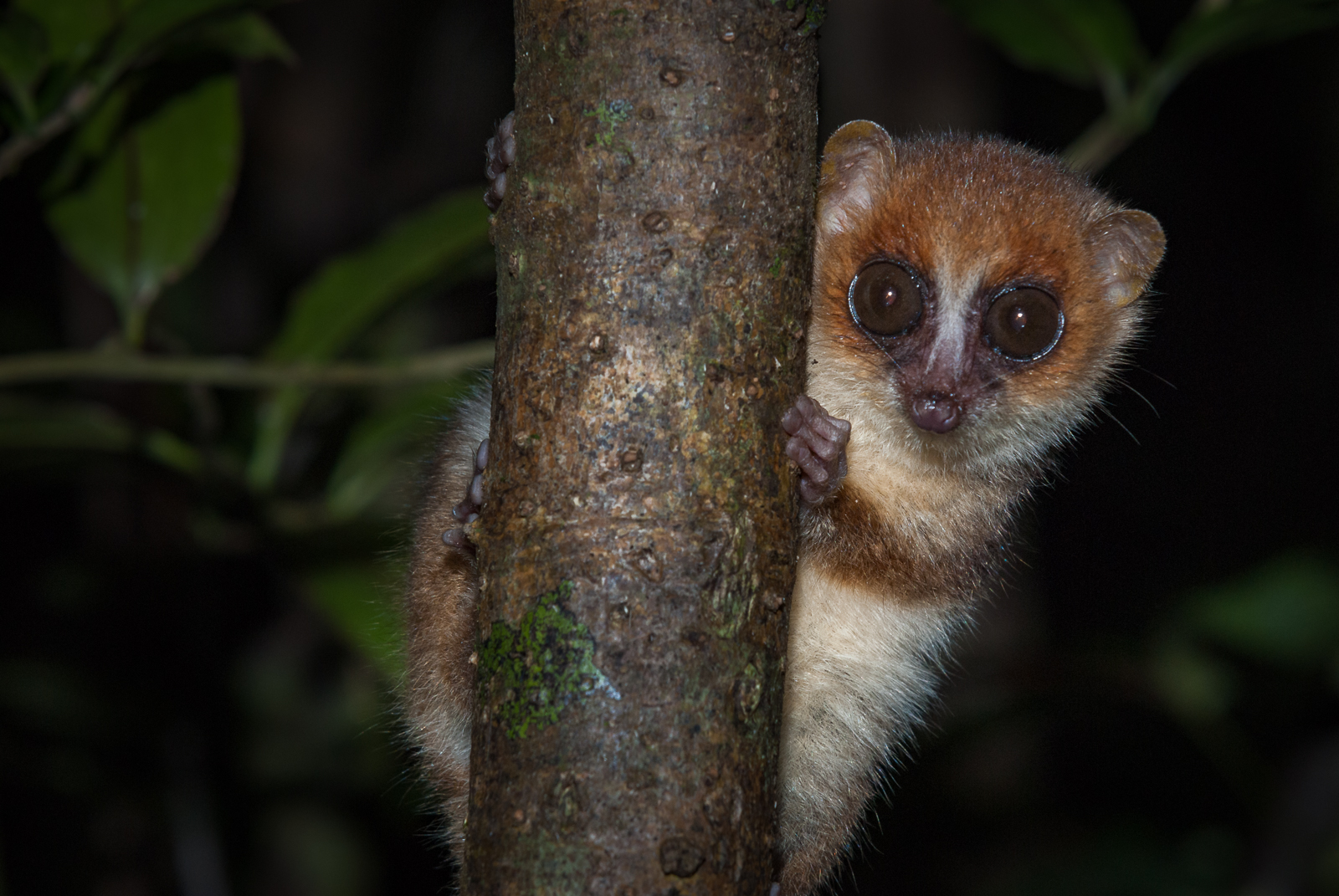
The brown mouse lemur (Microcebus rufus) is one of the smallest primates in the world, able to fit in the palm of your hand. They rely heavily on a keen sense of smell and large eyes to navigate in the dark. In colder months, they can enter a state of torpor, slowing their metabolism and sleeping for days at a time to conserve energy — rare among primates. I photographed this one on the island of Nosy Mangabe in Madagascar. Nikon D200 with Nikkor 80-200mm lens (at 185mm) ISO 200, f/10 at 1/60th of a second, Nikon SB-600 flash.
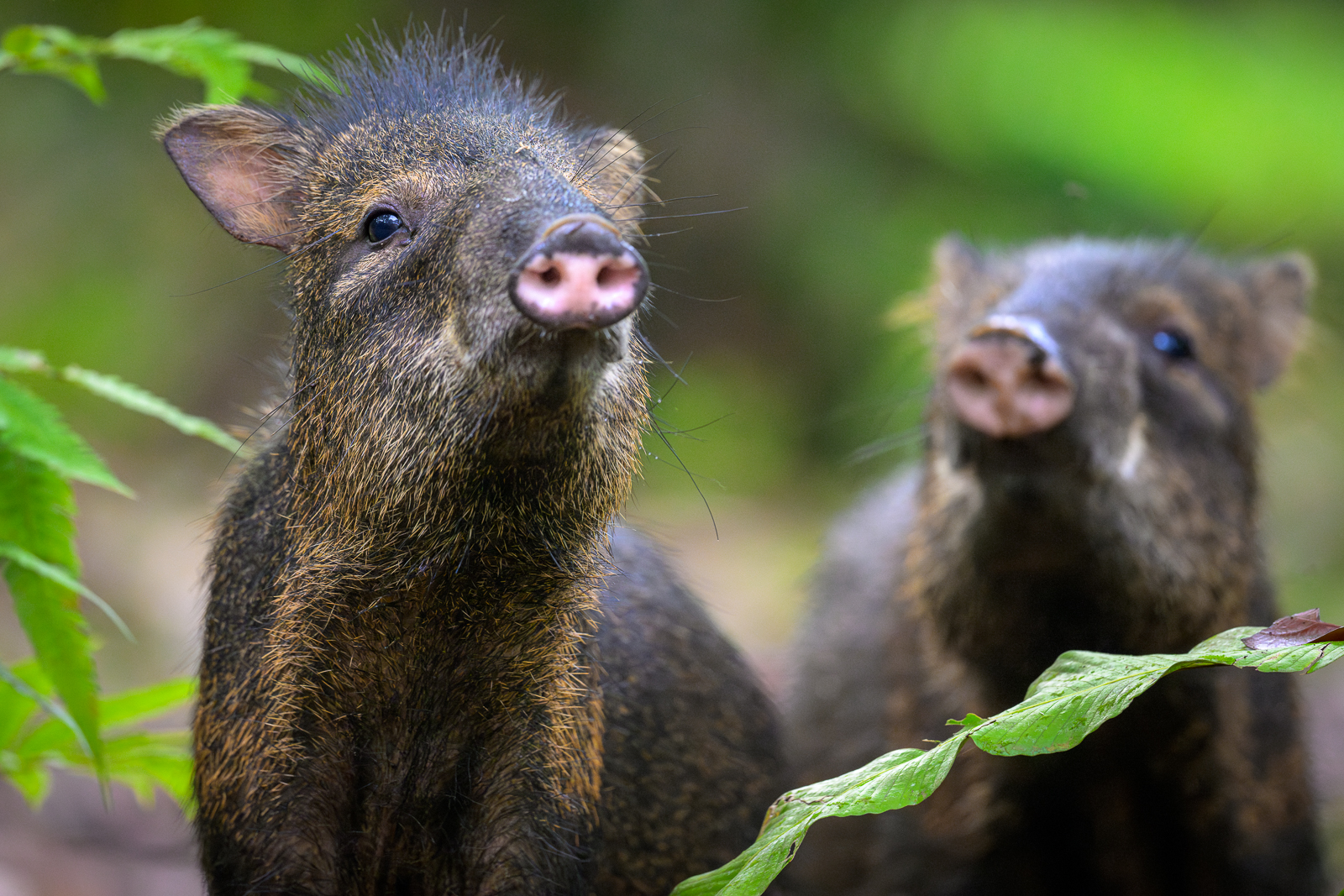
Collared peccaries (Pecari tajacu) have an exceptional sense of smell, far more developed than their eyesight or hearing. They use their powerful noses to sniff out roots, fruits, insects, and even small vertebrates hidden beneath the forest floor. Their sense of smell also helps them recognize other members of their group, thanks to scent glands located just above their tails that produce a musky odor. In fact, they often greet one another by rubbing snouts or flanks, reinforcing social bonds through scent. Of course, in this photo, it was the scent of a human with a large camera that they were taking in. Photographed last month in Piedras Blancas National Park in Costa Rica. Nikon Z8 with Nikkor 500mm PF lens, ISO 10,000, f/5.6 at 1/400th of a second.
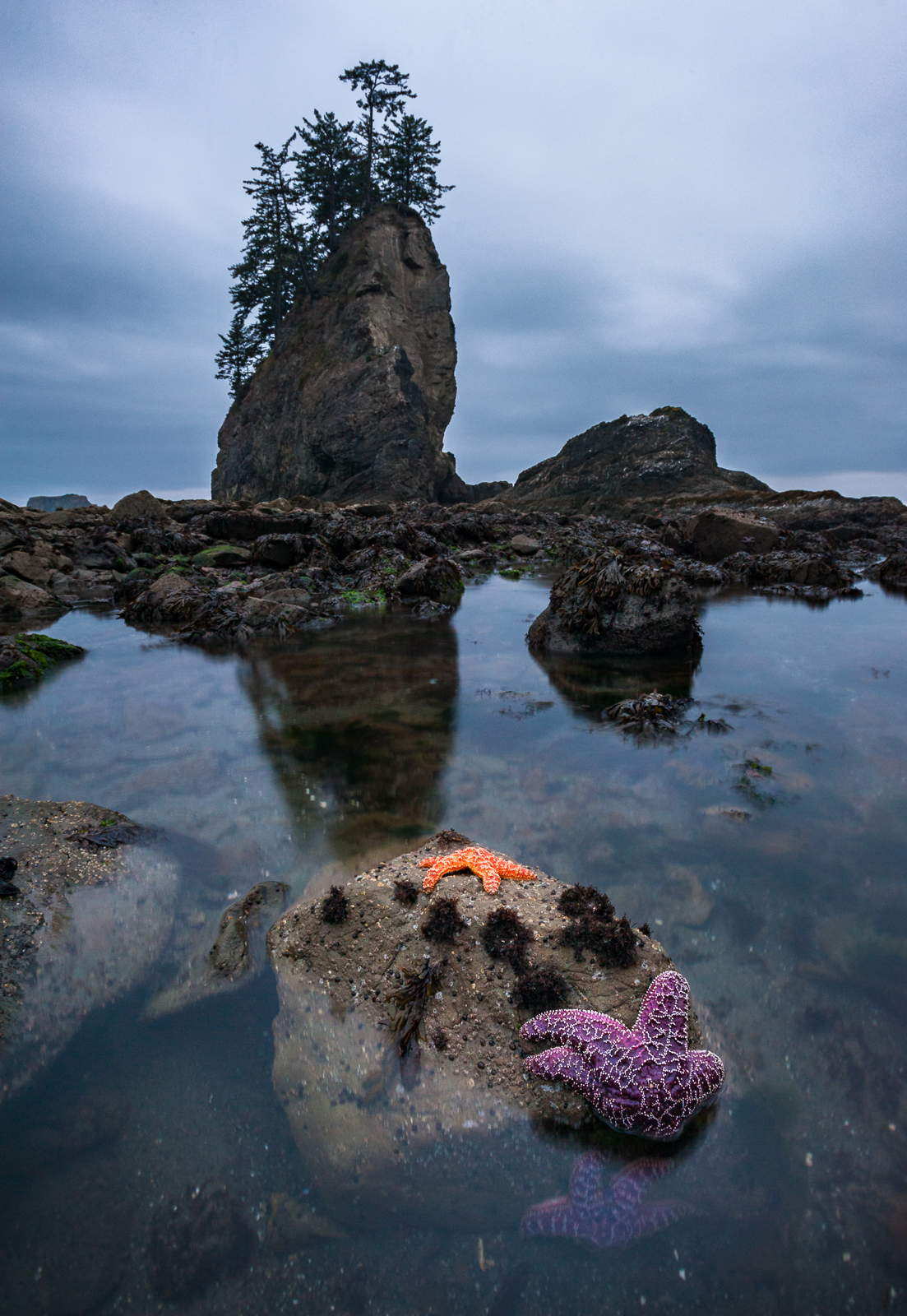
Here’s one from the archives. I visited Olympic National Park back in 2009 and spent a bit of time photographing ochre sea stars (Pisaster ochraceus). They are found up and down the Pacific coast, easily recognized by their orange, purple, or reddish hues. They play a crucial role as a “keystone species,” especially in rocky intertidal zones, by preying on mussels and helping maintain biodiversity. They can regenerate lost arms, and they feed by turning their stomachs outside their bodies to digest prey. They are also surprisingly strong for their size, and cling tightly to rocks with hundreds of tiny tube feet as waves crash over them. Nikon D700 with Nikkor 17-35mm lens (at 17mm) ISO 400, f/20 at 6 seconds.
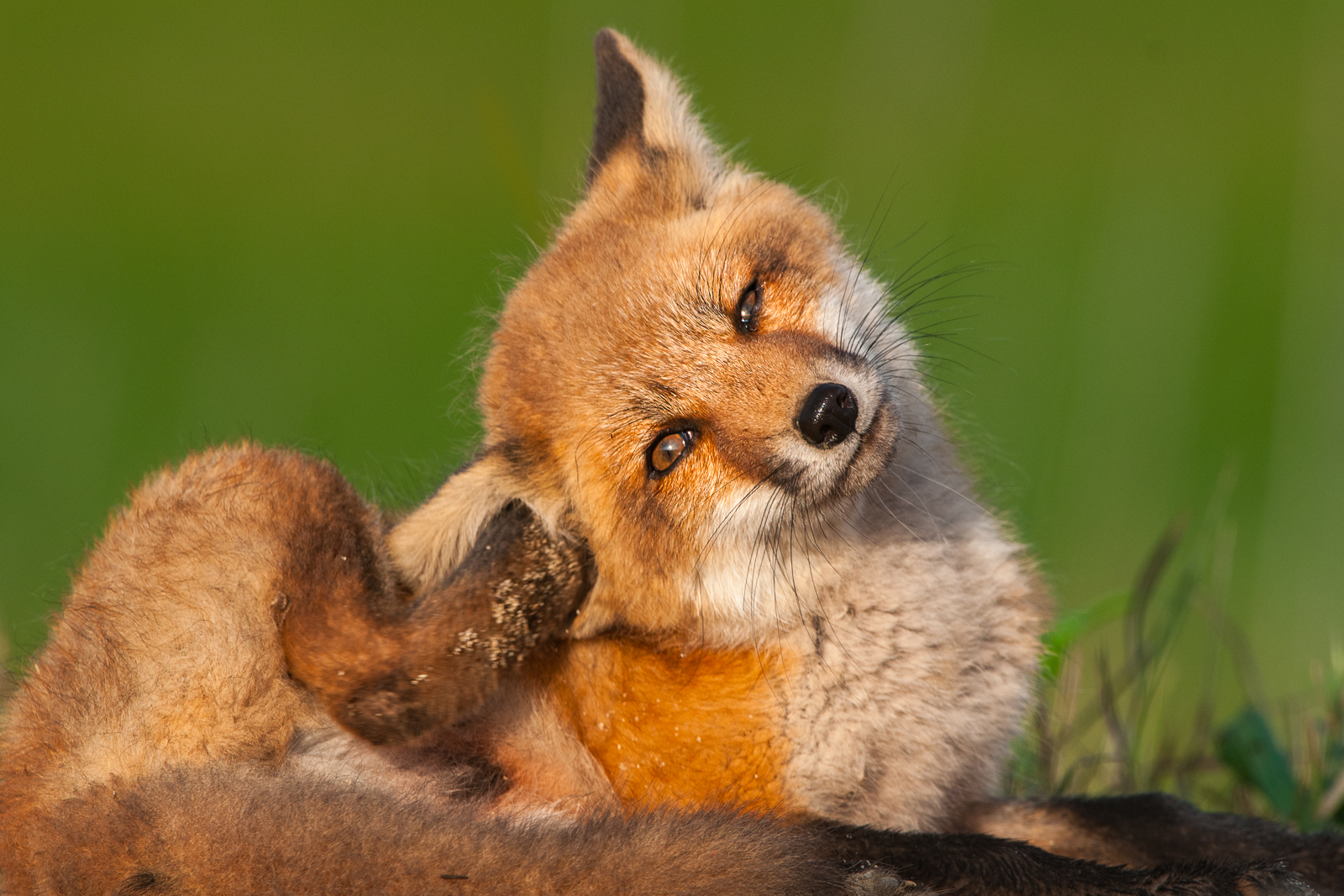
Red fox pups (Vulpes vulpes) are born blind, deaf, and completely dependent on their mother, spending the first few weeks nestled safely in a den. As they grow, pups become curious and playful, wrestling with siblings and pouncing on leaves or insects in mock hunting practice. These early games help build the skills needed to survive on their own. They begin to venture outside the den around four weeks old and are usually weaned by eight to ten weeks, but they’ll often stay with their family group through the summer, learning to navigate the world one cautious step at a time. I encountered this pup (also called a kit or cub) in Delaware, along with a few other siblings, alternating between playing and resting while they waited for their mother to return with breakfast. Nikon D300 with Nikkor 200-400mm lens (at 400mm) ISO 200, f/7.1 at 1/400th of a second.
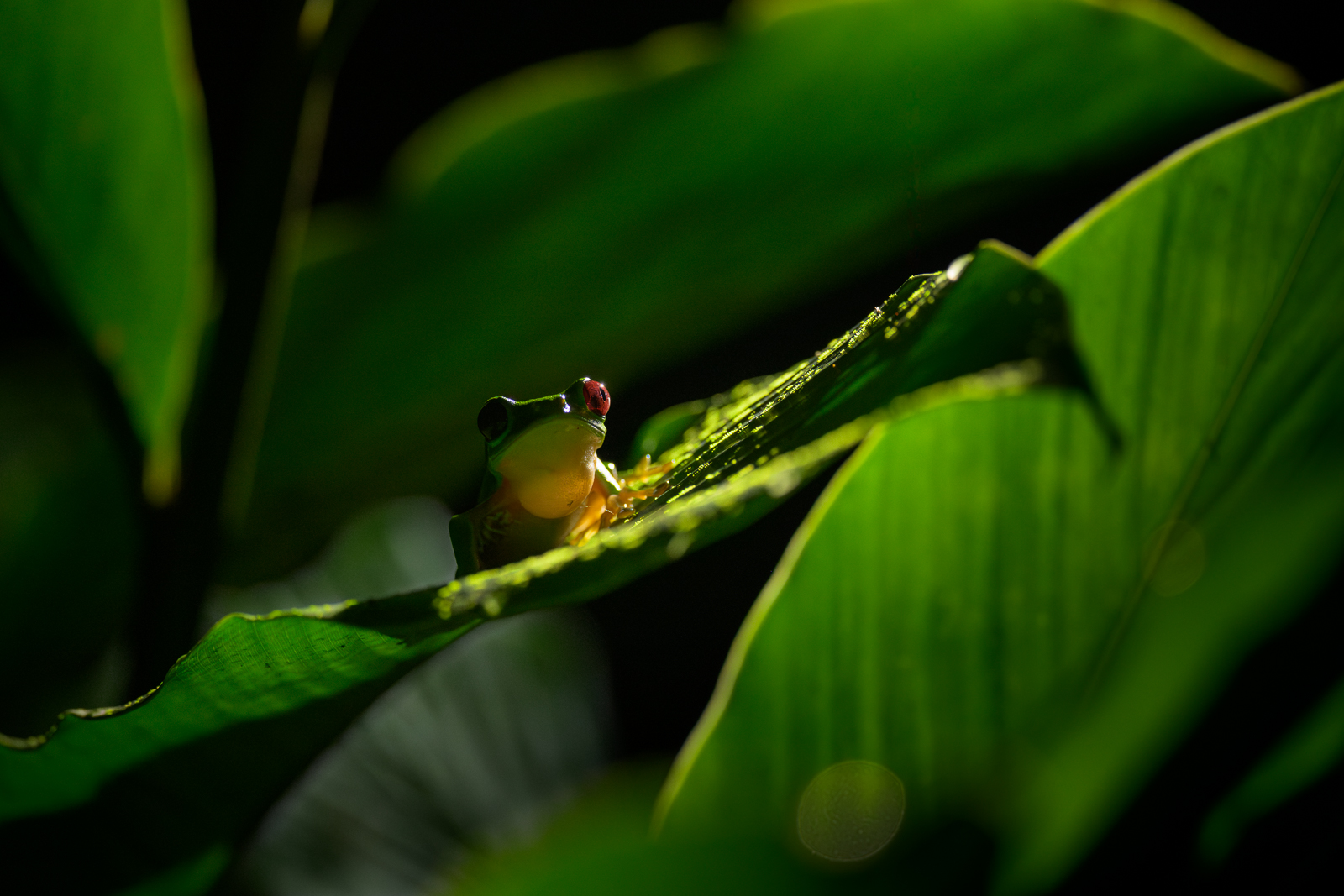
I did a lot of shooting of nocturnal creatures without using flash, on our recent Costa Rica trip. For this image, I used a spare headlamp that I hung on a branch behind the frog so that the primary light was coming from over the frog’s left shoulder. Nikon Z8 with Nikkor 500mm PF lens, ISO 3200, f/5.6 at 1/80th of a second.
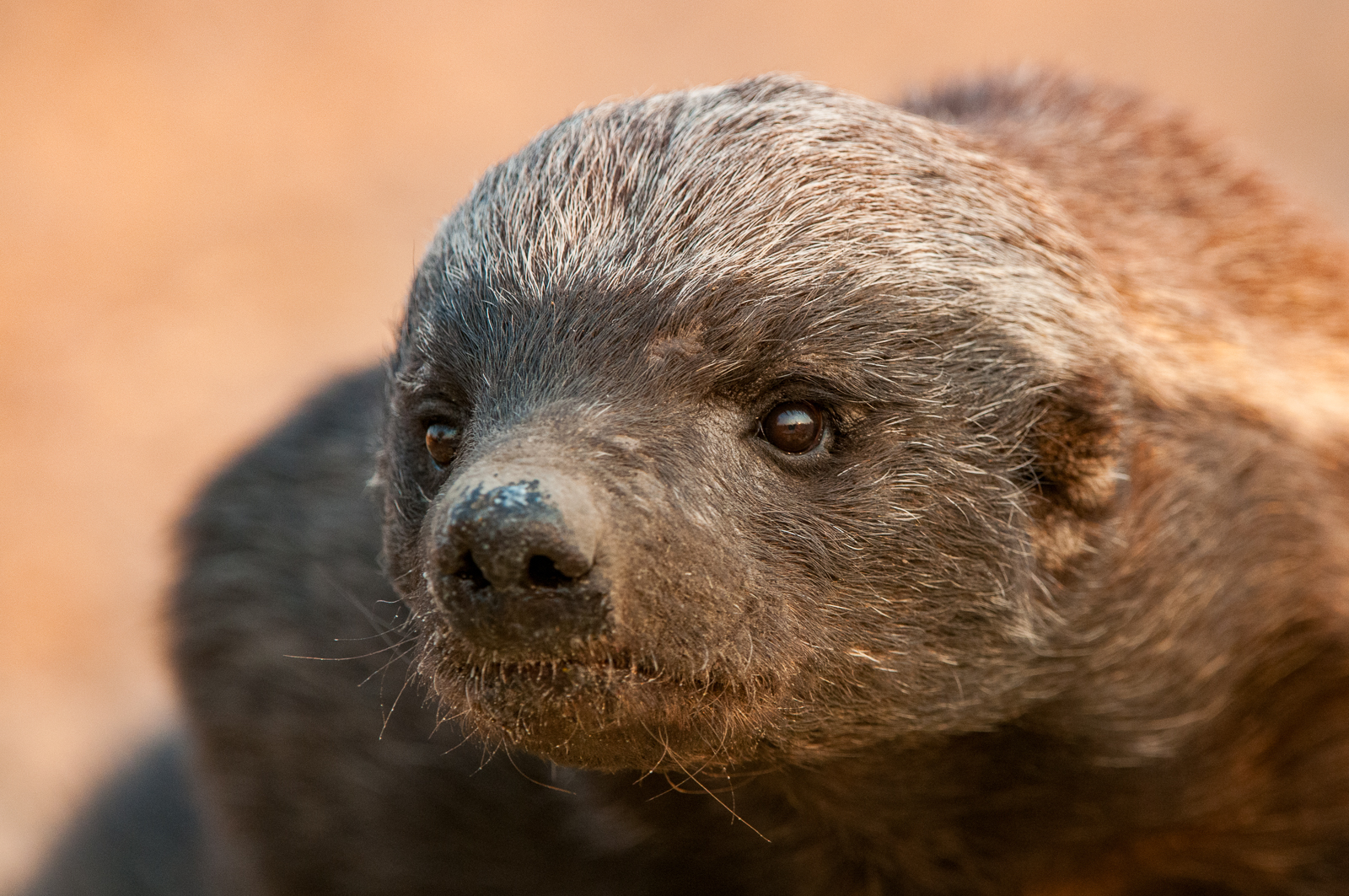
The honey badger (Mellivora capensis) is famously fearless and tough, often taking on animals much larger than itself—including lions, if provoked. It has incredibly thick, loose skin that allows it to twist and bite even when a predator has it pinned. Known for raiding beehives despite painful stings, honey badgers love honey and larvae, but their diet is wildly varied. They’ll eat everything from snakes to fruit. I came face to face with this one years ago on my first trip to Botswana, in the Kalahari desert. Nikon D300 with Nikkor 200-400mm lens (at 360mm) ISO 800, f/5.6 at 1/200th of a second.
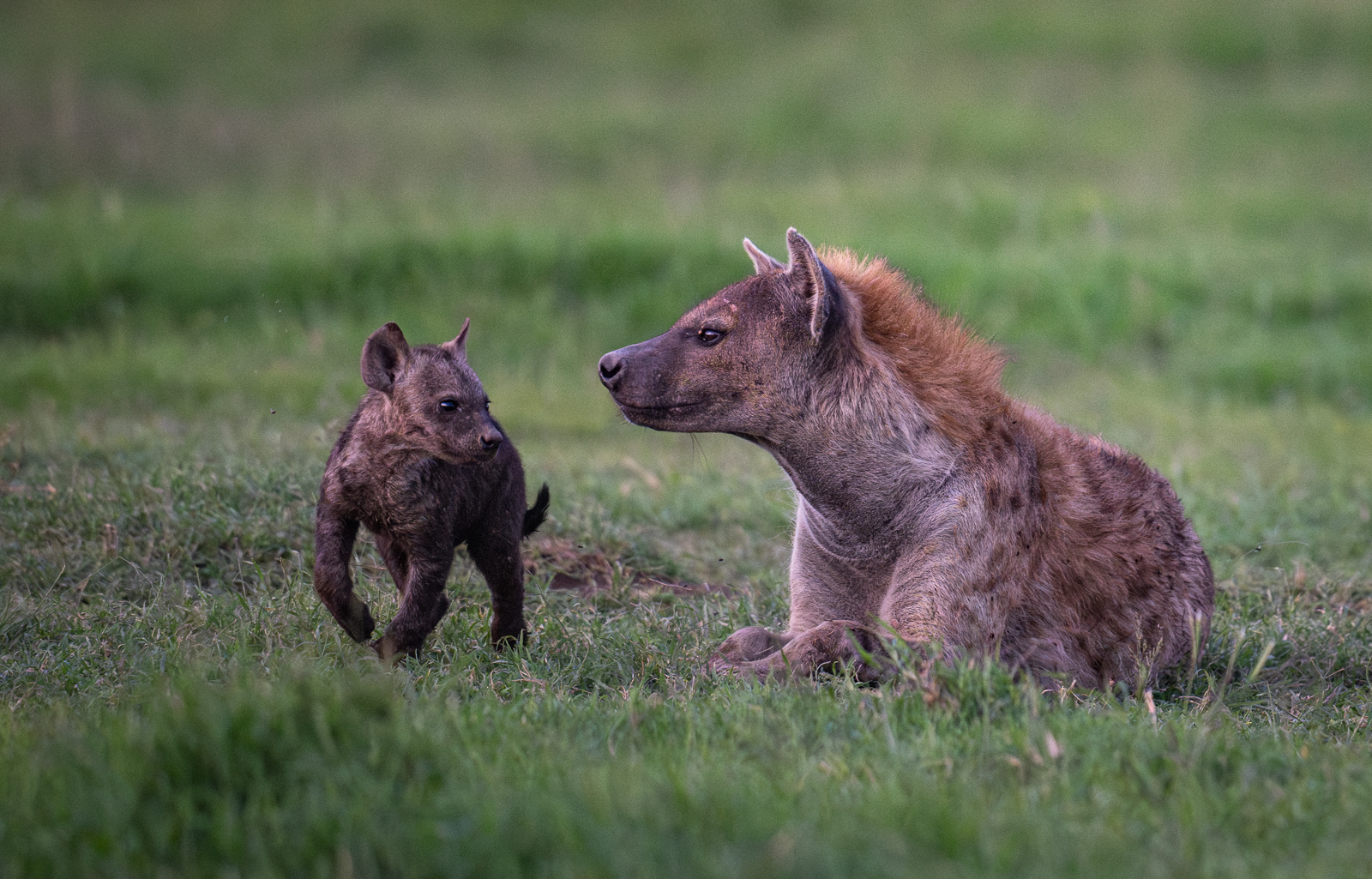
Female hyenas are the dominant sex and raise their cubs in communal dens, where the young are fiercely protected and play constantly to build strength and social skills. Despite their reputation as scavengers, spotted hyenas are skilled hunters, and mothers will nurse their cubs for up to 18 months, one of the longest periods of any carnivore. On our last trip to Kenya, we saw so many spotted hyenas, most with cubs. If you want to join us on an upcoming trip, we’d love to talk. Nikon Z8 with Nikkor 500mm PF lens, ISO 5000, f/5.6 at 1/1250th of a second.
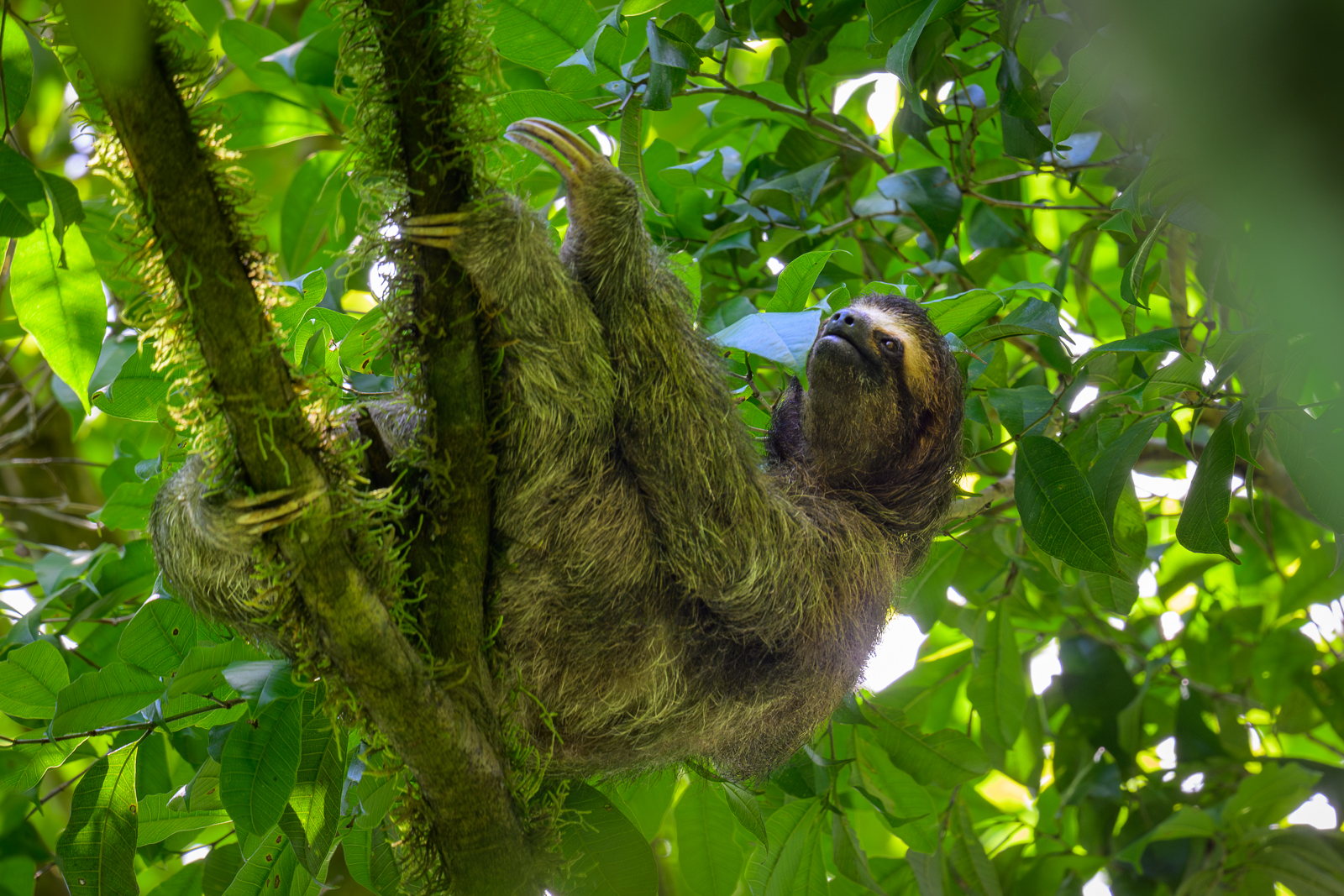
The three-toed sloth, also known as the brown-throated or three-fingered sloth, spends most of its life hanging upside down in the rainforest canopy, moving so slowly that algae actually grows on its fur, helping it blend into the greenery. They sleep most of the day, but I caught this guy up and at it. Well, sort of. Nikon Z8 with Nikkor 500mm PF lens, ISO 220, f/5.6 at 1/125th of a second.
We use cookies to enhance your experience while using our website. If you are using our Services via a browser you can restrict, block or remove cookies through your web browser settings. We also use content and scripts from third parties that may use tracking technologies. You can selectively provide your consent below to allow such third party embeds. For complete information about the cookies we use, data we collect and how we process them, please check our Privacy Policy