The anhingas were in breeding plumage on my recent trip to Florida. The top shot is the male. He lacks much of the turquoise around the eye but does have the fluffy grayish/brown feathers on the side of his head that indicate breeding season. Below you can see the female with her turquoise eye ring and similar fluffy feathers on the side and top of the head. Top photo: Nikon D500 with Nikkor 500mm PF lens, ISO 1600, f/5.6 at 1/160th of a second. Bottom photo: Same camera and lens, ISO 800, f/5.6 at 1/400th of a second. Both with Godox v860iii fill flash.
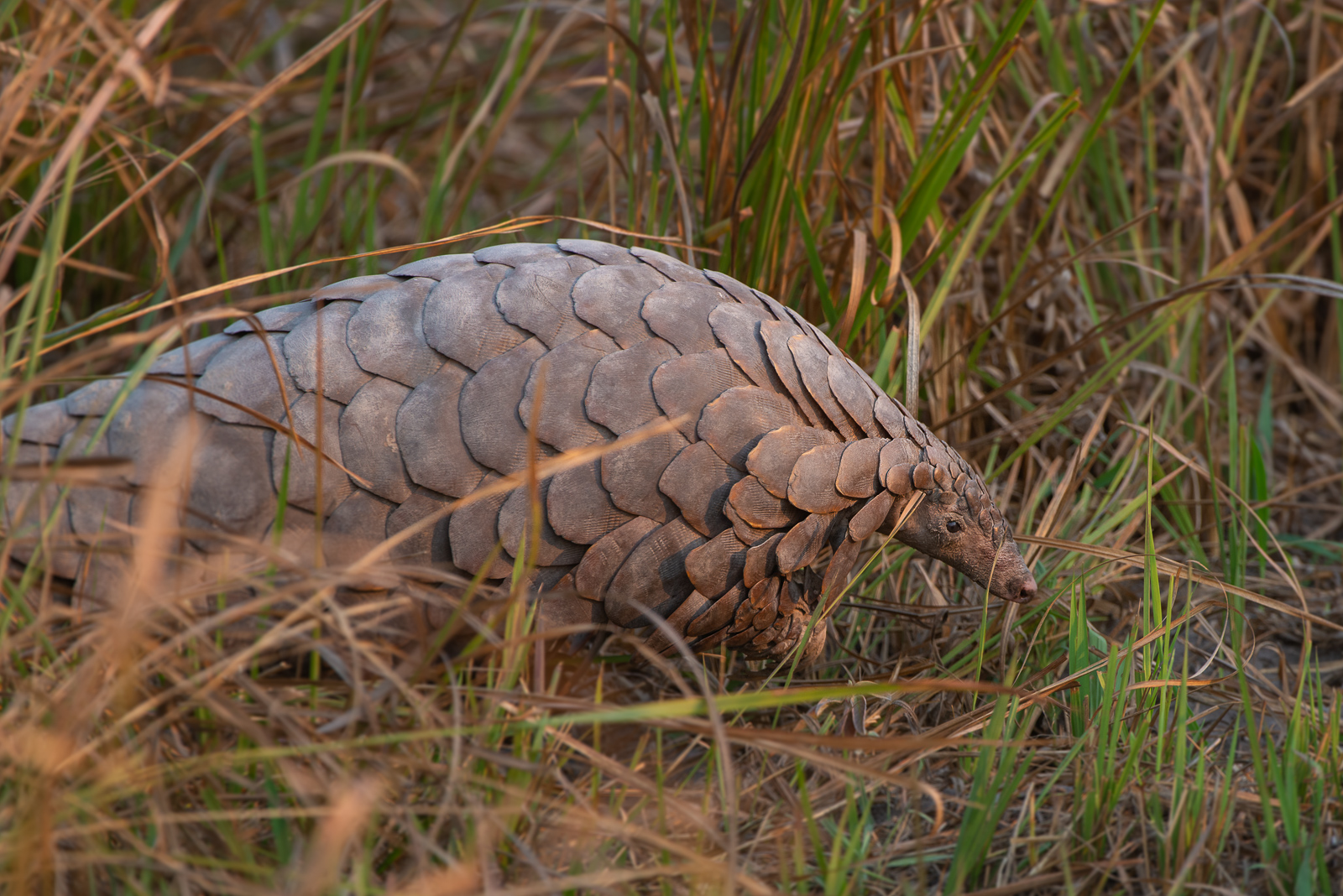
One of my favorite sightings of all time was this pangolin that Karen and I came across on our honeymoon trip to Botswana. It wasn’t just the pangolin — there was also a young leopard playing with the pangolin as if it was his toy. The pangolin would curl into a ball, using its hard armor for protection. The leopard kept falling asleep and the pangolin would start to sneak away, only to have the leopard wake again and pounce. This went on for a few hours before the pangolin finally outlasted the leopard and made the final escape into the Botswanan night. Nikon D800 with Nikkor 200-400mm lens (at 400mm) ISO 400, f/5 at 1/400th of a second.
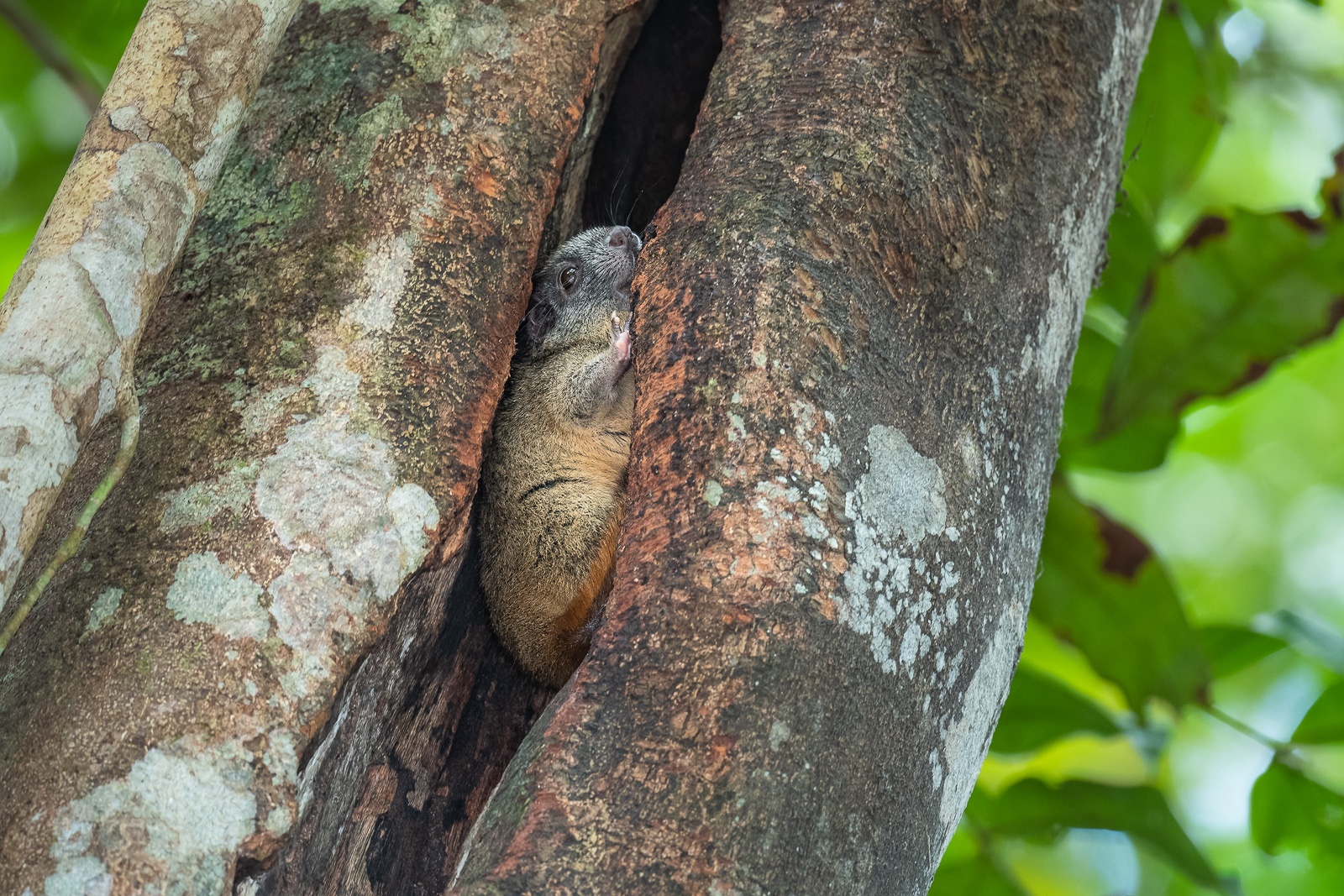
These tree rats are nocturnal, but this one opened his eyes to get a look at us as we floated past on a tributary of the Amazon River in northern Peru. Nikon D500 with Nikkor 500mm PF lens, ISO 800, f/5.6 at 1/60th of a second, Godox V860iii fill flash.
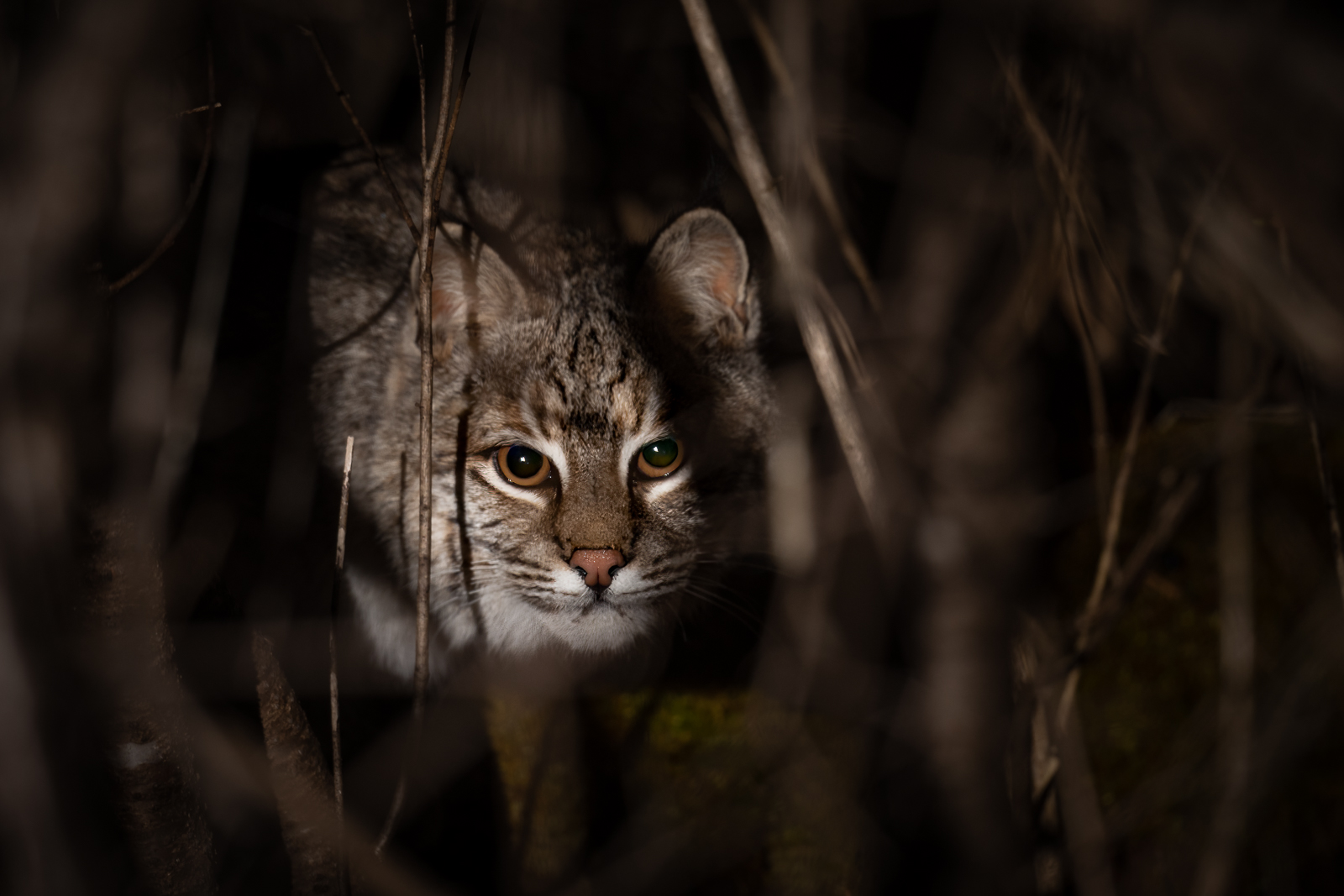
Last night while walking the dog before going to bed I spotted two eyes staring back at me from the bushes in the side yard. I continued walking the dog (he didn’t see what I did) before bringing him back inside. I grabbed my camera and flash and headed back out. Sure enough the bobcat was still there but deep in the bushes. After a few tries, I was able to get this one angle where his/her face wasn’t obscured by twigs. Not the prettiest setting but nice to capture a shot of a bobcat the old fashioned way without my camera trap. Nikon D500 with Nikkor 500mm PF lens, ISO 500, f/5.6 at 1/60th of a second, Godox V860iii flash.
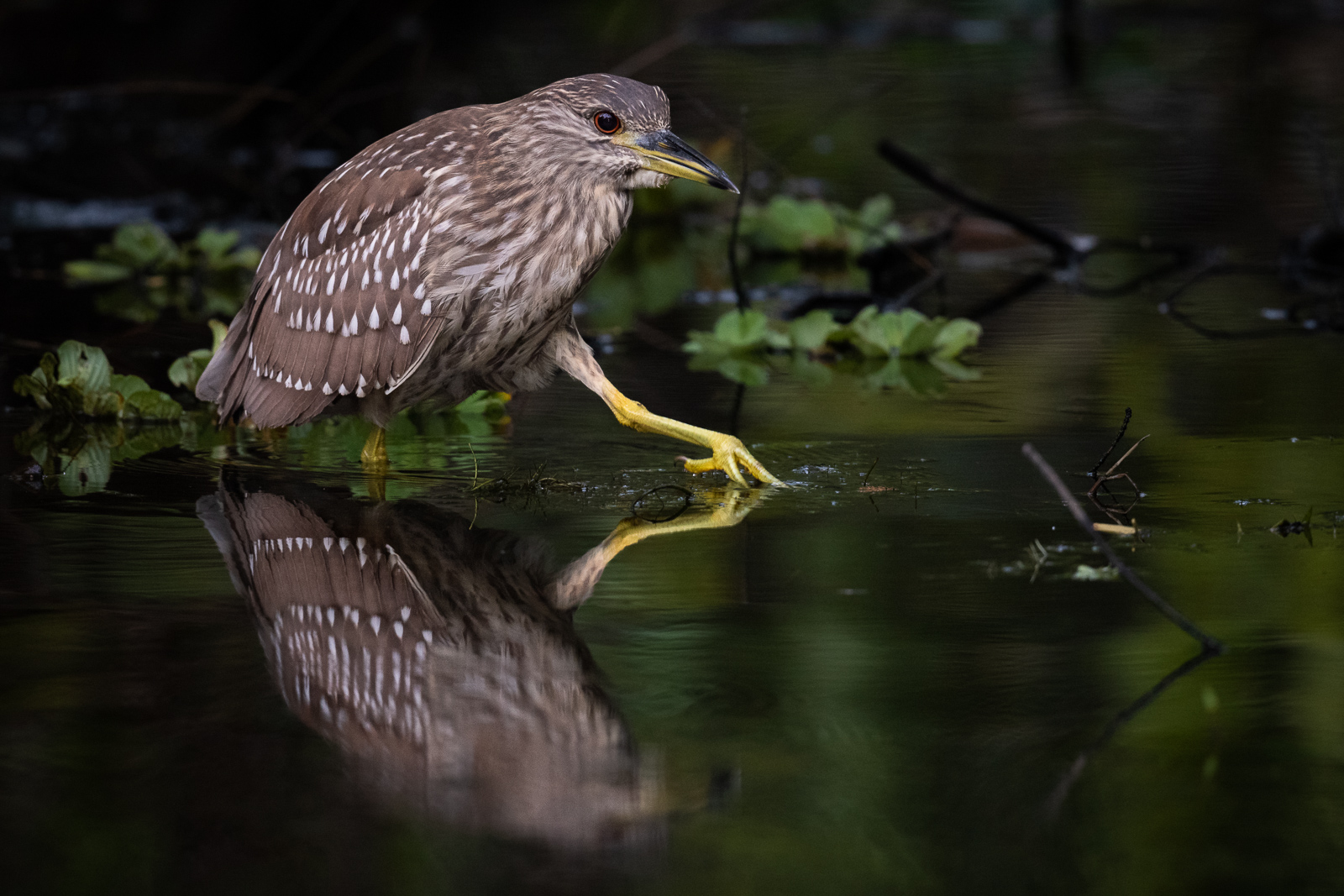
Hunting alongside the great blue heron that I posted yesterday was this black-crowned night heron. This is a juvenile who hasn’t yet developed the black crown. The brackish water in a shaded part of the swamp was creating a very reflective surface. Nikon D500 with Nikkor 500mm PF lens, ISO 3200, f/5.6 at 1/125th of a second, Godox V860iii fill flash.
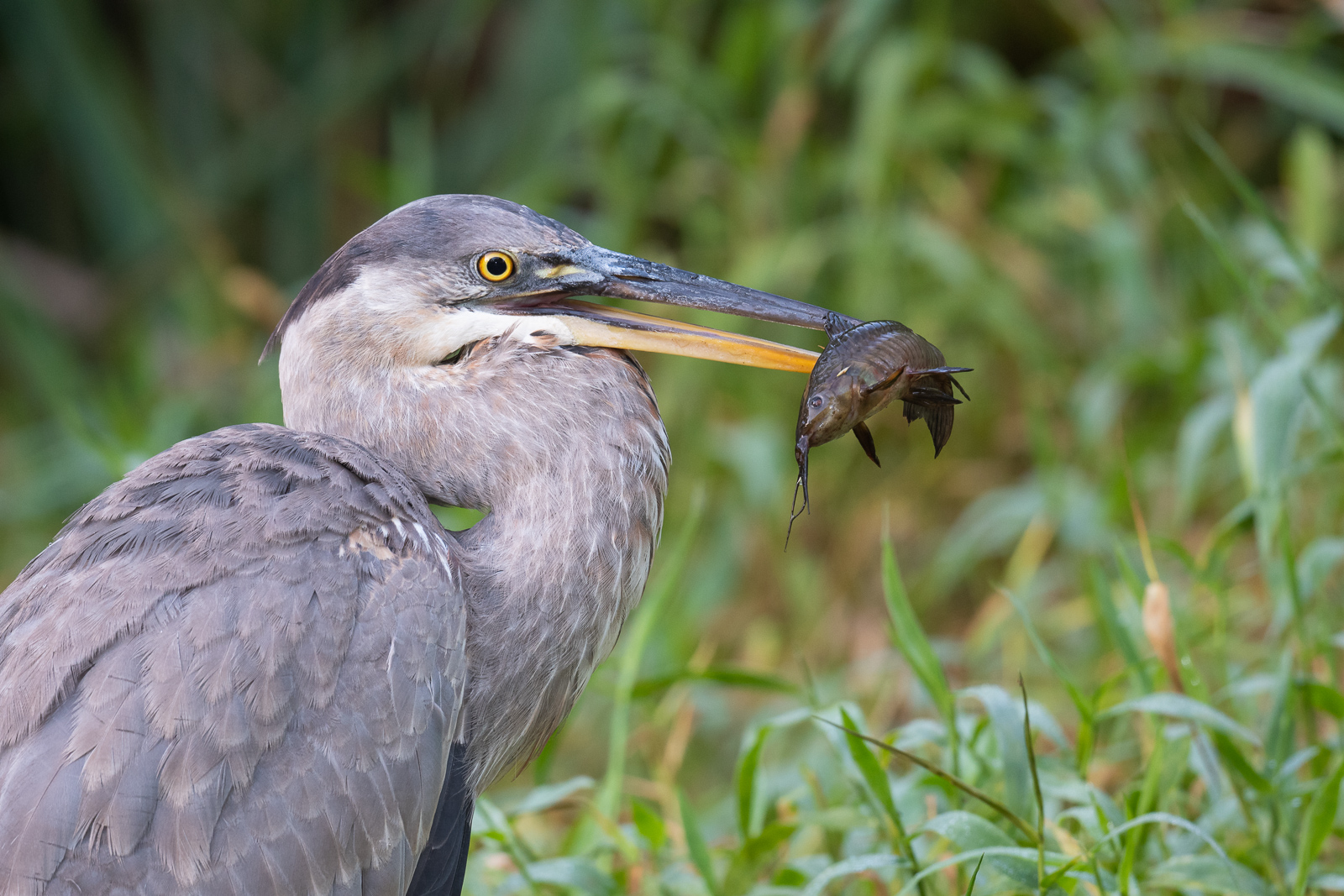
Here’s another one from last weekend in southwest Florida. Great blue herons were competing with night herons, green herons, little blue herons, anhingas, ibises and egrets for the best fishing spots. As the largest of the aforementioned birds, this great blue had no problem getting his fill of catfish. Nikon D500 with Nikkor 500mm PF lens, ISO 800, f/5.6 at 1/100th of a second, Godox V860iii fill flash.
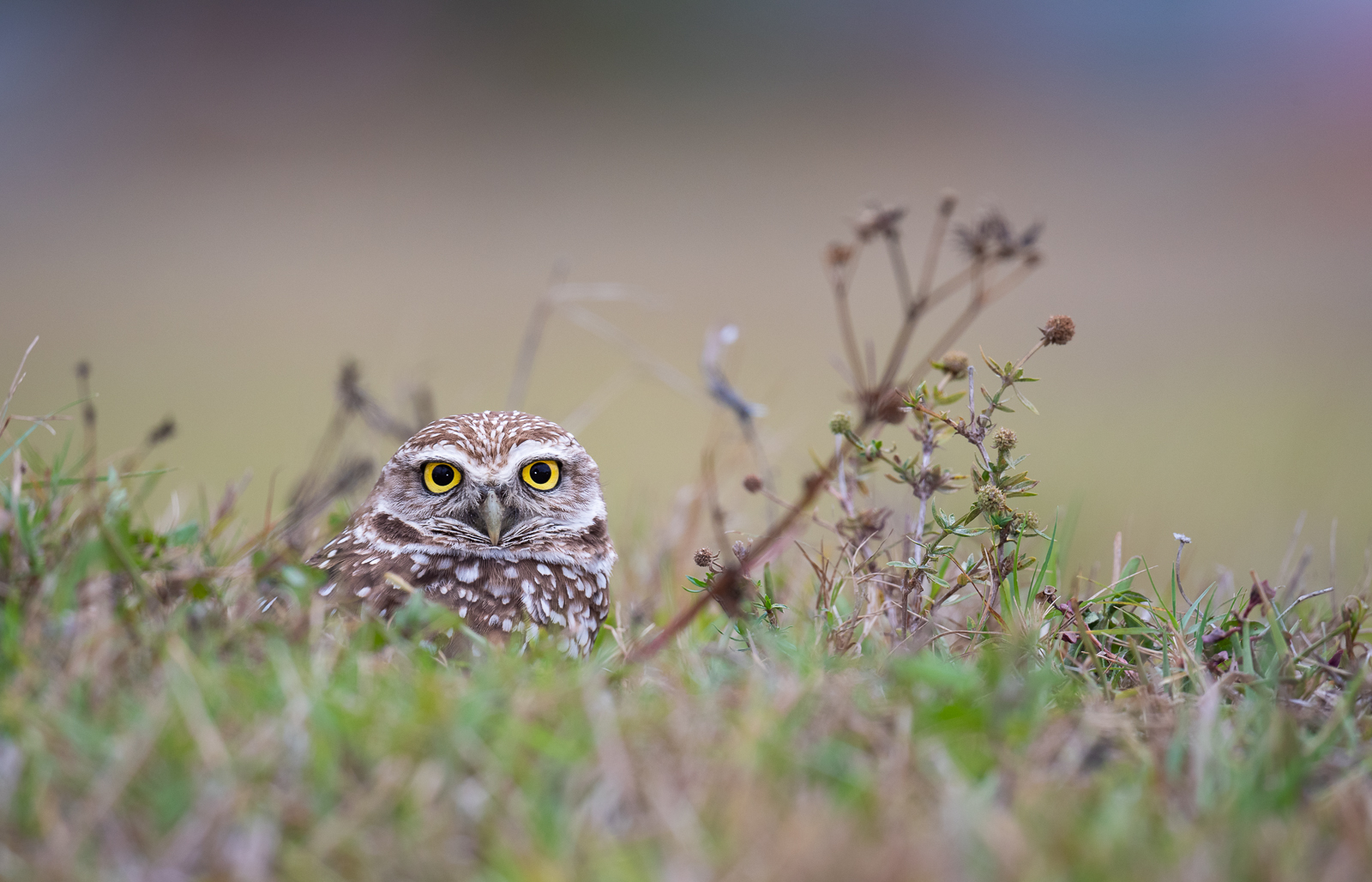
I took a drive up to Cape Coral, Florida on Sunday to visit a few of the city’s most famous feathered residents — Florida burrowing owls. These guys are a subspecies of burrowing owl that also live in the Bahamas. Cape Coral happens to be a place that a large number of them call home and they can be spotted throughout the heavily-populated suburban neighborhoods of the city. Burrowing owls are very small and they are diurnal rather than nocturnal. As the name suggests, they live in the ground, which is also somewhat unusual for owls. This guy was on guard duty just outside a burrow that was dug in the side yard of a church. Nikon D500 with Nikkor 500mm PF lens, ISO 400, f/5.6 at 1/640th of a second, Godox V860iii fill flash.
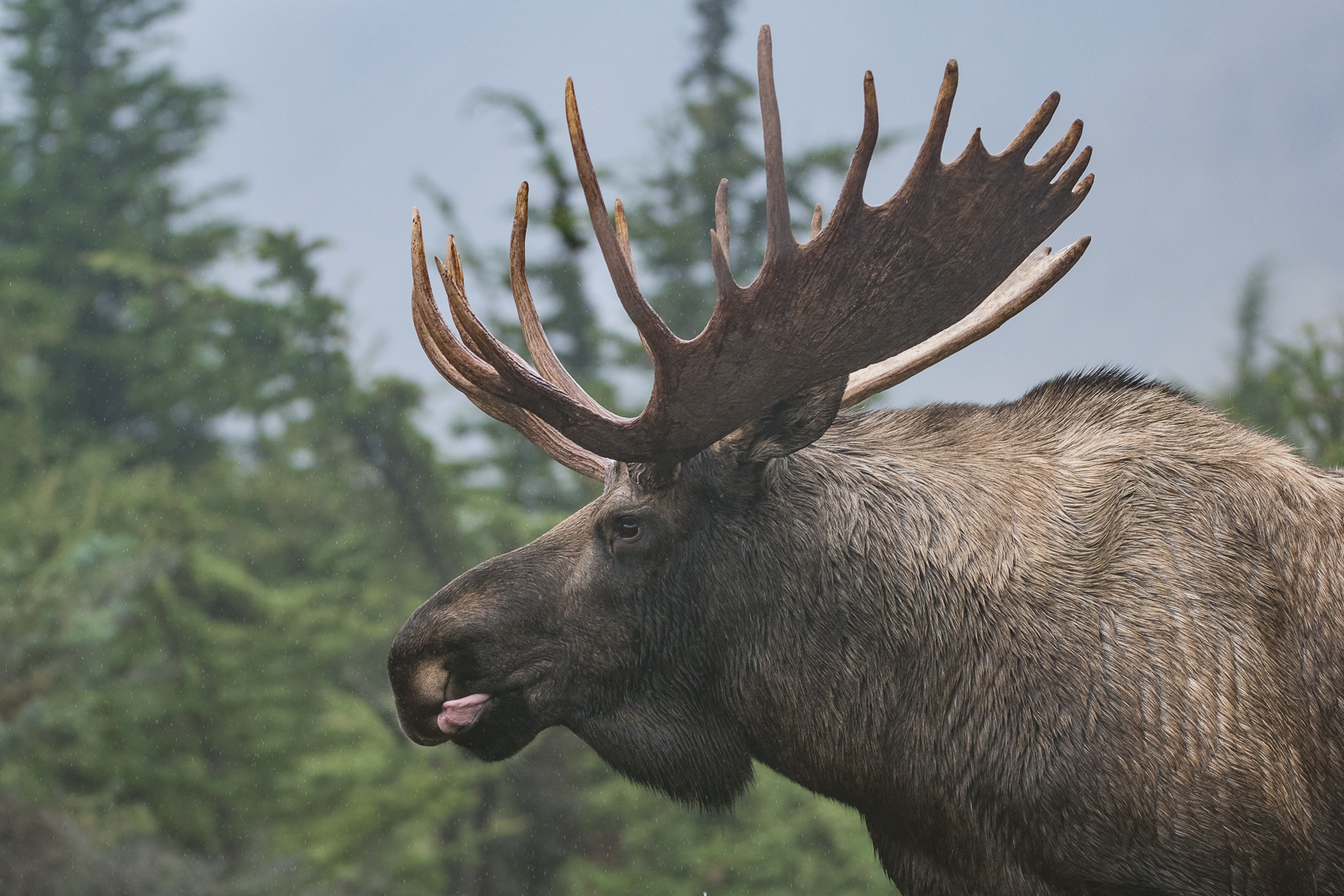
I’m off to Florida tomorrow for a quick visit with my mother (and perhaps some new wildlife encounters) so this will be the last post until next week. A simple portrait of a bull moose on a misty morning in Chugach State Park in Alaska. The rut was in full swing when I came across a few large males searching for a mate — a potentially dangerous situation so I had to be constantly aware of my surroundings. Nikon D500 with Nikkor 70-200mm lens (at 210mm) ISO 800, f/4 at 1/800th of a second.
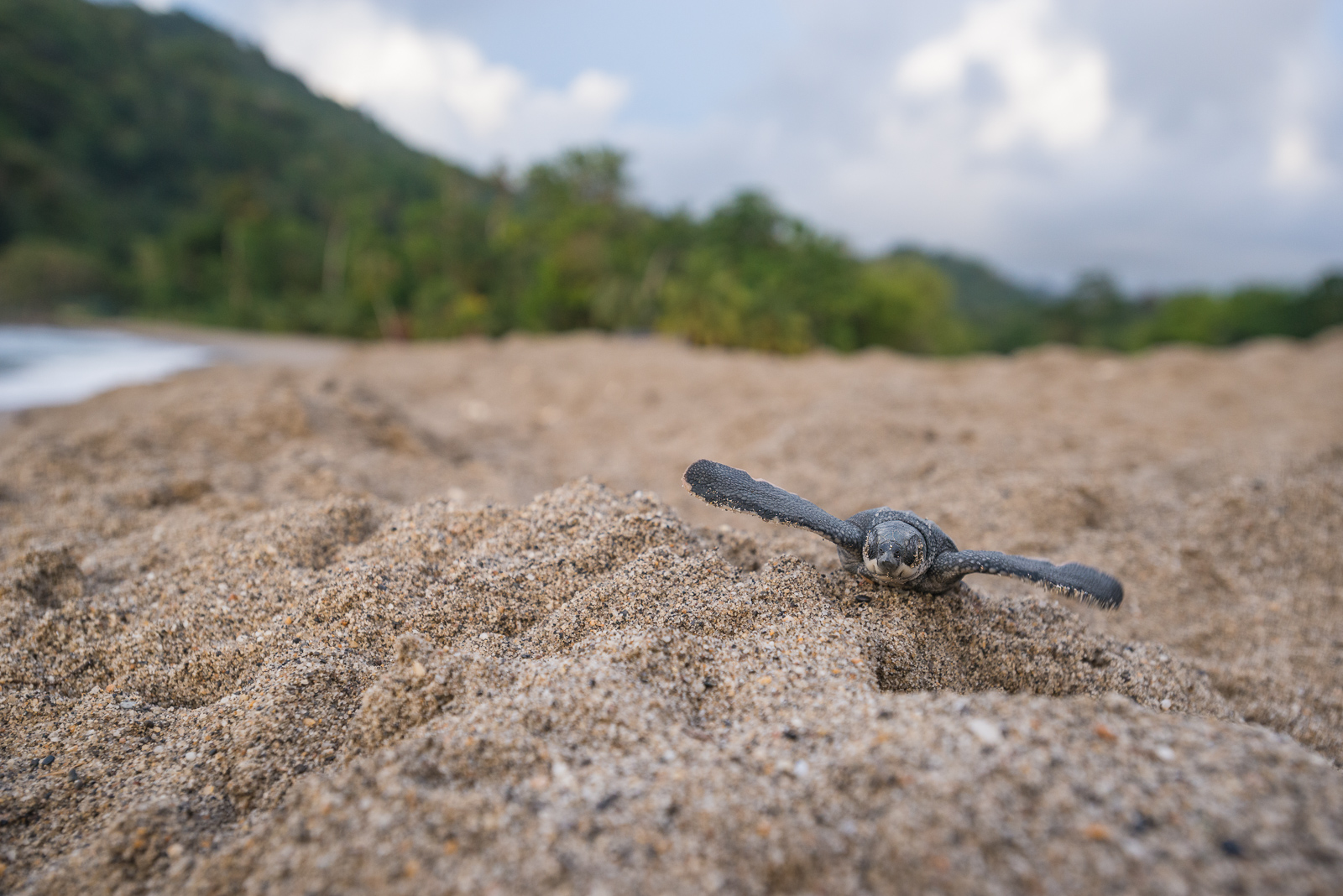
This leatherback hatchling had just emerged from beneath the sand (along with about 80 siblings) and was making the perilous dash to the ocean. Not only were there many vultures waiting for the opportunity to strike, the terrain wasn’t exactly hospitable. My presence kept the vultures away and the little turtle summoned up the energy to navigate the mounds of sand left by the mothers who were laying their eggs the night before. Nikon D800 with Nikkor 17-35mm lens (at 35mm) ISO 800, f/5 at 1/400th of a second.
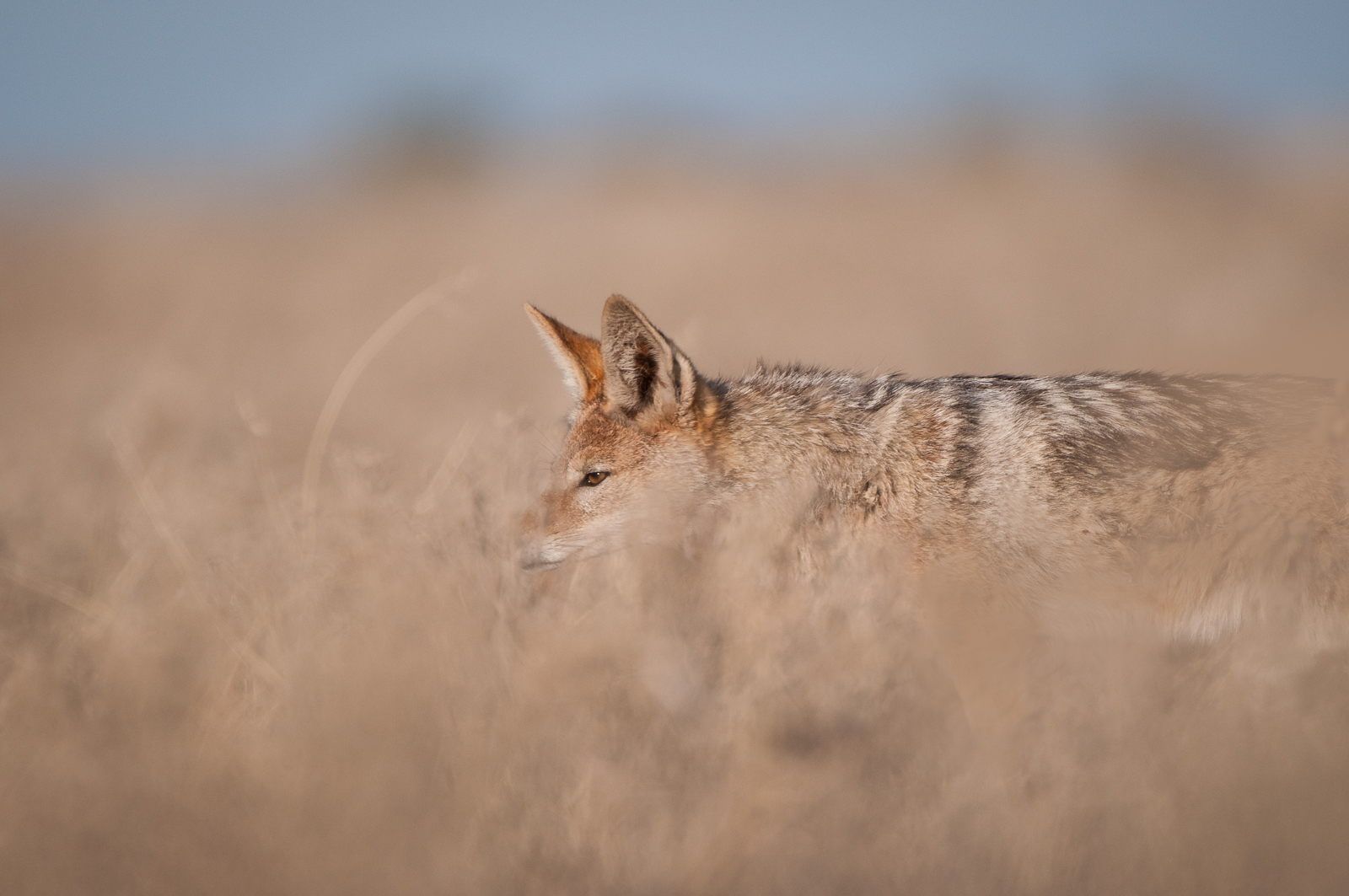
I posted a sunset shot of a black-backed jackal a few weeks ago. Here’s one early morning, prowling through the dry grasslands of the Kalahari Desert in Botswana. These guys have a varied diet and are opportunistic when it comes to finding the next meal — everything from crickets and termites, to rodents and other small mammals. They also love to get in on a larger kill after lions and other predators have moved on. Nikon D300 with Nikkor 200-400mm lens (at 550mm with 1.4 teleconverter) ISO 400, f/5.6 at 1/1250th of a second.
We use cookies to enhance your experience while using our website. If you are using our Services via a browser you can restrict, block or remove cookies through your web browser settings. We also use content and scripts from third parties that may use tracking technologies. You can selectively provide your consent below to allow such third party embeds. For complete information about the cookies we use, data we collect and how we process them, please check our Privacy Policy


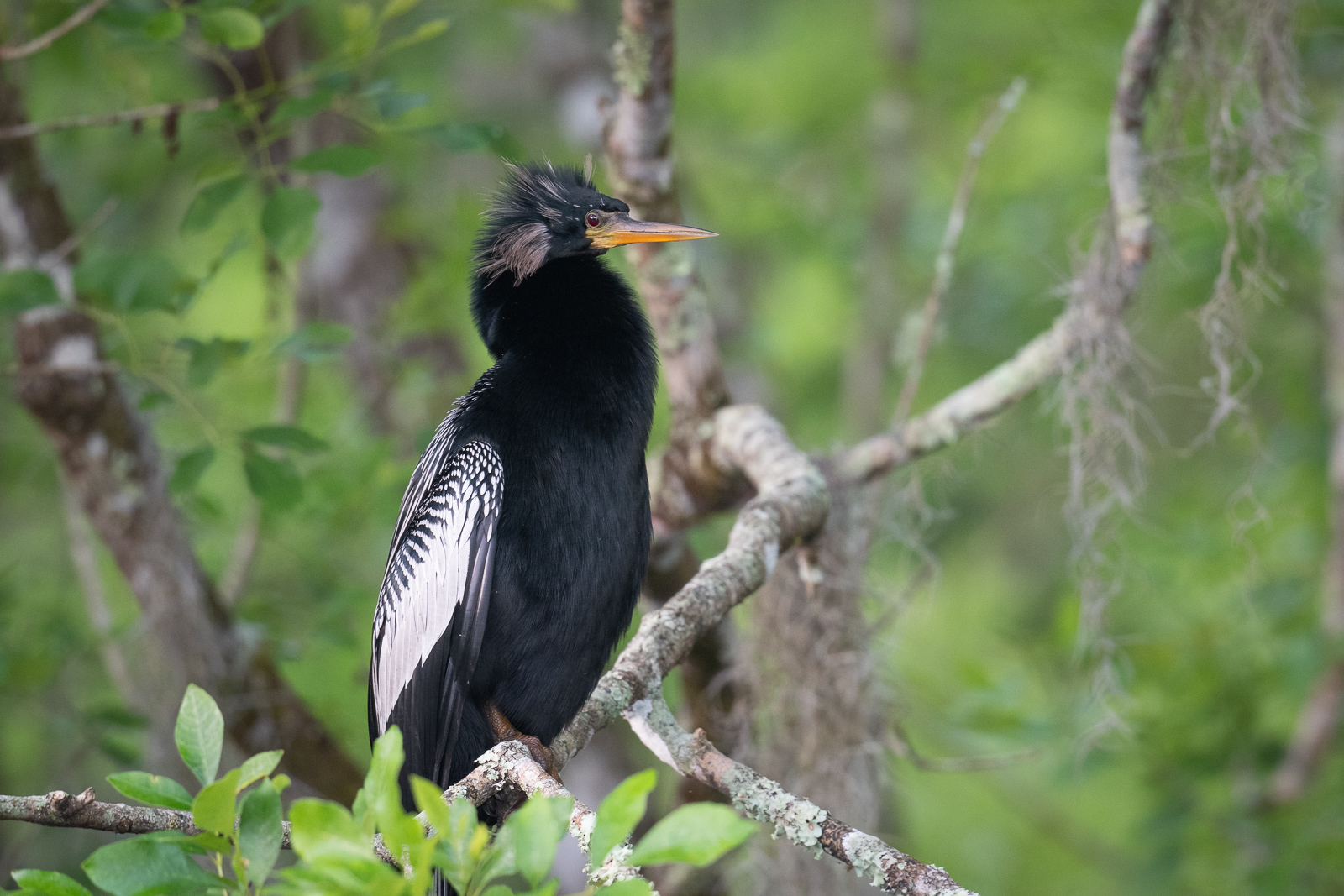
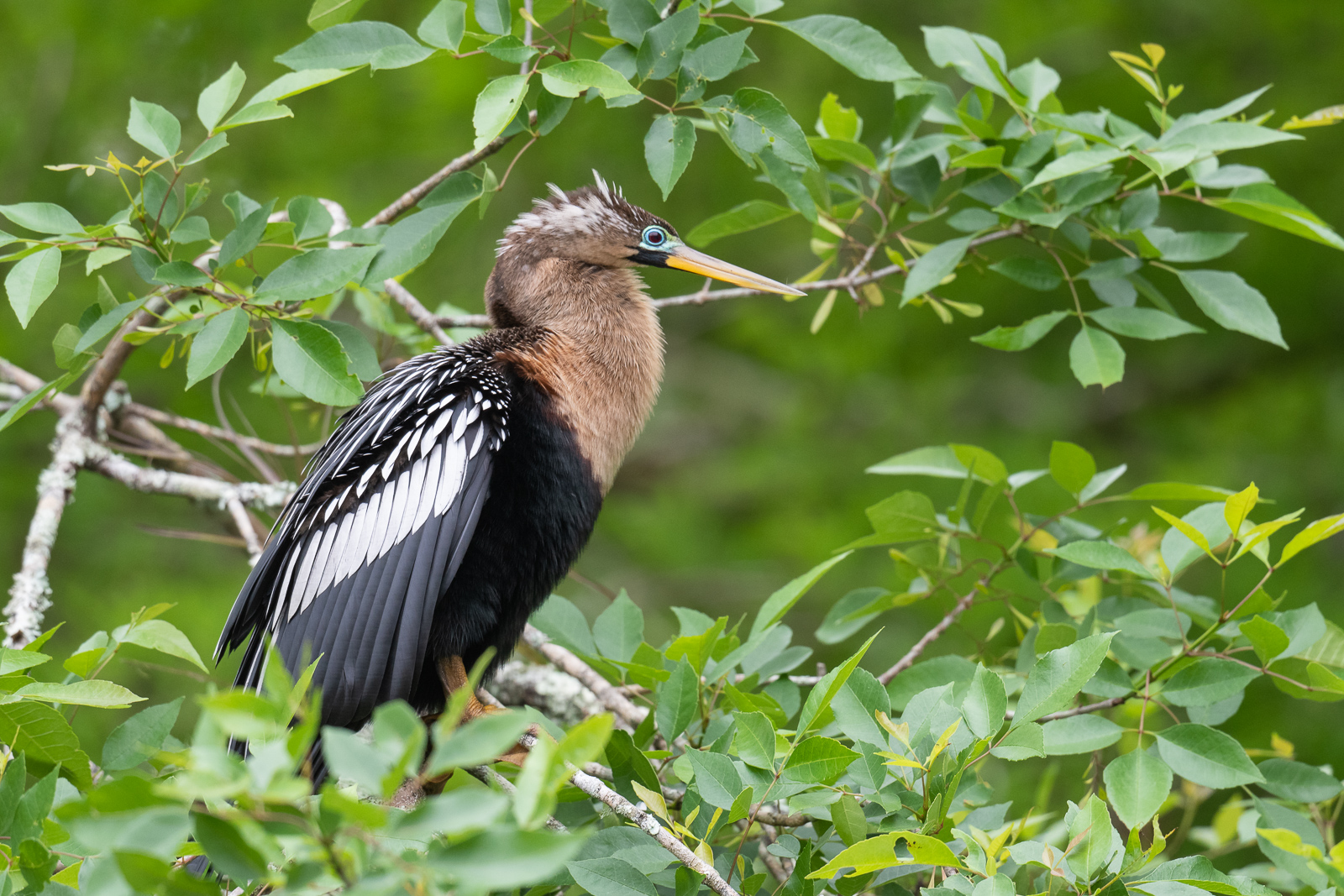 The anhingas were in breeding plumage on my recent trip to Florida. The top shot is the male. He lacks much of the turquoise around the eye but does have the fluffy grayish/brown feathers on the side of his head that indicate breeding season. Below you can see the female with her turquoise eye ring and similar fluffy feathers on the side and top of the head. Top photo: Nikon D500 with Nikkor 500mm PF lens, ISO 1600, f/5.6 at 1/160th of a second. Bottom photo: Same camera and lens, ISO 800, f/5.6 at 1/400th of a second. Both with Godox v860iii fill flash.