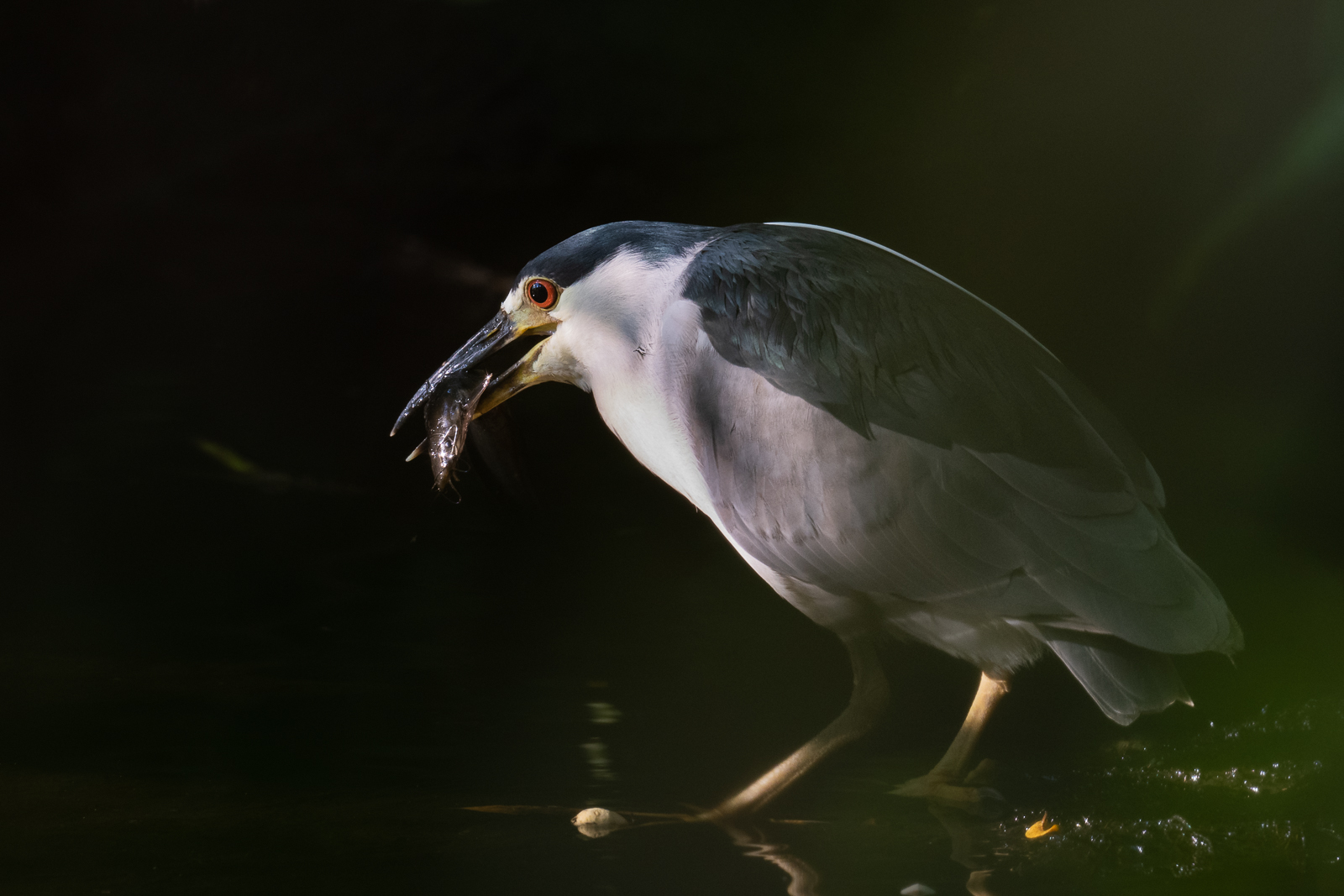
I’ll be heading down to Florida next Wednesday to visit my mother. Last time I was there, I took a drive out to the Corkscrew Swamp near her place in Bonita Springs and came across this black-capped night heron feasting on a catfish. Nikon D500 with Nikkor 500mm PF lens, ISO 800, f/5.6 at 1/125th of a second.
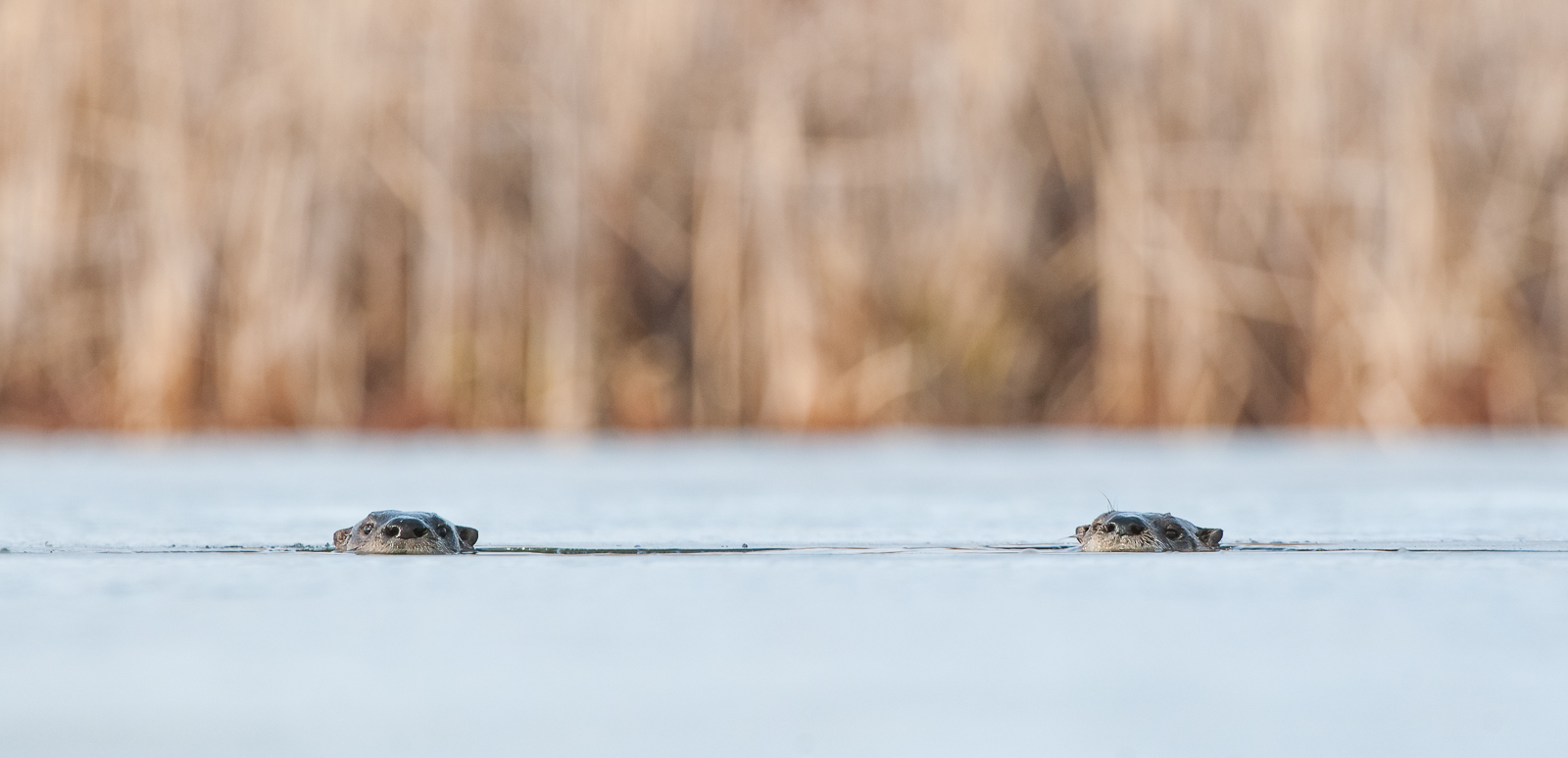
Two river otters surface in an opening in the ice. The otters will keep several holes open for easy access to fish. Photographed in southern Indiana. Nikon D300 with Nikkor 200-400mm lens (at 400mm) ISO 400, f/8 at 1/320th of a second.
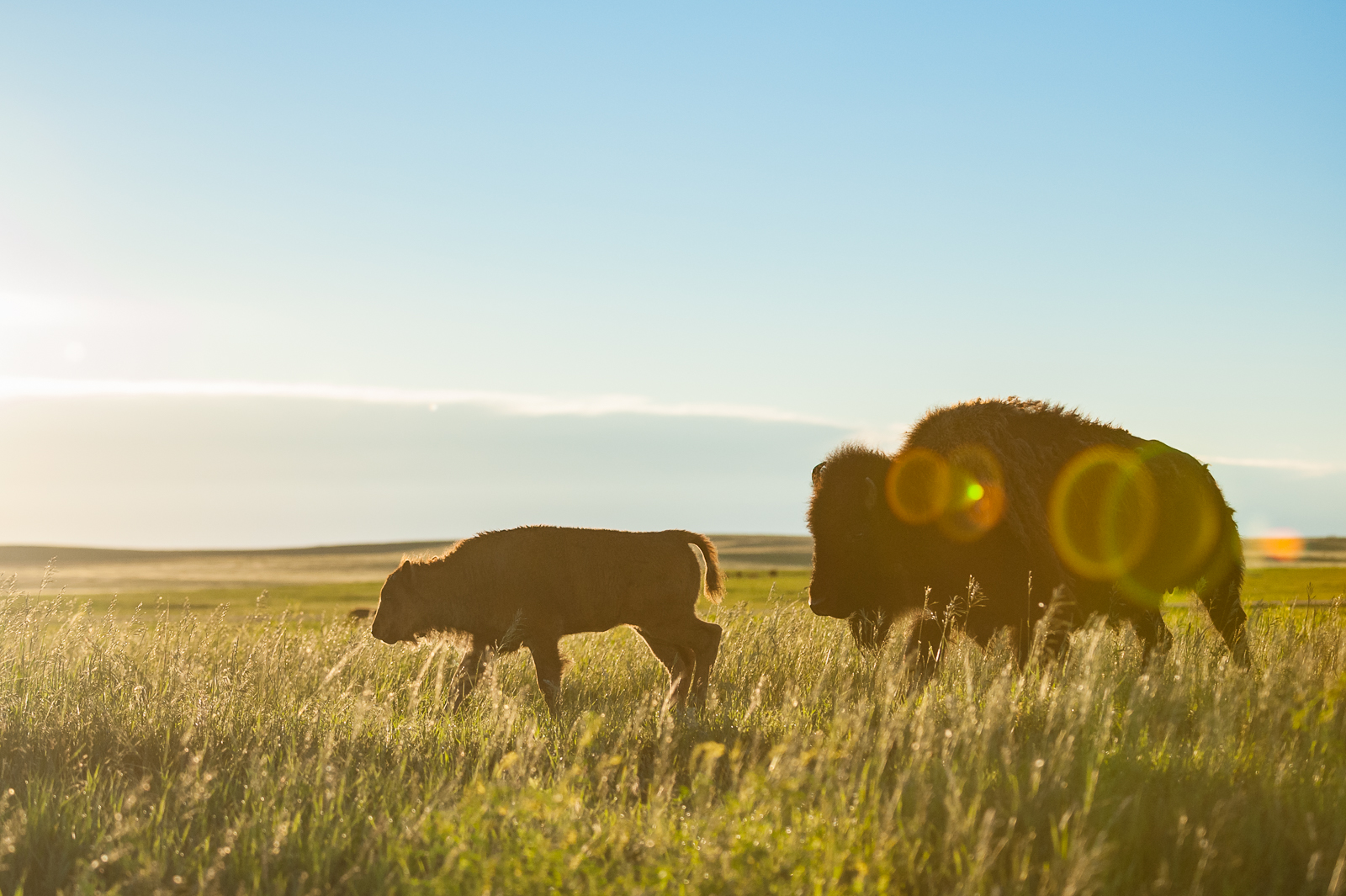
Nothing like springtime in the Badlands. This image of a mother bison and her calf was taken on a sunny morning in mid June a few years back. Nikon D700 with Nikkor 70-200mm lens (at 78mm) ISO 800, f/2.8 at 1/8000th of a second.
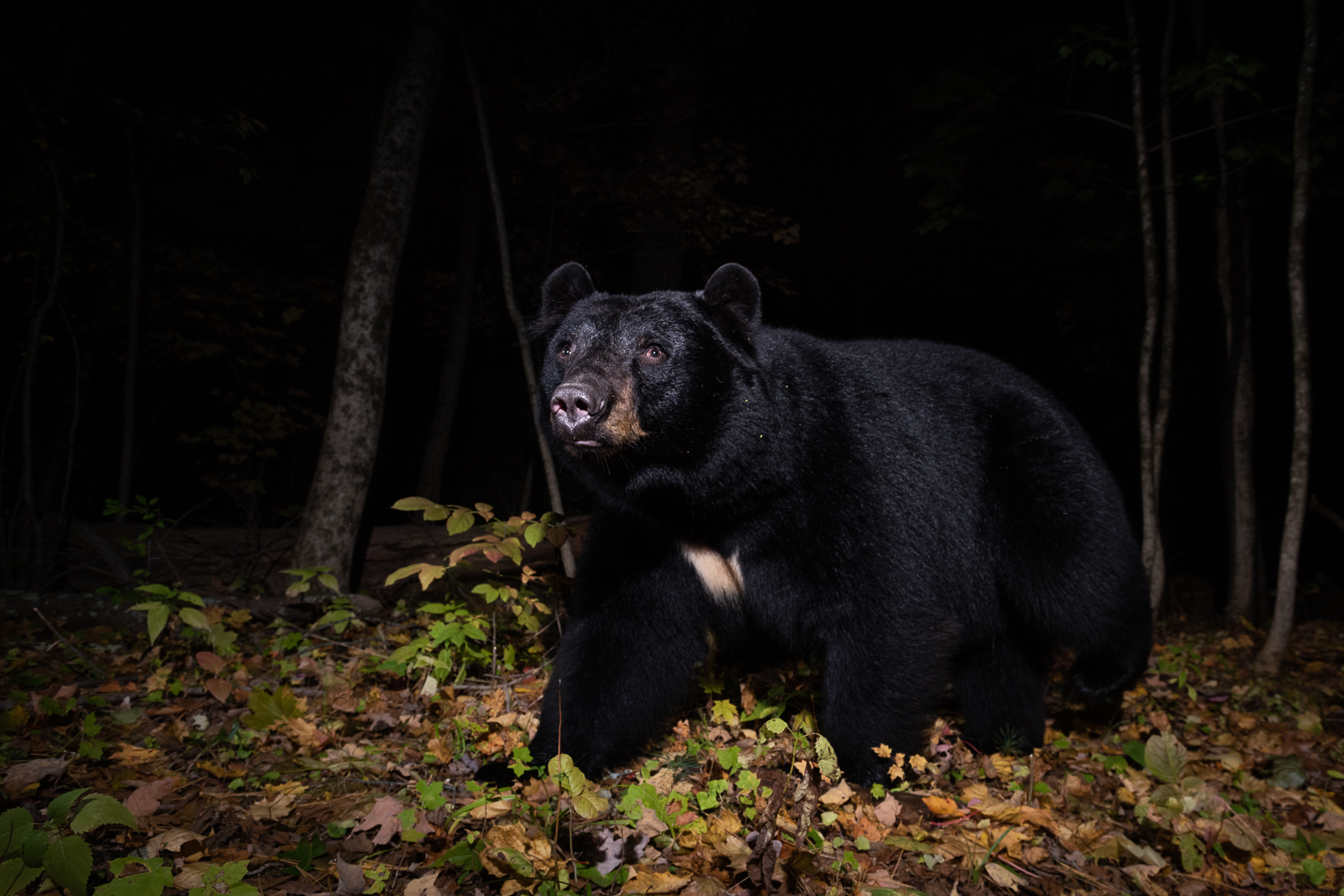
I know we haven’t yet hit the mid point of March, but looking forward to the springtime return of black bears. This one visited my trap back in September of 2020. Nikon D810 with Nikkor 17-35mm lens (at 20mm) ISO 500, f/8 at 1/125th of a second, Cognisys camera box, trail monitor and remote flashes.
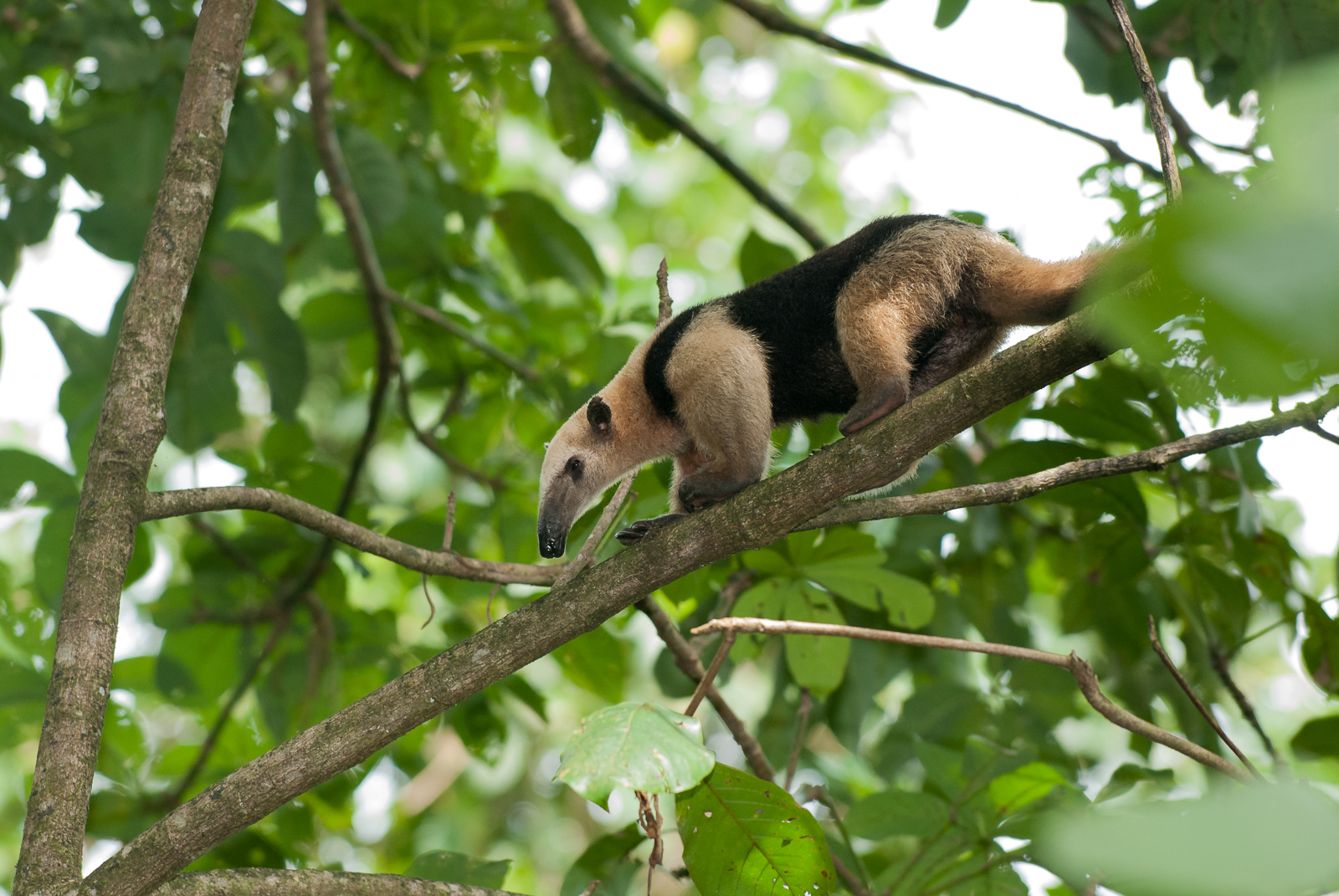
Sometimes called the lesser anteater, the northern tamandua ranges from southern Mexico to northern South America. I photographed this one quite a few years ago while in the Osa Peninsula of southern Costa Rica. Unlike giant anteaters, tamanduas spend the majority of their time in trees. Nikon D200 with Nikkor 70-200mm lens (at 200mm) ISO 400, f/4 at 1/250th of a second, Nikon SB-600 fill flash.
A year ago, Fox61 News in Connecticut aired a story on my camera trapping during the pandemic. Tonight they ran a follow up piece on what I’ve been up to since then.
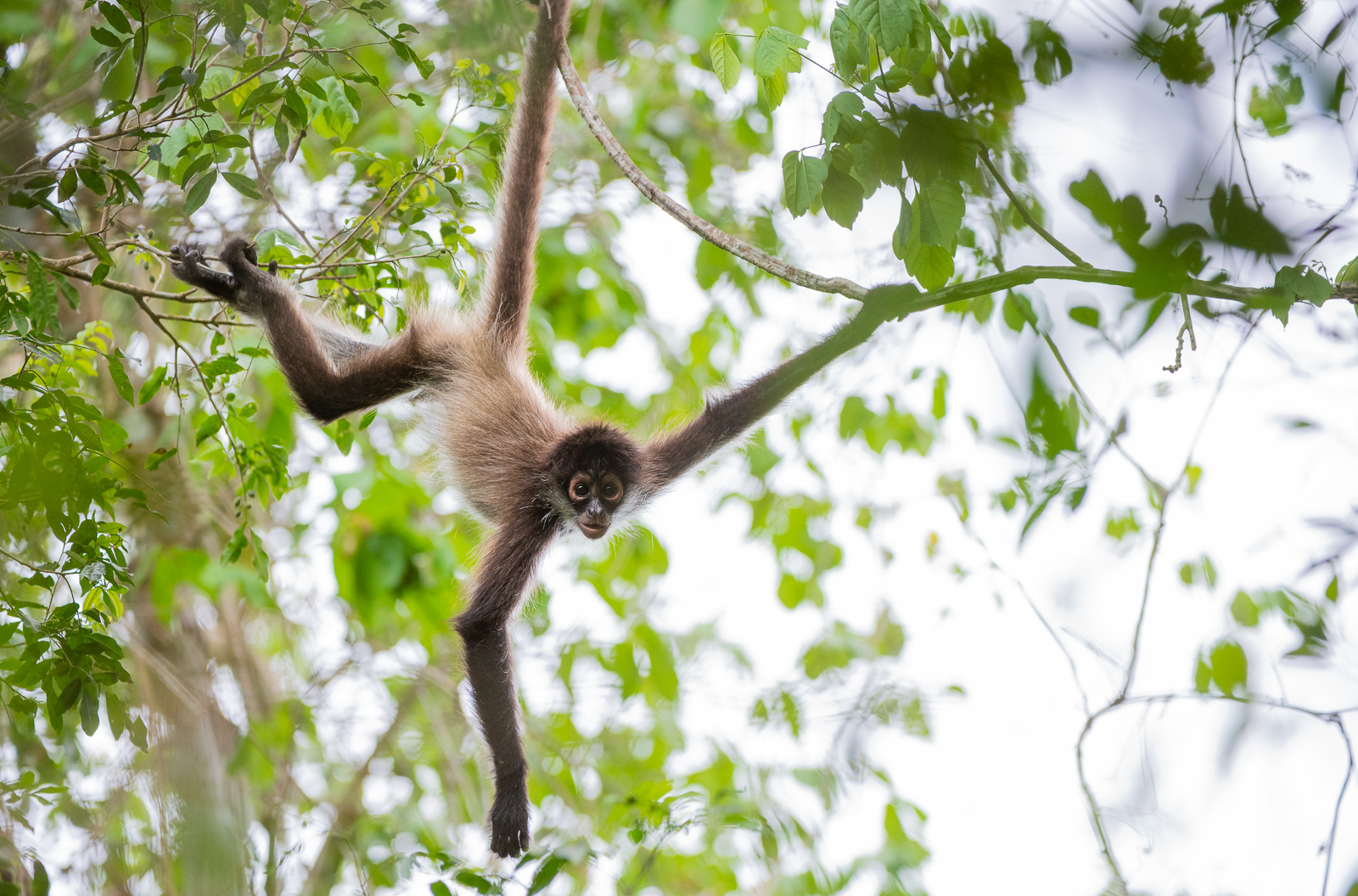
It’s easy to see why they call these guys spider monkeys. Less obvious is why they call them Geoffroy’s spider monkeys. Photographed on the Yucatan Peninsula of Mexico. Nikon D800 with Nikkor 200-400mm lens (at 260mm) ISO 1600, f/4 at 1/640th of a second.
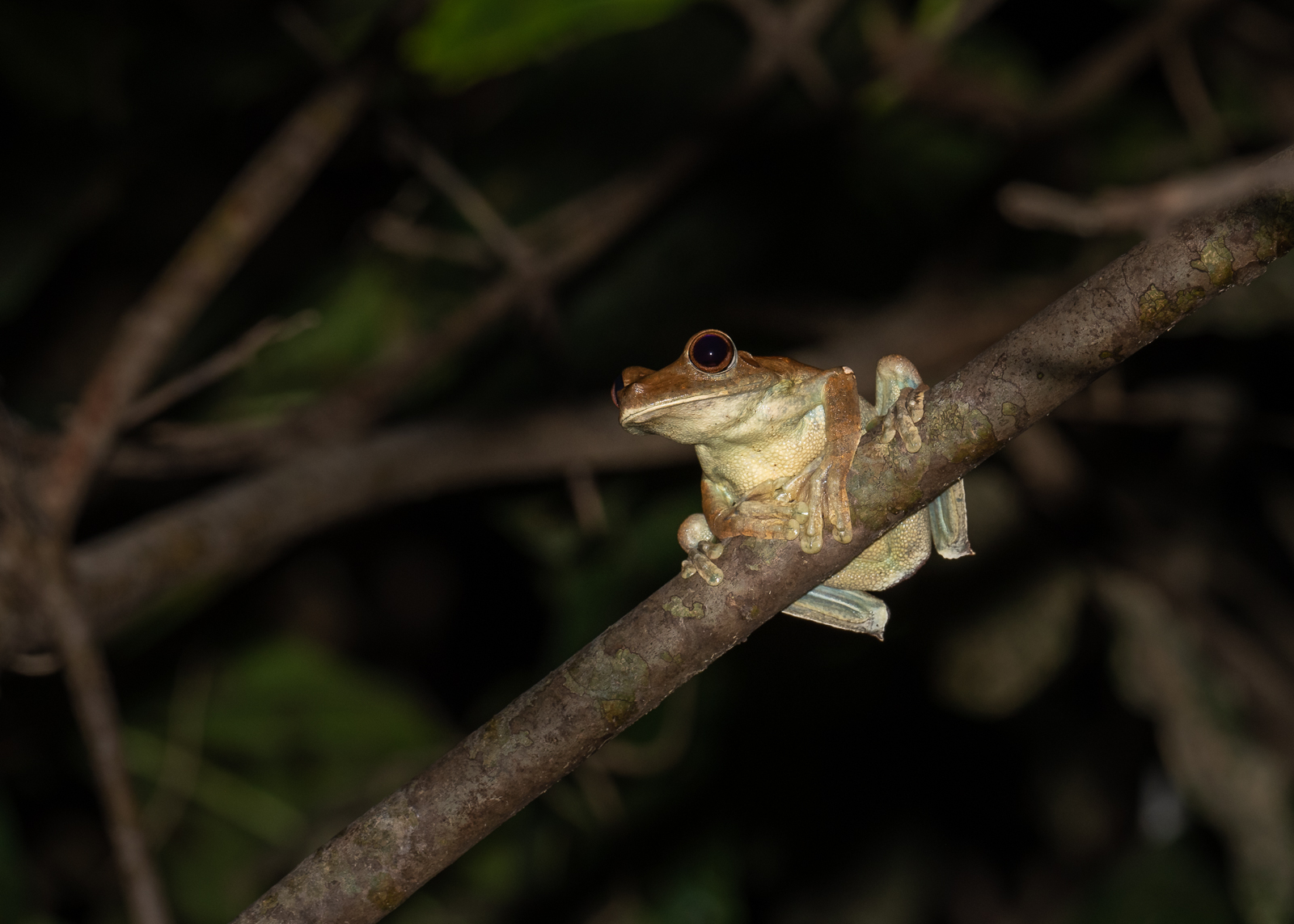
These guys are very large tree frogs. Also known as rusty tree frogs, I saw several of them while on night excursions by boat in the Peruvian Amazon, usually high in a tree along the river bank. Nikon D500 with Nikkor 500mm PF lens, ISO 400, f/8 at 1/100th of a second, Godox V860iii flash with Westcott soft box.
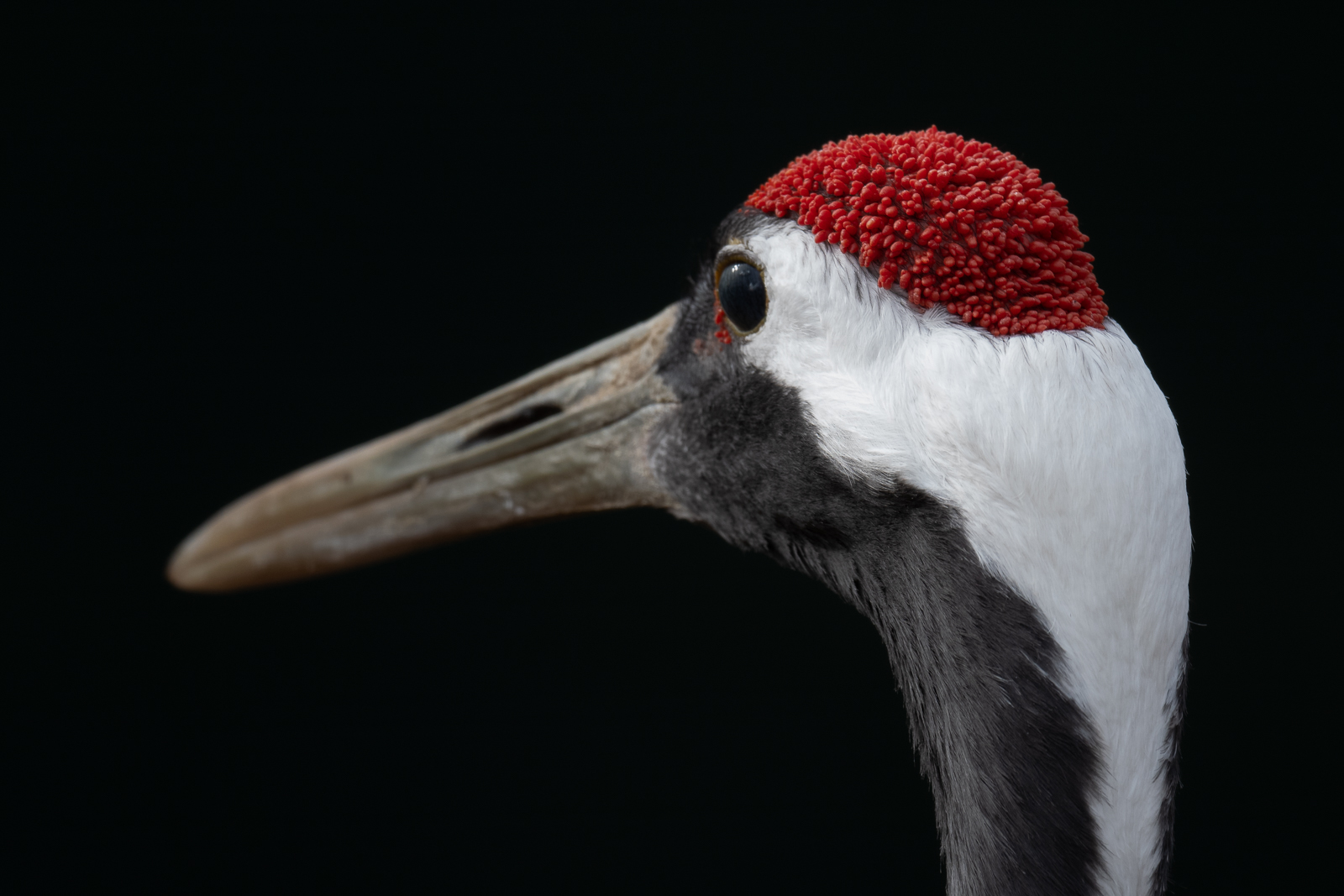
Here’s another one from the Ripley Waterfowl Conservancy in Litchfield, Connecticut. They have two red-crowned cranes there, also known as Japanese cranes or Manchurian cranes. As the name would suggest, they live mainly in parts of Japan and China, as well as Russia, Mongolia, Taiwan and Korea. They are one of the rarest cranes in the world and are known as symbols of luck, longevity and fidelity. The red on their crown is actually a patch of bare, wattled skin, which you can see in this image. This is another species that I have not photographed in the wild, but would love to get back to Japan for winter wildlife. Nikon D500 with Nikkor 500mm PF lens, ISO 500, f/5.6 at 1/400th of a second.
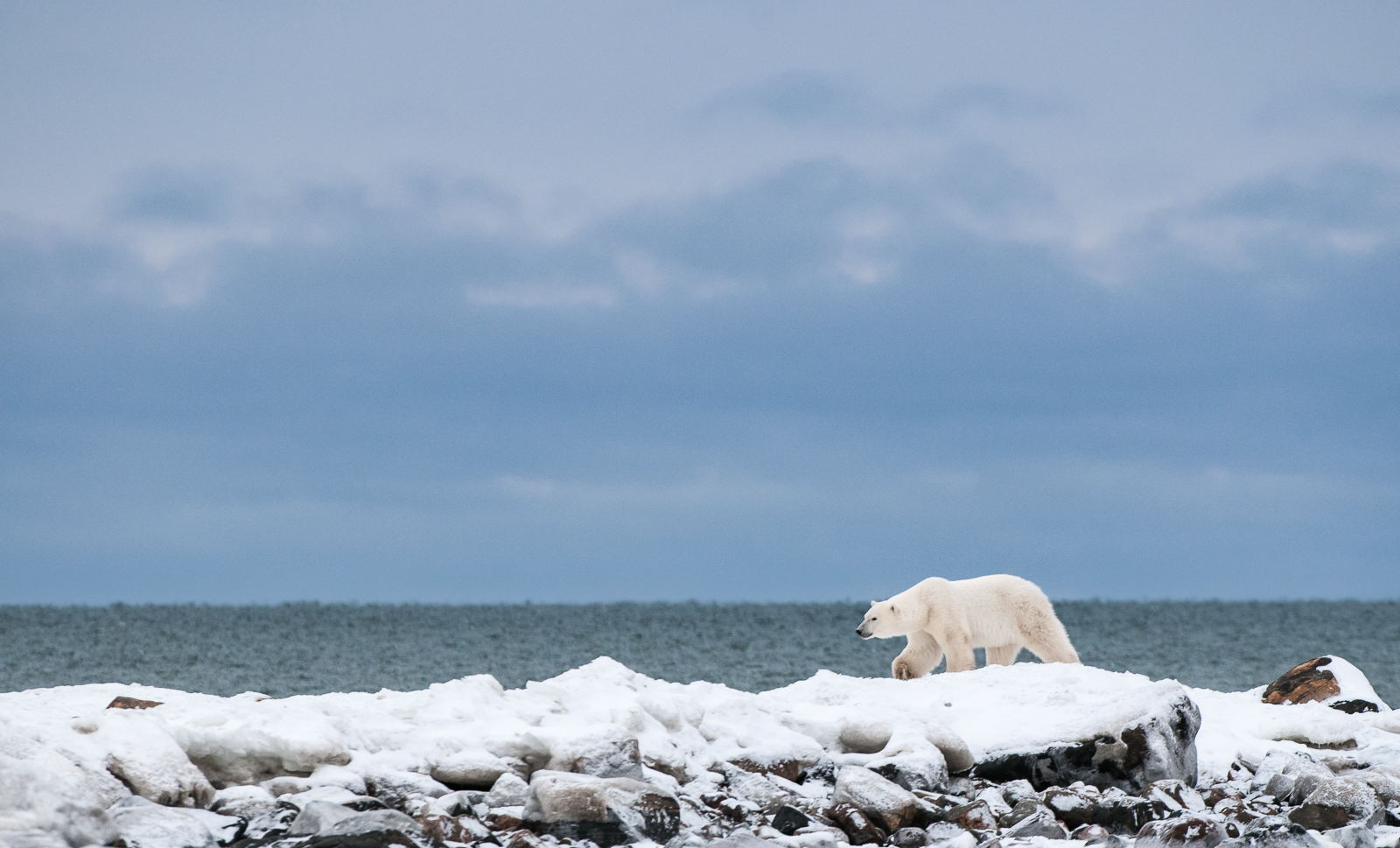
A polar bear walks along the shoreline of the Hudson Bay, waiting for the water to freeze so that he can go out and hunt seals. Nikon D300 with Nikkor 200-400mm lens (at 400mm) ISO 800, f/5.6 at 1/1000th of a second.
We use cookies to enhance your experience while using our website. If you are using our Services via a browser you can restrict, block or remove cookies through your web browser settings. We also use content and scripts from third parties that may use tracking technologies. You can selectively provide your consent below to allow such third party embeds. For complete information about the cookies we use, data we collect and how we process them, please check our Privacy Policy