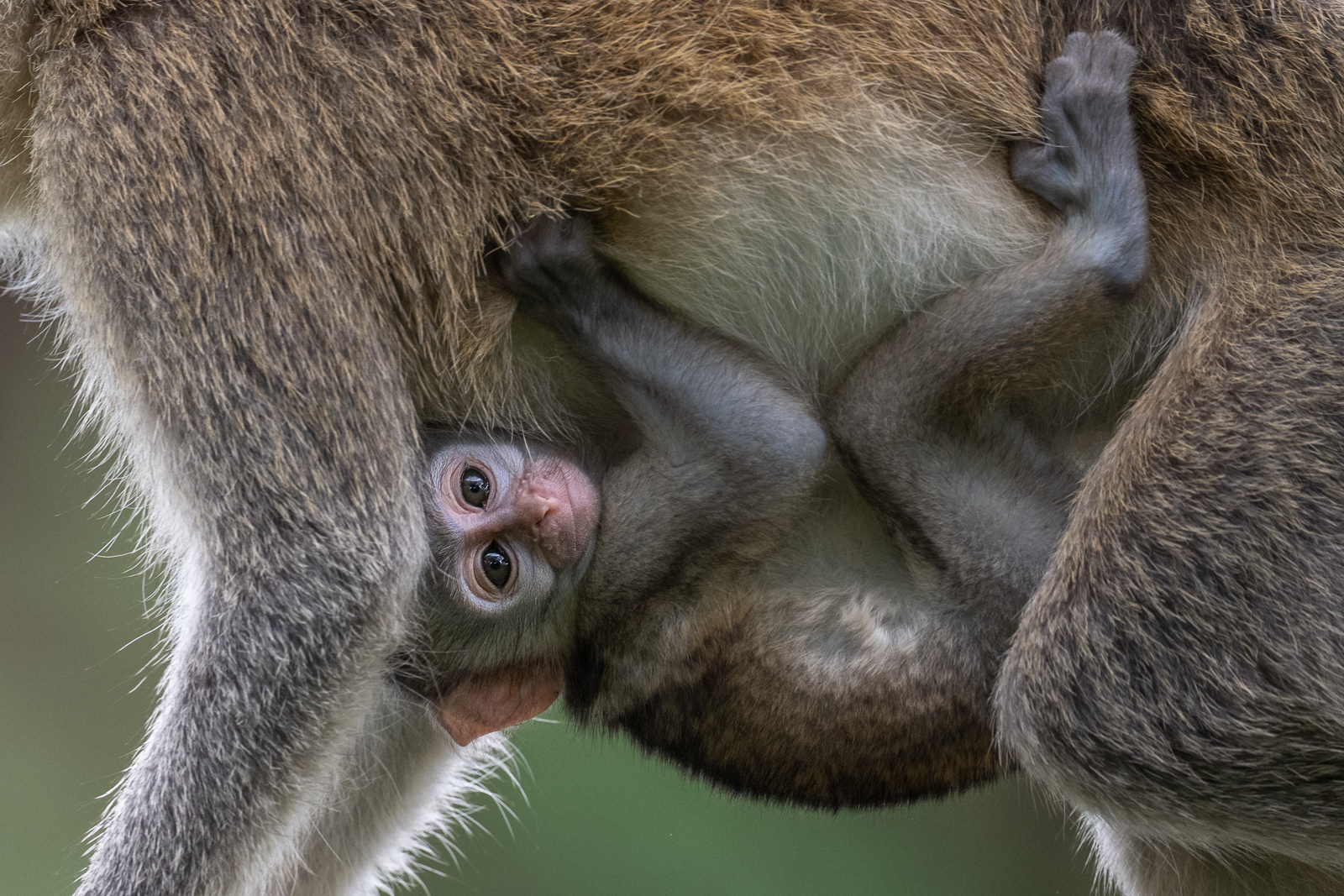
Vervet monkeys are just one of the species we regularly see around the camp we stay at in Samburu, Kenya on Crane Wildlife Tours. If you’ve been thinking of an African adventure and want to join one of our tours, we have a few openings for June of 2026. Check out www.cranewildlifetours.com for general info on our trips and reach out if interested in joining us soon. Nikon Z8 with Nikkor 500mm PF lens, ISO 1100, f/5.6 at 1/1000th of a second.
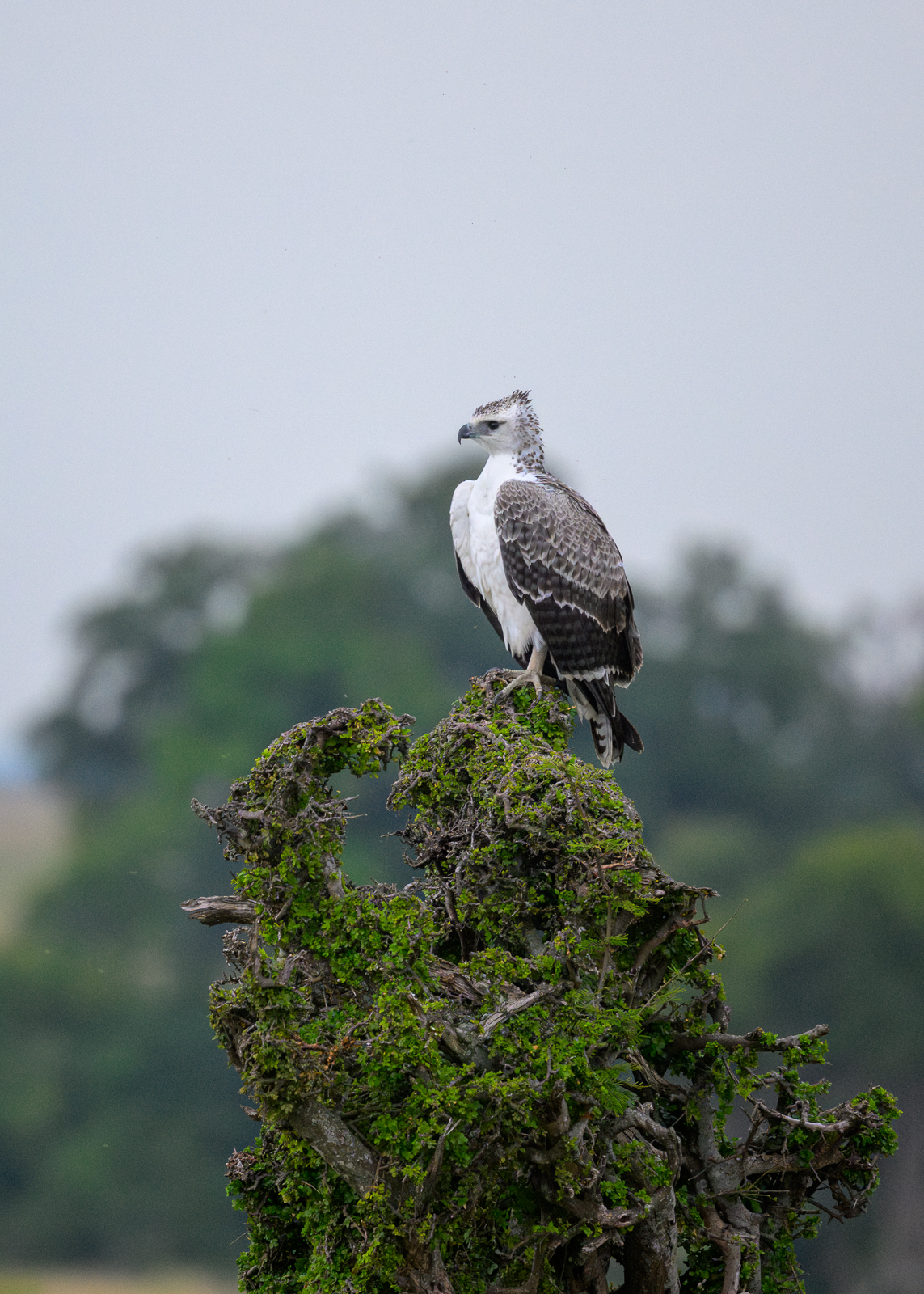
The martial eagle is Africa’s largest and most powerful eagle, with a wingspan that can exceed 7 feet and the strength to take down prey as large as small antelope or monkeys. As an apex predator, the martial eagle plays a vital role in balancing ecosystems, but it’s under threat from habitat loss and persecution, leading to sharp population declines in recent years. Nikon Z8 with Nikkor 500mm PF lens, ISO 2500, f/5.6 at 1/80th of a second.
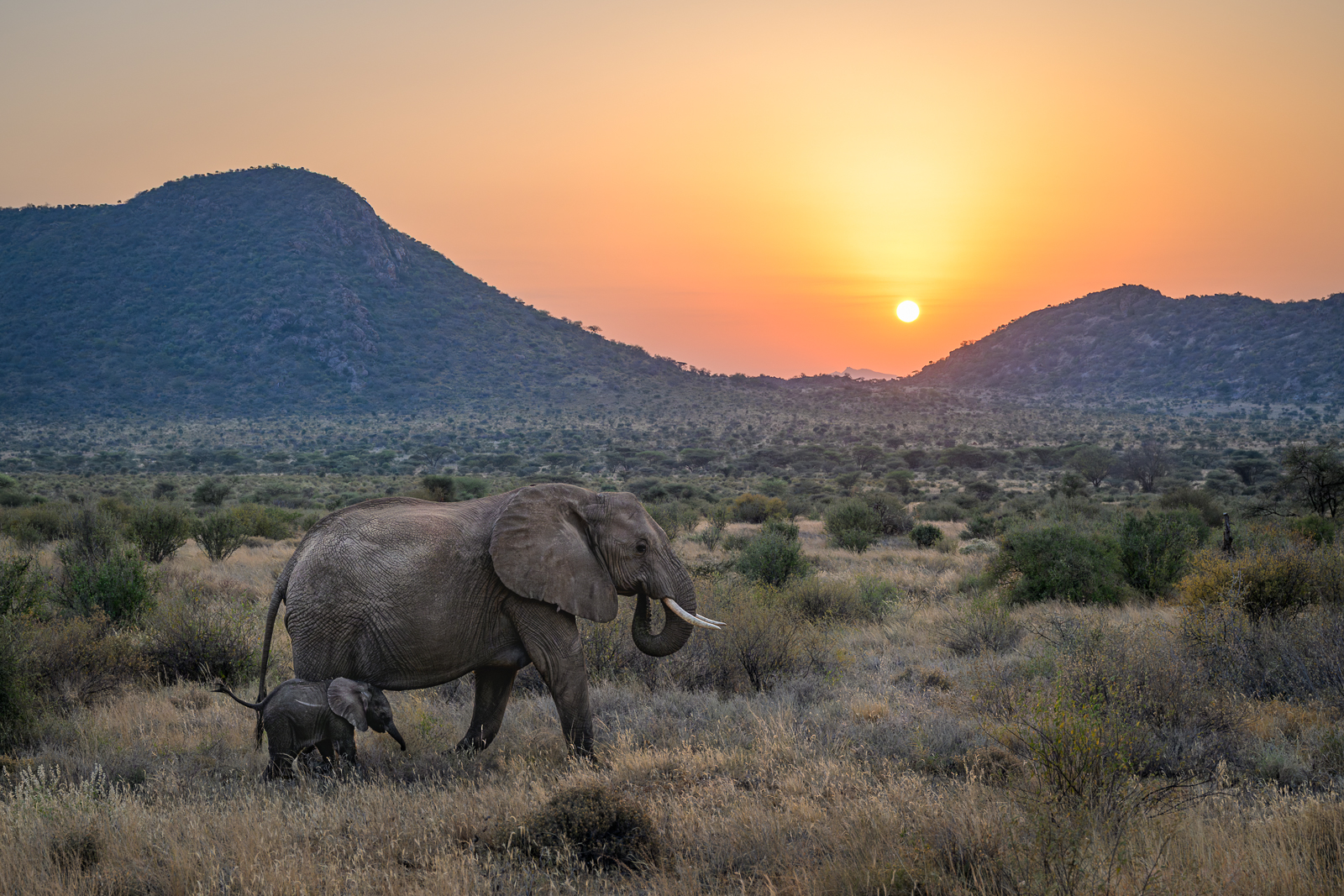
An elephant cow is a fiercely devoted mother, guiding her calf with both gentleness and strength. From birth, the calf rarely strays far from her side, using its trunk to explore the world while learning vital survival skills. The mother uses low-frequency rumbles to communicate with her calf — even over long distances — and will shield it from danger with her massive body. Calves nurse for up to two years and remain under the care and protection of the herd well into adolescence. Nikon Z8 with Nikkor 24-70mm lens (at 49mm) ISO 250, f/5 at 1/500th of a second.
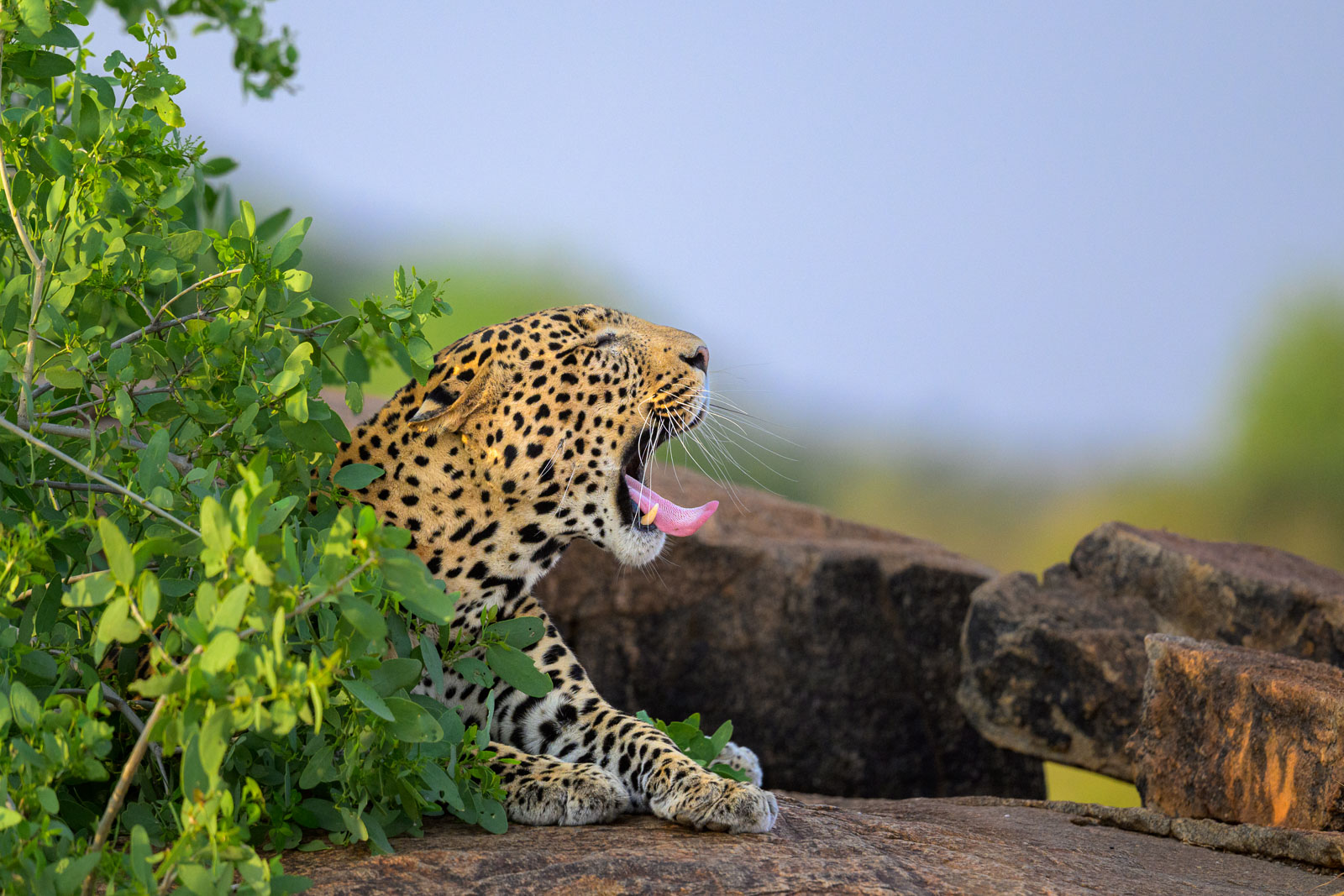
A yawning leopard might look relaxed, but it’s often a sign of transition, waking up from rest or preparing to settle down or begin a hunt. The wide-open jaws reveal long, curved canines and a surprisingly pink tongue, making for an impressive (and sometimes intimidating) display. We came across this guy on our most recent Crane Wildlife Tours trip in June. If you’d like to join us on an upcoming trip we’d love to start the conversation. It’s never too early, or too late. Nikon Z8 with Nikkor 500mm PF lens, ISO 1000, f/5.6 at 1/1600th of a second.
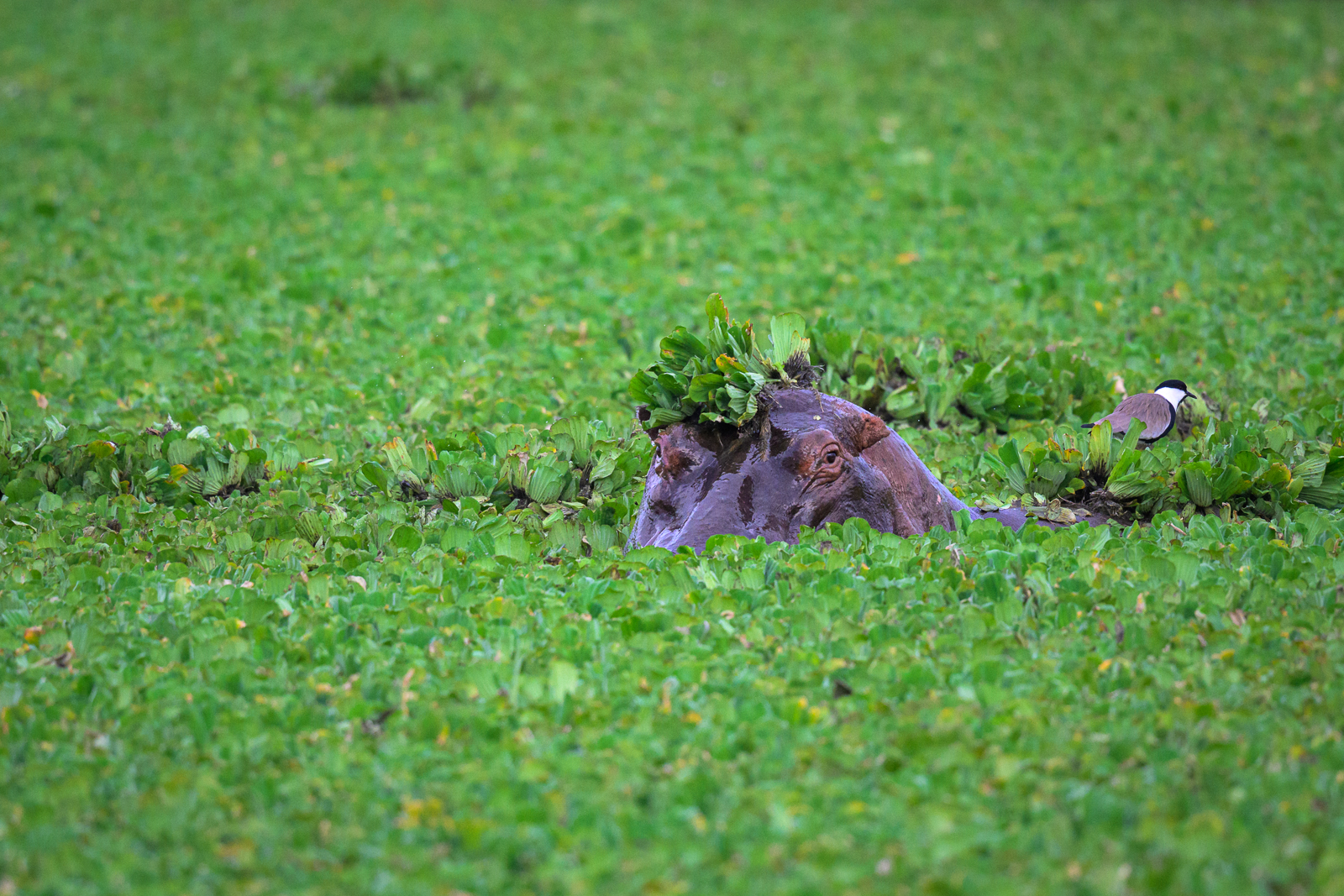
Hippos are often found wallowing in calm, shallow ponds filled with water lilies, where the floating vegetation provides both shade and camouflage. While hippos don’t eat the lilies themselves, their presence can help maintain open water channels through the dense growth. Nikon Z8 with Nikkor 500mm PF lens, ISO 1400, f/5.6 at 1/1250th of a second.
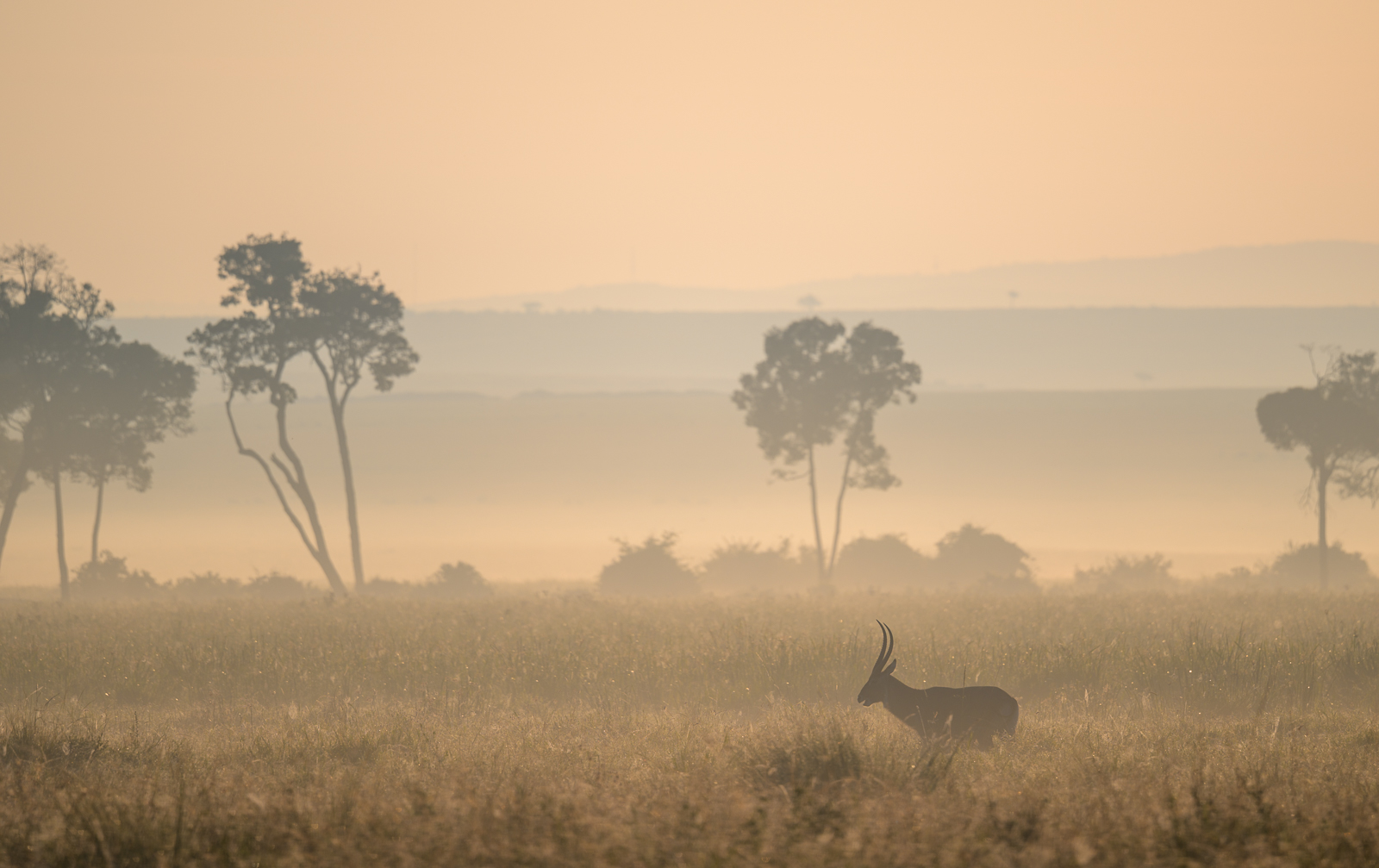
The waterbuck is a large, shaggy antelope commonly found near rivers, swamps, and lakes across sub-Saharan Africa. Its name comes from its strong preference for staying close to water sources—both for drinking and as a refuge from predators. We spotted this one on our last day in the Masai Mara while on the way to the airstrip. Nikon Z8 with Nikkor 500mm PF lens, ISO 64, f/5.6 at 1/640th of a second.
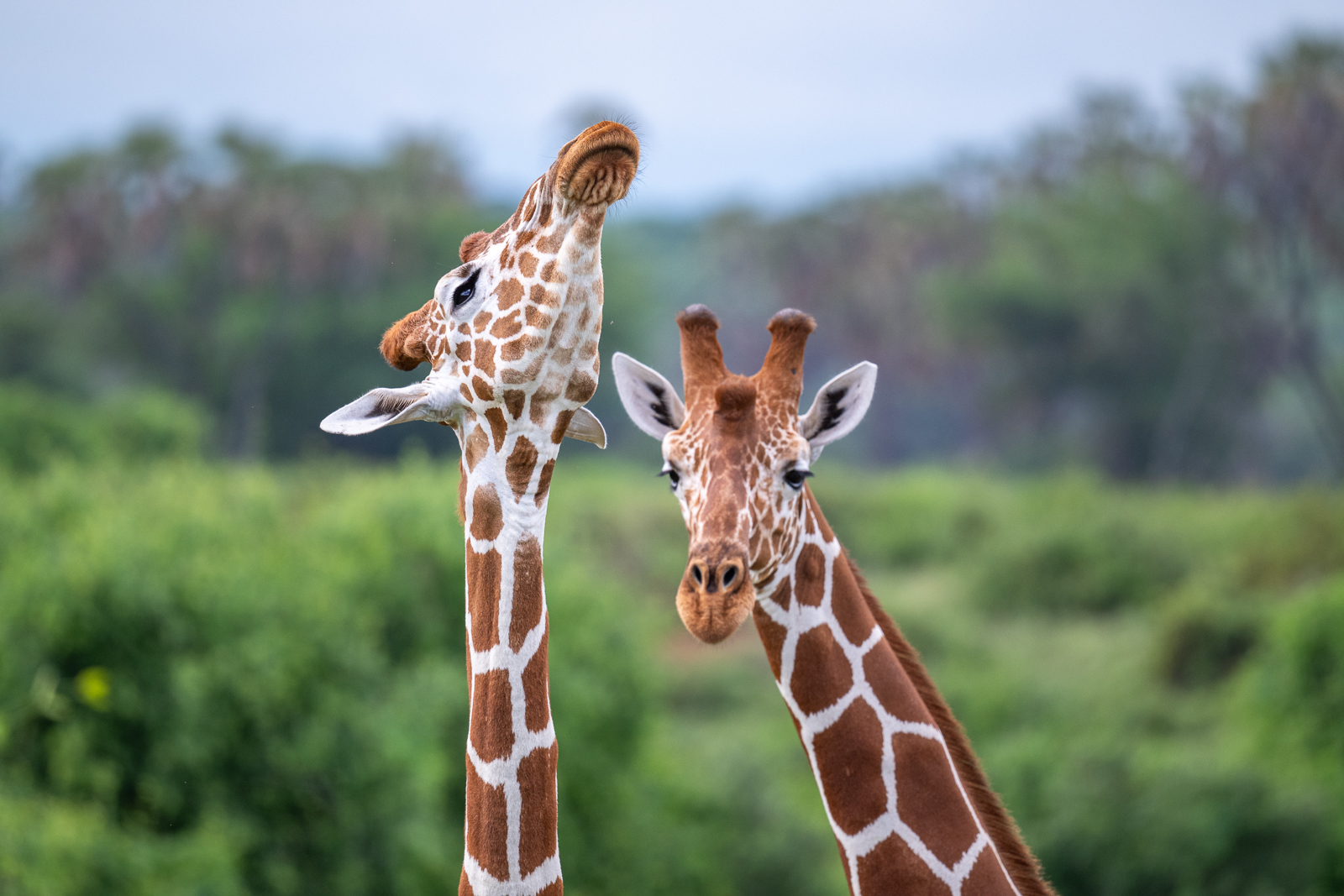
Thanks to all those who have ordered a T-shirt from my new brand, Species Limited. Each design is created from one of my original photographs. My “Camo Collection” is the most popular so far, but in the “Conservation Status Collection,” which was the inspiration to start the brand, the most popular so far has been the Reticulated Giraffes Tee, created from this image taken in 2024 in Kenya’s Samburu National Reserve. To get your tee and support wildlife conservation, go to specieslimited.com. Nikon Z8 with Nikkor 500mm PF lens, ISO 900, f/5.6 at 1/1600th of a second.
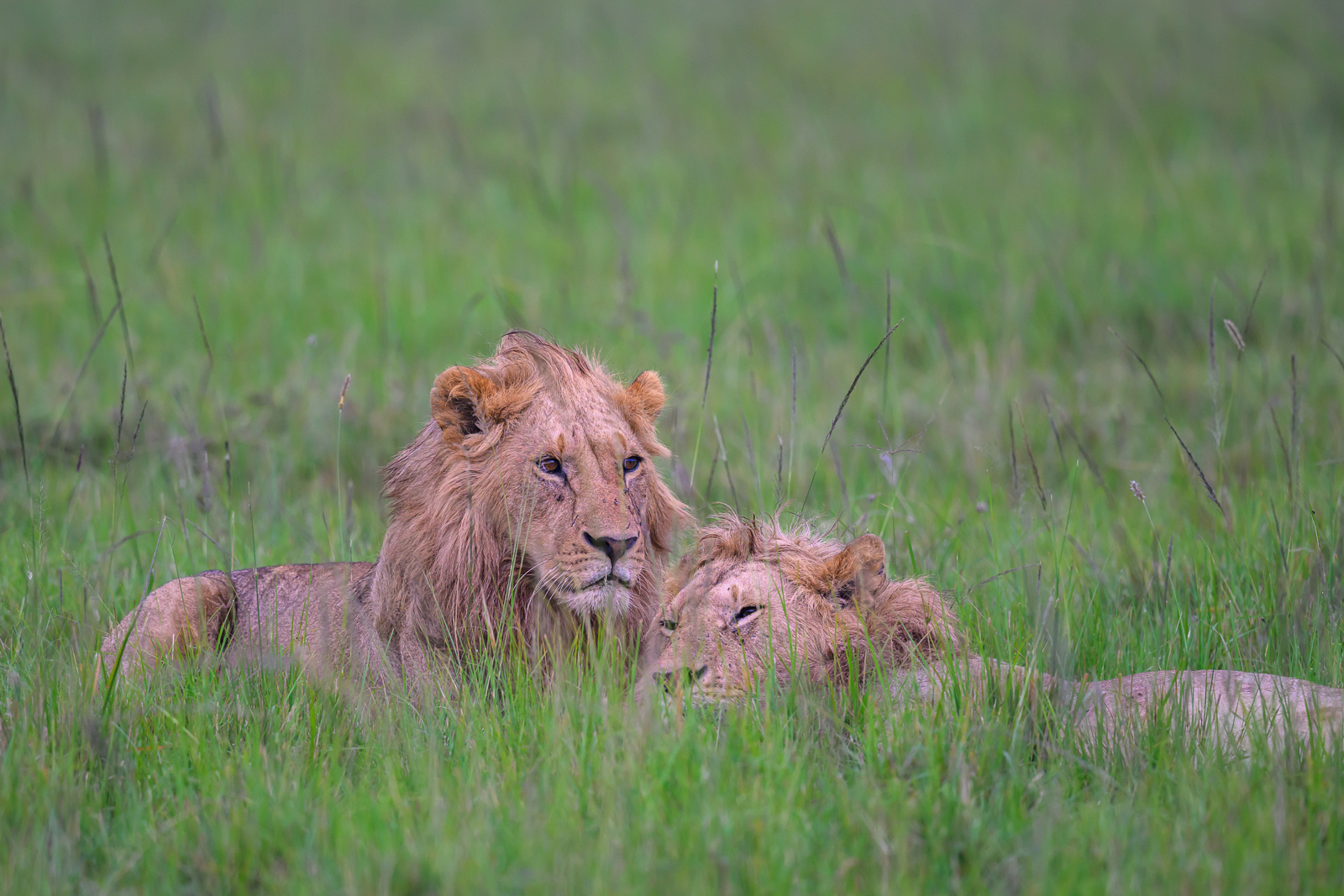
Young male lions, often brothers or close-age cousins from the same pride, form tight-knit groups known as coalitions. These bonds are forged through constant play, grooming, and cooperative behavior from a young age. As they mature, these coalitions stay together and increase their chances of successfully taking over a pride by working as a team. The trust and coordination developed during their youth become crucial for survival and dominance in adulthood. I photographed these two young males in the Masai Mara of Kenya this past June. Nikon Z8 with Nikkor 500mm PF lens, ISO 900, f/5.6 at 1/500th of a second.
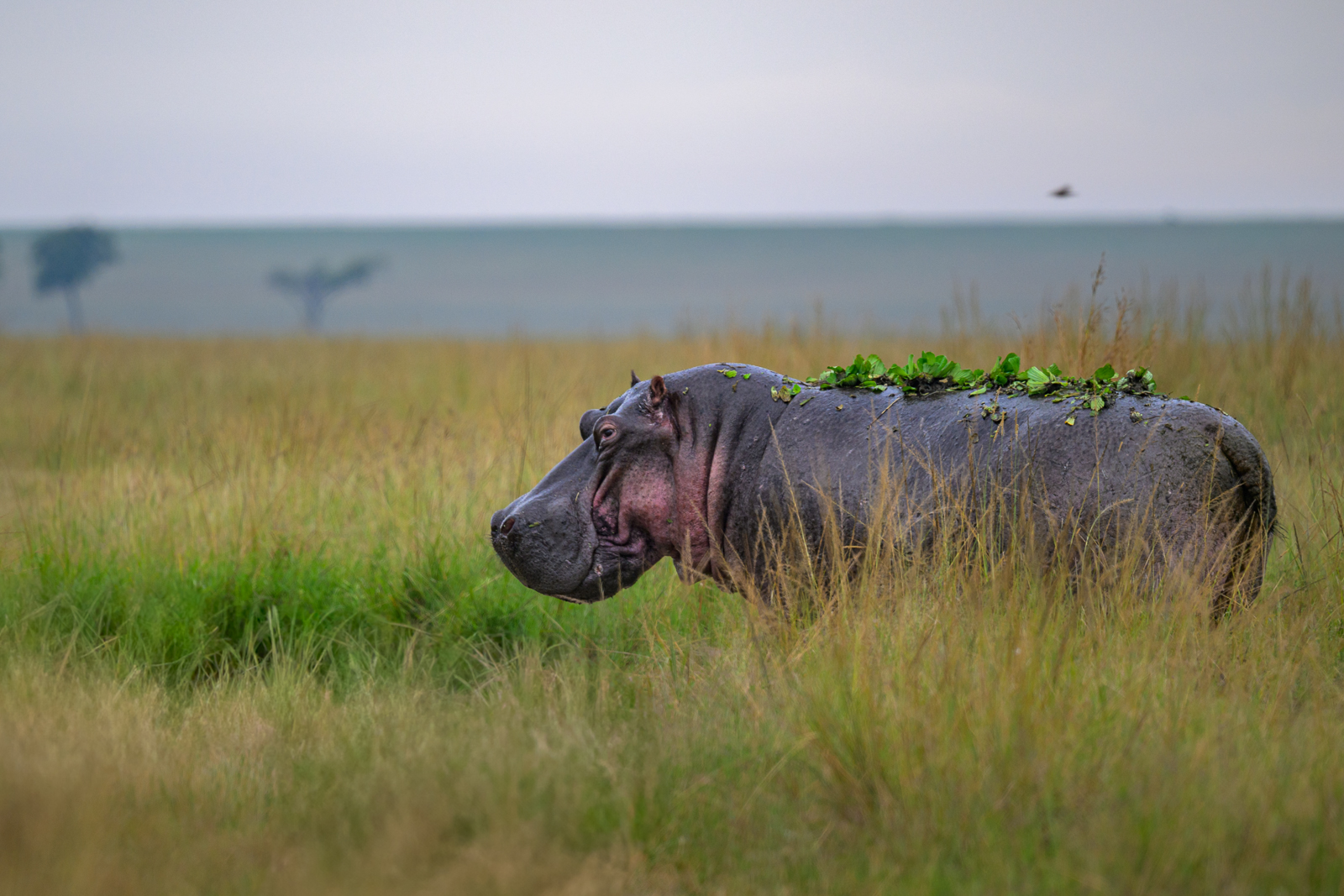
Something told us this hippo had recently been in some water lilies. In fact, hippos are often seen lounging or wading among blue water lilies, especially in calm, shallow waterways across Africa. These floating flowers thrive in the same warm, slow-moving waters that hippos prefer for staying cool during the heat of the day. While hippos don’t actively seek out the lilies for food, the plants offer shade and camouflage. Nikon Z8 with Nikkor 500mm PF lens, ISO 500, f/5.6 at 1/160th of a second.
I wasn’t quite prepared for this agama lizard to strike as soon as I hit record. The front-loaded action happens quick even at 10% speed as he lunges toward, and catches his flying prey before climbing the rock to enjoy. Agama lizards are primarily insectivores, feeding on ants, beetles, grasshoppers, termites, and other small invertebrates. Some species will also eat fruits, seeds, and even flowers when available, especially in more arid environments. They’re opportunistic feeders, often seen basking on rocks or walls before darting out to snatch up prey with quick, precise movements. Nikon Z8 with Nikkor 500mm PF lens, 4K at 120fps.
We use cookies to enhance your experience while using our website. If you are using our Services via a browser you can restrict, block or remove cookies through your web browser settings. We also use content and scripts from third parties that may use tracking technologies. You can selectively provide your consent below to allow such third party embeds. For complete information about the cookies we use, data we collect and how we process them, please check our Privacy Policy