Where there are giraffes there are oxpeckers. They usually enjoy what is known in nature as mutualistic symbiosis — the oxpecker gets a delicious meal of ticks, fleas and blood-sucking parasites while the giraffe gets natural pest control and warning alarms against predators. But on this particular evening, the giraffe seemed to have had enough of all that symbiosis and was doing his best to rid his neck and face of the nuisance. Video shot at 120fps in 4K on Nikon Z8 with Nikkor 180-600mm lens.
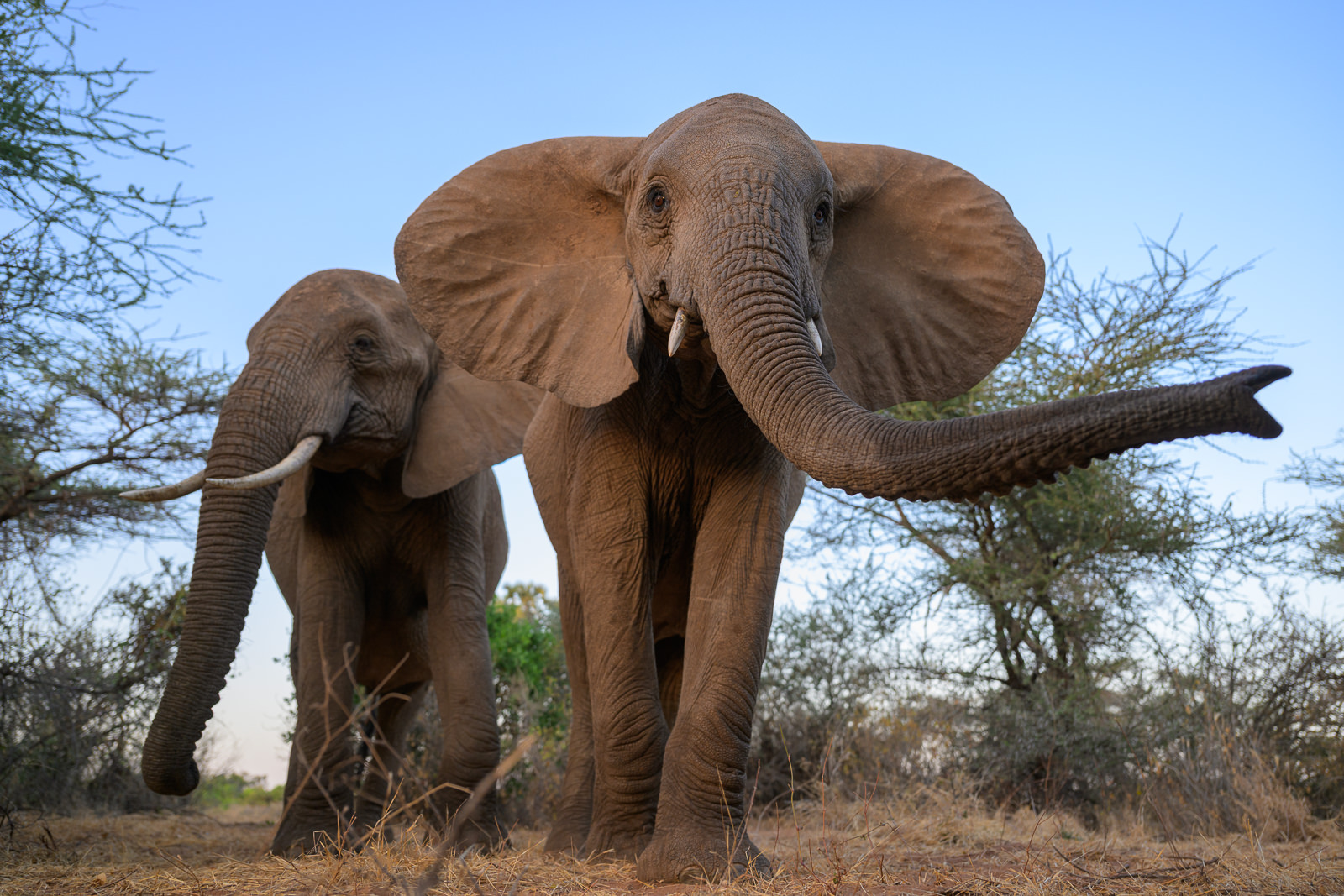
I took many wide-angle close-ups of elephants over the past month, but this encounter was special. It was just my guide and me in the vehicle when a mother and her calf broke away from the herd and approached within a foot or two of us. They weren’t aggressive—just curious. For twenty minutes, they raised their trunks and sniffed the air in every direction, all but tapping me on the forehead. The calf is in front and appears larger because of the lens’s perspective distortion. You can tell the larger mother is in the background by the difference in the size of their tusks. I used my inverted-monopod technique, with the camera resting on the ground while I fired the shutter remotely. Eventually, the elephants came so close that the camera was beneath them, and I began to worry they might step on it. More to come, including video. Nikon Z8 with Nikkor 24-70mm lens (at 24mm) ISO 450, f/2.8 at 1/250th of a second.
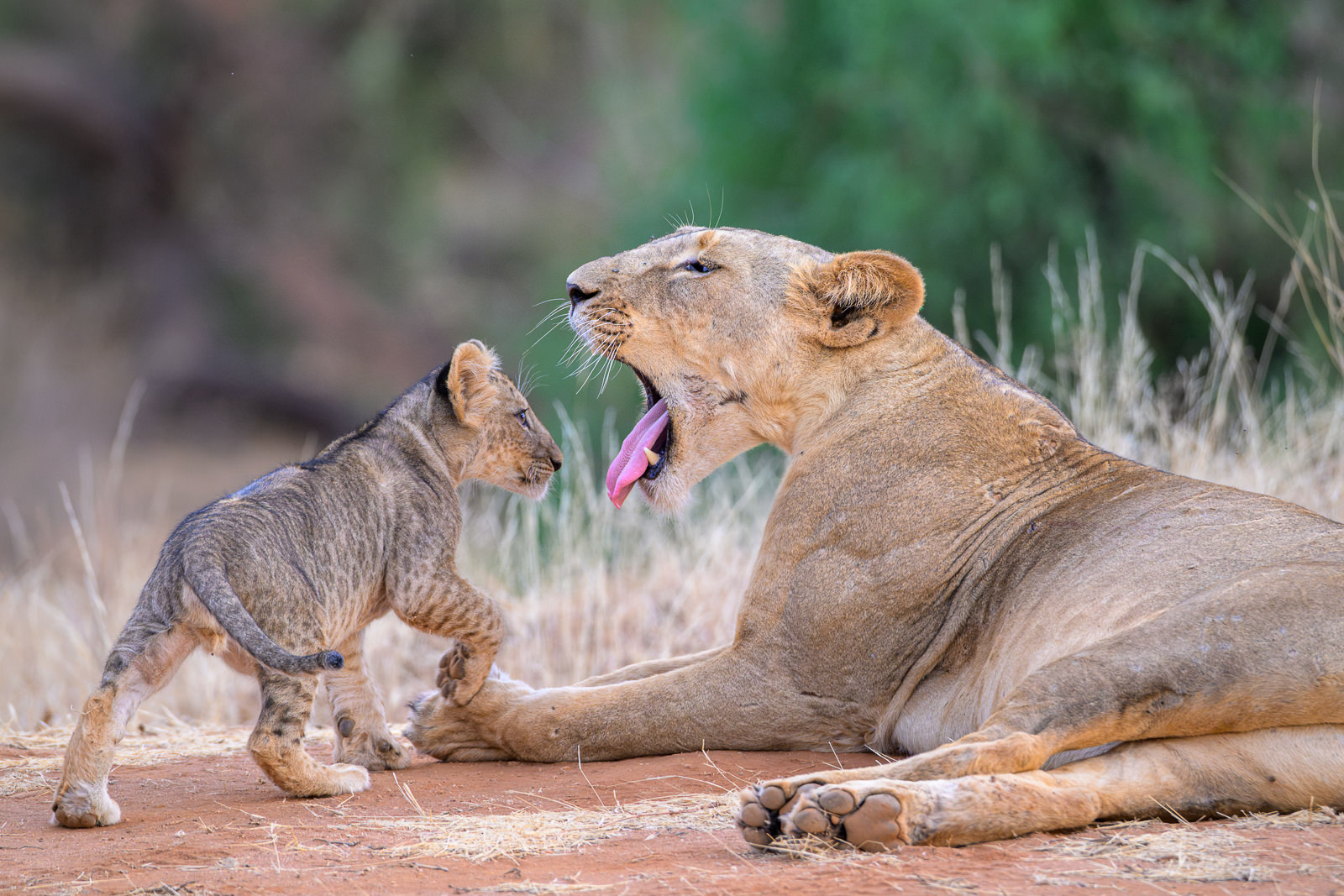
Karen and I are just back from leading two tours to Kenya, Rwanda and Uganda. I’ve just started going through all the photos. One highlight of both trips was the return of lion cubs — we’ve seen plenty of lions the last few years, but not many young cubs. This year we saw quite a few of them, including this little guy peering into the yawning mouth of his mother. If you’d like to travel with us in 2027 on a private, bespoke itinerary, give us a call and we can start creating the perfect trip. Nikon Z8 with Nikkor 180-600mm lens (at 470mm) ISO 3600, f/6 at 1/500th of a second.
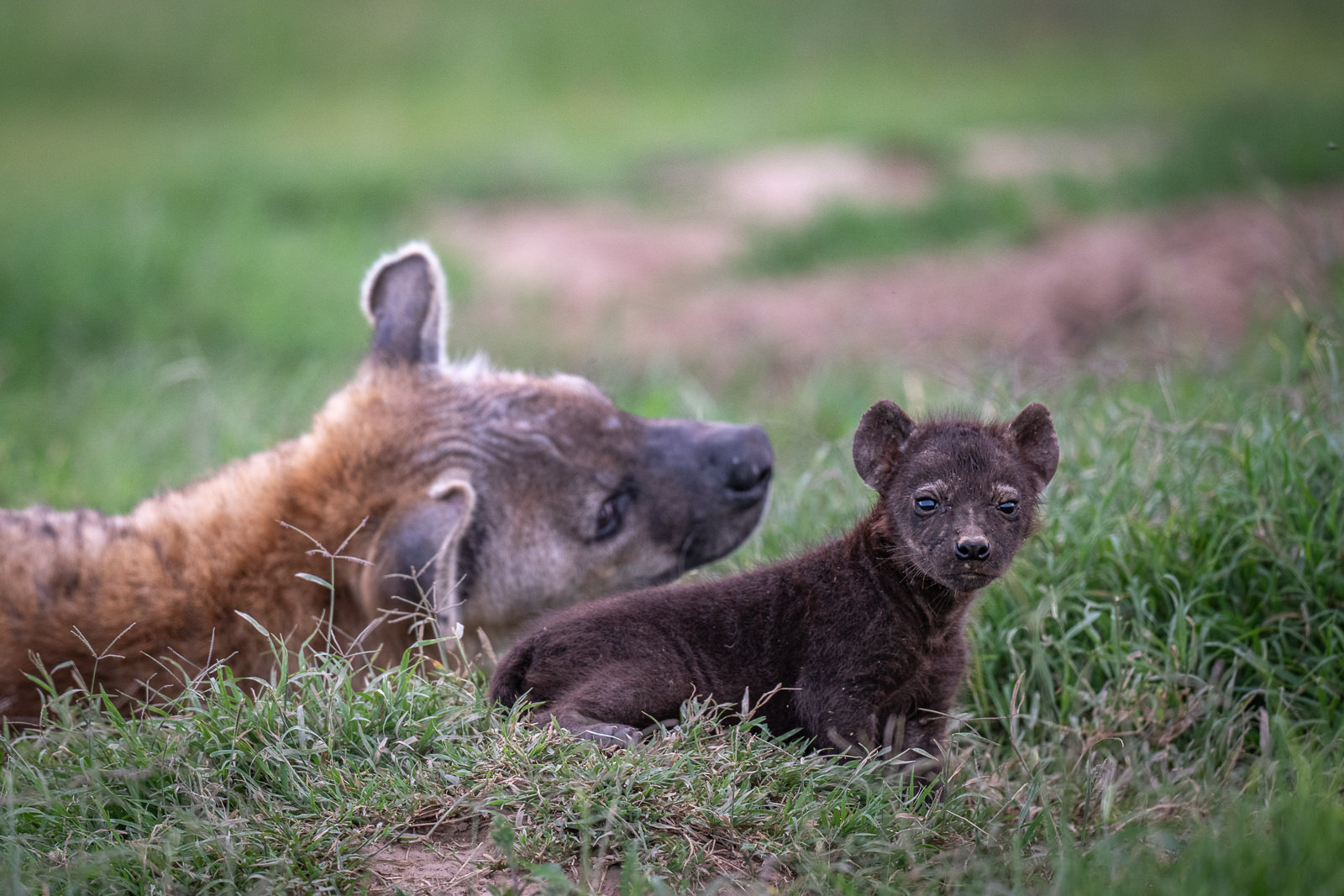
Today will be my last post for awhile. Karen and I are off on Monday to lead back-to-back tours and will be gone for the better part of the next month. Until then, enjoy this spotted hyena cub. They are born with their eyes open and their teeth already erupted, an unusual trait among carnivores. From their very first days, they begin establishing social rank, a critical factor in a species where status can influence access to food, mates, and opportunities throughout life. Looking forward to seeing a few more in the coming weeks. Nikon Z8 with Nikkor 500mm PF lens, ISO 1100, f/5.6 at 1/500th of a second.
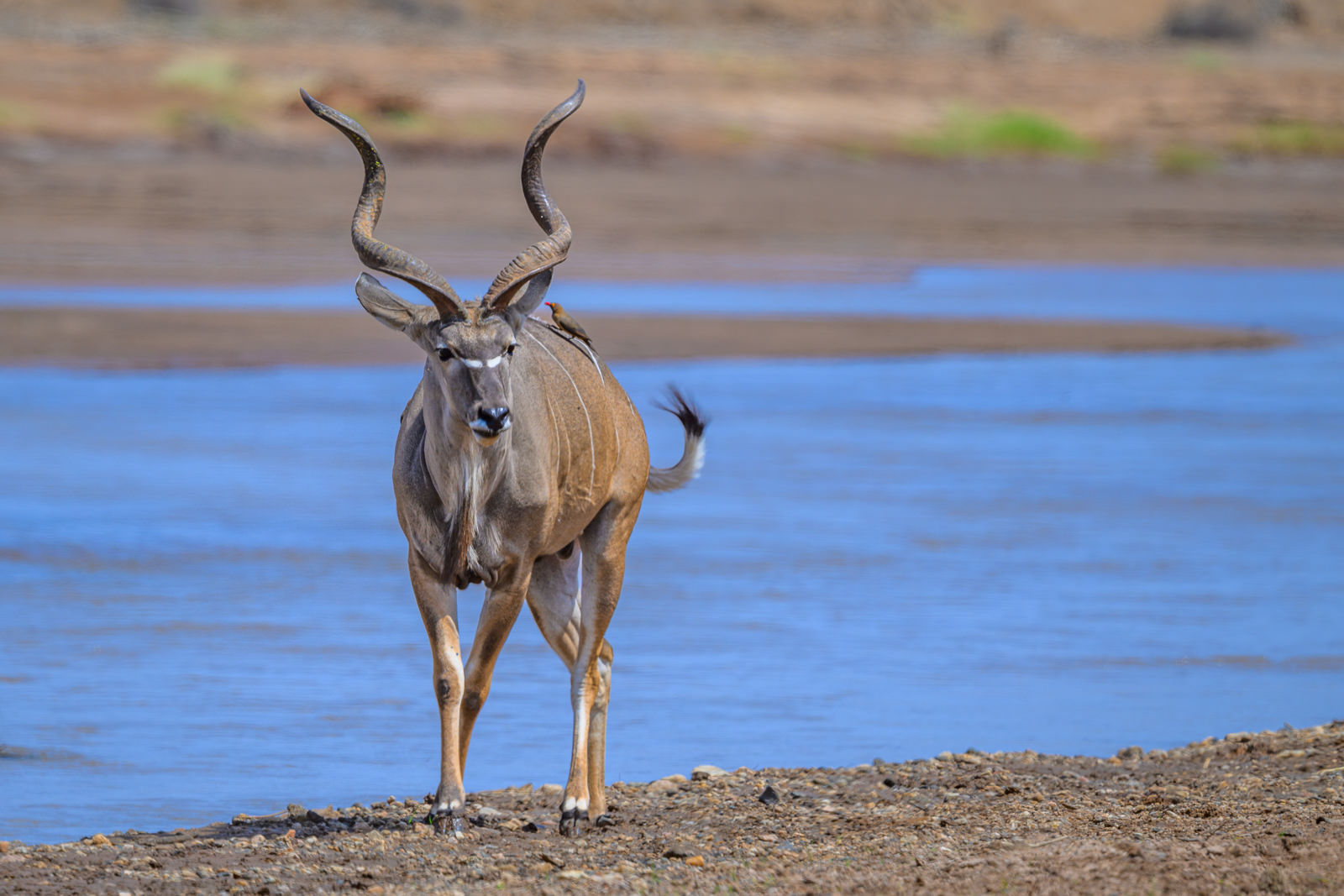
Male greater kudu are known for their spectacular spiral horns, which can grow over four feet long and twist in as many as two and a half turns. Despite their size, kudu are surprisingly elusive, relying on camouflage and an uncanny ability to slip quietly through dense bush when threatened. We were lucky to spot a small herd of them on our trip to Samburu in Kenya last June. Nikon Z8 with Nikkor 500mm PF lens, ISO 125, f/6.3 at 1/800th of a second.
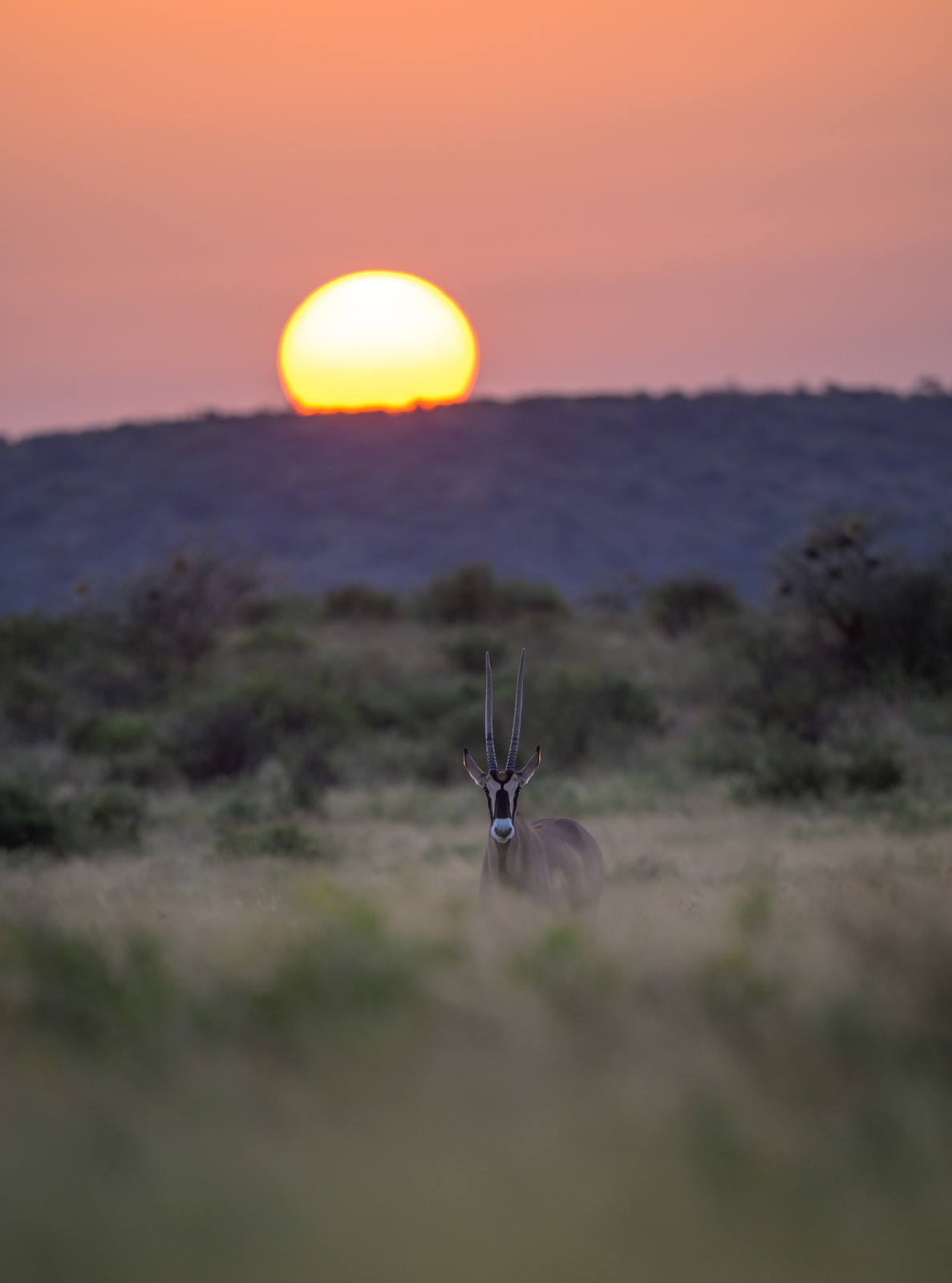
The beisa oryx is exceptionally well adapted to life in arid environments, able to survive for long periods without drinking by obtaining moisture from the plants it eats. In places like Samburu, it often remains active during the cooler hours of morning and evening, when the desert landscape begins to come alive. Nikon Z8 with Nikkor 500mm PF lens, ISO 560, f/5.6 at 1/250th of a second.
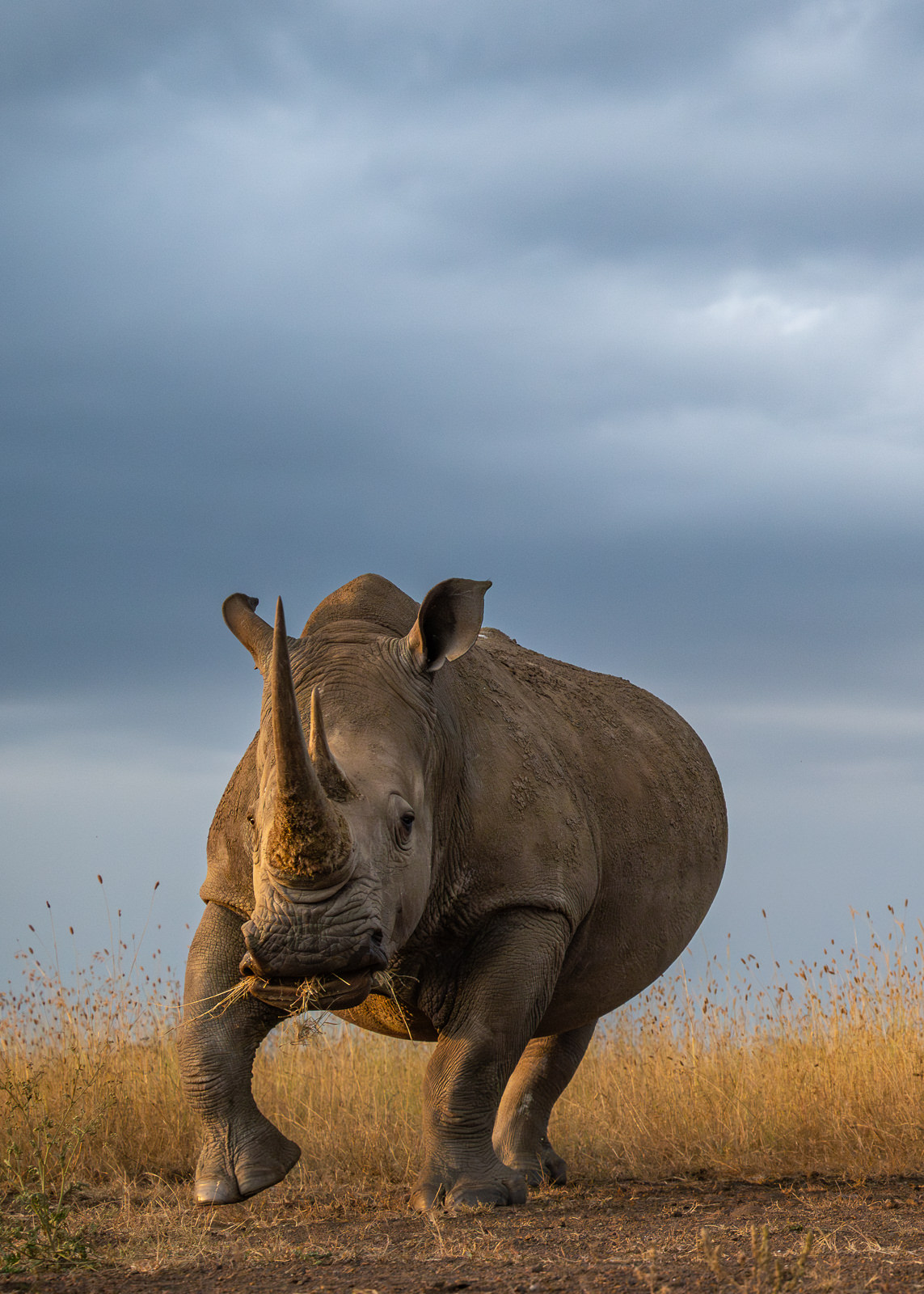
The southern white rhino is the largest rhino species on Earth, with males weighing more than 5,000 pounds. Once reduced to fewer than 100 individuals, it is considered one of conservation’s greatest success stories, rebounding through decades of protection and management. If only we could say the same for the northern white rhinos. Nikon Z8 with Nikkor 24-70mm (at 69mm) ISO 2200, f/5.6 at 1/640th of a second.
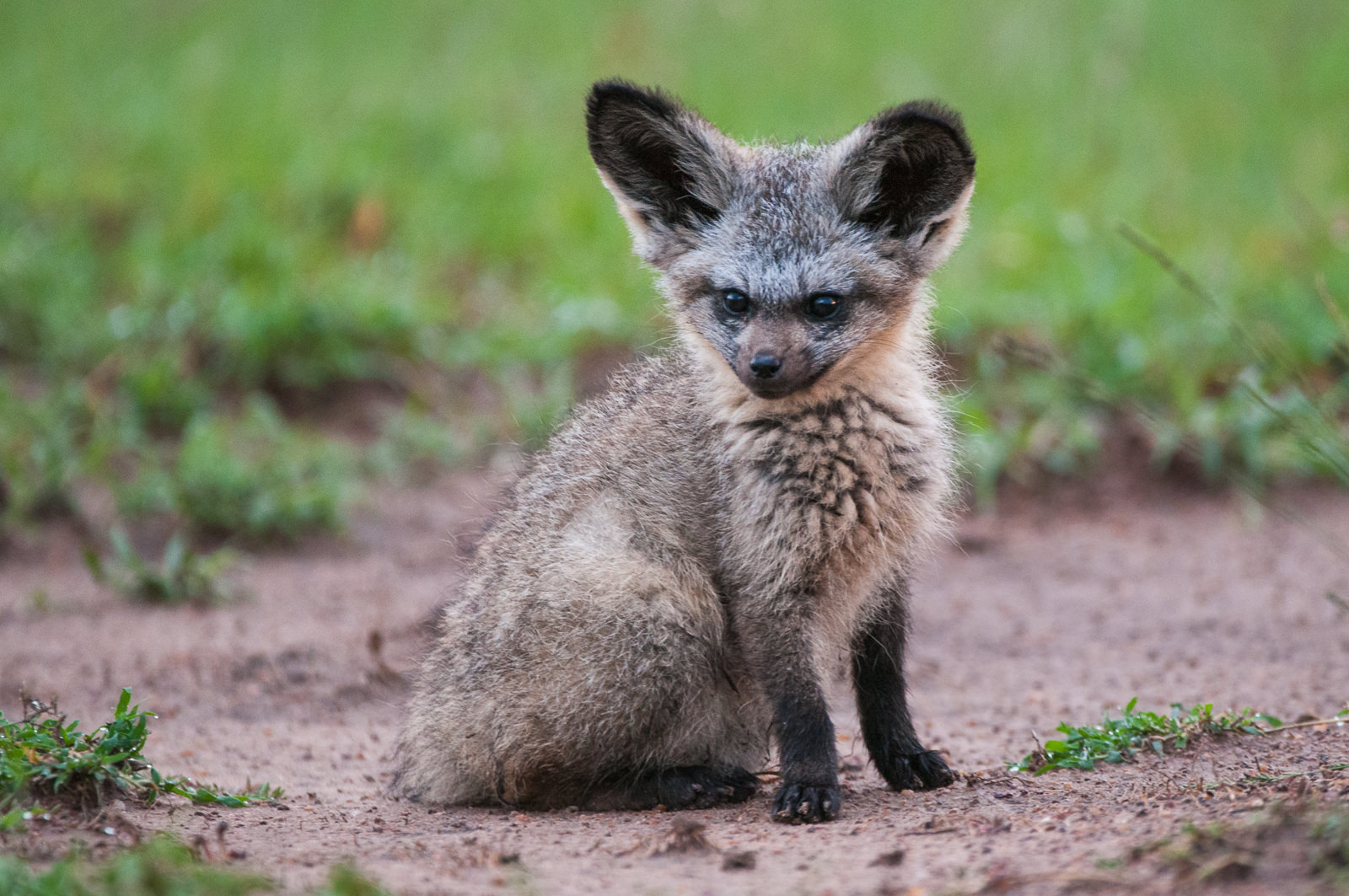
Bat-eared fox pups are born into highly social family groups, where both parents, and sometimes older siblings, help care for the young. Their oversized ears help detect the sounds of insects moving underground and also play a role in regulating body temperature. As they grow, the pups spend much of their time playing and chasing one another, practicing the skills they’ll need as adults. I photographed this one on one of my first trips to Kenya. Nikon D300 with Nikkor 200-400mm lens (at 400mm) ISO 800, f/4 at 1/80th of a second
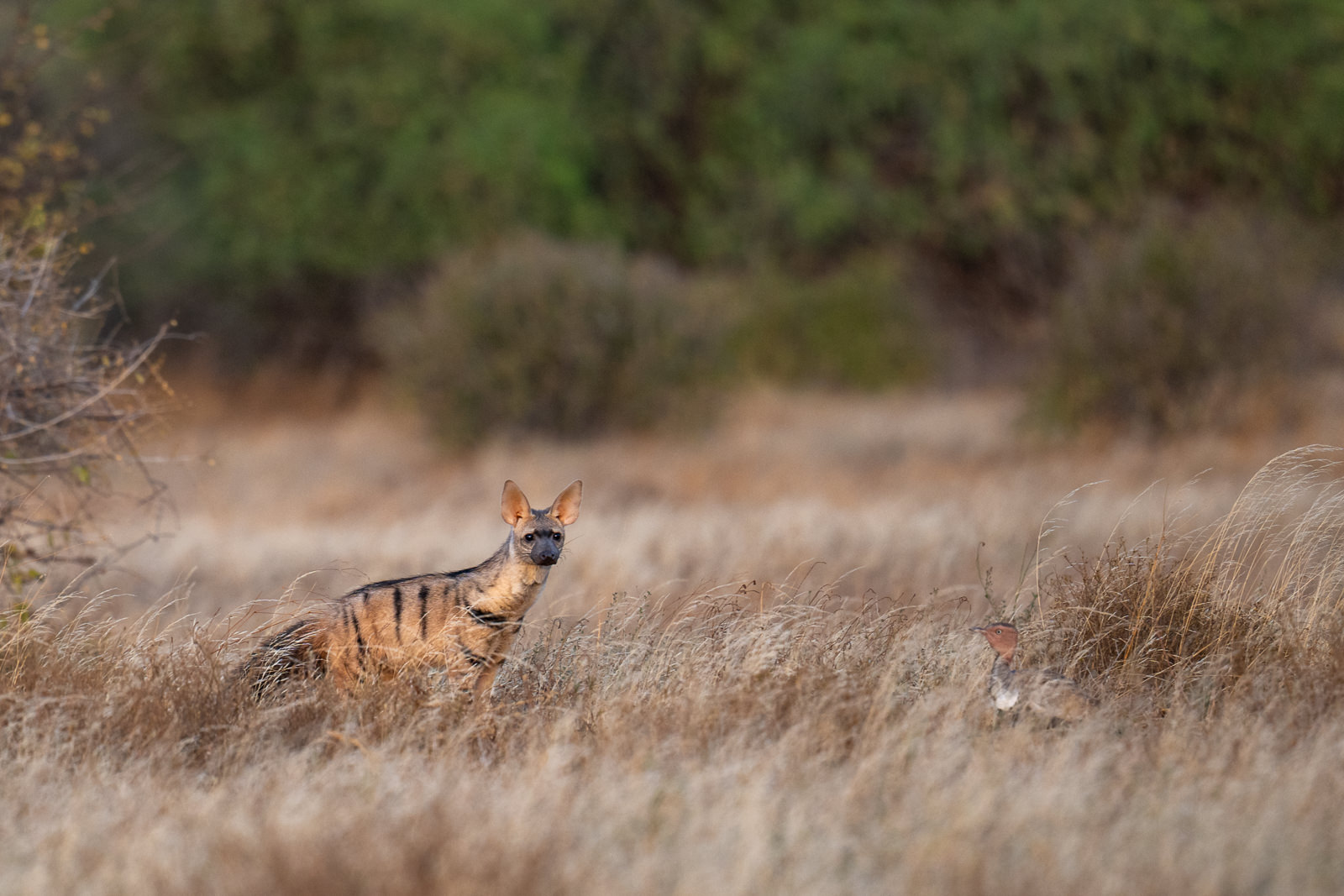
The aardwolf may look like a small hyena, but unlike its larger relatives, it feeds almost entirely on termites, at night. In the African grasslands, encounters with birds like the buff-crested bustard create a perfect contrast — one a secretive nocturnal insect-eater, the other a daytime hunter striding through the same savanna. Nikon Z8 with Nikkor 500mm PF lens, ISO 280, f/5.6 at 1/400th of a second.
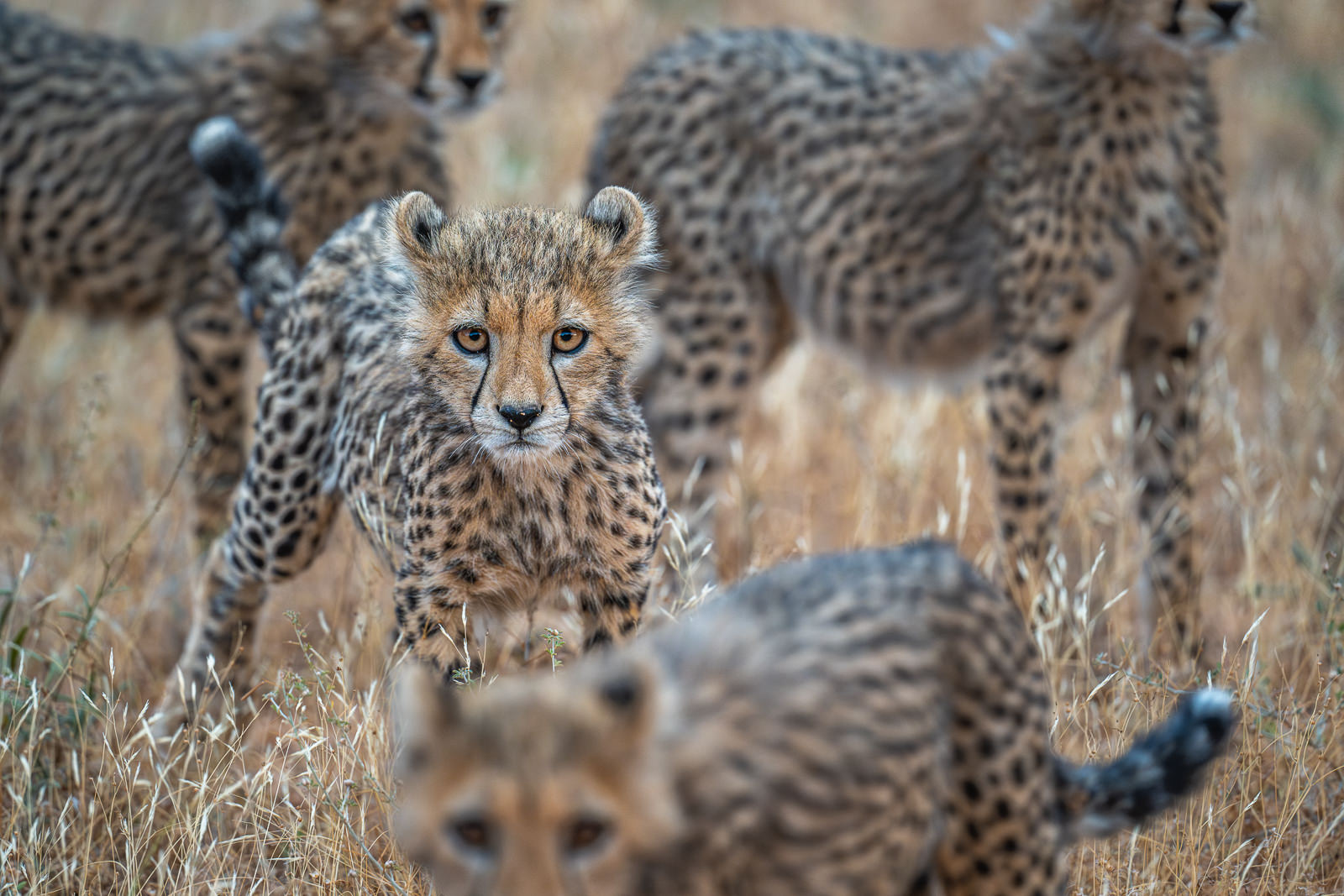
As cheetah cubs grow older, their lives become a constant mix of play and preparation. Chasing, wrestling, and stalking one another helps develop the speed, coordination, and hunting instincts they’ll need to survive on their own one day. Nikon Z8 with Nikkor 500mm PF lens, ISO 2000, f/5.6 at 1/800th of a second.
We use cookies to enhance your experience while using our website. If you are using our Services via a browser you can restrict, block or remove cookies through your web browser settings. We also use content and scripts from third parties that may use tracking technologies. You can selectively provide your consent below to allow such third party embeds. For complete information about the cookies we use, data we collect and how we process them, please check our Privacy Policy