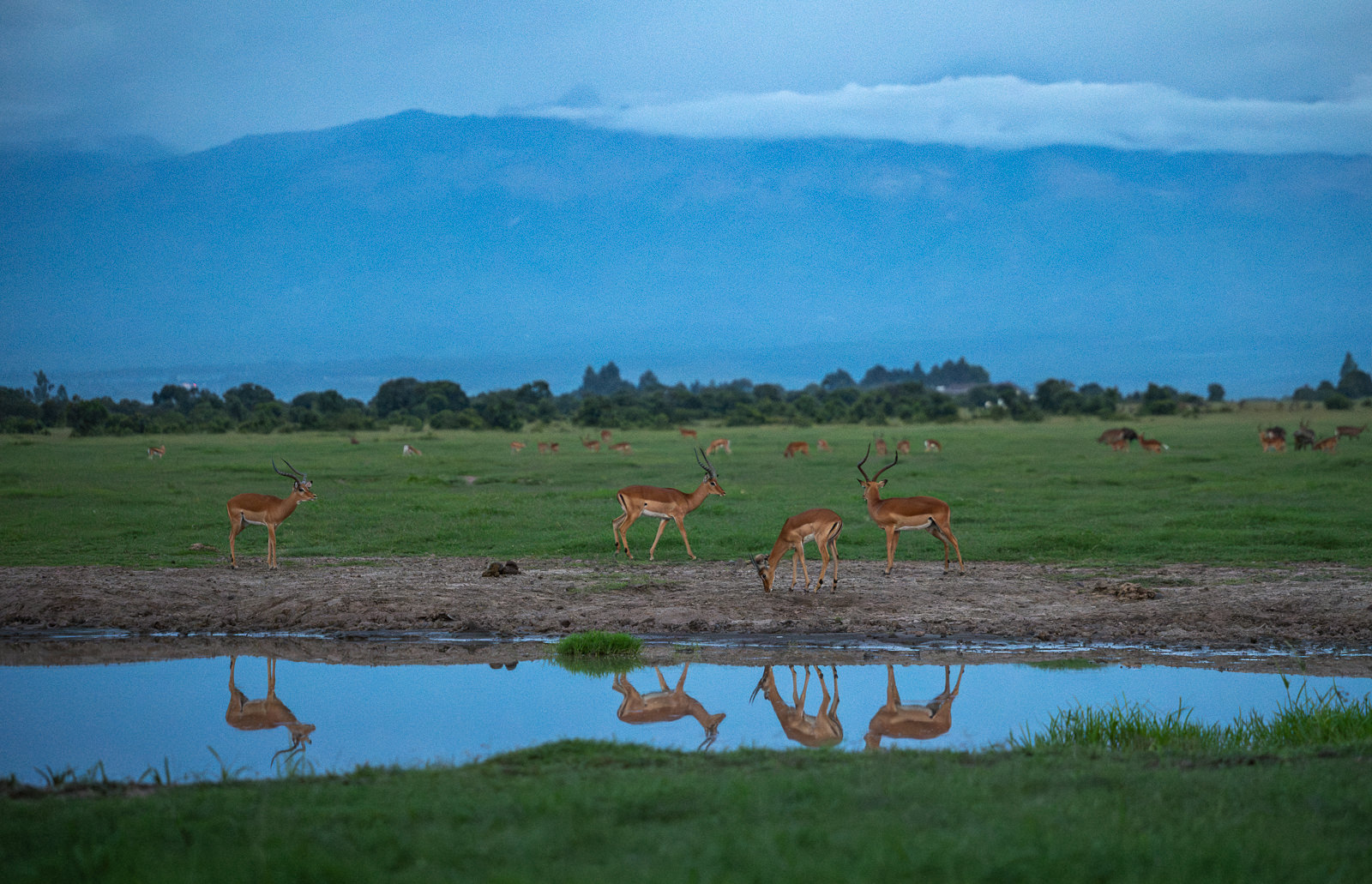
As dusk settles over Ol Pejeta in Kenya, impala gather at waterholes, timing their visit carefully when the heat fades but before nocturnal predators take over. Ever alert, they drink in quick turns, ears flicking and eyes scanning, relying on safety in numbers as the light slips away.
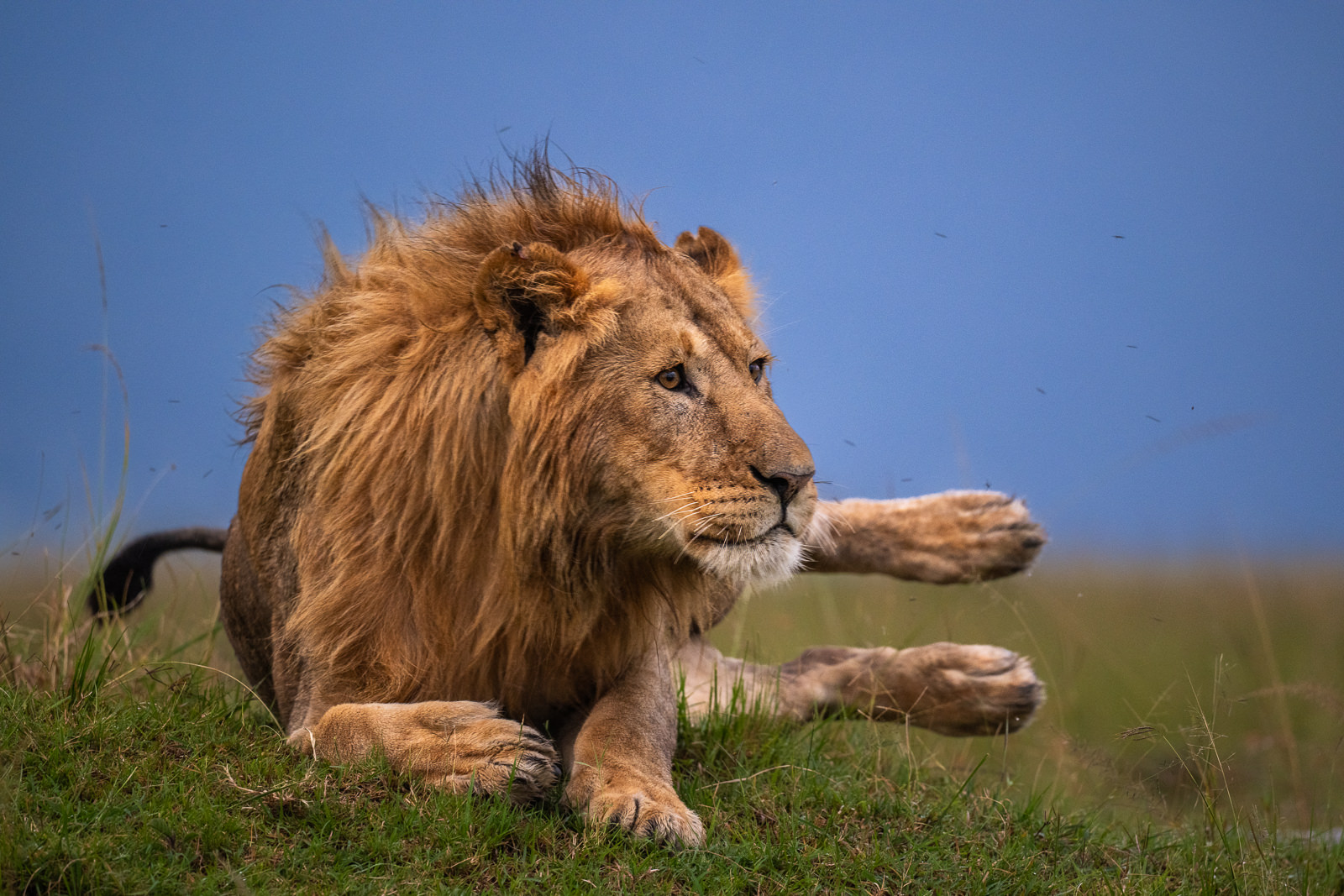
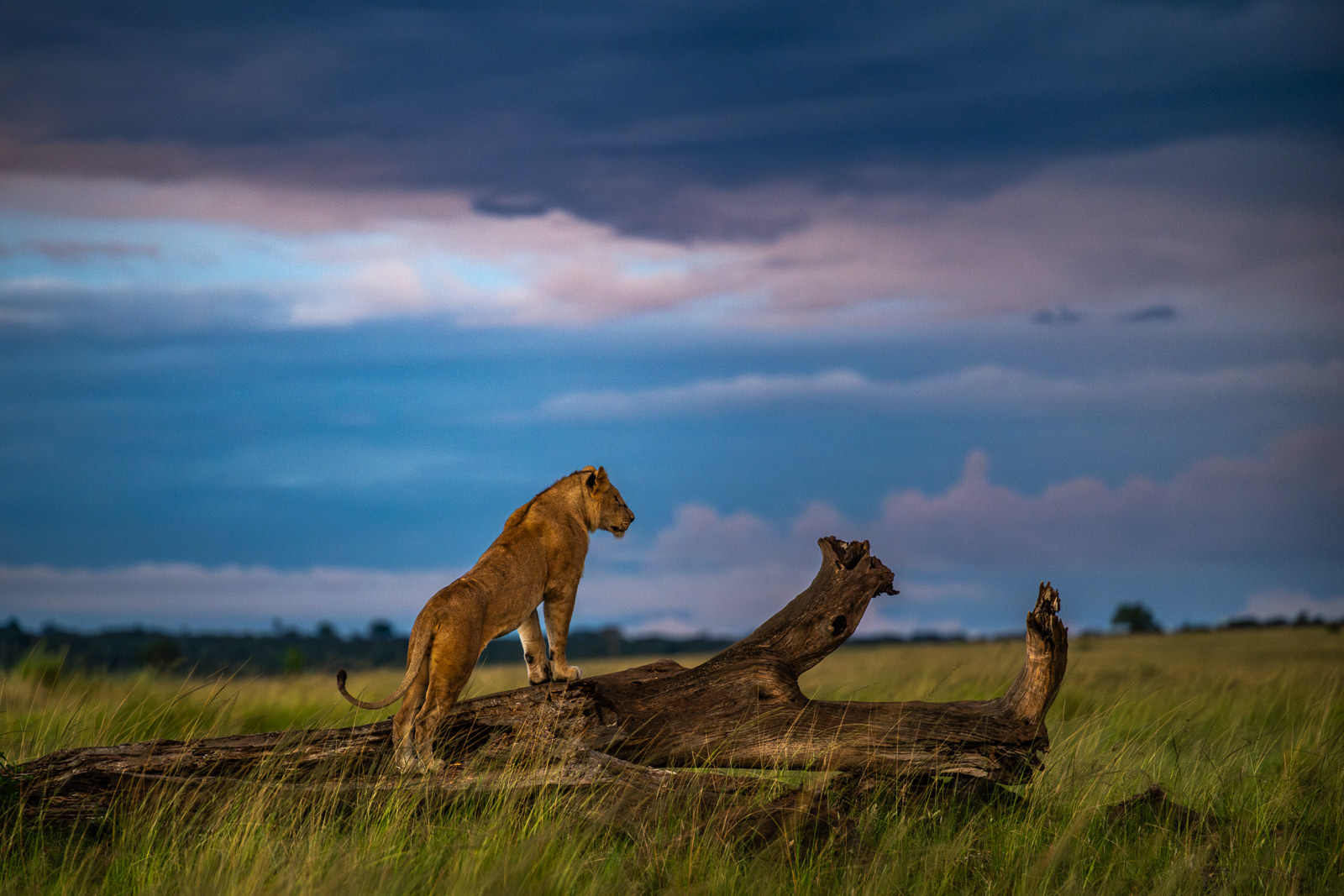
Young male lions often live solitary lives after leaving their birth pride, wandering for years before they’re strong enough to challenge for territory of their own. This guy was about at that stage. We saw him up on a small mound, surveying his surroundings. Nikon Z8 with Nikkor 500mm PF lens, ISO 1250, f/5.6 at 1/125th of a second.
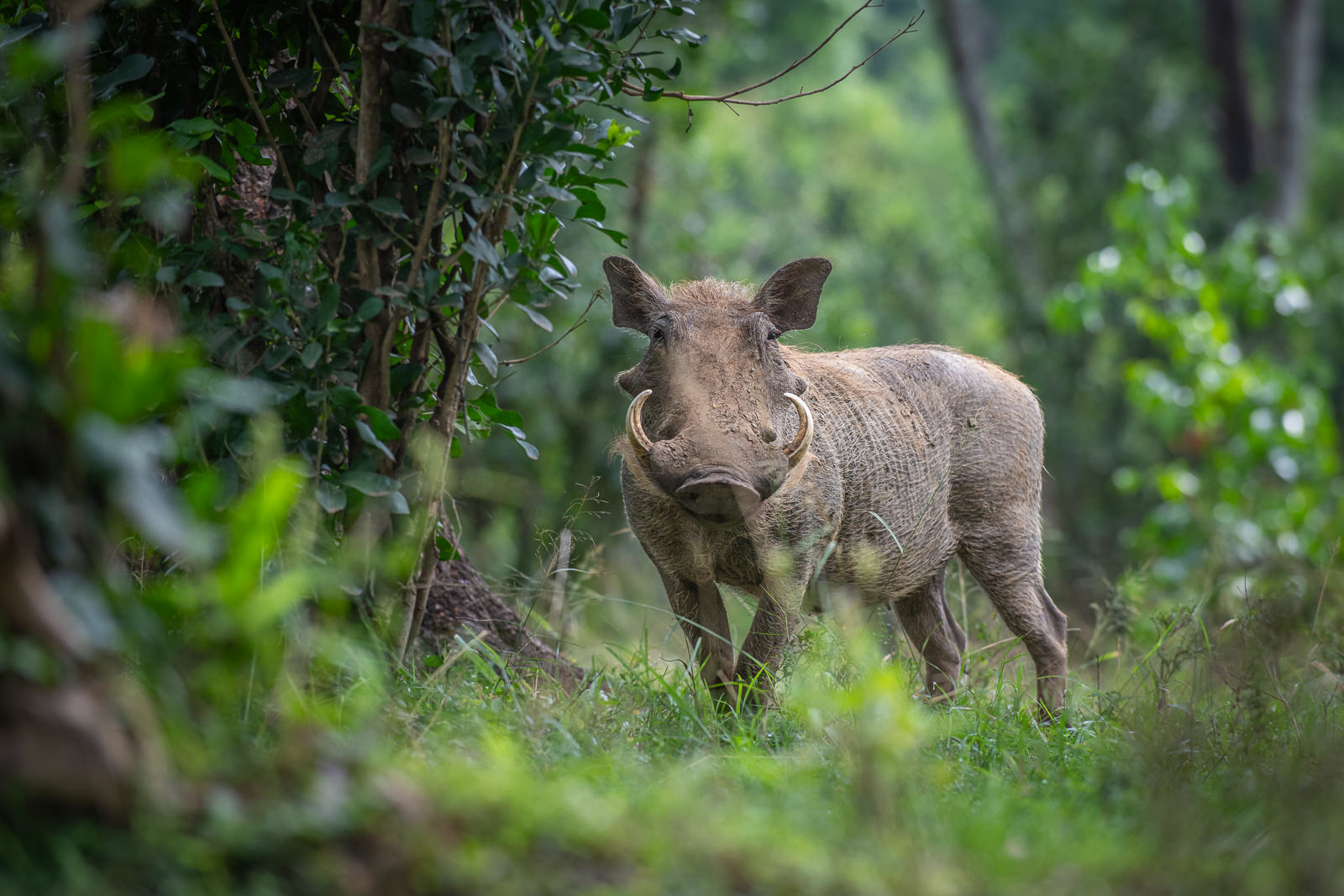
A warthog’s curved tusks are actually elongated canine teeth, growing continuously and used for both defense and digging. They form a formidable frame around the face, built as much for survival as for show. We found this guy in a forested area of the Masai Mara in Kenya on a very memorable morning drive.Nikon Z8 with Nikkor 70-200mm lens (at 200mm) ISO 720, f/5.6 at 1/1000th of a second.
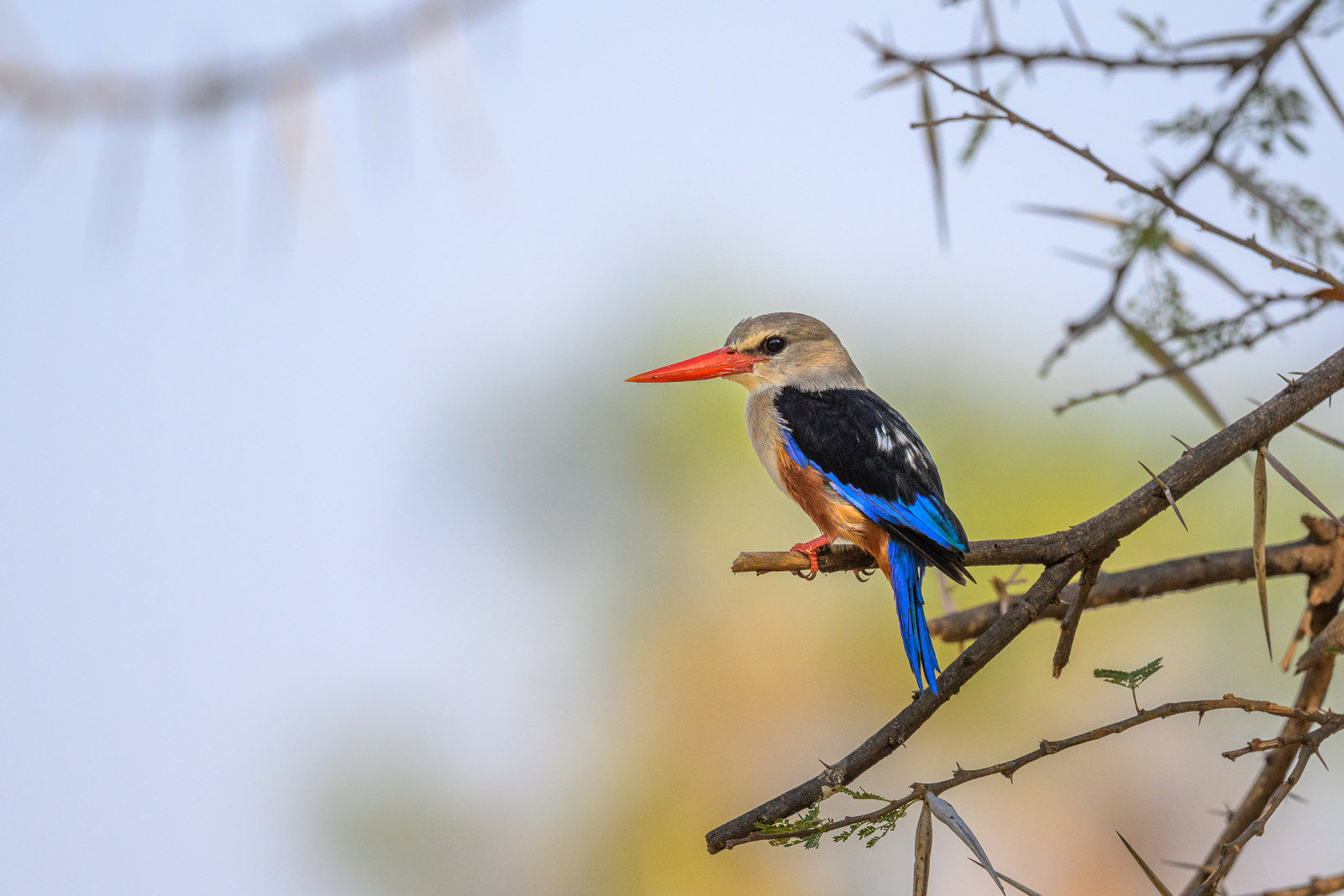
I don’t often post the smaller birds that we see while on safari in East Africa. But this is one species that I always like to photograph — the grey-headed kingfisher. Unlike many other kingfishers, these guys nest in tunnels they dig into the ground or termite mounds. Photographed in Samburu National Reserve in Kenya. Nikon Z8 with Nikkor 500mm PF lens, ISO 720, f/5.6 at 1/2500th of a second.
I put this video together for an upcoming podcast I’m going to be featured on. Thanks to my sister Kerry and my wife Karen for grabbing footage of me while I’m grabbing footage of wildlife.
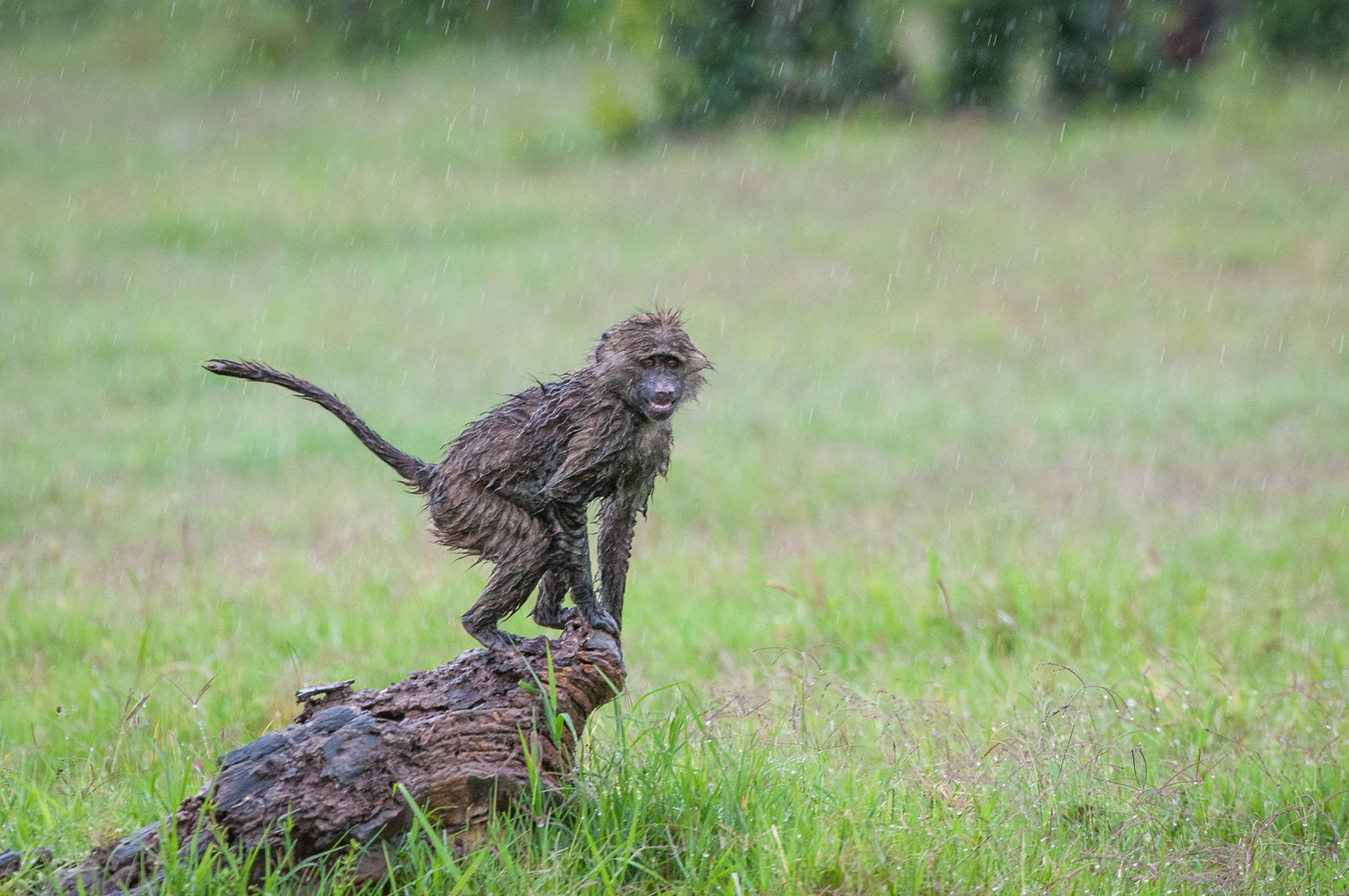
It’s always fun to shoot in the rain (as long as I’m prepared for it, and it isn’t raining so hard that I lose visibility). It also seemed as if this young olive baboon was enjoying the rain. He/she was running around jumping from tree stump to rock to tree stump. Photographed in Kenya, many trips to Kenya ago. Nikon D300 with Nikkor 200-400mm lens (at 360mm) ISO 800, f/5.6 at 1/400th of a second.
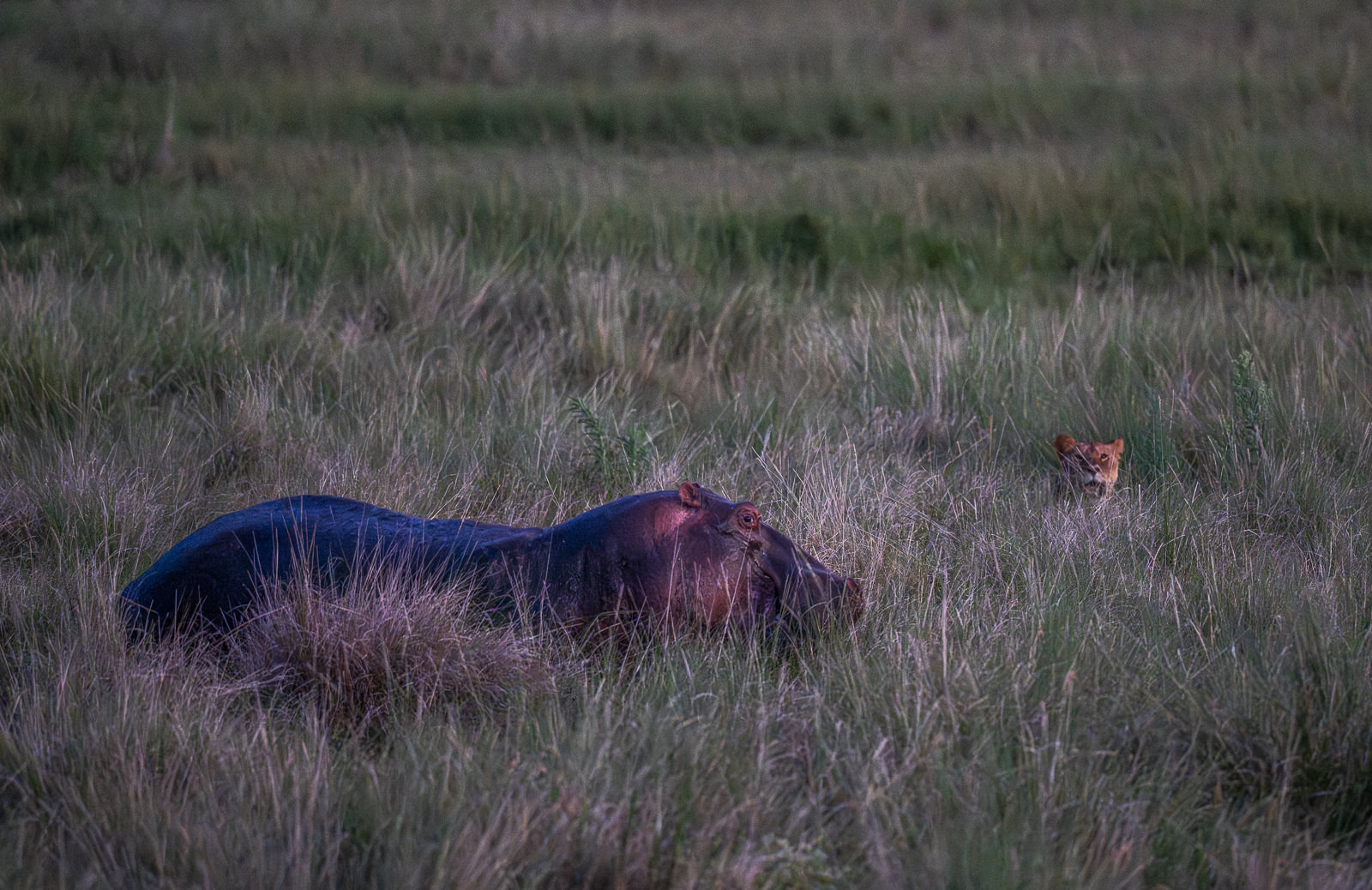
It was early evening and getting very dark when I took this photo of a lion stalking a hippo. The camera was struggling to focus, but I was able to get a few sharp images at high ISO as a pride of young male lions gave it their best attempt. The hippo charged back a few times and ultimately the lions realized they weren’t up for the task and they moved on. Nikon Z8 with Nikkor 500mm PF lens, ISO 12800, f/5.6 at 1/500th of a second.
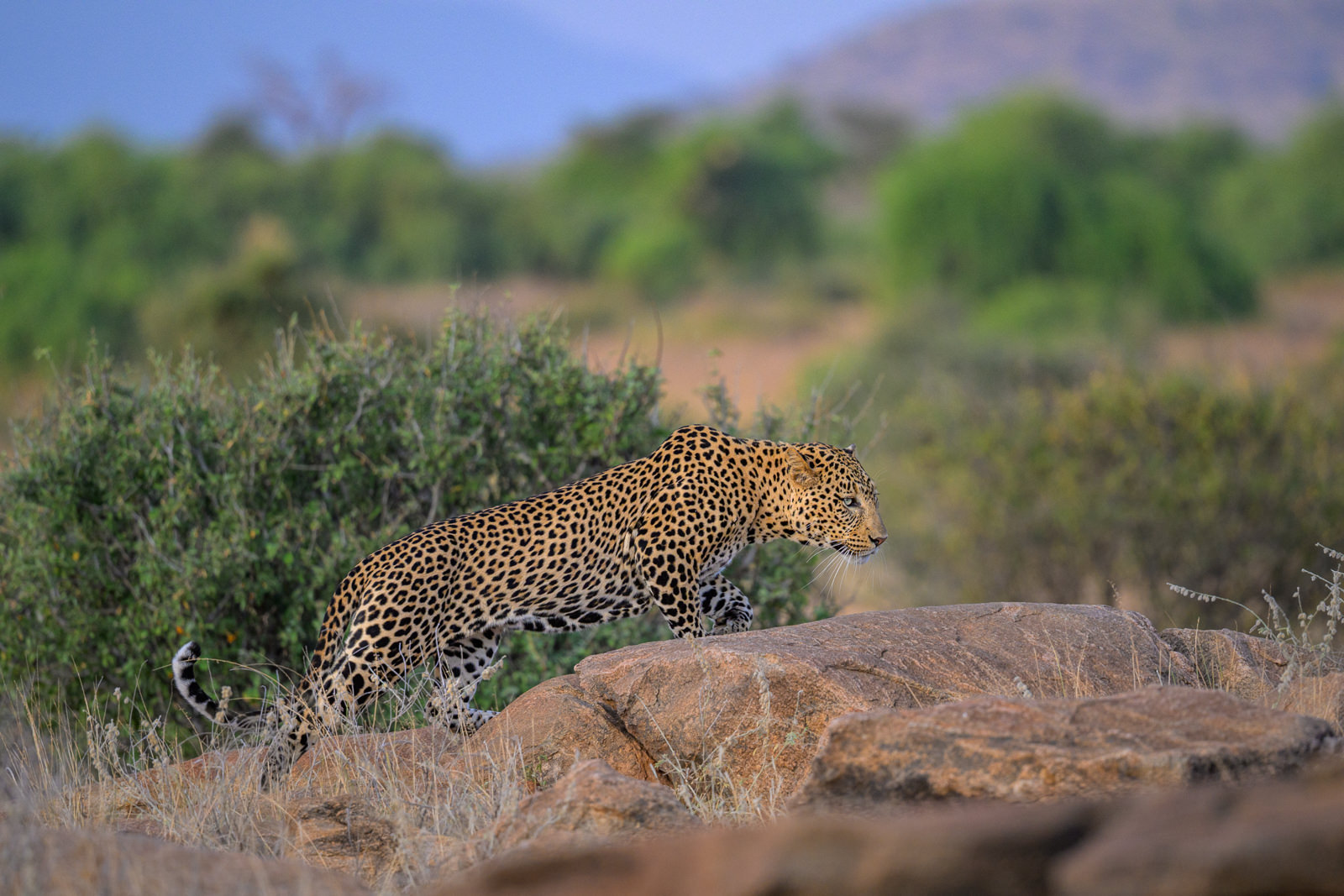
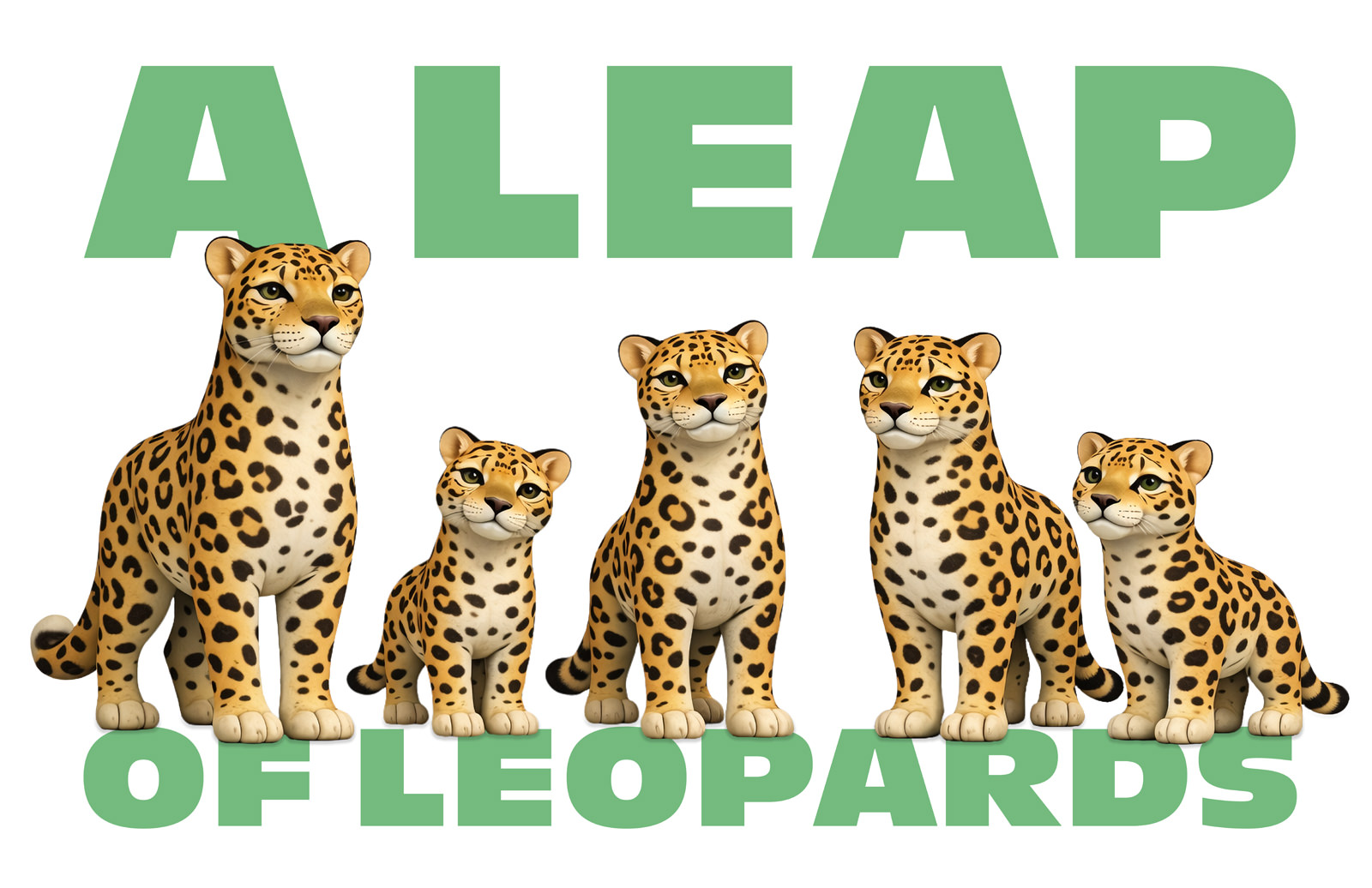
Leopards are almost always solitary unless it’s a mother with her offspring, or two adults come together to mate. I’ve seen lots of leopards over the years, but only once have I seen more than one at a time and that was a mother with her almost-full-size cub. But as with most species, they do have a fun name for a group of them. Leopards are incredibly powerful jumpers, capable of launching themselves into trees or onto prey with sudden force, so “leap” fits the bill. I photographed this solitary adult male this past June in Kenya. To get your Leap of Leopards merchandise, visit Species Limited. Nikon Z8 with Nikkor 500mm PF lens, ISO 1400, f/5.6 at 1/1600th of a second.
Lions like to get active just after the sun sets. This young male was scoping out the area for any potential prey — a highlight of our tour in June of 2024. If you’d like to join a Crane Wildlife Tours trip to Africa, reach out to get the conversation started. Nikon Z8 with Nikkor 70-200mm lens (at 200mm) ISO 1400, f/2.8 at 1/640th of a second.
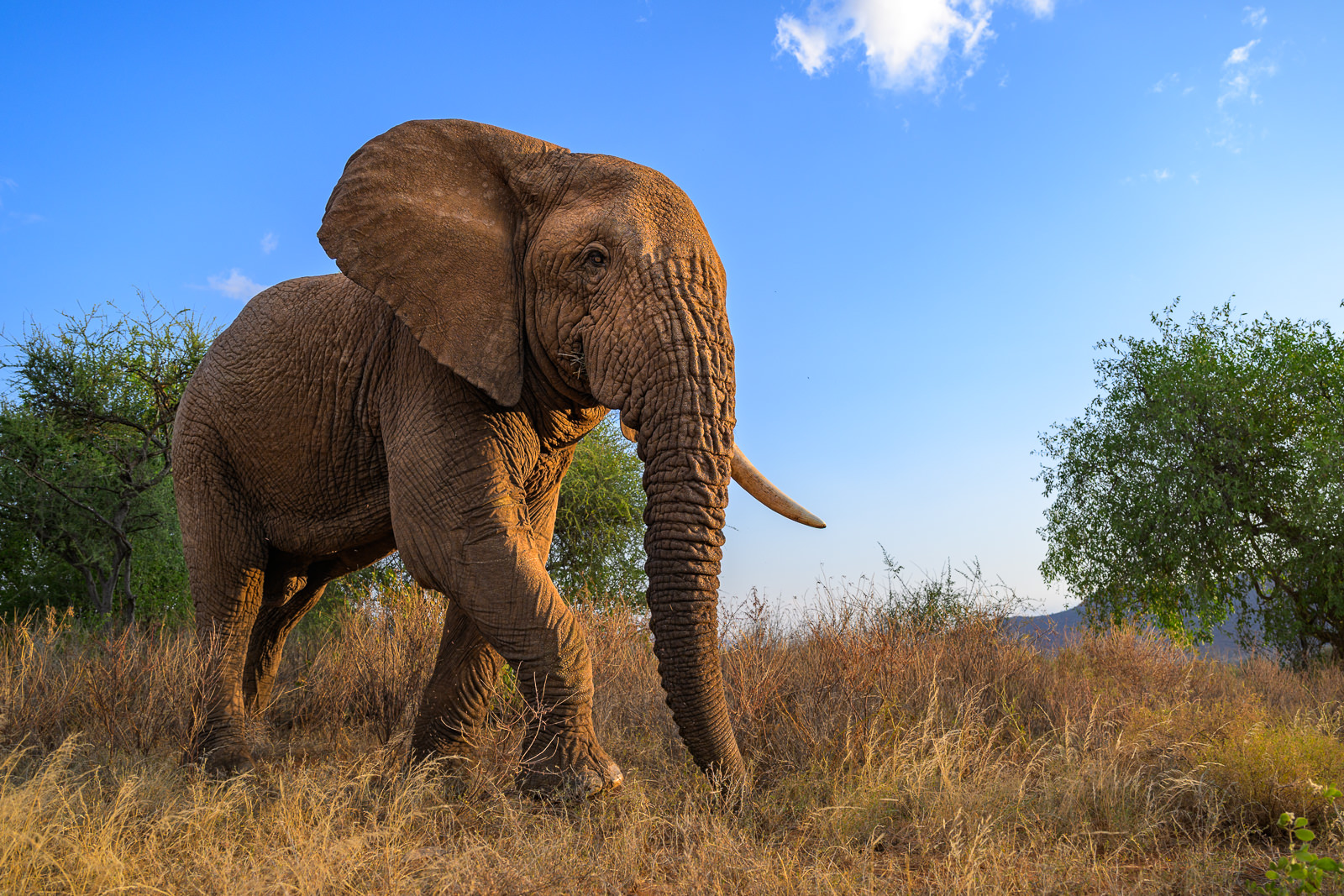
Here’s another elephant that I was able to photograph from a ground-level perspective using a wide angle lens, inverted monopod and remote trigger. In Samburu National Reserve in the north of Kenya, the elephants take on a reddish tint due to the red clay dirt of the landscape. Nikon Z8 with Nikkor 24-70mm lens (at 24mm) ISO 160, f/4.5 at 1/500th of a second.
We use cookies to enhance your experience while using our website. If you are using our Services via a browser you can restrict, block or remove cookies through your web browser settings. We also use content and scripts from third parties that may use tracking technologies. You can selectively provide your consent below to allow such third party embeds. For complete information about the cookies we use, data we collect and how we process them, please check our Privacy Policy