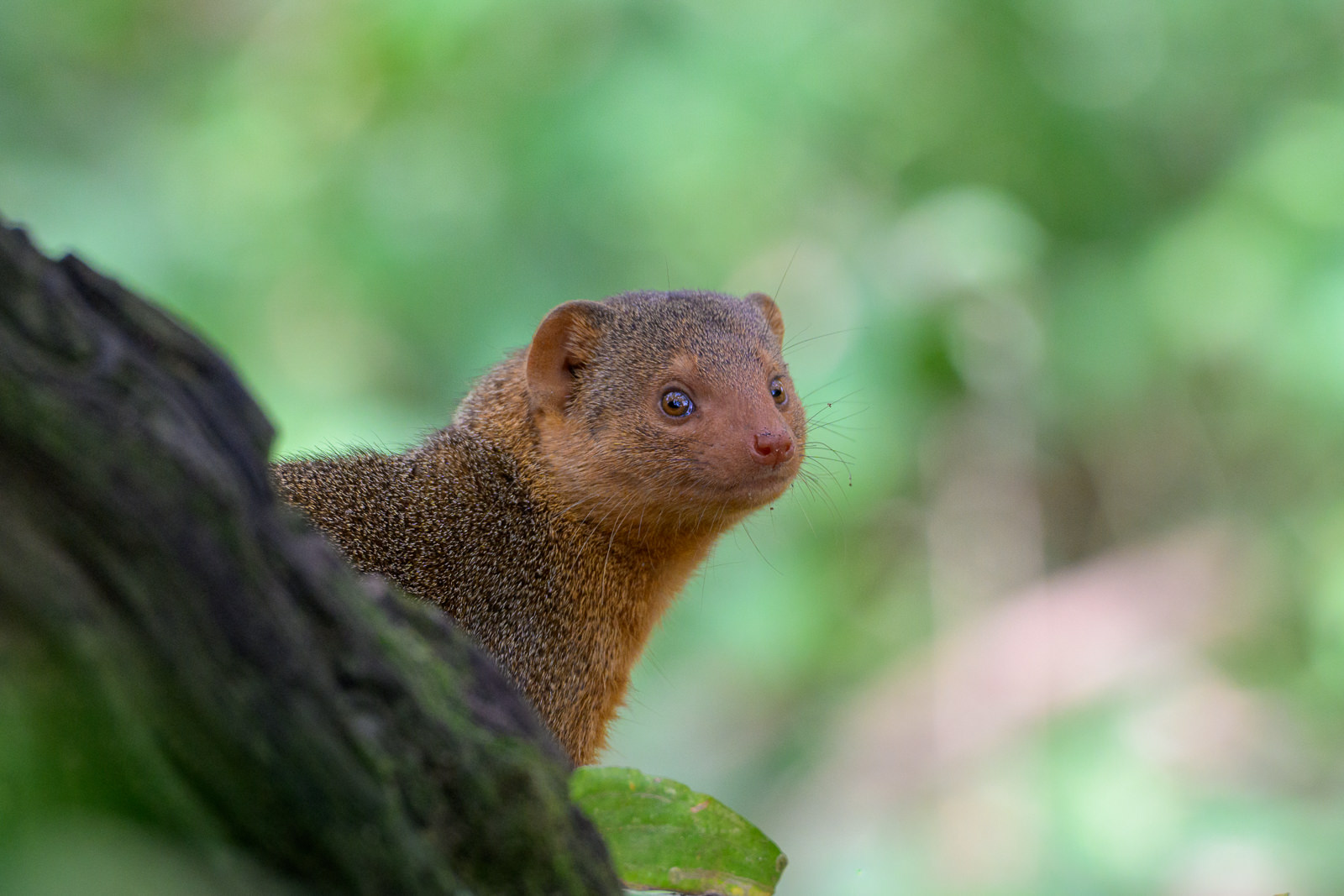
We see several species of mongooses on our tours to Africa. This is the dwarf mongoose — the one we most commonly see around the tented areas of the camps we stay at. I always have my eye out — and camera in hand — when walking to and from lunch in the middle of the day. Nikon Z8 with Nikkor 180-600mm lens (at 600mm) ISO 2000, f/6.3 at 1/200th of a second.
A very quick video of a Kirk’s dik-dik having a hard time getting rid of a fly. Add that to the lurking lions and leopards we saw nearby and it’s tough out there on the savanna for a dik-dik. Nikon Z8 with Nikkor 180-600mm lens, 120fps, 4K.
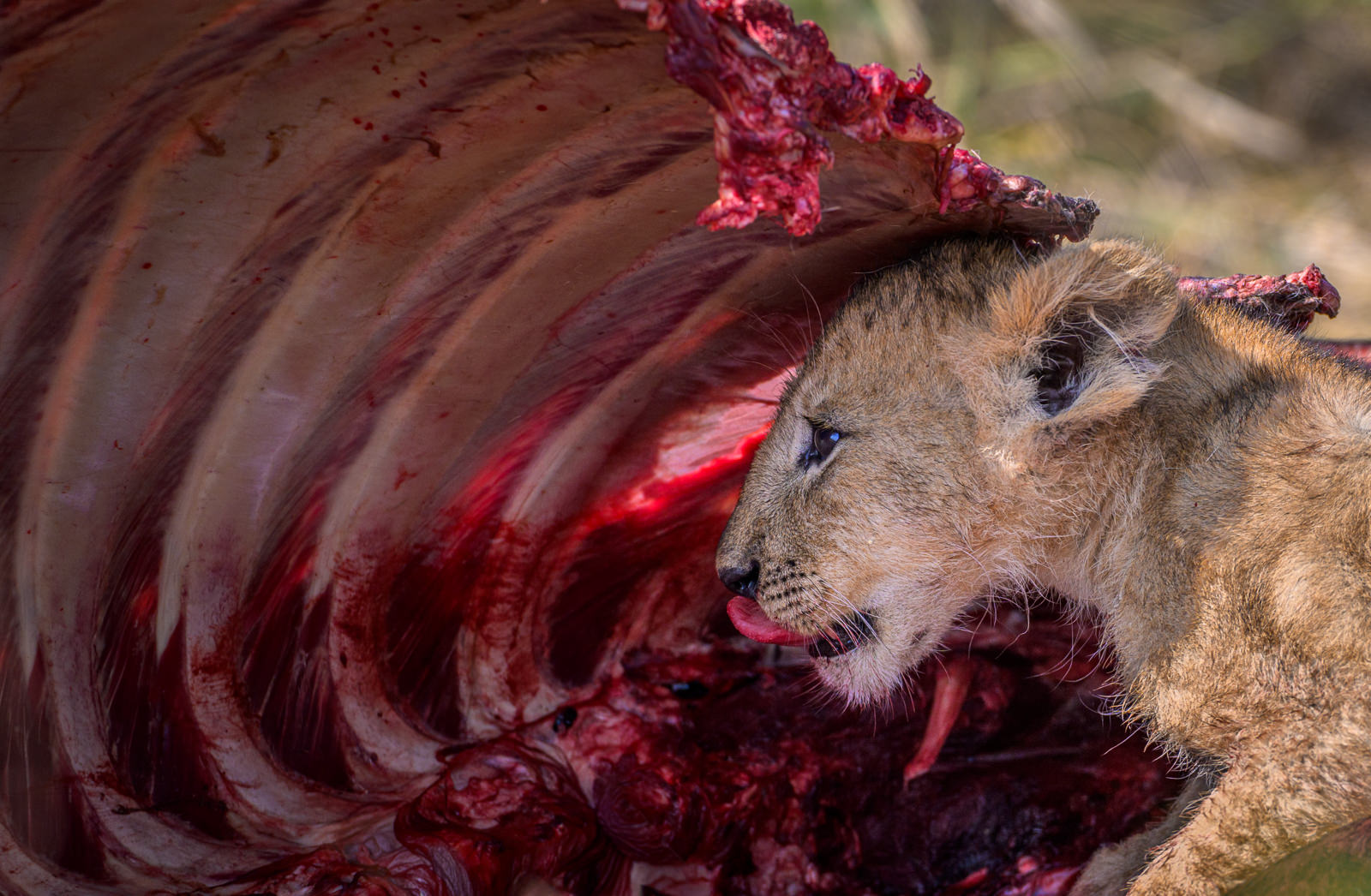
This one isn’t for everyone, so apologies for that. While in Kenya this summer we came across a pride of lions, including several young cubs, on a buffalo carcass. This particular cub was the boldest, getting right in there with the older lions. Eventually it crawled right inside the rib cage of the buffalo. Nikon Z8 with Nikkor 180-600mm lens (at 600mm) ISO 560, f/6.3 at 1/1000th of a second.
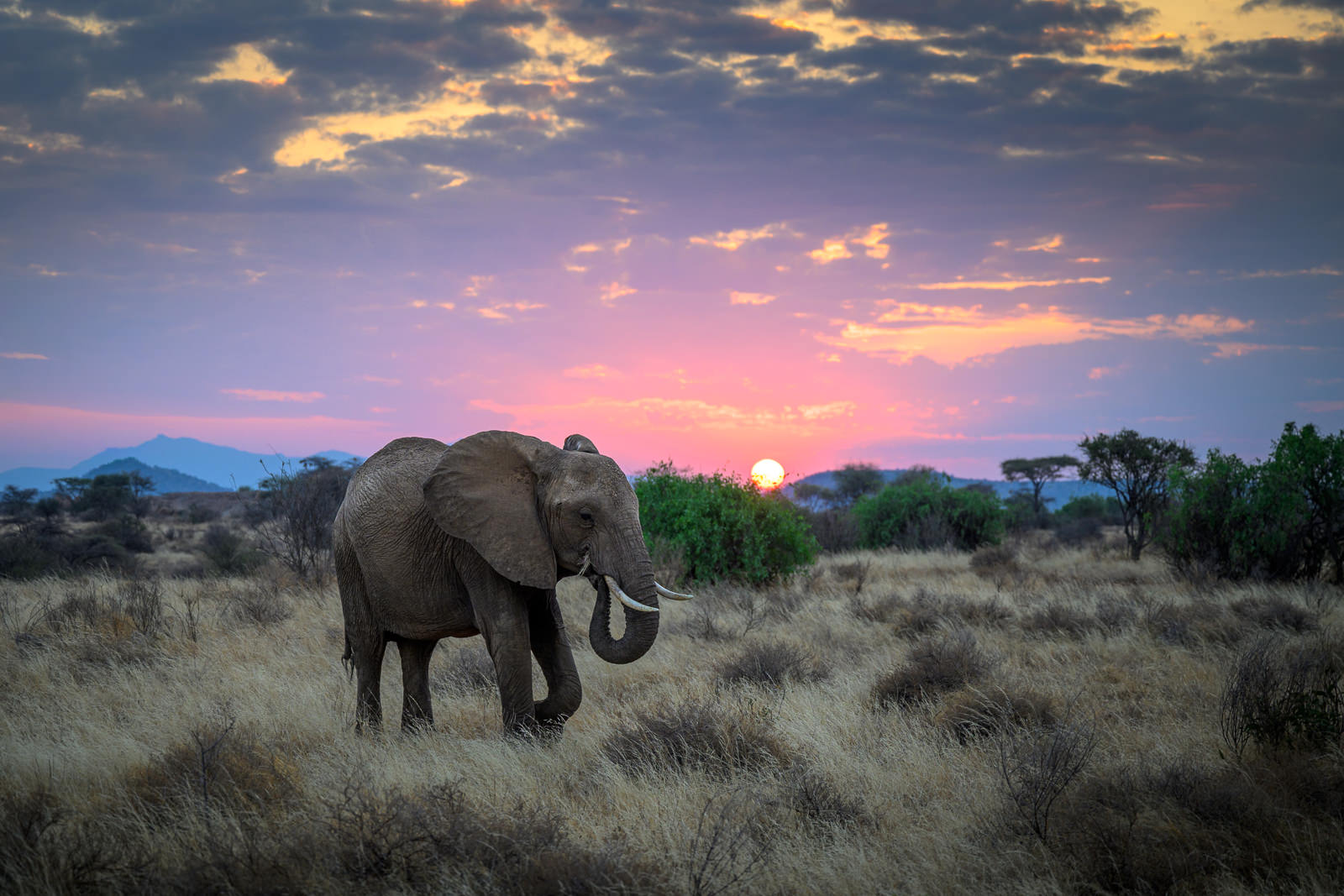
We generally get out before the sun comes up on our morning game drives. One of the many benefits is having time to find an iconic mammal of the savanna and position ourselves to capture it as the sun rises in the background. Nikon Z8 with Nikkor 24-70mm lens (at 70mm) ISO 200, f/2.8 at 1/250th of a second.
Bee-eaters will hit and toss their food to kill the prey, squeeze out the venom, and strip away the dangerous stinger before swallowing it. There are approximately 30 different bee eater species in the world. This is the one we most commonly see in Kenya, the little bee eater. You can see him/her knocking the bee against the perch before tossing it in the air and finally eating it.Nikon Z8 with Nikkor 180-600mm lens, 4K video shot at 120fps.
It was approaching mid-day and we were on our way back to camp when we spotted these olive baboons. The light wasn’t great, but the action was. The youngest of the baboons were leaning side to side as they checked us out, jumping up and down and obviously quite curious and seemingly fascinated by our slowly moving safari vehicle. Nikon Z8 with Nikkor 180-600mm lens, 4k, 120fps.
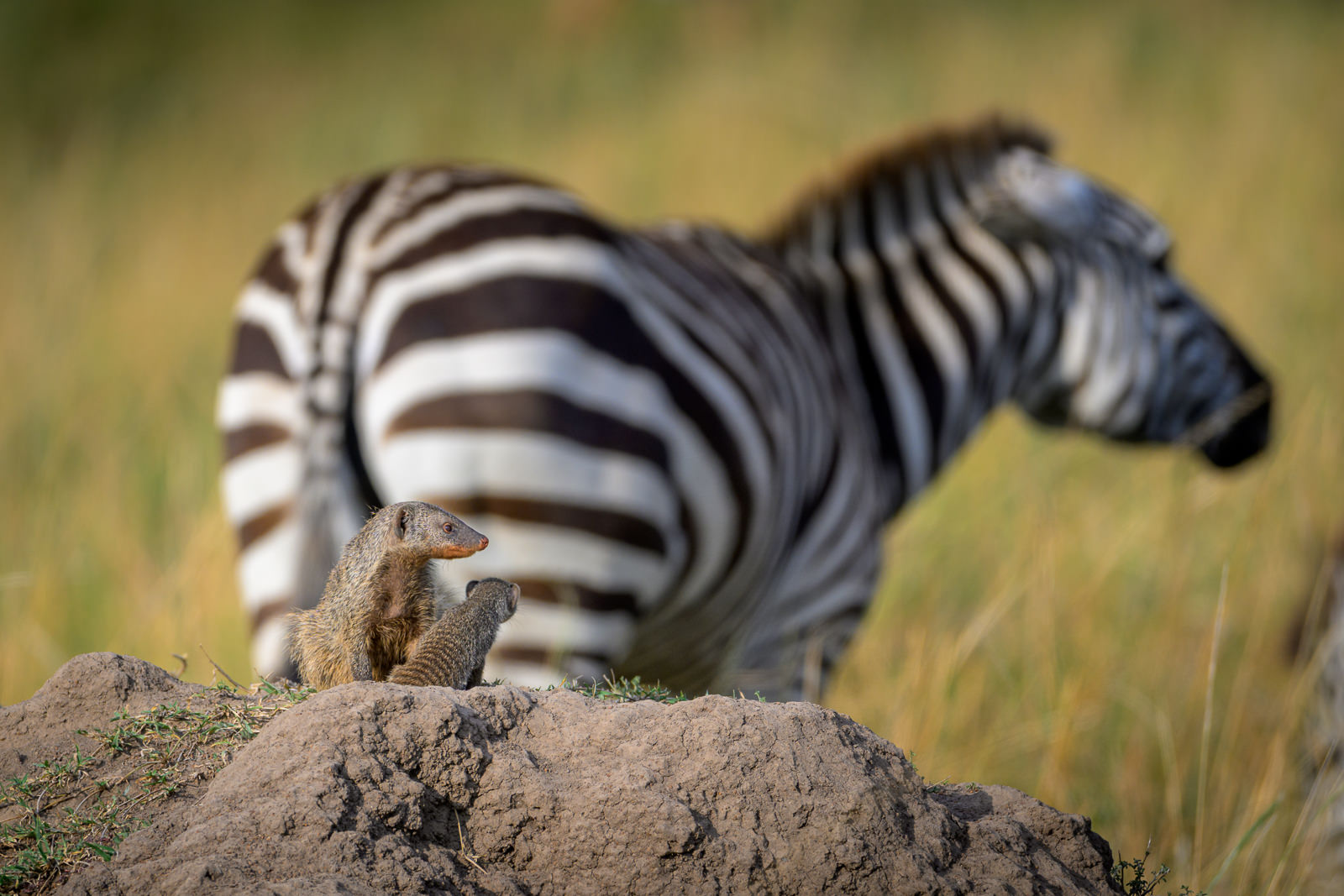
It looks like this banded mongoose was teaching her pup a thing or two about their striped neighbors. In reality the two species live side by side in relative symbiosis and mongooses have even been observed picking ticks and other parasites off of zebras. Nikon Z8 with Nikkor 180-600mm lens (at 600mm) ISO 180, f/6.3 at 1/500th of a second.
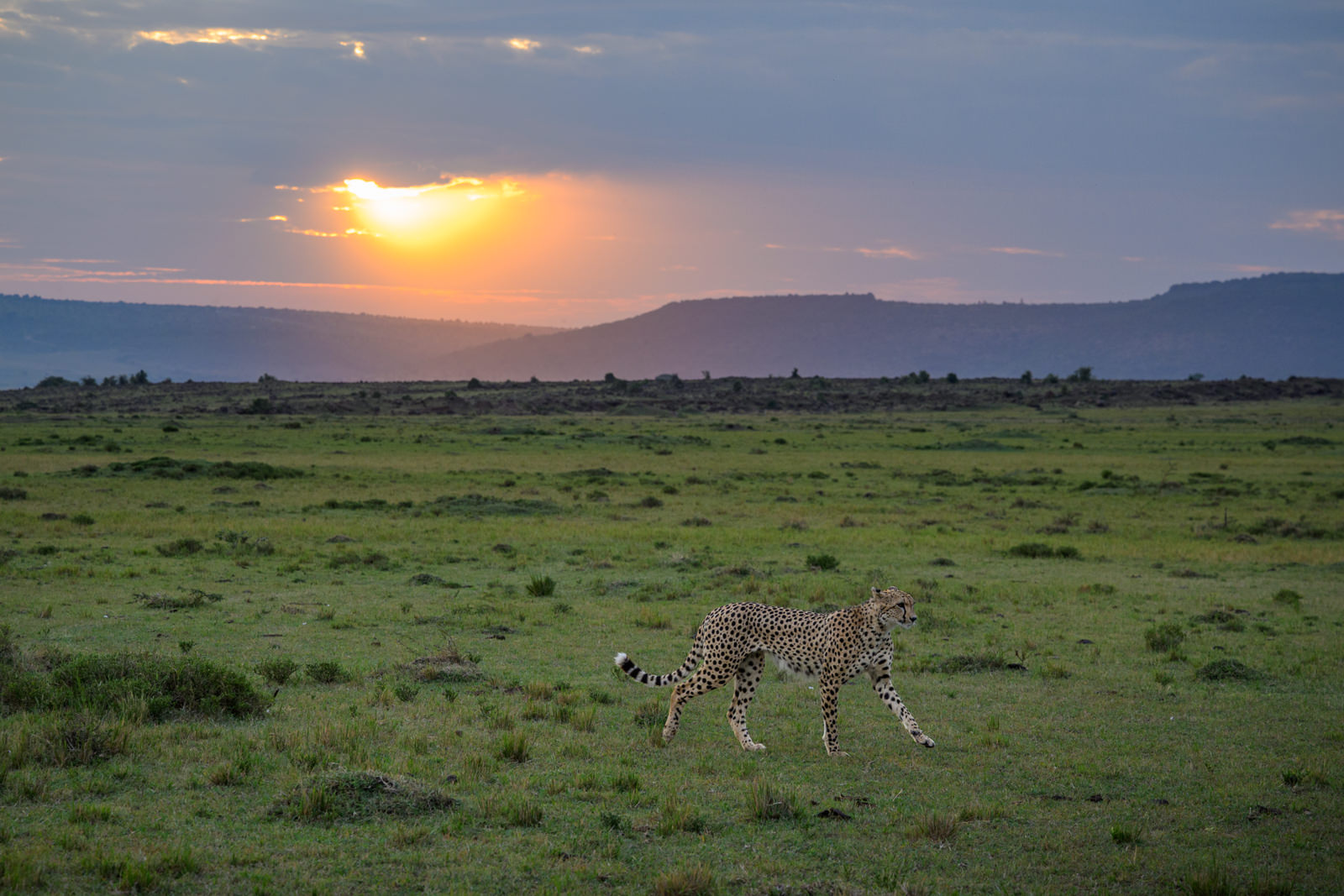
Cheetahs do much of their hunting during daylight hours, often becoming active in the cooler periods around dawn and dusk. Unlike lions and leopards, they rely primarily on their great eyesight to locate prey, and then of course, their acceleration and speed to close the distance. Nikon Z8 with Nikkor 24-70mm lens (at 70mm) ISO 560, f/4.5 at 1/500th of a second.
When we go to northern Kenya, we always look for the “Specialty Five” including the reticulated giraffe, beisa oryx, Somali ostrich, Grevy’s zebra and gerenuk. Also known as the giraffe-necked antelope, the money shot of a gerenuk is to find one standing on its hind legs, going after the vegetation higher up that other antelopes can’t reach. Here’s a quick video of a male gerenuk standing, eating and then returning to all fours. Nikon Z8 with Nikkor 160-600mm lens, 4k at 120fps.
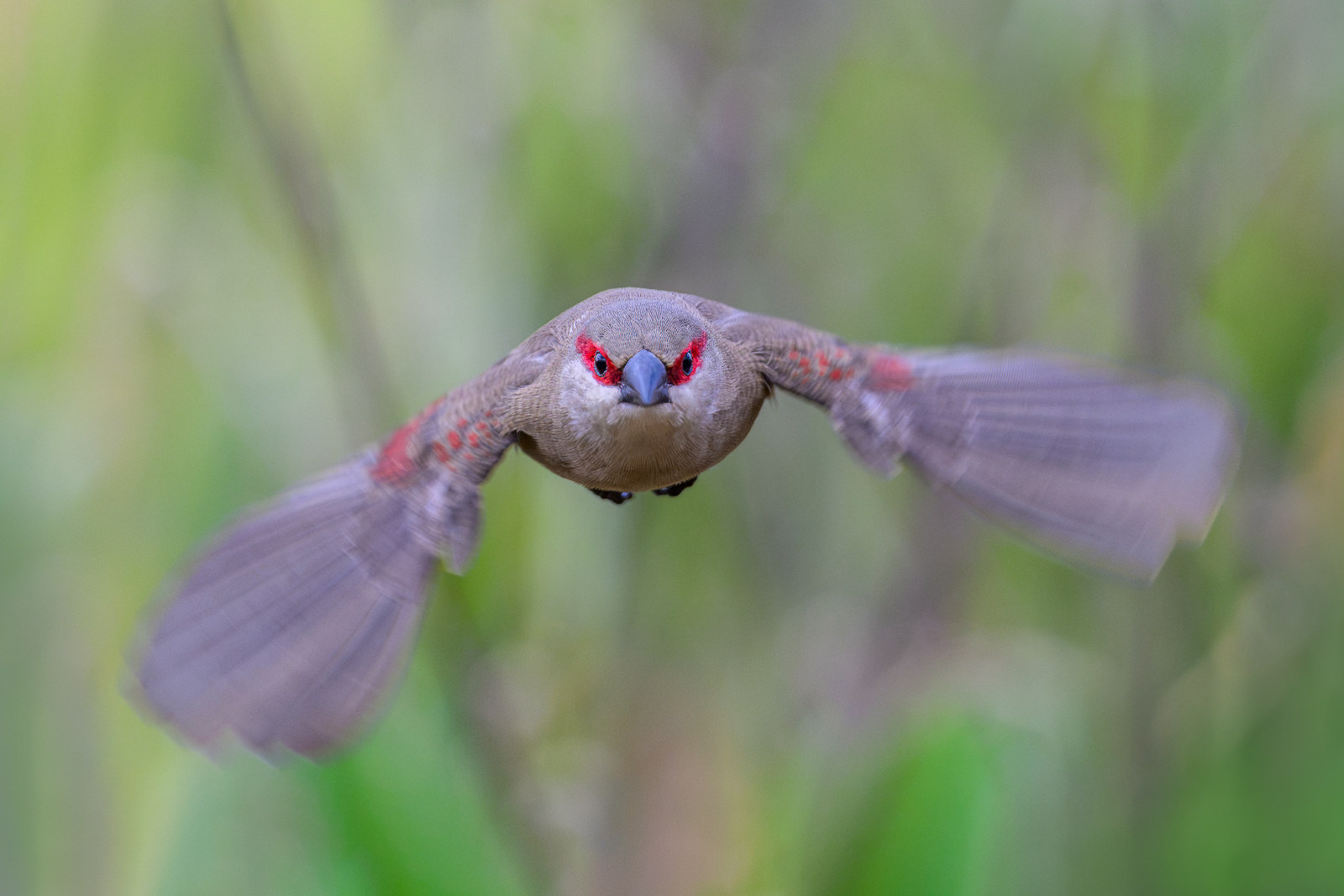
One of the camps we stayed at in late July (Il Ngwesi) was situated atop a large hill with a great view across the savanna below. There was a birdbath at the main lodge and throughout the day many small birds would fly in for a drink. I saw lots of colorful species that were new to me. I also got to practice photographing them as they flew toward camera. This finch is called a crimson-rumped waxbill. You can’t really see the rump, but I loved that crimson mask it was wearing across the eyes. Nikon Z8 with Nikkor 180-600mm lens (at 600mm) ISO 1400, f/6.3 at 1/2000th of a second.
We use cookies to enhance your experience while using our website. If you are using our Services via a browser you can restrict, block or remove cookies through your web browser settings. We also use content and scripts from third parties that may use tracking technologies. You can selectively provide your consent below to allow such third party embeds. For complete information about the cookies we use, data we collect and how we process them, please check our Privacy Policy

 We see several species of mongooses on our tours to Africa. This is the dwarf mongoose — the one we most commonly see around the tented areas of the camps we stay at. I always have my eye out — and camera in hand — when walking to and from lunch in the middle of the day. Nikon Z8 with Nikkor 180-600mm lens (at 600mm) ISO 2000, f/6.3 at 1/200th of a second.