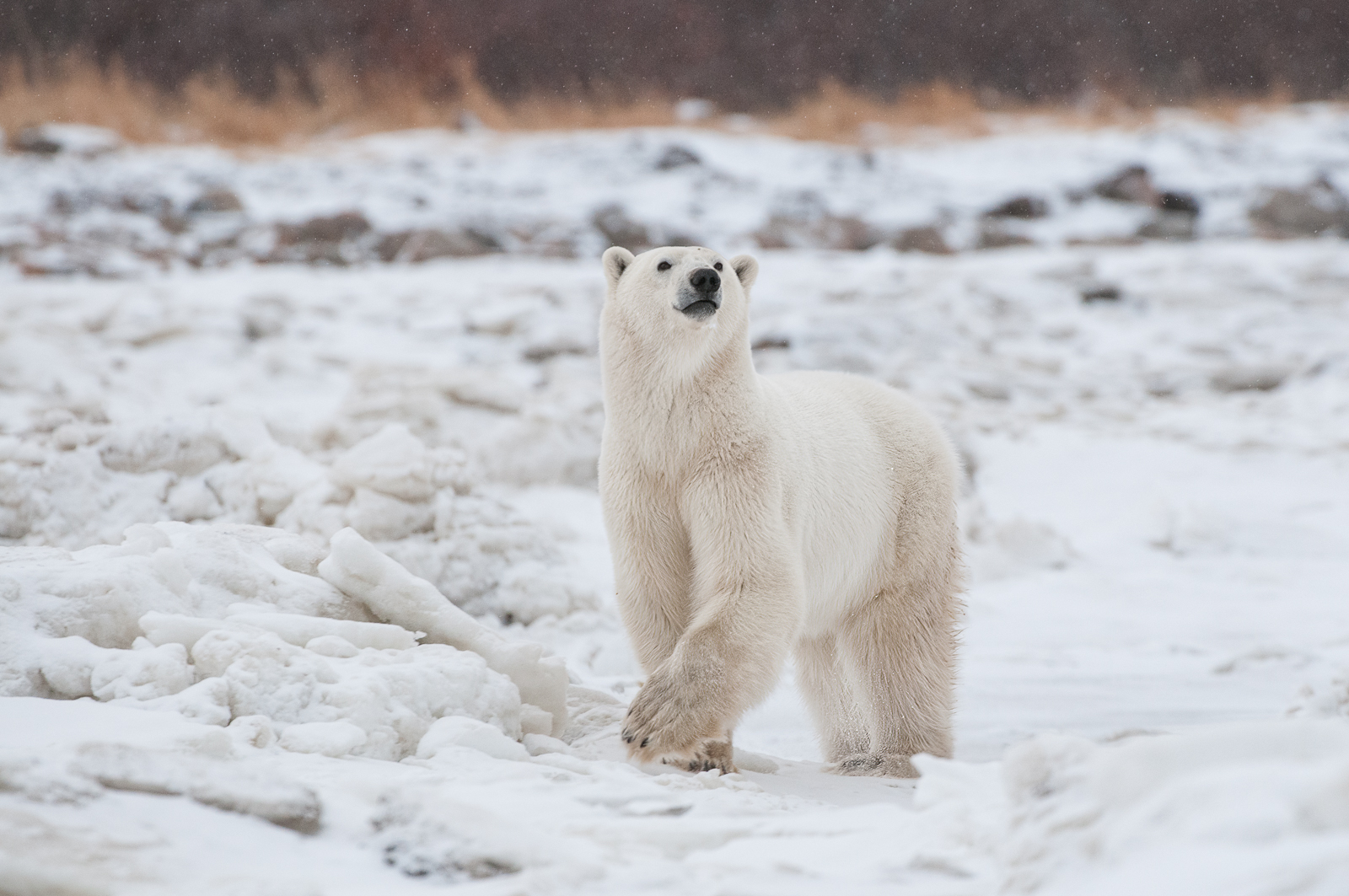
This polar bear ended up passing very close to where we were all standing. This particular frame was captured when he was still at a manageable distance (for my lens and myself). You can see that massive left front paw. Photographed in upper Manitoba, Canada at Seal River on the Hudson Bay. Nikon D300 with Nikkor 200-400mm lens (at 400mm) ISO 800, f/5.6 at 1/500th of a second.
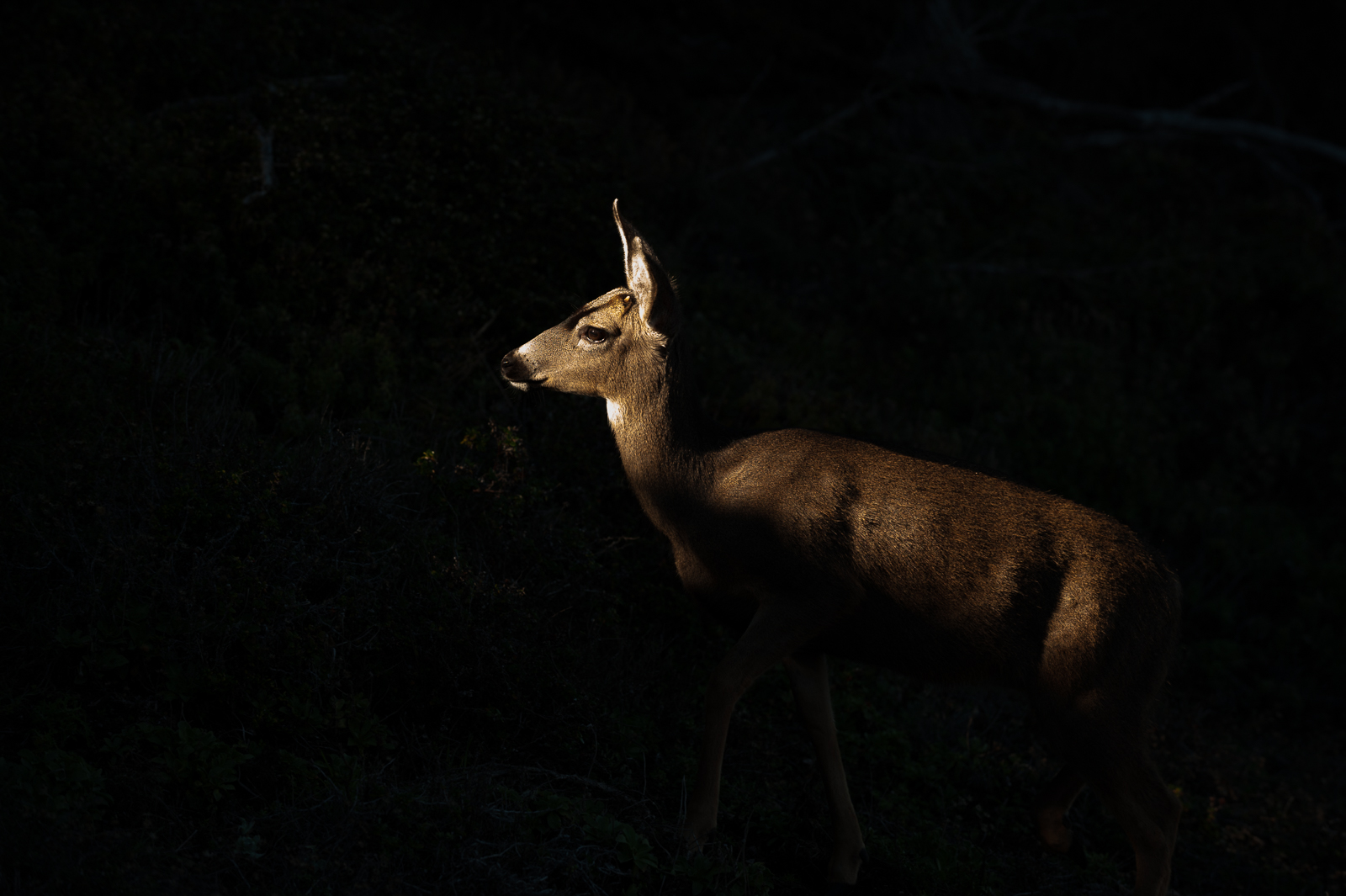
A black-tailed deer walks into a shaft of light along the California coast at Point Lobos State Reserve. The black-tailed deer is a subspecies of the mule deer. Nikon D700 with Nikkor 70-200mm lens (at 135mm) ISO 500, f/5 at 1/640th of a second.
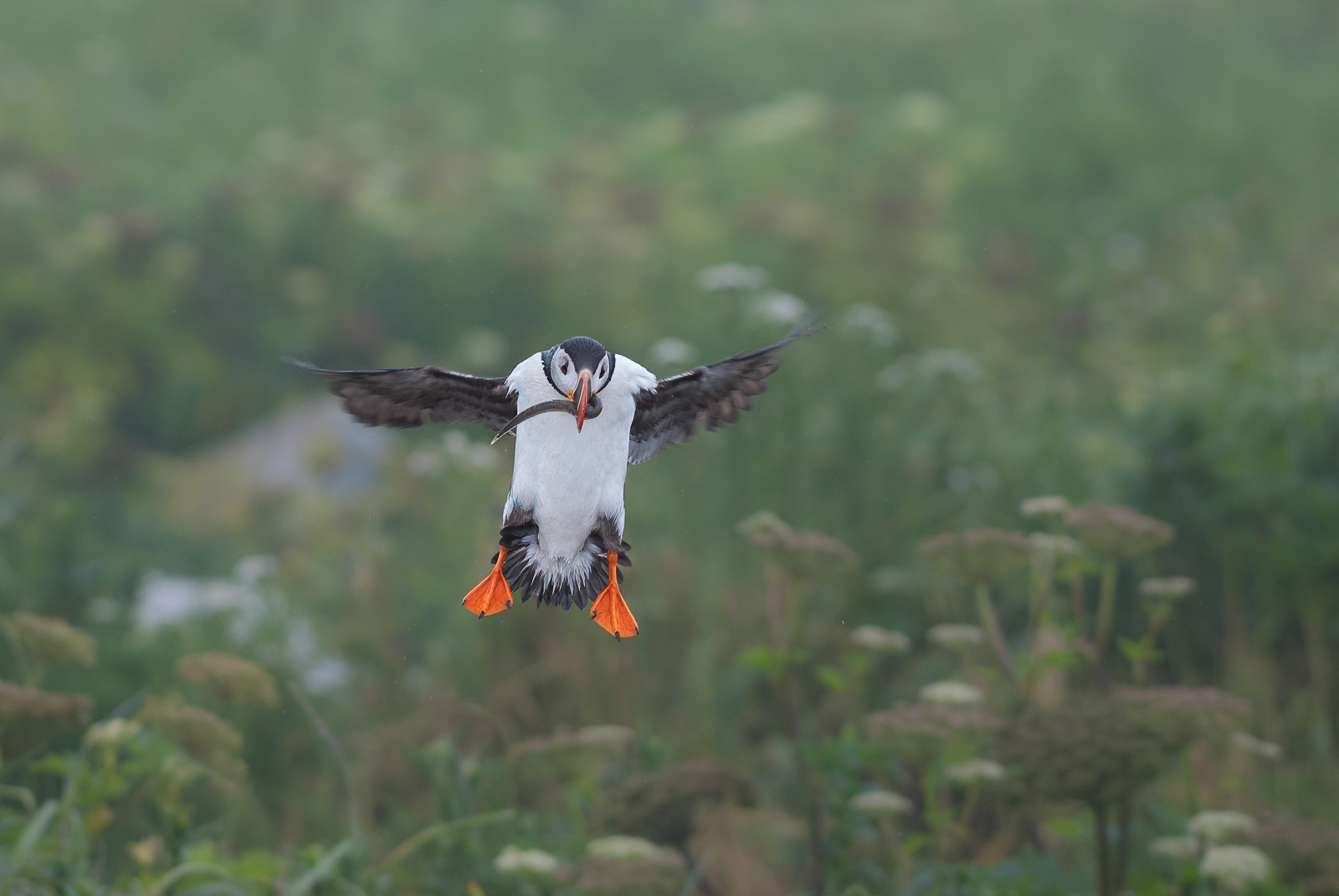
It’s been awhile since I posted a puffin. In fact, it’s been a while since I’ve seen one. This photo was taken on my first trip to Machias Seal Island — off the coast of Maine — back in 2008. Not sure what that little eel-like thing in its beak is, but it was nesting season and all the Atlantic puffins were busy flying back and forth from sea to nest, bringing meals to their young. Nikon D200 with Nikkor 70-200mm lens (at 200mm) ISO 200, f/4 at 1/1000th of a second.
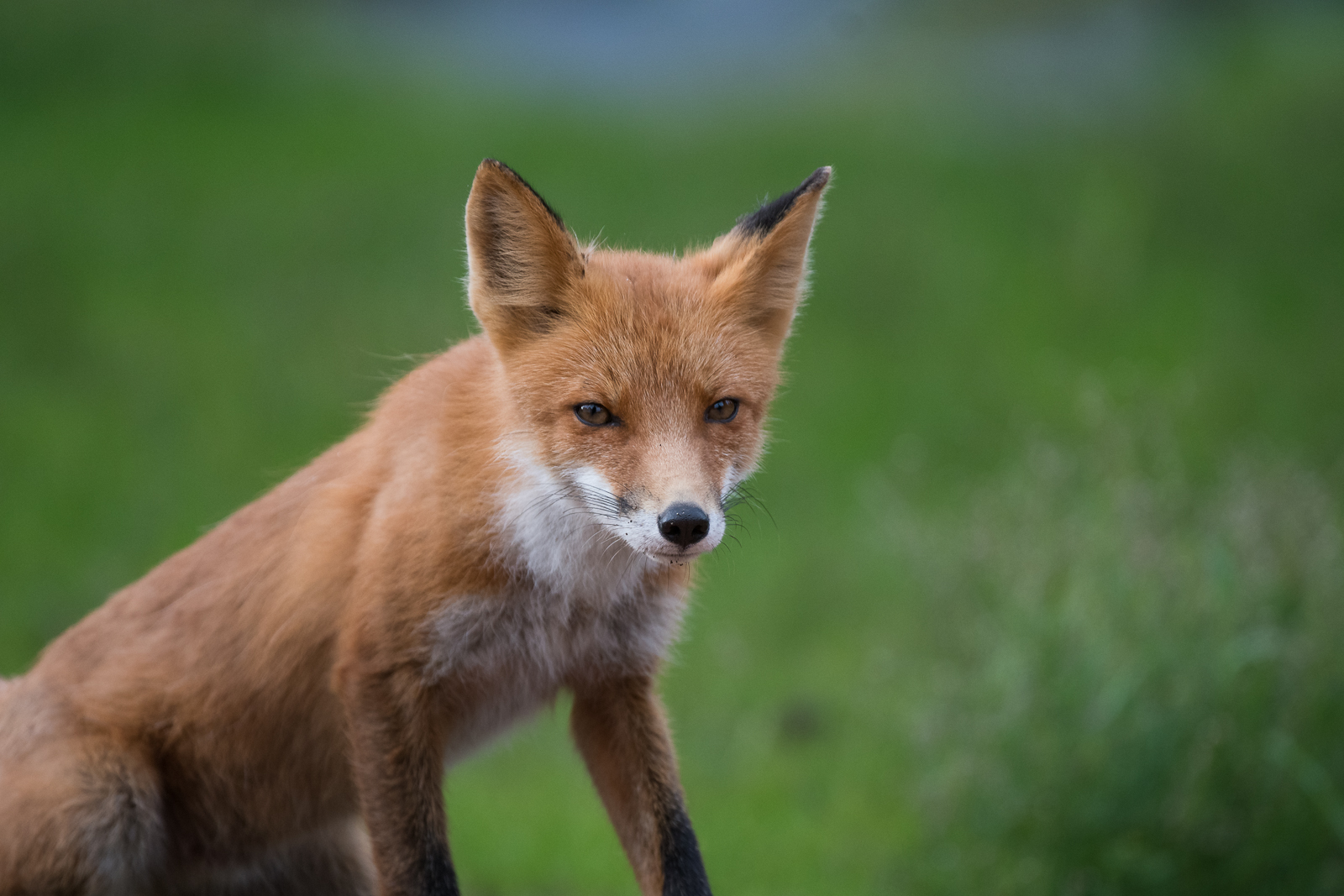
An encounter with a red fox is always a good thing. This guy looks like he knows something that I don’t. Photographed while on a coastal brown bear trip in Lake Clark National Park in Alaska. Nikon D500 with Nikkor 200-400mm lens (at 400mm) ISO 800, f/4 at 1/1000th of a second.
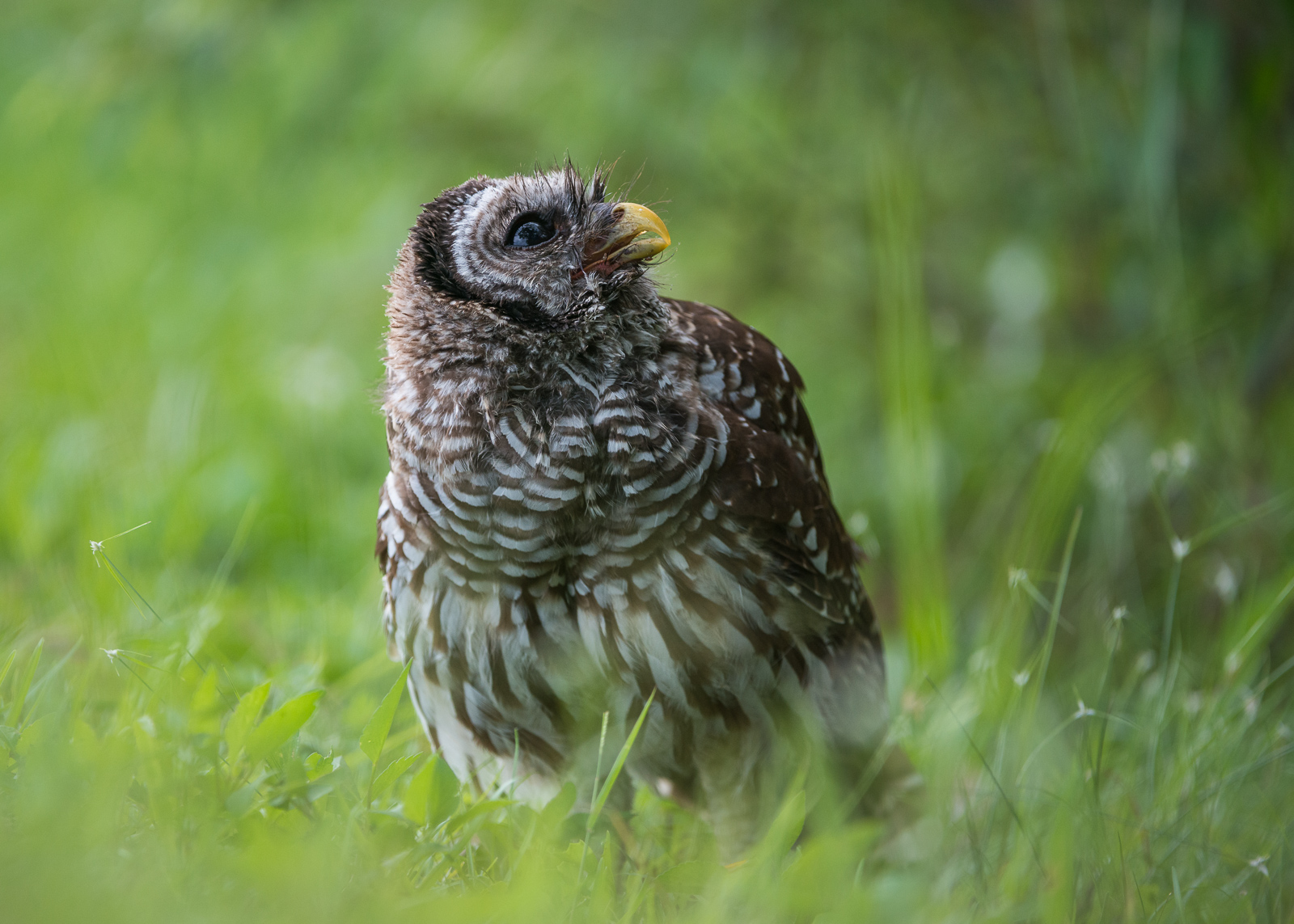
This barred owl had just devoured an eastern lubber grasshopper and was looking back toward the branch he/she had just descended from and would eventually fly back to. Nikon D800 with Nikkor 200-400mm lens (at 280mm) ISO 800, f/4 at 1/800th of a second.
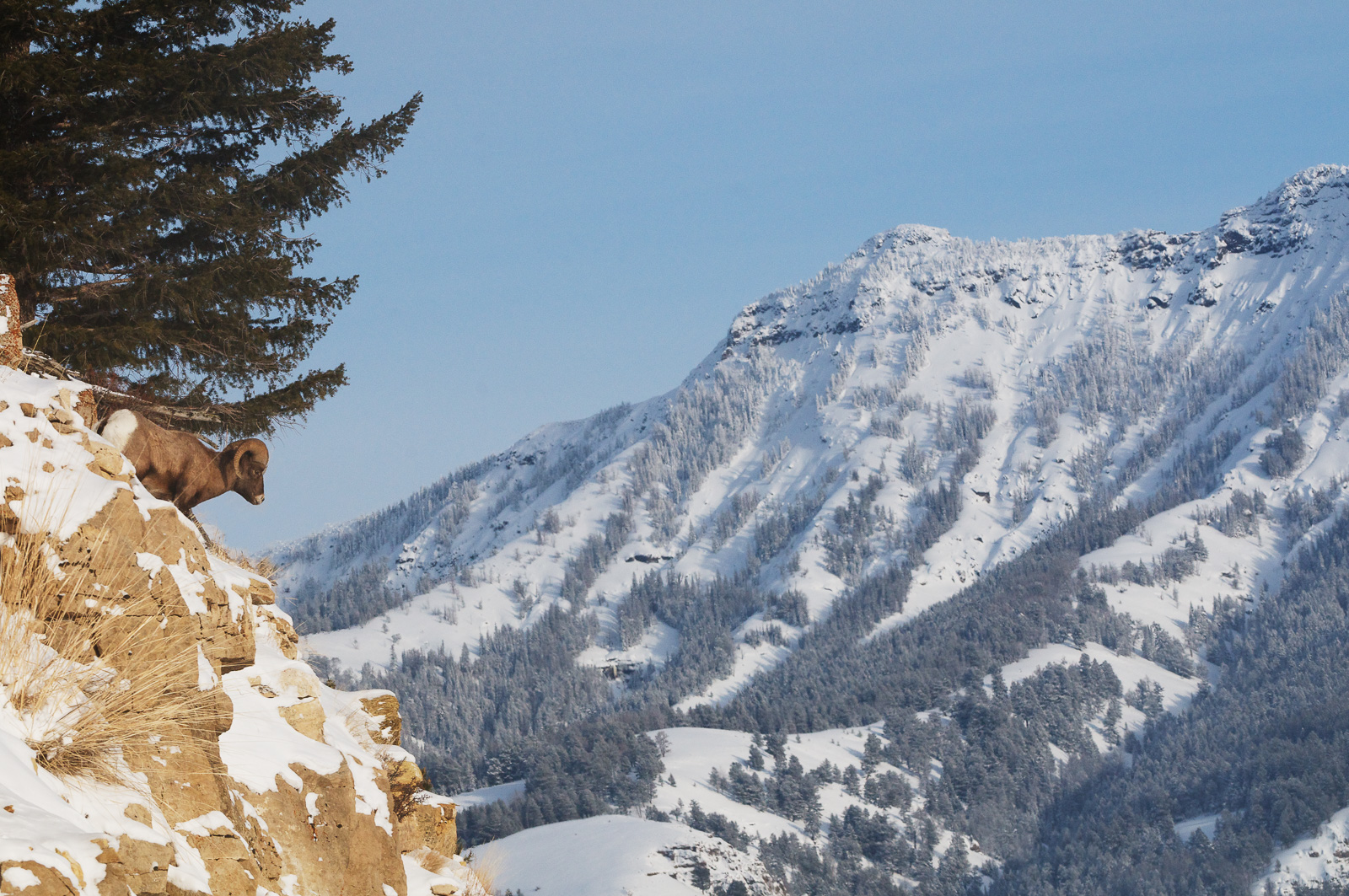
A few winters back I captured this bighorn ram working his way down to a patch of exposed grass on an otherwise snow-covered mountain. Photographed in Yellowstone National Park, Wyoming. Nikon D300 with Nikkor 200-400mm lens (at 210mm) ISO 400, f/11 at 1/500th of a second.
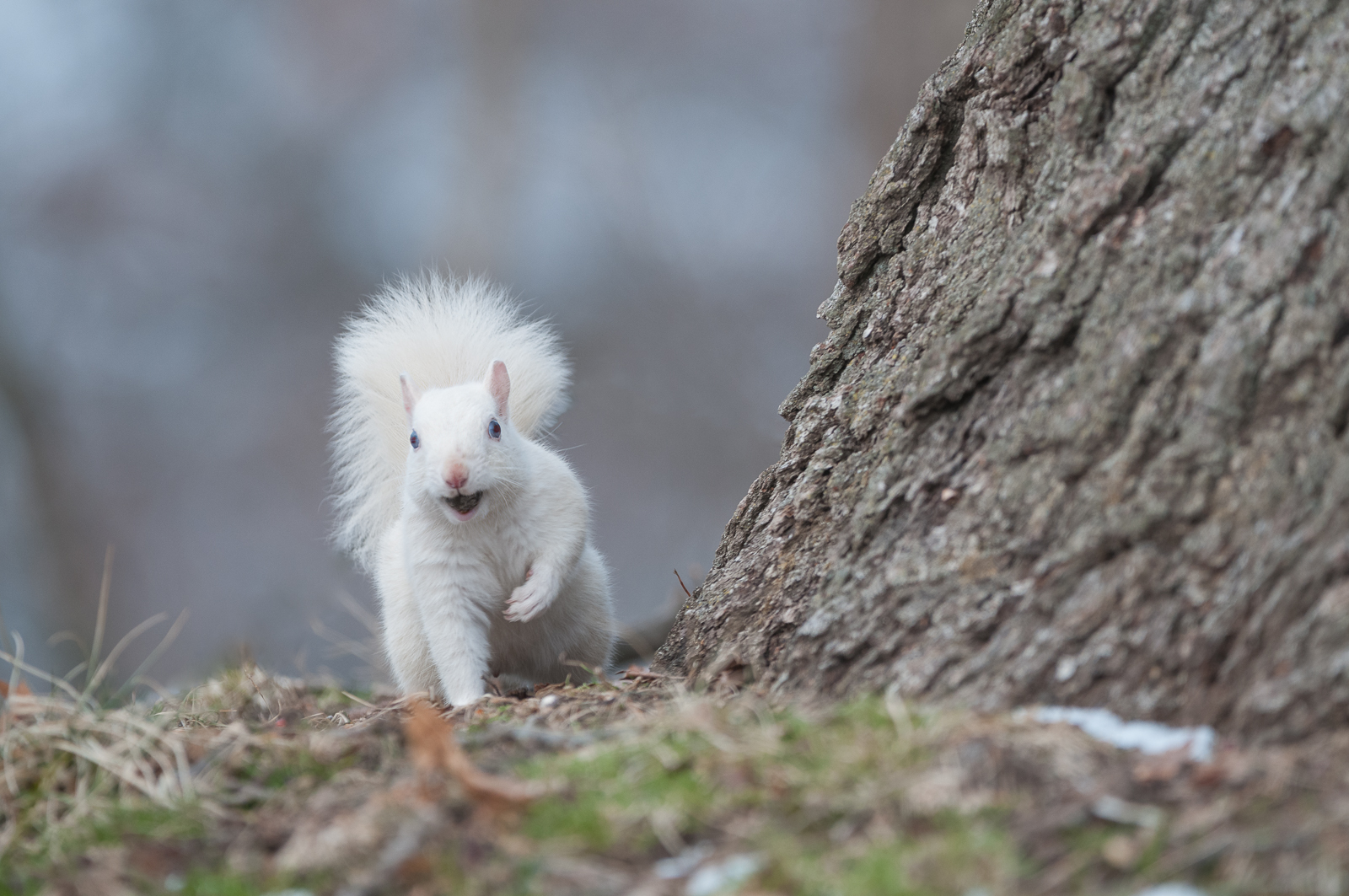
Here’s another of the white squirrels I met out in Olney, Illinois. The town has a healthy population of this white variant of the eastern gray squirrel. Nikon D300 with Nikkor 200-400mm lens (at 400mm) ISO 400, f/4 at 1/400th of a second.
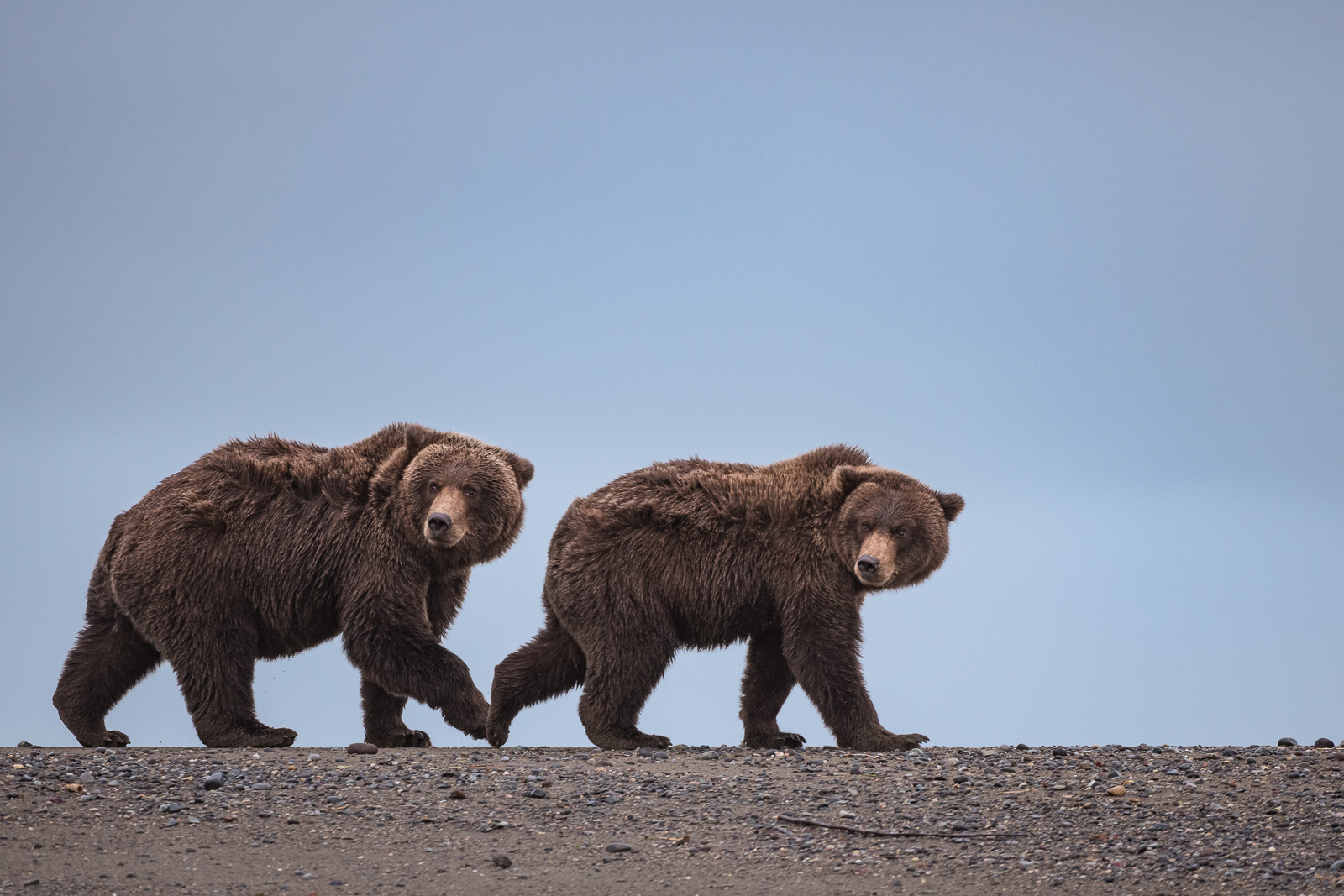
Two coastal brown bears look back in unison as they patrol the shoreline of Lake Clark National Park, Alaska. In late summer through fall, the bears come to the beach in search of salmon. Nikon D500 with Nikkor 200-400mm lens (at 360mm) ISO 640, f/4 at 1/1250th of a second.
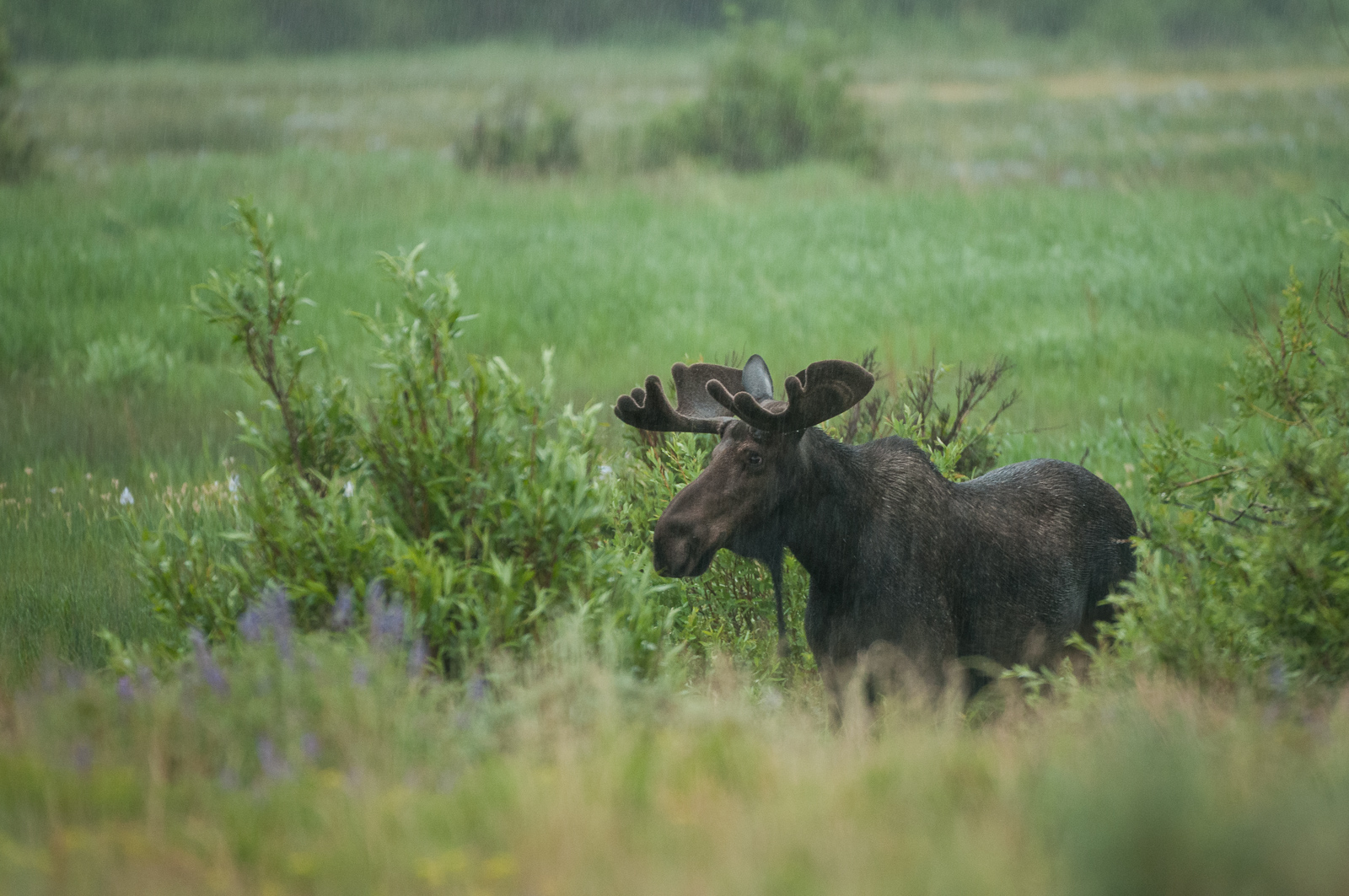
I captured this image of a bull moose in northern Colorado a few years back on a rainy day. It’s always nice when you can photograph the wildlife from the comfort of the driver’s seat of your car. It was early July and the moose’s antlers were covered in velvet and quite a ways from being fully grown. Nikon D300 with Nikkor 200-400mm lens (at 400mm) ISO 800, f/4 at 1/100th of a second.
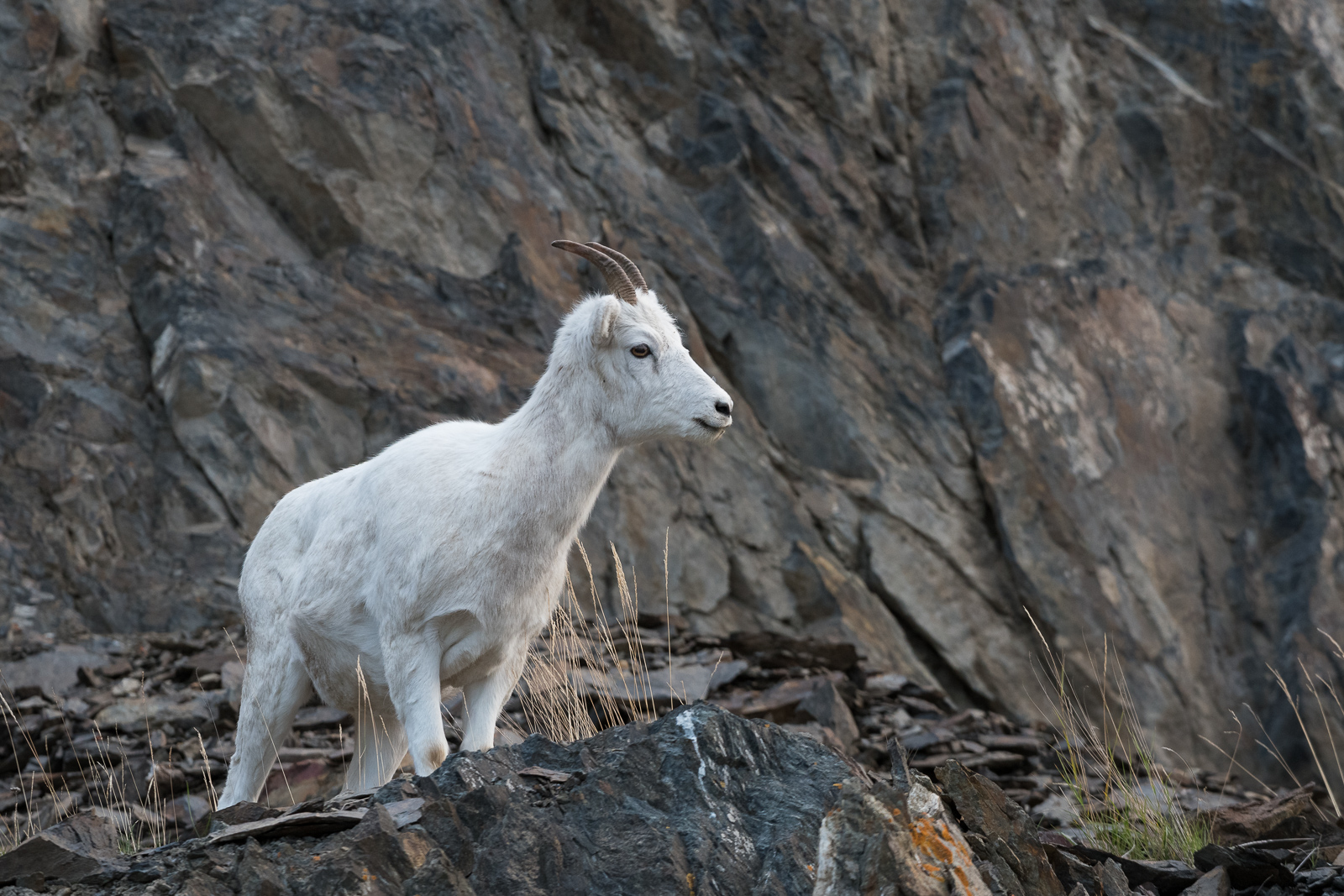
A female Dall sheep walks along a granite cliff beside the Seward Highway south of Anchorage, Alaska. Dall sheep, also called thinhorn sheep, are characterized by their white fur. They range from western Canada on up through Alaska. Nikon D500 with Nikkor 200-400mm lens (at 350mm) ISO 800, f/5.6 at 1/250th of a second.
We use cookies to enhance your experience while using our website. If you are using our Services via a browser you can restrict, block or remove cookies through your web browser settings. We also use content and scripts from third parties that may use tracking technologies. You can selectively provide your consent below to allow such third party embeds. For complete information about the cookies we use, data we collect and how we process them, please check our Privacy Policy