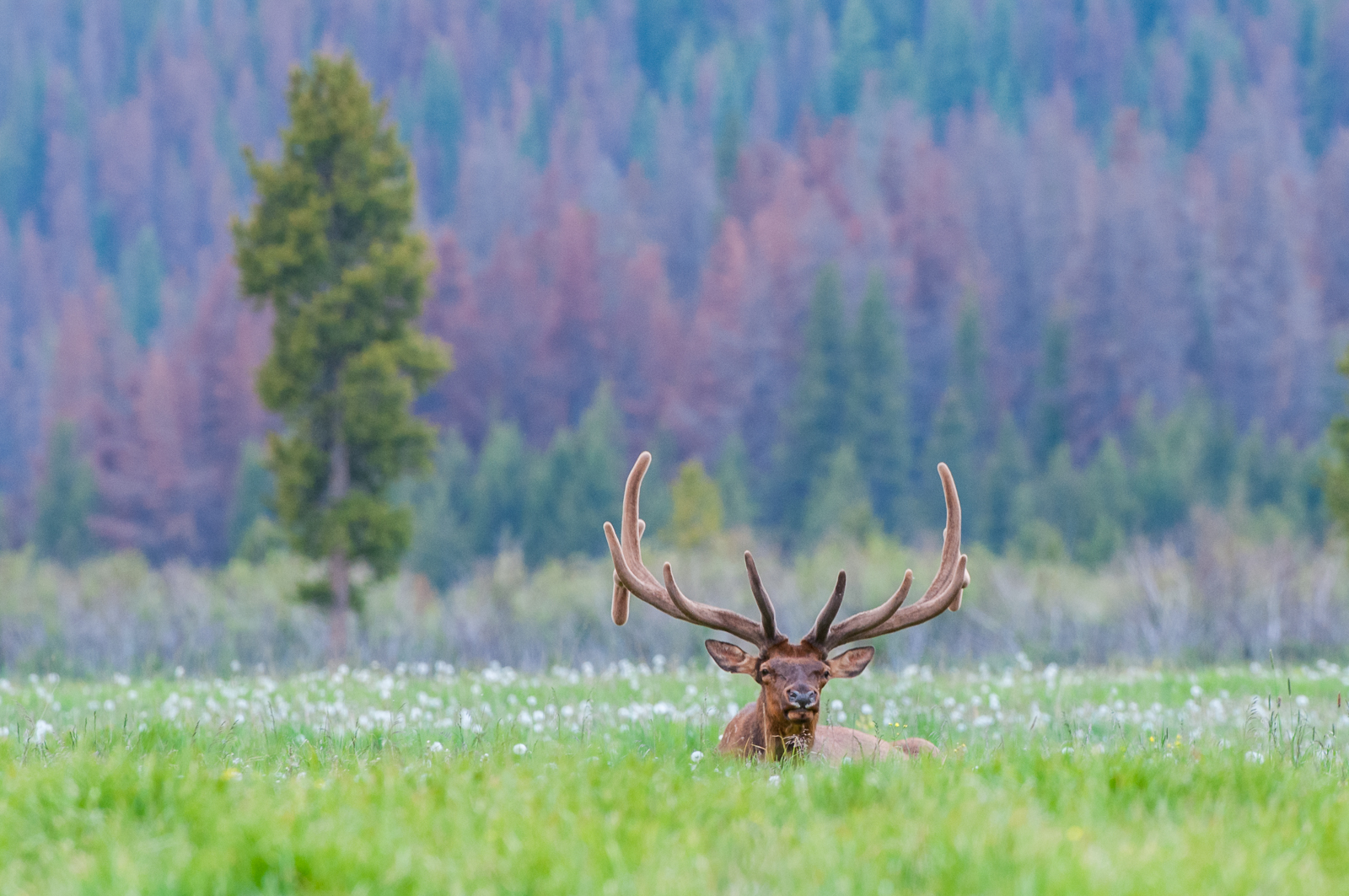
Grown and shed annually, a bull elk’s antlers can be more than four feet wide and weigh up to 40 pounds, making them one of the fastest-growing bones in the world. Bulls use their “racks” during the fall rut to spar with rivals and impress females, locking antlers in dramatic battles that determine mating rights. Covered in soft, fuzzy velvet during the growth phase, antlers are rich with blood vessels and nerves until they harden and the velvet is shed. Each rack is an indication of age, health, and dominance in the life of an elk. This big boy was photographed in Colorado’s Rocky Mountain National Park back in 2009. Nikon D300 with Nikkor 200-400mm lens (at 400mm) ISO 400, f/6.3 at 1/250th of a second.
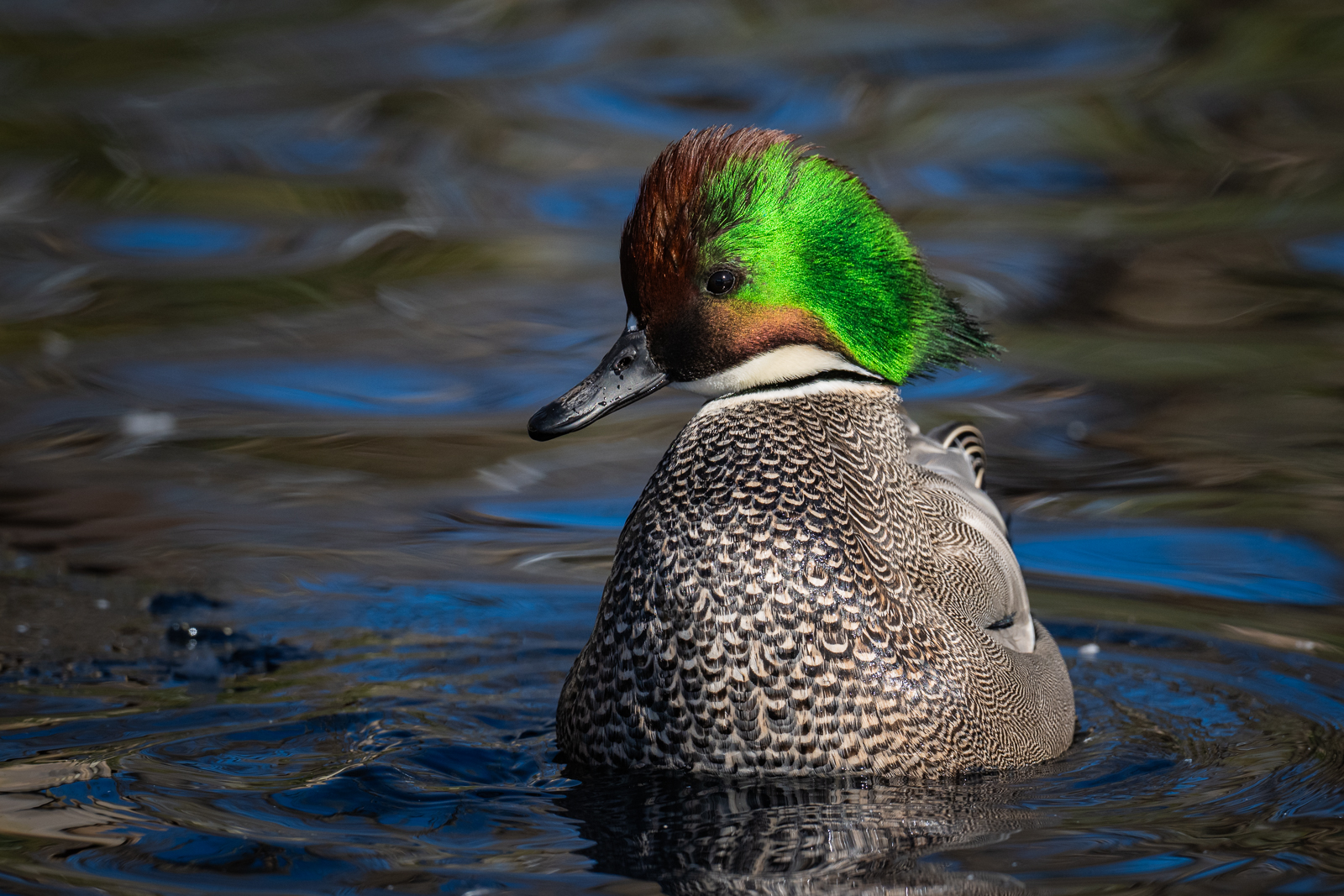
Here’s another shot from Ripley’s Waterfowl Conservancy here in Connecticut. The duck isn’t from here, it’s from East Asia. The males have a shimmering green head and long, sickle-shaped, or “falcated” feathers that curve over the back. These ducks breed in marshy wetlands and grasslands in Russia and northern China, migrating south to Japan, Korea, and parts of Southeast Asia for winter. They’re strong, fast flyers and can be surprisingly hard to spot outside of migration hotspots. Habitat loss and climate change have put some pressure on their populations, making sightings even more rare in the wild. Nikon Z8 with Nikkor 500mm PF lens, ISO 1400, f/7.1 at 1/2500th of a second.
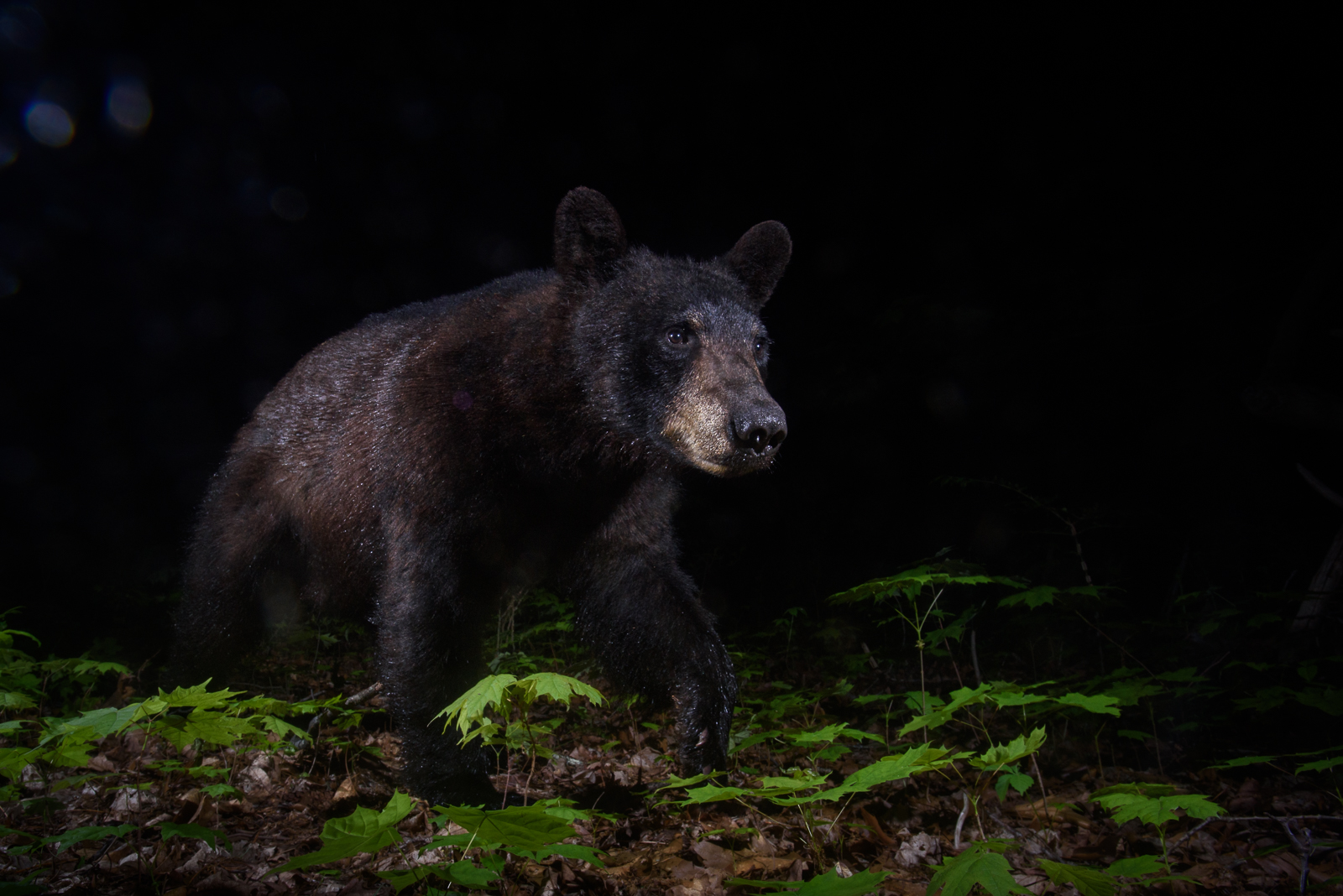
Five days ago I posted a black bear in my backyard from 2020 and mentioned that we hadn’t seen any yet this year. Two nights later, this one tripped the camera trap in our back woods. Nikon D810 with Nikkor 17-35mm lens (at 22mm) ISO 500, f/14 at 1/250th of a second, Cognisys camera box, trail monitor and remote flash units.
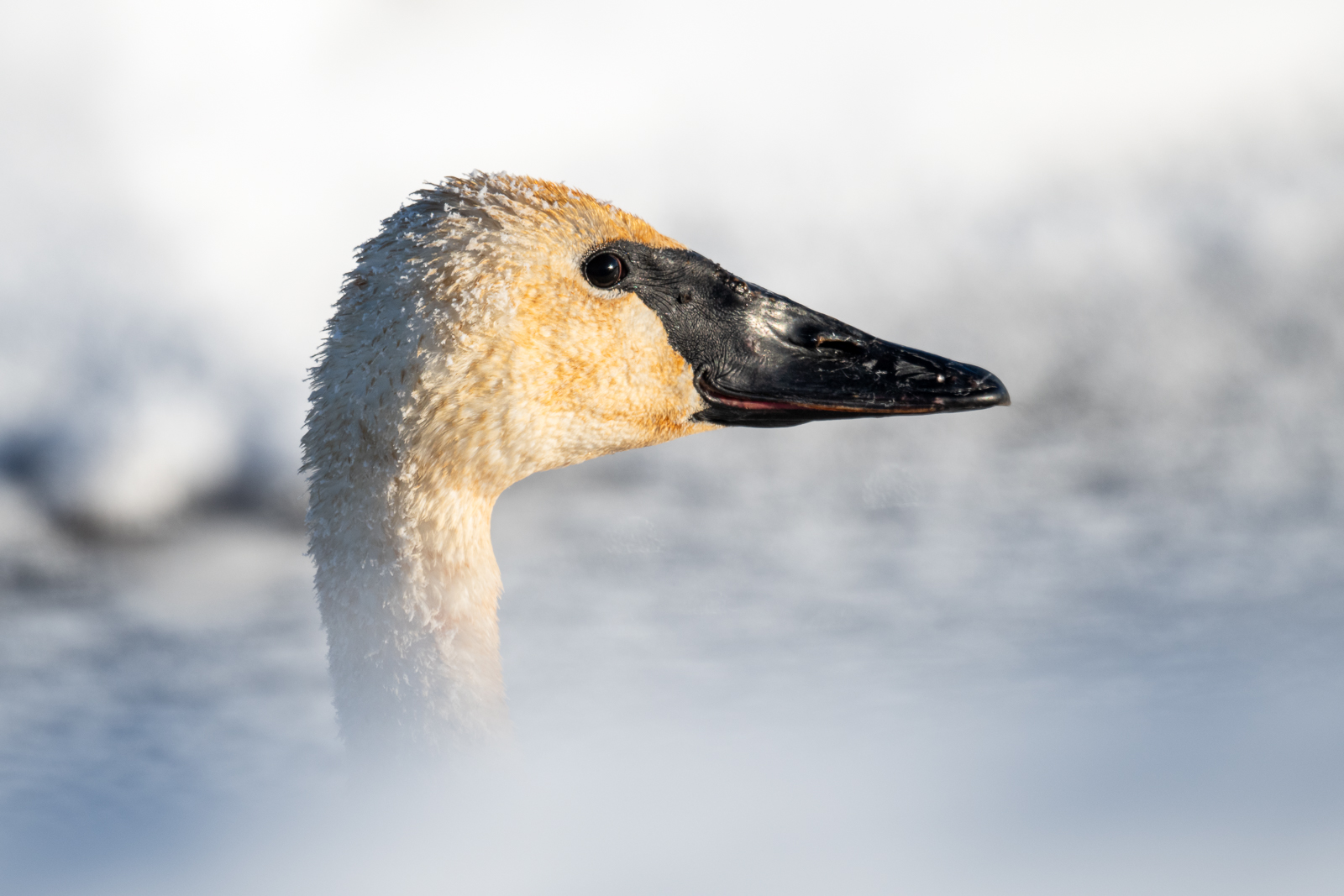
Last time I was up in northern Minnesota I came across this trumpeter swan out on a frozen lake. The snowy foreground allowed me to isolate the swan’s head surrounded by all that out-of-focus white. Nikon D500 with Nikkor 500mm PF lens, ISO 400, f/5.6 at 1/2000th of a second.
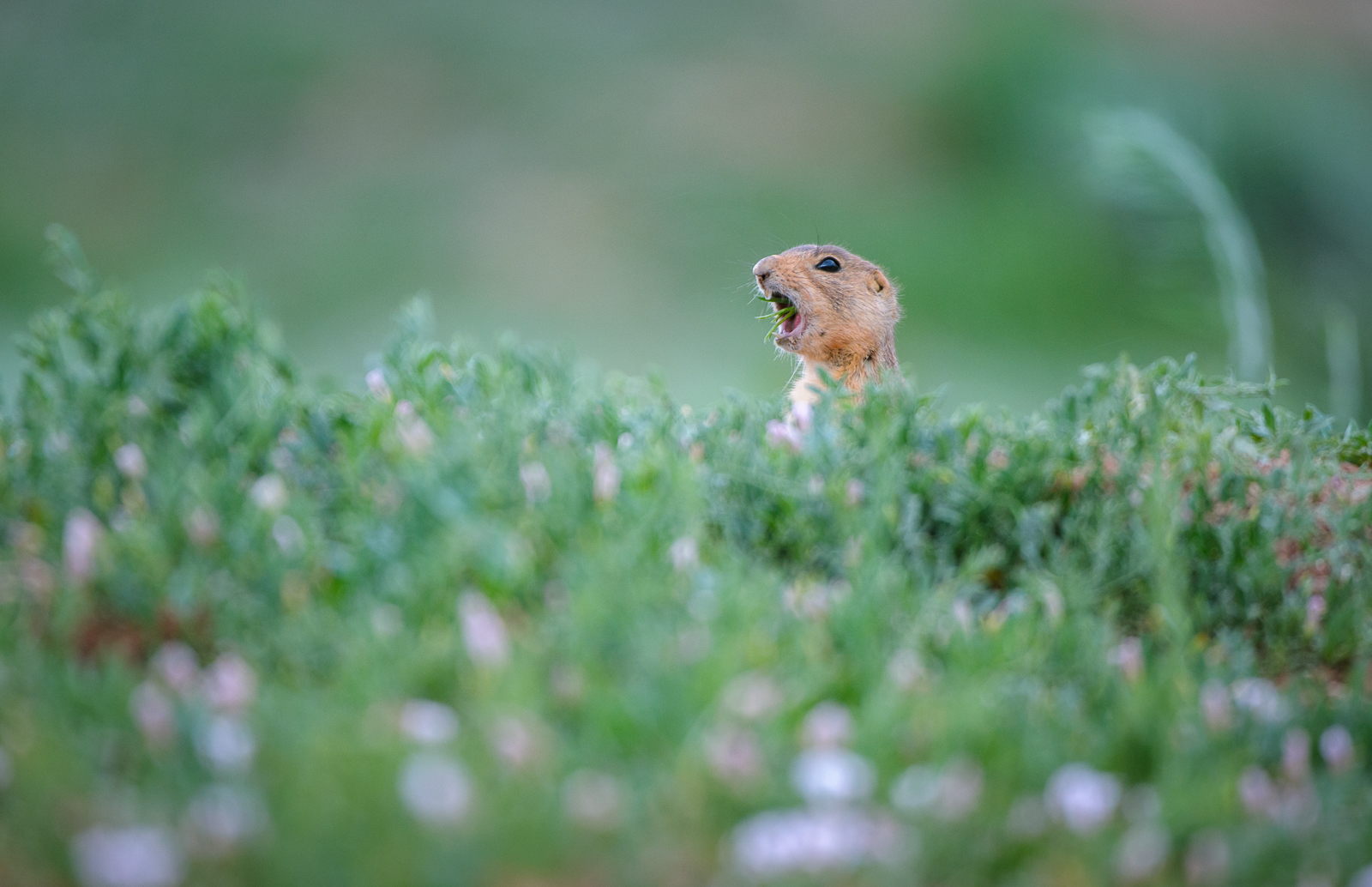
Prairie dogs are highly social and live in large underground colonies (or “towns”) with intricate tunnel systems and designated rooms for sleeping, nursing, and even waste (how about that fact — these guys actually have bathrooms). They also have one of the most sophisticated vocal communication systems in the animal kingdom, using different barks and chirps to warn each other of specific predators, including details like type, size, and direction. Who knows what description this guy was giving the rest of the town about the large man crawling in the bushes, interrupting lunch. Nikon D300 with Nikkor 200-400mm lens (at 400mm) ISO 400, f/4 at 1/250th of a second.
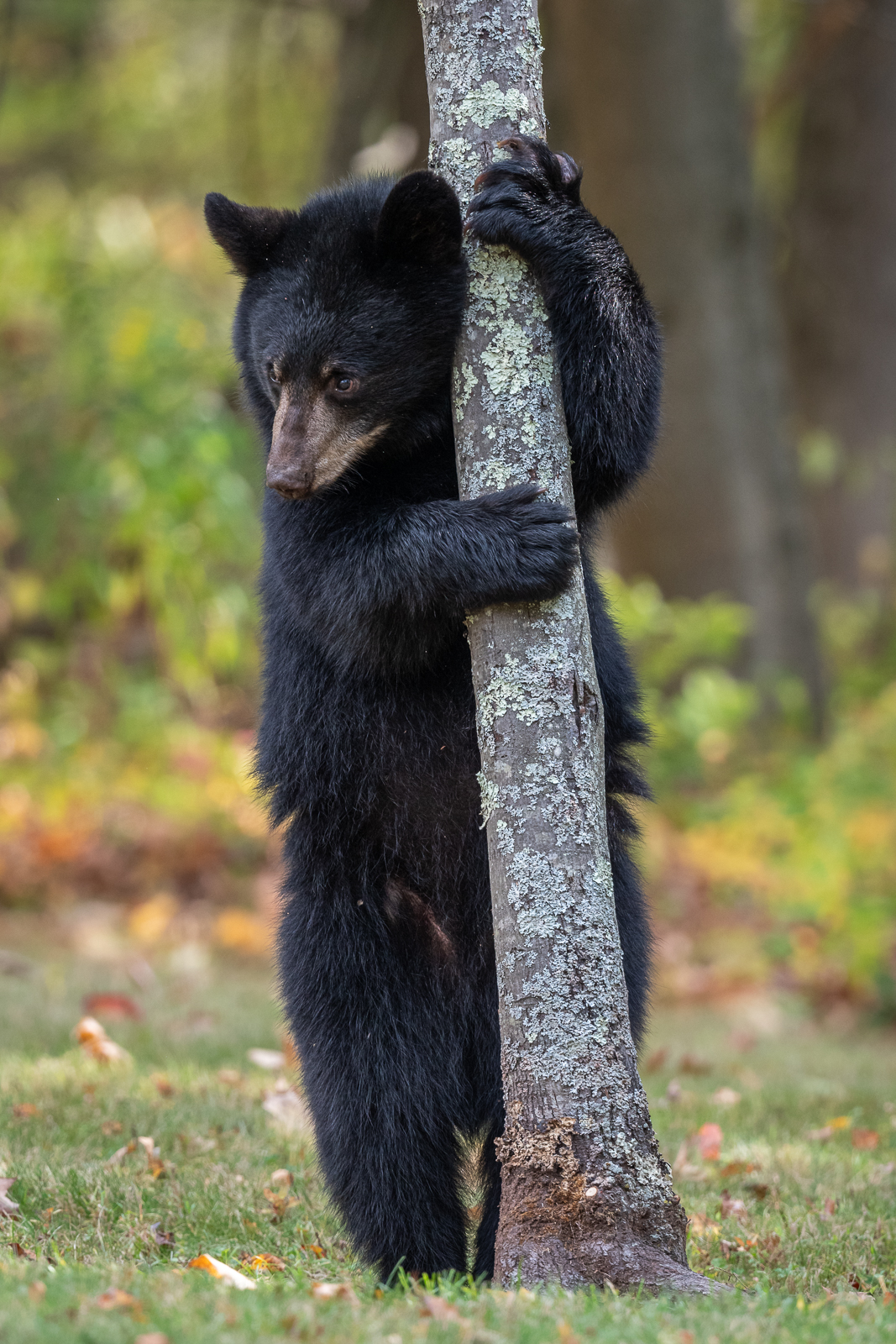
So far, we haven’t had any black bear sightings in the yard this spring. This one is from 2020 when we were seeing them every four days or so. Here’s hoping they find their way back. Nikon D500 with Nikkor 500mm PF lens, ISO 800, f/6.3 at 1/400th of a second.
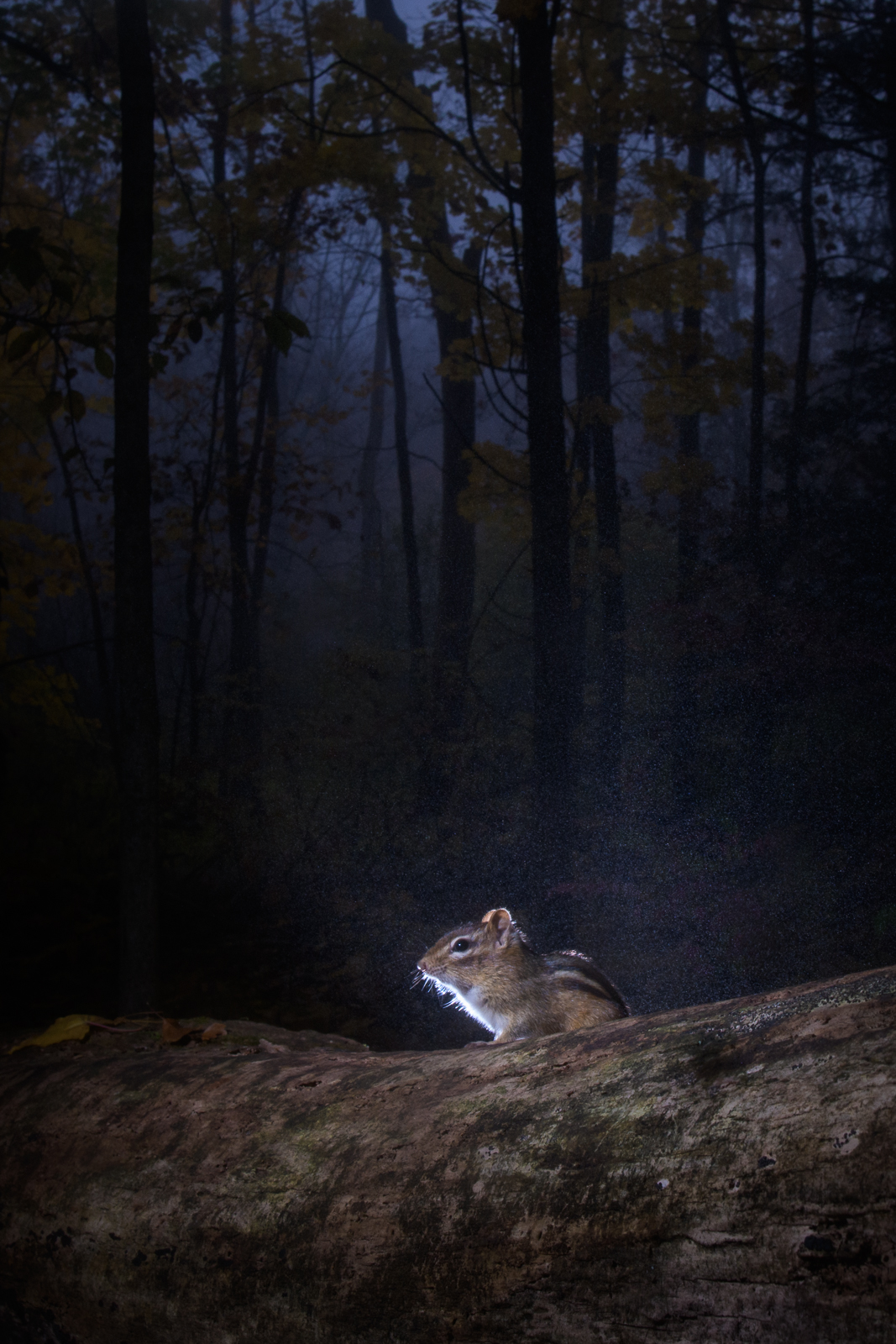
I get so many chipmunks and squirrels at my camera traps but rarely post any. I thought this one had a nice mood with the foggy morning and backlight. Nikon D850 with Nikkor 20mm lens, ISO 500, f/14 at 1/200th of a second, Camtraptions camera housing and triggers, Nikon SB-900 flash units.
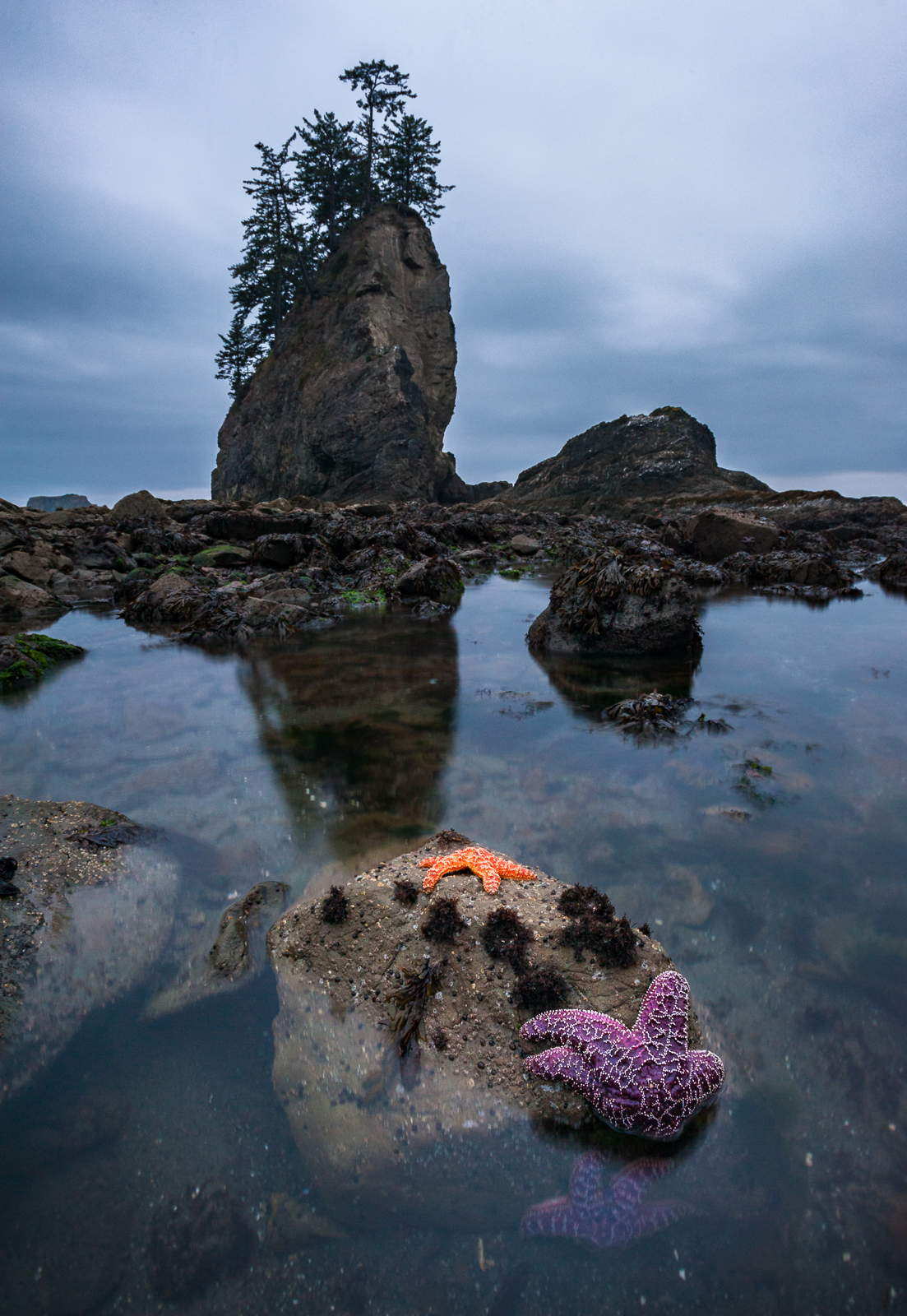
Here’s one from the archives. I visited Olympic National Park back in 2009 and spent a bit of time photographing ochre sea stars (Pisaster ochraceus). They are found up and down the Pacific coast, easily recognized by their orange, purple, or reddish hues. They play a crucial role as a “keystone species,” especially in rocky intertidal zones, by preying on mussels and helping maintain biodiversity. They can regenerate lost arms, and they feed by turning their stomachs outside their bodies to digest prey. They are also surprisingly strong for their size, and cling tightly to rocks with hundreds of tiny tube feet as waves crash over them. Nikon D700 with Nikkor 17-35mm lens (at 17mm) ISO 400, f/20 at 6 seconds.
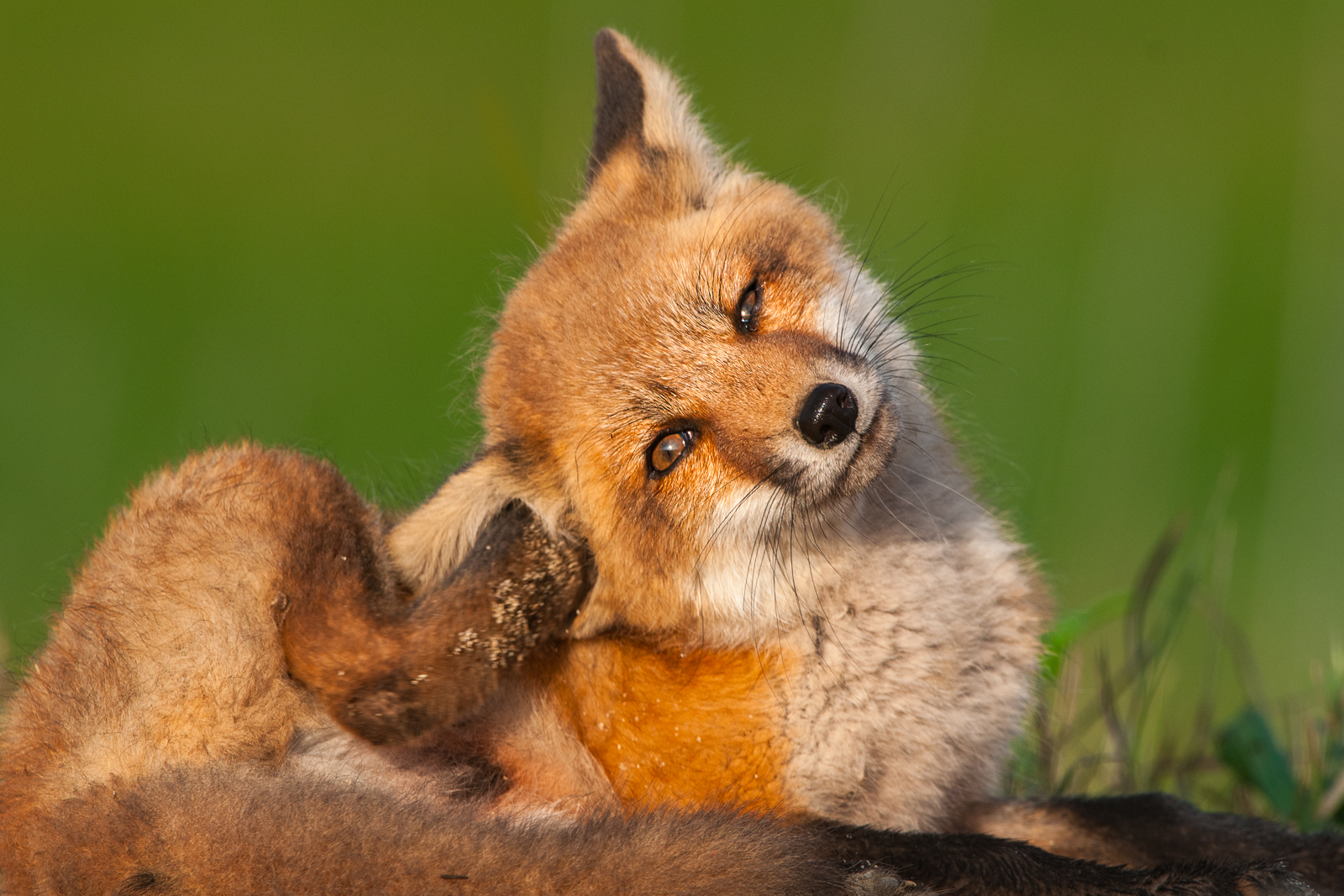
Red fox pups (Vulpes vulpes) are born blind, deaf, and completely dependent on their mother, spending the first few weeks nestled safely in a den. As they grow, pups become curious and playful, wrestling with siblings and pouncing on leaves or insects in mock hunting practice. These early games help build the skills needed to survive on their own. They begin to venture outside the den around four weeks old and are usually weaned by eight to ten weeks, but they’ll often stay with their family group through the summer, learning to navigate the world one cautious step at a time. I encountered this pup (also called a kit or cub) in Delaware, along with a few other siblings, alternating between playing and resting while they waited for their mother to return with breakfast. Nikon D300 with Nikkor 200-400mm lens (at 400mm) ISO 200, f/7.1 at 1/400th of a second.
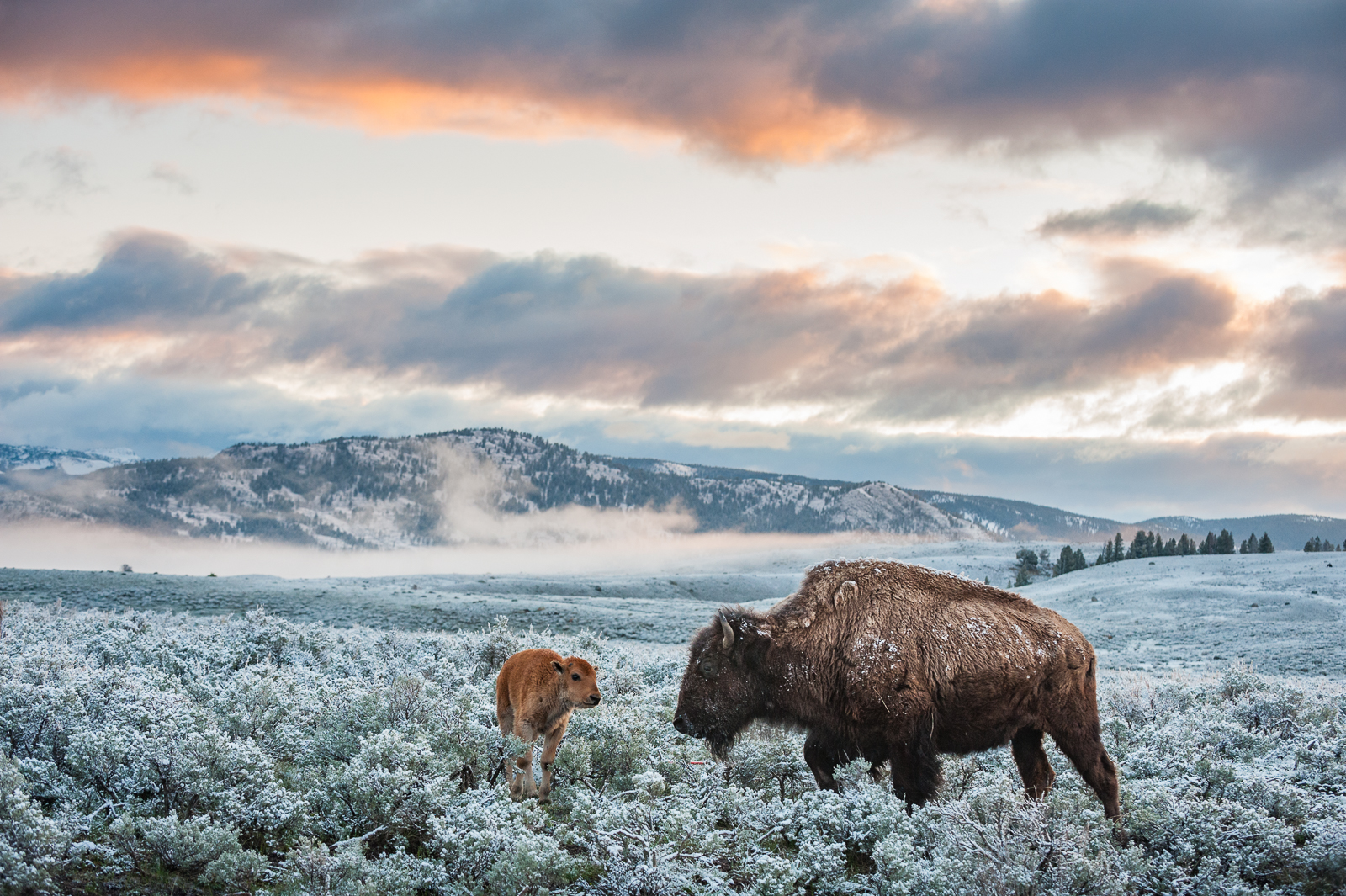
May can be a great time to visit Yellowstone National Park because you never know what kind of weather you’re going to get and it can change drastically from one moment to the next. Back in 2011, I visited later in the month and at times it felt like summer, at times winter, and on this morning, somewhere in-between. Frost and light snow was covering the landscape as the day began but by mid-day the sun was bright and the hills were green with new growth. And, of course, the great thing about Yellowstone is, when the conditions are right, there are always a few bison around willing and able to walk into the middle of the scene. Nikon D700 with Nikkor 70-200mm lens (at 70mm) ISO 800, f/5.6 at 1/320th of a second.
We use cookies to enhance your experience while using our website. If you are using our Services via a browser you can restrict, block or remove cookies through your web browser settings. We also use content and scripts from third parties that may use tracking technologies. You can selectively provide your consent below to allow such third party embeds. For complete information about the cookies we use, data we collect and how we process them, please check our Privacy Policy