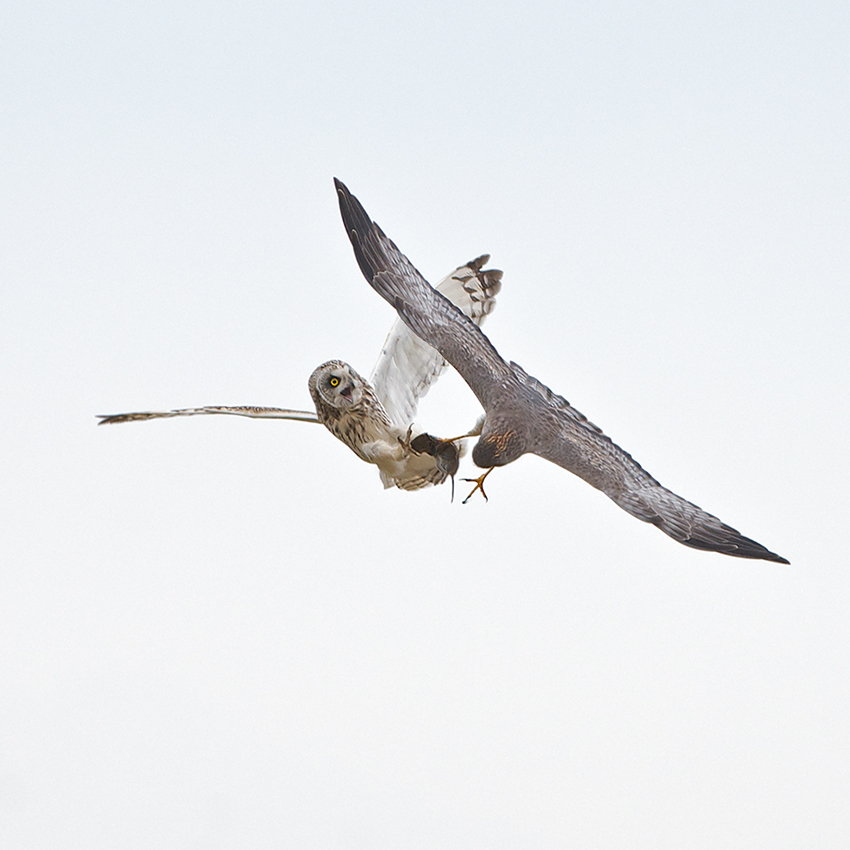
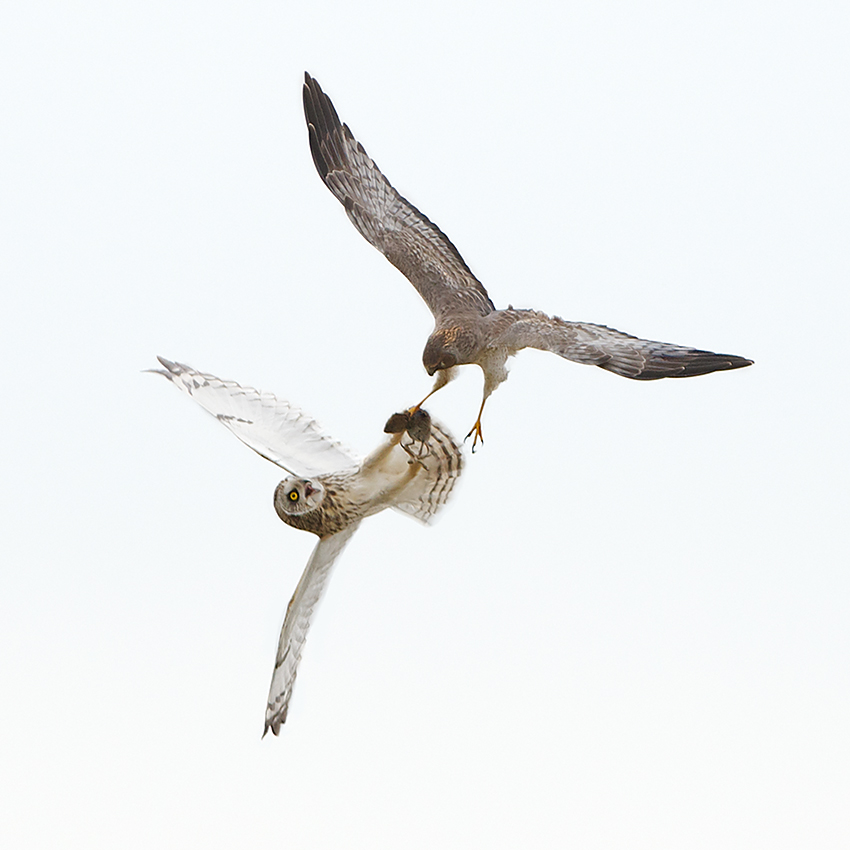
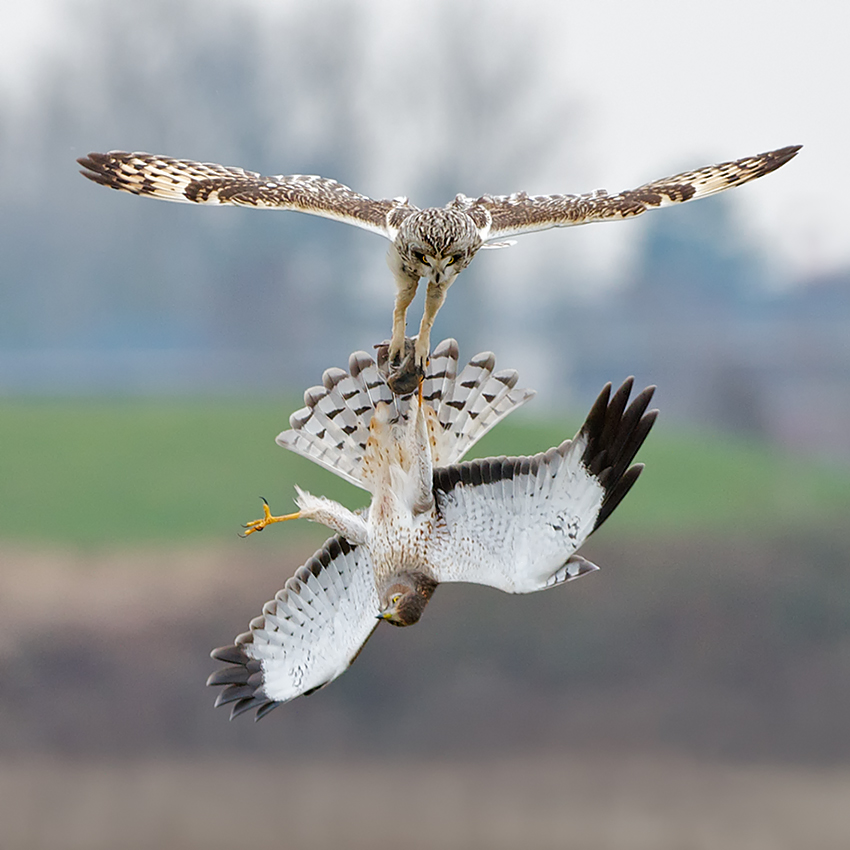
In addition to snowy owls, there were also short-eared owls at Boundary Bay, as well as plenty of harrier hawks. The two didn’t like each other very much and they were constantly trying to steal each other’s lunch — in this case, a vole. The harrier attacked the owl in mid air and the battle was on. As you can see in the third picture, the owl came out on top and was able to retain rights to a hard fought meal. Nikon D800 with Nikkor 200-400mm lens (at 290mm) ISO 1000, f/4 at 1/1250th of a second
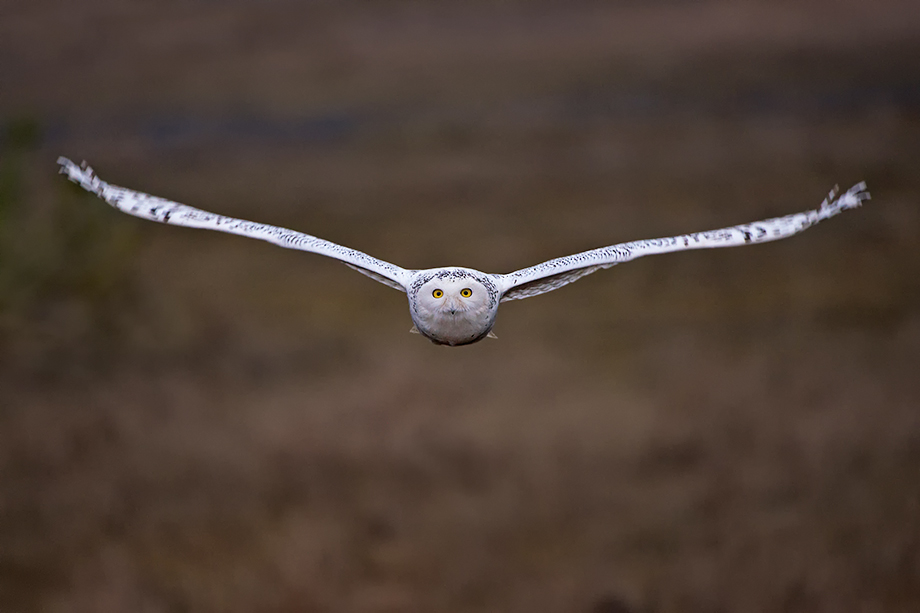
Just getting back from a great weekend in search of snowy owls in British Columbia, Canada. I had heard of a place called Boundary Bay, which is just over the US border north of Seattle. Last year was a record year for the owls at Boundary Bay — snowy owls are infrequent visitors to lower Canada and certain northern parts of the lower forty eight. They may only show up every seven years. It all depends on the availability of food on the arctic tundra, where they live most of the year. As it turns out, this year is shaping up to be almost as good as last year. 30 or so owls have been spotted in the area and I was lucky enough to photograph quite a few of them. This lovely lady flew right at me and over my head last night just before I was about to call it a night. Much more on these owls later in the week. Nikon D800 with Nikkor 200-400 lens (at 400) ISO 1600, f/4 at 400th of a second
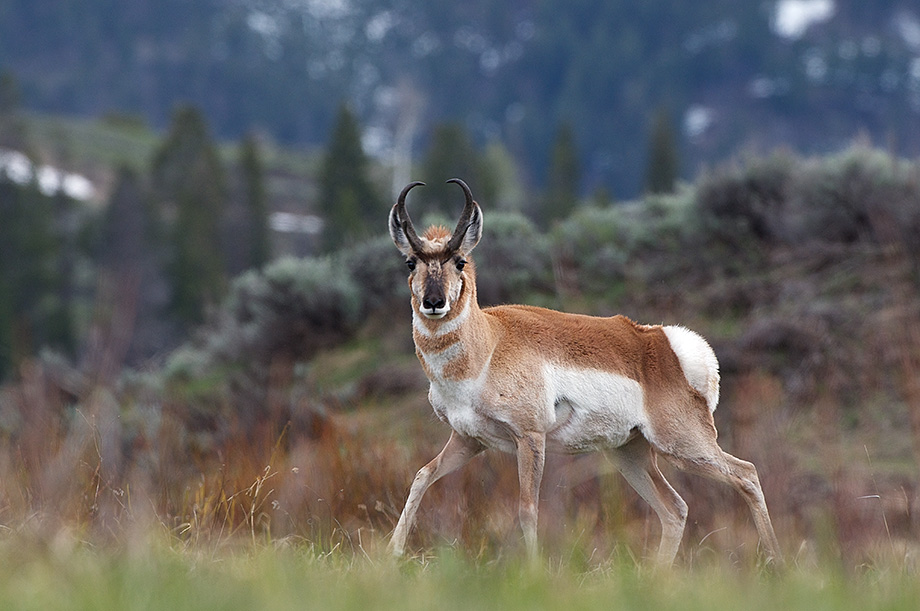
This is a male pronghorn that I photographed in the spring of 2011 in Yellowstone National Park. The pronghorn is the fastest land mammals in the Western Hemisphere. It is also considered to be the second fastest land mammal in the world — behind only the cheetah. Unlike the cheetah, however, which can only sustain high speeds for short sprint-like bursts, the pronghorn has more endurance and can run at a speed of 55 mph for half a mile or 35 mph for four miles. A cheetah, incidentally, can reach a top speed of 75 mph, but that’s a tale for another post. Enjoy the long holiday weekend (if you get it). I’m currently in the Seattle/Vancouver area searching for snowy owls and other creatures. Hopefully I’ll be back on Tuesday with something to share.
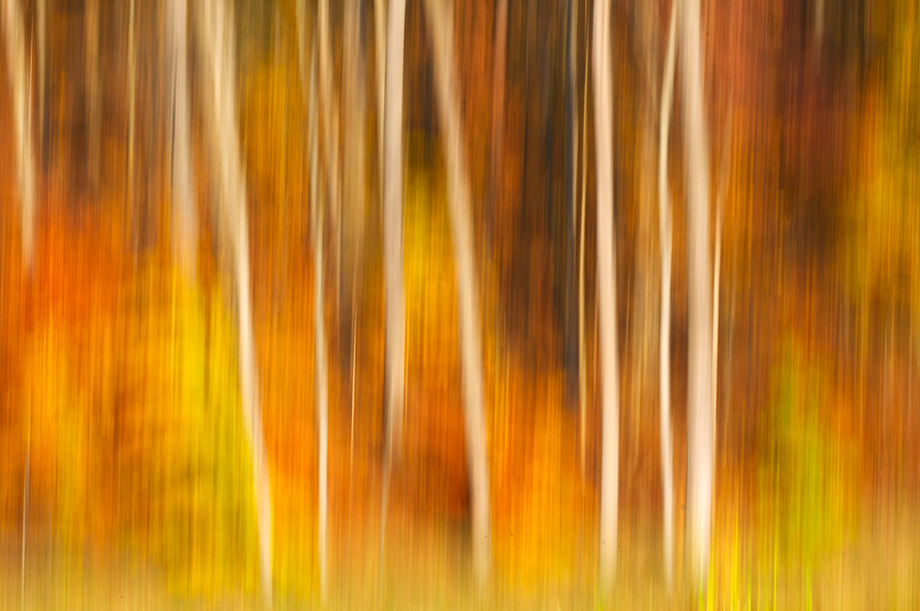
Another abstract shot of nature today. I panned the camera vertically to achieve the blur effect on this one of fall colors at their peak in Cuyahoga Valley National Park in Ohio.
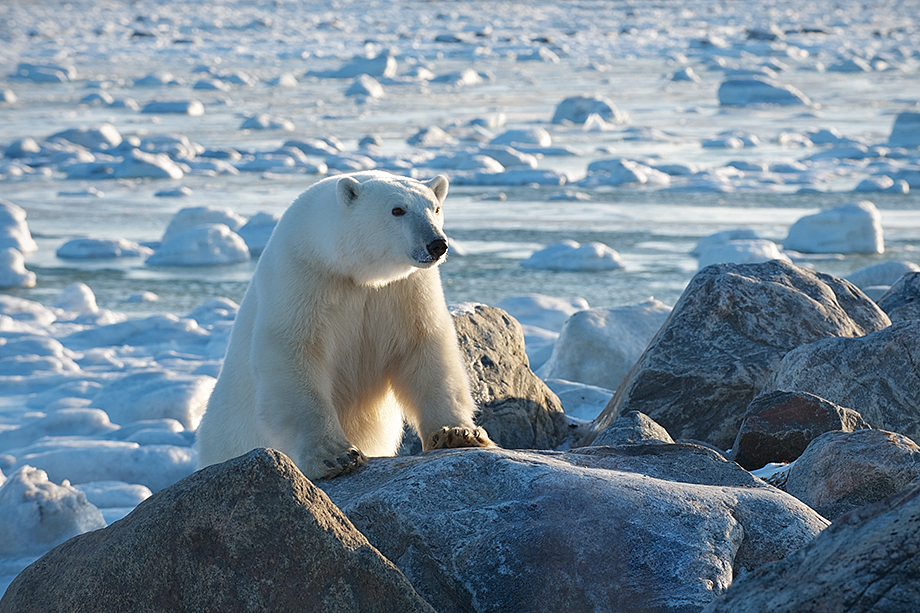
This polar bear was just kind of hanging out, checking out his territory, watching the day go by. As with all my polar bear shots, this was taken way up in northern Manitoba, Canada at a place called Seal River.
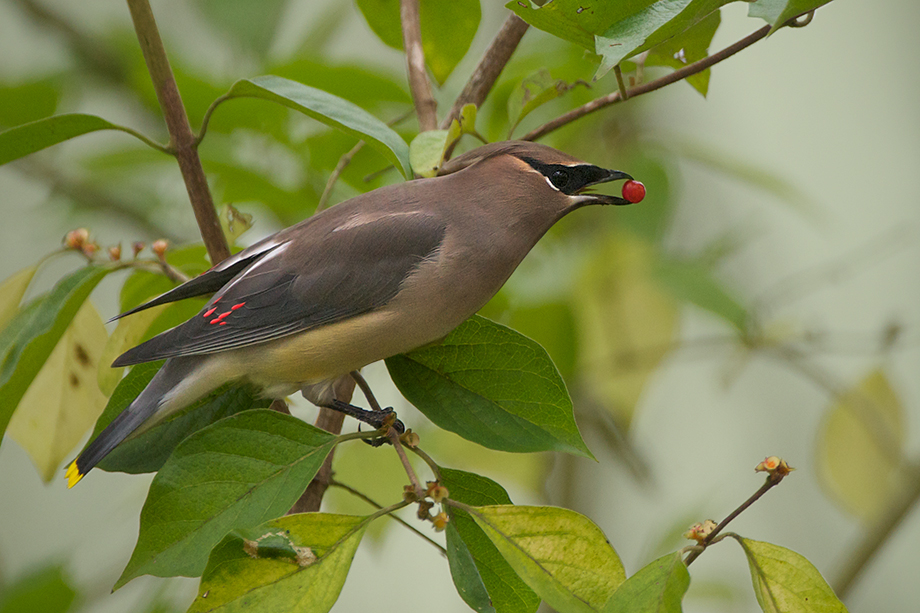
The cedar waxwing is one of those birds that for whatever reason, has eluded me up to this point. While visiting the Cuyahoga National Park last weekend, however, I saw a whole flock of them. This guy grabbed a few quick berries before flying away. Note the red and yellow markings on the bird’s tail feathers.
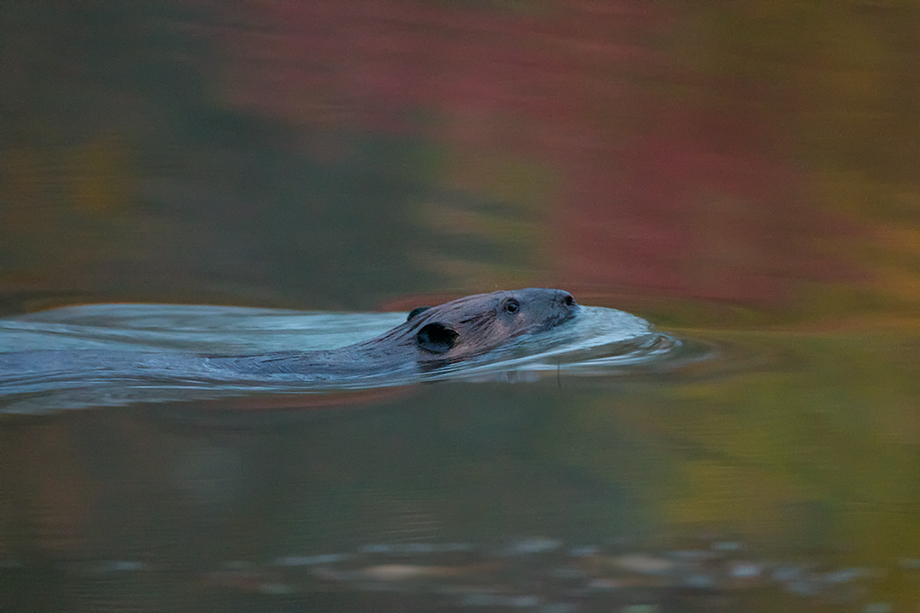
Besides deer, the only other mammals that I saw in Cuyahoga Valley National Park last weekend were a couple of beavers. Beavers are always difficult to photograph because not only are they skittish, they’re also crepuscular. What does crepuscular mean, you ask? Simply that they are active during the twilight hours of dawn and dusk. It was about 6:30 AM when I took this shot and the sun was still below the horizon. Due to the low light I had to crank the ISO up to 3200. There was just enough light, however, to record the reflected colors of the changing leaves on the surface of the water.
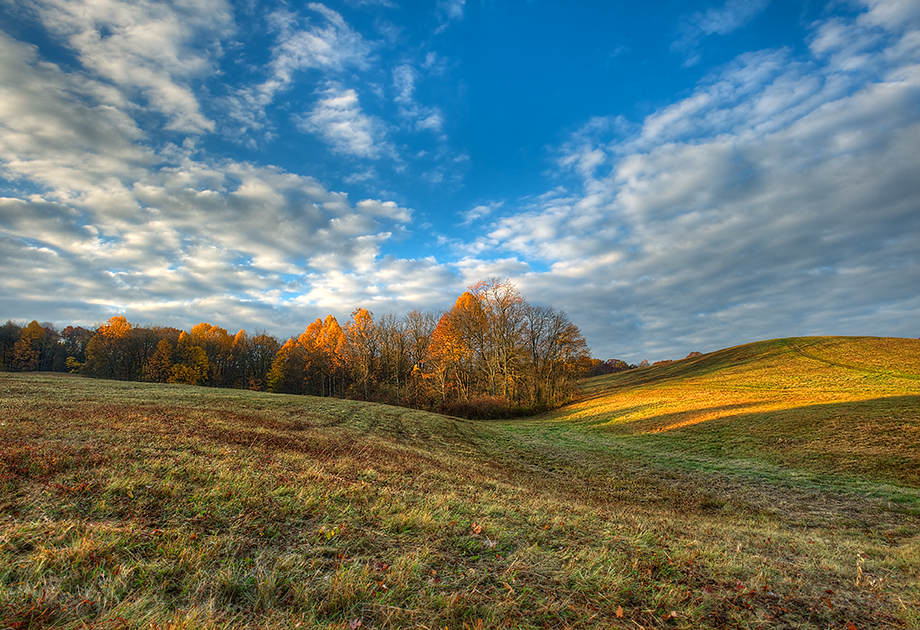
The Cuyahoga Valley in Ohio is an interesting national park given the human presence that exists within its borders — not exactly what you’d expect if your vision of a national park is Yosemite or Yellowstone. The purpose of the park, however, is to preserve and reclaim the rural landscape surrounding the Cuyahoga River. It does this beautifully with gently rolling hills, waterfalls, caves, lush farmlands and a twisting floodplain that mix seamlessly with the quaint residential patches that evoke a more Rockwellian America. The leaves were peaking this past weekend in many areas of the park, including these hills behind Kendall Lake.
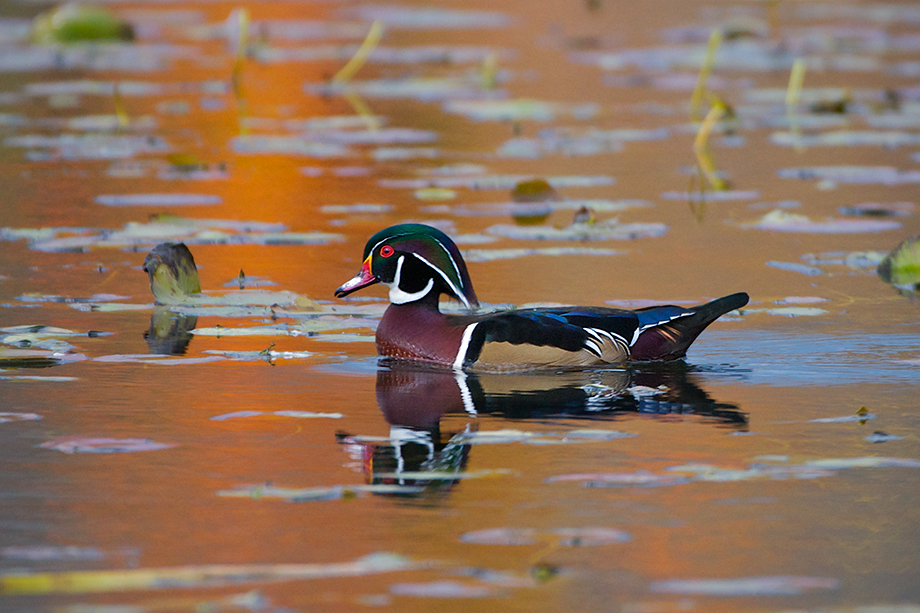
I had to be in Ohio for work on Thursday and Friday so I figured I’d spend the weekend and explore Cuyahoga National Park. There wasn’t too much going on, but I did see quite a few birds, including this male wood duck. Wood ducks get their name because they like to nest in cavities in trees. The males are one of the most colorful duck species in North America, while the females have a more uniformly brown plumage.
We use cookies to enhance your experience while using our website. If you are using our Services via a browser you can restrict, block or remove cookies through your web browser settings. We also use content and scripts from third parties that may use tracking technologies. You can selectively provide your consent below to allow such third party embeds. For complete information about the cookies we use, data we collect and how we process them, please check our Privacy Policy